Pages

Showing posts with label Rosemary. Show all posts

Tuesday, 19 January 2016

Carnosic acid protects the eyes


November 30, 2012. The November, 2012 issue of the journal Investigative Ophthalmology & Visual Science reported that carnosic acid, a compound occurring in the herb rosemary, helped protect the eyes' retina from degeneration and hydrogen peroxide-induced toxicity. 
Carnosic Acid Protects The EyesActing on previous findings of a protective effect for carnosic acid against free-radical damage in the brain, Stuart A. Lipton, MD, PhD, who is the director of Sanford-Burnham Medical Research Institute's Del E. Webb Neuroscience, Aging, and Stem Cell Research Center, and his colleagues tested the effect of carnosic acid on retina-derived cell lines treated with hydrogen peroxide, which promotes oxidative stress, a factor believed to be involved in the progression of age-related macular degeneration and retinitis pigmentosa.  The team found that carnosic acid induced the production of antioxidant enzymes and lowered free radicals and peroxides. 
In a study involving dark-adapted rats, those that received carnosic acid prior to white light exposure experienced less retinal damage.  Increases in outer retinal nuclear layer thickness measured in carnosic acid-treated animals indicated improved retinal photoreceptor protection.  Treated rats also exhibited improved electroretinogram activity, a measure of photoreceptor function.  "These findings suggest that carnosic acid may potentially have clinical application to diseases affecting the outer retina, including age-related macular degeneration and retinitis pigmentosa, in which oxidative stress is thought to contribute to disease progression," the authors conclude. 
Dr Lipton revealed that "We're now developing improved derivatives of carnosic acid and related compounds to protect the retina and other brain areas from a number of degenerative conditions, including age-related macular degeneration and various forms of dementia."

Thursday, 29 August 2013

Supercharge Your Health With Seven Medicinal Herbs & Spices

 
Medicinal herbs and spices have been used with great effectiveness from ancient times. Find out how these seven spices & herbs can make a huge impact on your daily health.

seven medicinal herbs & spices


Seven Medicinal Herbs & Spices


  1. Cloves – Found to have the highest antioxidant content of all spices an be used as a painkiller and has been used for centuries to treat tooth aches and gum pain. Eases cold and allergies, and oil of cloves is useful as antiseptic in mouthwash.
  2. Oregano – 1/2 tsp has the same amount of antioxidants as a quarter cup of almonds and four times the antioxidant activity of blueberries…Go greek make a greek salad and sprinkle on the oregano! Oregano is rich in Vitamin K, iron, maganese, and kills e.coli, salmonella, and virtually all food-borne pathogens.
  3. Ginger – Over 50 antioxidants have been found in ginger. It helps increase circulation, calms digestive problems. Ginger has also been used to treat food poisoning, shown to lower cholesterol, treat arthritis, reduce inflammation, and can be used to help increase insulin sensivity in diabetics.
  4. Cinnamon – Plays an important role in regulating blood sugar in people with diabetes. Clinical studies have shown a consistent intake of cinnamon daily help reduce glucose, triglyceride, and LDL cholestrol with type II diabetics.
  5. Tumeric – The bright neon yellow color comes from the phytochemical Curcumin and can eliminate cancer cells, help reduce obesity, and metabolic diseases. Scientists have found by creating a new molecule from curcumin, called CNB-001, this molecule triggers the mechanisms that safeguard and restore brain cells after a stroke.
  6. Rosemary – Blocks HCAs or carcinogenic compounds found your favorite grilled meats. Rosemary oil can improve cognitive performance and fight off free radical’s that cause Alzheimer’s, stroke, and dementia.
  7. Mustard – The compound AITC compound found in mustard seed is known to be an anti-cancer compound – this plant compound is also found in wasabi & horseradish. Studies show that AITC, stopped the growth of bladder cancer by 33%. 
 Now available the Seven Super Herbs & Spices in PDF format….print it out and take it with you grocery shopping!

You can view more health infographics at:

http://undergroundhealthreporter.com/seven-medicinal-herbs-spices

Thursday, 6 June 2013

Why You Should Check Your Iron Levels

Iron in Your Blood

June 05, 2013

Blood Test

Story at-a-glance

  • While iron is essential for human life, too much iron can cause heart disease and cancer. This is actually far more common than iron deficiency
  • Checking your iron levels is one of the most important tests that everyone should have done on a regular basis as part of a preventive, proactive health screen; it can be done with a simple blood test called a serum ferritin test; your ferritin level should be between 20 and 80 ng/ml, and 40 to 60 is ideal. If your iron levels are elevated or you have hemochromatosis, donating your blood or obtaining a prescription for therapeutic phlebotomy is one of the best solutions
  • There is speculation that the genetic mutation linked to hemochromatosis may have emerged to help protect ancient humans from iron deficiency resulting from a switch from a hunter-gatherer “Paleo” diet to one based on carb-heavy farming


By Dr. Mercola
Iron is essential for human life, as it is a key part of various proteins and enzymes, involved in the transport of oxygen and the regulation of cell growth and differentiation, among many other uses.  
One of the most important roles of iron is to provide hemoglobin (the protein in red blood cells), a mechanism through which it can bind to oxygen and carry it throughout your tissues, as without proper oxygenation, your cells quickly start dying. 
If you have too little iron, you may experience fatigue, decreased immunity or iron-deficiency anemia, which can be serious if left untreated. This is common in children and premenopausal women. 
But what many people fail to realize is that too much iron can be equally deadly, and is actually far more common than iron deficiency, thanks to a hereditary disease known as hemochromatosis.

This Health Issue Has Been of Major Importance to Me and My Family 


This test saved my dad’s life 20 years ago when I discovered he had a ferritin level close to 1000. It was because he has beta-thalassemia. With regular phlebotomies, his iron levels normalized and now the only side effect he has is type 1 diabetes. The high iron levels damaged his pancreatic islet cells and now he has what is called “bronze” diabetes and so requires the use of insulin.
I also inherited this from him so this is a personal issue. Thankfully, I am able to keep my iron levels normal by removing about a quart of blood a year. This is removed not all at once but over a few dozen deposits. 
I screened all my patients with ferritin levels and noticed nearly one-fourth of them had elevated levels. So I would strongly encourage you and your family to be screened annually for this, as it is SO MUCH easier to prevent iron overload than it is to treat it.

Ferritin Screen – One of Your Most Important Health Tests 

Checking your iron levels is easy and can be done with a simple blood test called a serum ferritin test. I believe this is one of the most important tests that everyone should have done on a regular basis as part of a preventive, proactive health screen.  
The test measures the carrier molecule of iron, a protein found inside cells called ferritin, which stores the iron. If your ferritin levels are low, it means your iron levels are also low.  
The healthy range of serum ferritin lies between 20 and 80 ng/ml. Below 20 is a strong indicator that you are iron deficient, and above 80 suggests you have an iron surplus. The ideal range is between 40-60 ng/ml.  
The higher the number over 100 the worse the iron overload, with levels over 300 being particularly toxic and will eventually cause serious damage in nearly everyone that sustains those levels long term. It’s important to find out if your levels are high because your body has a limited capacity to excrete iron, which means it can easily build up in organs like your liver, heart and pancreas. This is dangerous because iron is a potent oxidizer and can damage your body tissues contributing to serious health issues, including: 
Cirrhosis Liver cancer Cardiac arrhythmias
Type one diabetes Alzheimer's disease Bacterial and viral infections

Cancer researchers have also found new evidence that bowel cancers are two to three times more likely to develop when dietary iron is too high in your body.1

Risk Factors for Iron Overload 

People with hemochromatosis are not the only ones who may accumulate more iron than is healthy. While premenopausal women who are menstruating regularly rarely suffer from iron overload, most adult men and postmenopausal women tend to be at a high risk, as they don't have a monthly blood loss (one of the best ways you can get rid of excess iron is by bleeding).  
Another common cause of excess iron is the regular consumption of alcohol, which will increase the absorption of any iron in your diet. For instance, if you drink wine with your steak, you will likely be absorbing more iron than you need. Other potential causes of high iron levels include:
  • Cooking in iron pots or pans. Cooking acidic foods in these types of pots or pans will cause even higher levels of iron absorption.
  • Eating processed food products like cereals and white breads that are "fortified' with iron. The iron they use in these products is inorganic iron, not much different than rust and it is far more dangerous than the iron in meat.
  • Drinking well water that is high in iron. The key here is to make sure you have some type of iron precipitator and/or a reverse osmosis water filter.
  • Taking multiple vitamins and mineral supplements, as both of these frequently have iron in them.


Could Reducing Your Iron Level Be a Safer Alternative to Statins? 

We may have garnered some valuable information about how iron drives inflammation from studying statins drugs, of all things. Statins are of course, cholesterol drugs. Statins have an anti-inflammatory effect on your body by reducing oxidative stress, which is something the drug companies tend not to disclose. The fact that statin drugs reduce inflammation, and reduce inflammatory markers like C-reactive protein, may explain why statins decrease heart attacks in some people. This benefit has nothing to do with the action of lowering cholesterol, but rather the reduction of inflammation. 
In a study published in the April 2013 issue of American Journal of Public Health2, researchers found that statins improved cardiovascular outcomes at least partially by countering the proinflammatory effects of excess iron stores. In this study, the improved outcomes were associated with lower ferritin levels but not with “improved” lipid status. Researchers concluded iron reduction might be a safe and low-cost alternative to statins. An earlier study in the American Heart Journal3 also showed that people with a lower iron burden had less risk for heart attack and stroke. 
These studies add credence to what I learned a few years ago from Dr. Steven Sinatra, one of the leading natural cardiologists in the world, that statins’ only health benefit is that of reducing inflammation.  
This may be helpful for a small percentage of individuals who have a very high risk of dying from a heart attack, but NOT for those who simply have "high" cholesterol levels.  Statin drugs are vastly overprescribed and are not worth the risk for the vast majority of you. In some cases, they may actually increase your risk of stroke. If elevated iron is the driving force behind your inflammation and cardiovascular disease, then it makes far more sense to simply reduce your iron level, as opposed to taking a statin drug that has the potential for many adverse effects.

What to Do if Your Iron Levels Are Too High 

The good news if you find out that your iron levels are elevated or you have hemochromatosis is that remedying the condition is relatively simple. Some people advise using iron chelators like phytic acid or IP6, but I tried that with my dad and it failed miserably so I would not recommend it. Donating your blood is a far safer, more effective and inexpensive approach for this problem.  
If, for some reason, a blood donor center is unable to accept your blood for donation you can obtain a prescription for therapeutic phlebotomy. At the same time, you will want to be sure to avoid consuming excess iron in the form of supplements, in your drinking water (well water), from iron cookware, or in fortified processed foods.  
Additionally:
  • Certain phenolic-rich herbs and spices, such as green tea and rosemary, can reduce iron absorption4
  • The primary polyphenol in turmeric known as curcumin actually acts as an iron chelator, and in mice studies, diets supplemented with this spice extract exhibited a decline in levels of ferritin in the liver5
  • Astaxanthin, which has been researched to have over 100 potential health benefits, has been shown to reduce iron-induced oxidative damage6


The Ancient Origins of Iron Overload 

How and why hemochromatosis – now one of the most prevalent genetic diseases in the United States – emerged is the subject of numerous theories and speculation – but its true history remains a complex mystery. In a fascinating article on the topic, The Atlantic7 recently highlighted the notion that everyone who inherited the C282Y mutation responsible for the majority of hemochromatosis cases got it from the same person. In other words, one distant ancestor passed on the mutation, which now favors people of Northern European decent. 
No one knows the precise identity of the founder, but initial speculation that it was someone of Irish descent has given way to the possibility that it may have actually arisen in a Viking civilization or, even earlier, in a central European hunter-gatherer.  
It takes two inherited copies of the mutation (one from the mother and one from the father) to cause the disease (and even then only some people will actually get sick). If you have just one mutation, you won’t become ill but you will absorb slightly more iron than the rest of the population, a trait that may have given people an advantage when dietary sources of iron were scarce.


Did the Hemochromatosis Mutation Emerge to Protect Humans from a Carb-Heavy Agricultural Diet?  

There is speculation that the hemochromatosis mutation may have spread in ancient Europe around the time that man transitioned from hunter-gatherer to farmer. Unlike the Paleolithic diet of the “cavemen,” which by necessity included a relatively balanced diet of iron-rich meat, fish and plant foods, farming may have led humans to rely on an overabundance of grain carbohydrates. The featured article reported:8
Fossil evidence indicates early European farmers stood roughly 6 inches shorter than their hunter-gatherer ancestors, a possible indication of malnutrition… Average height and life expectancy fell, as bone infections, dental cavities, and skeletal malformations associated with anemia rose. While the exact composition of the Paleolithic plate remains debated, most agree that European hunter-gatherers ate more meat than those in modern farming communities. And this animal protein was an excellent source of one familiar micronutrient: iron.
The World Health Organization estimates that 1.6 billion persons worldwide current suffer from the lack of red blood cells known as anemia -- half of which may be caused by iron deficiency. One's inner paleo might wonder whether this pandemic of iron deficiency began in the Neolithic era as diets bloated with carbohydrates replaced those rich in meat and fish.
Anemia decreases the oxygen carrying capacity of the blood; if marked, this will hinder an individual's ability to stay healthy, find food, and reproduce. The C282Y mutation increases iron absorption, and it may have inadvertently protected carriers against this threat.”


The Hemochromatosis Link to the Plague 

Another intriguing theory suggests that the hemochromatosis mutation may have protected against the Black Death of the 14th century, by preventing the Yersinia pestis bacteria from reproducing inside of human immune cells.
“During the Black Death, mortality may have been highest, up to 50-66 percent, in the British Isles -- a future hotbed of hereditary hemochromatosis … In this most unsympathetic environment, minute DNA differences may decide survival or death. A genetic advantage would quickly spread through the island population -- it would have less value on the mainland where plague mortality may have been lower,” the featured article reported.9
But this theory is challenged by conflicting information that suggests the plague bacteria use iron from its host to enhance its ability to infect cells. People with hemochromatosis may therefore be among the most vulnerable to succumbing to plague infections, which suggests the mutation may have nothing to do with survival. It could, perhaps, be an artifact of natural selection or there may be a different explanation entirely…

[-] Sources and References


http://articles.mercola.com/sites/articles/archive/2013/06/05/elevated-iron-levels.aspx

Sunday, 5 May 2013

Rosemary - This Kitchen Herb Improves Memory

November 30, 2012

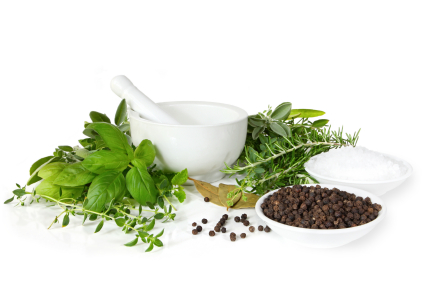
Mortar and Pestle with Herbs and SpicesApparently the key to boosting your memory is right in your kitchen. Even better, you don’t need to take a supplement or massive doses of it to get the full benefit. In fact, that’s exactly what you don’t want to do…

Researchers out of Maryland published a study in the Journal of Medicinal Food that followed 28 adults.1 Their average age was 75. Scientists gave them four different doses of this herb and a placebo.

Researchers found that the lowest dose (750 mg) of the herb had a significant impact on cognitive performance in just a few hours compared to the placebo. The highest dosage, 6,000 mg, had an impairing effect and inconsistent results. The low dosage is closest to what’s typically used for culinary purposes, only proving to be all the more valuable. Less is better!

But what’s even more interesting…

Other studies have shown that you don’t even have to consume the herb to reap the benefits.

Researchers from Northumbria University in the United Kingdom found that just smelling the herb improved memory.2

Researchers exposed 20 people to its aroma. The adults then took speed, accuracy and mood tests. Sure enough, just a whiff of the herb had a positive effect. Researchers discovered that a chemical found in the herb improved brain performance. And after doing blood tests, scientists found that the more of this chemical that entered the bloodstream, the better the subject did on the speed and accuracy tests.

What is this culinary turned medicinal herb?

You probably already use it. It’s that common.

Rosemary.

Rosemary is part of the evergreen family.3 People have used it for ages in their cooking.  And – as a medicine – it isn’t new either. Ancient Egyptians, Greeks, French, and Hungarians used the fragrant herb for centuries.4 Ancient Greeks knew about rosemary’s memory boosting abilities way before clinical trials. Students used to wear sprigs in their hair while taking tests. They believed it improved memory.

In another U.K. study, researchers also studied the affects of rosemary’s aroma.5 They randomly split up 144 participants into three cubicles – rosemary scented, lavender scented, or no scent.

The rosemary group showed a significant enhancement of performance in overall quality of memory. They also showed to be more alert than their lavender counterparts.

Don’t wait to start adding rosemary to your diet or life. It can help at any age. And it doesn’t take long to take affect.

You can easily find fresh rosemary at the grocery store. Add a little to your dishes. You’ll get a boost of flavor and strengthen your brain while you’re at it.

Don’t care for the taste or want to mix things up? You can buy rosemary essential oil to enhance the fragrance of your house, office, or bedroom. Sprinkle a few drops on a pillowcase or in the shower. It may just save your memory.

References:
1 http://ncbi.nlm.nih.gov/pubmed/21877951
2 http://huffingtonpost.com/2012/02/27/rosemary-brain-memory-18-cineole_n_1304250.html
3 http://whfoods.com/genpage.php?tname=foodspice&dbid=75
4 http://voices.yahoo.com/rosemary-ancient-herb-modern-uses-2550503.html?cat=68
5 http://ncbi.nlm.nih.gov/pubmed/12690999

Related Articles:

http://institutefornaturalhealing.com/2012/11/this-kitchen-herb-improves-memory/

Rosemary - Kitchen Herb That Protects Your Vision

April 28, 2013

Rosemary helps protect visionThe key to protecting your eyesight may just be in your kitchen. Or growing in your garden.

New research has found that a common herb contains a protective compound.  And it could help prevent age-related macular degeneration (AMD). AMD is the most common eye problem among people 50 and older.1It is also the leading cause of blindness. The compound is carnosic acid. It produces antioxidant enzymes that lower free radicals and peroxides, preventing cellular damage.

And a recent study in the Investigative Ophthalmology & Visual Science 2 shows just how powerful it is. Researchers tested it on retinal cells in mice damaged by toxic peroxides.  They did this to mimic AMD. Sure enough, carnosic acid protected the cells from further damage.

What’s more, it protected against light-induced retinal damage. The mice pre-treated with carnosic acid experienced less damage when exposed to blue light. They developed a thicker outer nuclear layer in the eye which protected their photoreceptors – the part of the eye that detects light. 

Protecting this part of the eye is key.  Damaged photoreceptors result in AMD.

So then what herb is carnosic acid found in? You probably already use it.

It’s rosemary.

And you’ll want to start using it to protect your eyes immediately. AMD usually starts with no symptoms. It progresses over time and can sometimes take years for you to begin noticing things going blurry. It develops from a lifetime of damage from the sun and various toxins to the center of the retina, called the macula.

Plus carnosic acid doesn’t only protect against retinal damage. Past studies have found it also protects against oxidative stress in the brain.3

Rosemary is easy to add to your dishes. You can find it fresh at the grocery store. Or you can even try growing your own. Add a few sprigs to chicken or fish to spice it up or in your sauces and soups for a boost of flavor.

Don’t care for the taste but still want to reap the benefits? You can buy rosemary leaf supplements at any health food store.

References:
1 http://nei.nih.gov/health/maculardegen/armd_facts.asp
2 http://iovs.org/content/53/12/7847
3 http://ncbi.nlm.nih.gov/pubmed/21883218

Related Articles:


http://institutefornaturalhealing.com/2013/04/the-kitchen-herb-that-protects-your-vision/

Wednesday, 20 February 2013

7 Super spices for super health

Michele Borboa, MS
Oct 08, 2012 4:31 AM by


Spice up your life
Variety of spices

The word "antioxidants" typically conjures up thoughts of fruits, vegetables, tea, and even chocolate. But did you know that spices and herbs are also teeming with antioxidant power?
 
Spices are high in antioxidants
 
Dr. Wendy Bazilian, author of The SuperFoodsRx Diet: Lose Weight with the Power of SuperNutrients, recommends using more spices and herbs as a way for you to improve the overall quality of your diet.
 
Health-conscious chefs and nutritionists have long recommended including spices and herbs in dishes to add flavor without the fat, salt or sugar. But studies on the antioxidant richness of spices and herbs suggest using these flavor powerhouses as a way to add more health to your meals, too.

"It's the ultimate in good nutrition news when adding a favorite ingredient increases the health benefits of the foods we're already enjoying," says Dr. Bazilian. For example, one teaspoon of ground cinnamon has the equivalent level of antioxidants as a half cup of blueberries and one cup of pomegranate juice. Just think of all the foods to which you add cinnamon!

The health benefits of spices and herbs


To advance the science of spices and herbs, McCormick created the McCormick Science Institute, an independent research organization where researchers are looking at antioxidants as well as other health-promoting advantages offered by consuming more spices and herbs.

Antioxidant power. Research has shown that antioxidants are substances -- found in foods like fruits and vegetables --that may protect cells against the effects of free radicals. Free radicals are molecules produced when your body breaks down food, or by environmental exposures like tobacco smoke and radiation. Antioxidants can protect you against heart disease, cancer and other diseases. Antioxidants include beta-carotene, lutein, lycopene, selenium and vitamins A, C, and E.

Anti-inflammatory properties. Researchers are investigating the unique protective properties of spices and herbs, and their role in possibly reducing inflammation. Inflammation has been identified as a precursor to many chronic diseases, such as heart disease, allergies, and Alzheimer's to name a few. Spices and herbs can be included in an anti-inflammatory diet to not only add flavor but to also assist in healing the body.

Weight loss. Researchers are exploring the potential of spices to boost metabolism, promote satiety, aid weight management and enhance the overall quality of a diet. The capsaicin in peppers are believed to have metabolic boosting properties. In addition, if the food you eat is flavorful and satisfying, there is a good chance you will eat less and consume fewer calories, too.

What are the seven super spices?


Spices and herbs are botanically classified as fruits and vegetables. And since they no longer contain the water that makes up a significant part of the fresh produce, spices and herbs offer an even higher level of antioxidants. In addition, spices and herbs also are rich in phytonutrients, such as carotenoids, flavonoids and other phenolics, all of which possess health-promoting properties. Many spices and herbs appear to have some beneficial effects, but here are the seven super spices with the greatest health-enhancing potential and tips to include them in your meals.

 
1 Cinnamon
 
Cinnamon

Dr. Bazilian says cinnamon is easy and versatile (and delicious!). "Put 1/2 to 1 teaspoon in your coffee grinds before brewing or stir into your honey to sweeten your tea," she suggests.

The health expert also recommends mixing cinnamon into yogurt or sprinkling it on oatmeal, stirring it into pumpkin or whipping it into smoothies. "Cinnamon is a great addition to sprinkle into a traditional PB&J, too. Make it extra healthy by using whole grain bread, natural peanut butter, and all-fruit preserves," she adds.

According to Dr. Bazilian, cinnamon is also rich in natural compounds called polyphenols. Research suggests that these compounds may act like insulin in our body to help regulate blood sugar levels.
 
 
2 Oregano
 
Oregano

Dr. Bazilian considers oregano a mini salad because "one teaspoon has as much antioxidant power as three cups of chopped broccoli (but don't ditch the broccoli – have both!)."

Oregano is among the highest in antioxidants of the dried herbs and it goes seamlessly and flavorfully into familiar, everyday foods as well as new recipes. Dr. Bazilian recommends adding oregano to commercial or homemade pasta or pizza sauce or even sprinkle oregano onto a grilled cheese sandwich.

She adds, "Sliced tomatoes become exceptionally pretty and tasty with a sprinkle of oregano, a grind of pepper and a drizzle of extra virgin olive oil."
 
 
3 Rosemary
 
Rosemary

The compounds in rosemary appear to help reduce inflammation in the body and inflammation is a trigger and indirect risk factor for many chronic diseases. Rosemary is also being studied for its role in heart health.

Include rosemary in marinades for meats and tomato sauces as well as whole grain breads and rolls. And for the adventurous palate, try ground rosemary in cakes and sweet quick breads.
 
 
4 Turmeric
 
Turmeric

This bright yellow spice is commonly found in curry powder. Researchers are looking into the role of turmeric in brain health and protecting against cognitive decline associated with aging. In addition, curry is a heart-healthy condiment.

Stir curry into egg salad, chicken salad and tuna salad mixes for lunch. Add curry to simmer sauces for poultry. Whisk curry into dips and even vinaigrettes for cooked vegetables.
 
 
5 Thyme
 
Thyme

According to Dr. Bazilian, in addition to the antioxidant advantages, research is looking at the role of compounds in thyme in relation to respiratory function.

To get more thyme in your diet, whisk it in salad dressings and creamy dips, sprinkle it on cooked vegetables and fish, and include it in stir-fries or sautes.

 
 6 Ginger
 
Ginger

It may surprise you but one teaspoon of ginger has similar antioxidant levels as one cup of spinach. And ground ginger can be used in both sweet and savory dishes.

To satisfy a sweet tooth, Dr. Bazilian recommends this pungent spice be sprinkled onto fresh fruit slices or stirred into frozen yogurt or ice cream.

For savory fare, ground ginger can be mixed with honey and heated to provide a sweet gingery glaze on steamed carrots or broiled salmon fillets. Ginger also livens up marinades and sauces.

In addition, Dr. Bazilian says, "Scientists are looking at the role compounds in ginger for digestive issues (nausea and others) along with its role in reducing pain."

 
7 Dried Red Peppers
 
Dried red pepper

Spices derived from red peppers include cayenne, crushed red pepper and paprika. In addition to adding fiery flavor, these spices may just be a tasty friend to dieters, too. Dr. Bazilian says, "Red pepper in its various forms is showing promise for enhancing metabolism, increasing satiety and potentially stimulating fat burning, too."

She recommends using cayenne, crushed red pepper and paprika to spice up hummus, guacamole, cottage cheese and even mashed potatoes. She adds, "Give marinades or dressings a kick with a little cayenne or sprinkle paprika onto fish for a tasty and pretty change."
 

How much of a spice or herb will deliver health benefits?


More than a dash will do you. Dr. Bazilian recommends including spices and herbs at every meal. However, there is not yet a specified amount.

"Just like foods, it's not possible to provide a specific 'prescription' (like we do with medications) for [spices and herbs]," she explains. "Just have an herb and/or spice at every meal."

Using more herbs and spices is also a tasty way to boost the nutrition of your diet because with the added flavor, you can cut the salt, fat, and added sugar in your recipes.

Does heating spices and herbs kill their nutritional potential?


Dr. Bazilian says, "The science on spices and herbs and their properties and functions is still emerging."

Researchers are looking into the effects of heat and preparation techniques and there is no official answer on whether or not certain compounds or nutrients are altered when exposed to heat or other practices.

According to Dr. Bazilian, some research has suggested that heat may actually enhance the bioavailability (the ability of the body to absorb and use a nutrient) of certain compounds, while others may be potentially decreased.

She says, "It is likely that we will discover there are great benefits to be had from including herbs and spices along with other health-promoting superfoods, regardless of preparation techniques."


Spice – and herb – up your meals


To make it easy and delicious SpicesForHealth.com has a unique collection of tasty recipes and a variety of tips to get more spices and herbs in your meals. You can try a new healthy recipe every day or every week!


Watch: Superfood dinner


Today on the Daily Dish, Chef at Province Restaurant at the Westin Phoenix Downtown, Rita French, shows you how to make a hearty spanish chorizo, potato and kale soup.

More on antioxidants


Source:  7 Super spices for super health

Monday, 7 January 2013

5 Ways to Dodge Dangerous Food Threats

Reducing acrylamide, harmful chemicals, and heavy metals is especially important for children, health experts say.
  
By Leah Zerbe
 
 
acrylamide-cutting-potatoes
Soaking potatoes can drastically cut back
on harmful acrylamide exposure.
 American children are eating dangerous levels of contaminants hiding out in the food supply, including food by-products like acrylamide, commonly found in crackers, cookies, and french fries, a November 2012 study published in the journal Environmental Health found.

While many studies look at a single contaminant, the new research from University of California–Davis studied a broad range of dietary bad actors, such as pesticides, heavy metals, and acrylamide, a naturally occurring compound found in carbohydrate-rich foods cooked at high temperatures, aiming to determine whether children's exposure commonly exceeds the limits considered to be safe.

Eating these environmental toxins is a real and significant concern, particularly for preschool and elementary-school-age children. Researchers found many in these age groups ate the contaminants at levels have known health effects, including cancer, liver toxicity, and damage to the neurological and reproductive systems.

"We have a wide range of contaminants in our food and air and water, and some are of higher concern than others," explains study coauthor Irva Hertz-Picciotto, PhD, MPH, professor of epidemiology at the University of California–Davis School of Medicine. "In some cases the levels are too low—finding it doesn't necessarily mean there's a risk. That said, there are a number of classes of chemicals that do have known toxicities."

In the case of some foods, meal favorites may go through multiple chemical applications and more dangerous transformations before winding up on your dinner plate. For instance, pesticides are deliberately applied to potatoes and grains—sometimes multiple times—fumigants or anti-sprouting agents may be applied after sprouting for storage, and then acrylamide may form when these foods are prepared at high temperatures.

These food threats pose an even greater risk to children because their bodies and brains are still developing and likely to be affected by these harmful contaminants.

Here are simple ways to clean up your food act.

Be smart about seafood. Sometimes even the healthiest foods have high levels of certain things. In the case of seafood, that's often the brain-damaging heavy metal mercury. "Fish is extremely healthy and provides certain molecules that are really important in brain development," explains Hertz-Picciotto. But she's also quick to point out the flipside: While it's clear that consumption of fish provides essential omega-3 fatty acids provide brain-boosting benefits to children of mothers whose diet includes fish, it's important to avoid species known to contain built-up levels of harmful mercury and PCBs. Opt for tuna with lower levels, such as Wild Planet products, or wild-caught Alaskan salmon.

For more safer picks, check out The 10 Healthiest Fish on the Planet.

Soak your spuds. Since acrylamide typically occurs when carb-rich foods—especially potatoes—are cooked above 248 degrees Fahrenheit, researchers suggest cutting back on processed, carbohydrate-rich foods, particularly crackers, french fries, chips, cakes, breads, and cereal. The good news is preparing some of these foods at home puts you in control and in a position to lower acrylamide levels. For instance, when making homemade fried potatoes, potato chips, or mashed potatoes, try this trick: Before cooking, soak the raw, sliced potatoes in water for 2 hours before frying, to reduce acrylamide by nearly 50 percent; if you're rushed, a 30-second rinse of the sliced spuds reduces acrylamide by more than 20 percent. Or you can microwave the potatoes for 30 seconds before cooking, which slashes levels of acrylamide by 60 percent.

Bonus tip? Since storing potatoes in the refrigerator can result in increased acrylamide during cooking, keep your spuds out of the fridge and instead store in a dark, cool place, like a closet or pantry, to prevent sprouting.

Befriend rosemary. A 2008 Danish study found that adding rosemary, an antioxidant-rich herb, to dough before making wheat buns lowered acrylamide content by up to 60 percent. Even adding just a small amount of rosemary—1 percent of the dough—significantly lowered acrylamide levels.

Marinating meat in rosemary also promotes health by lowering levels of the carcinogenic compounds created when meat is cooked at high temps.

Another way to lower levels? When toasting bread, go for a lighter toast (not a dark brown one) to reduce acrylamide levels.

Avoid arsenic in food. You may have heard about arsenic in rice and rice-related products like brown rice syrup sweeteners. Indeed, some reports show that arsenic in rice levels are sometimes higher than what's allowed in drinking water. According to Environmental Working Group researchers, you can reduce your exposure to arsenic in food by practicing these methods:

1. If you're preparing rice, rinse it thoroughly. Rinsing your brown rice with water can lower arsenic levels by 30 to 40 percent! (White rice doesn't hold up to cooking when rinsed well, unfortunately.) Try working alternative grains like quinoa into the mix at meals, too.
2. Limit products listing rice syrup as a sweetener. This natural sweetener could contain higher levels of arsenic due to the grain's natural ability to absorb the compound.
3. Instead of rice cereal as baby's first solid food, try sweet potatoes, squash, bananas, and avocados. For older children and adults, opt for real oatmeal or mixed-grain cereals.
4. Limit certain fruit juices to a maximum of one-half to one cup a day. Why? Orchards used to use arsenic as a pesticide, and it lurks in the ground decades later.

Eat organic. Many food labels lack any substance, but organic is not one of them. Strict rules set forth by the United States Department of Agriculture's National Organic Program ban the use of chemical pesticides and fertilizers, along with human sewage sludge and genetically engineered seeds. And the good news? Eating an organic diet does make a big difference when it comes to keeping pesticides out of kids' bodies. In one study, just a week of switching preschoolers to organic fruits and vegetables caused the metabolites of pesticides in their urine to drop. 

 http://www.rodale.com/acrylamide

Wednesday, 31 October 2012

Understanding Free Radicals

Originally published on Wednesday, October 10th, 2012
               
IMMUNE SYSTEM by for Bel Marra Health


free radicalsFree radicals are now considered the biggest accelerator of aging. Although you are likely familiar with the term, if you really want to avoid falling victim to free radical damage, you need to know exactly where they come from, what they do to your body and how to neutralize them. Below is an in depth explanation of free radicals and their antidote — high ORAC foods.

The Science Behind Free Radicals

Free radicals are atoms with an odd number of electrons in their outer shell, which means that they contain an electron that is unpaired. This is problematic because electrons like to be paired, and they steal electrons from surrounding molecules or structures in order to become a pair and gain stability. In so doing, they create a new structure with unpaired molecules, which causes a chain reaction with countless additional free radicals being formed. This process destructs living cells and damages the DNA contained within them. Uncontrolled free radical damage not only accelerates aging, it also damages your cells.

Where Free Radicals Come From

Exposure to environmental toxins such as air pollution, cleaning chemicals, paint fumes and cigarette smoke all cause the generation of free radicals in your body, and so too can overexposure to sunlight. Toxins found in alcohol and most sources of water also cause the formation of free radicals. According to many alternative healthcare practitioners, the typical American diet is the greatest cause of free radical formation in the body. This belief is not farfetched either; a recent scientific study found that the consumption of sugar measurably increases the formation of free radicals and other studies have confirmed that fried foods increase free radical levels in the body. Unfortunately, because of the toxic pestiside residue found within them, even immune system boosting health foods can contribute to free radical damage.

ORAC: The Antidote to Free Radicals

In order to understand ORAC value you must first understand antioxidants. Antioxidants neutralize free radicals and prevent them from causing death and destruction to your cells and DNA. ORAC is the acronym for Oxygen Radical Absorbance Capacity, and an ORAC score is the measurement of the antioxidant capacity of different foods and supplements. Foods, beverages and supplements with a high ORAC value are considered the best antidote to free radicals. The higher the ORAC score, the better the food item is at neutralizing free radicals and protecting the body from the damage that free radicals cause.

Although all fruits and vegetables contain a medium to high ORAC value, on a gram to gram basis, spices tend to surpass produce. Cloves, oregano, rosemary, thyme, cinnamon, turmeric, parsley, nutmeg and basil all yield extremely high ORAC scores. When it comes to fruit Acai yields the highest ORAC score. Although Acai is not available in most North American grocery stores, it is available in liquid and supplement form, and many alternative healthcare practitioners recommend drinking or supplementing with it as a preventative measure against free radical damage. Finally, dark cocoa, berries, cherries, plums, apples, peaches and grapes, as well as artichokes, garlic, broccoli, cabbage and almonds, are all considered high ORAC foods. In order to maximize the efficacy of these high ORAC foods, you should always buy organic, because the pesticide residue on non-organic items can offset their antioxidant yielding benefits.

http://www.belmarrahealth.com/immune/understanding-free-radicals/

Tuesday, 29 November 2011

8 Spices and Herbs to Eat

8 of the World’s Healthiest Spices & Herbs You Should Be Eating 


8 of the World's Healthiest Spices
By Kerri-Ann Jennings, M.S., R.D., Associate Nutrition Editor at EatingWell Magazine

As a registered dietitian and associate nutrition editor at EatingWell Magazine, I know that herbs and spices do more than simply add flavor to food. They let you cut down on some less-healthy ingredients, such as salt, added sugars and saturated fat, and some have inherent health benefits, many of which Joyce Hendley reported on for EatingWell Magazine.

Modern science is beginning to uncover the ultimate power of spices and herbs, as weapons against illnesses from cancer to Alzheimer's disease. "We're now starting to see a scientific basis for why people have been using spices medicinally for thousands of years," says Bharat Aggarwal, Ph.D., professor at the University of Texas M.D. Anderson Cancer Center in Houston and author of Healing Spices (Sterling, 2011).

Aggarwal notes that in his native India, where spices tend to be used by the handful, incidence of diet-related diseases like heart disease and cancer have long been low. But when Indians move away and adopt more Westernized eating patterns, their rates of those diseases rise. While researchers usually blame the meatier, fattier nature of Western diets, Aggarwal and other experts believe that herbs and spices-or more precisely, the lack of them-are also an important piece of the dietary puzzle. "When Indians eat more Westernized foods, they're getting much fewer spices than their traditional diet contains," he explains. "They lose the protection those spices are conveying."

While science has yet to show that any spice cures disease, there's compelling evidence that several may help manage some chronic conditions (though it's always smart to talk with your doctor). What's not to love? Here we've gathered eight of the healthiest spices and herbs enjoyed around the world.

Chile Peppers
May help: Boost metabolism.


Chile peppers add a much-appreciated heat to chilly-weather dishes, and they can also give a boost to your metabolism. Thank capsaicin, the compound that gives fresh chiles, and spices including cayenne and chipotle, their kick. Studies show that capsaicin can increase the body's metabolic rate (causing one to burn more calories) and may stimulate brain chemicals that help us feel less hungry. In fact, one study found that people ate 16 percent fewer calories at a meal if they'd sipped a hot-pepper-spiked tomato juice (vs. plain tomato juice) half an hour earlier. Recent research found that capsinoids, similar but gentler chemicals found in milder chile hybrids, have the same effects-so even tamer sweet paprika packs a healthy punch. Capsaicin may also lower risk of ulcers by boosting the ability of stomach cells to resist infection by ulcer-causing bacteria and help the heart by keeping "bad" LDL cholesterol from turning into a more lethal, artery-clogging form.

Don't Miss: Foods That Blast Belly Fat

Ginger
May help: Soothe an upset stomach, fight arthritis pain.


Ginger has a well-deserved reputation for relieving an unsettled stomach. Studies show ginger extracts can help reduce nausea caused by morning sickness or following surgery or chemotherapy, though it's less effective for motion sickness. But ginger is also packed with inflammation-fighting compounds, such as gingerols, which some experts believe may hold promise in fighting some cancers and may reduce the aches of osteoarthritis and soothe sore muscles. In a recent study, people who took ginger capsules daily for 11 days reported 25 percent less muscle pain when they performed exercises designed to strain their muscles (compared with a similar group taking placebo capsules). Another study found that ginger-extract injections helped relieve osteoarthritis pain of the knee.
Must-Read: 5 Foods That Fight Pain Naturally

Cinnamon
May help: Stabilize blood sugar.


A few studies suggest that adding cinnamon to food-up to a teaspoon a day, usually given in capsule form-might help people with type 2 diabetes better control their blood sugar, by lowering post-meal blood-sugar spikes. Other studies suggest the effects are limited at best.

Turmeric
May help: Quell inflammation, inhibit tumors.


Turmeric, the goldenrod-colored spice, is used in India to help wounds heal (it's applied as a paste); it's also made into a tea to relieve colds and respiratory problems. Modern medicine confirms some solid-gold health benefits as well; most are associated with curcumin, a compound in turmeric that has potent antioxidant and anti-inflammatory properties. Curcumin has been shown to help relieve pain of arthritis, injuries and dental procedures; it's also being studied for its potential in managing heart disease, diabetes and Alzheimer's disease. Researcher Bharat Aggarwal is bullish on curcumin's potential as a cancer treatment, particularly in colon, prostate and breast cancers; preliminary studies have found that curcumin can inhibit tumor cell growth and suppress enzymes that activate carcinogens.

Saffron
May help: Lift your mood.


Saffron has long been used in traditional Persian medicine as a mood lifter, usually steeped into a medicinal tea or used to prepare rice. Research from Iran's Roozbeh Psychiatric Hospital at Tehran University of Medical Sciences has found that saffron may help to relieve symptoms of premenstrual syndrome (PMS) and depression. In one study, 75% of women with PMS who were given saffron capsules daily reported that their PMS symptoms (such as mood swings and depression) declined by at least half, compared with only 8 percent of women who didn't take saffron.
Must-Read: 4 Foods to Boost Your Mood

Parsley
May help: Inhibit breast cancer-cell growth.


University of Missouri scientists found that this herb can actually inhibit breast cancer-cell growth, reported Holly Pevzner in the September/October 2011 issue of EatingWell Magazine. In the study, animals that were given apigenin, a compound abundant in parsley (and in celery), boosted their resistance to developing cancerous tumors. Experts recommend adding a couple pinches of minced fresh parsley to your dishes daily.

Sage
May help: Preserve memory, soothe sore throats.


Herbalists recommend sipping sage tea for upset stomachs and sore throats, a remedy supported by one study that found spraying sore throats with a sage solution gave effective pain relief. And preliminary research suggests the herb may improve some symptoms of early Alzheimer's disease by preventing a key enzyme from destroying acetylcholine, a brain chemical involved in memory and learning. In another study, college students who took sage extracts in capsule form performed significantly better on memory tests, and their moods improved.

Related: 5 Foods to Help Ward Off Colds

Rosemary
May help: Enhance mental focus, fight foodborne bacteria.


One recent study found that people performed better on memory and alertness tests when mists of aromatic rosemary oil were piped into their study cubicles. Rosemary is often used in marinades for meats and poultry, and there's scientific wisdom behind that tradition: rosmarinic acid and other antioxidant compounds in the herb fight bacteria and prevent meat from spoiling, and may even make cooked meats healthier. In March 2010, Kansas State University researchers reported that adding rosemary extracts to ground beef helped prevent the formation of heterocyclic amines (HCAs)-cancer-causing compounds produced when meats are grilled, broiled or fried.
Don't Miss: Drink This to Cure a Headache & 4 More Home Remedies From Your Kitchen

What are your favorite herbs and spices?

By Kerri-Ann Jennings


Kerri-Ann, a registered dietitian, is the associate editor of nutrition for EatingWell magazine, where she puts her master's degree in nutrition from Columbia University to work writing and editing news about nutrition, health and food trends. In her free time, Kerri-Ann likes to practice yoga, hike, bake and paint.


More from EatingWell:


http://shine.yahoo.com/vitality/8-world-8217-healthiest-spices-38-herbs-eating-150600515.html
.