Pages

Showing posts with label Vitamin B6. Show all posts

Saturday, 1 August 2020

A superfood to 'keep death away'

Japan's most polarising superfood?

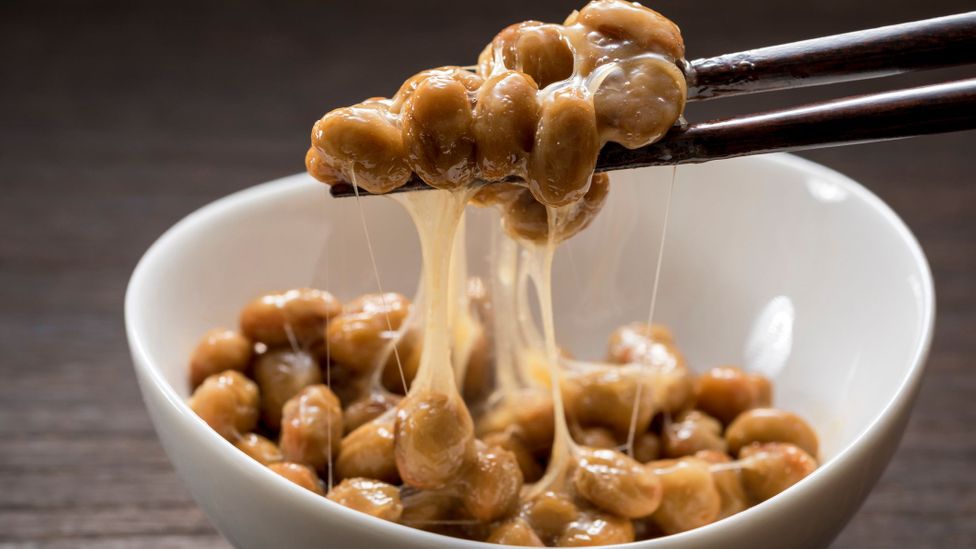
The Japanese have long hailed natto as a superfood – but its ammonia-like smell and mucus-like consistency make the fermented soybean dish a turnoff for many.

BBC Future
  • By Erika Hobart
28 July 2020

A superfood to 'keep death away'


Every day without fail, my 65-year-old mother prepares a dish that many people would say looks, smells and tastes revolting.
Nattō is very stinky. You definitely notice the smell.
Nattō is a traditional Japanese food made from fermented soybeans. It has an ammonia-like smell and mucus-like consistency that makes it polarising, even among people who grow up with it. A 2017 survey by Nifty, a Japanese internet service provider, found that only about 62% of Japanese people actually enjoy nattō. It also revealed that 13% actively dislike the taste. Regardless, many eat it anyway because of the health benefits.
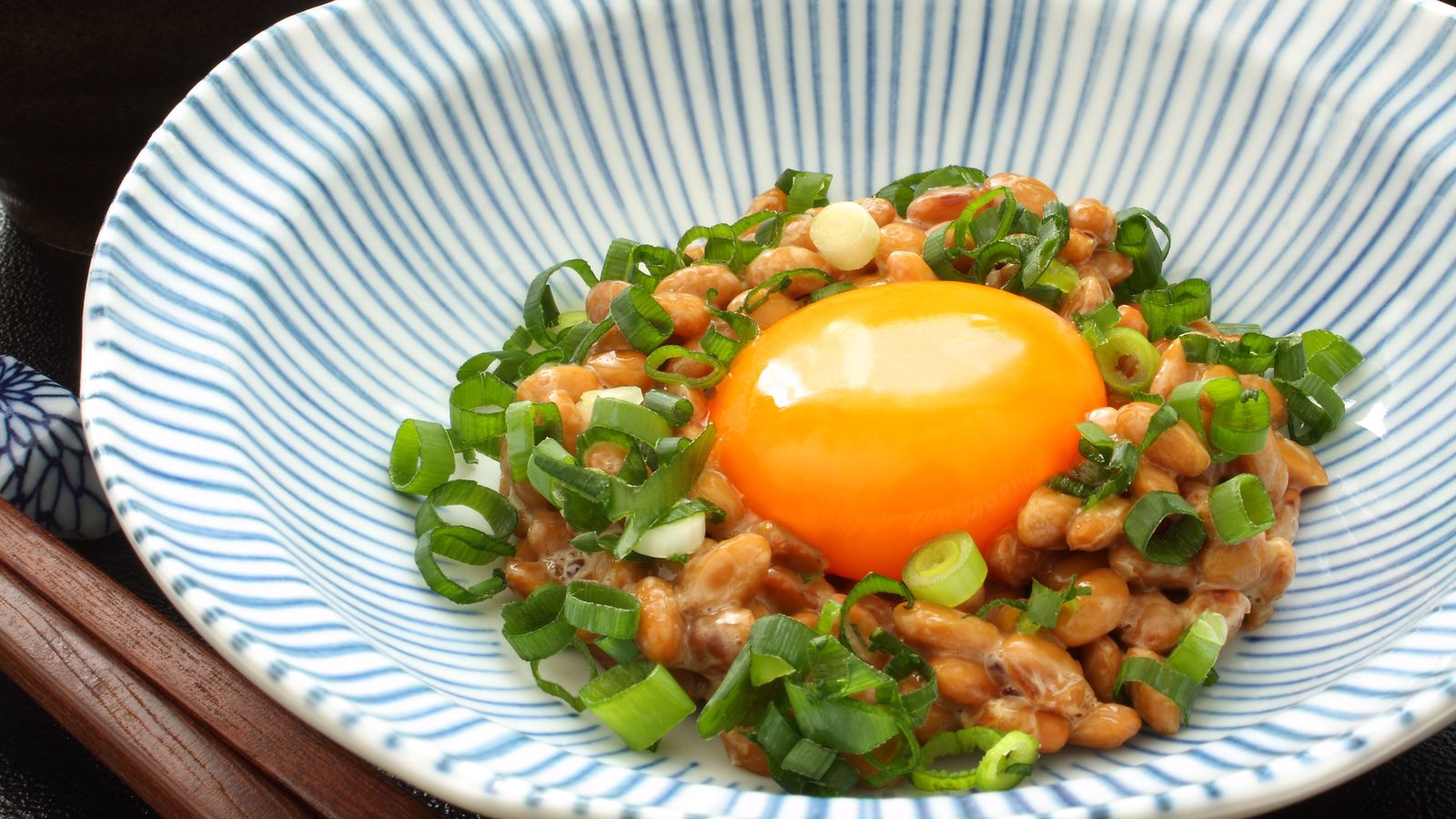
Nattō is a fermented soy-based food that’s often served with spring onion and raw egg (Credit: Credit: Hungryworks/Getty Images)
Nattō is a fermented soy-based food that’s often served with spring onion and raw egg (Credit: Hungryworks/Getty Images)
“Nattō is very stinky. You definitely notice the smell,” said Yuki Gomi, a Japanese chef who runs the cooking school Yuki’s Kitchen in London. “But I always have it in my fridge.” She says it’s a staple in her home, the same way that cheese and yoghurt is readily available in many Western households.
The Japanese have long hailed nattō as a superfood and believe that consumption is linked to improved blood flow and reduced risk of stroke – factors that are particularly appealing in a country that is home to one of the world’s oldest populations. My mother often boasts that nattō keeps her blood “sara sara” (silky). Japanese news site SoraNews24 has gone as far as to declare that "a pack of natto a day keeps the death away”. Hitoshi Shirakawa, professor of nutrition and food science at Tohoku University's Graduate School of Agricultural Science in Sendai, muses this is “probably true”.
He cites a long-term study published in the British Medical Journal earlier this year: researchers at the National Cancer Center in Tokyo found that men and women who ate fermented soy-based foods like nattō on a daily basis reduced their risk of dying from a stroke or heart attack by 10%. 

Japan is one of the world’s most elderly societies, with senior citizens accounting for more than 28% of the population (Credit: Credit: bee32/Getty Images)
Japan is one of the world’s most elderly societies, with senior citizens accounting for more than 28% of the nation’s population (Credit: bee32/Getty Images)
“Fermented soybean foods are less likely to lose [nutritional] components during processing, which is considered to be one of the reasons for the clear association between nattō consumption and [a reduced] risk of cardiovascular diseases,” Shirakawa said. Those nutritional components include plenty of protein, iron and dietary fibre, which have positive effects on blood pressure and weight.
Nattō might even help people feel and look younger. One serving (roughly 40-50g) has the same levels of vitamin K as the daily requirement set by the Japanese government and may help prevent osteoporosis. Nattō is also packed with vitamin B6 and vitamin E, which Shirakawa says boosts cell turnover and slows skin aging.
But fermented soybeans were an integral part of the Japanese diet long before its nutritional benefits were understood. Dr Samuel Yamashita, professor of Japanese history at Pomona College in Claremont, California, says the food was first introduced to Japan from China during the Nara period (710-784AD).
“The historical record in Japan suggests that although nattō was introduced in the 700s, it became popular among both aristocrats and warriors in the Kamakura period (1192-1333) and became important, together with tofu, in the Buddhist-inspired vegetarian cuisine that emerged in the succeeding Muromachi period (1338-1573),” he said.
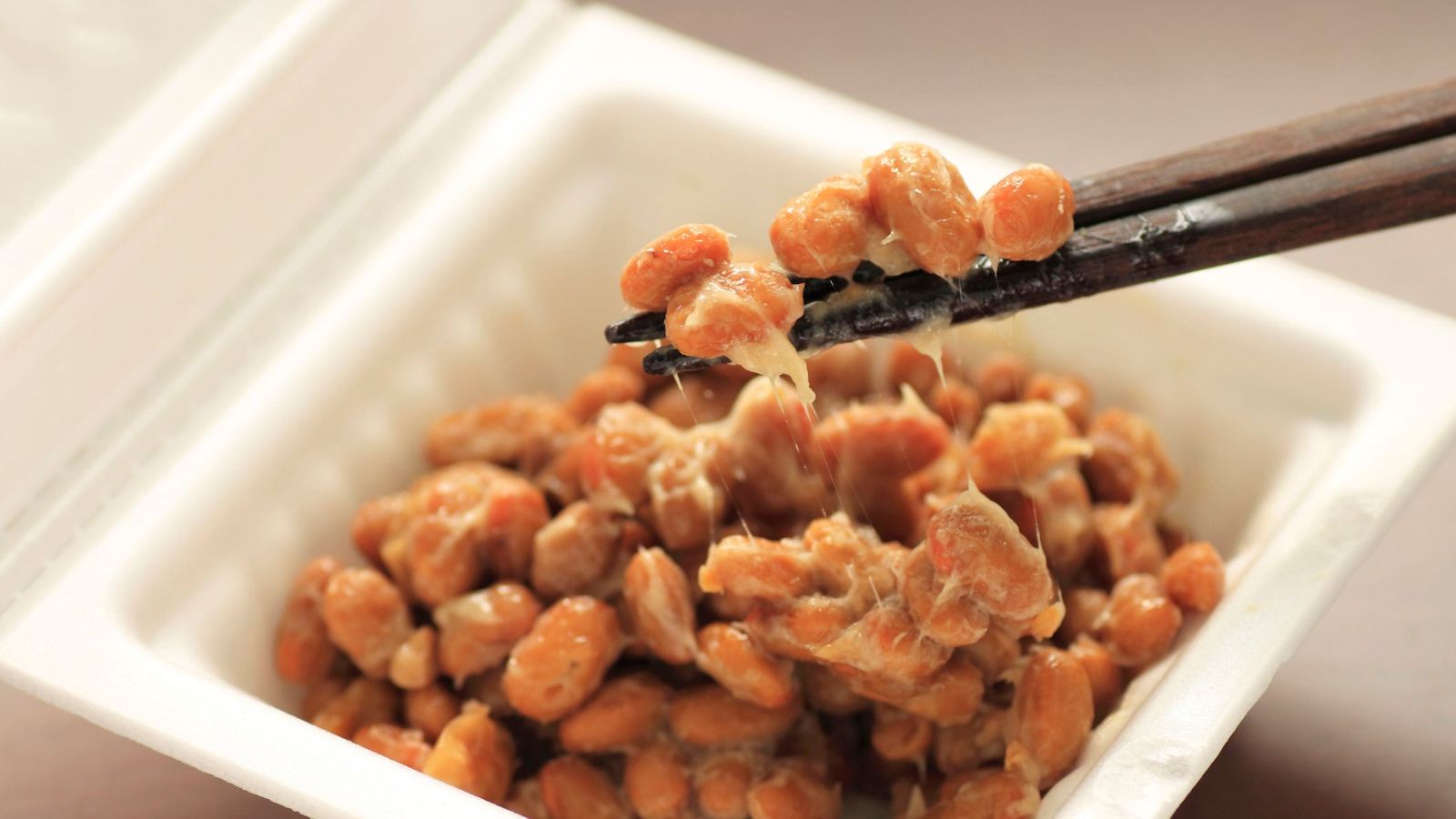
A set of nattō typically contains three small polystyrene foam containers, each with a single serve of the fermented soybeans (Credit: Credit: Yankane/Getty Images)
A set of nattō typically contains three small polystyrene foam containers, each with a single serve of the fermented soybeans (Credit: Yankane/Getty Images)
Yamashita says nattō evolved into a staple in the Japanese diet by the Edo period (1603-1867), when it appeared in cookbooks and started being prepared in the home. Soybeans were soaked in water, boiled or steamed, then blended with the bacterium Bacillus subtilis. They were then wrapped in straw and left to ferment for about a day, depending on the season and temperature.
When you add nattō to your recipes, it manages to add both rich and mellow notes to the food
Today nattō involves far less preparation and is available in convenience stores and supermarkets throughout Japan. A set of nattō, typically containing three small polystyrene foam containers, costs about 100 to 300 yen (£0.75 to £2.25). Each container has a single serving of nattō and tiny packets of tare (a soy sauce blend) and karashi (hot mustard).
To prepare nattō, you simply stir the three items and then pour the sticky concoction over a bowl of steamed white rice. Other ingredients commonly used to spruce up the dish are chopped negi (spring onions) and raw egg. When you lift your chopsticks to eat the end result, each bite is trailed by sticky strings.

Nattō is commonly available in convenience stores and supermarkets throughout Japan (Credit: Credit: Recep-bg/Getty Images)
Nattō is commonly available in convenience stores and supermarkets throughout Japan (Credit: Recep-bg/Getty Images)
In Japan, it’s most common to eat nattō for breakfast. My mother isn’t particularly fond of the taste, but consumes a bowl each morning, solely for its nutritional benefits. Akemi Fukuta, a jewellery salesperson in Tokyo’s Ginza district, says she eats it several times a week because she finds it both healthy and delicious. Gomi likes to make nattō for her four-year-old daughter’s dinner and says it’s a godsend for busy mothers.
Some people, like Mayuko Suzuki, have an entirely different level of appreciation for the simple dish. She eats nattō two to three times a day and has made a career out of being a “nattō influencer”. Known on YouTube and Instagram as Nattō Musume (Nattō Girl), Suzuki promotes restaurants serving unusual nattō-inspired dishes and shares her own recipes containing the slimy soybeans. She regularly shares photos of dubious combinations like nattō pasta, nattō pizza and even nattō gelato.
“I like the unique taste that the fermentation brings,” she explained. “When you add nattō to your recipes, it manages to add both rich and mellow notes to the food.”
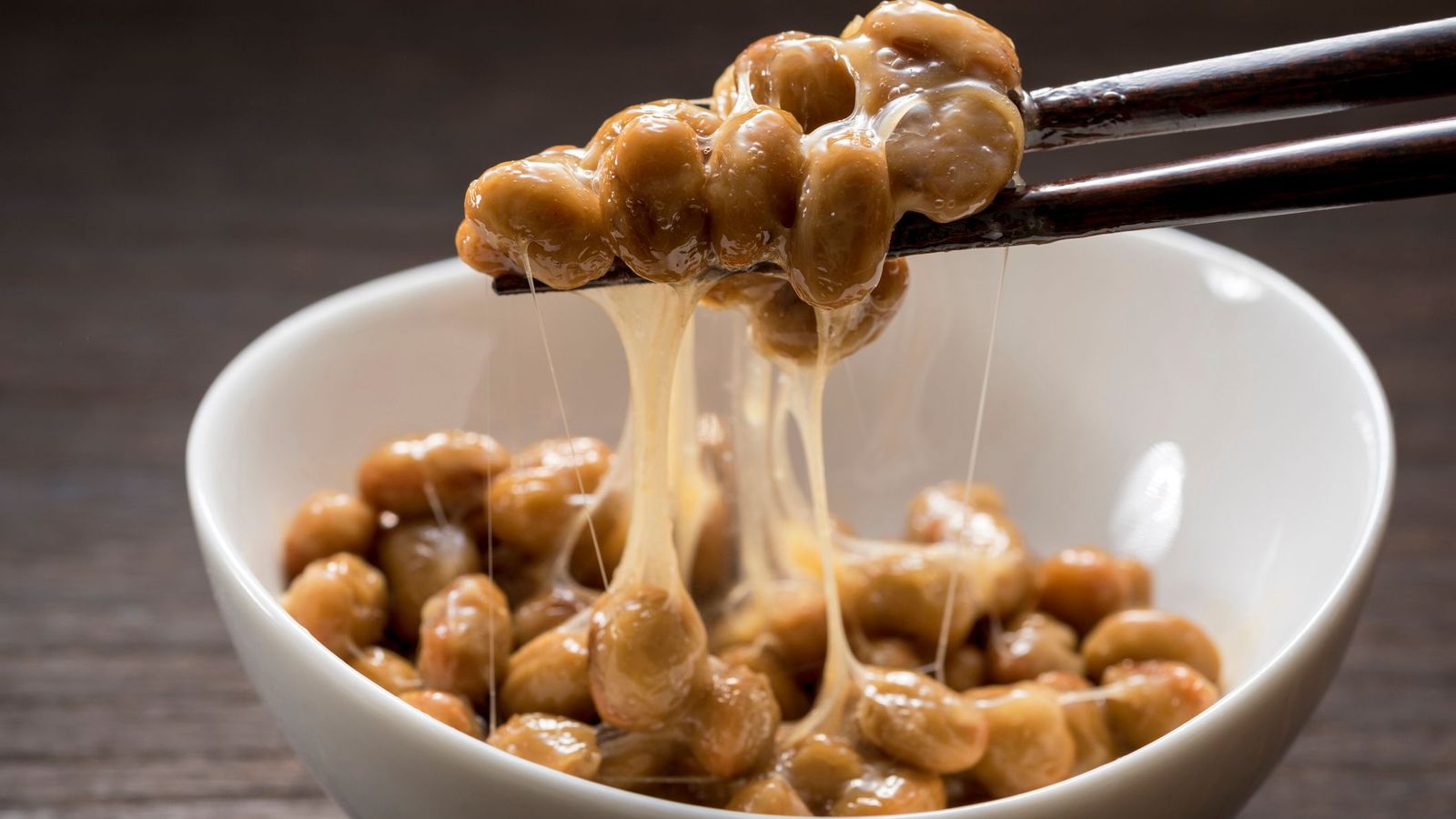
Nattō’s sticky, slimy texture is a natural result of the fermentation process (Credit: Credit: Kuppa_rock/Getty Images)
Nattō’s sticky, slimy texture is a natural result of the fermentation process (Credit: Kuppa_rock/Getty Images)
Given her enthusiasm, it’s no surprise that Suzuki has made three visits to Sendai-ya, an all-you-can-eat nattō restaurant in Tokyo. For about 900 yen (£6.75), customers can devour several variations on the dish, including edamame nattō, goma (sesame) nattō and wakame (seaweed) nattō. The business also sells an unlikely dessert: nattō doughnuts.
Sendai-ya president Itō Hidefumi is the third generation of his family to take over the business, which was established in the Yamanashi prefecture in 1961. He says Sendai-ya expanded to Japan’s capital as a response to customer demand. There are also several vending machines containing Sendai-ya’s nattō products in the city.
"It’s very rewarding to take over a family business that provides people with such a healthy product,” he said.
Despite its reputation as a superfood, however, nattō has failed to gain popularity outside of Japan. It has, however, attracted enough attention to end up in the Disgusting Food Museum in Malmö, Sweden.
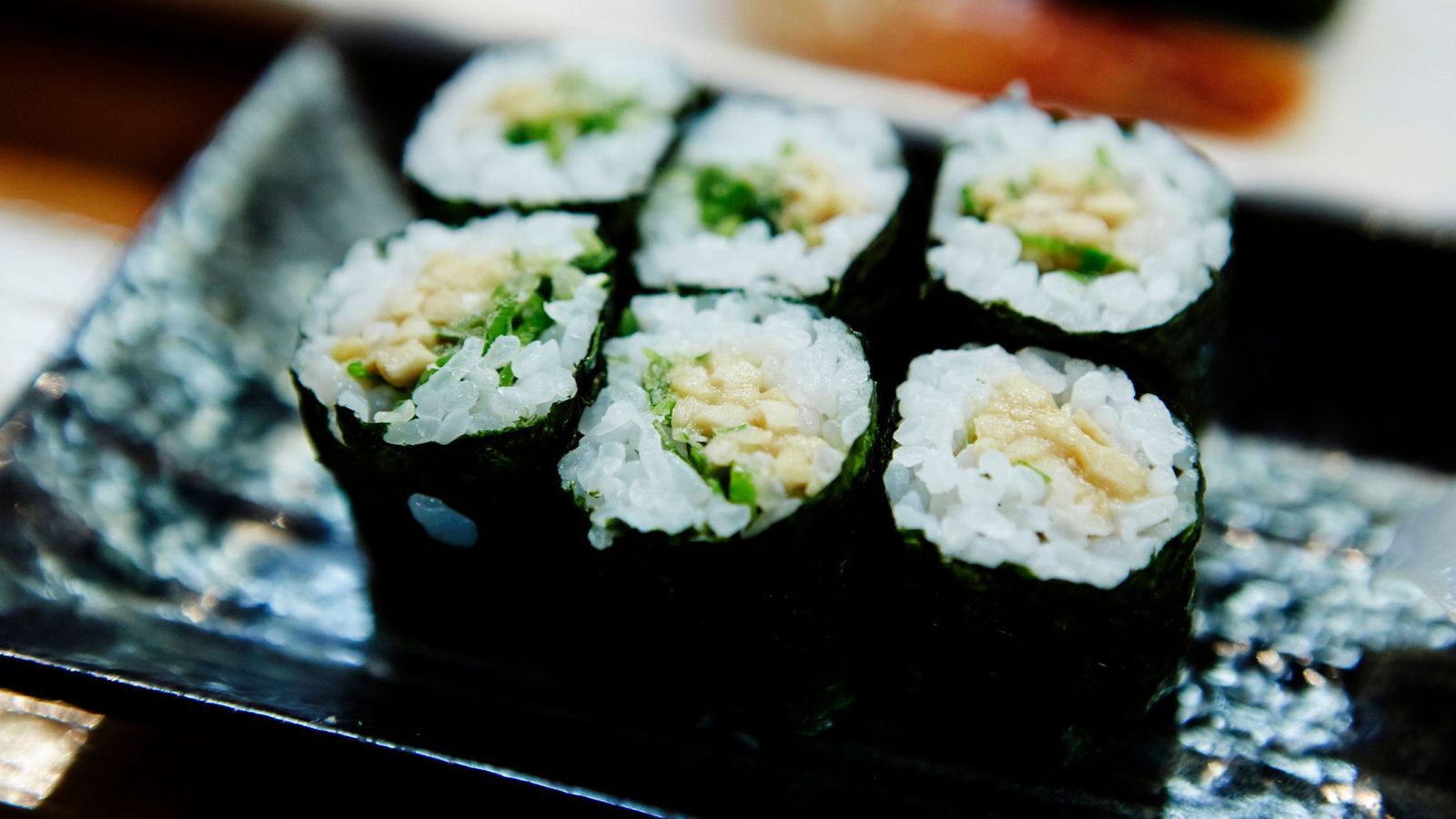
Variations on the dish include natto sushi and even natto doughnuts (Credit: Credit: Ma-no/Getty Images)
Variations on the dish include natto sushi and even natto doughnuts (Credit: Ma-no/Getty Images)
“The two things that most people find problematic with nattō are the sliminess and the smell,” said museum director Andreas Ahrens. “It does contain bacteria that’s also found in dirt, so it has that earthy kind of smell to it.”
What we find disgusting and delicious is very cultural
The Disgusting Food Museum features nattō alongside dishes like cuy (roasted guinea pigs from Peru) and casu marzu (maggot-infested cheese from Sardinia). The exhibit also includes American snacks like Pop-Tarts and Twinkies.
“What we find disgusting and delicious is very cultural,” Ahrens said. “It all depends on what we grew up with and what we are conditioned to like. Something like nattō is a very good example of that.”
Gomi understands that sentiment all too well. She remembers being hesitant to include a recipe for nattō maki (sushi rolls) in her 2013 book Sushi at Home: The Beginner’s Guide to Perfect, Simple Sushi. “I was scared that people wouldn’t like such stinky stuff. I was almost embarrassed,” she admitted.
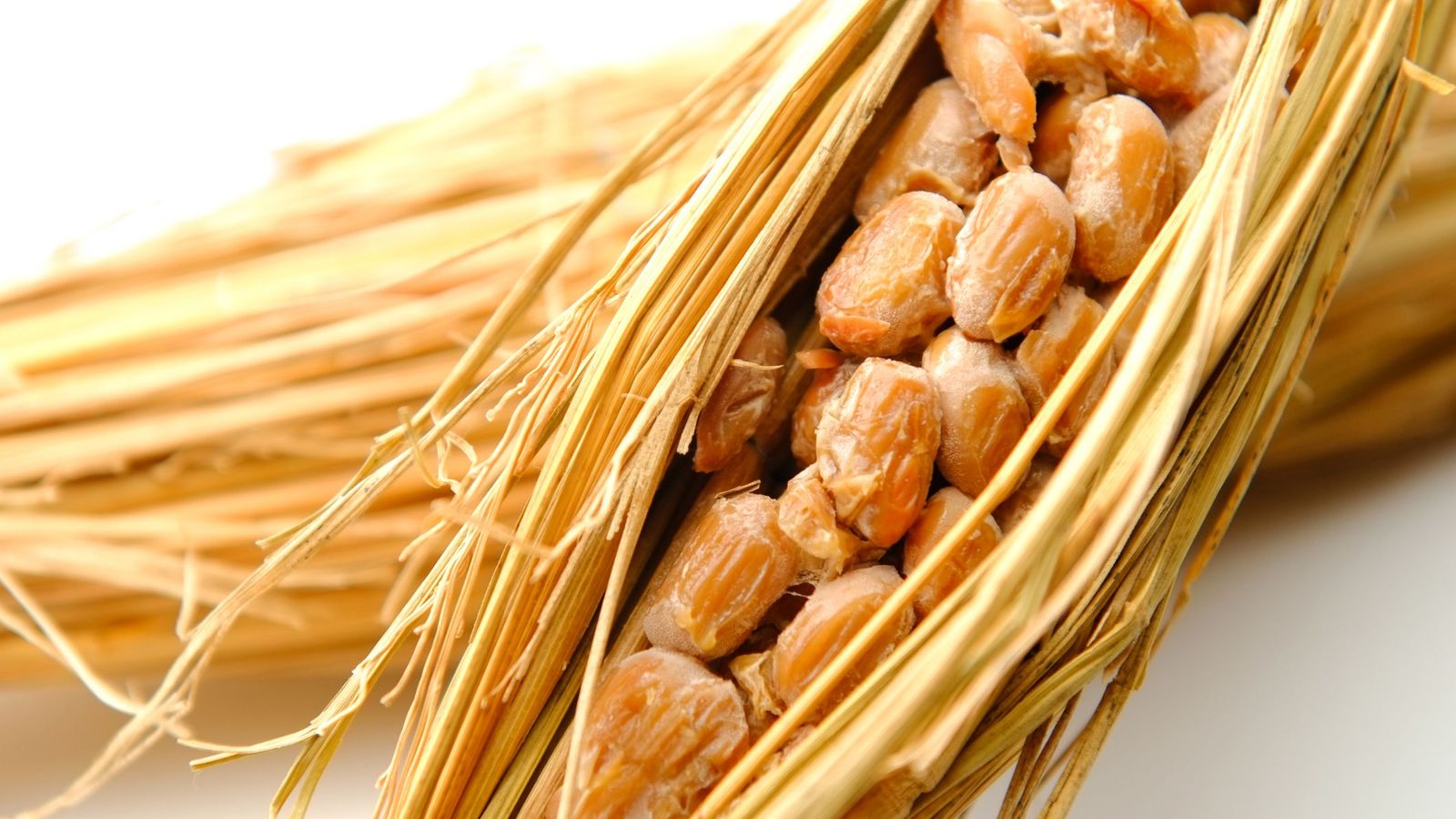
Traditionally, the steamed soybeans were wrapped in rice straw to initiate the fermentation process (Credit: Credit: KPS/Getty Images)
Traditionally, the steamed soybeans were wrapped in rice straw to initiate the fermentation process (Credit: KPS/Getty Images)
But Gomi says that she’s since seen an uptick in students who come to her cooking classes and want to know more about nattō.
“More people are traveling to Japan and staying in ryokan (traditional Japanese inns) that serve nattō for breakfast,” she said. “They come back and tell me they had some strange, sticky stuff… some of them hate it. I don’t blame them. But some of them say they quite like it and want to know where they can buy it.”
Gomi says it makes her hopeful that her non-Japanese peers will come to appreciate nattō as much as she does.
“I'd love to see it more widely available in places like a farmer's market,” she said. “There is certainly a trend towards fermented food [and drink], such as kimchi, kefir and kombucha. It feels like nattō’s time is just around the corner.”
BBC Travel’s Well World is a global take on wellness that explores different ways that cultures the world over strive for a healthy lifestyle.

http://www.bbc.com/travel/story/20200727-japans-most-polarising-superfood

Wednesday, 30 October 2019

Aspirins - Platelet clumping, Heart attacks and Strokes - by Life Extension

Why Many People May Not Need Aspirin Today - One of aspirin’s beneficial effects is to prevent blood platelets from clumping and blocking blood flow,5,6 including inside a coronary or cerebral artery...
LIFE EXTENSION MAGAZINE
August 2019
By William Faloon
Starting in the 1970s, a number of published studies found that people who regularly took aspirin had reduced risk of heart attack and other vascular disorders.1-4
As evidence mounted, the FDA approved low-dose aspirin in 1998 to treat high-risk patients, including those who had already suffered a heart attack or ischemic stroke.
Tacit approval to take low-dose aspirin daily was also given for healthy adults concerned about occlusive vascular disorders.
One of aspirin’s beneficial effects is to prevent blood platelets from clumping and blocking blood flow,5,6 including inside a coronary or cerebral artery.
Back in the early years when aspirin demonstrated efficacy, the typical Americans’ behavior patterns put them at high risk for abnormal platelet clumping, which in turn caused soaring numbers of heart attacks and strokes.7
In the period of 1980 to 2014, however, death rates from cardiovascular disease incrementally plummeted by 50%.8
This improvement coincides with better control of blood pressure and lipids, and a decrease in smoking tobacco,5,6 along with changing dietary practices and improved cardiovascular procedures and interventions.
Overlooked by the mainstream is an almost 20-fold increase in the use of dietary supplements, many of which have many similar effects as aspirin in protecting the cardiovascular system.9
Recent studies are finding that aspirin is not reducing heart attack/stroke risk in today’s healthier American population compared to earlier decades.5,6 Aspirin is still proving effective in certain high-risk groups, as will be described in this editorial.5,10
So the debate swirling in medical settings is whether otherwise healthy Americans should continue taking low-dose aspirin.
Our analysis reveals that adults at low risk of cardiovascular disease who control their risk factors, including protecting against abnormal platelet clumping, may not need daily low-dose aspirin. This editorial describes our rationale.
If we travel back to the 1950s-1970s era, a typical American man or woman might, after waking up, eat a breakfast consisting of bacon, eggs, and buttered toast, with sugar and/or cream-laden coffee. Many would also light up a cigarette.
The morning hours are when blood platelets are most “sticky.”
Mornings are also when most sudden heart attacks were occurring in those decades.11
Consumption of polyphenol-rich fruitsvegetables, and dietary supplements in this 1950s-1970s period was low.
Systolic blood pressure over 150mmHg was quite normal, and many people had high cholesterol levels,12,13 sometimes exceeding 300 mg/dL.
Add together the above five paragraphs and you may see why sudden-death heart attacks surged to epidemic levels during the 1950s-1970s period.
Typical breakfast foods consumed in that time period increased abnormal platelet aggregation (clumping), smoking caused more platelet clumping, and few anti-platelet-clumping foods or nutrients were consumed.
So, when studies published in the prior decades identified regular aspirin users as having reduced heart attack rates, there was a biological explanation for this, since aspirin markedly lowered the platelet clumping that was encouraged by typical lifestyles during this era.
 
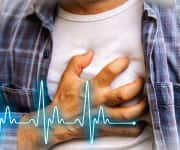
Man clutching his heart
“In 1965, 45% of Americans smoked, today it’s only 15%… That’s the lowest percentage ever recorded.”*
*Smithsonian.com based on Centers for Disease Control and Prevention 2015 report.19

American Heart Association Update March 18, 2019

Earlier this year, the American Heart Association published an article that corresponds to much of what we state as it relates to changing American health behavior patterns. Here is an excerpt from the news report:
“Heart attack rates have gone down in more modern society with lower smoking rates and better treatment of blood pressure, better treatment of cholesterol… There probably was more of a role for aspirin back in the older trials, even though the bleeding issue has always been seen there.”36
The reasons cited by the American Heart Association, and many more provided in this editorial, indicate why otherwise healthy American adults may no longer need low-dose aspirin for primary heart attack prevention.

What Has Changed Today?

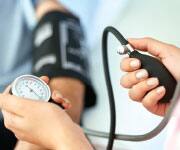
blood preassure
Even a cursory look at health behavior patterns in the 1950s-1970s compared to recent years reveals startling changes.
There have been huge reductions in average blood pressure readings and lipid numbers.12,14,15 These two factors alone dramatically reduce platelet clumping (thrombotic) risks.16,17
Dietary practices among health conscious individuals reduce or eliminate breakfast foods like bacon, ham, and fried eggs that contribute to platelet aggregation.
Specifically, health-conscious individuals have become aware that ingestion of saturated fats (and certain other fats like trans-fats) is a culprit behind platelet aggregation and subsequent coronary heart attacks and ischemic strokes.
Tobacco usage has plummeted18 while intake of nutrients that protect against platelet aggregation has soared.
Stated succinctly, there is no comparison between the vascular health status of the typical American in the 1950s-1970s and the same indices in more recent decades.
Plummeting incidences of heart attacks and strokes caused by abnormal platelet aggregation attest to this.
So, while aspirin saved many lives in the past, it may not have this same effect today. That’s because there is far less abnormal platelet clumping and thus less coronary or cerebral artery blockage (occlusion) happening.5,6
CURRENT CONVENTIONAL “PRIMARY PREVENTION” GUIDELINES FOR DAILY LOW-DOSE ASPIRIN
Primary prevention in cardiovascular disease is defined as reducing the risk of having an initial cardiovascular event, like a heart attack (myocardial infarct) or stroke (cerebrovascular accident).
In comparison, secondary prevention is defined as reducing the risk of having a second, or subsequent, cardiovascular event.
Low-dose (75-100 mg daily) aspirin use for secondary prevention is well established.35
However, based upon several new, high-quality clinical studies (randomized, placebo-controlled, direct intervention trials), the use of aspirin for
generalized primary prevention has been revised.28-32
These revisions reflect the differences between patient populations today in comparison with the past5,6 – for example, patients today achieve better blood pressure control, have better cholesterol profiles, and use less tobacco than “comparable” patients in the past, especially 30-plus years ago.
According to the 2019 Guidelines for Primary Prevention of Cardiovascular Disease from the American College of Cardiology (ACC) and the American Heart Association (AHA), current recommendations on the use of aspirin for primary prevention stipulate:5
  • Low-dose aspirin (75-100 mg orally daily) may be considered for primary prevention of cardiovascular disease in high-risk adults (e.g., patients at high risk of a cardiovascular event, like type II diabetes patients as well as those patients with multiple cardiovascular risk factors such as poor blood pressure control, active tobacco use, and elevated LDL cholesterol) aged 40-70 years, not at increased bleeding risk;
  • Low-dose aspirin should not be administered on a routine, generalized basis for primary prevention of cardiovascular disease among otherwise healthy adults >70 years, not at high cardiovascular risk;
  • Low-dose aspirin should not be administered for primary prevention among adults at any age who are at increased bleeding risk.

Nutrients That Impede Platelet Aggregation

Thrombosis is the leading cause of death in persons over age 50.20
The major cause of thrombosis is abnormal platelet aggregation (clumping) inside arteries and veins.

It is critical that aging persons follow anti-thrombotic practices that include ingesting nutrients that help prevent blood platelets from sticking together.
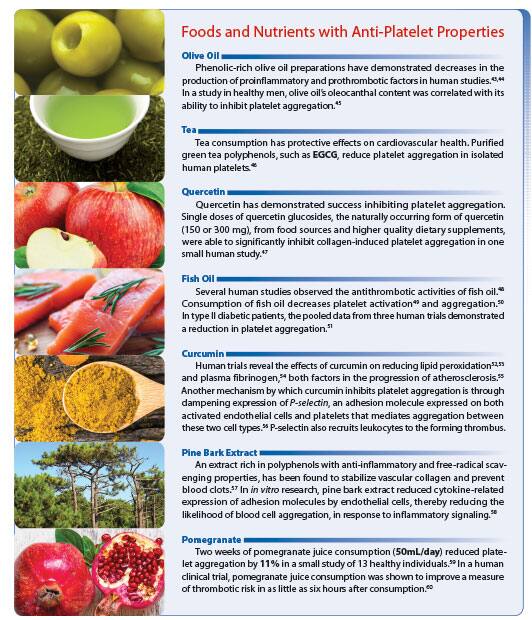
I believe every reader of Life Extension Magazine® is already taking many of these anti-platelet nutrients. They include plant polyphenols like curcumingreen teapine bark, and pomegranate, optimized forms of folate, vitamins B6 and B12, along with omega-3 fatty acids.21-27

These nutrients have differing anti-platelet properties. This is important because there are several mechanisms that cause abnormal platelet aggregation.
Compare what health-conscious Americans have done in recent decades to reduce their thrombotic heart attack and stroke risks to the 1950s-1970s period. The difference is night and day.
It helps explain why recent studies seeking to demonstrate the effect of aspirin on heart attack prevention in healthy people have largely failed to do so.28-32
Today’s radically altered health behavior patterns drastically reduce platelet stickiness. Further reducing platelet aggregation with aspirin may not add additional benefit to healthy people, as recent studies indicate.5,6
REDUCED SECONDHAND SMOKE EXPOSURE SLASHES THROMBOTIC CARDIOVASCULAR RISKS
Most of you may recall being chronically exposed to other people’s cigarette smoke in the workplace, around recreation areas, while traveling, and at home.
Here is what the Surgeon General and the Institute of Medicine write about the cardiovascular dangers of secondhand smoke:37-42
  • Exposure to secondhand smoke has immediate adverse effects on the cardiovascular system and can cause coronary heart disease and stroke.
  • Secondhand smoke causes nearly 34,000 premature deaths from heart disease each year in the United States among nonsmokers.
  • Nonsmokers who are exposed to secondhand smoke at home or at work increase their risk of developing heart disease by 25%30%.
  • Secondhand smoke increases the risk for stroke by 20%− 30%.
  • Secondhand smoke exposure causes more than 8,000 deaths from stroke annually.
  • Breathing secondhand smoke can have immediate adverse effects on your blood and blood vessels, increasing the risk of having a heart attack.
  • Breathing secondhand smoke interferes with the normal functioning of the heart, blood, and vascular systems in ways that increase the risk of having a heart attack.
  • Even brief exposure to secondhand smoke can damage the lining of blood vessels and cause your blood platelets to become stickier. These changes can cause a deadly heart attack.
Over the past 25 years, public health initiatives have resulted in huge reductions in secondhand smoke exposure, which further lowers thrombotic heart attack and ischemic stroke risk.
These data help further explain why studies in early years showed reduced heart attack risk in aspirin users.
In today’s relatively secondhand-smoke-free world, the potent anti-thrombotic effects of daily aspirin are not always going to show reduced heart attack risk because this major environmental threat has been largely eliminated.

Blood Pressure and Platelet Aggregation

With each heartbeat, blood is pushed through your arteries into microscopic capillaries and then out through veins for return to your heart.
Elevated systolic blood pressure increases mechanical stress that compromises the integrity of the inner arterial wall called the endothelium. This can lead to a pro-inflammatory and pro-thrombotic state that is an underlying cause of heart attack or ischemic stroke.
Blood pressure guidelines in earlier years allowed levels that were too high. Back in those days medications to treat hypertension were not particularly effective compared to more recent decades.33
When aspirin was showing significant efficacy in reducing heart attack risk, people with high blood pressure, including prehypertension­, were not adequately controlling it with diet, lifestyle, and medication.
This same problem persists today among people who are not proactive in protecting against vascular disease.
Average blood pressure readings have been dropping in recent decades in most population groups, though the growing number of overweight/obese individuals is counteracting this favorable trend.
Those who achieve better blood pressure control enjoy reduced platelet aggregation.34
These individuals are therefore less likely to benefit from daily aspirin use compared to past generations that lived with elevated blood pressure.

Lipids and Blood Pressure

Foods and nutrients with anti-platelet properties
In the early 1980s, the standard reference ranges for LDL cholesterol and triglycerides were too high. These antiquated reference ranges put many people at risk for coronary artery occlusion and subsequent heart attack (myocardial infarction) in earlier decades.
Elevated lipids accelerate atherosclerotic processes. This increases the risk of platelets aggregating around unstable arterial plaque and causing coronary and cerebral artery blockages.
Huge declines in average lipid levels beginning in the late 1980s provide further rationale for why aspirin is not demonstrating similar beneficial effects in more recent studies.5,6,12,15
Back in the previous period (1950s-1970s) little was done in the conventional setting to prevent atherosclerosis, be it diet, exercise, supplements or drugs.
These facts cannot be overstated. When Americans were suffering epidemic levels of heart attacks, laboratory reference ranges for blood lipids were frighteningly high.
This predisposed a large swath of Americans to abnormal platelet aggregation that aspirin helped protect against.
Many of today’s health-conscious people may no longer need this additional anti-platelet protection, as their blood pressure and blood lipids are markedly lower.

Who Should Take Aspirin?

The term “primary prevention” applies to the use of low-dose aspirin in seemingly healthy individuals who have elevated risk factors for coronary heart attack and ischemic stroke.
The box on the next page describes patient groups who should be taking low-dose aspirin for primary prevention, i.e. before they suffer a thrombotic heart attack or stroke.
The term “secondary prevention” applies to people who already suffer angina and/or severe coronary blockage, or are survivors of a heart attack, transient ischemia attack, ischemic stroke or other occlusive arterial disease.
For this group of individuals with preexisting vascular disease, aspirin is clearly established for secondary prevention, i.e. preventing another cardiovascular event.10,35
The debate going on now is what to recommend to normal, aging people with borderline vascular risks.
Alternative practitioners have long claimed the anti-platelet effects of healthy diets, exercise, and nutrient extracts that exhibit aspirin-like properties are more than sufficient.
The bottom line is that there are no clear-cut answers for otherwise healthy, aging people.

What Should You Do?

For many readers of this magazine, daily low-dose aspirin may be a reasonable option, but there is no real “typical” reader of this magazine.
I’m sometimes surprised that those who support our healthy longevity projects do not always optimize their own cardiovascular health.
What’s important to understand is that there are several mechanisms by which an abnormal clot can form inside a blood vessel.
By consuming a healthy diet, taking a spectrum of anti-platelet nutrients, and avoiding other platelet clumping factors, thrombotic risks are likely to be significantly reduced, and the published medical literature supports this.
For longer life,
For Longer Life
William Faloon, Co-Founder
Life Extension Buyers Club
P.S. For an in-depth review of different approaches to reduce a hypercoagulability condition and/or abnormal platelet aggregation please visit our blood-clot prevention protocol at: LifeExtension.com/thrombosis

References

  1. Elwood PC, Cochrane AL, Burr ML, et al. A randomized controlled trial of acetyl salicylic acid in the secondary prevention of mortality from myocardial infarction. Br Med J. 1974 Mar 9;1(5905):436-40.
  2. Aspirin in coronary heart disease. The Coronary Drug Project Research Group. J Chronic Dis. 1976 Oct;29(10):625-42.
  3. Linos A, Worthington JW, O’Fallon W, et al. Effect of aspirin on prevention of coronary and cerebrovascular disease in patients with rheumatoid arthritis. A long-term follow-up study. Mayo Clin Proc. 1978 Sep;53(9):581-6.
  4. Breddin K, Loew D, Lechner K, et al. Secondary prevention of myocardial infarction. Comparison of acetylsalicylic acid, phenprocoumon and placebo. A multicenter two-year prospective study. Thromb Haemost. 1979 Feb 28;41(1):225-36.
  5. Arnett DK, Blumenthal RS, Albert MA, et al. 2019 ACC/AHA Guideline on the Primary Prevention of Cardiovascular Disease. Circulation. 2019 Mar 17:CIR0000000000000678.
  6. Ridker PM, Cook NR, Lee IM, et al. A randomized trial of low-dose aspirin in the primary prevention of cardiovascular disease in women. N Engl J Med. 2005 Mar 31;352(13):1293-304.
  7. Haft JI. Role of blood platelets in coronary artery disease. Am J Cardiol. 1979 Jun;43(6):1197-206.
  8. Roth GA, Dwyer-Lindgren L, Bertozzi-Villa A, et al. Trends and Patterns of Geographic Variation in Cardiovascular Mortality Among US Counties, 1980-2014. JAMA. 2017 May 16;317(19):1976-92.
  9. Available at: https://www.fda.gov/news-events/press-announcements/statement-fda-commissioner-scott-gottlieb-md-agencys-new-efforts-strengthen-regulation-dietary. Accessed May 31, 2019.
  10. Smith SC, Jr., Benjamin EJ, Bonow RO, et al. AHA/ACCF Secondary Prevention and Risk Reduction Therapy for Patients with Coronary and other Atherosclerotic Vascular Disease: 2011 update: a guideline from the American Heart Association and American College of Cardiology Foundation. Circulation. 2011 Nov 29;124(22):2458-73.
  11. Schwartz BG, Mayeda GS, Burstein S, et al. When and why do heart attacks occur? Cardiovascular triggers and their potential role. Hosp Pract (1995). 2010;38(3):144-52.
  12. Carroll MD, Lacher DA, Sorlie PD, et al. Trends in serum lipids and lipoproteins of adults, 1960-2002. JAMA. 2005 Oct 12;294(14):1773-81.
  13. Moser M. Historical perspectives on the management of hypertension. J Clin Hypertens (Greenwich). 2006 Aug;8(8 Suppl 2):15-20; quiz 39.
  14. Collaboration NCDRF. Worldwide trends in blood pressure from 1975 to 2015: a pooled analysis of 1479 population-based measurement studies with 19.1 million participants. Lancet. 2017 Jan 7;389(10064):37-55.
  15. Hopstock LA, Bonaa KH, Eggen AE, et al. Longitudinal and secular trends in total cholesterol levels and impact of lipid-lowering drug use among Norwegian women and men born in 1905-1977 in the population-based Tromso Study 1979-2016. BMJ Open. 2017 Aug 21;7(8):e015001.
  16. Blann AD, Nadar S, Lip GY. Pharmacological modulation of platelet function in hypertension. Hypertension. 2003 Jul;42(1):1-7.
  17. Sikora J, Kostka B, Marczyk I, et al. Effect of statins on platelet function in patients with hyperlipidemia. Arch Med Sci. 2013 Aug 30;9(4):622-8.
  18. CDC. Centers for Disease Control and Prevention. Achievements in Public Health, 1900-1999: Tobacco Use — United States, 1900-1999. MMWR. 1999;48(43):986-93.
  19. Available at: https://www.smithsonianmag.com/smart-news/only-15-percent-americans-smoke-180956504/. Accessed June 10, 2019.
  20. Becker Richard C. MD. Textbook of Coronary Thrombosis and Thrombolysis.
https://www.lifeextension.com/magazine/2019/8/as-we-see-it/page-01