Pages

Showing posts with label Leeks. Show all posts

Thursday, 17 July 2014

This Pungent Compound Fights Gastric Cancer

Healthwise

February 26, 2014 


It causes the death of cancer cells and stops them from spreading. It helps to lower the inflammation that can cause cancer in the first place. But there’s something that makes it really stand out…
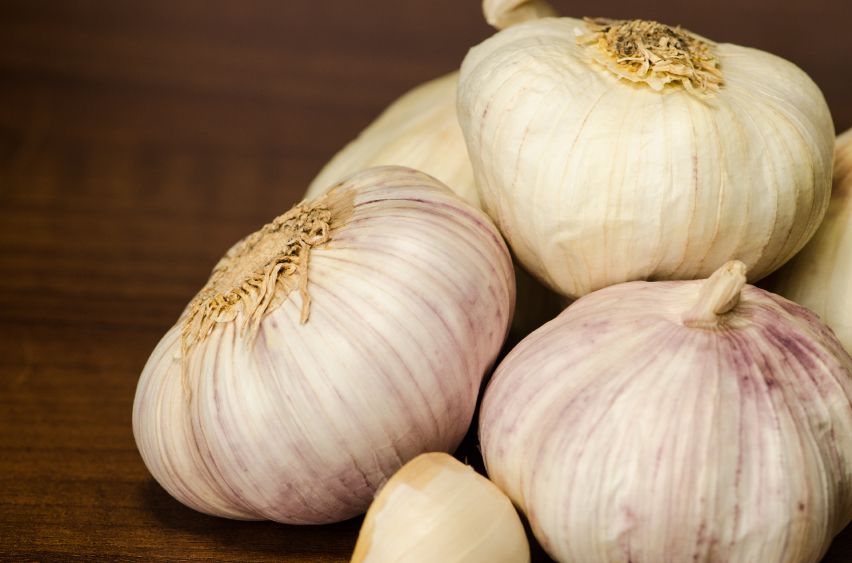
This natural compound lowers your gastric cancer risk by over 50 percent. Find out where to get it and start fighting off cancer today.Instead of killing cancerous cells directly, it sends signals to your immune system to turn on its natural cancer-fighting weapons. These signals stop the production and spread of new cancer cells. They also help to kill cancer cells that already exist.1 

The problem with mainstream cancer treatment is that it kills your normal, healthy cells too. Chemotherapy can’t tell the difference between cells. It destroys everything.2 This, on the other hand, protects and preserves your normal cells. And Big Pharma knows it. That’s why they want to turn it into a drug. They want to sell it to you—badly.
The problem is they can’t get the synthetic version to work as effectively. That’s because your blood has a hard time absorbing the fake knockoff of this natural compound.3
This compound cuts your risk of gastric cancer more than 50 percent by intelligently selecting its targets.4
This doesn’t surprise us. Synthetic drugs don’t come close to working as well as natural solutions.
This compound cuts your risk of gastric cancer more than 50 percent by intelligently selecting its targets.4
Kaempferol is an antioxidant found in certain vegetables. It works by supporting other antioxidants’ abilities to reduce inflammation and fight free radical damage. This prevents cancer from growing and spreading in your body.
It’s no surprise that Big Pharma wants to profit off this compound by making it the star of yet another drug. The best way to get more kaempferol in your diet is to eat more allium vegetables. These include garlic, leeks, and onions. Broccoli, spinach, and green tea are good sources, too. They help naturally protect you from gastric cancer and other diseases.5  We recommend lightly steaming these foods to better absorb their nutrients.
References:
1http://www.sciencedirect.com/science/article/pii/S0308814612019176
2http://www.cancer.org/treatment/treatmentsandsideeffects/treatmenttypes/chemotherapy/whatitishowithelps/
chemo-what-it-is-questions-about-chemo
3http://www.nutraingredients.com/Research/Kaempferol-is-brimming-with-potential-for-cancer-prevention-say-researchers
4http://www.ncbi.nlm.nih.gov/pubmed/21473867
5http://www.ncbi.nlm.nih.gov/pubmed/21428901

Wednesday, 12 February 2014

Why Leeks are Good for You

February 08, 2014 

Eating Leeks

Story at-a-glance

  • Like onions and garlic, leeks have sulfur-containing compounds such as allicin that fight dangerous free radicals in your body
  • Leeks contain kaempferol, a flavonol that may help fight cancer and lower your risk of chronic diseases including heart disease
  • Leeks contain notable quantities of antioxidants and vitamins A and K, along with healthy amounts of folic acid, niacin, riboflavin, magnesium and thiamin
  • Leeks likely share many of the same health-supportive properties of garlic and onions, including benefits for your heart and anti-cancer and anti-diabetes properties
By Dr. Mercola
Leeks are allium vegetables that are closely related to onions, garlic, shallots, and scallions. With a milder flavor and larger size, they work well added to everything from salads to soups, where they add beneficial fiber and bulk along with vitamins, minerals, and antioxidant polyphenols.

Top Health Benefits of Leeks

Leeks are versatile, tasty, and easy to prepare, so don't let their relative unfamiliarity deter you. Leeks have much to offer in the way of good health and, like garlic, it's thought that much of their therapeutic effect comes from its sulfur-containing compounds, such as allicin.
Allicin is not only anti-bacterial, anti-viral and anti-fungal, but research has revealed that as allicin digests in your body, it produces sulfenic acid, a compound that neutralize dangerous free radicals faster than any other known compound.1
Leeks also contain kaempferol, a natural flavonol that's also found in broccoli, kale, and cabbage. Kaempferol is impressive in its broad yet powerful potential to boost human health. Research has linked it not only to a lower risk of cancer2 but also a lower risk of numerous chronic diseases. As reported in Mini Reviews in Medicinal Chemistry:3
"Some epidemiological studies have found a positive association between the consumption of foods containing kaempferol and a reduced risk of developing several disorders such as cancer and cardiovascular diseases.
Numerous preclinical studies have shown that kaempferol and some glycosides of kaempferol have a wide range of pharmacological activities, including antioxidant, anti-inflammatory, antimicrobial, anticancer, cardioprotective, neuroprotective, antidiabetic, anti-osteoporotic, estrogenic/antiestrogenic, anxiolytic, analgesic, and antiallergic activities."

Anti-Cancer and Heart Protective Benefits

Kaempferol, and by association, leeks, is also known to protect blood vessel linings from damage, possibly by increasing production of nitric oxide (NO), which helps blood vessels to dilate and relax.4
Consuming large amounts of allium vegetables, including leeks, has also been shown to reduce the risk of gastric cancer significantly5 as well as potentially colorectal cancer. As written in Environmental Health Perspectives:6
"Allium vegetables have been shown to have beneficial effects against several diseases, including cancer. Garlic, onions, leeks, and chives have been reported to protect against stomach and colorectal cancers…
The protective effect appears to be related to the presence of organosulfur compounds and mainly allyl derivatives, which inhibit carcinogenesis in the forestomach, esophagus, colon, mammary gland, and lung of experimental animals."

Leeks Are a Phenomenal Source of Vitamins and Antioxidants

Leeks contain notable quantities of vitamins A and K, along with healthy amounts of folic acid, niacin, riboflavin, magnesium, and thiamin. Adequate intake of leeks during pregnancy may help prevent neural tube defects in newborns. B vitamins in leeks, in particular, may support heart health by keeping levels of homocysteine in balance (elevated levels of homocysteine are associated with heart disease, blood clots, and stroke).
Leeks also provide a concentrated source of antioxidants, even when compared to other antioxidant-rich foods. For instance, leeks have a total polyphenol content (TPC) of 33 milligrams per 100 grams of fresh edible portion. By comparison, red bell peppers' TPC is 27 milligrams and carrots' 10 milligrams.7 If you'd like to learn more about leeks, be sure to read "What Are Leeks Good For?"

Leeks Likely Provide Many of the Powerful Health Benefits of Garlic and Onions

Leeks have not been the subject of the extensive amount of research that garlic and onions have. However, that doesn't mean they're less healthful than their allium cousins. In fact, it's likely that leeks share many of the same health-supportive properties of garlic and onions.
Studies have demonstrated, for instance, more than 150 beneficial health effects of garlic,8 including reducing your risk for heart disease, high cholesterol, and high blood pressure, and various cancers such as brain, lung, and prostate cancer.
Onions, similarly, are also linked to cancer- and diabetes-fighting properties, as well as decreasing blood vessel stiffness by releasing nitric oxide (this may lower blood pressure and the risk of heart disease). As noted by the World's Healthiest Foods, it's to be expected that leeks, too, offer these impressive benefits:9
"Given their substantial polyphenol content, including their notable amounts of kaempferol, we would expect to see overlap with garlic and onions in terms of support for many health problems related to oxidative stress and chronic low-level inflammation.
These health problems would include atherosclerosis, type 2 diabetes, obesity, rheumatoid arthritis, and allergic airway inflammation. We would also expect to see leeks providing measurable amounts of protection against several different types of cancer, mostly likely including colorectal cancer.
It's important to remember that even in the absence of research studies to confirm health benefits, leeks still belong to the same allium vegetable family as onions and garlic and contain many health-supportive substances that are similar to (or identical with) the substances in their fellow allium vegetables."

How to Add More Leeks to Your Life

Cooking with leeks is easier than you might think. Look for firm leeks with dark green leaves and a white (not yellowed) neck. Stick with those that are 1.5 inches or less in diameter, as larger leeks may become overly fibrous and tough. To use fresh leeks, cut off the green top and root and remove the outer leaves.
Cut them in half (length-wise) and wash under running water. Thinly sliced leeks can be quickly sautéed to eat as a side dish or you can add them raw to salads. Leeks work well with eggs, fish, poultry, and beef, as well as in soups and stews. For inspiration, try the recipe below.
Leek and Celery Root Soup10
Ingredients
  • 3 tbs. unsalted butter
  • 2 medium leeks (white and light green parts only), trimmed, halved lengthwise, cut crosswise into thin half-moon slices, rinsed thoroughly, and drained
  • 1 medium yellow onion, thinly sliced
  • 1 tsp. kosher salt; more to taste
  • 1-1/2 lb. celery root (about 1 large)
  • 3/4 cup crème fraîche (raw)
  • 1/4 cup heavy cream (raw); more as needed
  • Freshly ground black pepper
  • 1/4 cup thinly sliced fresh chive
Directions
  1. In a 4-quart or larger heavy-based pot, melt the butter over medium-low heat. Add the leeks, onion, and a generous pinch of salt and cook, stirring occasionally, until very soft and lightly golden but not brown, 15 to 20 minutes. Reduce the heat to low if you see signs of browning.
  2. Meanwhile, peel the celery root with a sharp knife (expect to slice quite a bit off the exterior as you trim). Halve the peeled celery root lengthwise and cut each half into 1-inch-thick wedges. Cut each wedge crosswise into 1/4-inch slices. You should have about 5 cups.
  3. Add the celery root, 1 teaspoon salt, and 1/2 cup water to the leeks. Cover and cook until the celery root is tender, 10 to 15 minutes. (Check occasionally; if all the water cooks off and the vegetables start to brown, add another 1/2 cup water.) Add 4-1/2 cups water, bring to a simmer, and continue to cook another 20 minutes. Let cool slightly.
  4. Purée the soup (with a hand blender, or in small batches in a stand blender) to a very smooth, creamy consistency. Let cool completely and then store in the refrigerator at least overnight or for up to two days.
  5. About an hour before serving, put the crème fraîche in a small bowl and stir in enough of the heavy cream so that the mixture reaches the consistency of yogurt. Leave the cream mixture at room temperature until you are ready to serve the soup. (If the cream is too cold, it will cool the soup.)
  6. Reheat the soup. (If it's too thick, gradually thin it with as much as 1 cup water.) Taste and add more salt as needed. Ladle the soup into small espresso cups or bowls. Top each portion with a small spoonful of crème fraîche (it should float on top of the soup). Finish each cup with a pinch of black pepper and a sprinkle of chives.
Makes about 6 cups.

[-] Sources and References


http://articles.mercola.com/sites/articles/archive/2014/02/08/leeks-benefits.aspx?