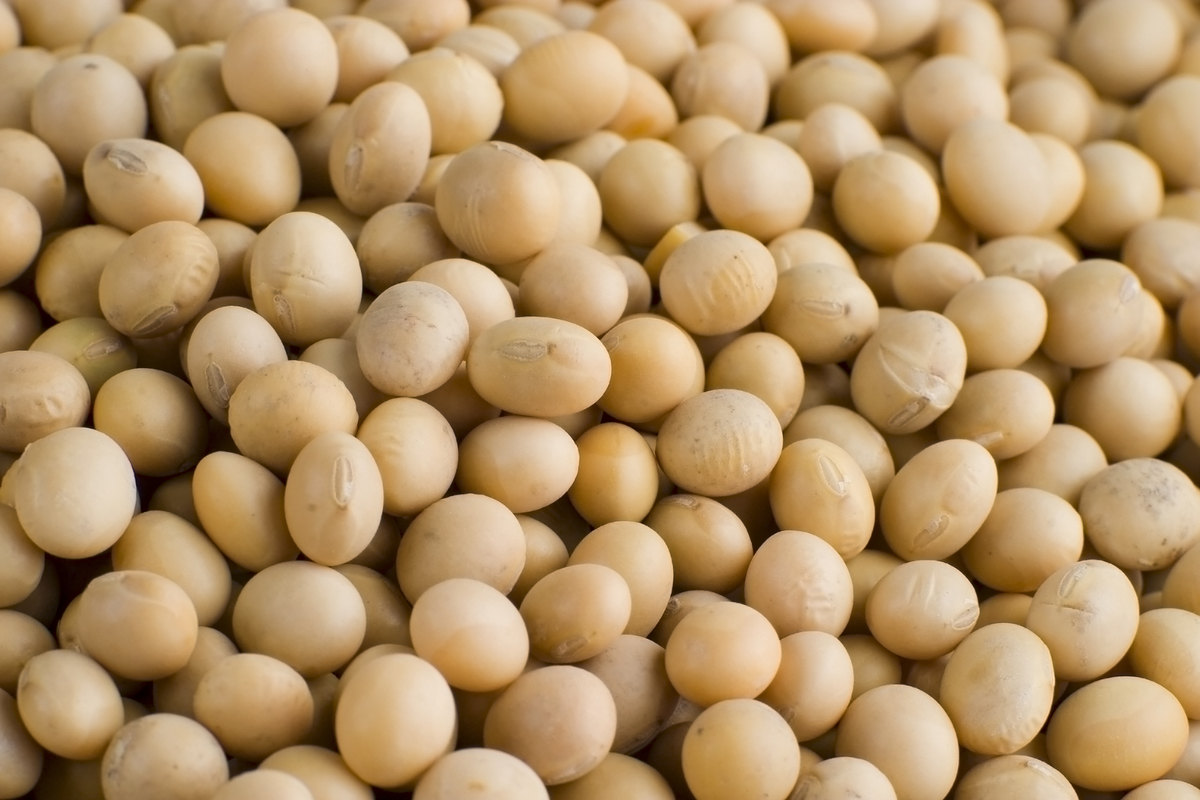
Soy or soybeans are a legume native to Asia and for thousands of years have been included in Asian diets with evidence showing soybeans were grown as far back as 9,000 BC in China reports Melissa Hargroves a Registered Dietition for HealthLine.
Posted by Elaine Iseri on Nov 28th, 2018 // Comments off
As a legume, soy is a plant based protein and is widely consumed for that purpose and many processed foods have it as an ingredient.
Although it’s a popular food, there are many controversies surrounding it as to its benefits — is it healthy or bad for you? There are arguments for both sides.
Melissa lists the different types of soy.
Whole soy products include the whole soybean or edamame (immature, green soybeans) which are a favorite high-protein appetizer. Whole soybeans are used to make soy milk and tofu as well.
For people who wish to avoid milk, soy milk is a good substitute.
Tofu is great for vegetarian diets as it provides a good source of plant-based protein.
Fermented soy products are made using traditional methods. They include soy sauce, tempeh, miso and natto.
Soy sauce is a liquid condiment used to flavor or marinate foods. Tempeh is a source of protein used in vegetarian diets like tofu though not as popular. Miso is a traditional paste used to season soups and other dishes.
Soy-based processed foods include vegan meat substitutes, yogurts and cheeses, as well as soy flour, texturized vegetable protein and soybean oil and all are use in many packaged foods.
Soy supplements such as soy protein isolate is a highly processed derivative of soy and made into a protein powder and used in protein bars and shakes. Other soy supplements are available in capsule form such as soy isoflavones and soy lecithin.
The Benefits of soy are that they are high in nutritional content of protein, fat, fiber, 9 vitamins, 7 minerals, prebiotic fiber, and beneficial phytochemicals, all beneficial for the proper function of the human body.
Studies have shown other soy benefits such as lowering of bad cholesterol, improving fertility outcomes, protecting effect against BPA (a chemical found in plastic), and reducing menopause symptoms.
Negative effects of soy have been found in animal studies on the possible effect on breast cancer, on thyroid function and on male hormones, however human studies suggest otherwise.
Also 90% of soy grown in the US is genetically modified and there’s a lot of debate on the safety of GMO soy affecting increase risk of cancer and birth defects. So eat organic soy if you want to avoid GMOs.
Overall, studies have shown that the benefits of soy in the diet outweigh any potential risks, so eat whole or fermented soy foods in moderation.
Linked to IBD, IBS and cancer, it could be making you downright miserable (not to mention embarrassed) today with cramps, diarrhea, etc. If you're one of... November 23, 2016
Story at-a-glance
Inflammatory bowel disease (IBD) is an autoimmune disease that affects an estimated 3 million American adults. It can have serious consequences, including raising your risk for colorectal cancer
Factors thought to play a role in rising IBD rates include antibiotics, toxic exposures such as pesticides and GMOs, and processed food ingredients such as the emulsifiers polysorbate-80 and carboxymethylcellulose
Glyphosate and Bt toxin have both been linked to rising IBD rates. Independent testing reveals glyphosate is present at “alarming levels” in many popular processed foods
By Dr. Mercola
Inflammatory bowel disease (IBD) — not to be confused with irritable bowel syndrome (IBS) — is an autoimmune disease that can have very serious consequences.
(IBS, on the other hand, is a functional bowel disorder. In other words, there are no significant physical conditions that contribute to the problem; hence it's a functional disease.)
According to the latest statistics from the Centers for Disease Control and Prevention (CDC), IBD affects more than 3 million American adults, nearly triple previous estimates.1 There are two types of IBD:
Both of these IBD conditions involve chronic inflammation in the gastrointestinal (GI) tract. Symptoms include abdominal cramps, fatigue and diarrhea. IBD also raises your risk of developing colorectal cancer, the third most common cancer in the U.S.2
What's Behind Rise in IBD?
As with many other autoimmune disorders, IBD cannot be traced back to any single cause; rather, it appears to be influenced by several factors, including:
Genetics
Toxic environmental exposures
Diet
Altered intestinal microbiome
Immune dysfunction
Researchers believe the rise in IBD may be linked to dietary changes, as more people are now eating primarily processed foods high in sugars and synthetic chemicals. Other factors thought to play a role in IBD include:3,4
Air pollution
Excessive exposure to antibiotics
Pesticide exposure (glyphosate being identified as being particularly harsh on gut microbes)
"[I]n addition to the rising economic, ecological and ethical questions raised by GMOs, there is a growing health risk … Specifically, a higher risk for allergies, toxic intestinal bacteria, reduced immune function, liver problems and many other highly controversial links.
These risks apply to everyone, but especially those with irritable bowel diseases. For a patient with Crohn's disease or ulcerative colitis, they're devastating, making it difficult for patients to recover properly, especially with so many other complications involved.
Ultimately, GMOs create bowel hypersensitivity, increase inflammation and damage to the intestinal lining. This makes IBD and IBS cases much worse, as they contribute and in some cases, may actually trigger these diseases."
How Glyphosate Affects Your Health
While Monsanto insists that Roundup is safe and "minimally toxic" to humans, independent research6 strongly suggests that glyphosate residues "enhance the damaging effects of other food-borne chemical residues and toxins in the environment to disrupt normal body functions and induce disease."
According to Stephanie Seneff, Ph.D., a research scientist at the Massachusetts Institute of Technology (MIT) and Anthony Samsel, Ph.D., a research scientist and consultant:
"Negative impact on the body is insidious and manifests slowly over time as inflammation damages cellular systems throughout the body."
Samsel and Seneff have also published research tying glyphosate exposure to Celiac disease and gluten intolerance.7
While genetically engineered (GE) crops such as corn, soybeans and sugar beets tend to contain higher levels of glyphosate due to them being more heavily sprayed, conventional non-organic crops such as wheat are also routinely doused with glyphosate pre-harvest to boost yield, a practice known as dessication. In summary, studies have found that glyphosate:
•Inhibits cytochrome P450 (CYP) enzymes that catalyze the oxidation of organic substances. This, Samsel and Seneff believe, is "an overlooked component of its toxicity to mammals."
One of the functions of CYP enzymes is to detoxify xenobiotics — chemical compounds found in a living organism that are not normally produced or consumed by the organism in question.
By limiting the ability of these enzymes to detoxify foreign chemical compounds, glyphosate enhances the damaging effects of those chemicals and environmental toxins you may be exposed to.
•Impairs the serum sulfate transport system in your body. Consequences of glyphosate interfering with CYP enzymes and impairing sulfate transport include GI disorders, obesity, diabetes, heart disease, depression, autism, infertility, cancer and Alzheimer's disease.
•Destroys the tight junctions in the cell membranes in your gut, thereby leading to "leaky" gut and absorption of undigested foods you were never designed to absorb.
•Makes the gliadin in wheat highly indigestible. Moreover, by attaching to gliadin, glyphosate may promote immune reactions.
Alarming Levels of Glyphosate Found in Popular Foods
According to independent testing by The Detox Project, glyphosate (the active ingredient in Monsanto's best-selling herbicide Roundup) is present at "alarming levels" in many popular processed foods.8
Scientists have found glyphosate can alter gene function in the livers and kidneys of rats at levels as low as 0.05 parts per billion (ppb).
Meanwhile, Cheerios was found to contain more than 1,125 ppb of glyphosate, Doritos more than 481 ppb and Ritz crackers more than 270 ppb. According to Dave Murphy, executive director of Food Democracy Now!:
"It's time for regulators at the EPA [Environmental Protection Agency] and the White House to stop playing politics with our food and start putting the wellbeing of the American public above the profits of chemical companies like Monsanto."
GMOs May Be Responsible for Rise in IBS Too
IBS is far more common than IBD, affecting an estimated 70 million Americans. Symptoms of IBS (irritable bowel syndrome), a functional GI disease, include frequent:
Abdominal discomfort and/or pain
Spastic colon (spastic contractions of the colon)
Gas and bloating
Diarrhea
Constipation
Avoiding gluten is an important first step in treating this condition. But avoiding GMOs and pesticides may be equally important. As noted by Naked Food:9
"If you … suffer from a chronic digestive issue, then you should know that the food you choose to consume could be carrying a gene that is designed to intentionally cause intestinal rupture. [GMO] foods that contain Bt toxin, a built-in insecticide that inherently works by imploding the stomach of the creature that is feasting on it, could very well be contributing to your intestinal angst."
Bt Crops Are Pesticides
Bt plants are a different breed of GE crops. Contrary to herbicide-resistant GE crops, Bt crops are equipped with a gene from the soil bacteria Bacillus thuringiensis (Bt), allowing them to produce Bt toxin internally. Plant-incorporated pesticides such as Bt (both the protein and its genetic material) are actually registered with the EPA as a pesticide,10 but the Bt plant itself is not regulated as such. This has resulted in the false claim that Bt plants have reduced pesticide usage.
The Bt toxin produced inside Bt crops is NOT actually included in the data collection on pesticide usage. So to say that Bt crops promote less chemical-heavy agriculture is truly a gross misrepresentation of reality. Every single cell of the Bt plant contains this insecticide, yet not a drop of it is counted. The failure to count the toxin inside the plant, and only counting the pesticides applied topically, is a significant loophole that makes Bt plants appear to provide a benefit that in reality simply isn't true.
Moreover, while topically applied Bt toxin biodegrades in sunlight and can be washed off, the Bt toxin in these GE plants does not degrade, nor can it be removed or cleaned off the food because it's integrated into every cell of the plant. The plant-produced version of the poison is also thousands of times more concentrated than the topical spray, so in reality, Bt pesticide exposure has risen exponentially, no matter what the pesticide usage data says.
Bt Toxin Is Exempt From Toxicity Requirements
Plant-incorporated Bt toxin in Bt soybeans is also exempt from the requirement of a tolerance level for residues,11 both in the commodity and in the final food product. The final rule on this was issued in February 2014. This is truly incomprehensible in light of the potential for harm.
Originally, Monsanto and the EPA claimed the Bt toxin produced inside the plant would be destroyed in the human digestive system, therefore posing no health risk. This was proven false when, in 2011, doctors at Sherbrooke University Hospital in Quebec found Bt toxin in the blood of 93 percent of pregnant women tested, 80 percent of umbilical blood in their babies and 67 percent of non-pregnant women.12
The study showed that Bt toxin actually bioaccumulates in your body. Other research13 suggests it may produce a wide variety of immune responses, including elevated IgE and IgG antibodies, typically associated with allergies and infections, and an increase in cytokines, associated with allergic and inflammatory responses. A study14 published in 2011 found that Bt toxin affects human cells, both in isolation and in combination with glyphosate-based herbicides, including Roundup.
Since Introduction of Bt Crops, IBD Has Significantly Risen
That study also showed that the pesticide crystal proteins Cry1Ab, a subspecies of the Bt toxin, causes cell death starting at 100 parts per million (ppm). As noted by Naked Food Magazine, there are distinct parallels between the prevalence of Bt crops and GI disorders such as IBD and IBS:15
"Genetically modified foods that carry the Bt toxin first came to American households in 1996. Between the years of 1979 and 1998, the number of Americans to suffer from Crohn's Disease … bounced back and forth between 225 per 100,000 people to 300 per 100,000 people.
In 2000, that number shot up to 375 per 100,000 people, and has been on the rise ever since. Ambulatory care visits from those who reported inflammatory bowel symptoms went from 275 per 100,000 people to 375 per 100,000 people between the years of 1994 and 1998."
"The first and more important step you can take to protect yourself from damages that may be caused by GMOs is to change your diet. Non-GMO, free-range and otherwise organic foods should replace any GMOs you regularly consume. It also helps to avoid the most common food allergens, such as gluten and sugar products …
However, the damage caused may be long-lasting. GMOs may make you allergic to non-GM foods. Since the genetic material in GM soy transfers to the bacteria living in the intestines, it continues to function and spew proteins continuously. Clearing the body of these harmful substances is no easy task."
The most commonly consumed GMO crops (which includes both herbicide-resistant and Bt varieties) are:17,18,19
Corn (found in most processed foods in the form of corn meal, corn syrup, corn starch, corn flour and so on)
Soy (which can hide under descriptions such as lecithin and starch, among others)
Canola (rapeseed oil)
Sugar beets
You may also be exposed to Bt toxin via meat from animals fed Bt corn, and glyphosate via herbicide-resistant GE grain feed such as corn and soy, all of which are common staples in concentrated animal feeding operations (CAFOs). This is one of several good reasons for making sure your meats come from organically raised grass-fed animals.
Other Processed Food Ingredients May Also Wreak Havoc in Your Gut
Besides pesticides such as glyphosate and Bt toxin, processed foods contain a variety of other ingredients that can wreak havoc in your gut. Recent research suggests emulsifiers such as polysorbate 80 and carboxymethyl cellulose play a role in IBD and colorectal cancer, primarily by inducing chronic low-grade inflammation.20,21 As reported by Medical News Today:22
"Normally the intestine is protected from a variety of harmful bacteria via the mucus structures that cover the intestines, keeping the harmful bacteria away from the epithelial cells that line the intestine. But emulsifiers seem to help transport bacteria across epithelial cells … The team fed mice the two most common additives have also been linked to low-grade bowel inflammation and metabolic disease: polysorbate 80 and carboxymethylcellulose.
The doses were replicated so as to mirror the proportions these emulsifiers are commonly added to human processed food … Not only did emulsifiers alter the microbiotic environment in a way that is pro-inflammatory, but it also changed the balance between cell proliferation and cell death, which enhances tumor development."
For Optimal Health, Opt for Organic Food
A large number of studies have shown that organic foods:23,24,25,26,27,28
Are less likely to be contaminated with pesticide residues. (Synthetic chemicals are not permitted in organic agriculture, yet can occur due to contamination from nearby conventional farms.)
Contain fewer heavy metals (on average 48 percent lower levels of cadmium,29 for example).
Contain anywhere from 18 to 69 percent more antioxidants than conventionally grown varieties.
May in some cases be more nutrient-dense. For example, one 2010 study,30 which was partially funded by the U.S. Department of Agriculture (USDA), found that organic strawberries were more nutrient-rich than non-organic strawberries.
If you live in the U.S., the following organizations can help you locate farm-fresh foods:
EatWild.com provides lists of farmers known to produce wholesome raw dairy products as well as grass-fed beef and other farm-fresh produce (although not all are certified organic). Here you can also find information about local farmers markets, as well as local stores and restaurants that sell grass-fed products.
Weston A. Price has local chapters in most states, and many of them are connected with buying clubs in which you can easily purchase organic foods, including grass fed raw dairy products like milk and butter.
This website will help you find farmers markets, family farms, and other sources of sustainably grown food in your area where you can buy produce, grass-fed meats, and many other goodies.
The Eat Well Guide is a free online directory of sustainably raised meat, poultry, dairy, and eggs from farms, stores, restaurants, inns, hotels and online outlets in the United States and Canada.
The FoodRoutes "Find Good Food" map can help you connect with local farmers to find the freshest, tastiest food possible. On their interactive map, you can find a listing for local farmers, CSAs and markets near you.
The Cornucopia Institute maintains web-based tools rating all certified organic brands of eggs, dairy products, and other commodities, based on their ethical sourcing and authentic farming practices separating CAFO "organic" production from authentic organic practices.
If you're still unsure of where to find raw milk, check out Raw-Milk-Facts.com and RealMilk.com. They can tell you what the status is for legality in your state, and provide a listing of raw dairy farms in your area.
The Farm to Consumer Legal Defense Fund31 also provides a state-by-state review of raw milk laws.32 California residents can also find raw milk retailers using the store locator available at www.OrganicPastures.com.
"Transgenic Wars," takes us on a journey through Europe and Latin America, looking at the effects of genetically engineered (GE) crops, both on livestock and human health ...
September 24, 2016
Story at-a-glance
“Transgenic Wars” journeys through Europe and Latin America, looking at the effects of genetically engineered (GE) crops on livestock and human health
A Danish pig farmer traced a mystery swine illness to herbicide-laced GE soy from Argentina. In Argentina, a GE farmer admits he will not feed the GE soy to his animals, as chickens fed GE soy produce inedible eggs
People living near GE fields in Argentina have 350 percent higher rates of birth defects than the national average; cancer rates have also risen by as much as 250 percent in just one year in some areas
"Transgenic Wars," an award-winning film by French investigative journalist Paul Moreira, takes us on a journey through Europe and Latin America, looking at the effects of genetically engineered (GE) crops, both on livestock and human health.
It also delves into tangential concerns, such as the increased use of glyphosate-based herbicides, atrazine and 2,4-D, the latter of which was an ingredient in the devastating defoliant Agent Orange, used during the Vietnam War.
Coincidentally, Monsanto was a leading producer of Agent Orange during the war, and its war contributions, which began with its involvement in the Manhattan Project and the creation of the atomic bomb, help explain how Monsanto has managed to secure such staunch allegiance from the U.S. government.
It's a destructive and often incomprehensible allegiance that continues to this day, with the U.S. government's support of and involvement in spreading Monsanto's genetically engineered (GE) crops and toxic chemicals around the world — now repackaged as "necessary" for agriculture.
Monsanto, being a leader in GE seeds and the chemicals that go with them, receives a fair share of the attention throughout the film. Ecologist Patrick Moore, Ph.D., who made the unlikely transition from co-founder of Greenpeace to being a professional GE supporter and lobbyist, is also featured.
In a sensational video1 that has garnered more than 1.4 million views, Moreira suggested Moore drink a glass of Roundup to prove his assertion that the herbicide is completely harmless. Moore's refusal, saying he's "not stupid," is included in the film.
Danish Pig Farmers Struggle With Mysterious Swine Disease
The film starts off in Denmark, where pig breeders are struggling to determine the cause of a mysterious swine disease, simply referred to as "the yellow death." The disease causes violent diarrhea, and is often lethal to the affected pigs.
Virtually all feed their pigs GE soy, and many suspect this may be the source of the problem. Ib Pedersen is a long-time pig farmer in Denmark.
When he first started feeding his pigs GE soy in the 1980s, the mix contained about 20 percent GE soy. Over the years, the ratio increased, and by 2002, about 90 percent of the soy in the feed was GE.
Like other farmers, Pedersen struggled to contain "the yellow death," which would kill up to 30 percent of the piglets born each year, until one day he decided to remove the GE soy from the feed mix. Within two days, changes were noticeable. There was not a single case of diarrhea among his pigs.
In the three years he's been feeding his pigs all non-GE feed, he's never had a single case of "the yellow death" again. Pedersen single-handedly managed to raise doubts about the safety of GE soy among Danish farmers. Interestingly, Pedersen may have identified the problem even more closely. He noticed two intriguing connections:
1.When GE soy was sourced from Argentina, all of the farmers who received it ended up with outbreaks of diarrhea among their pigs. What was it about this Argentinian GE soy that was so much worse than others?
2.He found images of deformed Argentinian children online, which local doctors and scientists insist are caused by pesticide exposure, as many villagers are surrounded by GE fields where toxic chemicals are sprayed with wanton abandon.
He was struck by how similar these deformities were to the deformities found in his piglets. Could pesticide-contaminated GE soy be the cause of the pig farmers' problems?
Transgenic Soy Destroying Argentina
Argentina is the third largest grower of transgenic crops in the world, and the second-largest producer of GE soy. GE crops have radically altered the face of the country.
Transgenic crops have eliminated the need for large workforces on the farm, eradicating entire villages and contributing to massive poverty.2 Gone is the agricultural diversity Argentina used to boast, replaced instead by massive single-crop fields of GE corn, soy and cotton.
Moreira visits Avia Terai, a small rural village surrounded by GE fields. Here, children are born with strange maladies and degenerative diseases of unknown origin. One little girl has large brownish-black spots all over her face and body — marks she's had since birth.
Another is slowly wasting away from an undiagnosed degenerative disease thought to be genetic, aggravated by exposure to herbicides. Many of the children are deformed in one way or another. Many of the elders are dying from cancer.
The villagers refer to Monsanto's Roundup as "the poison," and do their best to avoid getting sprayed. They all fear the large tractor that sprays one of two things on the fields: water or herbicide, and there's no telling what is being sprayed when.
One woman describes how she shuts herself and her children inside whenever she hears the tractor. Still, avoidance is difficult when you're surrounded by fields, and spray drifts in the wind, settling in water and on clothes hanging out to dry.
Argentinian Farmers Recognize GE Soy Cannot Be Used for Animal Feed
Tellingly, a GE farmer being secretly taped by Moreira reveals they do not feed this GE soy to any of their animals; "If you feed your chickens with it, you can no longer eat their eggs," he says. When asked why, he says because the eggs smell so bad you cannot eat them. This is why all of his GE soy is exported.
Meanwhile, the nearby villagers suffer, being regularly fumigated. Efforts to dialogue with the GE soy farmers have led to naught, and the companies that own the fields are so rich, fines do not dissuade them from spraying well within the illegal perimeter of residential housing.
In the 15 years that transgenic crops have been grown in Argentina, there have only been three convictions for illegal fumigation, despite it being a common occurrence. In the case of Avia Terai, the village is only 200 meters (656 feet) from the transgenic soya field.
By law, pesticides are not permitted to be used within 1.5 kilometers (just under 1 mile) of resident housing.
Their situation is not unique. In fact, the problem is so great, the Argentinian government has been forced to subsidize pesticide-induced disability centers to manage the growing health crisis. These centers are now filled with children from villages where the parents were exposed to agricultural chemicals. Overall, birth defects are about 350 percent higher in areas where GE crops are grown, compared to the rest of the country.3
As noted by one of the nurses at a disability center in Saenz Peña, "We export our [GE] soy to your countries to feed the animals you are eating … But we are the ones truly paying the price for it." Retired pediatrician Dr. Maria Del Carmen Seveso goes so far as to call it genocide, saying the situation is really serious.
Deformed Children, Deformed Pigs — Are Herbicides to Blame?
It was images of these deformed Argentinian children, posted on the internet, that got Pedersen, the Danish pig farmer, thinking. Like all other pig farmers, he had his fair share of deformed pigs being born.
He hadn't paid it much attention, other than to recognize that these things happen from time to time, but deformities had become more common, and he was struck by the similarities of the deformities he saw in the Argentinian children who'd been exposed to pesticides in utero.
When it comes to determining which pesticides are to blame, there are many open questions. As it turns out, glyphosate is not the only chemical being used on Argentina's GE soy fields. As resistant weeds flourish, many farmers have resorted to adding other chemicals to the mix, and it's unclear who's using what.
The synergistic action of chemicals will typically augment the toxicity of the mixture, compared to any given chemical on its own, but no studies have been done to determine the exact hazard level of various concoctions.
As Moreira comes across a tractor set to spray a field, he finds not only Monsanto's Roundup, but also atrazine — which is banned in Europe but extensively used in the U.S. — and 2,4-D, one of the main components of the military herbicide Agent Orange, extensively used over the jungles during the Vietnam War.
One thing's clear: The promise that transgenic crops would lead to "greener" agriculture and less chemicals has NOT come to pass. Instead, more and more chemicals are being used on our food and the feed we raise our livestock on.
Mutant Enemies
As transgenic crops have taken over Argentina, herbicide-resistant weeds have become a serious problem. More than 30 million hectares (74.1 million acres) of GE soy is planted in Argentina, and glyphosate is applied to each field at least three or four times a year. This has spawned a whole new kind of weed — one resistant to glyphosate, just like the GE crop itself.
To address the problem, farmers not only apply more pesticides, they also mix different pesticides together to prevent the weeds from adapting to a single formula. As a result, anywhere from three to five additional chemicals are routinely added to the glyphosate. Newer GE seeds are also designed to resist even more toxic combinations.
As noted in the film, there's no definitive proof that agricultural chemicals are responsible for the health crisis in Argentina. But there's no evidence proving they're not responsible either. And the government has done nothing to determine the truth.
In fact, the government of Argentina has been and continues to be very supportive of the GE industry, and Monsanto ads are commonplace on Argentinian TV, assuring the people their products are safe and effective. Meanwhile, no studies have ever been done to ascertain whether all of these chemical cocktails create dangerous interactions or cause the severe health problems now seen among children raised in agricultural areas.
Staggering Increases in Cancer
The only independently organized investigation of the health impact of GE crops, conducted by students of the Rosario Medical University, found that cancer rates increased by 40 percent in a single year in one village. In another, the cancer rate shot up by 250 percent. What these villages have in common is that they're surrounded by GE fields and the fumigation border is extremely close to where they live.
Sadly, Argentina's economy is now fully dependent on transgenic agriculture. According to Alejandro Mentaberry at the Ministry for Science, Argentina made about $65 billion on GE crops between 1996 — the year GE crops were introduced — and 2011. Mentaberry believes the country owes its "miraculous economic recovery" to the export of transgenic crops.
But at what price this miraculous economic boon? In April 2014, Argentinians took to the streets in Cordoba to protest against Monsanto and the use of their products. "Monsanto out! Yes to life, no to Monsanto! Monsanto is poison. Monsanto is corruption," the people chanted as they marched through the streets.
The film goes on to discuss the political powers that support and steer countries into accepting genetically modified organisms(GMOs). For example, Wikileaks revealed how U.S. government officials are secretly doing the chemical technology industry's dirty work, cajoling and threatening governments with retaliation as needed. U.K. government officials have also been caught acting like lobbyists and spokesmen for the GE industry.
Transatlantic trade agreements also stand poised to dismantle any remaining prohibitions against the free flow of GMOs and toxic chemicals into Europe, where laws protecting human and environmental health are stricter than in the U.S. Depending on the final outcome of these agreements, it's possible no country will be able to oppose GMOs in the future, no matter what the human or environmental cost.
Patrick Moore and Golden Rice
Moore, a former Greenpeace activist, has become a prominent adversary of the movement against GMOs. According to Moreira, Moore left Greenpeace 30 years ago on bad terms, and has since made a name for himself as a supporter of all things anti-nature, including the nuclear industry, the mining industry and the transgenic industry. "He also thinks global warming is great for the planet," Moreira notes.
He's been a leading advocate for GE Golden Rice, designed to contain high amounts of beta-carotene, ostensibly to combat vitamin A deficiency in Third World countries. There are problems though. For starters, beta-carotene is a fat soluble vitamin. According to the University of Maryland Medical Center, you need at least 3 grams of fat to ensure absorption of beta-carotene supplements.4
This enriched rice is intended for impoverished nations where dietary fats are nearly impossible to come by with any regularity, thereby rendering this type of supplementation useless at best.
It's also unknown whether the beta-carotene in Golden Rice will hold up during storage between harvest seasons, or whether traditional cooking methods used to prepare the rice will destroy the beta-carotene. Last but not least, the rice is still under development, and all claims are therefore little more than wishful thinking.
Such facts should have shut down the Golden Rice fairy tale right from the get-go, but it hasn't stopped the likes of Moore from spending much time and effort to promote it, likening the refusal to approve Golden Rice to genocide and Greenpeace's opposition to the rice "a crime against humanity."
To Build a Saner, Safer Food System, Start Close to Home
The problems may seem insurmountable, but there are solutions. The fact of the matter is farmers do not have to use chemical cocktails to produce ample food. Many areas would need serious intervention to improve and rebuild soil quality, which has been destroyed by decades of mechanized farming and chemicals, but it can be done.
As an individual, you can help steer the agricultural industry toward safer, more sustainable systems by growing your own foods and buying what you cannot grow from local farmers you trust. By far, processed foods are the most likely to contain GE ingredients, so avoiding processed foods of all kinds, including condiments, is one of the best ways to avoid them — and the chemical cocktails sprayed on these crops.
If everyone were to refuse to buy products containing GMOs, insisting on feeding their families pesticide-free, GMO-free foods, the food industry would have no choice but to respond. They cannot stay in business if people don't buy their goods, and if food companies refuse to buy GE ingredients, the chemical biotechnology industry will lose its financial power to corrupt and manipulate governments.
It's really just a massive trickle-down effect, and the masses really do have the power, even though Monsanto and their allies would like you to think otherwise.
There's a way out of this mess, and it starts with each person making different purchasing choices for themselves and their families. While many grocery stores now carry organic foods, it's preferable to source yours from local growers whenever possible, as much of the organic food sold in grocery stores is imported. If you live in the U.S., the following organizations can help you locate farm-fresh foods:
EatWild.com provides lists of farmers known to produce wholesome raw dairy products as well as grass-fed beef and other farm-fresh produce (although not all are certified organic). Here you can also find information about local farmers markets, as well as local stores and restaurants that sell grass-fed products.
Weston A. Price has local chapters in most states, and many of them are connected with buying clubs in which you can easily purchase organic foods, including grass-fed raw dairy products like milk and butter.
This website will help you find farmers markets, family farms, and other sources of sustainably grown food in your area where you can buy produce, grass-fed meats, and many other goodies.
The Eat Well Guide is a free online directory of sustainably raised meat, poultry, dairy, and eggs from farms, stores, restaurants, inns and hotels, and online outlets in the United States and Canada.
The FoodRoutes "Find Good Food" map can help you connect with local farmers to find the freshest, tastiest food possible. On their interactive map, you can find a listing for local farmers, CSAs, and markets near you.
The Cornucopia Institute maintains web-based tools rating all certified organic brands of eggs, dairy products, and other commodities, based on their ethical sourcing and authentic farming practices separating CAFO "organic" production from authentic organic practices.
If you're still unsure of where to find raw milk, check out Raw-Milk-Facts.com and RealMilk.com. They can tell you what the status is for legality in your state, and provide a listing of raw dairy farms in your area.
The Farm to Consumer Legal Defense Fund5 also provides a state-by-state review of raw milk laws.6 California residents can also find raw milk retailers using the store locator available atwww.OrganicPastures.com.
About the Director
I believe in bringing quality to my readers, which is why I wanted to share some information about the director, Paul Moreira, from "Transgenic Wars." Thank you to Mr. Moreira and the wonderful people at Java Films for bringing us "Transgenic Wars."
Paul Moreira from Transgenic Wars
Paul Moreira (born in 1961 near Lisbon, Portugal) is a French journalist and documentary filmmaker who is based in Paris, France. He has directed several investigative documentaries in conflict zones, including Iraq, Afghanistan, Burma, Israel, Democratic Republic of Congo and Somalia.
On top of this, Moreira has contributed to the emergence of investigative journalism on French television. In 1999, he created a show called 90 minutes on Canal Plus, a European television network. The investigations of his team collected several prestigious French awards. Some of their films even contributed to the reopening of criminal investigations.
Following the success of the show and at the request of the management of Canal Plus, he created a weekly slot dedicated to investigative documentaries called Lundi Investigation. Award-winning movies were commissioned and broadcasted, such as "Escadrons de la mort: l'école française" by Marie Monique Robin.
This film received the award of the political documentary of "Audiovisual Club" of the French senate in 2003, best investigative film at the Festival International du Grand Reportage d'Actualité (FIGRA) and an award of merit from the Latin American Studies Association.
In 2006, Moreira left Canal Plus to create an independent TV production company called Premieres Lignes (First Lines). Since then, he has been developing investigative and comprehensive films on global issues. He works on assignment for various French channels such as Canal Plus, Arte, France Televisions and La Chaine Parlementaire. His films have been broadcasted in most European countries, as well as Canada, India, Singapore, Australia, Japan and Russia …
 Although it’s a popular food, there are many controversies surrounding it as to its benefits — is it healthy or bad for you? There are arguments for both sides.