Pages

Showing posts with label Anxiety. Show all posts

Wednesday, 27 November 2019

Five Reasons to Get More Magnesium

If you feel tired, weak, or nauseated… You might have a magnesium deficiency. And you’re definitely not alone. In fact, most people don’t have enough.1
 INH Research

You should be getting at least 400 mg of magnesium a day. But most of us don’t. Here are five ways getting more of it can help save your health.
And talk about dangerous… This powerful mineral keeps us healthy and prevents serious ailments. Things like hypertension and osteoporosis. But there’s even more to it than that.
Here are five reasons to get more magnesium.
1. Stops Anxiety: Magnesium supports your nervous system. Low levels cause a disruption. This can lead to anxiety and depression. Some experts even believe a magnesium deficiency is a direct cause of depression…2 And about half of the people diagnosed with depression also have anxiety.
Most doctors throw dangerous drugs—like benzodiazepines—at people with anxiety or depression. But just three months of use can raise your Alzheimer’s risk by 51% (among other dangers). Yet numerous studies show that magnesium eased depression and anxiety where these drugs failed. Without any side effects.3
2. Eases Stress: It doesn’t just support your nervous system. Magnesium stops cortisol levels from getting too high. It also helps your body produce melatonin which makes it easier to relax and fall asleep.4 Magnesium may help you fight headaches and fatigue. These are two of the most common signs of stress.
When you’re under stress, your body uses up magnesium faster.5 The result? Even more stress. It can also steal this mineral away from your bones and heart. This is why getting more magnesium from your diet alone may not be enough.
3. Prevents Diabetes: Magnesium can help keep your glucose levels under control. Just look at pistachios. They’re rich in magnesium. One study revealed eating 100 pistachios a day helped lower blood sugar levels by 78%.6
Another study found high magnesium intake cuts risks of diabetes by 33%.7 It can also reduce insulin sensitivity. Diabetics who took 365 mg a day significantly lowered insulin resistance after six months.8
4. Fights Cancer: Magnesium helps lower your colorectal cancer risk. About 95% of cases are adenocarcinomas. They begin with a tumor growth. Eventually, these growths can turn cancerous. Yet every 100 mg of magnesium you add to your diet each day lowers your risk of a growth ever developing by 13%. And if you already have a growth, you can reduce the odds of it becoming cancerous by 12%.
Magnesium may also help you avoid pancreatic cancer. One study found just two handfuls of magnesium-rich nuts a week can reduce your risk by 35%.
5. Keeps Telomeres Long: It’s the key to looking younger and living longer… Telomerase is the enzyme that controls the length of your telomeres. Without enough, you may age even faster. And this enzyme depends on magnesium. The mineral helps replicate and stabilize DNA.9
This might be the reason why people die of a magnesium deficiency… Researchers found low levels of magnesium increases death risk by 85%.10 Not getting enough of this mineral could kill you in as little as 10 years.
A magnesium-rich diet contains about 400 mg a day. This might sound like a lot. But it’s not as hard as it seems. Salads are a great start. Try spinach, chopped almonds, avocados, and shrimp. One square of organic dark chocolate contains 95 mg of magnesium.11
You can also find a magnesium supplement. Just make sure you read the label before purchasing. Look for one that gives you at least 200 mg per serving of natural magnesium.
References:
1http://ods.od.nih.gov/factsheets/Magnesium-HealthProfessional/
2http://george-eby-research.com/html/magnesium-for-depression.pdf
3http://www.psychologytoday.com/blog/evolutionary-psychiatry/201106/magnesium-and-the-brain-the-original-chill-pill
4http://www.mensjournal.com/health-fitness/health/magnesium-the-missing-mineral-20140117
5http://www.calmclinic.com/anxiety/drugs/magnesium
6http://care.diabetesjournals.org/content/early/2014/08/07/dc14-1431.abstract
7http://www.ncbi.nlm.nih.gov/pubmed/14693979%20
8http://www.diabetesincontrol.com/articles/diabetes-news/15873-type-2-diabetes-risk-lowered-with-magnesium-intake
9http://www.ncbi.nlm.nih.gov/pubmed/22379366
10http://www.ncbi.nlm.nih.gov/pubmed/21703623
11http://www.healthaliciousness.com/articles/foods-high-in-magnesium.php
https://www.institutefornaturalhealing.com/2015/01/five-reasons-to-get-more-magnesium/

Monday, 7 October 2019

Cilantro - Life Extension

Many people don’t realize that the herb known as cilantro does not come from a plant of that name, but is in fact the leaves and stems of the coriander plant. 


LIFE EXTENSION MAGAZINE

March 2018
By Garry Messick
Many people don’t realize that the herb known as cilantro does not come from a plant of that name, but is in fact the leaves and stems of the coriander plant. As such, cilantro is related to cumin, dill, fennel, and anise.

WHAT YOU NEED TO KNOW

Researchers have discovered interesting health-promoting properties in the herb cilantro.
Cilantro has been used in cooking for hundreds of years, and is known for its strong, citrus-like flavor, which pairs well with seasonings such as mint, basil, and turmeric. The tasty herb is also famed for its health benefits, such as:

Anxiety relief

Cilantro has been found to have a significant calming effect, making it a good candidate as a natural treatment for relief of anxiety. In fact, high doses of cilantro extract were found to have effects similar to the popular anti-anxiety drug Valium®,1 but without that drug’s many distressing side effects, such as confusion, hallucinations, agitation, and memory problems.

Elimination of Heavy Metals

The accumulation of toxic metals and chemical elements such as lead, mercury, aluminum, and arsenic in our bodies can have seriously detrimental health effects, including neurological damage, infertility, heart disease and hormonal imbalances. Cilantro can help counter these effects. It has been found to accelerate the elimination of heavy metals.2 In mice, simultaneous administration of cilantro extract protected against lead-induced oxidative stress.3

Wards off Infection

Cilantro helps protect against a wide range of diseases—including but not limited to salmonella, cholera, and food poisoning—due to its antibacterial properties. Research has shown that essential oil of cilantro is effective against Listeria.4

Fights Diabetes

In an animal study, cilantro extract has been shown to help lower blood sugar and support healthy liver function where diabetes is present.5 In accordance with their findings, the study authors recommend cilantro extract be included in diabetics’ diets.

References

  1. Indian J Pharmacol. 2011;43(5):574-7.
  2. Acupunct Electrother Res. 1995;20(3-4):195-229.
  3. Biol Trace Elem Res. 2010;136(3):337-54.
  4. Int J Food Microbiol. 2002;74(1-2):101-9.
  5. J Food Sci. 2012;77(7):T119-23.

https://www.lifeextension.com/magazine/2018/3/cilantro/page-01

Sunday, 20 August 2017

If You Choose One Superfood, Choose This - Green Tea

For years, we’ve been praising the virtues of an extraordinary beverage.
Studies show it fights cancerarthritisdementiaanxiety, and more.1
Now, new research shows that green tea may reign above all other superfoods. It may be the healthiest thing you can put in your body.
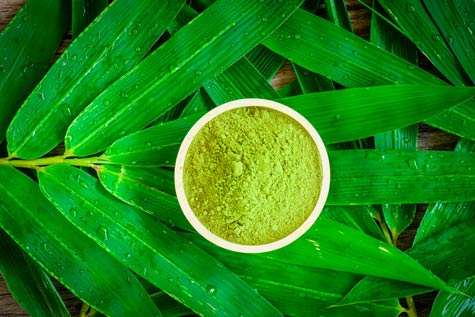
Green Tea Powder/ Leaves
 INH Research / 
A recent study found its vast benefits include weight loss, stable blood sugar, and better memory. And it showed it provides protection from health damage caused by a typical Western diet high in sugar and processed ingredients.2
Scientists found that one compound is responsible for green tea’s health-boosting potency. It’s called epigallocatechin-3-gallate (EGCG).
Researchers at Northwest A&F University in China randomly divided mice into three groups. A control group was fed a healthy diet. A second group was fed a Western diet high in carbs and additives. A third group was fed a Western diet plus EGCG.3
After 16 weeks, as you would expect, the mice on the Western diet had packed on weight. But those fed a Western diet plus EGCG did not put on significant weight. They weighed about the same those who ate a healthy diet.
Then the researchers tested the animals’ cognitive abilities. They put them through a maze to see how long it would take them to solve it. The EGCG group beat both other groups. And when they were put in the maze a second time, they showed better memory of how to escape.
The researchers studied the brain cells of all three groups. Those on a Western diet had significant brain inflammation. But those on the Western diet plus EGCG had no inflammation. Nor did the group on the healthy diet.
Finally, scientists tested the animals’ insulin resistance. It can cause high blood sugar and lead to diabetes.4
Again, the mice on a Western diet had high levels of insulin resistance. Those in EGCG group had normal insulin efficiency, just like mice eating a healthy diet.
Mice are considered good metabolic models for humans. In addition to sharing 99% of our genes, they have similar organ, endocrine, and nervous systems.5
The study concluded that EGCG prevents much of the damaging weight, brain, and blood sugar effects caused by poor eating habits. 

One Green Tea Packs Twice the Health Benefits

EGCG may be nature’s most potent natural antioxidant. It is at least 100 times more powerful than vitamin C.
But not all green teas have the same amount of EGCG. Matcha tea comes from young green tea leaves grown in the shade. This causes the tea to have more EGCG and up to twice the antioxidant power and nutrients of regular green tea.6
You can find matcha tea at your local health food store, or, if there is one in your neighborhood, a tea shop. If you can’t find it there, it’s easy to order online. You’ll find that it tastes much like regular green tea, but slightly stronger. Make sure you order a brand that is organic.
ECGC supplements are also available. The suggested daily dosage is 400 mg. It’s best if you divide the dosage, taking 100 mg four times a day.
The iron molecules bind to the EGCG. This stops your body from absorbing EGCG. Wait at least two hours after consuming foods with iron before you drink green tea. Iron-rich foods include liver, beef, lentils, spinach, sardines, and pistachios.7
https://www.institutefornaturalhealing.com/2017/08/choose-one-superfood-choose/

Sunday, 8 May 2016

Loving these little guys can help boost the health of seniors

Loving these little guys can help boost the health of seniors
A new study has found that owning a dog could help improve the health of seniors by creating important bonds between pet owners and their canine companions. Photo: EPA
A new study by the University of Missouri in the US has found that owning a dog can help improve the health of seniors by creating important bonds between pet owners and their canine companions which lead to increased physical activity through dog walking, increased social benefits, and fewer trips to the doctors.
The team of researchers looked at data from the 2012 Health and Retirement study, sponsored by the National Institute on Aging and the Social Security Administration, which included information on human-animal interactions, levels of physical activity, frequency of doctor visits and general health outcomes of its nationally representative sample of participants.
Not only did the team find that dog owners benefit from the bonds they form with their pets, but a stronger bond also meant that owners were more likely to walk their dog more frequently and for longer. And thanks to dog walking, this also meant that seniors participated in more frequent exercise, resulting in a lower body mass index, fewer visits to the doctor, and an increase in social connections thanks to interacting with other dog walkers.
The stronger the bond between seniors and their dogs, the better their health. Photo: AFP
With the Centers for Disease Control and Prevention recommending 150 or more minutes of moderate physical activity per week for adults of all ages, the study shows that not only is dog walking an effective way to meet this minimum level, but also a great way for seniors to enjoy their most popular form of physical activity.
Commenting on the findings, Rebecca Johnson, a professor at the MU College of Veterinary Medicine said, “These results can provide the basis for medical professionals to recommend pet ownership for older adults and can be translated into reduced health care expenditures for the ageing population.”
Johnson also added that encouraging pet-friendly policies in retirement communities, such as dog walking trails, could also enable residents to enjoy the many health benefits of canine companionship.
Many other recent studies have also shown the health benefits of owning a dog, and not just in seniors but across all ages.
A 2015 Swedish study which looked at data on more than one million Swedish children found that those who grew up with dogs had a 15 percent lower risk of asthma.
And a US study published last year in journal Preventive Chronic Disease found children who had a pet dog had lower anxiety scores than those who did not, thanks to the bond created between children and their furry friend.
And a 2013 study found another surprising way that owning a dog may be good for you, by bringing germs into your home.
Although it may not sound so healthy, the study showed that homes with dogs had a wider variety of bacteria than homes without dogs, which helps to strengthen the immune system. – AFP Relaxnews

Friday, 8 November 2013

Nutrients And Natural Treatments For Anxiety

| Nov 04, 2013

nutrients-and-natural-treatments-for-anxiety_300In this article you’ll learn the safe and effective natural medications for the treatment of anxiety. I’ll also review the benefits and drawbacks to prescription drugs. The natural substances should be used in combination with non-drug interventions I previously wrote about here, here and here.

The Prescription Drugs

Doctors frequently hear complaints about anxiety. Most sufferers of anxiety come in seeking fast relief of their symptoms without regard for what has caused it. What can a doctor do for a patient with such a request within just a 10- to 15-minute appointment time slot? Prescribe a drug, of course! Like any medication, these are best used to reduce symptoms while you address the underlying causes. I’ll explain the main prescription drug options along with their pros and cons.
  • Benzodiazepines (Xanax, Klonopin, Valium): These are the classic sedating anxiolytic drugs that will surely make you feel good, relaxed, happy and care-free. However, these are quite common drugs of abuse because they are very effective and addictive. They easily cause drowsiness similar to drunkenness. And if combined with alcohol, they are potentially lethal. (You may stop breathing.) Withdrawal symptoms are terrible: Severe anxiety (the opposite of its treatment effect) can always be expected when discontinuing them abruptly after one month or longer of consistent use, even to the point of seizures.
  • SSRI antidepressants (Lexapro, Paxil, Zoloft, etc.): These are usually a first choice by physicians because they are not sedating, but getting past the first few weeks of side effects is the challenge for many patients. They often require four weeks’ of treatment until you see the desired effect. Side effects are less common after the first two weeks. When side effects occur, they commonly include insomnia, feeling “zoned out” emotionally (but less anxious), reduced sexual function and even weight gain. Almost all patients feel increased anxiety, confusion or dizziness if they go off the medication suddenly. (A two-week taper is best.) Children and adolescents using these reportedly have had increased risk of suicidal ideation and suicide attempts, although the scientific literature indicates otherwise in recent studies [1] [2].
  • Other antidepressants (Anafranil, Desyrel, Wellbutrin): Similar in efficacy to the SSRIs, these other antidepressants each have their typical side effects. Anafranil (like the other tricyclic antidepressants, or TCAs) can be sedating and may also cause dry mouth, blurred vision, urinary retention or constipation. Desyrel is known for causing sedation. (I used to prescribe it as a first-line treatment for insomnia). A rare side effect is cause priapism (sustained painful erection). Wellbutrin does not cause sexual function decline, but commonly causes insomnia and dry mouth.
  • Buspirone (aka BuSpar): This is a mildly effective non-sedating anxiolytic that works by enhancing brain serotonin levels. (It is a natural, feel-good neurochemical.) Common side effects include nervousness (the opposite effect than intended!), dizziness, nausea, headache or insomnia.
  • Beta-blocker antihypertensives (Inderal, Tenormin): These block the effects of adrenaline that causes the fight-or-flight response to stress, especially performance-anxiety effects like racing heart, muscle tension and trembling. Side-effects are often fatigue and sedation and sometimes depression.
  • Alpha-blocker antihypertensives (Minipress, Catapress): These are used to treat post-traumatic stress disorder (PTSD), especially to reduce nightmares. Beware of dizziness due to low blood pressure at first. Other side effects include dry mouth, headache, nausea, sedation, constipation or weight gain.
  • The antihistamine hydroxyzine (Atarax, Vistaril): This is very sedating, so it calms anxiety quite quickly. However, the sedation and the typical dry mouth effect make it less valuable for treating chronic anxiety.
  • The anticonvulsant gabapentin (aka Neurontin): This works fairly quickly for anxiety, but is mainly used to treat nerve pain. It is a GABA analogue and, therefore, stimulates GABA receptors somewhat like benzodiazepines (see natural GABA supplementation discussed below), so it can be sedating. The other anticonvulsants such as Topamax, Lamictal and Depakote have too many serious side effects for my comfort level.
  • Antipsychotics (Risperdal, Zyprexa): I would use these only as a last resort because of the small possibility of causing horrible side effects such as irreversible tardive dyskinesia (involuntary movements) or neuroleptic malignant syndrome.

Interactions

All of these drugs will potentially (and do) interact with other prescription medications. That’s because these are all unnatural to your body and they go through your liver’s detoxification system, creating more unnatural metabolites. Who really knows how much unnatural metabolites stay in your body tissues (mostly fat) and how much you eliminate? Patients are known to release unnatural chemicals during deep-cleanse sauna treatments, indicating that most all of us are still holding unnatural chemicals in the body known as xenobiotics, which are likely major causes for chronic inflammation that goes largely unrecognized. You can read in greater detail about these prescription medications here.

Nutrient And Herbal Supplements

Now that you know the pros and cons of prescription medications used for anxiety, you should know the safe and effective nutrient and herbal options that are available. Remember that nutrients and herbal supplements have natural metabolites in your body that pose little if any long-term health risk. They can decrease or increase prescription medication effects.
  • GABA (gamma-aminobutyric acid): The main neurotransmitter in the brain that blocks nerve excitability and, therefore, has anti-anxiety and nerve-calming effects. At 750 mg twice daily, it helps lower anxiety and can also help block nerve pain. There are many natural and prescription medications that have “GABA-like effects.”
  • L-theanine An amino acid derived from green tea (Camellia sinensis) known to reduce the emotional and physical response to stress [3]. The usual dose is 200 mg once or twice daily.
  • Ashwagandha (Withania somnifera): An antioxidant herb that can help reduce anxiety, panic attacks, phobia and depression. In one study, ashwagandha for five days had anxiety-relieving effects similar to the benzodiazepine medication lorazepam and antidepressant effects similar to the TCA antidepressant medication imipramine [4].
  • Kava kava (Piper methysticum), valerian root (Valeriana officinalis), and passionflower (Passiflora incarnate): Herbs that are relaxing and sedating. They have GABA-like effects. They are used to treat both insomnia and anxiety.
  • Lemon balm (Melissa officinalis):  At 600 mg daily, lemon balm has been shown to improve mood and calmness in one 2004 study. [5] In another study, it lowered anxiety when combined with valerian root. [6]
  • Brahmi (Bacopa monnieri): An herb that supports your ability to handle stress.

A study using 300 mg daily for 12 weeks in elderly patients without dementia reduced anxiety and improved cognition. [7]
  • Tryptophan: An essential amino acid precursor to 5-HTP (5-hydroxy-tryptophan) which, in turn, is a precursor to serotonin, the known neurotransmitter that calms mood in the brain. Niacin helps this conversion process.
  • Magnesium: Deficiency of this mineral within the standard American diet (SAD) is a growing concern. Magnesium deficiency is a known cause of anxiety. Magnesium 500 mg daily is a safe starting dose. At higher dosages it will induce diarrhea.
  • Vitamins B1, B3, B5, B6 and B12: These support the process of serotonin production in the brain. Low vitamin B is linked to anxiety, restlessness and emotional instability. Therefore, vitamin B complex supplementation is recommended, especially if you do not eat animal meat.
  • Essential oils: A calming, safe and effective option. [8] Choose from these: lavender, sweet marjoram, chamomile, sandalwood, ylang ylang, neroli, bergamot, frankincense and vanilla bean extract.
  • Teas: You can calm anxiety with brews made from chamomile, peppermint, lemon balm, kava kava, passionflower or valerian root.
  • SAMe or St. John’s wort: If your anxiety is related to depressed mood, consider these. Use 750 mg twice daily of SAMe (an amino acid) or St. John’s wort (herb).
  • Adrenal extract (natural cortisol) and the supportive herbs L-theanine and lemon balm: These support adrenal health. Eventually, worry and anxiety will lead to adrenal fatigue.

In summary: Fear, worry and stress responses are causes of anxiety disorders. You can unlearn the fears and stress responses that cause the physical symptoms of anxiety. There are mental strategies and other techniques to do this. And you can use prescription or natural medications to reduce anxiety.

To feeling good for health,
Michael Cutler, M.D.
Easy Health Options


[1] Wijlaars LP, Nazareth I, Whitaker HJ, Evans SJ, Petersen I. Suicide-related events in young people following prescription of SSRIs and other antidepressants: a self-controlled case series analysis. BMJ Open. 2013 Sep 19;3(9):e003247.
[2] Björkenstam C, Möller J, Ringbäck G, Salmi P, Hallqvist J, Ljung R. An Association between Initiation of Selective Serotonin Reuptake Inhibitors and Suicide – A Nationwide Register-Based Case-Crossover Study. PLoS One. 2013 Sep 9;8(9):e73973.
[3] Kimura, Kenta; Ozeki, Makoto; Juneja, Lekh Raj; Ohira, Hideki (2007). “L-Theanine reduces psychological and physiological stress responses”. Biological Psychology 74 (1): 39–45.
[4] Bhattacharya SK, Bhattacharya A, Sairam K, Ghosal S. Anxiolytic-antidepressant activity of Withania somnifera glycowithanolides: an experimental study. Phytomedicine. 2000 Dec;7(6):463-9.
[5] Kennedy DO, et al. Attenuation of laboratory induced stress in humans after acute administration of Melissa officinalis (lemon balm). 2004. Psychosomatic Medicine. 66:607-613.
[6] Kennedy DO, et al. Anxiolytic effects of a combination of Melissa officinalis and Valeriana officinalis during laboratory induced stress. Phytotherapy Research. 2006 (20):96-102.
[7] Calabrese C, Gregory WL, Leo M, Kraemer D, Bone K, Oken B. Effects of a standardized Bacopa monnieri extract on cognitive performance, anxiety, and depression in the elderly: a randomized, double-blind, placebo-controlled trial. J. Altern Complement Med. 2008 Jul;14(6):707-13.
[8] Mi-Yeon Cho,Eun Sil Min, Myung-Haeng Hur, Myeong Soo Lee.  Effects of Aromatherapy on the Anxiety, Vital Signs, and Sleep Quality of Percutaneous Coronary Intervention Patients in Intensive Care Units. Evid Based Complement Alternat Med. 2013; 2013: 381381. Published online 2013 February 17 at: http://www.ncbi.nlm.nih.gov/pmc/articles/PMC3588400/

http://easyhealthoptions.com/alternative-medicine/nutrients-and-natural-treatments-for-anxiety/