There is a new appetite in the food and wine industry for unpasteurised milk products, also known as raw milk. Foodies and restaurant diners are often wowed by the complex flavours of raw milk products, but are they safe to eat and drink?
In response to the raw milk movement, retail sales of raw milk are banned in about 20 US states. Some people say that pasteurisation kills off important nutrients, but scientists don’t believe that anything lost during pasteurisation is important for human health. We uncover the truth about raw milk.
Script by Jessica Bradley Narration by Cherry Stewart-Czerkas Animation by Dominika Ożyńska Commissioning Editor: Cagney Roberts
Scientists are discovering the extraordinary power of human milk and the benefits it brings to infants, but there are also some hidden contaminants that can lurk in breast and formula milks.
Throughout the first year of their lives, I breastfed my two children without the use of infant formula. Breast milk has been shown to be an ideal source of nutrition for babies, with many benefits for their developing brains, immune systems and digestive tracts, and I was glad to be able to offer them that boost. But when I had my blood tested for persistent toxic chemicals while researching a book on pollution, I discovered that some pesticides banned more than 40 years ago could still be detected in my body. There is also evidence that low levels of some chemical contaminants can be passed from a mother into her breast milk. Yet formula milk is also prone to contamination with toxic chemicals or potentially harmful bacteria, which have led to high-profile food scares and recalls in recent years.
It made me wonder what's really in the first foods our children consume – from the most beneficial ingredients, to hidden, undesirable or even toxic ones. And given what we know about some of the dangers, what can be done to improve all the available options for babies, be they breast- or formula-fed, and offer them the best possible start in life?
"Human milk varies over the course of lactation, over the course of a day, from the start to the end of the feed, and to some extent on maternal factors such as her diet," says Mary Fewtrell, a professor of paediatric nutrition at University College London, who published a peer-reviewed study of lactation. "That all makes it difficult to decide on a precise amount that should be included in a formula whose composition doesn't change with the baby's age."
Fewtrell highlights non-nutrient ingredients in breast milk such as hormones, cells (including stem cells), microRNAs (small strands of genetic material), which give it unique properties. "We still don't fully understand the role of all these components but… quite probably they allow the mother to transmit information to the infant about her own experiences and the environment, which is why breastfeeding is sometimes described as 'personalised nutrition'."
A Yanomami mother breastfeeds her baby as she waits at a health care centre in Brazil (Credit: Andressa Anholete / Getty Images)
However, while more than 80% of babies in the US are breastfed at the start of their life, according to the Centers for Disease Control and Prevention, that rate falls to 58% at six months. Health authorities have tried to increase that rate, for example by offering more breastfeeding support to mothers. Diagnosing and treating conditions such as tongue-tie in babies can also help. But in the meantime, parents who do use formula may also wish to understand more about it, including what might be done to improve it.
"Whilst human milk is the biological norm for human infants and provides benefits for both mother and infant, some women may be unable to breast-feed or choose not to do so, and some choose to partly breast-feed," says Fewtrell. "For young infants, the only safe alternative if an infant is not breast-fed (or not fully breast-fed) is an infant formula which is designed to meet the nutritional needs of infants and support normal growth and development." Flexibility is expected – there's no "one size fits all" approach to infant nutrition, she says.
Towards better formula
The manufacture of infant formula has come a long way over recent decades. Throughout the 19th and early 20th centuries, bottle-feeding was not a safe option. In orphanages during the early 1900s, as many as 80% of bottle-fed babies died during the first year of life due to infections from unsterilised bottles, or malnourishment. Since infant formula was first commercially produced in 1865 using just four key ingredients (cows' milk, wheat and malt flour, and potassium bicarbonate), its nutritional contents have been refined in remarkable ways.
So what's in formula today?
Multiple fat sources are often used in formula, including cows' or goats' milk (often skimmed, which isn't as fatty as breast milk) and vegetable oils such as palm, sunflower or rapeseed, plus fatty acids. One fatty acid called DHA (docosahexaenoic acid, a type of omega-3 fat), which plays an important role in infant development, is now a mandatory ingredient in the European Union.
In breast milk, the main carbohydrate is lactose. In formula, this is usually added into the skimmed dairy milk powder base. Maltodextrin (a carbohydtrate derived from maize or potatoes) is also added. In the UK, glucose (a sugar) isn't routinely added but in the US, glucose sugars such as corn syrup are more commonly used. One problem is that this can increase the risk of dental decay in infants when their teeth come through.
The major breast milk proteins are whey and casein, which change in proportion as the baby grows, plus lactoferrin which is found at higher concentrations in colostrum, the first milk a mother produces after birth. The protein quantity and composition differs in formulas based on cows' and goats' milk, which have a higher casein to whey ratio than human milk. Plant-based ones are often made with soya protein. Formula also contains a mix of vitamins (including A, D, B and K), minerals such as calcium, magnesium, iron, zinc and many other trace elements.
Breast milk is a dynamic, adaptable food, and varies over the course of a day and even from the start to the end of a feed (Credit: Getty Images)
Unfortunately, formula can also contain lurking, unwelcome ingredients: just like I discovered pollutants in my own body, toxic substances can make their way into infant formula, too.
Two years later, researchers from the Clean Label Project and the department of neurology at the University of Miami published a study into the heavy metal content of 91 infant formulas. They found that 22% of infant formula samples tested exceeded the lead exposure limit set by Californian state law, while 23% exceeded the state's limit for cadmium. The study concluded that "low-level heavy metal contamination is widespread" in baby foods and formulas and that "further research is needed to understand the long-term health effects of this chronic daily low-level heavy metal exposure in babies". Another study of baby foods in Sweden found that the dietary cadmium exposure of children fed infant formula was up to 12 times higher than those who are breast fed, although the levels were still within weekly tolerable limits set by the WHO and FAO.
Food safety regulators insist they are actively trying to tackle the issue of heavy metals in baby foods
Jackie Bowen, an environmental biologist and executive director of Clean Label Project, co-authored the study. She campaigns for greater transparency about the hidden contaminants that end up in our food, including infant formula. According to Bowen, food safety regulation can miss those contaminants since it focuses primarily on microbial pathogens such as E. coli that cause acute, short-term food poisoning.
Food safety regulators, however, insist they are actively trying to tackle the issue of heavy metals in baby foods. The US Food and Drug Administration (FDA), for example, insists it routinely monitors baby foods for toxic elements and takes action if they present a health concern. It says it is working with food companies and other stakeholders in an attempt to reduce the levels of heavy metals and other toxic substances in baby foods to as low as possible. But a recent report by the Committee on Oversight and Reform at the US House of Representatives criticised the FDA and food companies for not doing enough.
The FDA, however, says it is continuing to issue guidance to industry that will help lead to "meaningful and lasting reductions in exposure to toxic elements from foods", alongside its sampling and enforcement work.
"As parents and caregivers ourselves, we recognise and understand concerns about toxic elements and how they could impact the health of children," a spokesperson told the BBC.
"Consumers are increasingly concerned about how the foods they eat are linked to long-term chronic diseases like cancer or infertility that can take decades to manifest," explains Bowen who adds that, in the US, this food safety regulation is 'silent' when it comes to heavy metal contamination. "There's a growing divide between the court of law and the court of public opinion of what it means for food to be safe.".
Heavy metals like cadmium and lead naturally occur in the Earth's crust, so it's impossible to totally eliminate them. But human activities such as mining, fracking, industrial agriculture and the use of waste water for irrigation, exacerbate the presence of heavy metals in air, water and soil in the form of pollution, Bowen argues. Unlike microbial pathogens which can be destroyed by high heat and other methods, there's no way to get rid of such contaminants once they are in a product, she says. Instead, the problem has to be addressed at the start of the process, by beginning with clean, uncontaminated soil. After all, formula starts with farming, since key ingredients come from dairy livestock or crops.
"If you want a high-quality finished product, that comes from high-quality ingredients. That comes from healthy nutritious soils and that comes from good environmental policy that isn't going to allow for that level of pollution that contributed to the problem," says Bowen who explains that certain formula ingredients are at higher risk of heavy metal contamination. Soy, a mainstream plant-based substitute for cows' milk, tends to bioaccumulate heavy metals, as does hemp, whereas pea protein doesn't have that same tendency.
A dad bottle-feeds his son in a pre-school class in Beijing (Credit: Gou Yige/AFP via Getty Images)
Hidden formula contaminants are only one part of the problem. Powdered formula gets mixed with tap water to create infant milk. That poses a health risk in areas where that water is contaminated by old, flaking lead pipes, which happened in Flint, Michigan, for example (lead exposure can also affect breastfeeding mothers). While lead piping is gradually being replaced, water testing typically focuses on microbes, rather than high levels of heavy metals, Bowen says.
"It's one thing to solve the problem for infant formula, but unless you solve heavy metal contamination of the drinking water that gets mixed with powdered milk to give to baby, you're only fixing half the problem," she says. "What are we doing to prevent these problems in the first place?"
Common formula ingredients such as palm and soy have also raised wider environmental concerns, because their production often involves destruction of native forest habitat. For some, the solution is to use organic formula ingredients and source them as locally as possible. In Australia, for example, formula maker Bubs sources milk from local goat farms and cattle, which they say helps them ensure the traceability of the ingredients they use.
Feeding the microbiome
In recent years, there has been growing awareness of the important role of the human microbiome, the ecosystem of microorganisms that thrive inside and on our bodies, including in our digestive system. Emily Bloxam, a paediatric dietitian at City Dietitians in London who specialises in neonatal nutrition and allergies, explains that while the nutritional composition of formula is now closer to breast milk than ever before, breast milk is "a key driver" for the development of the baby's gut microbiome. Breast milk components that facilitate this development, such as maternal antibodies and healthy gut bacteria, cannot be artificially manufactured yet.
"Bifidobacteria is a key probiotic (friendly bacteria) found in breastmilk which colonises an infant's gut during the first 1,000 days of life and aids immune function, while reducing the risk of asthma, eczema and gastrointestinal symptoms," says Bloxam. "Breast milk also contains prebiotics called human milk oligosaccharides (HMOs) which feed the Bifidobacteria allowing their growth."
A mother breastfeeds her child during the "all for breastfeeding" festival in Bogota, Colombia (Credit: Daniel Garzon Herazo/NurPhoto via Getty Images)
Some hypoallergenic formulas now include prebiotic and probiotic additions which are designed to bring the gut microbiome of milk-allergic infants closer to that of breastfed infants. Newly developed probiotic Bifidobacteria supplements can be mixed with formula or breast milk for babies who have been delivered by C-section and therefore not exposed to some of their mother's gut bacteria during a vaginal delivery. Some HMOs have been chemically engineered for addition to infant formula as well.
However, any added ingredients in formula still lack one distinctive feature of breast milk: the ability to constantly change and adapt. As Bloxam explains, breast milk is in a complex constant state of flux: "The amounts and composition of these beneficial substances vary among women according to a number of factors such as genetics, geographical regions, stages of lactation and diet. Even within one individual, breast milk composition changes daily to meet the infant's needs."
Lab-grown milk?
One way to potentially mimic some of those properties may be to grow breast-milk-producing cells in a laboratory, something scientists are beginning to explore.
BioMilq, a North Carolina-based start-up, was set up by cell biologist Leila Strickland after she struggled to produce enough breast milk for her first child. Her team take cells from human breast tissue and breast milk before growing them in flasks in the lab. They are fed a mix of nutrients and vitamins, then incubated inside a bioreactor, where the cells start secreting the milk components that are found in natural human milk. However, BioMilq is still a few years at least away from market. Also, lab-grown milk would still not be as individually tailored to a baby's fluctuating needs as their own mother's milk.
Other biotech companies are also working on lab-grown milk projects that could change how we think of manufactured infant formula in the future. In Singapore, Turtle Tree Labs is culturing cells from various different mammals, including cows, sheep, goats, camels and now humans, to create milk components. In New York, researchers at Helaina, a start-up, are using fermentation processes that programme yeast cells to manufacture functional human milk proteins, which could eventually be added to infant formula and other food products.
We can quite successfully produce formulas to provide adequate and safe nutrition so the baby grows and develops as expected. However I think it would be impossible to ever mimic the 'non-nutrient' components – Mary Fewtrell
However, breast milk is a constantly changing fluid so in a way it's a moving target, with some components still not fully understood, says Fewtrell, the professor of paediatric nutrition at University College London.
"We can quite successfully produce formulas to provide adequate and safe nutrition so the baby grows and develops as expected," she says. "Indeed, there have been improvements to the composition of formulas in recent years so that they can more closely reproduce the growth patterns and some outcomes seen in breast-fed infants. However I think it would be impossible to ever mimic the 'non-nutrient' components in this complex fluid."
As for my investigation into my own body's toxic load, and the harmful chemicals that were perhaps present in my breastmilk, Bloxam, the dietician, reassures me: "I'd encourage breastfeeding wherever possible as the benefits for mother and baby would far outweigh any risks [from contamination]."
Still it appears I'm not the only one wondering about the ingredients in my own milk. Stephanie Canale, previously a family medical doctor, is the founder of Lactation Lab in California, a private company that analyses breast milk for nutritional content as well as environmental toxics. Mothers send in frozen samples of their breast milk to check the levels of various ingredients including minerals and vitamins. The idea is that they can then adapt their diet accordingly.
Canale says that when we look at a baby's nutrition, we need to include everything from prenatal vitamins to the food a breastfeeding mother consumes and the meals a weaning baby eats. Formula may be one part of that mosaic, in families where it is used.
"It's this holistic approach," says Canale who would like to see stricter regulations in the US about the contents of formula. "I'm from Canada and it still surprises how much high-fructose corn syrup is present in US products, including formula. Moms are going to drive this change by saying we need to be better aware of what is going into these products, especially formula because that child is eating the same thing every single day – there's no variation [like there is naturally with breast milk]."
In the case of the toxic chemicals – whether they find their way into breast milk or into formula – the question is clearly not just about how we can provide our children with safe nutrition. It is also about how we can provide them and future generations with a safe, liveable environment, and reduce pollution along the entire food chain. One answer, surely, is to start by using fewer harmful chemicals in the first place.
This article was updated on 27 June to include a quote from the FDA.
FAMILY TREE
This article is part of Family Tree, a series of features that explore the issues and opportunities that families face all over the world. You might also be interested in other stories about a baby's first months:
Researchers from the World Health Organization (WHO) Collaborating Centre for Metabolic Bone Diseases, the University of Sheffield Medical School, the International Osteoporosis Foundation, and Oxford University put together the incidence and probability of hip fractures worldwide, as published in the September 2012 issue of Osteoporosis International (21).
If “milk does a body good” as the dairy industry says, and if more calcium = stronger bones, then why, as the study says, do “countries with the higher calcium intakes have the greater hip fracture risk.“
Look at China in green, where dairy and meat have been rare in their diet due to unaffordability as well as preferences. Though that is now changing with the upper middle class, since new found wealth has led to increasingly Westernized diets. Likewise for India.
Is our thinking about osteoporosis being caused by too little calcium wrong? Is something else contributing?
An increasing number of prominent minds in nutrition and science have suggested that our modern Westernized diets likely have something to do with it.
In the Western diet we overdose on acid forming foods, such as meats, dairy, and processed foods. On the other hand, fresh vegetables are alkalizing. This may be one reason why studies have shown that people who eat no meat or diary (or very little of it) tend to have a pH which is more alkaline. Despite the fact that these plant-based dieters may have lower calcium intake, they still have a bone mineral density (BMD) comparable to omnivores (22) (23) (24).
It’s been theorized that that their lower acid load promotes bone health (25) (26). For a couple decades now, there has been quite a bit of research which suggests that those on plant-based diets actually have lower rates of osteoporosis than the general public, which of course goes against the grain of what most people believe (27).
Dr. T. Colin Campbell
Dr. T. Colin Campbell, Professor Emeritus of Nutritional Biochemistry at Cornell University, has done some of the most extensive studies on this subject matter.
In conclusion, no one can claim with 100% confidence exactly why acidosis contributes to osteoporosis and other diseases of the musculoskeletal system, but the theory that an alkaline diet may benefit them – although unproven – is at least a promising idea for sure.
Many so-called superfoods are based on nothing but hype. Few have as big of a cult following as this one, and literally none have maintained their momentum for several decades like this has.
There’s no shortage of claims made about the uses of this cloudy golden liquid. They range from simple anti-aging to major diseases.
There are websites alleging that apple cider vinegar is good for your skin (acne, wrinkles, freckle removal), for your follicles (hair loss and grey hair), weight loss, diabetes, blood pressure, cholesterol reduction, heartburn, detoxing, acid reflux, colds, coughs, flu, arthritis, whitening teeth, and even that it prevents cancer!
Which of these purported benefits are based on scientific fact and which are pure fiction?
Some are legit (and impressive) but others are outright scams that can jeopardize your health.
In order to know the truth, you can’t get a quick answer from Snopes. You first need to understand the basic characteristics of ACV for everything else to make sense.
Since most kinds of vinegars are low calorie, people often assume they must be healthy. It turns out the opposite is true. They actually have the potential to be bad for you. Especially in high dosages.
We spent a couple days researching the pH and acid levels for all of the most commonly consumed vinegars. Surprisingly, this is not data that is readily available from a source like Wikipedia or even several sources combined.
To get this info, especially for the less common types, you really have to scour over many sources ranging from online research papers to offline books, obscure websites, you name it. After doing all that, we’re happy to bring you this table.
ph levels & acidity for different types of vinegars
As you see, the apple cider is an outlier from most. But why is the higher pH better?
What is ph? It stands for potential of hydrogen. It’s a scale used to measure how many protons are in a solution.
Water has a pH of 7. That’s considered neutral, because it has a stable number of protons.
Acidic = too many protons
Basic = too few protons
Why does that affect your health? Because your cells need a neutral balance to survive.
For humans, the optimal blood pH is between 7.3 and 7.4. The further you go outside that tight range, the more your metabolic functions begin to malfunction and even stop working.
Many factors affect your pH and can turn it acidic (which is bad). Of course what you eat is a major culprit, but so is stress, sleep (or lack thereof), exercise, toxins, and other unhealthy lifestyle factors.
Your body is constantly battling to maintain its neutral pH. It can handle periodic episodes of acidity, but not the constant bombardment of a chronically unhealthy lifestyle.
Is vinegar bad for you?
If you follow an alkaline diet or simply want to reduce your acid-forming foods, is there a safe dosage to consume? Is using too much vinegar bad for your health?
Better yet, should you avoid vinegar altogether?
That’s a great question.
As you saw above, all of them are acidic. In fact here in the United States, you can’t even legally sell something and claim it’s a vinegar unless it has an acidity level of 4% or higher. Even the healthiest vinegars apple and coconut, those still have a pH of 5 (at best) which is far below a neutral pH of 7. What is apple cider vinegar good for in the human body?
If you follow an alkaline diet or simply want to reduce your acid-forming foods, is there a safe dosage to consume? Is using too much vinegar bad for your health?
Better yet, should you avoid vinegar altogether?
That’s a great question.
As you saw above, all of them are acidic. In fact here in the United States, you can’t even legally sell something and claim it’s a vinegar unless it has an acidity level of 4% or higher. Even the healthiest vinegars apple and coconut, those still have a pH of 5 (at best) which is far below a neutral pH of 7. What is apple cider vinegar good for in the human body?
Because even though it’s acidic, it has an alkalizing effect on you!
It’s not as simple as just consuming alkaline foods and avoiding those which are acidic.
Many acidic foods can actually have an alkalizing affect on your body, even though they’re acidic. Take a look at the pH values of some common foods below which are alkalizing to your body after they’re consumed (28).
pH values of selected vegetables, fruits, and grains which are alkalizing
Food
pH value
Cooked Kale
6.4 to 6.8
Wild Rice
6.0 to 6.4
Spinach
5.5 to 6.8
Tomatoes
4.2 to 4.9
Red Delicious Apples
3.9
Blueberries
3.7
Pineapple
3.3 to 5.2
Grapefruit
3.0 to 3.3
Regular Apple Cider (not vinegar, but that’s alkalizing too)
2.9 to 3.3
Lemon Juice
2.3
Lemons
2.2 to 2.4
With many of those, especially the citrus fruits like grapefruit and pure lemon juice, most people would probably assume they would be terrible for those following an alkalizing diet, but it’s actually the opposite… they’re good for you because despite being acidic, they alkalize in your body!
How does apple cider vinegar alkalize the body?
ACV, in addition to the vast majority of fruits and vegetables, are indeed very acidic substances when you consume them. However once they’re inside your body and you metabolize them, they promote alkalinity. This is due to the metabolic and chemical processes which take place to break down and digest them.
This is definitely NOT alkalizing food!
For the most part, this is only the case with plant matter. Like vegetables, the vast majority of animal products also have acidic pH values to begin with too. However unlike vegetables, their affect in the body is acidifying instead of alkalizing.
Those are pH values comparable to some of the plants in the table above, right? Yep. But in order to digest them, the metabolic processes are quite different. Plants have fiber, their cells have walls, animals have neither of those characteristics.
Is ACV healthier than other vinegars?
This, my friend, is what makes the substance so special.
Compare the pH value of apple cider vinegar vs. white wine, red wine, balsamic, and the other common varieties… you would think they would all behave in a similar manner, right? That’s not the case.
Similar pH values, different outcomes.
With the exception of coconut sap vinegar (i.e. Coconut Secrets brand of vinegar) all of the others have an acid-forming effect once they’re metabolized.
So not only are they acidic, but they trigger the creation of even more acid when you digest them! That means you can categorize the other vinegars with butter, beef, and other acid-forming foods.
So what happens over the long term when your body is too acidic?
Chronic metabolic acidosis and its side effects
This is a condition where there is too much acid in your bodily fluids (12).
Depending on severity, this can affect your vital organs (cardiovascular system, kidneys, liver, pancreas, insulin levels) and many other parts of your body.
There is a large amount of research which suggests an acidic environment promotes tumor growth. Some research gets quite specific for certain types, such as the study “Acidosis promotes invasiveness of breast cancer cells through ROS-AKT-NF-kB pathway” which looks at signaling events believed to be occurring specifically for cancer cells of the breast (13). For when the acidosis is diet induced, its link to cancer is possible but not conclusive (14).
However that research does not warrant the unfounded claims by some that apple cider vinegar is a cancer prevention method or treatment. Contrary to what some blogs erroneously claim, there are no medical studies which have evaluated ACV – neither in diet nor as a supplement – for cancer treatment or preventing it. If you’ve read advice that it is a cure or preventive method, that is simply not true. It’s dangerous for people to spread lies like that.
To be clear, all of the diseases discussed here can happen within an optimal pH environment, too. What most research suggests is that there is an increased risk for some diseases when acidosis is present, because the cells are not functioning as they should. Resulting side effects may include…
1. Insulin resistance and its cascading effects
Even in healthy humans, the “slightest degree” of acidosis causes insulin resistance (15). The same source cites the modern Western diet as producing “a lifetime acidotic state” and goes on to discuss the cascading effect this has on contributing to type 2 diabetes, kidney failure, cardiovascular risk and more. Diabetic patients in particular are called out because they “consume particularly acidogenic diets.”
Regarding cardiovascular risk, animal studies have suggested that acute (or temporary) acidosis will affect the cardiovascular system the most severely. Though chronic (or long term) acidosis does not seem to have a major effect on cardiovascular (16). See #3 below for what chronic acidosis is said to affects the most.
2. Skin rashes and eczema, but no proof for acne
When the very elderly have dermatitis and other skin diseases, it’s hard telling what caused it (cell mutations, long term UV damage, etc). But how about when it’s a 6 year-old boy?
A medical paper from 2012 looked at a 6 year-old Vietnamese boy who “presented with recurrent episodes of severe metabolic acidosis precipitated by intercurrent illnesses” (17).
In this case the acidosis was apparently triggered by a gene mutation which prevented biotin (vitamin B7) metabolism. Fortunately it was “highly treatable” by giving him biotin supplements. Before that, while he had the acidosis, he had extensive skin rashes throughout his body.
That evidence suggests that even in young people, acidosis can be bad for your skin.
Can metabolic acidosis cause acne? Since the human body can respond to acidosis any number of different ways, it’s not inconceivable that pimples may be a possible side effect. That being said, we have not been able to locate any reputable medical studies which specifically link the two.
Does apple cider vinegar help with acne? Well if there is no solid evidence linking acidosis + acne, then it’s highly misleading to add another step in the equation of the vinegar possibly benefiting acidosis, which then benefits acne.
Conclusion? Any uses of ACV acne treatment or cures have not been backed by science, therefore we can definitely place those in the myth category.
With that caveat in mind, what we do know is that metabolic acidosis can affect growth hormones (18). Surprisingly, the fields of science and medicine still don’t know for sure the exact conditions which trigger acne.
However it is strongly suspected the hormonal levels play a part, at least in some situations of the disease (19).
Insulin levels are known to affect hormone levels (20). For that reason, it is possible that perhaps acidosis has some connection with acne vulgaris, since it is confirmed that acidosis can affect hormones. But again we stress, no research yet validates that and we are strongly against giving people false hope for anything.
As having experienced severe acne as teens ourselves, we know what it’s like to suffer and how we were willing to try anything and everything – from OTC treatments to dangerous Accutane – yet nothing really worked. Please don’t let people mislead you into believing using vinegar is a cure for acne because nothing validates that alleged health benefit, at least not as of today.
3. Bone diseases and muscle degradation
Research has suggested that a chronic condition of living with acidosis has the most profound affects on your musculoskeletal system (16). It can contribute to or worsen pre-existing bone diseases.
That brings us to what first appears to be a completely unrelated study…
Researchers from the World Health Organization (WHO) Collaborating Centre for Metabolic Bone Diseases, the University of Sheffield Medical School, the International Osteoporosis Foundation, and Oxford University put together the incidence and probability of hip fractures worldwide, as published in the September 2012 issue of Osteoporosis International (21).
If “milk does a body good” as the dairy industry says, and if more calcium = stronger bones, then why, as the study says, do “countries with the higher calcium intakes have the greater hip fracture risk.“
Look at China in green, where dairy and meat have been rare in their diet due to unaffordability as well as preferences. Though that is now changing with the upper middle class, since new found wealth has led to increasingly Westernized diets. Likewise for India.
Is our thinking about osteoporosis being caused by too little calcium wrong? Is something else contributing?
An increasing number of prominent minds in nutrition and science have suggested that our modern Westernized diets likely have something to do with it.
In the Western diet we overdose on acid forming foods, such as meats, dairy, and processed foods. On the other hand, fresh vegetables are alkalizing. This may be one reason why studies have shown that people who eat no meat or diary (or very little of it) tend to have a pH which is more alkaline. Despite the fact that these plant-based dieters may have lower calcium intake, they still have a bone mineral density (BMD) comparable to omnivores (22) (23) (24).
It’s been theorized that that their lower acid load promotes bone health (25) (26). For a couple decades now, there has been quite a bit of research which suggests that those on plant-based diets actually have lower rates of osteoporosis than the general public, which of course goes against the grain of what most people believe (27).
In conclusion, no one can claim with 100% confidence exactly why acidosis contributes to osteoporosis and other diseases of the musculoskeletal system, but the theory that an alkaline diet may benefit them – although unproven – is at least a promising idea for sure.
4. Varicose veins study
With all that said, it is true that people are using it for some topical purposes without being harmed in the process (45).
Published in 2016, it doesn’t sound like this study was evaluating or even suggesting that ACV could help with the appearance of spider and varicose veins. Rather, it was whether or not it could benefit the side effects, symptoms, and “social appearance anxiety” which accompanied the varicose vein treatments that were administered by their doctors. The conclusion was that the ACV “increased the positive effects of conservative treatment.”
This isn’t anything to get excited about in our opinion, since it was evaluating whether the vinegar harmed them when applied topically (apparently it didn’t). It was not claiming or suggesting that ACV was a varicose vein treatment.
What does the mother mean?
Okay, so even if ACV is alkalizing to the body, the same can be said about a plethora of fruits and vegetables, too.
Healthwise, if that’s all it’s good for, then it’s not any more exciting than eating a spinach salad.
Guess what… it does more than just alkalize.
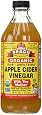
What is the mother in organic apple cider vinegar like Braggs raw and unfiltered?
The mother of vinegar, as it is called, is naturally formed during the fermentation process. It’s cobweb-like strands of enzymes and good bacteria. Rather than take this out, products like Braggs leave it in the bottle.
Admittedly, this photo makes it look gross, but that’s only because we’re trying to show you an extreme example of what the mother looks like. What you get in a bottle of Braggs is mixed and broken apart. Until you get to the very bottom of the bottle – like the last 2% of liquid in it – you’re not going to see something that pronounced and even then, it will not be in actual distinct pieces.
Is the mother a form of probiotics? Are they alive? Since it’s unpasteurized, it’s possible there are digestive health benefits of apple cider vinegar from probiotics. Many have claimed the mother is living but without actual test results to verify how much – if any – was alive, we never felt comfortable making that same claim.
What probiotics look like on your intestinal wall
Finally in 2016, a study was published which confirmed they are living (29). The following 5 kinds of good bacteria (probiotics) were found in the tests:
acetobacter
lactobacillus
oenococcus
komagataeibacter
gluconobacter
We stress that still does not tell us exactly how much is surviving by the time you get the bottle. It could be a lot or very little. But guess what? The biggest benefit for your GI tract may have nothing to do with whether or not you’re getting probiotics from the ACV.
Digestive uses and benefits
What we find more exciting is the prebiotic characteristics of this vinegar. That means it acts as a fertilizer for the good bacteria (probiotics) which are already in your gut.
For their barrels, Bragg’s says they use “Douglas fir/redwood barrels as well as stainless steel.” The latter is not ideal, but wooden barrels boost fermentation and therefore, more probiotic and prebiotic properties.
Scientifically speaking, prebiotics make a lot more sense than probiotic supplements.
Why? Because unless you are buying refrigerated probiotics, the spores you get are from gel capsules which sit inside room temperature bottles (for who knows how long) may or may not be alive. Plus, they’re meant to colonize after your stomach acid further down the tract, not before! When you take them as a supplement, the capsule dissolves in your stomach and who knows how much survives past the stomach’s hydrochloric acid, which can have a pH as low as 1.5.
Its prebiotic – pectin – is likely why ACV benefits digestive problems and issues as so many claim. In the colon and large intestine, probiotics feed on the pectin. During that fermentation process, short-chain fatty acids (SCFAs) are produced such as acetate, propionate, and butyrate (30). Research has suggested those SCFAs “exert multiple beneficial effects on various aspects of mammalian energy metabolism” (31).
Reduced appetite symptoms and SCFAs (such as from pectin) are frequently discussed together (32). It is said to slow your absorption of glucose by trapping carbohydrates and hence, they take longer to digest. Studies as far back as the 80’s have suggested this; “Pectin supplementation caused a significant prolongation of gastric emptying half-time of both liquid and solid meals” (33).
It has also been demonstrated that pectin will bind to cholesterol, which leads to reduced absorption of it from dietary sources (34).
Two good reasons to use it
Given all the poorly researched posts and fake news out there about this, it’s not easy for a consumer to decipher between the myths and reality.
The list of debunked ACV claims is a mile long. Not all, but many of the benefits hyped are exaggerated, misleading, and even dangerous to tell people. For example, those claiming apple cider vinegar can cure cancer are spreading a lie. At least as of today, there is no scientific validation for that claim whatsoever.
Bragg’s brand has a loyal celebrity following which reportedly includes Madonna, Demi Moore, Fergie, Miranda Kerr, Scarlett Johansson, Heidi Klum, and especially Katy Perry who even before she was famous, was long time friends with company matriarch Patricia Bragg (they both come from Santa Barbara). Image credit: Braggs
But don’t mistake our realism with lack of enthusiasm.
There are two very good reasons for supplementing with apple cider vinegar… the fact that it is alkalizing and its pectin content. Neither of these benefits are unique to it, but that doesn’t change the fact it’s an excellent zero calorie way to get them.
If anything, it’s these two factors which likely are what’s responsible for the many health benefits suspected.
It is also possible, though not proven, that ACV might provide a unique delivery vehicle of getting these nutrients into your body, which offers other synergistic health effects that otherwise wouldn’t be realized.
Personally, we love Braggs and use it almost everyday. We do notice a difference in our own digestion on days we use it versus those we don’t; reduced gas and bloating. We’re not making the claim that it is a remedy for gas, just reporting on our personal experience from using it. Almost daily, Braggs is a core ingredient in the salad at lunch.
Being a liquid, you can easily add it to many foods. Or you can even drink it by diluting 1 or 2 tablespoons in an 8+ ounce glass of water. The Braggs bottles sold at the grocery store are rather expensive on a per serving basis, so hardcore users will save money if they buy it by the gallon on Amazon.
As far as the research and studies done specifically on apple cider vinegar, there are only a couple dozen and very few of them are evaluating it in relation to a disease or condition. Many of the papers are looking at chemical properties and things of that nature. This is why the health benefits which people claim about the vinegar specifically are often times misleading. They are taking findings on acidosis and pectin, then reporting them as if they were studied for or specific to ACV, when they usually aren’t.
As far as the studies to date which are specific to ACV, here’s a review of the ones we have found to be most intriguing.
Insecticide levels in cider vinegar
How much pesticides are in vinegar? Is there a difference in buying organic vs. non organic apple cider vinegar?
That has nothing to do with whether the product is pasteurized or raw. It only means whether you are buying vinegar made from non-organic apples or organic apples. Are the benefits of the latter worth paying more for?
This study, dating way back to 1982, evaluated how much parathion (a potent insecticide) would be found in the product after one full year (39).
To start, the apple juice had 22 ppm (ug/g) of parathion.
After 12 days of fermentation, the cider had 7.4 ppm.
After 56 days (prior to bottling) it contained 2.2 ppm.
After 365 days, it contained about 1.5 ppm, or 6% of the original amount.
Conclusion? Whether you’re buying organic or non-organic, the good news is that the half-life of pesticides and insecticides means they will degrade over time. With fresh produce only a few days may have passed, but with processed products like vinegar and other condiments, the greater amount of time means more degradation of the chemicals.
Parathion, which goes by the trade name Folidol, is an older generation pesticide which is highly toxic to humans and even banned in 30+ countries today (though it’s still legal in the United States). Even with something as terrible as this chemical, you’re looking at a 94% reduction over the period of a year.
Is the 1.5 ppm in the non-organic sample perfect? No, however it certainly wouldn’t concern us enough to not consume it.
But that’s not the only reason conventional may be worse for you…
Organic vs. non organic affects bacteria
Given the short half-life of most pesticides, some organic foods are not worth buying if you’re on a budget.
However with this product, you have another reason to buy the USDA certified organic.
This liquid is made by the oxidation of ethanol to acetic acid. This process is initiated by the bacteria living on the surface of the fruit.
Until recently, it was assumed both organic and conventional had the same bacterial microbiota, and therefore, the final fermented product would be the same. Now we know otherwise.
In 2016, researchers at a university in Slovenia (yes, that’s where Melania Trump is from) published data showing differences (46). Only the organic contained the following species:
Acetobacter ghanensis – 12.5% of total bacteria
Komagataeibacter saccharivorans – 6.25%
The scientists concluded that:
“This study has demonstrated that the microbiota of the organic apple cider vinegar is more heterogeneous than that of conventional apple cider vinegar, which may influence the chemical composition and sensorial quality of vinegars.”
In other words, the compounds and phytonutrients created by the fermenting bacteria might differ between conventional vs. organic.
Cholesterol and blood sugar levels
While not human studies, there have been two studies which evaluated using ACV and its side effect on cholesterol and lipid profiles in rodents.
Remember these are animal – not human – studies and any findings are very preliminary.
The diabetic rat study
This study from 2008 compared the Fasting Blood Glucose (FBG) in both normal and induced-diebetic rats (40). Their diet consisted of normal food (for rats, anyway) along with apple cider vinegar, which represented 6% of the food intake by weight. They were monitored for 4 weeks.
The results?
For the diabetic group the fasting blood glucose didn’t change, but the glycated haemoglobin (HbA1c) decreased “significantly.” Why that matters is because higher levels of HbA1c causes a body to have less control over blood glucose levels (41). The diabetic rats also experienced lower triglycerides (TG), lower LDL/bad cholesterol, and higher HDL/good cholesterol.
The normal rats didn’t have their HbA1c affected (probably because it was healthy to begin with) but they still experienced lower LDL cholesterol and higher HDL cholesterol, which are both positive benefits of course.
The high cholesterol rat study
Conducted in 2011, this study focused on blood lipids (42). It’s similar to the one above in the sense that rats with unhealthy diets were being supplemented with ACV. But that’s where the similarities stop.
First of all, the control group was not administered any cider vinegar. All other groups of rats were, but rather than eating it in their diet, they were force fed it using an oral gavage (which is basically a hybrid of a syringe and a dropper, for administration through the mouth).
However the biggest difference is that these rats were fed a high cholesterol diet and as a result, they had hepatic steatosis (fatty liver disease).
With the exception of the control group, all of the rats experienced decreased triglyceride levels and LDL levels, while increasing HDL levels. Their fatty liver disease also benefited.
Antifungal properties
Those on a candida diet are already quite familiar with the yeast-like fungus Candida albicans.
Normally, it’s harmless and is believed to be found in the gastrointestinal tracts of over 70% of the population. In the United States, 30 to 35% of young adults test positive for it in the membrane-lined cavity behind the nose and mouth (the pharynx) which can cause oral candidiasis, which is more commonly known as thrush.
The problems from candida stems from overgrowth which occurs in some people. It is believed that up to 75% of women experience vaginal candidiasis at some point in their lives and about 40 to 50% will experience more than one episode. 6.9 per 1,000 Intensive Care Unit (ICU) patients suffer from candidemia, making it the 4th most prevalent bloodstream infection in the country (35).
For those who are susceptible to overgrowth, they often often follow a candida diet. It is a low sugar diet that minimizes fruit and other forms of carbohydrates/sugars (36).
Regarding the consumption of yeast and fermented foods/drinks, there are differing schools of thought. Some believe fermented foods are rich in lactic acid which can benefit candida overgrowth. Others say that there are good fermented foods and bad fermented foods. Whatever camp you fall into, is apple cider vinegar good for a candida diet?
A study published in 2015 looked at the antifungal activity of ACV on candida (37). Specifically, it evaluated the in vitro effects it had on denture stomatitis – symptoms of inflammation and redness under a denture – which can be triggered by candida.
Those findings may offer some justification as to what many nutritionists and followers of alternative medicine have been saying for years; that ACV is good for candida (38). In fact, many believe it’s the only one to have and the other types such as white wine, red wine, and balsamic vinegars are bad for candida. In addition to dietary consumption, you will hear many of those same people allege that cider vinegar can cure vaginal yeast infections when used as a douche.
Side effects of ACV
Not everything reported is peaches and cream. Is apple cider vinegar bad for you? These two pieces of research point out some ugly side effects which can result.
Erosion of tooth enamel
The 15 year old’s front teeth with severe erosion of the buccal surfaces
Reported in Dutch (so we had to translate), this 2012 article reviewed the medical history of a 15 year old Moroccan girl who experienced loss of enamel and erosion of her teeth. It was concluded that the cause was from drinking apple cider vinegar daily (43). It was unclear whether the acidity was reduced by diluting it in water or if she just drank the vinegar straight.
This is something to keep in mind for those who supplement with it in the form of a drink. Those doing vinegar shots may want to reconsider that use of it. Perhaps worst of all, there are many ACV teeth whitening reviews and tips online which might actually be dangerous… any “whitening” effect experienced may be your enamel being eroded permanently!
Unhealthy weight loss
Why was a 15 year old girl drinking this stuff in the first place?! That same paper discusses the reason why.
In Morocco and and other North African cultures, women have been using apple cider vinegar for weight loss and dieting “for generations.” It also talks about men who are into bodybuilding using it for that same reason.
Using it in concentrated and high dosage forms as a dieting technique may not be healthy or safe, as this example of harming your teeth is case in point!
Then there are the people combining it with diet pills. What clinical data is there to verify that doing so is safe?
We saw this advertorial for Muscle X and apple cider vinegar:
Look at the URL and logo. The webpage looks like it’s Fox News, but it’s actually a subdomain. In layman’s terms, that website is celebrity-body and not foxnews.com.
That so-called review of Muscle X Tst 1700 is only one example. There are other supplements being sold with fake CNN pages about adding dried vinegar powder to things like CLA safflower oil and garcinia. Some tout alleged reviews and testimonials from Harvard and Stanford students.
Sorry, contrary to what you may see, Anderson Cooper is not peddling pills on a CNN “special report.”
Then there are other supplements which are not doing those fake news websites. But you still read about people combining Test Boost Elite or Alpha X Boost and ACV, which are purported testosterone boosters. Or using it with diet pills like Slim Fit 180, Exceptional Garcinia, and Supreme Garcina. Green tea pills and cayenne capsules are other examples. Have any of these combos been proven effective and safe for your health… or your wallet?
Since it contains natural alpha-hydroxy acids (AHAs), you will fine many people online who use it as a skin exfoliant.
Many are hoping this exfoliation helps firm skin and prevent face wrinkles.
Some say it’s good for exfoliating the scalp, which can help with dandruff and itchiness.
We discussed how dietary consumption of apple cider vinegar will not help acne. Some people believe though it can help prevent and treat pimples when applied topically to the skin.
Some use it for hair care purposes, ranging from simple rinses to homemade masks and toners. We even saw sources which claimed it was a “very effective treatment for hair loss” and having the ability to regrow it, yet offered absolutely zero evidence to back that claim (it was a spammy site, probably just trying to get ad clicks). Ditto for the claims about reversing gray hair.
The effectiveness for any hair or skin care treatment is unproven. None of the aforementioned benefits have been clinically studied.
Using something that is ineffective is bad enough, but using something that is ineffective and harmful is even worse. Many of these so called herbal remedies and forms of alternative medicine have the potential to be bad for your health.
Using the vinegar to remove freckles or warts may result in chemical burns of the skin, which have been notated in medical literature (47).
Mole and nevi removal risks
The internet is littered with “at home” guides and steps for how to remove moles or nevi with apple cider vinegar. Doing so is dangerous and this 2015 paper is a perfect example of why that is (44).
ACV mole removal results = chemical burn and scar!
A 14 year old girl had found an online instruction manual for how to chemically remove “ugly moles” using a “natural remedy.”
She applied drops of the vinegar as the instructions said and by the second day, was experiencing significant irritation. A couple days later the nevi “peeled off” and what she was left with were chemical burns. Her mom confiscated the vinegar and promptly brought her to a pediatric dermatology clinic to help.
Fortunately in this case, wearing an ointment for several weeks and the use of sunscreen to protect it from UV made it sound as if she fully recovered (the exact outcome was not explicitly stated). She is lucky because things could have been a lot worse, especially given the fragile nature of the cartilage in that area of the nose (alar wing). Her eyes could have accidentally been exposed to the acid, too.
Even though some people report positive mole removal results at home, any kind of self-administered treatment like this can result in devastating side effects. These “how to” instructions should not be attempted. Treatment of nevi and moles should only be done by a doctor.
What it boils down to
As a dietary supplement, there are apple cider vinegar benefits for health, but one needs to know what’s fact vs. myth. Don’t be misled by the bogus claims and unsafe treatment remedies associated with it. Instead, just enjoy it for the scientifically validated advantages it does offer you!





 The diabetic rat study


