Pages

Showing posts with label Superfoods. Show all posts

Saturday, 1 August 2020

A superfood to 'keep death away'

Japan's most polarising superfood?

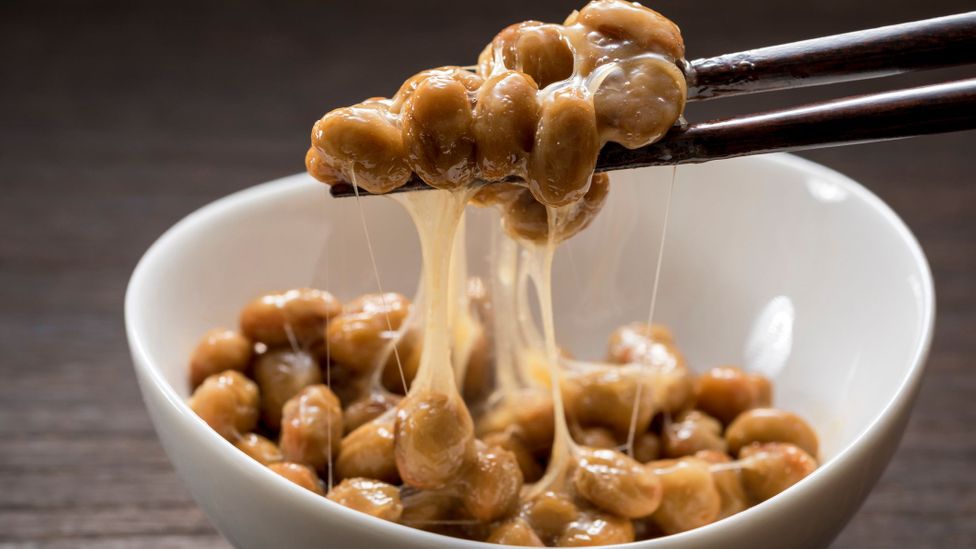
The Japanese have long hailed natto as a superfood – but its ammonia-like smell and mucus-like consistency make the fermented soybean dish a turnoff for many.

BBC Future
  • By Erika Hobart
28 July 2020

A superfood to 'keep death away'


Every day without fail, my 65-year-old mother prepares a dish that many people would say looks, smells and tastes revolting.
Nattō is very stinky. You definitely notice the smell.
Nattō is a traditional Japanese food made from fermented soybeans. It has an ammonia-like smell and mucus-like consistency that makes it polarising, even among people who grow up with it. A 2017 survey by Nifty, a Japanese internet service provider, found that only about 62% of Japanese people actually enjoy nattō. It also revealed that 13% actively dislike the taste. Regardless, many eat it anyway because of the health benefits.
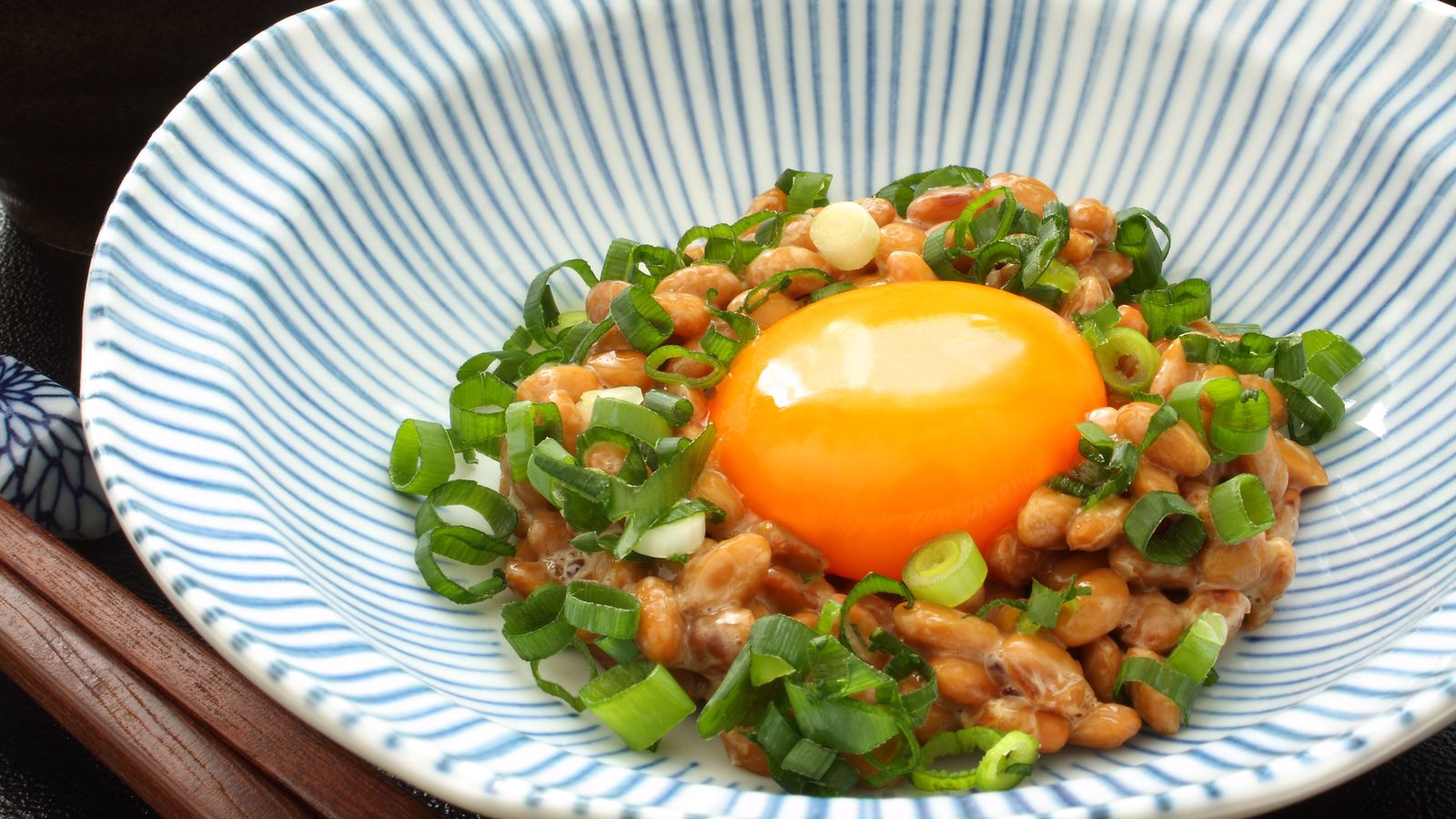
Nattō is a fermented soy-based food that’s often served with spring onion and raw egg (Credit: Credit: Hungryworks/Getty Images)
Nattō is a fermented soy-based food that’s often served with spring onion and raw egg (Credit: Hungryworks/Getty Images)
“Nattō is very stinky. You definitely notice the smell,” said Yuki Gomi, a Japanese chef who runs the cooking school Yuki’s Kitchen in London. “But I always have it in my fridge.” She says it’s a staple in her home, the same way that cheese and yoghurt is readily available in many Western households.
The Japanese have long hailed nattō as a superfood and believe that consumption is linked to improved blood flow and reduced risk of stroke – factors that are particularly appealing in a country that is home to one of the world’s oldest populations. My mother often boasts that nattō keeps her blood “sara sara” (silky). Japanese news site SoraNews24 has gone as far as to declare that "a pack of natto a day keeps the death away”. Hitoshi Shirakawa, professor of nutrition and food science at Tohoku University's Graduate School of Agricultural Science in Sendai, muses this is “probably true”.
He cites a long-term study published in the British Medical Journal earlier this year: researchers at the National Cancer Center in Tokyo found that men and women who ate fermented soy-based foods like nattō on a daily basis reduced their risk of dying from a stroke or heart attack by 10%. 

Japan is one of the world’s most elderly societies, with senior citizens accounting for more than 28% of the population (Credit: Credit: bee32/Getty Images)
Japan is one of the world’s most elderly societies, with senior citizens accounting for more than 28% of the nation’s population (Credit: bee32/Getty Images)
“Fermented soybean foods are less likely to lose [nutritional] components during processing, which is considered to be one of the reasons for the clear association between nattō consumption and [a reduced] risk of cardiovascular diseases,” Shirakawa said. Those nutritional components include plenty of protein, iron and dietary fibre, which have positive effects on blood pressure and weight.
Nattō might even help people feel and look younger. One serving (roughly 40-50g) has the same levels of vitamin K as the daily requirement set by the Japanese government and may help prevent osteoporosis. Nattō is also packed with vitamin B6 and vitamin E, which Shirakawa says boosts cell turnover and slows skin aging.
But fermented soybeans were an integral part of the Japanese diet long before its nutritional benefits were understood. Dr Samuel Yamashita, professor of Japanese history at Pomona College in Claremont, California, says the food was first introduced to Japan from China during the Nara period (710-784AD).
“The historical record in Japan suggests that although nattō was introduced in the 700s, it became popular among both aristocrats and warriors in the Kamakura period (1192-1333) and became important, together with tofu, in the Buddhist-inspired vegetarian cuisine that emerged in the succeeding Muromachi period (1338-1573),” he said.
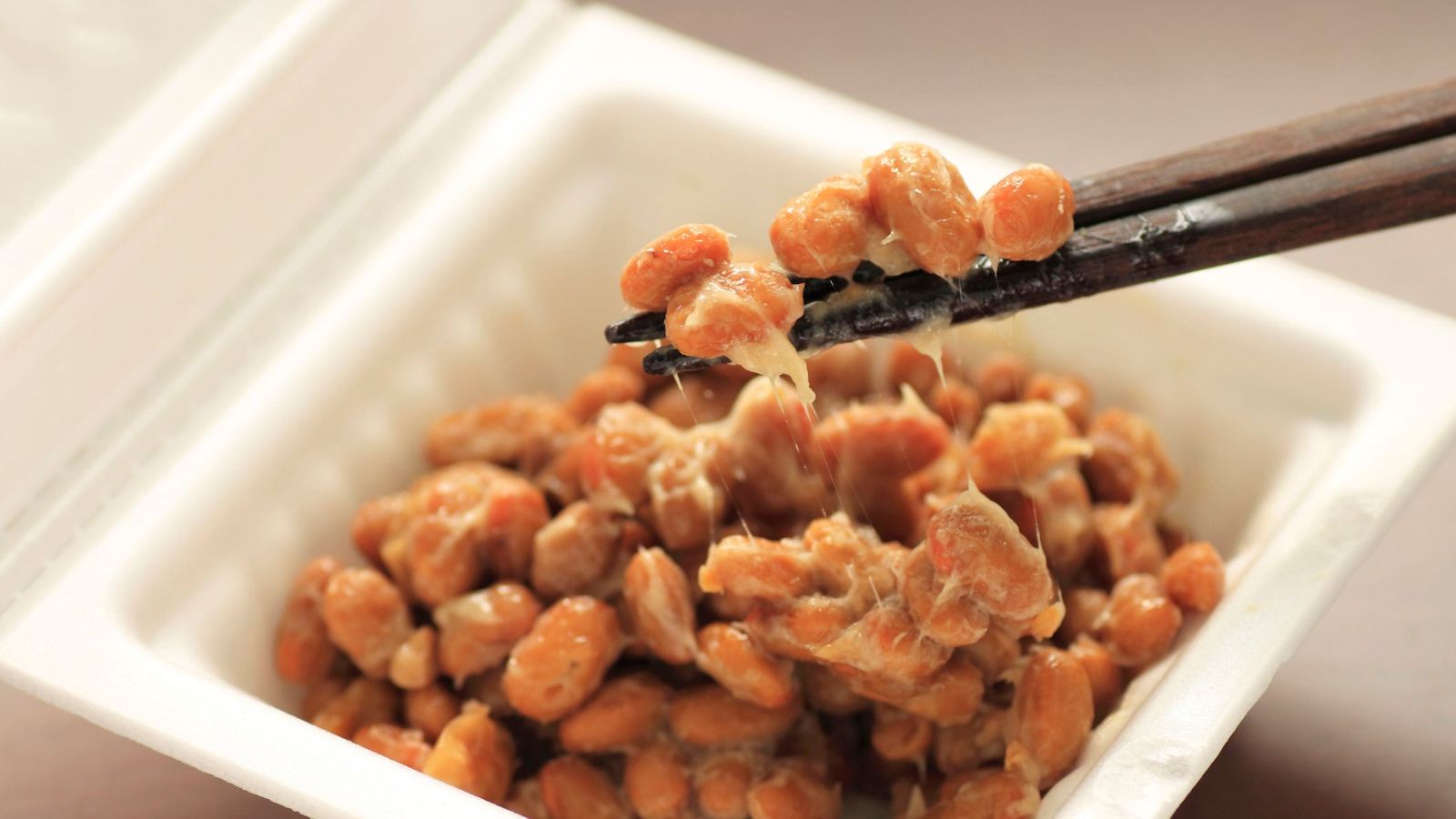
A set of nattō typically contains three small polystyrene foam containers, each with a single serve of the fermented soybeans (Credit: Credit: Yankane/Getty Images)
A set of nattō typically contains three small polystyrene foam containers, each with a single serve of the fermented soybeans (Credit: Yankane/Getty Images)
Yamashita says nattō evolved into a staple in the Japanese diet by the Edo period (1603-1867), when it appeared in cookbooks and started being prepared in the home. Soybeans were soaked in water, boiled or steamed, then blended with the bacterium Bacillus subtilis. They were then wrapped in straw and left to ferment for about a day, depending on the season and temperature.
When you add nattō to your recipes, it manages to add both rich and mellow notes to the food
Today nattō involves far less preparation and is available in convenience stores and supermarkets throughout Japan. A set of nattō, typically containing three small polystyrene foam containers, costs about 100 to 300 yen (£0.75 to £2.25). Each container has a single serving of nattō and tiny packets of tare (a soy sauce blend) and karashi (hot mustard).
To prepare nattō, you simply stir the three items and then pour the sticky concoction over a bowl of steamed white rice. Other ingredients commonly used to spruce up the dish are chopped negi (spring onions) and raw egg. When you lift your chopsticks to eat the end result, each bite is trailed by sticky strings.

Nattō is commonly available in convenience stores and supermarkets throughout Japan (Credit: Credit: Recep-bg/Getty Images)
Nattō is commonly available in convenience stores and supermarkets throughout Japan (Credit: Recep-bg/Getty Images)
In Japan, it’s most common to eat nattō for breakfast. My mother isn’t particularly fond of the taste, but consumes a bowl each morning, solely for its nutritional benefits. Akemi Fukuta, a jewellery salesperson in Tokyo’s Ginza district, says she eats it several times a week because she finds it both healthy and delicious. Gomi likes to make nattō for her four-year-old daughter’s dinner and says it’s a godsend for busy mothers.
Some people, like Mayuko Suzuki, have an entirely different level of appreciation for the simple dish. She eats nattō two to three times a day and has made a career out of being a “nattō influencer”. Known on YouTube and Instagram as Nattō Musume (Nattō Girl), Suzuki promotes restaurants serving unusual nattō-inspired dishes and shares her own recipes containing the slimy soybeans. She regularly shares photos of dubious combinations like nattō pasta, nattō pizza and even nattō gelato.
“I like the unique taste that the fermentation brings,” she explained. “When you add nattō to your recipes, it manages to add both rich and mellow notes to the food.”
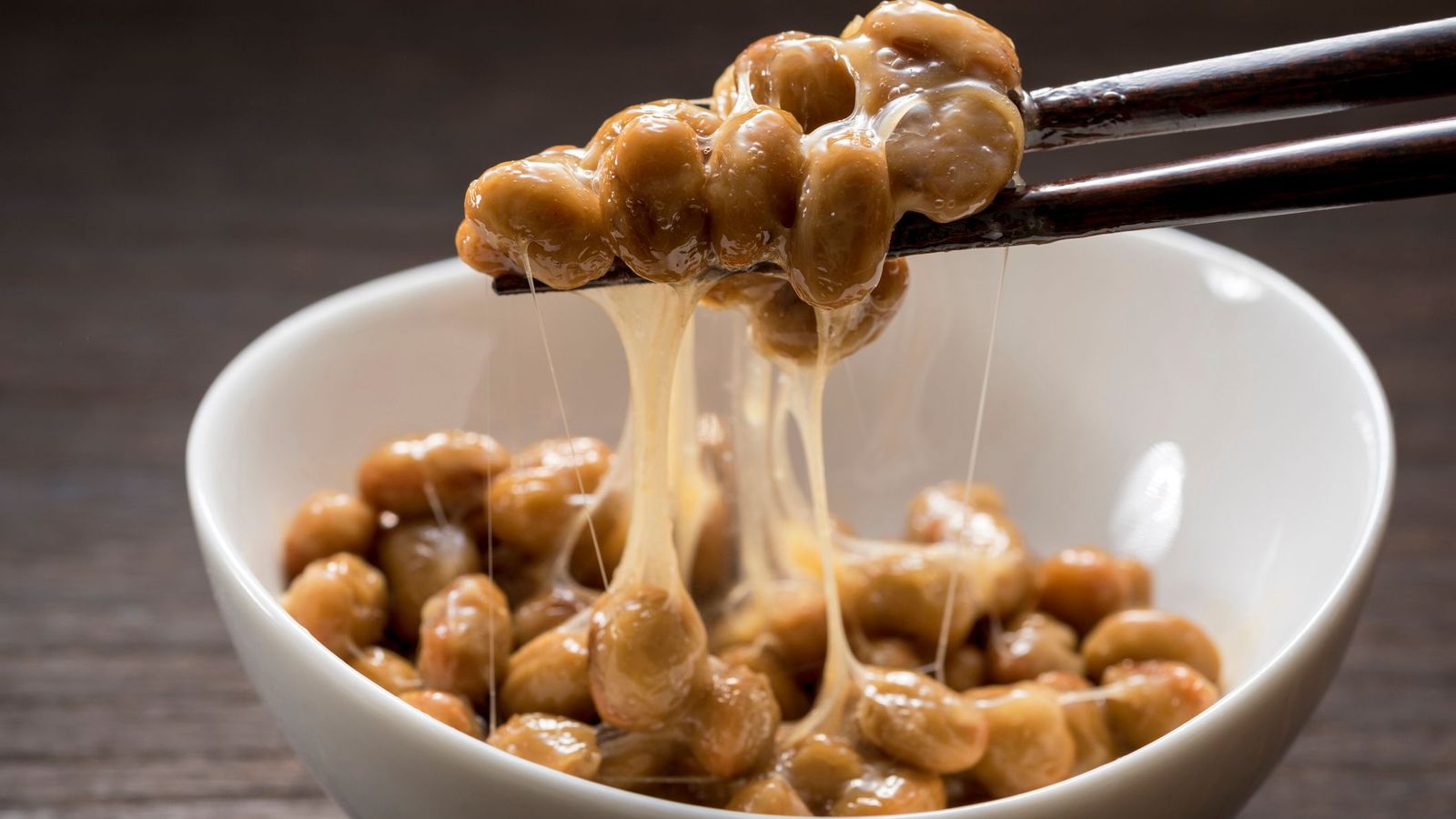
Nattō’s sticky, slimy texture is a natural result of the fermentation process (Credit: Credit: Kuppa_rock/Getty Images)
Nattō’s sticky, slimy texture is a natural result of the fermentation process (Credit: Kuppa_rock/Getty Images)
Given her enthusiasm, it’s no surprise that Suzuki has made three visits to Sendai-ya, an all-you-can-eat nattō restaurant in Tokyo. For about 900 yen (£6.75), customers can devour several variations on the dish, including edamame nattō, goma (sesame) nattō and wakame (seaweed) nattō. The business also sells an unlikely dessert: nattō doughnuts.
Sendai-ya president Itō Hidefumi is the third generation of his family to take over the business, which was established in the Yamanashi prefecture in 1961. He says Sendai-ya expanded to Japan’s capital as a response to customer demand. There are also several vending machines containing Sendai-ya’s nattō products in the city.
"It’s very rewarding to take over a family business that provides people with such a healthy product,” he said.
Despite its reputation as a superfood, however, nattō has failed to gain popularity outside of Japan. It has, however, attracted enough attention to end up in the Disgusting Food Museum in Malmö, Sweden.
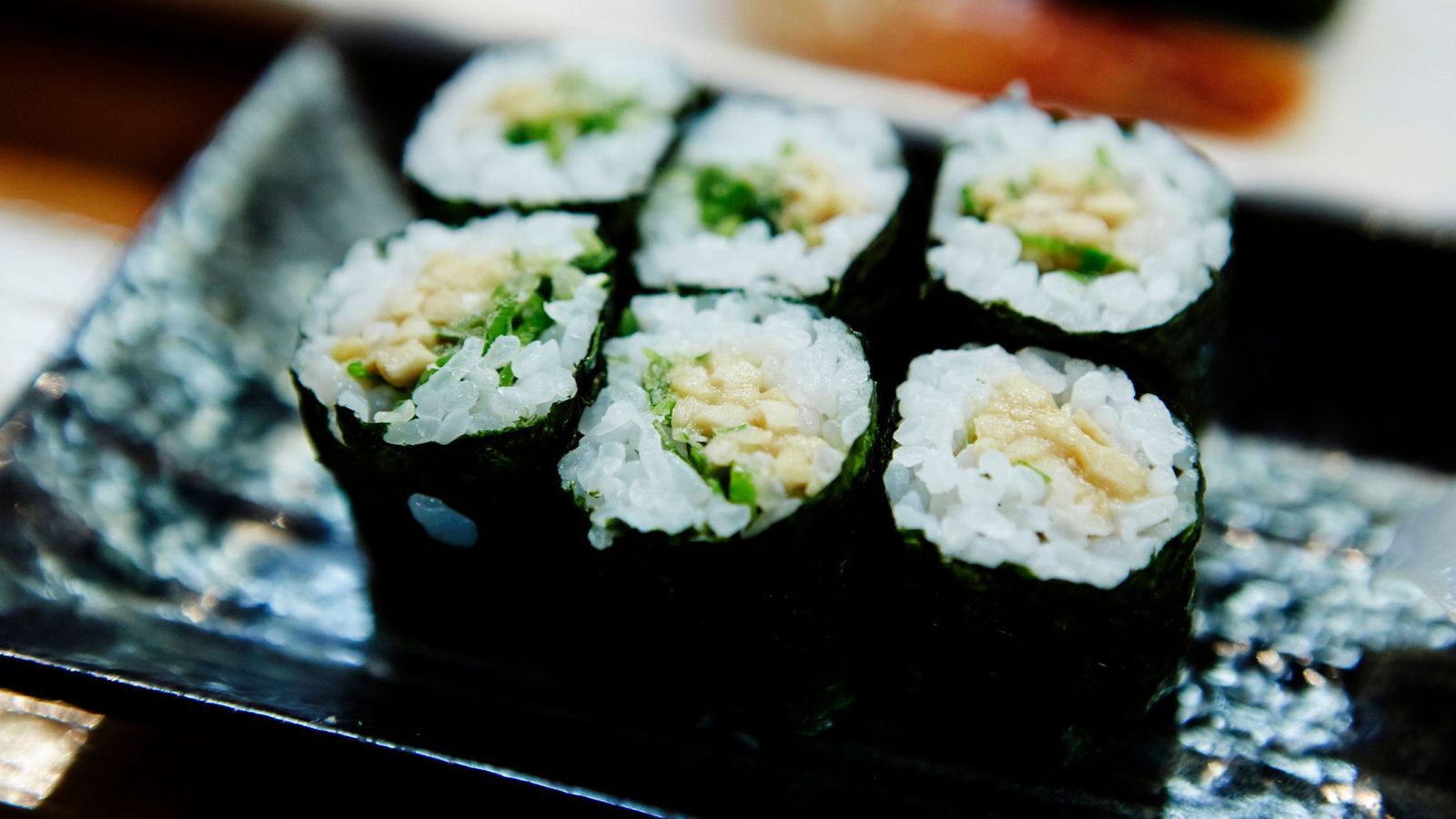
Variations on the dish include natto sushi and even natto doughnuts (Credit: Credit: Ma-no/Getty Images)
Variations on the dish include natto sushi and even natto doughnuts (Credit: Ma-no/Getty Images)
“The two things that most people find problematic with nattō are the sliminess and the smell,” said museum director Andreas Ahrens. “It does contain bacteria that’s also found in dirt, so it has that earthy kind of smell to it.”
What we find disgusting and delicious is very cultural
The Disgusting Food Museum features nattō alongside dishes like cuy (roasted guinea pigs from Peru) and casu marzu (maggot-infested cheese from Sardinia). The exhibit also includes American snacks like Pop-Tarts and Twinkies.
“What we find disgusting and delicious is very cultural,” Ahrens said. “It all depends on what we grew up with and what we are conditioned to like. Something like nattō is a very good example of that.”
Gomi understands that sentiment all too well. She remembers being hesitant to include a recipe for nattō maki (sushi rolls) in her 2013 book Sushi at Home: The Beginner’s Guide to Perfect, Simple Sushi. “I was scared that people wouldn’t like such stinky stuff. I was almost embarrassed,” she admitted.
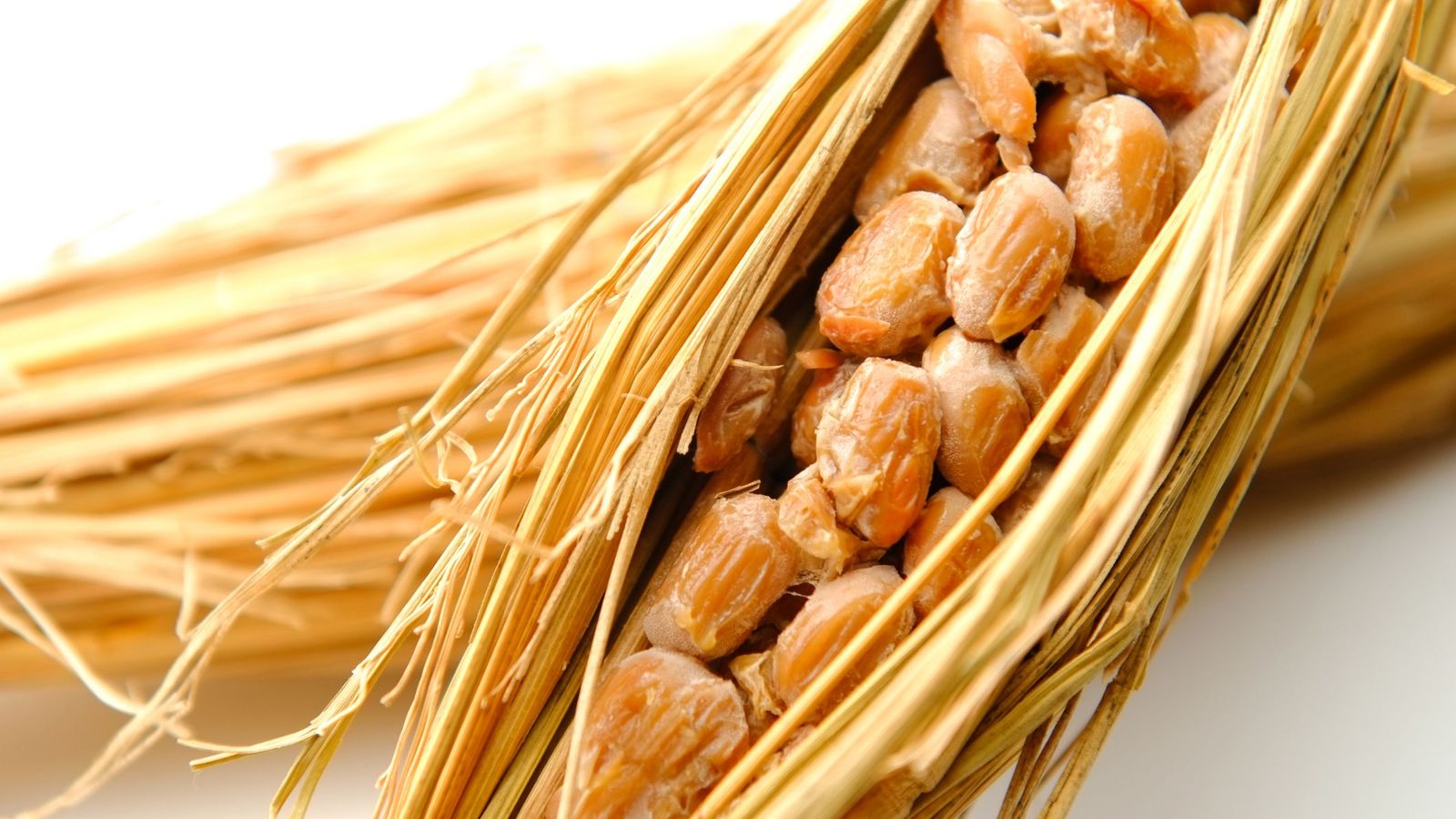
Traditionally, the steamed soybeans were wrapped in rice straw to initiate the fermentation process (Credit: Credit: KPS/Getty Images)
Traditionally, the steamed soybeans were wrapped in rice straw to initiate the fermentation process (Credit: KPS/Getty Images)
But Gomi says that she’s since seen an uptick in students who come to her cooking classes and want to know more about nattō.
“More people are traveling to Japan and staying in ryokan (traditional Japanese inns) that serve nattō for breakfast,” she said. “They come back and tell me they had some strange, sticky stuff… some of them hate it. I don’t blame them. But some of them say they quite like it and want to know where they can buy it.”
Gomi says it makes her hopeful that her non-Japanese peers will come to appreciate nattō as much as she does.
“I'd love to see it more widely available in places like a farmer's market,” she said. “There is certainly a trend towards fermented food [and drink], such as kimchi, kefir and kombucha. It feels like nattō’s time is just around the corner.”
BBC Travel’s Well World is a global take on wellness that explores different ways that cultures the world over strive for a healthy lifestyle.

http://www.bbc.com/travel/story/20200727-japans-most-polarising-superfood

Wednesday, 27 November 2019

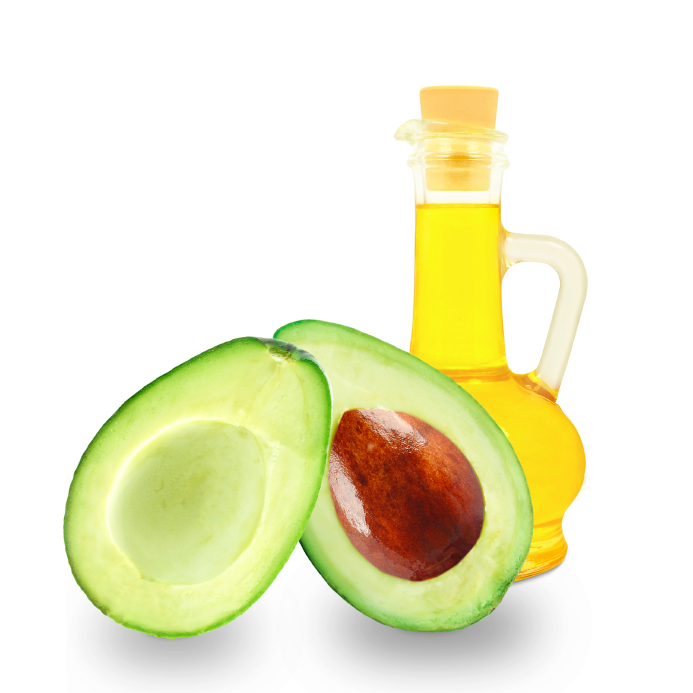
Five Reasons to Eat Avocado Every Day

Avocados have a bad reputation. Maybe that’s why less than half of American households keep them stocked in their kitchens.1 And that’s too bad. This fatty fruit is a protective superfood you should always have on your grocery list. Here are five reasons you should eat avocado every day.

INH Research
1. They lower inflammation: Adding them to your diet keeps disease-causing inflammation in check. That’s true even if you eat it with something that usually causes your inflammation to spike—like a hamburger for instance.
Yes, guacamole is delicious. But avocados are good for more than that. If you’re feeling adventurous, you can use avocados to make some tasty, creative meals. Try blending an avocado into your protein shake or smoothie for added fat and a rich, creamy texture.8
Eating a plain hamburger leads to a whopping 70 percent rise in interleukin-6 (IL6). That’s a cytokine that causes inflammation. The spike can last up to four hours after eating. But adding avocado to that same burger only raises IL6 levels by 40 percent.2 That’s a 30 percent decrease in inflammation just by eating avocado in the same meal. This shows that even in the presence of dangerous foods, avocado is a powerful anti-inflammatory.
2. They fight cancer: Every time you eat an avocado, you’re helping your body prevent cancer.
Avocados stop the formation of cancerous and precancerous cells.3 The potent combination of phytochemicals in an avocado prevents adenosine triphosphate (ATP) from reaching cancer cells. ATP is a substance that gives cells the energy they need to grow and spread. Avocados help kill cancer cells while shielding your normal cells from damage.4
3. They protect your heart: Avocados are one of the best sources of healthful fats that you can find. They’re rich in vitamin E, which reduces your risk of heart attack. But they’re also about 70 percent monounsaturated fatty acids (MFA).5
Eating a diet rich in MFA is a safe and natural way to lower your cholesterol. It doesn’t take long to see results, either. Eating a high-MFA diet lowers your LDL (bad) cholesterol by over 20 percent in the first week. Even more impressive? It raises your HDL (good) cholesterol by 11 percent in that same week.6
4. They help you lose weight: We now know that the idea that eating fat makes you fat just isn’t true. In fact, the latest research shows that a diet rich in healthful fats does the opposite. It actually helps you lose weight.
Avocados help keep you feeling full. Their high MFA allows you to eat less food while still feeling satisfied. Adding even half an avocado to your lunch makes you 40 percent less likely to be hungry in between meals.7 Obviously, this keeps you from overeating.
5. They’re safe to eat: It’s a sad reality: Most foods at your grocery store can put your health at risk. Harsh chemicals used to increase factory farming profits can disrupt your hormones, help cancer develop, and even cause Parkinson’s disease. You may be getting traces of them in every mouthful of vegetables or fruits you eat if you’re not eating organic foods. But you don’t have to worry about avocados.
Even if you don’t buy them organic, avocados are one of the safest foods you can eat. Their thick outer skin keeps pesticides from contaminating the meat of the fruit. Their skin also prevents bugs and other critters from getting inside. This means fewer chemicals are used on them in the first place.
Avocados are a great addition to any meal. They help keep you feeling full while protecting you from disease. Plus, they’re safe to eat even if you don’t have access to an organic variety. Eating an avocado every day is a simple—and tasty—way to support your continued good health.
References:
1http://media.mercola.com/assets/images/infographic/avocado-uses-health-benefits.jpg
2http://www.ncbi.nlm.nih.gov/pubmed/23196671
3http://www.sciencedirect.com/science/article/pii/S0006291X11007807%20/
4http://www.tandfonline.com/doi/abs/10.1080/01635580802567158#.UxSk8vldV8F
5http://www.ncbi.nlm.nih.gov/pubmed/23638933
6http://www.ncbi.nlm.nih.gov/pubmed/8987188%20/
7http://www.lef.org/news/LefDailyNews.htm?NewsID=21904&Section=NUTRITION
8http://paleomg.com/tag/avocado/page/2/

Share on Facebook!

Sunday, 27 October 2019

Superfood: Cabbage - by Life Extension

The protein, anthocyanins, and insoluble fiber in the 15 varieties of cabbage help enhance cardiovascular and digestive health, and protect against cancer.

LIFE EXTENSION MAGAZINE
September 2019


By Laurie Mathena
Cabbage may resemble lettuce, but that’s where their similarities end. While lettuce contains more water, cabbage (a part of the cruciferous family of vegetables) has twice the amount of dietary fiber, plus more protein.
There are at least 15 different varieties of cabbage that range in color from green to red to purple, and their leaves can be either smooth or wrinkled. There are many reasons to include cabbage as part of a healthy diet. Consuming cabbage can contribute to one’s overall health.
Traditionally, in folk medicine, cabbage has been used to help treat a range of health problems, including constipation, headaches, and skin disorders.
More recent research has revealed that it contains compounds that can help protect against the dangers of cancer, radiation therapy, and heart disease.

Heart Health

Cabbage—especially red cabbage—contains a type of flavonoid called anthocyanins, which are the pigments that give cabbage its bright purple color. Eating foods higher in anthocyanins has been linked to a reduced risk of heart disease.1
Higher anthocyanin intake has also been associated with lower arterial stiffness and lower central blood pressure in women.2 Arterial stiffness contributes to cardiovascular diseases, and is associated with systolic hypertension, coronary artery disease, stroke, heart failure, and atrial fibrillation—all leading causes of death.3

Cancer Prevention

Studies have shown that cabbage contains compounds that can help prevent numerous types of cancer, including breast, prostate, bladder, and colon cancers. This is due in part to the numerous anti-cancer activities of these compounds, which include stimulating the activity of enzymes that inhibit tumor growth.

Gut Health

Cabbage can help improve digestive health because it is a good source of insoluble fiber, which helps add bulk to stools and promotes regular bowel movements. It also contains soluble fiber, which can help increase good bacteria in the gut.
At less than 20 calories per half cup, cabbage makes an excellent addition to a healthy diet. It is perhaps best known as the main ingredient in coleslaw. It also tastes good sliced, brushed with extra virgin olive oil, sprinkled with salt and pepper, and roasted in the oven.

References

  1. Adv Nutr. 2011 Jan;2(1):1-7.
  2. Am J Clin Nutr. 2012 Oct; 96(4): 781-8.
  3. Acta Pharmacol Sin. 2010 Oct;31(10):1267-76.
https://www.lifeextension.com/magazine/2019/9/superfoods/page-01

Sunday, 6 October 2019

Barley - an underused source of phytochemicals, fiber, and minerals. Life Extension

Providing blood glucose stabilization, cardiovascular protection, and cancer prevention, this ancient grain satisfies more than just the palate.

December 2008
Barley
Barley may be one of the oldest grains on earth, having first been used by the Egyptians 10,000 years ago and later brought to America by Christopher Columbus in 1494. Despite its long history, barley has not gained the same popularity as a dietary staple in the US as wheat or oats.1 Now, as the medical community unearths more and more exciting health benefits of consuming barley, this fact may soon change.
Rich in phytochemicals, fiber, and minerals that ward off a plethora of diseases, substituting your usual grain of choice with barley may confer an array of health benefits, ranging from balanced blood sugar levels to protection against cardiovascular disease and cancer.

Keeping Blood Sugar Levels Balanced

In barley's arsenal of components that make it a healthful superfood, the blockbuster stand-out is a particular kind of soluble fiber called beta-glucan. Similar to another fiber called pectin in consistency, beta-glucan is a viscous fiber that our bodies can't digest. By binding with water, beta-glucan slows the rate that food moves through the digestive system, tempering the body's glucose and insulin responses after a meal.2
While beta-glucan is present in the cell walls of barley, oats, yeast, bacteria, algae, and mushrooms, barley and oats are the richest sources of beta-glucan among the grains.3 Yet emerging evidence suggests that barley might be even more beneficial than oats when it comes to modulating blood sugar.
In fact, in one study comparing the insulin and glucose response in overweight women to barley and oats, researchers actually found "peak glucose and insulin levels after barley were significantly lower than those after glucose or oats." The researchers tested a variety of forms of the grains (from oat flour and oatmeal to barley flour and barley flakes) and discovered that while the particle size had little effect on the glycemic responses, "the high soluble fiber content of this barley appeared to be a factor in the greater reduction observed."4 This is exciting news not just for those who suffer from diabetes. It also shows barley's promising effects on anyone who's at risk for metabolic syndrome.
WHOLE-GRAIN GOODNESS
Whole-Grain Goodness
While current dietary recommend that all individuals consume three servings of whole grains each day, Americans consume an average of only one serving per day.25 According to the United States Department of Agriculture,eating grains—particularly fiber-rich whole grains—helps reduce the risk of numerous chronic diseases. Among the health benefits of consuming fiber-rich grains like barley are:
  • Reduced risk of coronary heart disease26
  • Reduced risk of constipation26
  • Weight management benefits26
  • Decreased risk of high blood pressure27
  • Reduced risk of diabetes28,29

Thwarting Heart Disease

Studies suggest that barley can lessen your risk of cardiovascular diseases by hindering the amount of cholesterol absorbed by the intestines. Cardiovascular disease prevention is an established benefit of whole-grain fiber intake. Again, the soluble fiber called beta-glucan in barley appears to be the secret weapon.
Beta-glucan likely acts via numerous mechanisms to promote healthy blood lipid levels. By increasing the volume and viscosity of the intestinal contents, beta-glucan may help reduce the amount of dietary cholesterol absorbed through the intestinal epithelium. Beta-glucan also increases the excretion of bile acids into the intestines. Since oxidized cholesterol comprises bile acids, this has the net effect of lowering serum cholesterol levels.5
Thwarting Heart Disease
Increasing dietary intake of beta-glucan helps to lower low-density lipoprotein (LDL) as well as total cholesterol in men and women.6,7 Barley appears to be more effective in lowering blood cholesterol than other whole grains like wheat and rice because of its high beta-glucan content.7-11
One study found that moderately hypercholesterolemic subjects who consumed 3 or 6 grams of beta-glucan from barley demonstrated decreased levels of total cholesterol. Men and postmenopausal women derived the greatest benefits from beta-glucan.12
Barley has also been shown to lower blood pressure, an important risk factor for cardiovascular disease and stroke. One five-week study found that men who replaced 20% of their energy intake with whole grains like barley experienced reductions in systolic, diastolic, and mean arterial pressure.13
The FDA has determined that foods containing barley may now carry a qualified health claim that they reduce the risk of coronary heart disease when combined with a diet low in cholesterol and saturated fat. Whole-grain barley and dry milled barley products must contain at least 0.75 grams of soluble fiber per serving in order to make this health claim.14
A research meta-analysis determined that each 10 gram increase in total dietary fiber intake produced a 14% reduction in all coronary events and a 27% decrease in the risk of coronary death.15

Cancer Protection

Barley is also rich in phytonutrients known as lignans, compounds that appear to help ward some cancers.16 Specifically, the dominant lignan that occurs naturally in barley is called 7-hydroxymatairesinol.16 Lignans appear to have a protective effect against some cancers because they are metabolized by beneficial bacteria in the colon into enterolactone and enterodiol, two substances that have mild estrogen-like effects.17 Increasing dietary intake of whole grains represents an important strategy to boost serum levels of enterolactones.18,19
An important German study found that women with the highest plasma levels of enterolactone had a remarkable 62% lower risk of premenopausal breast cancer, compared with women with the lowest plasma levels.20
Men may similarly benefit from increasing their dietary intake of lignans. A study analyzing blood enterolactone levels in men with prostate cancer versus healthy controls found that men with the highest enterolactone levels were 82% less likely to have prostate cancer.21
Keeping high blood levels of enterolactones by upping your intake of barley and other whole grains could thus help thwart cancers, particularly hormone-dependent cancers.
COMPARING THE NUTRITIONAL CONTENT OF BARLEY AND OATS
Compared to whole-grain oats, barley packs a nutritional wallop by being lower in fat and calories, but higher in dietary fiber! One cup of hulled barley has about three times less fat and two-thirds more fiber than the more popular grain, oats. Barley also provides an excellent dietary source of essential minerals including magnesium, iron, manganese, and selenium.
 
Barley, hulled Oats (per 100 g)
(per 100 g)
Calories
354
389
Protein
12.48 g
16.89 g
Fat
2.30 g
6.90 g
Total Carbohydrates
73.48 g
66.27 g
Total Dietary Fiber
17.30 g
10.60 g
Source: USDA National Nutrient Database for Standard Reference30

Gastrointestinal Health Benefits

Barley is a rich source of both soluble and insoluble fiber, both of which may benefit gastrointestinal health.
The insoluble fiber found in barley binds with water to add bulk to stools, thus promoting more regular bowel movements.22
Some of the soluble fiber found in barley is digested by colonic bacteria to produce short-chain fatty acids, which may help promote bowel health.22 In fact, germinated barley products are undergoing investigation for their ability to help soothe colonic mucosa in the painful inflammatory bowel disease known as ulcerative colitis.23

Enjoying Barley

Barley is available in numerous forms, including hulled barley kernels, flakes, grits, pearls, and ground flour. Whole-grain barley kernels contain more fiber and nutrients than the more common pearled barley. Pearled barley is smoother because it's been scrubbed clean of the healthful outer husk and bran layer in the refining process. Hulled barley not only has retained all the nutrients in the outer husk and bran layer, but it also has a nuttier flavor. Hulled barley requires a longer cooking time than pearled barley, however. Pearled barley is still an excellent dietary choice, providing 3 grams of fiber per ½ cup serving, compared with only 1.75 grams of fiber in ½ cup of long-grain brown rice.24 Nutrient powders rich in beta-glucans are also available.
Comparing the Nutritional Content of Barley and Oats
Store uncooked barley in an airtight container in a cool place.
Add cooked barley kernels to soups, stews, salads, and casseroles. Substitute cooked barley kernels or pearls for rice in your favorite recipe. Cooked barley flakes or grits make a delicious hot cereal similar to oatmeal. Substitute some of the white or wheat flour in baked breads and desserts with barley flour to add flavor and fiber.

Conclusion

Barley's amazing properties make it no surprise that this grain would have endured for millennia. But what is striking is the fact that Americans have been slow to embrace barley as they have wheat, corn, rice, and oats. Fortunately, as new research unveils more and more ways that barley can be a healthful addition to your diet, it will become a more pervasive staple to our diets. And check out the recipe on this page from the National Barley Foods Council. At just under 300 calories per serving, this salad is worth making tonight!
If you have any questions on the scientific content of this article, please call a Life Extension Health Advisor at 1-800-226-2370.
EASY GREEK BARLEY SALAD TASTE OF THE MEDITERRANEAN
Ingredients:
1 cup pearl barley
3 cups water
Salt
1/3 cup olive oil
2 tablespoons fresh lemon juice
2 tablespoons red wine vinegar
1/2 teaspoon dried oregano
1/4 cup finely chopped onion
1/4 cup finely chopped fresh parsley
2 medium tomatoes, diced
1 green or red bell pepper, diced
1/2 cup crumbled feta cheese
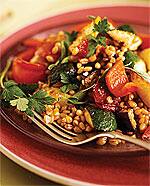
In medium saucepan with lid, bring water and 1 teaspoon salt to a boil. Add barley and return to boil. Cover, reduce heat to low and cook 45 minutes or until barley is tender and liquid is absorbed. Combine olive oil, lemon juice, vinegar, oregano and 1/4 teaspoon salt; pour over hot cooked barley. Cool to room temperature. Gently stir in onions, parsley, tomatoes, bell pepper and feta cheese. Makes 6 servings.
Per serving: calories 209, protein 4g, fat 1g, carbohydrates 49g, cholesterol 0mg, fiber 7g, sodium 95mg.
TO COOK PEARL BARLEY
In medium saucepan with lid, bring 3 cups water to a boil. Add 1 cup pearl barley and return to boil. Reduce heat to low, cover and cook 45 minutes or until barley is tender and liquid is absorbed. Makes about 3 to 3-1/2 cups.
Recipe courtesy of National Barley Foods Council (www.barleyfoods.org).

References
1. Available at: http://www.aaccnet.org/cerealfoodsworld/samplepdfs/CFW-51-0004.pdf. Accessed August 11, 2008.
2. Granfeldt Y, Liljeberg H, Drews A, Newman R, Bjorck I. Glucose and insulin responses to barley products: influence of food structure and amylose-amylopectin ratio. Am J Clin Nutr. 1994 May;59(5):1075-82.
3. Behall KM, Scholfield DJ, Hallfrisch JG, Liljeberg-Elmstahl HG. Consumption of both resistant starch and beta-glucan improves postprandial plasma glucose and insulin in women. Diabetes Care. 2006 May;29(5):976-81.
4. Behall KM, Scholfield DJ, Hallfrisch J. Comparison of hormone and glucose responses of overweight women to barley and oats. J Am Coll Nutr. 2005 Jun;24(3):182-8.
5. Leinonen KS, Poutanen KS, Mykkanen HM. Rye bread decreases serum total and LDL cholesterol in men with moderately elevated serum cholesterol. J Nutr. 2000 Feb;130(2):164-70.
6. Behall KM, Scholfield DJ, Hallfrisch J. Effect of beta-glucan level in oat fiber extracts on blood lipids in men and women. J Am Coll Nutr. 1997 Feb;16(1):46-51.
7. Keenan JM, Goulson M, Shamliyan T, et al. The effects of concentrated barley beta-glucan on blood lipids in a population of hypercholesterolaemic men and women. Br J Nutr. 2007 Jun;97(6):1162-8.
8. Lupton JR, Robinson MC, Morin JL. Cholesterol-lowering effect of barley bran flour and oil. J Am Diet Assoc. 1994 Jan;94(1):65-70.
9. Behall KM, Scholfield DJ, Hallfrisch J. Diets containing barley significantly reduce lipids in mildly hypercholesterolemic men and women. Am J Clin Nutr. 2004 Nov;80(5):1185-93.
10. Behall KM, Scholfield DJ, Hallfrisch J. Lipids significantly reduced by diets containing barley in moderately hypercholesterolemic men. J Am Coll Nutr. 2004 Feb;23(1):55-62.
11. Adam A, Lopez HW, Tressol JC, et al. Impact of whole wheat flour and its milling fractions on the cecal fermentations and the plasma and liver lipids in rats. J Agric Food Chem. 2002 Oct 23;50(22):6557-62.
12. Available at: http://www.ars.usda.gov/research/publications/publications.htm?seq_no_115=185932. Accessed August 8, 2008.
13. Available at: http://www.ars.usda.gov/research/publications/publications.htm?SEQ_NO_115=139663. Accessed August 8, 2008.
14. Available at: http://www.fda.gov/bbs/topics/NEWS/2006/NEW01375.html. Accessed August 11, 2008.
15. Pereira MA, O'Reilly E, Augustsson K, et al. Dietary fiber and risk of coronary heart disease: a pooled analysis of cohort studies. Arch Intern Med. 2004 Feb 23;164(4):370-6.
16. Smeds AI, Eklund PC, Sjoholm RE, et al. Quantification of a broad spectrum of lignans in cereals, oilseeds, and nuts. J Agric Food Chem. 2007 Feb 21;55(4):1337-46.
17. Thompson LU. Experimental studies on lignans and cancer. Baillieres Clin Endocrinol Metab. 1998 Dec;12(4):691-705.
18. Jacobs DR Jr, Pereira MA, Stumpf K, Pins JJ, Adlercreutz H. Whole grain food intake elevates serum enterolactone. Br J Nutr. 2002 Aug;88(2):111-6.
19. Johnsen NF, Hausner H, Olsen A, et al. Intake of whole grains and vegetables determines the plasma enterolactone concentration of Danish women. J Nutr. 2004 Oct;134(10):2691-7.
20. Piller R, Chang-Claude J, Linseisen J. Plasma enterolactone and genistein and the risk of premenopausal breast cancer. Eur J Cancer Prev. 2006 Jun;15(3):225-32.
21. Hedelin M, Klint A, Chang ET, et al. Dietary phytoestrogen, serum enterolactone and risk of prostate cancer: the cancer prostate Sweden study (Sweden). Cancer Causes Control. 2006 Mar;17(2):169-80.
22. Trepel F. Dietary fibre: more than a matter of dietetics. I. Compounds, properties, physiological effects. Wien Klin Wochenschr. 2004 Jul 31;116(14):465-76.
23. Bamba T, Kanauchi O, Andoh A, Fujiyama Y. A new prebiotic from germinated barley for nutraceutical treatment of ulcerative colitis. J Gastroenterol Hepatol. 2002 Aug;17(8):818-24.
24. Available at: http://www.barleyfoods.org/nutrition.html. Accessed August 8, 2008.
25. Hallfrisch J, Facn, Behall KM. Mechanisms of the effects of grains on insulin and glucose responses. J Am Coll Nutr. 2000 Jun;19(3 Suppl):320S-5S.
26. Available at: http://www.mypyramid.gov/pyramid/grains_why_print.html. Accessed August 8, 2008.
27. Available at: http://www.sciencedaily.com/releases/2007/05/070509161030.htm. Accessed August 8, 2008.
28. Liu S, Manson JE, Stampfer MJ, et al. A prospective study of whole-grain intake and risk of type 2 diabetes mellitus in US women. Am J Public Health. 2000 Sep;90(9):1409-15.
29. Fung TT, Hu FB, Pereira MA, et al. Whole-grain intake and the risk of type 2 diabetes: a prospective study in men. Am J Clin Nutr. 2002 Sep;76(3):535-40.
30. Available at: www.nal.usda.gov/fnic/foodcomp/cgi-bin/list_nut_edit.pl. Accessed August 8, 2008.
https://www.lifeextension.com/magazine/2008/12/barley/page-01