Pages

Showing posts with label Colds. Show all posts

Friday, 14 July 2017

4 drugs that can give you dementia

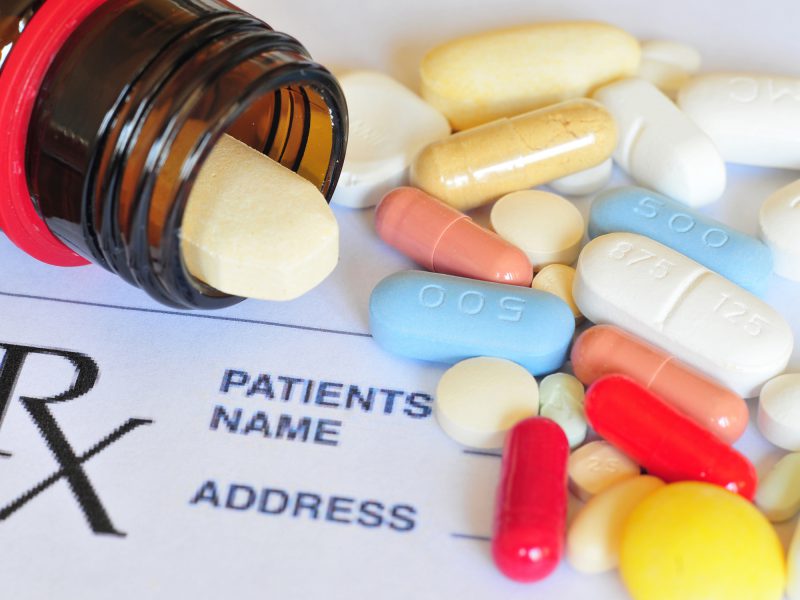
If it’s not shocking enough that dementia kills more people than breast and prostate cancer combined, how about this… You may be taking a common medication right now that increases your risk of developing dementia by as much as 54 percent!

Prescription pills

Jedha Dening

You may be taking a common medication right now that increases your risk of developing dementia by as much as 54 percent!
To date, a few studies have raised a number of medications into the dementia-causing spotlight. You may want to take this list and have a look in your medicine cabinet…

Oxybutynin (Ditropan XL, Urotrol) for bladder control

In the past five years, these bladder antimuscarinic drugs, prescribed for the treatment of urinary incontinence, have increased in usage by 31 percent. Researchers suggest there are other options but physicians turn to this drug because it’s a cheaper option. And it seems, at your expense…
Researchers discovered that those taking it for more than three years had a significantly increased risk of dementia.
What can you do for bladder control instead?
I’ve previously covered the use of pumpkin seed extract and Kegel exercises for bladder issues, two natural options with proven effectiveness.

Diphenhydramine (Benadryl) for allergies and colds

Reaching for those antihistamines to address your seasonal allergies — sneezing, runny nose, watery eyes, hives, skin rash, itching, and other cold symptoms — may have seemed like a good idea before now. However, this commonly used medication is in the same class as all those listed here and may increase your dementia risk.
Next time you suffer allergies try these 7 foods and optimize your health with these tipsfrom my colleague Dr. Isaac Eliaz.

Tricyclic antidepressants

Some popular medications in this group include:
  • Amitriptyline (Elavil, Endep)
  • Clomipramine (Anafranil)
  • Imipramine (Tofranil)
  • Trimipramine (Surmontil)
  • Doxepin (Sinequan, Adapin)
Taking antidepressants may be useful for those with severe clinical depression. However, there are other alternatives to tricyclic antidepressants. And since these have been shown to increase risk of dementia, discussing alternatives with your physician is a great idea.
Since antidepressants are not all that useful to most people, consider trying proven alternatives. My colleague Dr. Mark Wiley has previously covered several natural methods for treating depression.

Doxepin hydrochloride (Silenor) for insomnia

If you have trouble staying asleep, your physician may prescribe you doxepin hydrochloride. But if you’re a regular user of a dosage around 10 mg per day and continue to do that for three years, your risk of dementia can skyrocket.
All of these medications are classed in the category of ‘anticholinergic’ medications and have an average usage between 8 to 37 percent. It’s not unknown that these meds cause immediate cognitive effects such as altered attention, changes to working memory, and slower cognitive speed. But when following your physician’s advice, you probably don’t expect to up your risk of dementia by more than 50 percent.
Unfortunately there are too many drugs to list here… but you can learn about other prescriptions for amnesia and brain robbery that my colleague Margaret Cantwell wrote about, including Xanax and Lipitor to name a few.
Editor’s note: There’s one more drug that could be stealthily stealing your mind and your memories… and the reason you take it is based on a myth that has helped big pharma rake in billions! To learn more about how mainstream medicine is robbing you of a vitally important brain nutrient, click here to read this urgent report!
Sources:
  1. 2017 Alzheimer’s Disease Facts and Figures — Alzheimer’s Association. Retrieved 2 June, 2017
  2. Gray SL, et al. Cumulative Use of Strong Anticholinergics and Incident Dementia. — JAMA Intern Med. 2015;175(3):401-407.
  3. Common anticholinergic drugs like Benadryl linked to increased dementia risk — Merz B. (2015). Harvard Health Blog. Retrieved 2 June, 2017
https://easyhealthoptions.com/4-drugs-can-give-dementia/

Friday, 30 June 2017

Does Echinacea Prevent colds? | BBC FUTURE

Echinacea is often advised for warding off the winter sniffles, says Claudia Hammond, but does it actually work?


If you find yourself about to go down with a cold this winter, the chances are that at some point a friend will suggest you take echinacea. Some swear by it to ward off a cold when they feel the first stirrings of a sore throat. Others take it once a cold is full-blown, in the hope that it will speed their recovery. Native Americans have long valued echinacea for its medical properties, but in the 20th Century its use spread to many countries after it became popular in Germany. In today’s health food shops ­ you can see dozens of different kinds of preparations. The question is, does it work?
Every couple of years a new study is published showing that echinacea either does or doesn’t reduce your risk of contracting a cold. Part of the reason for this mixed picture is that it comes in so many forms. Of the nine different species, all from the daisy family, there are three which are often used medicinally - the pinky-purple echinacea purpurea, the pale purple coneflower and the slightly shorter echinacea angustifolia. To complicate things more, some preparations use the root, others the flower, the leaves or the whole plant and then it can be pressed for its juice, made into a tincture or dried and put into tablets. Different research studies use different preparations, making them hard to compare.
(Thinkstock) (Credit: Thinkstock)
(Thinkstock)
No one is even agreed on exactly which ingredients in echinacea might prevent or aid recovery from a cold, or whether it’s the combination of ingredients that’s crucial. Echinacea contains four types of compounds which might boost the immune system: alkamides, glycoproteins, polysaccharides and caffeic acid derivatives, but not all these substances are found in every species of echinacea, nor in every part of the plant.
So does it make a difference to your chances of contracting a cold? After years of mixed results, in 2007 scientists at the University Of Connecticut in the US conducted a meta-analysis, combining and reanalysing the data from the 1600 participants in previous trials. The results seemed good news for echinacea fans, with newspapers proclaiming that supplements could halve your chances of getting a cold. The problem is that the plant is so versatile that the original studies involved not only different species of echinacea, but different parts of the plant, extracted in different ways. You could argue that this is like pooling the results of studies measuring different treatments, since chemically not every species of part of the plant is the same.
Full review
Then earlier this year came the most comprehensive review so far – a Cochrane review that scanned the literature and included only the very best studies. They looked for randomised controlled studies where people were given either echinacea or a placebo and neither they nor the staff administering the preparations knew which they were getting. From the 82 trials they assessed they ended up with 24 which fulfilled the criteria, mostly from the US and Germany. Still, they weren’t always convinced that the people wouldn’t guess what they were taking. One trial used capsules containing vegetable oil as a placebo. Another used the manufacturers’ own staff who might be familiar with the taste of their own product.
(Nomadic Lass/Flickr/CC BY-SA-2.0) (Credit: Nomadic Lass/Flickr/CC BY-SA-2.0)
Various parts of echinacea are used for remedies and it's unclear which ones work best, if at all (Nomadic Lass/Flickr/CC BY-SA-2.0)
In some studies people were given echinacea and then deliberately exposed to a cold virus to see whether they became infected. In others, people had the echinacea on hand and were instructed to start taking it the moment they felt a tickle in their throat or starting sneezing.
Their results were slightly disappointing for those hoping to avoid colds in the future. They found that when you looked at these well-conducted trials, none of them showed on their own that echinacea prevented colds. But on a more positive note, when they pooled the results of the best studies, giving them a much larger group of people, those who took echinacea did turn out to be less likely to get a cold, even if only 10 to 20% less likely. The authors suggest that perhaps the reason that these effects didn’t show up in individual studies, is that they had such small numbers of people taking part in them. Of course with the pooled result there’s still the problem that the people in different studies took different forms of echinacea.  
Immune trigger
We also need to bear in mind that these studies all excluded people with an underlying illness. Not everyone wants to boost their immune systems. A healthy immune system has been described to me as a dog on a lead that’s out in the park. It’s straining at the leash ready to shoot off at any moment if it can get free. You want it to keep on walking at a steady pace with you, not to break free and go rushing off too far. Similarly, you want the immune system to work reliably, but not to go too far. Auto-immune diseases like multiple sclerosis and rheumatoid arthritis involve an immune system that has become too active and organisations such as the National Institute of Health in the US advise patients with these conditions not to take echinacea
So the next time you feel your throat getting a bit sore and fear you’re going down with a cold, you could try taking some echinacea, but bear in mind no one yet knows exactly which kind you should take. And until they do, then on average there’s an 80-90% chance you will still get the cold. It might make a difference, but only a small one.

http://www.bbc.com/future/story/20141104-does-echinacea-prevent-colds

Friday, 13 January 2017

What to do if you have a cold or flu

None of us can dodge colds and flu, and there are a wide range of potential treatments that we all turn to. But not all of them will help - and which remedy you should turn to will depend on whether you have a cold or the flu.

  • 10 January 2017
  •  
  • From the sectionHealth
woman sneezingImage copyrightEYEWIRE INC
None of us can dodge colds and flu, and there are a wide range of potential treatments that we all turn to. But not all of them will help - and which remedy you should turn to will depend on whether you have a cold or the flu.
They share similar symptoms - but they are different beasts.
A cold will make you feel rotten. Flu is more severe and sends you to your bed.
It's also likely to come with a fever and leave you feeling truly exhausted.
So here is what the evidence has shown helps... and what doesn't.

Feed a cold/starve a fever?

Most of us will have heard this old adage. But experts at the Common Cold Centre in Cardiff say there isn't good evidence behind it.
The saying may have come about because people with a fever often lose their appetite.
Girl eating soupImage copyrightTHINKSTOCK
The advice is that you should try to eat some healthy food to keep your strength up, but don't feel that you have to force it down if you're not hungry.

Soldier on or go to bed?

Listen to your body. Don't push yourself too hard and get some rest.
woman in bedImage copyrightTHINKSTOCK
How much you need will depend on how you feel.
Certainly, a mild cold shouldn't stop you getting out and about... or going to work!

Honey and lemon or a hot toddy?

Neither is proven to help, but honey and lemon might be a better option than the whisky, particularly if you plan to have more than one drink.
Doctors recommend plenty of fluids - by which they mean water - plus the odd cup of tea or coffee.
honey and lemon drinkImage copyrightTHINKSTOCK
If you have a cold or the flu you will probably be sneezing, coughing and sweating out more fluid than you normally would, and so need to keep topped up.
But don't overdo it. There is plenty of research to show that drinking too much water can be dangerous - and can even kill.

Paracetamol or ibuprofen?

Both work. You can even take paracetamol and ibuprofen together to ease your symptoms - it is safe to take both doses at the same time or spaced apart.
paracetamolImage copyrightTHINKSTOCK
But do keep tabs on how much you've had so you don't exceed the maximum recommended doses in any 24-hour period.
Ibuprofen is best taken with food or on a full stomach.

Eucalyptus or menthol oil?

vapour rubImage copyrightSPL
There's no good evidence that they work, but they could offer some temporary relief. Rubbing some on your chest or putting a few drops in a steamy bowl of water can help unblock your nose.

Vitamin C and zinc?

Vitamin C has been proposed as a treatment for respiratory infections since the 1930s. It became particularly popular in the 1970s when a Nobel laureate - Linus Pauling - suggested that studies comparing it with a placebo (dummy) treatment showed vitamin C would prevent and alleviate colds.
But a recent analysis by the Cochrane Group, which assesses medical evidence for and against different treatments and therapies, found dosing up doesn't appear to help that much, if at all.
Vitamin C is pretty harmless - we pee out any excess amounts that the body can't use.
oranges spelling out vitamin CImage copyrightTHINKSTOCK
But Zinc can be dangerous if you take too much, so the advice is to take care with the quantity you take.

Absolute no-no's

There has been a huge public information campaign to raise awareness of when antibiotics are - and are not - necessary. Antibiotics are no use in treating colds and flu because they are caused by viruses - and antibiotics do not treat viruses.
The only time you need to see your GP is if a bacterial infection develops.
NHS Choices has more information on cold and flu care.

http://www.bbc.com/news/health-38287013

Wednesday, 21 December 2016

Never Eat or Drink These 5 Things When You’re Sick

We all know that the cold weather forces us to spend more time indoors…where we’re exposed to more infections transmitted by co-workers, family, and friends. It also means less sunshine. Shortened winter days decrease our vitamin D3 levels, which weakens our immune system’s ability to fight off germs.

But there’s an even bigger reason why colds and flus spike in the winter.

Studies have shown that breathing in frigid air can drop the temperature of your nasal passages from the usual 98.6 degrees down to 91. Viruses and bugs thrive in this cooler nasal environment, but struggle to survive in the warmer ones.

17 December 2016

Peak cold and flu season in the U.S. runs from December through February. Up to 20% of Americans will come down with the flu during these months. Those in colder climates are most affected. It takes between three and seven days to fight off these nasty infections. But you can get well faster by avoiding certain foods and drinks that can prolong your illness.
Stay Away From These Foods and Drinks When You're Sick
Coffee. Caffeine is a diuretic. This means it makes you urinate and it dehydrates you. This impairs your immune system. The better hydrated you are, the easier it is to fight off an illness. Drink lots of water and warm soups.

Sweets. Eating refined sugar temporarily suppresses your white blood cells’ ability to fight off bacteria. Your immune system will be compromised for up to three hours after a sweet treat. And the sugar has a secondary effect… It can cause loose, watery stools or diarrhea that will dehydrate you.

Soda. Soft drinks are never good for your health…but they are particularly damaging when you are sick. Sodas are loaded with immune-suppressing sugars and dehydrating caffeine.

And switching to artificially sweetened sodas won’t prevent the problem. Artificial sweeteners cause you to crave more sweets and can lead to insomnia. Quality sleep helps your immune system fight off infection.

Drink organic coconut water to rehydrate and please your sweet tooth if plain water won’t do.

Certain Cheeses. Along with the nasal stuffiness of your illness, you probably have a headache. Certain foods can trigger or worsen it. Blue cheeses contain tyramine. This compound increases blood pressure—and the headache pain. Parmesan and Roquefort cheeses actually contain naturally occurring monosodium glutamate, or MSG. It can cause your headache to really pound.

Alcohol. Just like coffee, it dehydrates you. Worse, it weakens your immune system. Your body treats alcohol as an outside invader. It prioritizes dealing with the alcohol rather than focusing on overcoming your cold.


The Institute for Natural Healing
https://www.institutefornaturalhealing.com/2016/12/never-eat-drink-5-things-youre-sick/

Sunday, 16 November 2014

MUST READ: Garlic, Honey & cider Vinegar - a miracle cure ...

MONDAY, JULY 2, 2007

This post is on Healthwise

Nature's wonder drug is a cheap way to beat obesity, cancer, arthritis and more.

Top doctors have revealed that the combination of garlic, vinegar and honey is a wonder drug that can cure everything from cancer to arthritis. Amazing studies from respected universities around the world prove the miracle home remedy that costs just pennies a day to make, is a super way to fight just about any affliction. 


Experts have verified that this health restoring trio of garlic, vinegar and honey can wipe out both common and uncommon aliments. Successes include ache, Alzheimer's disease, arthritis, asthma, high blood pressure, haemorrhoids, infertility and impotence, toothaches, obesity, ulcers and many other diseases and conditions. 

In a study of arthritis victims, Dr. Angus Peters of the University of Edinburgh's Arthritis Research Institute found a daily dose of vinegar and honey reduced pains by 90 percent.

A daily dose of garlic and vinegar has proved to be a powerful fat destroyer and weight reducer, according to Dr. Raymond Fish of London's famous Obesity Research Center.

The prestigious British medical journal Lancel reported that cholesterol levels plunged on average from 237.4 to 221.4 after volunteers consumed 50 grams of garlic and four ounces of butter. The study proved the dangers associated with high fat foods can be neutralised by adding garlic to your diet. 


A study of 261 adult patients by the German Association of General Practitioners indicated that serum cholesterol and triglyceride level factors associated with the risk of heart disease, are significantly reduced by regular use of garlic in the diet.

Studies at Houston's MD Anderson Cancer Institute in Houston, the Pennsylvania State University and GCLA support earlier evidence that certain ingredients in garlic block agents the cancer of the breast, colon, oesophagus and skin. 


The National Cancer Institute found in a study of 1,000 people that eating a lot of garlic is linked to a reduced risk of stomach cancer. Dr. Etik Block of the State University of New York at Albany has discovered garlic unleashes at least 100 sulphur producing components, all of which are powerful medicines.

There appears to be little doubt that this astounding remedy of garlic, vinegar and honey can extend life by protecting the user from many proven killers.

Dr. Hen Lee Tsno writes in China's respected Journal of Natural Medicines.

Patients given this miracle drink before breakfast showed a remarkable reduction in high blood pressure and cholesterol in less than a week. Ralim nutritionist Emlio Stelfani adds. Years of scientific investigation by experts around the world have proven beyond a doubt that garlic, vinegar and honey are natures magic potion. 


The three powerful ingredients are available everywhere and they cost only pennies a day. Considering all that these natural substances can do for human health, it's amazing they are not more widely used. 

Dr. Jack Soltanoff a nutritional expert from New York, praises the benefits of apple cider vinegar. He's recorded remarkable success stories involving arthritis sufferers, I have seen many arthritis patients start to loosen up at once, says Dr. Soltanoff Some even call it (apple cider vinegar) a natural arthritis tonic that free them from stiffness, pain and
throbbing aches.

Within just a few weeks, most pain wrecked arthritis patients can perform normal activities because of this simple tonic. Boxing legend Mohammed Ali reportedly takes a daily dose of garlic, vinegar and honey to light the symptoms of Parkinson's disease and many other athletes use it to gain a competitive edge. 


Dr. Tsao is sweet on the powers of honey. Honey has been described as the perfect food notes the respected researcher. It contains at least 31 nutrients, 13 minerals the components part of nine vitamins, six acids and four key enzymes.

Patients who took the additional vinegar and honey drink daily, were more vigorous, had fewer colds or infectious diseases and in general were healthier than those who didn't. There's no question that this astounding elixir can extend life by protecting you from many proved killers.

Honey not only makes your daily dose taste better. The sweet stuff also aids in your body's ability to absorb the medical properties of the powerful ingredients. Garlic provides a storehouse of vitamins and minerals, but what excites researches most is growing evidence that allicin an enzyme present in large amount in garlic stimulates the immune system.

Basic elixir recipe:

Here's how to make your own miracle medicine:

  • In a bowl, mix together one cup of cider vinegar - use only cider vinegar - one cup of honey and eight cloves of chopped garlic. 
  • Place the combination in a blender. 
  • And mix on high speed for 60 seconds. 
  • Pour the mixture into another jar of glass (container). 
  • Seal and leave in the refrigerator for five days. 

Normal dosage is two teaspoons in a glass of water or fruit juice, grape or orange juice are best, before breakfast. A second dose, if desired, can be taken in the evening.

Saturday, 14 June 2014

Five Reasons to Start Using More Mint

When you think of mint, you probably don’t think about it as a natural medicine. Yet for centuries, healers have used this common plant to treat a number of conditions. And that’s because there are some major health benefits to using fresh mint. It’s a viable solution to a variety of unpleasant—sometimes even embarrassing—health conditions.

June 13th, 2014

It’s a popular herb with a refreshing taste. It’s also a viable natural solution to a variety of unpleasant—even embarrassing—health conditions.

Here are five reasons to start using more mint:
1. Prevent Common Colds: Mint has one of the highest antioxidant counts of any food. And antioxidants help prevent oxidative damage and inflammation. They also provide your immune system with a boost that can help it fight off a cold or flu. But if you already have a cold, mint can help with that as well.
One of peppermint’s active ingredients is menthol. This natural decongestant helps thin mucous. It also helps break up your cough. Another benefit is that mint can help soothe the sore throat that comes with a dry cough. Drinking organic peppermint tea is a great way to help you get immediate relief when dealing with a nasty cold.
2. Ease Irritable Bowel Syndrome (IBS): IBS can be embarrassing… Even worse, it’s painful. Instead of turning to dangerous Big Pharma solutions—like SSRIs—to fix the problem, try natural peppermint oil. One study found that peppermint oil eliminated pain completely in IBS patients. Another study revealed that it reduced IBS symptoms by at least 50% after only one month in 75% of subjects.4 You can find natural peppermint oil in capsules for daily use at your local health food store or online.
3. Alleviate Allergies: Most mint plants are rich in rosmarinic acid (RA). This antioxidant with potent anti-inflammatory properties can help reduce seasonal allergy symptoms. Unlike OTC antihistamines, RA doesn’t just help stop the reaction, it also helps kill allergy-activated immune cells. And it does this without harming your other immune cells.5 Patients in one study saw a significant decrease in inflammatory cytokines in their nasal fluids after taking 200 mg of RA for 21 days.6
You can get RA from eating fresh mint varieties or brewing whole-leaf mint tea. You can also find it as a supplement in health stores and online.
4. Relieve Occasional Indigestion: Mint—especially peppermint—can also help you when you eat something you shouldn’t have. It helps improve the flow of stomach acids and bile. This may make digestion faster and easier.7 Peppermint may even help you feel less full and bloated. It can also ease heartburn and mild gastrointestinal spasms.8
Just make sure not to use this if you suffer from chronic acid reflux or GERD. Though mint can be cooling, it can quickly turn to a painful burning if you already have esophageal damage.
5. Soothe Skin: One of the worst parts of summer is dealing with mosquito bites. You can apply mint leaves or oil directly to your skin. This will help stop itching and ease irritation. Fresh mint can even work as a natural mosquito repellant.9 But it goes beyond bug bites. It may also help you clear up rashes and other skin reactions. If you’re the outdoorsy type, mint can help your skin get relief from poison ivy and poison oak.10
Whether you grow your own or keep some in your cupboard, mint is a great herb to have on hand. It’s a refreshing natural solution to some unpleasant and annoying health issues. And these are just a few of them… Our publisher finds that rubbing peppermint oil on her temples works wonders for a headache. What other uses have you found for mint?
References:
1http://www.medicalnewstoday.com/articles/275944.php
2http://magazine.foxnews.com/food-wellness/superfoods-fight-colds
3https://umm.edu/health/medical/altmed/herb/peppermint
4http://www.ncbi.nlm.nih.gov/pubmed/17420159
5http://www.lef.org/magazine/mag2004/nov2004_report_allergy_01.htm
6http://www.ncbi.nlm.nih.gov/pubmed/15630183
7Idem
8http://www.nlm.nih.gov/medlineplus/druginfo/natural/705.html
9http://www.ahamodernliving.com/blog/garden/five-plants-that-keep-mosquitoes-from-buzzing-in-your-ears/
10Id.
http://institutefornaturalhealing.com/2014/06/five-reasons-to-start-using-more-mint/