Vitamin D Is More Effective Than Flu Vaccine, Study Says
by Dr. Mercola
September 25, 2019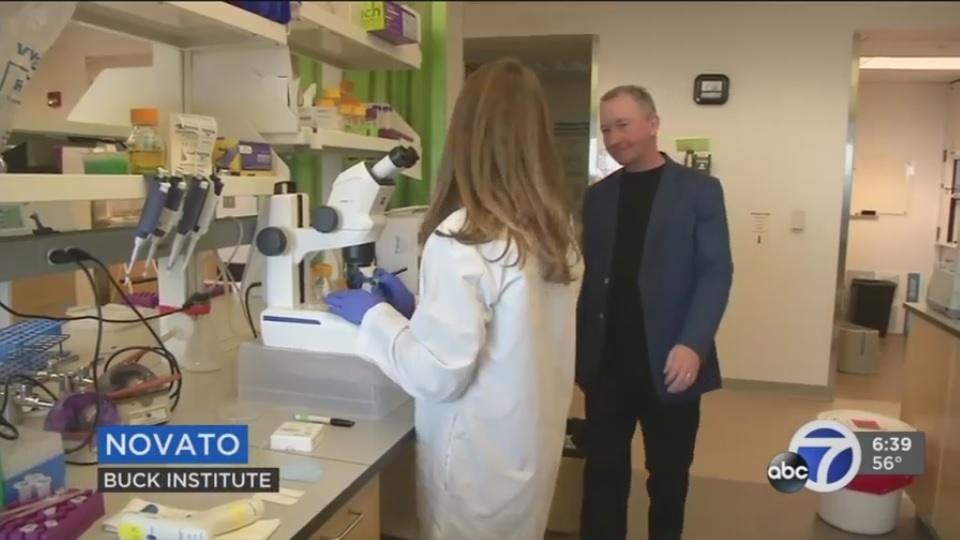
Conventional health authorities claim getting a flu shot each year is the best way to ward off influenza. But where’s the actual science backing up that claim?
If you’ve repeatedly fallen for this annual propaganda campaign, you may be surprised to find the medical literature suggests vitamin D may actually be a FAR more effective strategy, and the evidence for this goes back at least a decade.
Dr. John Cannell, founder of the Vitamin D Council, was one of the first to introduce the idea that vitamin D deficiency may actually be an underlying CAUSE of influenza.
His hypothesis [1] was initially published in the journal Epidemiology and Infection in 2006. [2] It was subsequently followed up with another study published in the Virology Journal in 2008. [3]
The following year, the largest nationally representative study [4] of its kind to date discovered that people with the lowest vitamin D levels indeed reported having significantly more colds or cases of the flu. In conclusion, lead author Dr. Adit Ginde stated:
“The findings of our study support an important role for vitamin D in prevention of common respiratory infections, such as colds and the flu. Individuals with common lung diseases, such as asthma or emphysema, may be particularly susceptible to respiratory infections from vitamin D deficiency.”
Vitamin D Works Better Than Flu Vaccine If Your Levels Are Low
Since then, a number of studies have come to similar conclusions. Most recently, a scientific review [5,6] of 25 randomized controlled trials confirmed that vitamin D supplementation boosts immunity and cuts rates of cold and flu.
Overall, the studies included nearly 11,000 individuals from more than a dozen countries. As reported by Time Magazine: [7]
“… [P]eople who took daily or weekly vitamin D supplements were less likely to report acute respiratory infections, like influenza or the common cold, than those who did not …
For people with the most significant vitamin D deficiencies (blood levels below 10 [ng/mL]), taking a supplement cut their risk of respiratory infection in half.
People with higher vitamin D levels also saw a small reduction in risk: about 10 percent, which is about equal to the protective effect of the injectable flu vaccine, the researchers say.”
Like Cannell before them, the researchers believe vitamin D offers protection by increasing antimicrobial peptides in your lungs, and that “[t]his may be one reason why colds and flus are most common in the winter, when sunlight exposure (and therefore the body’s natural vitamin D production) is at its lowest …” [8]
According to this international research team, vitamin D supplementation could prevent more than 3.25 million cases of cold and flu each year in the U.K. alone. [9] Another statistic showing vitamin D is a more effective strategy than flu vaccine is the “number needed to treat” (NNT).
Overall, one person would be spared from influenza for every 33 people taking a vitamin D supplement (NNT = 33), whereas 40 people have to receive the flu vaccine in order to prevent one case of the flu (NNT = 40).
Among those with severe vitamin D deficiency at baseline, the NNT was 4. In other words, if you’re vitamin D deficient to begin with, vitamin D supplementation is 10 times more effective than the flu vaccine.
Optimizing Vitamin D May Be Your Best Defense Against Influenza
In my view, optimizing your vitamin D levels is one of the absolute best flu-prevention and optimal health strategies available. Your diet also plays a significant role of course, as it lays the foundation for good immune function.
A high-sugar diet is a sure-fire way to diminish your body’s innate ability to fight off infections of all kinds by radically impairing the functioning of your immune system.
However, I do not agree that fortifying more processed foods with vitamin D is the best solution, although I realize it could potentially have a more widespread impact among people who remain unaware of the beneficial health effects of sunlight in general.
I believe sensible sun exposure is the ideal way to optimize your vitamin D. Taking a vitamin D3 supplement is only recommended in cases when you simply cannot obtain sufficient amounts of sensible sun exposure.
It’s also important to point out that, contrary to what’s reported by most mainstream media, including NPR report above, most people cannot optimize their vitamin D levels by getting the recommended 600 IUs of vitamin D from fortified foods. The dose you need really depends on your current blood level of vitamin D.
If it’s very low, you may need 8,000 to 10,000 IUs of vitamin D3 per day in order to reach and maintain a clinically relevant level of 45 to 60 nanograms per milliliter (ng/mL). The only way to know how much you need is to get tested at least once or twice each year.
If you’ve been supplementing for some time and your levels are still below 45 ng/mL, you then know you have to increase your dose further. If using an oral supplement, also make sure to boost your vitamin K2 and magnesium intake, as these nutrients help optimize vitamin D levels.
Other Studies Supporting Link Between Vitamin D Deficiency and Influenza
In a study published in 2010, [10] researchers investigated the effect of vitamin D on the incidence of seasonal influenza A in schoolchildren. The randomized, double blind, placebo-controlled study included 430 children, half of which were given 1,200 IUs of vitamin D3 per day while the other half received a placebo.
Overall, children in the treatment group were 42 percent less likely to come down with the flu. According to the authors: “This study suggests that vitamin D3 supplementation during the winter may reduce the incidence of influenza A, especially in specific subgroups of schoolchildren.”
Another study [11] published that same year concluded that infection-fighting T-cells need help from vitamin D in order to activate. This is yet another mechanism that helps explain why vitamin D is so effective against infections.
When a T cell recognizes foreign invaders like bacteria or viruses, it sends activating signals to the vitamin D receptor (VDR) gene.
The VDR gene then starts producing a protein that binds vitamin D in the T cell. A downstream effect of this is PLC-gamma1 protein production, which subsequently enables the T cell to fight the infection. At the time, lead researcher Carsten Geisler told Food Consumer: [12]
“When a T cell is exposed to a foreign pathogen, it extends a signaling device or “antenna” known as a vitamin D receptor, with which it searches for vitamin D. This means the T cell must have vitamin D or activation of the cell will cease. If the T cells cannot find enough vitamin D in the blood, they won’t even begin to mobilize.”
With that understanding, it’s no wonder flu shots don’t work. Flu vaccinesdo absolutely nothing to address the underlying problem of vitamin D deficiency, which is effectively hindering your immune system from working properly.
In fact, flu vaccines tend to deteriorate your immune function, and their side effects can be significant.
‘Gold Standard’ Studies Ignored by Mainstream Media
The gold standard of scientific analysis, the so-called Cochrane Database Review, has also issued several reports between 2006 and 2012, all of which decimate the claim that flu vaccinations are the most effective prevention method available. In 2010, Cochrane published the following bombshell conclusion, which was completely ignored by mainstream media: [13]
“Influenza vaccines have a modest effect in reducing influenza symptoms and working days lost. There is no evidence that they affect complications, such as pneumonia, or transmission. WARNING: This review includes 15 out of 36 trials funded by industry (four had no funding declaration).
An earlier systematic review of 274 influenza vaccine studies published up to 2007 found industry funded studies were published in more prestigious journals and cited more than other studies independently from methodological quality and size. Studies funded from public sources were significantly less likely to report conclusions favorable to the vaccines …”
So, despite the fact that 15 of the 36 studies included were biased by industry interests, they still couldn’t come up with evidence supporting the conventional claim that flu vaccines are the best and most effective prevention available against influenza!
Scientific Reviews Show Vaccinating Children and Elderly Is Ineffective
Cochrane has issued several reports addressing the effectiveness of flu vaccines on infants and the elderly — two groups that tend to be the most targeted by flu vaccine advertising — and all have had negative findings. For children:
1. A large-scale, systematic review [14] of 51 studies, published in the Cochrane Database of Systematic Reviews in 2006, found no evidence that the flu vaccine is any more effective than a placebo in children under two. The studies involved 260,000 children, age 6 to 23 months.
2. In 2008, another Cochrane review [15] again concluded that “little evidence is available” that the flu vaccine is effective for children under the age of two. Even more disturbingly, the authors stated that:
“It was surprising to find only one study of inactivated vaccine in children under two years, given current recommendations to vaccinate healthy children from six months old in the USA and Canada. If immunization in children is to be recommended as a public health policy, large-scale studies assessing important outcomes and directly comparing vaccine types are urgently required.”
3. In a 2012 review, [16] Cochrane concluded that “in children aged from two years, nasal spray vaccines made from weakened influenza viruses were better at preventing illness caused by the influenza virus than injected vaccines made from the killed virus. Neither type was particularly good at preventing “flu-like illness” caused by other types of viruses. In children under the age of two, the efficacy of inactivated vaccine was similar to placebo.”
The available evidence with regards to protecting the elderly is equally abysmal.
4. In 2010, Cochrane concluded that: [17] “The available evidence is of poor quality and provides no guidance regarding the safety, efficacy or effectiveness of influenza vaccines for people aged 65 years or older.”
5. Cochrane also reviewed whether or not vaccinating health care workers can help protect the elderly patients with whom they work. In conclusion, the authors stated that: [18] “[T]here is no evidence that vaccinating health care workers prevents influenza in elderly residents in long-term care facilities.”
Annual Flu Vaccinations May Raise Risk of More Serious Infections
Other recent studies have shown that with each successive annual flu vaccination, the protection afforded by the vaccine appears to diminish. [19, 20] Research published in 2014 concluded that vaccine-induced protection against influenza was greatest among those who had NOT received a flu shot in the previous five years. [21] The flu vaccine may also increase your risk of contracting other, more serious influenza infections.
- Data shows people who received the seasonal flu vaccine in 2008 had twice the risk of getting the H1N1 “swine flu” compared to those who didn’t receive a flu shot. [22]
- Compared to children who do not get an annual flu vaccine, those who receive influenza vaccinations have a three times higher risk of hospitalization due to influenza. [23]
Research also shows that statin drugs — taken by 1 in 4 Americans over the age of 45 — may undermine your immune system’s ability to respond to the flu vaccine. [24,25,26] When you consider the low efficacy rate of the flu vaccine in any given year, getting vaccinated if you’re on a statin may well be a moot point.
Independent science reviews have also concluded that influenza vaccine does not appear to prevent influenza-like illness associated with other types of viruses responsible for about 80 percent of all respiratory or gastrointestinal infections during any given flu season. [27,28,29,30]
Other Foods and Supplements That Send Pathogens Packin’
Besides vitamin D, there are a number of other foods and supplements that can be beneficial for colds and influenza, including the following:
Garlic: [31] Garlic has natural antiviral, antibiotic and antifungal activity and has long been hailed for its immune boosting effects.
The Cochrane Database, which has repeatedly demonstrated that the science in support of the flu vaccine is flimsy at best, has also reviewed studies on alternatives, including garlic. [32]
Unfortunately, such research is harder to come by, as there’s no financial incentive driving it.
Still, in the singular study identified by the Cochrane group, those who took garlic daily for three months had fewer colds than those who took a placebo, and, when they did come down with a cold, the duration of illness was shorter — an average of 4.5 days compared to 5.5 days for the placebo group.
While this may not seem overly impressive, it’s still better than the results achieved by the flu drug Tamiflu!
Zinc: A Cochrane Database Review of the medical research on zinc found that when taken within one day of the first symptoms, zinc can cut down the time you have a cold by about 24 hours.
Zinc was also found to greatly reduce the severity of symptoms. Zinc was not recommended for anyone with an underlying health condition, like lowered immune function, asthma or chronic illness.
I do not recommend taking more than 50 mg a day, and I do not recommend taking zinc on a daily basis for preventive purposes as you could easily develop a copper imbalance that way.
Vitamin C: A very potent antioxidant; use a natural form such as acerola, which contains associated micronutrients.
You can take several grams every hour (use the liposomal form so you don’t get loose stools), till you are better. I never travel without a bottle of our liposomal C.
A tea made from a combination of elderflower, yarrow, boneset, linden, peppermint and ginger; drink it hot and often for combating a cold or flu. It causes you to sweat, which is helpful for eradicating a virus from your system.
Oregano Oil: The higher the carvacrol concentration, the more effective it is. Carvacrol is the most active antimicrobial agent in oregano oil.
Medicinal mushrooms, such as shiitake, reishi and turkey tail.
Propolis: A bee resin and one of the most broad-spectrum antimicrobial compounds in the world; propolis is also the richest source of caffeic acid and apigenin, two very important compounds that aid in immune response.
Olive leaf extract is widely known as a natural, non-toxic immune system builder.
Vitamin D Is Important for Optimal Health and Disease Prevention Year-Round
In related news, researchers are also homing in on how vitamin D may help protect against age-related diseases such as Alzheimer’s. The video above discusses research [33] showing vitamin D extends lifespan in nematode worms by 30 percent and helps slow or even reverse accumulation of beta amyloid protein, which is a hallmark of Alzheimer’s.Vitamin D deficiency has also been linked to heart disease, cancer, diabetes, depression, autoimmune disease and many other chronic diseases. As noted in a recent issue of Orthomolecular Medicine News: [34] “Research on the health benefits of vitamin D continues at a rapid pace. There were 4,356 papers published in 2015 with vitamin D in the title or abstract and 4,388 in 2016 …” Among some of the most impactful studies are ones demonstrating:
• Health benefits from sun exposure unrelated to vitamin D production. One recent review concluded benefits of sun exposure includes lower rates of cancer, heart disease, dementia, myopia, macular degeneration, diabetes and multiple sclerosis. My belief is that the majority of these benefits are due to the near-, mid- and far-infrared wavelengths.
According to the author: “The message of sun avoidance must be changed to acceptance of non-burning sun exposure sufficient to achieve [vitamin D] concentrations of 30 ng/mL or higher … and the general benefits of UV exposure beyond those of vitamin D.” Also, while intermittent sun exposure is associated with higher rates of skin cancer, “the risks of these cancers is dwarfed by the reduced risk of internal cancers from sun exposure,” William Grant, Ph.D. writes.
• Benefits of higher vitamin D levels during pregnancy. Research demonstrates preterm births steadily decrease as vitamin D levels increase among pregnant women. In one study, raising vitamin D blood concentrations from 20 to 40 ng/mL decreased preterm births by 59 percent.
• Reduction in cancer risk from vitamin D supplementation. One pooled analysis showed that women with higher levels of vitamin D had much lower incidence rates of cancer — from a 2 percent per year cancer incidence rate at 18 ng/mL to 0.4 percent at 63 ng/mL.
Overall, maintaining a vitamin D serum level of 45 to 60 ng/mL year-round may be one of the simplest and most efficient ways to safeguard yourself against chronic disease and acute infections. When it comes to seasonal colds and influenza, the rate of protection you get from vitamin D is actually greater than what you’d get from a flu vaccination, and you don’t have to worry about potential side effects either — which in the case of the flu vaccine can be far worse than the original complaint.
While death and complete disability from a flu vaccine may be rare, so is dying from the flu itself. I strongly recommend weighing the risk of suffering a debilitating side effect of the flu vaccine relative to the more likely potential of spending a week in bed with the flu. Remember, most deaths attributed to influenza are actually due to bacterial pneumonia, and these days, bacterial pneumonia can be effectively treated with advanced medical care and therapies like respirators and parenteral antibiotics.
The Role of Vitamin D in Disease Prevention
A growing body of evidence shows that vitamin D plays a crucial role in disease prevention and maintaining optimal health. There are about 30,000 genes in your body, and vitamin D affects nearly 3,000 of them, as well as vitamin D receptors located throughout your body.
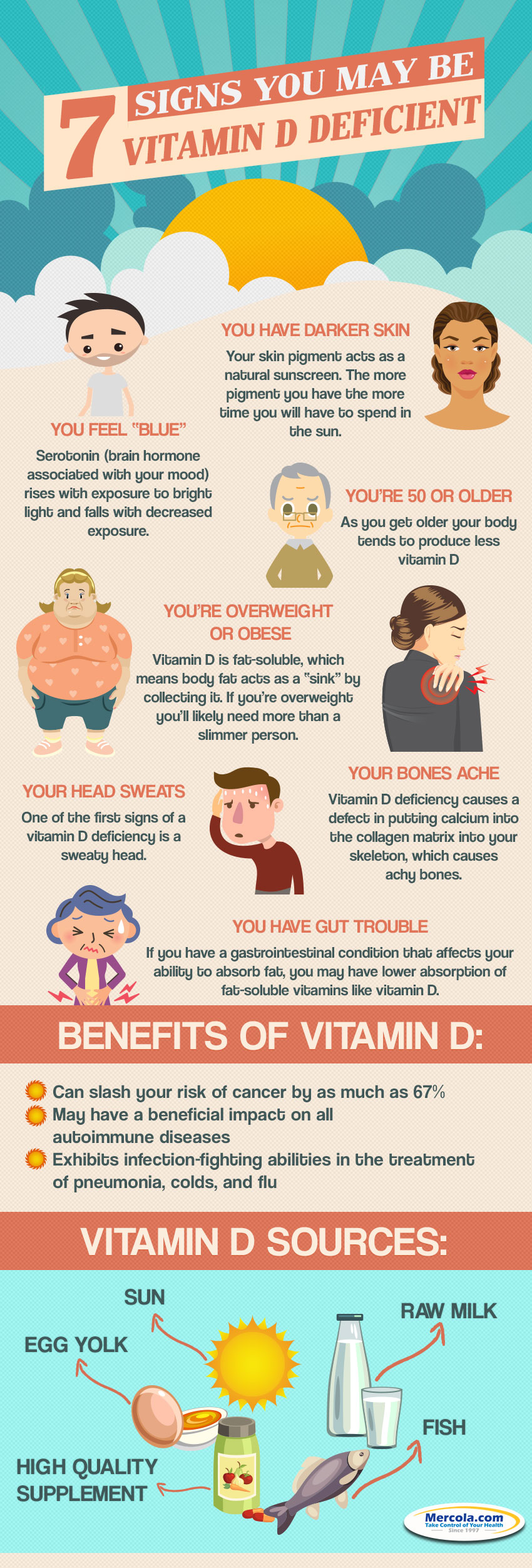
According to one large-scale study, optimal Vitamin D levels can slash your risk of cancer by as much as 60 percent. Keeping your levels optimized can help prevent at least 16 different types of cancer, including pancreatic, lung, ovarian, prostate and skin cancers.
References
- 1 Epidemic Influenza and Vitamin D by JJ Cannell, September 15, 2006
- 2 Epidemiology and Infection 2006 Dec;134(6):1129-40
- 3 Virology Journal 2008, 5:29
- 4 Archives of Internal Medicine 2009;169(4):384-390
- 5 BMJ 2017; 356:i6583
- 6 NPR February 16, 2017
- 7, 8 Time February 16, 2017
- 9 BBC.com February 16, 2017
- 10 American Journal of Clinical Nutrition May 2010; 91(5): 1255-1260
- 11 Nature Immunology 2010 Apr;11(4):344-9
- 12 Food Consumer July 3, 2010
- 13 Cochrane Database Systematic Reviews 2010 Jul 7;(7):CD001269
- 14, 15 Cochrane Database Systematic Reviews 2006 Jan 25;(1):CD004879
- 16 Cochrane Database of Systematic Reviews 2012; Issue 8
- 17, 18 Cochrane Database Systematic Reviews 2010 Feb 17;(2):CD004876
- 19 Vaccine December 1998;16(20):1929-32
- 20 STAT News November 11, 2015
- 21 Clinical Infectious Diseases 2014; 59 (10): 1375-1385
- 22 CIDRAP April 6, 2010
- 23 Science Daily May 20, 2009
- 24 STAT News October 29, 2015
- 25 STAT News September 28, 2016
- 26 Journal of Infectious Disease October 28, 2015
- 27 FDA. 94th Meeting of Vaccines and Related Biological Products Advisory Committee Transcript. Feb. 20, 2003
- 28 CDC Seasonal Influenza Q&A. Aug. 15, 2014
- 29 CDC 2014-2015 Influenza Season Week 51 Ending December 20, 2014
- 30 JAMA Internal Medicine 2013; 173(11): 1014-1016
- 31 PreventDisease.com January 20, 2013
- 32 Cochrane , Garlic for the Common Cold, November 11, 2014
- 33 ABC7 News February 10, 2017
- 34 Orthomolecular Medicine News February 13, 2017
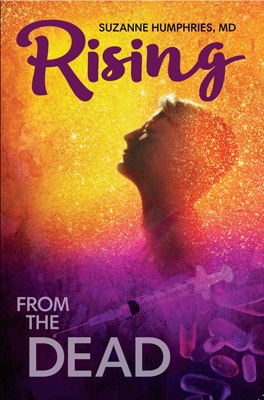
Leaving a lucrative career as a nephrologist (kidney doctor), Dr. Suzanne Humphries is now free to actually help cure people.
In this autobiography she explains why good doctors are constrained within the current corrupt medical system from practicing real, ethical medicine.
One of the sane voices when it comes to examining the science behind modern-day vaccines, no pro-vaccine extremist doctors have ever dared to debate her in public.
Medical Doctors Opposed to Forced Vaccinations – Should Their Views be Silenced?
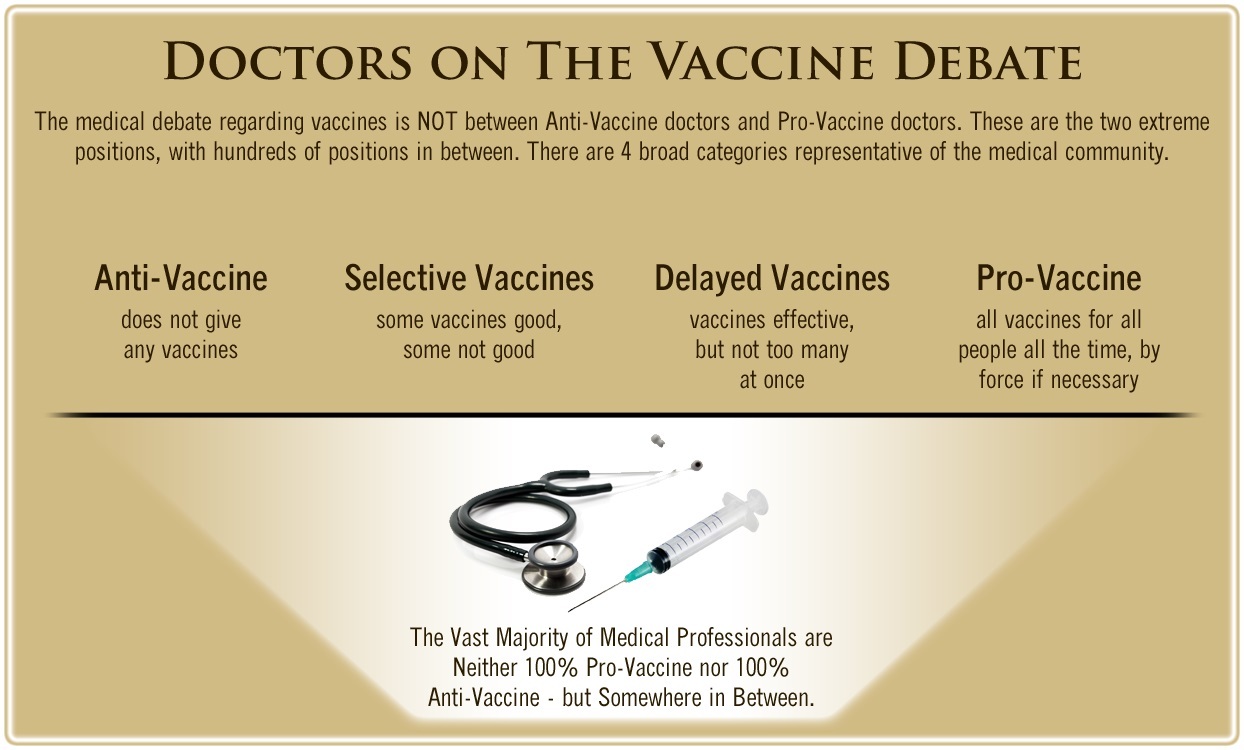
One of the biggest myths being propagated in the compliant mainstream media today is that doctors are either pro-vaccine or anti-vaccine, and that the anti-vaccine doctors are all “quacks.”
However, nothing could be further from the truth in the vaccine debate. Doctors are not unified at all on their positions regarding “the science” of vaccines, nor are they unified in the position of removing informed consent to a medical procedure like vaccines.
The two most extreme positions are those doctors who are 100% against vaccines and do not administer them at all, and those doctors that believe that ALL vaccines are safe and effective for ALL people, ALL the time, by force if necessary.
Very few doctors fall into either of these two extremist positions, and yet it is the extreme pro-vaccine position that is presented by the U.S. Government and mainstream media as being the dominant position of the medical field.
In between these two extreme views, however, is where the vast majority of doctors practicing today would probably categorize their position. Many doctors who consider themselves “pro-vaccine,” for example, do not believe that every single vaccine is appropriate for every single individual.
Many doctors recommend a “delayed” vaccine schedule for some patients, and not always the recommended one-size-fits-all CDC childhood schedule. Other doctors choose to recommend vaccines based on the actual science and merit of each vaccine, recommending some, while determining that others are not worth the risk for children, such as the suspect seasonal flu shot.
These doctors who do not hold extreme positions would be opposed to government-mandated vaccinations and the removal of all parental exemptions.
In this article, I am going to summarize the many doctors today who do not take the most extremist pro-vaccine position, which is probably not held by very many doctors at all, in spite of what the pharmaceutical industry, the federal government, and the mainstream media would like the public to believe.
https://healthimpactnews.com/2017/study-vitamin-d-is-more-effective-than-flu-vaccine/

