Pages

Showing posts with label PCBs. Show all posts

Saturday, 7 January 2017

Monsanto Mayhem

While the US Environmental Protection Agency (EPA) mulls whether to restrict the use of glyphosate (active ingredient in Monsanto's Roundup herbicide) amidst cancer concerns, Monsanto faces increasing lawsuits over environmental and health damages caused by their past manufacture of PCBs and for selling farmers dicamba-resistant GE crops, which resulted in crop losses due to illegal dicamba spraying.

27 December 2017


epa monsanto mayhem

Story at-a-glance

  • The U.S. Environmental Protection Agency held a series of public meetings to review evidence that glyphosate may cause cancer in humans
  • Biotech trade group CropLife America has been weighing in heavily on the EPA’s decision and even succeeded in getting a supposedly “anti-industry” expert removed from the EPA’s advisory panel
  • Washington became the first U.S. state to sue Monsanto over PCB pollution, noting that despite millions of dollars spent by the state for cleanup, the chemicals are still causing harm to protected salmon and orcas
  • Missouri’s largest peach farmer is suing Monsanto for damage caused by dicamba drift; Monsanto sold dicamba-tolerant cotton and soybean seeds to farmers before the herbicide designed to go with them had gotten federal approval, which led to some farmers spraying older, drift-prone and illegal formulations of dicamba
By Dr. Mercola
In March 2015, the International Agency for Research on Cancer (IARC), which is the research arm of the World Health Organization (WHO), determined glyphosate, the active ingredient in Monsanto's Roundup herbicide, to be a "probable carcinogen" (Class 2A).
This determination was based on evidence showing the popular weed killer can cause non-Hodgkin's lymphoma and lung cancer in humans, along with "convincing evidence" it can also cause cancer in animals.
Monsanto has maintained that the classification as a carcinogen is wrong and continues to tout glyphosate (and Roundup) as one of the safest pesticides on the planet. The U.S. Environmental Protection Agency (EPA), meanwhile, has yet to take an official position regarding the virtually unchecked use of this poison on U.S. soil.
The EPA postponed — at the behest of the industry — a series of public meetings it intended to hold earlier this year to discuss glyphosate research, particularly that linking it to cancer. In December 2016, those meetings finally took place.

Will the EPA Side With Industry or Move to Protect Americans' Health?

More than 250,000 public comments were filed with the EPA prior to the glyphosate meetings, at which another 10-plus hours of in-person public commentary is expected from scientists, activists and industry giants.
"The exercise is academic by design, but powerful economic forces are hard at work hoping to influence the outcome," The Hill reported, adding:1
"An official regulatory nod to cancer concerns could be devastating to Monsanto's bottom line, not to mention its planned $66 billion merger with Bayer AG, as well as to other agrichemical companies that sell glyphosate products.
Monsanto is also facing more than three dozen lawsuits over glyphosate cancer concerns and needs EPA backing to defend against the court actions."
Already, in September 2016, the EPA's Office of Pesticide Programs released its glyphosate issue paper to evaluate the chemical's carcinogenic potential,2 in which it proposed glyphosate was not likely to be carcinogenic to humans.
Many experts disagree, however, and have suggested glyphosate is not only a probable cause of cancer in humans but also a "likely cause."
In a review published in the Journal of Epidemiology & Community Health, a team of scientists thoroughly reviewed the research behind the IARC's ruling, noting an association between glyphosate and non-Hodgkin's lymphoma was found based on available human evidence.3
Associations between the chemical and rare kidney tumors, genotoxicity and oxidative stress and even DNA damage in the blood of exposed humans were also revealed.

EPA Removed 'Anti-Industry' Scientist From Panel at Industry's Request

After the public commentary period and meetings end, a scientific advisory panel will get to work offering the EPA its best sound scientific advice on whether glyphosate poses a risk of cancer to humans. At least, that's how it's supposed to work.
But industry is working hard to ensure that any science not on their side is overlooked by their friends in high places. Biotech trade group CropLife America is one group worth watching. They've launched a "full-fledged assault" against the team of IARC scientists who determined glyphosate's carcinogenic status.
Not only is CropLife trying to get IARC's U.S. funding cut, but it's demanding the EPA reject IARC's classification of glyphosate and allow for its continued virtually unchecked use in the U.S. First they tried to convince the EPA to forgo the scientific meetings over glyphosate entirely.
When that didn't work (although they did succeed in getting the EPA to postpone the meetings for several months), they sent the EPA criteria to use in selecting their expert panel.
After the EPA panel was in place, they told the EPA to remove epidemiologist Peter Infante, doctor of public health, saying he was biased against the industry. The EPA complied, even though Infante denied the allegations, but gave no explanation as to why the expert consultant was removed.4
This, coupled with an earlier snafu in which the EPA posted, then promptly removed, a favorable glyphosate safety assessment, has left environmental and consumer groups doubtful that the EPA will uphold its mission to protect public health. Patty Lovera, assistant director of the advocacy group Food & Water Watch, told The Hill:5
"Their track record is awful … We don't want to throw in the towel entirely. We want to try to hold them to their mission. But there is clearly evidence of industry influence. They aren't doing anything to inspire confidence that they're taking a serious look at this."

Does Glyphosate Contribute to Lou Gehrig's Disease (ALS)?

MIT scientist Stephanie Seneff and colleagues have published a new study detailing the mechanism by which glyphosate may contribute to the fatal neurodegenerative disease ALS.
A significantly increased risk of ALS has been noted in glyphosate-exposed workers.
The disease involves several protein mutations in glycine-rich regions, and the researchers suggested glyphosate may play a role in ALS by mistakenly substituting for glycine, an amino acid essential for the synthesis of DNA, during protein synthesis as well as by disrupting mineral homeostasis and setting up a state of gut dysbiosis.6They wrote in the Journal of Bioinformatics and Proteomics Review:7
" … [W]e paint a compelling view of how glyphosate exerts its deleterious effects, including mitochondrial stress and oxidative damage through glycine substitution.
Furthermore, its mineral chelation properties disrupt manganese, copper and zinc balance, and it induces glutamate toxicity in the synapse, which results in a die-back phenomenon in axons of motor neurons supplying the damaged skeletal muscles."

Monsanto Sued Over PCB Pollution

Monsanto's mayhem doesn't start or end with glyphosate, unfortunately. Polychlorinated Biphenyls (PCBs) were produced from the 1930s through the 1970s.
Their high burning temperature made them a sought-after chemical for use as fire retardants and insulators, primarily in electronic devices although also in plastics, flooring and other industrial products.
After an estimated 1.5 billion pounds of PCBs were manufactured in the U.S. — the majority by Monsanto — it was revealed that they're incredibly toxic and persistent in the environment.
They were finally banned in 1979 after their carcinogenic potential and ability to accumulate in the environment were revealed; however, their toxicity was known to Monsanto long before that, perhaps as early as the 1950s and likely by 1970.8
PCBs have also been linked to infertility and reproductive and endocrine damage along with neurological effects, including damage to learning and memory. They're known neurodevelopmental toxins as well.
Monsanto (and Monsanto-related entities) is now facing at least 700 lawsuits on behalf of people who claim their exposure to PCBs caused non-Hodgkin lymphoma.9
In December 2016, Washington became the first U.S. state to sue Monsanto over PCB pollution. The state is seeking damages on several grounds, including Monsanto's failure to warn about PCBs, and its negligence and trespass for harming the state's natural resources.
Democratic Gov. Jay Inslee and Attorney General Bob Ferguson said they expect to win hundreds of millions or billions of dollars from Monsanto, noting that despite millions of dollars spent by the state for cleanup, the chemicals are still causing harm to protected salmon and orcas. As reported by CBS News, Ferguson stated:10
"It is time to hold the sole U.S. manufacturer of PCBs accountable for the significant harm they have caused to our state … Monsanto produced PCBs for decades while hiding what they knew about the toxic chemicals' harm to human health and the environment."
In addition, an increasing number of U.S. cities, including Seattle, Washington, Spokane, Washington and San Diego, San Jose, Oakland and Berkeley, California, have filed lawsuits against the company for causing disastrous environmental pollution.

Peach Farmer Sues Monsanto Over Illegal Dicamba Drift

As an increasing number of weeds develop resistance to glyphosate, biotech giants are working on a number of new GE crops that are "stacked" with a number of genetically engineered (GE) traits that, for instance, make the crops resistant to multiple pesticides.
Monsanto's new GE Roundup Ready Xtend soybean, for instance, is not only resistant to Roundup but to the herbicide dicamba, which is prone to drifting, as well. The U.S. EPA approved Monsanto's new weedkiller, XtendiMax, which goes along with its Roundup Ready Xtend cotton and soybeans — GE plants designed to tolerate both glyphosate and dicamba — in November, 2016.
However, Monsanto sold dicamba-tolerant cotton and soybean seeds to farmers before the herbicide designed to go with them (which is supposedly less prone to drifting) had gotten federal approval. Earlier this year, when farmers sprayed their new GE crops with older, illegal formulas of dicamba, and it drifted over onto their neighbors' non-dicamba-resistant crops, devastating crop damage was reported in 10 states.11
Bader Farms, Missouri's largest peach grower, is now suing Monsanto, claiming that dicamba drift damaged more than 7,000 of their peach trees in 2015, adding up to $1.5 million in losses, and another 30,000 trees, totaling millions in losses, in 2016.12

Dicamba Drift Leads to Alleged Murder

Tensions are rising as an increasing number of desperate farmers plant Monsanto’s dicamba-resistant crops and spray the damaging herbicide illegally without permits. In November 2016, a dispute over dicamba drift turned deadly, when Arkansas soybean and cotton farmer Mike Wallace was allegedly fatally shot by another farmer.
Wallace had complained to the Arkansas Plant Board that his crops were damaged by dicamba, which had drifted over after being sprayed on a farm just over the state border in Missouri. Allan Curtis Jones, who allegedly shot Wallace, worked at the farm where the dicamba was illegally sprayed. Modern Farmer reported:13
“According to a news release by the Mississippi County Sheriff’s Office, Jones allegedly told deputies he and his cousin … met up with Wallace to discuss the dispute concerning the alleged spraying of dicamba on the farm where Jones works. When Wallace grabbed Jones by the arm during the argument, Jones pulled out a gun and shot the older man, who was unarmed.”
Dicamba damage was also noted in 200,000 acres of soybeans in Arkansas, Tennessee and Missouri in the summer of 2016, along with 42,000 acres of peaches, watermelons, alfalfa and other crops in Missouri alone.
“The damaged crops have pitted farmer against farmer and strained relationships in the region, especially in light of the fact that insurance companies won’t compensate farmers for losses caused by wrongful or ‘off label’ herbicide applications due to drift,” Modern Farmer reported.14
Meanwhile, dicamba-resistant weeds have already sprouted in Kansas and Nebraska, raising serious doubts that piling more pesticides on crops will help farmers. " … [P]iling on more pesticides will just result in superweeds resistant to more pesticides. We can't fight evolution — it's a losing strategy," Nathan Donley, a scientist with the Center for Biological Diversity, told EcoWatch.15
To protect not only the people on earth now, but also those that will make up future generations, it's important that the widespread environmental contamination caused by chemicals like dicamba, glyphosate and PCBs is not allowed to happen all over again.

Test Your Personal Glyphosate Levels

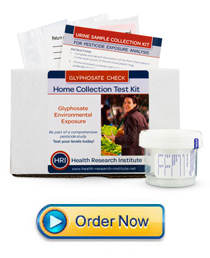
If you'd like to know your personal glyphosate levels, you can now find out, while also participating in a worldwide study on environmental glyphosate exposures. The Health Research Institute (HRI) in Iowa developed the glyphosate urine test kit, which will allow you to determine your own exposure to this toxic herbicide.
Ordering this kit automatically allows you to participate in the study and help HRI better understand the extent of glyphosate exposure and contamination. In a few weeks, you will receive your results, along with information on how your results compare with others and what to do to help reduce your exposure. We are providing these kits to you at no profit in order for you to participate in this environmental study.
In the meantime, eating organic as much as possible and investing in a good water filtration system for your home are among the best ways to lower your exposure to glyphosate and other pesticides. In the case of glyphosate, it's also wise to avoid crops like wheat and oats, which may be sprayed with glyphosate for drying purposes prior to harvest.

Find Out the Glyphosate Levels in Your Body

Glyphosate is the active ingredient in Roundup, and is the most widely used weed-killing chemical on farms, lawns, schoolyards and other public spaces. It’s also extensively applied to many crops before harvest. The World Health Organization (WHO) performed its own independent analysis in March 2015, and determined glyphosate is a probable carcinogen.
The Health Research Institute (HRI) in Iowa has developed a glyphosate test kit that will allow you to learn your personal glyphosate levels. I’ve recently gained access to a limited number of kits that I’m now able to offer on Mercola.com at cost, so no profit will be made on their sales. Ordering also allows you to participate in a worldwide study on environmental exposure to glyphosate.

Once you order the kit, simply follow the instructions on the package and mail to the address provided. Within a few weeks, you will receive your personal analysis, along with information on how your results compare with others, as well as tips to help reduce your exposure. Test kits are extremely limited, so please order yours today.
http://articles.mercola.com/sites/articles/archive/2016/12/27/monsanto-mayhem.aspx

Saturday, 3 September 2016

How Monsanto Promotes Worldwide Infertility

Monsanto has a long and infamous history of manufacturing and bringing to market such chemicals as DDT, Agent Orange, aspartame, Roundup and dioxin1 — chemical compounds from which society continues to feel the effects.

August 24, 2016

Chemical Poisoning

Story at-a-glance

  • Monsanto has an infamous history of marketing toxins such as DDT, Agent Orange, Roundup, dioxin, PCBs and aspartame
  • Once the largest producer of PCBs in the U.S., Monsanto is now being sued on multiple fronts for health and environmental damage from PCB pollution
  • Chemical poisoning begins before your baby is even born as these chemicals pass the placental barrier, affecting neurological and hormonal development
By Dr. Mercola
Monsanto has a long and infamous history of manufacturing and bringing to market such chemicals as DDT, Agent Orange, aspartame, Roundup and dioxin1 — chemical compounds from which society continues to feel the effects.
In an effort to distance the current corporation from past deeds, Monsanto refers to the company prior to 2002 as "the former Monsanto" in their news releases.2However, nothing has really changed aside from their PR machine.
While Monsanto has branched into genetic engineering (GE) of plants, the sale of patented GE seeds simply feeds the need for the company's pesticides. Monsanto is STILL primarily a purveyor of toxins, not life.
Monsanto began forging a unique and financially advantageous relationship with the U.S. government starting with the company's involvement in the Manhattan Project that produced the first nuclear weapons during World War II. During the Vietnam War they were the leading producer of Agent Orange.
The specialization in the production and distribution of toxic chemicals continues today.
Their influence over government runs so deep that despite the fact 64 other countries have been labeling genetically engineered (GE) foods for years, the U.S. now has the distinction of being the first country to un-label GE foods at the urging of a company producing mass amounts of GE seeds.

Monsanto and Polychlorinated Biphenyls (PCBs)

In the latter part of the 1920s, Monsanto was the largest producer of PCBs. This chemical was used in lubricant for electric motors, hydraulic fluids and to insulate electrical equipment.3 Old fluorescent light fixtures and electrical appliances with PCB capacitors may still contain the chemical.
During the years PCB was manufactured and used, there were no controls placed on disposal. Since PCBs don't break down under many conditions, they are now widely distributed through the environment and have made the journey up the food chain.4
Between the inception and distribution of the product and its subsequent ban in the late 1970s, an estimated 1.5 billion pounds were distributed in products around the world.5
Monsanto was the primary manufacturer of PCBs in the U.S. under the trade name Aroclor. Health problems associated with exposure to the chemical were noted as early as 1933 when 23 of 24 workers at the production plant developed pustules, loss of energy and appetite, loss of libido and other skin disturbances.6
According to Monsanto's public timeline, it was in 1966 that "Monsanto and others began to study PCB persistence in the environment."7 However, seven years earlier, Monsanto's assistant director of their Medical Department wrote:
"… [S]ufficient exposure, whether by inhalation of vapors or skin contact, can result in chloracne which I think we must assume could be an indication of a more systemic injury if the exposure were allowed to continue."8
In 1967, Shell Oil called to inform Monsanto of press reports from Sweden, noting that PCBs were accumulating in mammals further up the food chain. Shell asked for PCB samples to perform their own analytical studies.9
With full knowledge of the devastation expected to the environment and humanity, it wasn't until 11 years later, in 1977, that Monsanto reportedly pulled production on PCB.10

PCBs Are Probable Human Carcinogens

The International Agency for Research on Cancer (IARC), the U.S. Environmental Protection Agency (EPA), the National Toxicology Program, and the National Institute for Occupational Safety and Health (NIEHS) have identified PCBs as either probable, potential or reasonably likely to cause cancer in humans.11
If it seems like these agencies are couching their words, they are. Human studies have noted increased rates of liver cancer, gall bladder cancer, melanomas, gastrointestinal cancer, biliary tract cancer, brain cancer and breast cancer when individuals had higher levels of PCB chemicals in their blood and tissue.12
However, the EPA limits the ability of researchers to link a chemical as a carcinogen unless there is conclusive proof. While this proof is evident in animal studies, you can't feed these chemicals to humans and record the results. Thus PCBs are a "probable" carcinogen in humans. Other health effects from PCBs include:
  • Babies born with neurological and motor control delays including lower IQ, poor short-term memory and poor performance on standardized behavioral assessment tests
  • Disrupted sex hormones including shortened menstrual cycles, reduced sperm count and premature puberty
  • Imbalanced thyroid hormone affecting growth, intellectual and behavioral development
  • Immune effects, including children with more ear infections and chickenpox
Once PCBs are absorbed in the body they deposit in the fat tissue. They are not broken down or excreted. This means the number of PCBs build over time and move up the food chain. Smaller fish are eaten by larger ones and eventually land on your dinner table.

Chemical Poisoning Begins Before Birth

A recent study at the University of California demonstrated that PCBs are found in the blood of pregnant women.13 Before birth, the umbilical cord delivers approximately 300 quarts of blood to your baby every day.
Not long ago, researchers believed the placenta would shield your developing baby from most pollutants and chemicals. Now we know it does not.
The umbilical cord is a lifeline between mother and child, sustaining life and propelling growth. However, in recent research cord blood contained between 200 and 280 different chemicals; 180 were known carcinogens and 217 were toxic to the baby's developing nervous system.14
The deposits of chemicals in your body or the body of your developing baby are called your "body burden" of chemicals and pollution.
A steady stream of chemicals from the environment during a critical time of organ and system development has a significant impact on the health of your child, both in infancy and as the child grows to adulthood.
Tracey Woodruff, Ph.D., director of the University of California San Francisco Program on Reproductive Health and the Environment, was quoted in a press release, saying:
"It was surprising and concerning to find so many chemicals in pregnant women without fully knowing the implications for pregnancy. Several of these chemicals in pregnant women were at the same concentrations that have been associated with negative effects in children from other studies.
In addition, exposure to multiple chemicals that can increase the risk of the same adverse health outcome can have a greater impact than exposure to just one chemical."

Butyl Benzyl Phthalate — Another Monsanto Product

Butyl benzyl phthalate (BBP), also manufactured by Monsanto, was recently implicated in cell fat storage.15 This specific phthalate was found in human fluids and had an effect on the accumulation of fat inside cells.
BBP is used in the manufacture of vinyl tile, as a plasticizer in PVC pipe, carpets, conveyer belts and weather stripping in your home and office.
Like other phthalates used in the production of plastics, BBP is not bound to the product and can be released into your environment. It may be absorbed by crops and move up the food chain.16 The biggest source of exposure is food.
Drive-through hamburgers and take-out pizzas may be increasing your intake of phthalates. The danger is not in the food itself but in the products used to handle it. The study analyzed data from nearly 9,000 individuals, finding the one-third who had eaten at a fast food restaurant had higher levels of two different phthalates.17
Potentially, BBP may adversely affect your reproductive function. However, at lower doses it also has an effect on your kidneys, liver and pancreas.18 Increased risks of respiratory disorders and multiple myelomas have also been reported in people who have exposure to products manufactured with BBP.19 An increasing waistline from BBP exposure may also reduce your fertility.

Low Sperm Count and Infertility Affecting Animals and Humans

A 26-year study of fertility in dogs, published recently, has distinct similarities to infertility rates in humans. In this study, researchers evaluated the ejaculate of nearly 2,000 dogs. Over the 26 year period, they found a drop in sperm motility of 2.4 percent per year.20
Additionally, both the semen and the testicles of castrated dogs contained by PCBs and phthalates, implicated in other studies to reduction in fertility. Phthalates have been implicated in both decreased sperm motility and quality of your sperm,21 affecting both fertility and the health of your children.22
Researchers used dogs in this study as they live in the same environment as their owners, and often eat some of the same food. This correlation between sperm function and concentration, and environment and food in dogs and humans is significant.
In those 26 years there was also a rise in cryptorchidism in male pups (a condition where the testicles don't descend into the scrotum) born to stud dogs who experienced a decline in sperm quality and motility.23 Cryptorchidism and undescended testicles, occurs at a rate of 1 in 20 term male human infants and 1 in 3 pre-term babies.24
Problems with infertility are also affecting marine animals at the top of the food chain. In the western waters of the Atlantic, the last pod of Orcas are doomed to extinction. High levels of PCB have been found in the fat of over 1,000 dolphins and Orcas in the past 20 years. Now taking a toll on the animal's fertility, this pod of Orcas has not reproduced in the 19 years it has been under study.25
Orcas were living in the North Sea until the 1960s. At that time PCB pollution peaked in the area and the Orca whales disappeared. The same happened in the Mediterranean Sea, where the whales flourished until the 1980s. This pod off the coast of the U.K. is the last living pod in that area.

Monsanto's Argument in PCB Lawsuits


Although Monsanto denies culpability and knowledge of the danger behind the chemical PCB, you'll discover internal documentation in this video that they did, in fact, know of the danger while manufacturing and distributing the product. Monsanto is currently embroiled in several lawsuits across eight cities and the argument is over who owns the rain. The cities are suing Monsanto in Federal Court, saying PCBs manufactured by Monsanto have polluted the San Francisco Bay.26
Monsanto attorney Robert Howard argues that because the city does not own the water rights, the city does not have the right to sue. And, because the PCBs have not damaged city property, such as corroding pipes, Howard claims it is a state problem. Scott Fiske, attorney for three cities, countered with the city's regulatory interests in management of storm water as a fundamental function of the city.27
While Fiske claims he can prove Monsanto knew the product was hazardous as early as 1969, Howard maintains the company should not be liable for the use of the chemicals it produced.
In 2001, Monsanto attorneys in the Owens v. Monsanto case, acknowledged only one health threat from exposure to PCBs: chloracne, and instead argued that since the entire planet has been contaminated, they are innocent of all liability.28 The attorney for Monsanto was quoted in the Chemical Industry Archives, saying:
"The truth is that PCBs are everywhere. They are in meat, they are in everyone in the courtroom, they are everywhere and they have been for a long time, along with a host of other substances." 29
The cities currently engaged in lawsuits against Monsanto for damage to the environment and waterways include Berkley, Oakland, San Jose, Portland, Spokane, Seattle, Long Beach and San Diego. All eight cities attempted to combine their cases against the agrochemical giant but were unsuccessful when one judge found the issues were different enough to warrant separate cases.30

Monsanto's Deep Pockets

Monsanto petitioned the Federal Court to dismiss Portland's lawsuit, claiming it would countersue, adding years to the process. It is likely Monsanto would increase the scope of the case and include companies who used the product and released the PCBs.31Meanwhile, three plaintiffs in St. Louis received better news in May 2016 when a jury awarded them a total of $46.5 million, finding Monsanto negligent in the production of PCBs.32
This suit claimed Monsanto sold PCBs even after it learned about the dangers, bringing to court internal documents dated 1955, which stated: "We know Aroclors [PCBs] are toxic but the actual limit has not been precisely defined."33 To date this win over Monsanto has been rare. Williams Kherkher, attorney for the plaintiffs, explained in EcoWatch:34
"The only reason why this victory is rare is because no one has had the money to fight Monsanto."
Kherkher and other firms pooled their resources in this case and expect wins in upcoming lawsuits. The firm has accumulated the names of approximately 1,000 plaintiffs with claims against Monsanto and PCBs.

SAD NEWS: House Passes DARK Act Compromise

The House passed a compromise to the DARK Act that will force food distributors to disclose the presence of genetically engineered (GE) ingredients with a smartphone scan code. President Obama has signed the bill that removes states’ rights for labeling GMOs. The bill is full of loopholes, which may allow genetically modified ingredients to slip through unannounced.

Genetically modified organisms (GMOs), aka GE foods, are live organisms whose genetic components have been artificially manipulated in a laboratory setting through creating unstable combinations of plant, animal, bacteria and even viral genes that do not occur in nature or through traditional crossbreeding methods.

GMO proponents claim that genetic engineering is “safe and beneficial,” and that it advances the agricultural industry. They also say that GMOs help ensure the global food supply and sustainability. But is there any truth to these claims? I believe not. For years, I’ve stated the belief that GMOs pose one of the greatest threats to life on the planet. Genetic engineering is NOT the safe and beneficial technology that it is touted to be.

The FDA cleared the way for GE Atlantic salmon to be farmed for human consumption. Thanks to added language in the federal spending bill, the product will require special labeling so at least consumers will have the ability to identify the GE salmon in stores. However, it's imperative ALL GE foods be labeled clearly without a smartphone scan code because not everyone owns a smartphone.

The FDA is threatening the existence of our food supply. We have to start taking action now. I urge you to share this article with friends and family. If we act together, we can make a difference and put an end to the absurdity.

Boycott Smart Labels Today

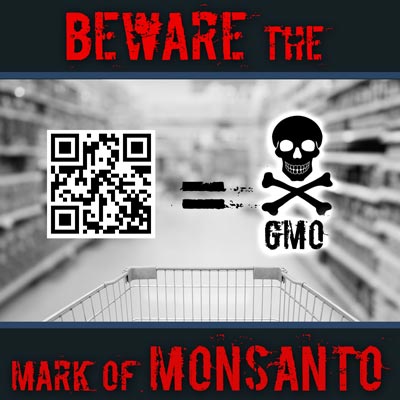
When you see the QR code or so-called Smart Label on a food product, pass it by. Products bearing the Grocery Manufacturer’s Association’s (GMA) Smart Label mark are in all likelihood filled with pesticides and/or GMO ingredients.

The GMA’s 300-plus members include chemical technology companies, GE seed and food and beverage companies. Monsanto, Dow and Coca-Cola are just some of the heavy-hitters in this powerful industry group, which has showed no qualms about doing whatever it takes to protect the interest of its members.

Don’t waste your time searching through their website, which may or may not contain the information you’re looking for. If they insist on wasting your time and making your shopping difficult, why reward them with a purchase?

A little known fact is that the GMA actually owns the "Smart Label" trademark that Congress has accepted as a so-called “compromise” to on-package GMO labeling, and that’s another reason why I believe the Smart Label mark is the mark of those with something to hide, such as Monsanto.


Will you financially support a corrupt, toxic and unsustainable food system, or a healthy, regenerative one? There are many options available besides big-brand processed foods that are part of the “GMA’s verified ring of deception.” You can:
  • Shop at local farms and farmers markets
  • Only buy products marked either “USDA 100 percent Organic” (which by law cannot contain GMOs), “100 percent Grass-Fed,” or “Non-GMO Verified”
  • If you have a smartphone and you don’t mind using it, download the OCA’s Buycott app to quickly and easily identify the thousands of proprietary brands belonging to GMA members, so you can avoid them, as well as identify the names of ethical brands that deserve your patronage
Last but not least, encourage good companies to reject QR codes and to be transparent and clear with their labeling. This will eventually ensure that all GMO foods can easily be identified by the GMA’s “verified ring of deception” mark that is the Smart Label.

Campbell’s, Mars, Kellogg’s, ConAgra and General Mills all vowed to voluntarily comply with Vermont's GMO labeling law by labeling all of their foods sold across the U.S. Will their plans change now that the law has been passed by Congress and signed by the President? That remains to be seen, but if you like these companies, I would encourage you to reach out to them and ask them to remain steadfast in their promise.

Non-GMO Food Resources by Country

If you are searching for non-GMO foods, here is a list of trusted sites you can visit.