Pages

Showing posts with label Carcinogen. Show all posts

Wednesday, 15 July 2020

Is it safe to microwave food?

There’s nothing risky about microwave radiation – but there is about heating up plastic.
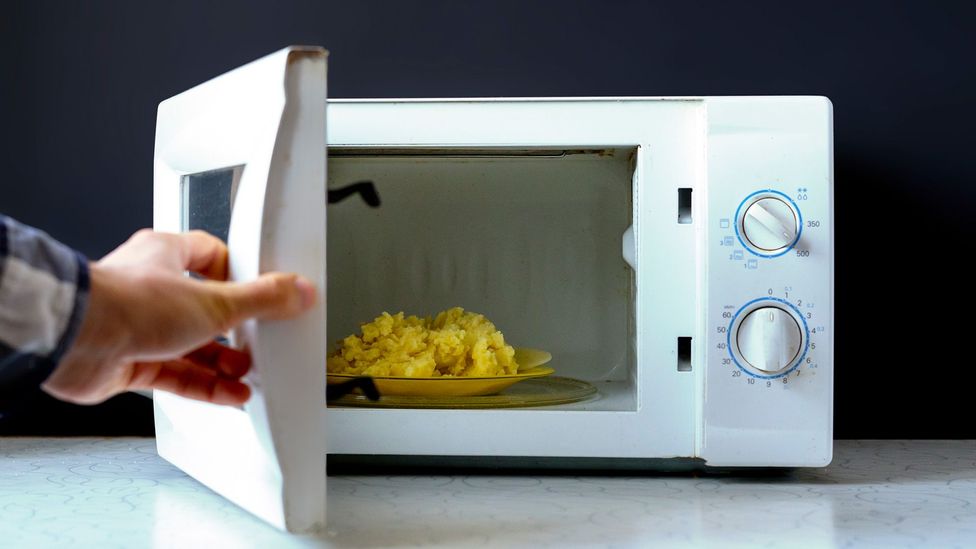
The radiation in microwaves is completely harmless (Credit: Getty Images)
By Jessica Brown15th July 2020
D
Despite being a kitchen workhorse for decades, few household items have been more divisive than the microwave. It’s hailed as a lifesaver for those who can’t, or won’t, cook, and portrayed by some chefs as singlehandedly dragging the art of cooking into the gutter.
But another debate lies beyond the culinary disputes – when is microwave cooking bad for you?
When used correctly, there’s nothing to worry about in terms of a microwave’s radiation, according to the World Health Organization. But other concerns are less clear – including whether microwaving food causes nutrient loss, or whether heating food in plastic can trigger hormone disruption.
Losing nutrients
Some research has shown that vegetables lose some of their nutritional value in the microwave.
For example, microwaving has been found to remove 97% of the flavonoids – plant compounds with anti-inflammatory benefits – in broccoli. That’s a third more damage than done by boiling. 
You might also like:
However, one 2019 study looking at the nutrient loss of broccoli in the microwave pointed out that previous studies varied the cooking time, temperature, and whether or not the broccoli was in water. It found that shorter cooking times (they microwaved the broccoli for one minute) didn’t compromise nutritional content. Steaming and microwaving could even increase content of most flavonoids, which are compounds linked to reduced risk of heart disease. “Under the cooking conditions used in this study, microwaving appeared to be a better way to preserve flavonoids than steaming,” the researchers wrote.
Yet they also found that microwaving with too much water (such as the amount you’d use to boil) caused a drop in flavonoids.

Some foods, such as peas, lose nutrients when microwaved or steamed, but others, like green beans, do not (Credit: Getty Images)


Lead researcher Xianli Wu, a scientist at the Beltsville Human Nutrition Research Center at the US Department of Agriculture, says there isn’t one agreed mechanism to explain why microwaving could increase flavonoid content. It could be that microwaving makes flavonoids easier to measure – perhaps by softening the plant tissue, making them easier to extract – rather than increasing their amount
But there’s no straightforward answer as to whether microwaving vegetables will retain more nutrients that any other method. That’s because each food is different in terms of the texture and nutrients they contain, according to Wu.
“Though in general microwaving is a preferred method, the optimum time will be different for different vegetables,” Wu says. “When considering commonly used domestic cooking methods, microwaving is a preferred cooking method, at least for many plant foods, but probably not for every plant food.”
In another study, researchers compared the content of phenolics (compounds associated with various health benefits) of various vegetables after being boiled, steamed and microwaved. Microwaving and steaming caused a loss in phenolic content in squash, peas and leeks, but not in spinach, peppers, broccoli or green beans. The researchers also tested for antioxidant activity.
For both measures, vegetables fared better in the microwave compared to being boiled.
“Moderate heat treatment might have been a useful tool in improving health properties of some vegetables,” the researchers write.
Heating plastic
We often microwave foods in plastic containers and wrapping, but some scientists warn of the risk of ingesting phthalates. When exposed to heat, these plastic additives can break down and leach into food.
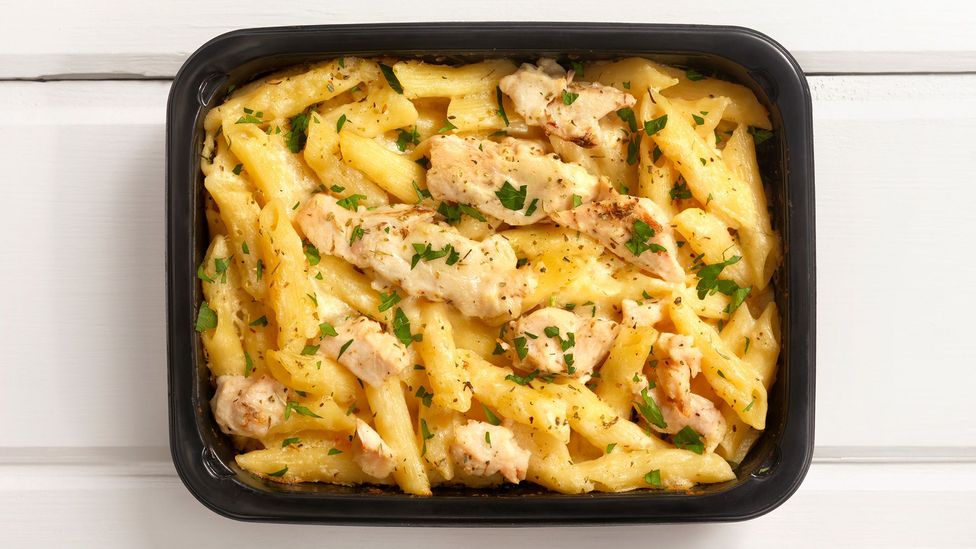
When exposed to heat, plastic additives like phthalates can break down and leach into food (Credit: Getty Images)

“Some plastic isn’t designed for microwaves because it has polymers inside to make it soft and flexible, which melt at a lower temperature and may leach out during the microwave process if it goes beyond 100C (212F),” says Juming Tang, professor of food engineering at Washington State University.
In a 2011 study, researchers purchased more than 400 plastic containers designed to contain food, and found that the majority leaked chemical that disrupt hormones.
Phthalates are one of the most commonly used plasticisers, added to make plastic more flexible and often found in takeaway containers, plastic wrap and water bottles. They have been found to disrupt hormones and our metabolic system.  In children, phthalates can increase blood pressure and insulin resistance, which can increase the risk of metabolic disorders such as diabetes and hypertension. Exposure also has been linked to fertility issues, asthma and ADHD.
Phthalates are also potential disrupters of thyroid hormones, says Leonardo Trasande, professor of environmental medicine and population health at NYU School of Medicine in New York. Among other things, these hormones are crucial for babies’ brain development during pregnancy.  
Bisphenol (BPA) is also commonly used in plastic products, and studies have suggested it may also disrupts hormones. But research is limited, compared to the amount of studies looking at phthalates.
Phthalates are everywhere – even in toys and body lotions – and it’s still unclear just how much damage they do. But most experts agree that heating plastic with phthalates can increase exposure.
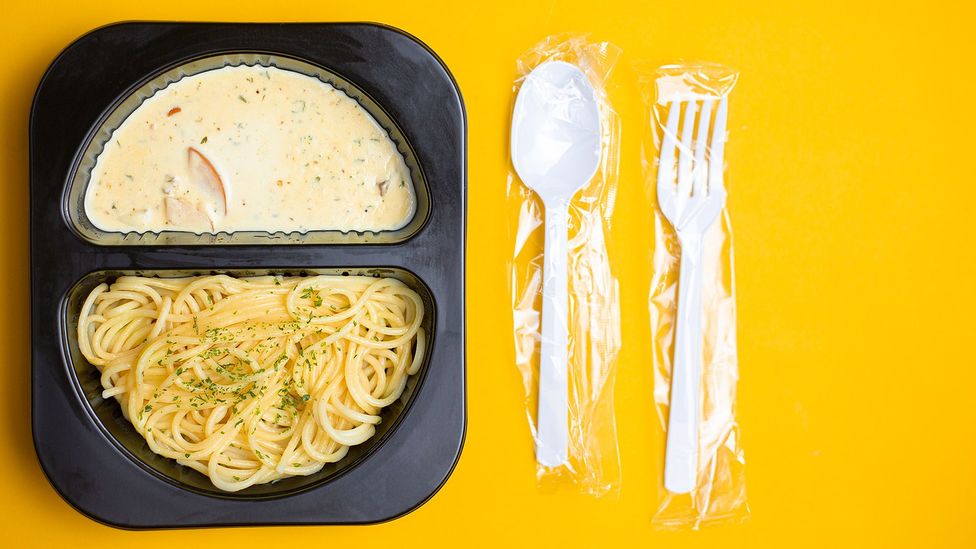
Phthalates have been found to disrupt hormones and our metabolic system (Credit: Getty Images)


“Microwaving mobilises contaminants,” says Rolf Halden, professor and director of the Biodesign Center for Environmental Health Engineering at Arizona State University. “This process is used in laboratories to extract pollutants from samples, prior to chemical analysis.”
And the potential risks don’t necessarily increase with how often an individual microwaves food in plastic containers, Trasande argues – as the relationship is non-linear between the amount of chemical exposure and risk of hormone disruption. 
“The old pedagogy was that the dose mediated poison. Now we understand from multiple studies that low level exposures are where the greatest component of effects happens, so there’s no safe level of exposure,” Trasande says.
It’s important to remember that, when heating food in a plastic container, exposure also can happen with plastic that doesn’t touch the food, such as a lid.
“Water rises as steam from the food, and then condenses on the underside of the lid, and the extracted chemicals from the lid then fall down into your food, contained in the condensation droplets,” Halden says.

To minimise risk, microwave food in a material that isn’t plastic, such as ceramic (Credit: Getty Images)

The best ways to minimise risk are to use other microwave-safe materials than plastic, such as ceramic. If you do use plastic containers, avoid any that are losing their shape, since old and damaged containers are more likely to leach chemicals. You can also check your container’s universal recycling symbol, often on the bottom of a product – those with a number 3 and the letters “V” or “PVC” include phthalates.
Heat risks
Even if you avoid plastics, there are other potential risks of heating food in the microwave – including uneven heating, and the high temperatures used.
First, consider using microwaves to reheat, rather than cook, food, as it may cook unevenly. “Depending on the portion of food that’s heated, there will be some parts that are hotter than others,” says Francisco Diez-Gonzalez, professor of food safety at the University of Georgia.
“Temperatures will be different in a cross-section of the food. It’s hard to achieve a completely uniform temperature, especially when talking about raw foods.”
But it’s important to note that reheating food comes with risks, too. Food must be heated until it is 82C (176F) throughout to kill any harmful bacteria – and because bacteria can still grow each time food cools back down, you shouldn’t reheat a meal more than once. (Read more about whether it’s safe to reheat food).

Microwaves should be used to reheat food, not cook it, but it’s better not to reheat the same meal more than once – especially rice (Credit: Getty Images)

The high temperatures of the microwave may also pose some risk. Generally speaking, higher temperatures aren’t a problem, but there is some research suggesting a risk linked to cooking some starchy foods in the microwave, including cereals and root vegetables.
When Betty Schwartz, professor of nutritional sciences  at theHebrew University of Jerusalem, saw her students heating jacket potatoes in the microwave on their lunchbreaks, she noticed small crystals inside their potatoes.
When she analysed them, she found they were high in the chemical acrylamide, which can be a natural by-product of cooking. Schwartz asked her students to boil their potatoes instead, and found that this didn’t create acrylamide, which she says forms in higher temperatures in the microwave.
This is a concern because animal studies have shown that acrylamide acts as a carcinogen because it interferes with cell’s DNA, but evidence in humans is limited. There is some research to suggest that microwaves are more favourable to the growth of acrylamide than other methods of cooking.
“At 100C (212F), there’s enough energy to alter the automatic joints between molecules to produce a molecule with much higher energy, which can react with DNA, which induces mutations," says Schwartz. "When you have many mutations it can produce cancer.” Animals studies have shown this to be the case with acrylamides.
One way around this is to soak the potatoes in water before putting them in the microwave.
Radiation safety
As for the radiation in microwaves, it is completely harmless. Microwaves use low frequency electromagnetic radiation – the same kind used in lightbulbs and radios. When you put food inside a microwave, it absorbs these microwaves, which makes water molecules in the food vibrate, causing friction that heats up the food.

The radiation in microwaves is completely harmless (Credit: Getty Images)

Humans absorb electromagnetic waves, too. But microwave ovens produce relatively low frequency waves and they are contained inside the microwave. Even if that weren’t the case, the waves are harmless, says Tang. (Of course, the heat in a microwave isn't harmless — so you should never put, say, a living creature inside of a microwave).
“Microwaves are part of the electromagnetic waves we’re exposed to daily. When you bake bread, you’re exposed to electromagnetic waves and infrared energy from the heating elements of the oven. Even people exchange radioactive waves between each other,” Tang says.
“If you’re eating crops grown from sunlight, you shouldn’t be concerned about food from a microwave.”
Unlike X-rays, microwaves don’t use ionising radiation, which means they don’t carry enough energy to detach electrons from atoms.

Microwaves don’t use ionising radiation, so there’s nothing unsafe about using them to heat food (Credit: Getty Images)

“You have to break chemical bonds to damage DNA. This is the chief way radiation kills – it mutates cells and causes cancer,” says Timothy Jorgensen, associate professor of radiation medicine at Georgetown University’s medical centre.
Concerns about microwave radiation were largely settled in the years after the microwave oven was first invented, Jorgenson says.
In particular, a lot of research was carried out by scientists at the Army Natick Research and Development Laboratories in Massachusetts, US, around the safety of microwaves, which went a long way to allaying concerns.
When it comes to cooking food in the microwave, there’s a lot to consider. Microwaves have long been deemed a safe kitchen appliance – but that comes with caveats, according to research. And in particular, experts are still raising concerns about how the plastic packaging we use in the microwave can disrupt our hormones, and, subsequently, affect our health.

Wednesday, 3 June 2020

Having trouble getting pregnant? Science says eat organic, regulate pesticides

Studies implicate eating pesticide-treated foods in fertility problems
 
The story below is from 2017, but its message is still timely and important.
---

Having trouble getting pregnant? Science suggests: eat organic and regulate the pesticide industry

Stacy Malkan
Huffington Post, Dec 1, 2017
https://tinyurl.com/y7cd9vuq
[links to sources at this URL]
If you’re trying to get pregnant and raise healthy children, recent science suggests you should consider switching to an organic diet and voting out politicians who put the pesticide industry in charge of our nation’s health laws.
In just the past few weeks, the Journals of the American Medical Association have published studies implicating pesticide-treated foods in fertility problems and documenting large increases in human exposure to the world’s most widely used pesticide, along with a physician’s commentary encouraging people to eat organic.
For their study in JAMA Internal Medicine, Harvard researchers followed 325 women at an infertility clinic and found that women who regularly ate pesticide-treated fruits and vegetables had lower success rates getting pregnant with IVF, while women who ate organic food had reduced risk of pregnancy loss and increased fertility.
The findings surprised lead researcher Jorge Chavarro, MD, of Harvard’s T.H. Chan School of Public Health.
“I was always skeptical that pesticide residues in foods would have any impact on health whatsoever. I thought we were not going to find anything,” he told Time magazine.
But now, “I am now more willing to buy organic apples than I was a few months ago,” Dr. Charvarro said.
The Harvard study sends “a warning that our current laissez-faire attitude toward the regulation of pesticides is failing us,” wrote epidemiologist and pediatrician Phillip Landrigan, MD, of Mount Sinai in a commentary in the same issue of JAMA.
The new study “comes at a time when multiple lines of evidence suggest that human fertility is on the decline and that the frequency of reproductive impairment is increasing,” Landrigan said – trends such as reduced sperm counts and increases in reproductive birth defects and testicular cancer that are “almost certainly” linked to environmental exposures to chemicals.
He said physicians should respond to these findings by educating patients about pesticides and urging reductions in exposure wherever possible.
“Encourage our patients to eat organic,” Dr. Landrigan wrote. “And educate elected officials and other policy makers about the hazards of pesticides—make them realize that pesticides are not merely a regulatory issue or an environmental problem, but that in fact these potent chemicals can have powerful effects on human health that need to be intelligently confronted.”
His statement echoes the advice of the American Academy of Pediatrics to reduce children’s exposure to pesticides. “There is a growing body of literature that suggests that pesticides may induce chronic health complications in children, including neurodevelopmental or behavioral problems, birth defects, asthma, and cancer,” states a 2012 AAP paper in Pediatrics,
Rising levels of common pesticide in our bodies
Another recent JAMA study documented large increases in human exposure to the weed killer chemical glyphosate, the main ingredient in Monsanto’s Roundup weed killer — and prompted more calls for government intervention.
Analyzing urine samples collected over two decades, researchers at UC San Diego reported that human exposure to glyphosate increased about 500% since the introduction of genetically modified crops (GMOs), most of which are engineered to survive Roundup pesticide spray.
Lead researcher Paul Mills told Time magazine that the levels of glyphosate found in people were 100-fold greater than levels of glyphosate fed to rats that developed liver disease in a long-term feeding study.
Glyphosate is also a probable human carcinogen, according to the World Health Organization’s International Agency for Research on Cancer (IARC). Hundreds of farmers and their families in the U.S. are suing Monsanto claiming glyphosate caused them or their loved ones to develop non-Hodgkin lymphoma.
A recent update to the large Agricultural Health Study published in the Journal of the National Cancer Institute failed to identify a link between glyphosate and non-Hodgkin lymphoma, but reported evidence of increased risk of acute myeloid leukemia (AML) among people with the highest glyphosate exposures.
AML is a fast-growing cancer with a low survival rate, so this finding “should be very concerning to the public and particularly to pesticide applicators,” wrote Jennifer Sass of NRDC. She said the AHS study does not change the relevance of the IARC findings that glyphosate is “probably” a human carcinogen.
Two weeks ago — amid revelations that Monsanto manipulated the science on glyphosate for decades — the European Union failed to reauthorize glyphosate. Just hours before that vote, regulators in Arkansas voted to regulate dicamba, a weed killer used in combination with GMO crops that has damaged millions of acres of farmland.
“Taken together, the decisions reflect an increasing political resistance to pesticides in Europe and parts of the United States,” reported Danny Hakim in the New York Times .
What we can do to protect our families and our health
The science suggests we need to step up political resistance and insist on common-sense regulations for the pesticide industry.
As Dr. Landrigan wrote, “We need to overcome the strident objections of the pesticide manufacturing industry, recognize the hidden costs of deregulation, and strengthen requirements for both premarket testing of new pesticides, as well as postmarketing surveillance of exposed populations — exactly as we do for another class of potent, biologically active molecules—drugs.”
A September commentary in the AAAS magazine Science argues that lessons learned from pharmaceutical regulations could help improve pesticide regulations. The authors called for “pesticidovigilance” — requiring long term, post-market monitoring and data gathering of adverse effects, similar to the practice of pharmacovigilance.
In June, 14 researchers writing in Journal of Epidemiology and Community Health pointed out the many gaps in existing evaluations on glyphosate and concluded, “the current safety standards are outdated and fail to protect public health and the environment.”
They called for biomonitoring studies to document human exposures, state-of-the-art hazard assessments, and epidemiological studies that examine exposed workers, pesticide manufacturers and vulnerable populations.
In the meantime, we can use existing science as a guide. For those of us who are concerned about fertility, cancer and raising healthy children, science is suggesting we switch to an organic diet to reduce pesticide exposure and vote for politicians who are willing to stand up to the pesticide industry.
https://www.gmwatch.org/en/news/latest-news/19400-having-trouble-getting-pregnant-science-says-eat-organic-regulate-pesticides

Thursday, 3 October 2019

Heartburn Medicines Cause Cancer… FDA Does Nothing

People who take Zantac or similar drugs to combat heartburn may be unknowingly giving themselves cancer. Last week, the FDA announced that it had detected a cancer-causing contaminant called N-nitrosodimethylamine, or NDMA, in ranitidine heartburn medications.


September 19, 2019


But the FDA fell short of ordering a recall, and it wasn’t until a week later that distributors began to pull the drugs off the shelves. In response to the discovery, Sanofi spokeswoman Ashleigh Koss said,
Sanofi takes patient safety seriously, and we are committed to working with the F.D.A.”
She went on to say that Zantac “has been around for over a decade and meets all the specified safety requirements for use in the O.T.C. market.” –
At the time, Koss stated that Sanofi had no plans to recall the drug. But as evidence and consumer outrage grew over the following week, pharmaceutical company Novartis decided to stop the distribution of its generic Zantac drugs in all markets. At the time of publishing, Sanofi and the FDA had still failed to issue a recall.

NDMA in Drugs a Major Cancer Risk

This is not the first time that NDMA has been found in popular drugs. Last year, blood pressure medication valsartan, sold under the brand name Diovan, was also found to be contaminated. In that case, the FDA issued a voluntary recall of the drug, citing the risk of developing cancer.
Millions of people take ranitidine to relieve symptoms of heartburn and other gastrointestinal issues. But the potentially life-threatening drugs can still be found in pharmacies across the United States. In Canada, health officials have requested a stop to all distribution of the drug, making the only country in which Sanofi has ceased distribution.
NDMA is an industrial byproduct that can often be found in cured meats like bacon. The FDA says that it is “reasonably safe” to ingest up to one microgram a day. But safety testing has found levels significantly higher. In last year’s valsartan recall, the FDA found up to 17 micrograms of NDMA per dose. Valisure, a pharmacy that tests all drugs it distributes, found that Zantac had NDMA levels reaching 3,000 micrograms.
Valisure petitioned the FDA to recall all forms of ranitidine, though the agency has yet to take any such measures. They claim that NDMA may be “inherent” in the ranitidine molecule and have urged regulators to recall the drug until its safety can be guaranteed. But the FDA, as usual, seems apathetic about consumer safety.
FDA spokesman Jeremy Kahn said in a statement,
The FDA will take appropriate measures based on the results of the ongoing investigation.”
But they failed to recommend that people using the drug stop taking it. Instead, they simply suggested that alternative medicines are available.
This is the same “profits over patients” approach that we’ve seen repeatedly with our regulatory bodies. Safety testing – especially for generic drugs – is significantly lacking. Dinesh Thakur is a drug-safety advocate and whistleblower who exposed corruption and faulty quality control as an executive at Ranbaxy Laboratories. He says the FDA is not doing enough to protect consumers.
I think this is another good example of how our regulations need to change. Things like this will never get caught, unless somebody is actually actively looking for stuff.”
Meanwhile, a lack of oversight and testing standards has resulted in pharmacy shelves filled with drugs that can literally kill you. The FDA knows that Zantac has been contaminated with a carcinogen. Sanofi knows that something has gone terribly wrong with one of their flagship drugs. But the money is too good to recall them now.

Is Money Running Regulation?

Zantac was the first drug to total $1 billion in sales. In 2018, the drug generated nearly $130 million dollars for Sanofi. But a new class-action lawsuit filed earlier this week claims that the French drug makers have known the risks all along, hiding them from regulators and consumers in order to maintain profits.
The suit claims that each 150mg tablet of Zantac contains 26,000 times the FDA-approved daily limit of NDMA. Steve Berman, the lead attorney for the case, believes that consumers have been intentionally put in harm’s way.
Millions of people in the U.S. suffer from heartburn, and for years, Zantac has been sold to the masses as a safe and easy-to-find remedy for that common ailment. We’re certain that if those millions of consumers knew that the Zantac they take contains known carcinogens, they would be rightfully outraged.”
“Sanofi knew that Zantac contains a carcinogen, yet it chose to conceal these risks to the public to line its own pockets,” the suit claims.
Had defendants disclosed that Zantac results in unsafe levels of NDMA in the human body, no person, let alone a reasonable person, would have purchased and consumed Zantac.”
But all statements from the FDA and Sanofi say basically the same thing:
“We care about consumer safety. We’re looking into it.”
This isn’t the first time that drug manufacturers have hidden risks and lied to the public in order to line their own pockets.
Johnson & Johnson knew that there was asbestos in their talcum powder but did nothing. Juul Labs marketed their e-cigarettes to children, only to destroy the evidence when confronted. Opioid manufacturers bribed doctors and lied about safety, causing an epidemic that has claimed tens of thousands of American lives each year.
We could call the FDA lapdogs for Big Pharma. We could say that the whole system is corrupt, with patents, approvals, and leadership bought and paid for with blood money from the industry. But we don’t need to. All we have to do is show you the numbers.
  • In the last 40 years, only one FDA commissioner has failed to secure a high-paying job in the pharmaceutical industry. The most recent departure, Scott Gottlieb, took a lucrative job on the board of Pfizer.
  • A study published earlier this year found that 17% of the cancer drugs approved by the FDA used “suboptimal control arms,” leading to the approval of expensive cancer therapies that don’t show any real benefit to patients.
  • Sonny Perdue, the U.S. Secretary of Agriculture, seems to be the only regulatory authority in the world who still claims that glyphosate is safe, despite hundreds of studies to the contrary and evidence presented in court shows that Bayer/Monsanto executives actively tried to hide the cancer/Roundup connection. Perhaps it’s a coincidence that Perdue is a former fertilizer salesman who has received hundreds of thousands of dollars from the agricultural industry.
  • A new expose has shown that many of the top-selling smartphones exceed federal radiation limits. FCC commissioner Ajit Pai worked in the telecommunications industry before his appointment. Former FCC heads have literally won awards for their efforts lobbying for the industry.
Doctors are literally incentivized to prescribe chemotherapy drugs to cancer patients, making more money with each dose of the toxic chemical. But maybe that doesn’t affect their judgement when it comes to patient care.
Maybe it’s all a coincidence. Maybe there’s no conflict of interest within the FDA. Maybe Sanofi is a great company that’s just trying to help patients. Maybe it’s the result of an innocent mistake that our shelves are filled with deadly drugs that cause cancer. Maybe the people who are calling foul are just crazy conspiracy theorists. Maybe a little bit of cancer isn’t a big deal so long as you get heartburn relief.
But I don’t buy it for a second…
https://thetruthaboutcancer.com/does-zantac-cause-cancer/

Saturday, 3 September 2016

How Monsanto Promotes Worldwide Infertility

Monsanto has a long and infamous history of manufacturing and bringing to market such chemicals as DDT, Agent Orange, aspartame, Roundup and dioxin1 — chemical compounds from which society continues to feel the effects.

August 24, 2016

Chemical Poisoning

Story at-a-glance

  • Monsanto has an infamous history of marketing toxins such as DDT, Agent Orange, Roundup, dioxin, PCBs and aspartame
  • Once the largest producer of PCBs in the U.S., Monsanto is now being sued on multiple fronts for health and environmental damage from PCB pollution
  • Chemical poisoning begins before your baby is even born as these chemicals pass the placental barrier, affecting neurological and hormonal development
By Dr. Mercola
Monsanto has a long and infamous history of manufacturing and bringing to market such chemicals as DDT, Agent Orange, aspartame, Roundup and dioxin1 — chemical compounds from which society continues to feel the effects.
In an effort to distance the current corporation from past deeds, Monsanto refers to the company prior to 2002 as "the former Monsanto" in their news releases.2However, nothing has really changed aside from their PR machine.
While Monsanto has branched into genetic engineering (GE) of plants, the sale of patented GE seeds simply feeds the need for the company's pesticides. Monsanto is STILL primarily a purveyor of toxins, not life.
Monsanto began forging a unique and financially advantageous relationship with the U.S. government starting with the company's involvement in the Manhattan Project that produced the first nuclear weapons during World War II. During the Vietnam War they were the leading producer of Agent Orange.
The specialization in the production and distribution of toxic chemicals continues today.
Their influence over government runs so deep that despite the fact 64 other countries have been labeling genetically engineered (GE) foods for years, the U.S. now has the distinction of being the first country to un-label GE foods at the urging of a company producing mass amounts of GE seeds.

Monsanto and Polychlorinated Biphenyls (PCBs)

In the latter part of the 1920s, Monsanto was the largest producer of PCBs. This chemical was used in lubricant for electric motors, hydraulic fluids and to insulate electrical equipment.3 Old fluorescent light fixtures and electrical appliances with PCB capacitors may still contain the chemical.
During the years PCB was manufactured and used, there were no controls placed on disposal. Since PCBs don't break down under many conditions, they are now widely distributed through the environment and have made the journey up the food chain.4
Between the inception and distribution of the product and its subsequent ban in the late 1970s, an estimated 1.5 billion pounds were distributed in products around the world.5
Monsanto was the primary manufacturer of PCBs in the U.S. under the trade name Aroclor. Health problems associated with exposure to the chemical were noted as early as 1933 when 23 of 24 workers at the production plant developed pustules, loss of energy and appetite, loss of libido and other skin disturbances.6
According to Monsanto's public timeline, it was in 1966 that "Monsanto and others began to study PCB persistence in the environment."7 However, seven years earlier, Monsanto's assistant director of their Medical Department wrote:
"… [S]ufficient exposure, whether by inhalation of vapors or skin contact, can result in chloracne which I think we must assume could be an indication of a more systemic injury if the exposure were allowed to continue."8
In 1967, Shell Oil called to inform Monsanto of press reports from Sweden, noting that PCBs were accumulating in mammals further up the food chain. Shell asked for PCB samples to perform their own analytical studies.9
With full knowledge of the devastation expected to the environment and humanity, it wasn't until 11 years later, in 1977, that Monsanto reportedly pulled production on PCB.10

PCBs Are Probable Human Carcinogens

The International Agency for Research on Cancer (IARC), the U.S. Environmental Protection Agency (EPA), the National Toxicology Program, and the National Institute for Occupational Safety and Health (NIEHS) have identified PCBs as either probable, potential or reasonably likely to cause cancer in humans.11
If it seems like these agencies are couching their words, they are. Human studies have noted increased rates of liver cancer, gall bladder cancer, melanomas, gastrointestinal cancer, biliary tract cancer, brain cancer and breast cancer when individuals had higher levels of PCB chemicals in their blood and tissue.12
However, the EPA limits the ability of researchers to link a chemical as a carcinogen unless there is conclusive proof. While this proof is evident in animal studies, you can't feed these chemicals to humans and record the results. Thus PCBs are a "probable" carcinogen in humans. Other health effects from PCBs include:
  • Babies born with neurological and motor control delays including lower IQ, poor short-term memory and poor performance on standardized behavioral assessment tests
  • Disrupted sex hormones including shortened menstrual cycles, reduced sperm count and premature puberty
  • Imbalanced thyroid hormone affecting growth, intellectual and behavioral development
  • Immune effects, including children with more ear infections and chickenpox
Once PCBs are absorbed in the body they deposit in the fat tissue. They are not broken down or excreted. This means the number of PCBs build over time and move up the food chain. Smaller fish are eaten by larger ones and eventually land on your dinner table.

Chemical Poisoning Begins Before Birth

A recent study at the University of California demonstrated that PCBs are found in the blood of pregnant women.13 Before birth, the umbilical cord delivers approximately 300 quarts of blood to your baby every day.
Not long ago, researchers believed the placenta would shield your developing baby from most pollutants and chemicals. Now we know it does not.
The umbilical cord is a lifeline between mother and child, sustaining life and propelling growth. However, in recent research cord blood contained between 200 and 280 different chemicals; 180 were known carcinogens and 217 were toxic to the baby's developing nervous system.14
The deposits of chemicals in your body or the body of your developing baby are called your "body burden" of chemicals and pollution.
A steady stream of chemicals from the environment during a critical time of organ and system development has a significant impact on the health of your child, both in infancy and as the child grows to adulthood.
Tracey Woodruff, Ph.D., director of the University of California San Francisco Program on Reproductive Health and the Environment, was quoted in a press release, saying:
"It was surprising and concerning to find so many chemicals in pregnant women without fully knowing the implications for pregnancy. Several of these chemicals in pregnant women were at the same concentrations that have been associated with negative effects in children from other studies.
In addition, exposure to multiple chemicals that can increase the risk of the same adverse health outcome can have a greater impact than exposure to just one chemical."

Butyl Benzyl Phthalate — Another Monsanto Product

Butyl benzyl phthalate (BBP), also manufactured by Monsanto, was recently implicated in cell fat storage.15 This specific phthalate was found in human fluids and had an effect on the accumulation of fat inside cells.
BBP is used in the manufacture of vinyl tile, as a plasticizer in PVC pipe, carpets, conveyer belts and weather stripping in your home and office.
Like other phthalates used in the production of plastics, BBP is not bound to the product and can be released into your environment. It may be absorbed by crops and move up the food chain.16 The biggest source of exposure is food.
Drive-through hamburgers and take-out pizzas may be increasing your intake of phthalates. The danger is not in the food itself but in the products used to handle it. The study analyzed data from nearly 9,000 individuals, finding the one-third who had eaten at a fast food restaurant had higher levels of two different phthalates.17
Potentially, BBP may adversely affect your reproductive function. However, at lower doses it also has an effect on your kidneys, liver and pancreas.18 Increased risks of respiratory disorders and multiple myelomas have also been reported in people who have exposure to products manufactured with BBP.19 An increasing waistline from BBP exposure may also reduce your fertility.

Low Sperm Count and Infertility Affecting Animals and Humans

A 26-year study of fertility in dogs, published recently, has distinct similarities to infertility rates in humans. In this study, researchers evaluated the ejaculate of nearly 2,000 dogs. Over the 26 year period, they found a drop in sperm motility of 2.4 percent per year.20
Additionally, both the semen and the testicles of castrated dogs contained by PCBs and phthalates, implicated in other studies to reduction in fertility. Phthalates have been implicated in both decreased sperm motility and quality of your sperm,21 affecting both fertility and the health of your children.22
Researchers used dogs in this study as they live in the same environment as their owners, and often eat some of the same food. This correlation between sperm function and concentration, and environment and food in dogs and humans is significant.
In those 26 years there was also a rise in cryptorchidism in male pups (a condition where the testicles don't descend into the scrotum) born to stud dogs who experienced a decline in sperm quality and motility.23 Cryptorchidism and undescended testicles, occurs at a rate of 1 in 20 term male human infants and 1 in 3 pre-term babies.24
Problems with infertility are also affecting marine animals at the top of the food chain. In the western waters of the Atlantic, the last pod of Orcas are doomed to extinction. High levels of PCB have been found in the fat of over 1,000 dolphins and Orcas in the past 20 years. Now taking a toll on the animal's fertility, this pod of Orcas has not reproduced in the 19 years it has been under study.25
Orcas were living in the North Sea until the 1960s. At that time PCB pollution peaked in the area and the Orca whales disappeared. The same happened in the Mediterranean Sea, where the whales flourished until the 1980s. This pod off the coast of the U.K. is the last living pod in that area.

Monsanto's Argument in PCB Lawsuits


Although Monsanto denies culpability and knowledge of the danger behind the chemical PCB, you'll discover internal documentation in this video that they did, in fact, know of the danger while manufacturing and distributing the product. Monsanto is currently embroiled in several lawsuits across eight cities and the argument is over who owns the rain. The cities are suing Monsanto in Federal Court, saying PCBs manufactured by Monsanto have polluted the San Francisco Bay.26
Monsanto attorney Robert Howard argues that because the city does not own the water rights, the city does not have the right to sue. And, because the PCBs have not damaged city property, such as corroding pipes, Howard claims it is a state problem. Scott Fiske, attorney for three cities, countered with the city's regulatory interests in management of storm water as a fundamental function of the city.27
While Fiske claims he can prove Monsanto knew the product was hazardous as early as 1969, Howard maintains the company should not be liable for the use of the chemicals it produced.
In 2001, Monsanto attorneys in the Owens v. Monsanto case, acknowledged only one health threat from exposure to PCBs: chloracne, and instead argued that since the entire planet has been contaminated, they are innocent of all liability.28 The attorney for Monsanto was quoted in the Chemical Industry Archives, saying:
"The truth is that PCBs are everywhere. They are in meat, they are in everyone in the courtroom, they are everywhere and they have been for a long time, along with a host of other substances." 29
The cities currently engaged in lawsuits against Monsanto for damage to the environment and waterways include Berkley, Oakland, San Jose, Portland, Spokane, Seattle, Long Beach and San Diego. All eight cities attempted to combine their cases against the agrochemical giant but were unsuccessful when one judge found the issues were different enough to warrant separate cases.30

Monsanto's Deep Pockets

Monsanto petitioned the Federal Court to dismiss Portland's lawsuit, claiming it would countersue, adding years to the process. It is likely Monsanto would increase the scope of the case and include companies who used the product and released the PCBs.31Meanwhile, three plaintiffs in St. Louis received better news in May 2016 when a jury awarded them a total of $46.5 million, finding Monsanto negligent in the production of PCBs.32
This suit claimed Monsanto sold PCBs even after it learned about the dangers, bringing to court internal documents dated 1955, which stated: "We know Aroclors [PCBs] are toxic but the actual limit has not been precisely defined."33 To date this win over Monsanto has been rare. Williams Kherkher, attorney for the plaintiffs, explained in EcoWatch:34
"The only reason why this victory is rare is because no one has had the money to fight Monsanto."
Kherkher and other firms pooled their resources in this case and expect wins in upcoming lawsuits. The firm has accumulated the names of approximately 1,000 plaintiffs with claims against Monsanto and PCBs.

SAD NEWS: House Passes DARK Act Compromise

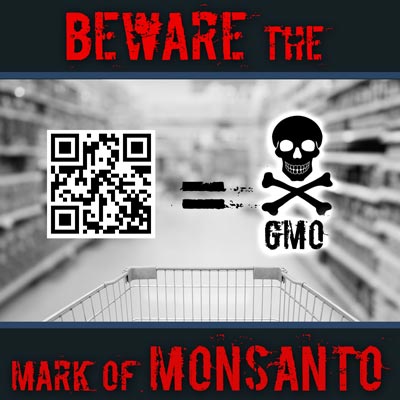
The House passed a compromise to the DARK Act that will force food distributors to disclose the presence of genetically engineered (GE) ingredients with a smartphone scan code. President Obama has signed the bill that removes states’ rights for labeling GMOs. The bill is full of loopholes, which may allow genetically modified ingredients to slip through unannounced.

Genetically modified organisms (GMOs), aka GE foods, are live organisms whose genetic components have been artificially manipulated in a laboratory setting through creating unstable combinations of plant, animal, bacteria and even viral genes that do not occur in nature or through traditional crossbreeding methods.

GMO proponents claim that genetic engineering is “safe and beneficial,” and that it advances the agricultural industry. They also say that GMOs help ensure the global food supply and sustainability. But is there any truth to these claims? I believe not. For years, I’ve stated the belief that GMOs pose one of the greatest threats to life on the planet. Genetic engineering is NOT the safe and beneficial technology that it is touted to be.

The FDA cleared the way for GE Atlantic salmon to be farmed for human consumption. Thanks to added language in the federal spending bill, the product will require special labeling so at least consumers will have the ability to identify the GE salmon in stores. However, it's imperative ALL GE foods be labeled clearly without a smartphone scan code because not everyone owns a smartphone.

The FDA is threatening the existence of our food supply. We have to start taking action now. I urge you to share this article with friends and family. If we act together, we can make a difference and put an end to the absurdity.

Boycott Smart Labels Today

When you see the QR code or so-called Smart Label on a food product, pass it by. Products bearing the Grocery Manufacturer’s Association’s (GMA) Smart Label mark are in all likelihood filled with pesticides and/or GMO ingredients.

The GMA’s 300-plus members include chemical technology companies, GE seed and food and beverage companies. Monsanto, Dow and Coca-Cola are just some of the heavy-hitters in this powerful industry group, which has showed no qualms about doing whatever it takes to protect the interest of its members.

Don’t waste your time searching through their website, which may or may not contain the information you’re looking for. If they insist on wasting your time and making your shopping difficult, why reward them with a purchase?

A little known fact is that the GMA actually owns the "Smart Label" trademark that Congress has accepted as a so-called “compromise” to on-package GMO labeling, and that’s another reason why I believe the Smart Label mark is the mark of those with something to hide, such as Monsanto.


Will you financially support a corrupt, toxic and unsustainable food system, or a healthy, regenerative one? There are many options available besides big-brand processed foods that are part of the “GMA’s verified ring of deception.” You can:
  • Shop at local farms and farmers markets
  • Only buy products marked either “USDA 100 percent Organic” (which by law cannot contain GMOs), “100 percent Grass-Fed,” or “Non-GMO Verified”
  • If you have a smartphone and you don’t mind using it, download the OCA’s Buycott app to quickly and easily identify the thousands of proprietary brands belonging to GMA members, so you can avoid them, as well as identify the names of ethical brands that deserve your patronage
Last but not least, encourage good companies to reject QR codes and to be transparent and clear with their labeling. This will eventually ensure that all GMO foods can easily be identified by the GMA’s “verified ring of deception” mark that is the Smart Label.

Campbell’s, Mars, Kellogg’s, ConAgra and General Mills all vowed to voluntarily comply with Vermont's GMO labeling law by labeling all of their foods sold across the U.S. Will their plans change now that the law has been passed by Congress and signed by the President? That remains to be seen, but if you like these companies, I would encourage you to reach out to them and ask them to remain steadfast in their promise.

Non-GMO Food Resources by Country

If you are searching for non-GMO foods, here is a list of trusted sites you can visit.