Pages

Showing posts with label Thyroid Health. Show all posts

Wednesday, 15 July 2020

Is it safe to microwave food?

There’s nothing risky about microwave radiation – but there is about heating up plastic.

The radiation in microwaves is completely harmless (Credit: Getty Images)
By Jessica Brown15th July 2020
D
Despite being a kitchen workhorse for decades, few household items have been more divisive than the microwave. It’s hailed as a lifesaver for those who can’t, or won’t, cook, and portrayed by some chefs as singlehandedly dragging the art of cooking into the gutter.
But another debate lies beyond the culinary disputes – when is microwave cooking bad for you?
When used correctly, there’s nothing to worry about in terms of a microwave’s radiation, according to the World Health Organization. But other concerns are less clear – including whether microwaving food causes nutrient loss, or whether heating food in plastic can trigger hormone disruption.
Losing nutrients
Some research has shown that vegetables lose some of their nutritional value in the microwave.
For example, microwaving has been found to remove 97% of the flavonoids – plant compounds with anti-inflammatory benefits – in broccoli. That’s a third more damage than done by boiling. 
You might also like:
However, one 2019 study looking at the nutrient loss of broccoli in the microwave pointed out that previous studies varied the cooking time, temperature, and whether or not the broccoli was in water. It found that shorter cooking times (they microwaved the broccoli for one minute) didn’t compromise nutritional content. Steaming and microwaving could even increase content of most flavonoids, which are compounds linked to reduced risk of heart disease. “Under the cooking conditions used in this study, microwaving appeared to be a better way to preserve flavonoids than steaming,” the researchers wrote.
Yet they also found that microwaving with too much water (such as the amount you’d use to boil) caused a drop in flavonoids.

Some foods, such as peas, lose nutrients when microwaved or steamed, but others, like green beans, do not (Credit: Getty Images)


Lead researcher Xianli Wu, a scientist at the Beltsville Human Nutrition Research Center at the US Department of Agriculture, says there isn’t one agreed mechanism to explain why microwaving could increase flavonoid content. It could be that microwaving makes flavonoids easier to measure – perhaps by softening the plant tissue, making them easier to extract – rather than increasing their amount
But there’s no straightforward answer as to whether microwaving vegetables will retain more nutrients that any other method. That’s because each food is different in terms of the texture and nutrients they contain, according to Wu.
“Though in general microwaving is a preferred method, the optimum time will be different for different vegetables,” Wu says. “When considering commonly used domestic cooking methods, microwaving is a preferred cooking method, at least for many plant foods, but probably not for every plant food.”
In another study, researchers compared the content of phenolics (compounds associated with various health benefits) of various vegetables after being boiled, steamed and microwaved. Microwaving and steaming caused a loss in phenolic content in squash, peas and leeks, but not in spinach, peppers, broccoli or green beans. The researchers also tested for antioxidant activity.
For both measures, vegetables fared better in the microwave compared to being boiled.
“Moderate heat treatment might have been a useful tool in improving health properties of some vegetables,” the researchers write.
Heating plastic
We often microwave foods in plastic containers and wrapping, but some scientists warn of the risk of ingesting phthalates. When exposed to heat, these plastic additives can break down and leach into food.

When exposed to heat, plastic additives like phthalates can break down and leach into food (Credit: Getty Images)

“Some plastic isn’t designed for microwaves because it has polymers inside to make it soft and flexible, which melt at a lower temperature and may leach out during the microwave process if it goes beyond 100C (212F),” says Juming Tang, professor of food engineering at Washington State University.
In a 2011 study, researchers purchased more than 400 plastic containers designed to contain food, and found that the majority leaked chemical that disrupt hormones.
Phthalates are one of the most commonly used plasticisers, added to make plastic more flexible and often found in takeaway containers, plastic wrap and water bottles. They have been found to disrupt hormones and our metabolic system.  In children, phthalates can increase blood pressure and insulin resistance, which can increase the risk of metabolic disorders such as diabetes and hypertension. Exposure also has been linked to fertility issues, asthma and ADHD.
Phthalates are also potential disrupters of thyroid hormones, says Leonardo Trasande, professor of environmental medicine and population health at NYU School of Medicine in New York. Among other things, these hormones are crucial for babies’ brain development during pregnancy.  
Bisphenol (BPA) is also commonly used in plastic products, and studies have suggested it may also disrupts hormones. But research is limited, compared to the amount of studies looking at phthalates.
Phthalates are everywhere – even in toys and body lotions – and it’s still unclear just how much damage they do. But most experts agree that heating plastic with phthalates can increase exposure.

Phthalates have been found to disrupt hormones and our metabolic system (Credit: Getty Images)


“Microwaving mobilises contaminants,” says Rolf Halden, professor and director of the Biodesign Center for Environmental Health Engineering at Arizona State University. “This process is used in laboratories to extract pollutants from samples, prior to chemical analysis.”
And the potential risks don’t necessarily increase with how often an individual microwaves food in plastic containers, Trasande argues – as the relationship is non-linear between the amount of chemical exposure and risk of hormone disruption. 
“The old pedagogy was that the dose mediated poison. Now we understand from multiple studies that low level exposures are where the greatest component of effects happens, so there’s no safe level of exposure,” Trasande says.
It’s important to remember that, when heating food in a plastic container, exposure also can happen with plastic that doesn’t touch the food, such as a lid.
“Water rises as steam from the food, and then condenses on the underside of the lid, and the extracted chemicals from the lid then fall down into your food, contained in the condensation droplets,” Halden says.
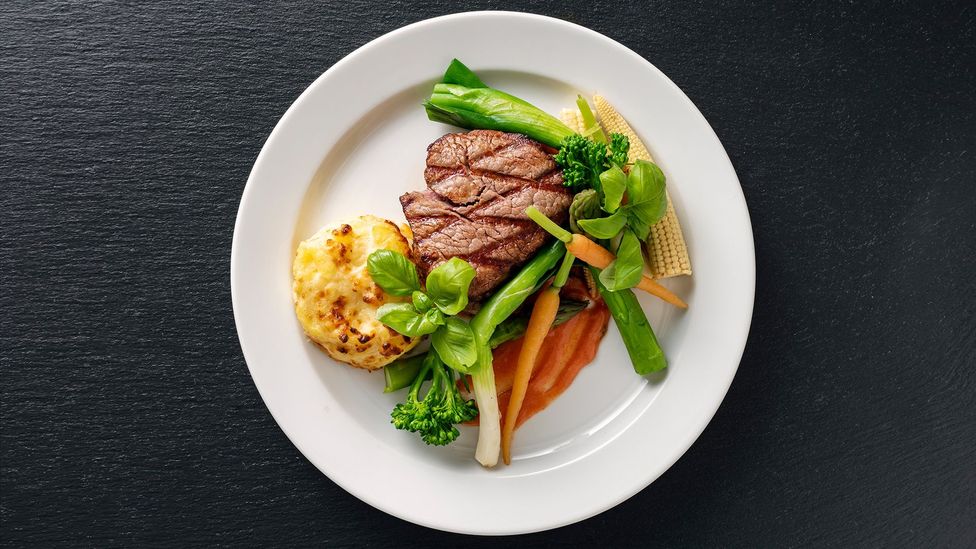
To minimise risk, microwave food in a material that isn’t plastic, such as ceramic (Credit: Getty Images)

The best ways to minimise risk are to use other microwave-safe materials than plastic, such as ceramic. If you do use plastic containers, avoid any that are losing their shape, since old and damaged containers are more likely to leach chemicals. You can also check your container’s universal recycling symbol, often on the bottom of a product – those with a number 3 and the letters “V” or “PVC” include phthalates.
Heat risks
Even if you avoid plastics, there are other potential risks of heating food in the microwave – including uneven heating, and the high temperatures used.
First, consider using microwaves to reheat, rather than cook, food, as it may cook unevenly. “Depending on the portion of food that’s heated, there will be some parts that are hotter than others,” says Francisco Diez-Gonzalez, professor of food safety at the University of Georgia.
“Temperatures will be different in a cross-section of the food. It’s hard to achieve a completely uniform temperature, especially when talking about raw foods.”
But it’s important to note that reheating food comes with risks, too. Food must be heated until it is 82C (176F) throughout to kill any harmful bacteria – and because bacteria can still grow each time food cools back down, you shouldn’t reheat a meal more than once. (Read more about whether it’s safe to reheat food).

Microwaves should be used to reheat food, not cook it, but it’s better not to reheat the same meal more than once – especially rice (Credit: Getty Images)

The high temperatures of the microwave may also pose some risk. Generally speaking, higher temperatures aren’t a problem, but there is some research suggesting a risk linked to cooking some starchy foods in the microwave, including cereals and root vegetables.
When Betty Schwartz, professor of nutritional sciences  at theHebrew University of Jerusalem, saw her students heating jacket potatoes in the microwave on their lunchbreaks, she noticed small crystals inside their potatoes.
When she analysed them, she found they were high in the chemical acrylamide, which can be a natural by-product of cooking. Schwartz asked her students to boil their potatoes instead, and found that this didn’t create acrylamide, which she says forms in higher temperatures in the microwave.
This is a concern because animal studies have shown that acrylamide acts as a carcinogen because it interferes with cell’s DNA, but evidence in humans is limited. There is some research to suggest that microwaves are more favourable to the growth of acrylamide than other methods of cooking.
“At 100C (212F), there’s enough energy to alter the automatic joints between molecules to produce a molecule with much higher energy, which can react with DNA, which induces mutations," says Schwartz. "When you have many mutations it can produce cancer.” Animals studies have shown this to be the case with acrylamides.
One way around this is to soak the potatoes in water before putting them in the microwave.
Radiation safety
As for the radiation in microwaves, it is completely harmless. Microwaves use low frequency electromagnetic radiation – the same kind used in lightbulbs and radios. When you put food inside a microwave, it absorbs these microwaves, which makes water molecules in the food vibrate, causing friction that heats up the food.

The radiation in microwaves is completely harmless (Credit: Getty Images)

Humans absorb electromagnetic waves, too. But microwave ovens produce relatively low frequency waves and they are contained inside the microwave. Even if that weren’t the case, the waves are harmless, says Tang. (Of course, the heat in a microwave isn't harmless — so you should never put, say, a living creature inside of a microwave).
“Microwaves are part of the electromagnetic waves we’re exposed to daily. When you bake bread, you’re exposed to electromagnetic waves and infrared energy from the heating elements of the oven. Even people exchange radioactive waves between each other,” Tang says.
“If you’re eating crops grown from sunlight, you shouldn’t be concerned about food from a microwave.”
Unlike X-rays, microwaves don’t use ionising radiation, which means they don’t carry enough energy to detach electrons from atoms.

Microwaves don’t use ionising radiation, so there’s nothing unsafe about using them to heat food (Credit: Getty Images)

“You have to break chemical bonds to damage DNA. This is the chief way radiation kills – it mutates cells and causes cancer,” says Timothy Jorgensen, associate professor of radiation medicine at Georgetown University’s medical centre.
Concerns about microwave radiation were largely settled in the years after the microwave oven was first invented, Jorgenson says.
In particular, a lot of research was carried out by scientists at the Army Natick Research and Development Laboratories in Massachusetts, US, around the safety of microwaves, which went a long way to allaying concerns.
When it comes to cooking food in the microwave, there’s a lot to consider. Microwaves have long been deemed a safe kitchen appliance – but that comes with caveats, according to research. And in particular, experts are still raising concerns about how the plastic packaging we use in the microwave can disrupt our hormones, and, subsequently, affect our health.


Wednesday, 27 November 2019

Five Ways Selenium Can Help Save Your Health

Selenium is an essential mineral. Your body needs it to function. It protects your cells—and DNA—from free radical damage. But you may not be getting enough.

 INH Research


Selenium levels in soil vary from region to region. Concentrations of it are higher in the Midwest and Western areas of the U.S. than the South and Northeast.1
Poor soil quality and gastrointestinal illnesses put you at risk for low selenium levels. The problem is there are no clear signs of deficiency. Your first symptom could be low immunity, high blood sugar… Or worse. Don’t wait until you know you need more to start paying attention.
Here are five ways selenium can help save your health:
1. Fights Cancer: Low selenium levels in blood, hair, and nail samples could indicate as much as a threefold increase in overall cancer risk. It can make you up to eight times more likely to develop thyroid cancer.
One study found subjects supplementing with selenium lowered their risk for all cancer by 24%. And that effect rose to 36% in people who had the lowest baseline levels of it.2
2. Lowers Diabetes Risk: You don’t have to supplement to see a benefit from selenium… Research in the journal Diabetes Care revealed subjects with selenium-rich diets lowered their type 2 diabetes risk by 24%.3
Oxidative stress and inflammation cause insulin resistance. The more insulin resistant you are, the higher your odds of developing type 2 diabetes. Selenium prevents inflammation. But it also helps control blood sugar levels.4 This means it fights diabetes on two fronts.
3. Supports Thyroid Function: Your thyroid has some of the highest concentrations of selenium in your body. Having low levels means your thyroid won’t be working at its best. Or eventually at all.
It leads to thyroiditis. That’s an inflammation of this organ that makes it attack itself. But one study found taking a selenium supplement cut thyroid inflammation by around 40%.5 Eating a diet rich in this mineral may be the key to balancing your thyroid hormones… And avoiding bigger problems down the line.
4. Protects Your Heart: Researchers at Johns Hopkins found people taking a selenium supplement lowered heart disease risk by 11% compared to a placebo.
That’s just for supplements. Then there are people who had the highest overall concentrations of this mineral in their blood. They were at the lowest risk for facing heart disease… An impressive 24%.6 And this was independent of other risk factors that could’ve been working against the heart-protective benefits of selenium.
5. Boosts Immunity: It helps produce white blood cells. But it also enhances their abilities. Selenium makes your immune system’s NK—killer—cells stronger. This lets them respond faster to outside invaders. Like the flu virus and harmful bacteria.
Plus, selenium binds to toxic minerals. These include arsenic, cadmium, lead, and mercury. So there’s less inflammation for your immune system to deal with. It also makes them less likely to lead to the growth of cancer in your body.7
You can take a natural supplement to help get more. But your best bet is to eat more foods that are high in selenium. Brazil nuts, oysters, and organic sunflower seeds are a good start. You’ll also get it from grass-fed meat and mushrooms.
References:
1http://ods.od.nih.gov/factsheets/Selenium-HealthProfessional/
2http://www.lef.org/magazine/2012/ss/Selenium-Protect-Against-Cancer/Page-01
3http://www.reuters.com/article/2012/06/08/us-selenium-diabetes-risk-idUSBRE85718U20120608
4http://www.ncbi.nlm.nih.gov/pubmed/20030739
5http://press.endocrine.org/doi/full/10.1210/jcem.87.4.8421
6http://ajcn.nutrition.org/content/84/4/762.full
7http://www.eidon.com/selenium0506.html

https://www.institutefornaturalhealing.com/2015/02/five-ways-selenium-can-help-save-your-health/

Tuesday, 5 November 2019

CELERY JUICE: MIRACLE JUICE

ALL ABOUT CELERY JUICE


Teeming with powerful anti-inflammatory properties...

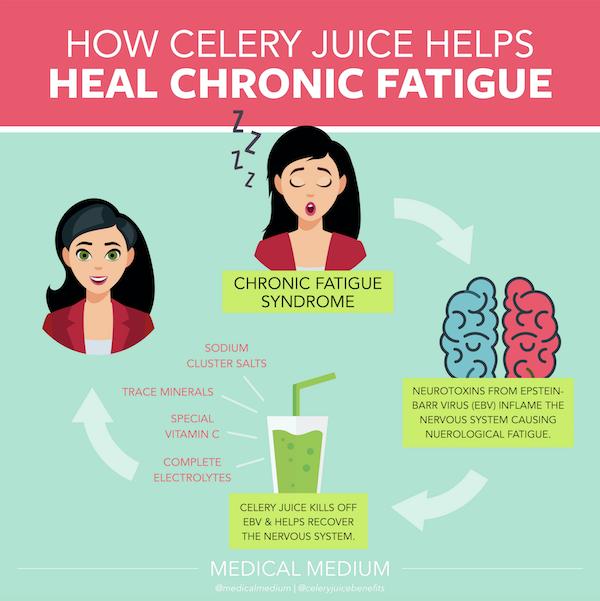
Celery juice is teeming with powerful anti-inflammatory properties. This means it’s highly beneficial for people who suffer from chronic and mystery illnesses, including conditions labeled “autoimmune.”  Hashimoto’s thyroiditis, rheumatoid arthritis (RA), fibromyalgia, myalgic encephalomyelitis/chronic fatigue syndrome (ME/CFS), Lyme disease, migraines, vertigo, celiac disease, irritable bowel syndrome (IBS), diabetes, psoriasis, eczema, acne, lupus, Guillain-Barré syndrome, sarcoidosis, Raynaud’s syndrome, Ménière’s disease, gastroesophageal reflux disease (GERD), gout, bursitis, bloating, intestinal cramping, distention, acid reflux, vertigo, constipation, restless leg syndrome, tingles, numbness—all of these symptoms and illnesses are mysteries to medical communities, even though they have names. Their true causes are not yet known by medical research and science.
Celery is perfect for reversing inflammation, because it starves the pathogens, including unproductive bacteria and viruses such as Epstein-Barr (EBV), that create it.  
As I reveal in my book, Thyroid Healing: The Truth behind Hashimoto’s, Graves’, Insomnia, Hypothyroidism, Thyroid Nodules & Epstein-Barr, EBV is the actual cause of Hashimoto’s thyroiditis and many other diseases that medical communities call autoimmune. 
THE WONDERS OF CELERY’S MINERAL SALTS
Celery is able to starve pathogens, plus it contains a multitude of undiscovered mineral salts that act together as an antiseptic. When these powerful mineral salts make contact with viruses such as Epstein-Barr, HHV-6, and shingles; bacteria such as Streptococcus; and other pathogens—troublemakers responsible for chronic illness—the salts begin to break down the pathogens’ cell membranes, eventually killing and destroying them.

If you’re worried that the sodium in celery is a problem because you’ve heard that “salt is salt,” know that the sodium in celery is not just salt or the basic mineral sodium. Medical research and science have not yet discovered the different varieties of sodium in celery, nor how beneficial they are. Celery’s naturally occurring sodium actually helps stabilize blood pressure, bringing it down when it’s too high and up when it’s too low. Further, it won’t dehydrate your organs—instead, it clings to toxic, dangerous salts from poor-quality foods and helps draw them out of your body while replacing them with undiscovered cluster salts.

These subgroups of sodium bond together as one and are infused with celery’s other critical chemical compounds and information that’s highly active in healing the body. Science has not yet deconstructed or studied these cluster salts. 

Eventually, research will reveal that these cluster salts work symbiotically and systematically to flush out toxins, dead pathogens such as viruses and bacteria, and pathogenic neurotoxins and debris from every crevice of the body.

Neurotoxins, by the way, are created by viruses such as EBV feeding on toxic heavy metals, including mercury and aluminum. Medical science and research are not yet aware that viruses feed on certain fuel, let alone that they produce neurotoxins as waste. 

Neurotoxins create neurological symptoms, including burning skin, twitches, tremors, spasms, cold hands and feet, balance issues, vertigo, erratic heartbeat, insomnia, and body jerks, that confound doctors.

Now that you know that pathogens like EBV are responsible for chronic illness, you can understand just how critical the antiseptic function of celery’s cluster salts truly is. 

Your white blood cells use these cluster salts as both shield and weapon to go after viruses and unproductive bacteria—and that translates to relief from the numerous symptoms and conditions they cause.

Your body is loyal to you. It’s doing it’s very best to help you be whole and healed.


MORE ON CELERY’S MAGNIFICENT MINERAL SALTS
Mineral salts are critical for our bodies to function optimally. They keep your kidneys and adrenals functioning and raise your gut’s hydrochloric acid so your body can break down and assimilate what you eat—while they balance your pH as well as cleanse and repair your stomach, the rest of your digestive tract, and, most importantly, your liver. They also allow information to travel throughout your body so it can keep itself in balance no matter what’s occurring.

The mineral salts specifically in celery are instrumental in the electricity that governs the body—they’re building blocks for neurotransmitter chemicals, they ignite electrical impulse activity, and they support neuron function. A brain with weak electrical impulses and weak neurotransmitters shuts down and goes into “low battery” mode—which makes celery juice, a battery charger for the brain, an answer to stop this from happening. Mineral salts keep the heart pumping and create the neurotransmitters needed to take information from point A to point B, that is, from neuron to neuron. (Picture a thought as a boat and mineral salts as the ocean: if the ocean dries up, the boat can’t go anywhere.)

That celery’s mineral salts are such an important support for the central nervous system means they are extremely healing for people who are struggling with depression, anxiety, brain fog, confusion, bipolar disorder, memory loss, Alzheimer’s disease, obsessive-compulsive disorder (OCD), attention-deficit/hyperactivity disorder (ADHD), and posttraumatic stress disorder (PTSD), as well as people who have difficulty with focus and concentration.

Celery can really enhance the ability of supplemental GABA, glycine, and magnesium L-threonate to be absorbed by the brain and aid in neurotransmitter performance for sleep support. Celery also improves methylation, that is, the proper absorption and utilization of hundreds of nutrients, including B12 and zinc. 

The electrolytes in celery hydrate on a deep cellular level, lessening your chances of suffering from migraines, anxiety, panic attacks, and more. Celery also stabilizes and supports the adrenal glands, offers stress assistance, and repairs damaged cells inside the liver.

And since celery’s mineral salts are antibacterial, they kill bacteria such as strep, and that encourages a healthy environment for “good” bacteria. Low-grade strep infections are often the actual cause of urinary tract infections (UTIs), chronic sinus infections, acne, IBS, and small intestinal bacterial overgrowth (SIBO), though at this time medical communities aren’t aware that strep infections are involved in these conditions. Now you know that celery juice and its antibacterial properties can help heal all of these conditions, too.

If you suffer from a thyroid condition, take note: celery has the ability to cleanse the thyroid of toxins and bolster production of the thyroid hormone T3. For more on the unknown true cause of thyroid problems like Hashimoto’s thyroiditis, Graves’ disease, thyroid nodules, cysts and tumors, enlarged thyroid, parathyroid disease, and much more, refer to Thyroid Healing.


CELERY JUICE AND AUTOIMMUNE DISEASE
Celery’s ability to break down and flush out viruses is life-changing news for anybody who has been told they have an autoimmune disease. Pathogens such as viruses, including EBV and shingles, are the true cause of the inflammation that’s mistakenly considered an autoimmune condition. Medical communities just aren’t aware of the real cause yet.

The prevailing autoimmune theory is that the immune system is mistaking a part of the body for an invader and has begun attacking it, causing inflammation. This belief developed because by the 1950s, the medical world had become frustrated with not having an explanation for why conditions such as Hashimoto’s, Graves’, lupus, RA, Crohn’s disease, celiac, ulcerative colitis, and multiple sclerosis (MS) were leaving people ailing or even crippled. Close observation of some patients’ blood work revealed the presence of antibodies. A theory took off that the body had become confused and created antibodies to attack itself. It’s vital to remember that this was just one out of dozens of theories—it was never a definitive answer. The whole premise was an unproven hypothesis that the medical establishment came up with because they didn’t have the real answers for people’s suffering. So they pointed the blame at people’s bodies, which took the blame off of medical research and science, and unfortunately, the theory has stuck and become law.

The autoimmune theory is not true. It’s critical to know what’s really happening with autoimmune issues: antibodies are present because your body is fighting a pathogen that scientific testing can’t detect yet. For example, in the case of Hashimoto’s, if antibodies are present, it’s because your body is going after the Epstein-Barr virus. It’s not that your body created antibodies that are attacking your thyroid gland. You can learn more about this in Thyroid Healing.

Again, contrary to current thinking, the body does not attack itself or turn against you. Your body only goes after pathogens, and only two factors cause inflammation: injury and invasion. Pathogens cause both. They’re invaders—foreign bodies in your body—and can also be injurers, sometimes damaging tissue in their travels through your system. (It doesn’t always take both factors to cause inflammation; for example, if you break your leg and it swells up, that’s solely an injury. It does always take at least one of these two causes.)

Sadly, the popular, incorrect autoimmune theory holds people responsible for their sickness. It leads people to believe that their body has betrayed them, turned against them, let them down. When you’re leaving the doctor’s office after being told that your body is attacking itself or attacking a specific organ, it can be emotionally damaging, and that belief itself hinders your immune system. 

Your body is loyal to you. It’s doing it’s very best to help you be whole and healed. It loves you unconditionally. Your own immune system will never harm you, it only works for you. Knowing this truth can kick-start the healing process for someone who previously believed their body was against them.

The autoimmune confusion is one of the greatest mistakes in modern medicine. It’s a prime example of why more than 250 million people in the U.S. alone are living with or suffering from mystery symptoms and conditions with no real relief.

Which brings us back to why celery juice is such a big deal. As celery ushers pathogens out, your body will be much better able to handle whatever life throws your way.


CELERY JUICE AND BALANCING YOUR BODY’S PH
Why is it so beneficial that celery juice strengthens hydrochloric acid in your gut? Because hydrochloric acid is critical to digestion and to keeping your digestive system alkaline.

Although we can hear the word “acid” and think “bad,” gastric acids, including hydrochloric acid, are critical, helpful acids, not to be confused with having an acidic digestive system, which is detrimental to health.

When you eat, food quickly travels down to your stomach to be digested with the help of hydrochloric acid. Although science hasn’t discovered this yet, hydrochloric acid isn’t just one acid—it’s actually a complex blend of seven acids. If hydrochloric acid levels are out of balance or low, your food won’t be sufficiently digested in your stomach. That means the food won’t break down enough for your cells to access the nutrients, and instead the food will just sit there and rot, causing bad acids to develop.


PREVENTING AMMONIA PERMEABILITY, A MAJOR UNKNOWN CAUSE OF ILL HEALTH
This gut rot, or putrefaction, creates ammonia gas, which has the ability to float, ghost-like, out of your digestive tract and directly into your bloodstream. It can also cross into organs such as your liver and brain. This is what I call ammonia permeability.

Millions of people walk around with digestive health problems, and one of the contributing factors is ammonia permeability, along with underlying sluggish liver issues. (The truth about ammonia permeability hasn’t yet been discovered. Similar though mistaken concepts are often referred to as “leaky gut syndrome” or “intestinal permeability.”)

Another condition that worsens low hydrochloric acid and creates ammonia permeability is a sluggish, stagnant, fatty liver. Underlying liver conditions are extremely common. Medical communities don’t yet know how prevalent they really are or what’s behind these issues in the first place. A sluggish, stagnant, fatty liver causes lower bile production, which means the body can’t break down and disperse fats easily, and that also contributes to gut rot, causing even more ammonia permeability. It is vital to understand how to support your liver as almost everyone today has a sluggish liver which is at the core of countless symptoms, illnesses and premature aging and death. Thankfully, there are simple ways to support your liver’s health. I share these in detail in my book, Liver Rescue.

Here’s where our heroic celery juice comes in: It effectively rebuilds the stomach’s complex balance and supply of hydrochloric acid. It also strengthens the digestive system by helping to heal the liver, which leads to an increase in bile production, easing constipation and bloat. Plus by lowering levels of pathogens such as bacteria and viruses and invaders such as fungus and mold, it leads to strengthened intestinal linings. Celery juice is one of the most profound ways, if not the most profound way, to restore digestive health. It is that powerful.


CELERY JUICE FOR BODY AND EMOTIONS
We tend to hold a lot of fear in our guts. Nervousness causes those sensations we know as tummy flips or butterflies in the stomach, and anxiety can run deep through the nervous system, putting our guts in knots. By restoring the entire digestive system, celery juice puts our minds and hearts at ease, too. Use it for its calming effects when you are feeling frightened, panicky, shocked, fretful, nervous, threatened, unsure, afraid, or defensive.

I could go on and on about the benefits of celery juice for all manner of ills—mental, physical, spiritual, emotional. Celery juice is alkalizing, enzyme-rich, electrolyte-enhancing, liver-repairing, blood-sugar-balancing, antiseptic, and more.

Don’t let the simplicity of humble celery mask it’s strength—it’s often the simplest of measures in life that gracefully work wonders in the most complex situations. Celery juice truly is a miracle juice. It’s one of the greatest healing tonics of all time.

https://www.celeryjuice.com/celery-juice-101


Benefits of Celery Juice

Amazing benefits of Celery Juice...

  • Critical for healing chronic acid reflux
  • Fights autoimmune disease, including Hashimoto’s, Lyme disease, lupus, rheumatoid arthritis, and every other autoimmune condition
  • Incredible for constipation and all digestive issues
  • Helps restore the adrenals
  • Contains mineral salts that are critical for the central nervous system
  • Helpful for depression, anxiety, brain fog, confusion, bipolar disorder, memory loss, Alzheimer’s disease, obsessive-compulsive disorder (OCD), attention-deficit/hyperactivity disorder (ADHD), and posttraumatic stress disorder (PTSD), poor focus and concentration
  • Important for skin conditions such as acne, eczema and psoriasis
  • Flushes toxins and pathogenic byproduct from the body
  • Helps stabilize blood pressure
  • Helps eradicate strep bacteria
  • Fights Epstein-Barr and Shingles viruses
  • Brings down toxic liver heat
  • The ultimate gallbladder rehabilitator
  • Eliminates mucus
  • Restores bile production and potency
  • Celery’s natural sodium draws toxic salts out of the body
  • Powerful weapon against SIBO
  • Inhibits viruses, bacteria, and fungus
  • Enhances the immune system
  • Helps repair damaged ligaments & bones
  • Highly anti-inflammatory
  • Powerful way to alkalize the gut
  • Celery juice raises hydrochloric acid 
  • Supports and calms the central nervous system
  • Helps the liver produce bile 
  • Has mineral salts are instrumental in the electricity that governs the body
  • Contains the building blocks for neurotransmitter chemicals
  • Helps heal and prevent gut rot 
  • Helps repair damaged cells inside the liver
  • Cleanses the thyroid of viral byproduct
  • Bolsters production of thyroid hormone T3
  • Helps improve kidney function
  • Helpful for healing allergies
  • Powerful tool for brain health
  • Helps heal Crohn’s, Colitis and IBS
  • Offers stress assistance
  • Strengthens digestion
  • Celery juice blended with papaya is an amazing gut tonic
  • Helps heal addictions
  • Improves methylation
  • Helps prevent gum recession
  • Provides essential mineral salts
  • Helps restless leg syndrome
  • Counteracts acidosis
  • Helps heal POTS
  • Hydrates on a cellular level
  • Helpful healing tool for every symptom and condition
  • Celery juice’s undiscovered mineral salts break down pathogens’ cell membranes, killing and destroying them
  • The cluster salts in celery are used by your white blood cells as both shield and weapon to go after viruses and unproductive bacteria
  • Helps to heal the liver
  • Enhances electrolytes
  • Has undiscovered mineral salts that act together as an antiseptic in the body
https://www.celeryjuice.com/celery-juice-benefits-medical-medium

Monday, 8 April 2019

When your thyroid gland goes into overdrive

Misdiagnosis in hyperthyroidism is quite common, because the key symptoms tend to overlap with other health conditions. Simply put, hyperthyroidism is an overactive thyroid gland that produces too much of thyroid hormones known as T3 and T4.

When your thyroid gland goes into overdrive
The thyroid gland, which produces thyroid hormones, is located at the front bottom part of your neck. — TNS

Located in the front section of your neck at the base, it helps to regulate body processes like metabolism, the nervous system, heart rate and body temperature, just to name a few.
Undetected or misdiagnosed hyperthyroidism puts a person at risk of damaging their thyroid gland.
This diminishing capacity to properly regulate important body processes can result in problems like the decline of energy, metabolic activity and mental function.
It even affects one’s mood, and subsequently, brings about depression.
Important test markers
Until recently, many health professionals were unaware of what to look for when testing for hyperthyroidism.
Most doctors would only glance at the numbers of hyperthyroidism tests, without truly understanding the meaning behind them.
As we now know better, here are key markers to examine when diagnosing hyperthyroidism.
Reverse T3: A body under intense stress will have high levels of the cortisol hormone.
Cortisol increases the levels of reverse T3, an inactive form of the T3 thyroid hormone. It mimics, but does not really perform the real functions of T3.
On this note, looking at total T3 and T4 levels alone do not tell you the whole story of what’s going on.
Only the free portion of T3 and T4 thyroid hormones are able to maximise their benefits on the body’s cells and those levels are important in helping to determine the health of your thyroid.
Vitamin D and magnesium: Patients with hyperthyroidism are very often found with low levels of vitamin D.
If you are found to be low in vitamin D, discuss a supplementation plan with your doctor.
Homocysteine: This amino acid is derived mainly from eating meat, but high levels of it complicate heart health and have been linked to the development of lung issues.
Studies also suggest that high levels of homocysteine is linked to patients with hyperthyroidism.
C reactive protein (CRP): The CRP-hs test gives patients and their doctors a better idea of the level of inflammation in the body.
T3 and T4 are less effective when inflammation is severe, and inflammation often plays a big role in thyroid problems.
Liver function: A substantial amount of thyroid hormones are processed in the liver.
Hence, a poorly functioning liver creates issues with metabolism, and alters the process of T3 and T4 conversion.
With a blood test, doctors can identify if liver enzymes are elevated and plan a corrective course of action.
Thyroid antibodies: Hyperthyroidism can be caused by autoimmune diseases, specifically Graves’ disease and Hashimoto’s thyroiditis.
Each of these diseases are linked to different types of antibodies that can be identified in tests, so it is important to test for antibodies.
Understanding if it is your liver function, a lack of critical nutrients or problems with the pituitary glands, is also necessary in order to plan a more accurate course of treatment.
With Graves’ disease, the test is known as either TSH binding inhibiting immunoglobin (TBII) or thyroid stimulating immunoglobin (TSI).
For Hashimoto’s thyroiditis, the condition is identified by testing the antibodies attached to thyroid tissues.
Causes and symptoms
Thyroid gland, hyperthyroidism, tremors, Star2.com
Tremors in your hands are one of the symptoms of hyperthyroidism. — 123rf.com
Women have to pay more attention to hyperthyroidism, as it is more prevalent in our gender.
If you are genetically prone to the condition, there’s a risk of developing it during pregnancy or within a year after delivery.
Overconsumption of iodine either from supplements, medicine or food, may also cause the thyroid to overproduce hormones.
Lumps in the thyroid glands are another culprit causing an overactive thyroid.
Those lumps are known as toxic nodular or multi-nodular goitre and encourage the production of excessive amounts of thyroid hormones.
Thyroiditis, which is inflammation of the thyroid gland, can occur when the immune system is weakened or the body is fighting off a virus.
This is temporary as long as you treat the problem and strengthen your immune system.
Finally, hyperthyroidism occurs due to the autoimmune diseases discussed above. Graves’ disease, which is hereditary, is the most common cause of hyperthyroidism.
In this condition, the body makes antibodies in order to combat viruses or bacteria, but these antibodies end up aggravating the thyroid instead, causing it to overproduce thyroid hormones.
Hyperthyroidism is tricky to diagnose, as its symptoms are very similar to that of other diseases. Pay extra attention to the following symptoms:
• Anxiety or nervousness
• Irregular heart beat
• Loss of weight
• Trouble falling asleep
• Fatigue
• Tremors in the hands
• Irregular periods
• Muscle weakness
• Changes in bowel movement
• Swelling in the neck
Treatment
Thyroid gland, hyperthyroidism, seafood, Star2.com
Seafood, which is high in iodine, is a no-no if you have hyperthyroidism. — Reuters
Most of the time, doctors will prescribe antithyroid medications to balance out excess activity.
Radiation or surgery are also options to consider in treating hyperthyroidism.
Before some of these treatments are carried out, a low iodine diet is prescribed and you’ll be advised to maintain a similar diet after completing your treatment.
Apart from low iodine, consuming more of the following foods calms the inflammation in your body and reduce chronic symptoms of hyperthyroidism:
• Vitamin D – cereals fortified with vitamin D, mushrooms, cow liver and fatty fish.
• Zinc – beef, cashew nuts, pumpkin seeds, cocoa powder and chickpeas.
• Iron – green leafy vegetables, red meat, chicken, turkey, lentils and whole grains.
• Healthy fats – oils from flaxseed, olive, avocado, sunflower, and unsalted nuts and seeds.
• Selenium – tea, Brazil nuts, couscous, mushrooms and chia seeds.
But there are also foods you should avoid or eat less of. They include:
• Foods that are high in iodine, such as seafood (prawns, lobster, squid etc), milk and dairy products, egg yolks, iodised water and iodised salt.
• Foods that contain nitrates, which makes the thyroid absorb iodine in large quantities, especially processed meat like pepperoni and other cold cuts, and even vegetables like turnips, carrots, cucumber, leeks, parsley, endives and beets.
• Foods containing gluten, which may cause inflammation.
• Soy, as research indicates it interferes with treatment of hyperthyroidism.
The bottom line on hyperthyroidism is that it is treatable.
Monitor your symptoms carefully if you suspect that you might be suffering from the condition, then seek your doctor’s help in getting tested and planning a treatment plan.

https://www.star2.com/health/2019/04/08/thyroid-gland-overdrive/