Pages

Showing posts with label GM Mosquitoes. Show all posts

Wednesday, 25 September 2019

Genetically Engineered Mosquitoes Cross With Natural Species

Biotech company Oxitec has created genetically engineered (GE) mosquitoes in an attempt to control mosquito-borne diseases like yellow fever, dengue, chikungunya and Zika.

Analysis by Dr. Joseph MercolaFact Checked
September 24, 2019
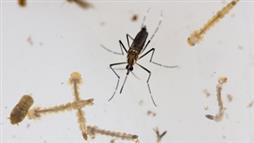
genetically engineered mosquitoes

STORY AT-A-GLANCE

  • The largest release of Oxitec’s GE mosquitoes, dubbed OX513A, occurred in the city of Jacobina in Bahia, Brazil
  • About 450,000 male mosquitoes were released weekly for 27 months in the region in an attempt to reduce numbers of disease-carrying mosquitoes
  • The male Aedes aegypti mosquitoes have been genetically engineered to carry a "genetic kill switch," such that when they mate with wild female mosquitoes, their offspring inherits the lethal gene and supposedly cannot survive or reproduce in the wild
  • When analyzed six, 12 and 27 to 30 months after release, the researchers found “clear evidence” that the GE mosquitoes passed genes to local mosquitoes
  • Depending on the sample tested, anywhere from 10% to 60% of the mosquitoes in the area were found to contain some OX513A genome
  • After an initial decline, the mosquito population rebounded about 18 months after the GE mosquitoes were released


The male Aedes aegypti mosquitoes have been genetically engineered to carry a "genetic kill switch," such that when they mate with wild female mosquitoes, their offspring inherit the lethal gene and cannot survive or reproduce in the wild.
Except, the GE mosquitoes have already been released in Brazil, and researchers monitoring the project have found the GE genes have crossed with wild mosquitoes — despite the company’s assurances that this wouldn’t happen.
In a press release from Yale, senior study author Jeffrey Powell, professor of ecology and evolutionary biology, noted, “The claim was that genes from the release strain would not get into the general population because offspring would die … That obviously was not what happened.”1

GE Mosquitoes Passed Genes to Native Mosquitoes

The largest release of Oxitec’s GE mosquitoes, dubbed OX513A, occurred in the city of Jacobina in Bahia, Brazil. About 450,000 male mosquitoes were released weekly for 27 months in the region in an attempt to reduce numbers of disease-carrying mosquitoes.2 “If lethality is complete, releasing this strain should only reduce population size and not affect the genetics of the target populations,” researchers wrote in Scientific Reports.3
However, this wasn’t the case. The researchers monitored the population of Ae. Aegypti mosquitoes in Jacobina to determine if the release of GE mosquitoes was affecting the genetics of the wild population by transferring genes. The GE mosquitoes contain a fluorescent protein gene, which allows the GE offspring to be detected.
When analyzed six, 12 and 27 to 30 months after release, the researchers found “clear evidence that portions of the transgenic strain genome have been incorporated into the target population.”4 The study explained:5
“Evidently, rare viable hybrid offspring between the release strain and the Jacobina population are sufficiently robust to be able to reproduce in nature. The release strain was developed using a strain originally from Cuba, then outcrossed to a Mexican population.
Thus, Jacobina Ae. aegypti are now a mix of three populations. It is unclear how this may affect disease transmission or affect other efforts to control these dangerous vectors.”
This shouldn’t come entirely as a surprise, since in lab tests up to 4% of OX513A offspring, which were the result of matings between OX513A and wild type mosquitoes, did survive into adulthood.6 However, on their website, Oxitec used to state, “After an Oxitec mosquito has successfully mated with a wild female, any offspring that result will not survive to adulthood … ”7
That page has since been taken down, but the company is still touting the “self-limiting gene” that’s supposed to “disappear from the environment”:8
“Our insects contain a self-limiting gene, and when this gene is passed on to their offspring, offspring do not survive to adulthood, resulting in a reduction in the pest insect population. We call this method “self-limiting” because the released insects and the self-limiting gene that they pass on are designed to die and disappear from the environment.
We release males, because it is the female insects that are directly responsible for spreading disease or producing larvae that damage crops. Our males have one job: to find wild females where they live and mate with them … The self-limiting gene prevents offspring of our released male insect from surviving to adulthood … ”

Mosquito Population Rebounds After Initial Decline

Oxitec has stated that releasing their OX513A mosquitoes may reduce local mosquito populations by 90+%.9,10 It sounds impressive, but the featured study revealed that, after an initial decline, the mosquito population rebounded about 18 months after the GE mosquitoes were released.
Powell suggested the rebound may have occurred because female mosquitoes started to avoid mating with the GE males, a phenomenon that’s also occurred in tests when sterile male mosquitoes were released. What’s more, the “tri-hybrid population” that’s now been created from the Cuba, Mexican and Brazilian lines are “genetically distinct” and may be even heartier than previous mosquitoes:11
“The three populations forming the tri-hybrid population now in Jacobina (Cuba/Mexico/Brazil) are genetically quite distinct, very likely resulting in a more robust population than the pre-release population due to hybrid vigor.”
Depending on the sample tested, anywhere from 10% to 60% of the mosquitoes in the area were found to contain some OX513A genome.12 As for what this may mean for the future, no one knows. Powell stated:13
“ … [I]t is the unanticipated outcome that is concerning … Based largely on laboratory studies, one can predict what the likely outcome of the release of transgenic mosquitoes will be, but genetic studies of the sort we did should be done during and after such releases to determine if something different from the predicted occurred.”

Oxitec Wants to Release GE Mosquitoes in Key West

Oxitec has been trying for years to get approval to release its controversial GE mosquitoes in the U.S., specifically in Key West, Florida. They’re no longer pursuing a plan to release OX513A mosquitoes, but instead have turned their efforts to second generation “Friendly” mosquitoes. These GE mosquitoes carry a self-limiting gene that prevents female offspring from surviving, allowing only males to be produced. Oxitec explained:14
“After releases of Friendly™ males into the field, which find and mate with wild female mosquitoes, reduction of the target population is achieved as the female offspring of these encounters cannot survive.
Male progeny survive, carrying a copy of the self-limiting gene; in turn, these males are able to pass on the self-limiting gene to half of their offspring, of which female carriers of the gene cannot survive.
The self-limiting gene can thereby persist but declines over time, offering potentially multiple but still self-limiting generations of suppression for every Oxitec Friendly™ Aedes aegypti male released.”
The second-generation GE mosquitoes have already been tested in Brazil, with additional field trials planned there in 2019 and 2020. In the U.S., the EPA has accepted Oxitec’s application to bring the GE mosquitoes to Key West, and a 30-day public comment period, which ends October 11, 2019, is underway.
The finding that Oxitec’s OX513A mosquitoes have spread their GE genes to local mosquitoes has opponents concerned. Barry Wray, executive director of the Florida Keys Environmental Coalition, said the coalition intends to try to extend the public comment period and told WUSF News:15
"It's another verification of the unquantified risk associated with these genetically modified mosquitoes … A new version based on the same lethal gene technology represents the same problems, with just a new marketing discussion wrapped around it."
Tinkering with genes often results in unexpected consequences, and the researchers of the featured study suggested that the transfer of genetic information may even introduce other genes, such as insecticide resistance.16
Already, research published in the journal Oecologia has shown that mosquitoes are developing resistance to commonly used agricultural insecticides, but their predators are not, creating the perfect environment for mosquitoes to flourish.17 More caution is warranted in the case of GE mosquitoes, which have now become largely out of control in the environment, notes Christoph Then for Testbiotech:18
“The Oxitec trials have led to a situation that is largely out of control. The company has released its patented insects although it was known before that some insects could survive in the environment. The expectations of their investors was more important than the protection of health and the environment.
There is no insurance and no fast-track mechanism to prevent severe damage in a worst-case scenario. This incident must have consequences for further applications of genetic engineering. Preventing the spread of genetically engineered organisms within natural populations has to become a priority.”

Wolbachia Mosquitoes Released in Miami

In January 2018, lab-bred Aedes aegypti mosquitoes carrying wolbachia bacteria were released in South Miami, Florida. It was the first phase of the Miami-Dade County Mosquito Reduction Test Program, which targeted a one-half square-mile treatment area that received the altered mosquitoes and a corresponding control area within the city.
The project was conducted by the Miami-Dade County Mosquito Control & Habitat Management Division in collaboration with MosquitoMate, Inc., which created the technology. MosquitoMate’s lab-bred male mosquitoes are infected with wolbachia bacteria, which is naturally occurring in up to 60% of insect species, but not in Aedes aegypti mosquitoes.
When the male wolbachia mosquitoes mate with female mosquitoes in the wild (which do not carry the bacteria), the resulting eggs do not hatch, which means the number of Aedes aegypti mosquitoes in the area should ultimately decrease.19
In Miami-Dade County, the MosquitoMate trial was said to result in a 75% reduction in mosquitoes due to egg hatch failure.20 Tests using the so-called “biological mosquito technology” are also underway or completed in the Florida Keys; Clovis, California; St. Augustine, Florida; and Harris County, Texas.21
One of the problems with wolbachia mosquitoes is that the bacteria can spread to local mosquitoes, with unknown consequences, and once the insects are released, there’s no going back.
Further, it’s not a permanent solution but one that must be reapplied, as the mosquito population will rebound, necessitating the release of more MosquitoMate mosquitoes.22 There’s also the potential ramifications to the ecosystem, which can occur whenever any species is removed or drastically reduced.
While mosquitoes are primarily viewed as a nuisance and vector for deadly diseases like malaria, there may be downsides to eradicating them entirely, such as removing a food source for other creatures.

Natural Options for Mosquito Control

More than half the people on Earth live in an area where disease-carrying mosquitoes are present and, every year, mosquitoes cause millions of deaths from diseases like malaria, dengue and yellow fever.23 So, there’s no question that mosquito control is important.
Mosquitoes breed in standing water, including that found in pet bowls, gutters, garbage and recycling bins, spare tires, bird baths and children’s toys. Draining these water sources can help eliminate mosquitoes from your yard.
To avoid getting bitten, wear long sleeves and pants in mosquito-prone areas and use natural insect repellants (not synthetic chemical versions), like cinnamon leaf oilcitronella essential oil or catnip oil, as necessary.

Thursday, 15 February 2018

Lab-Made Mosquitoes Released in Miami


February 13, 2018 

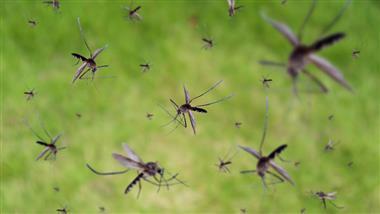
lab made mosquitoes

Story at-a-glance

  • In January 2018, lab-bred Aedes aegypti mosquitoes carrying wolbachia bacteria were released in South Miami, Florida
  • It was the first phase of the Miami-Dade County Mosquito Reduction Test Program, which will release more wolbachia mosquitoes each week for several months — 666 million in all
  • If preventing Zika was their aim, government officials missed the boat on this one; although Miami-Dade County was previously designated as a Zika cautionary area, that designation was removed June 2, 2017
  • No Zika virus disease cases have been reported with illness onset in 2018 in the U.S., while in 2017 there were only four cases of Zika virus reported that were presumably acquired via local mosquitoes (two in Florida and two in Texas)
  • There is a major push to combat mosquito-borne diseases in the continental U.S. with the use of lab-made and GE mosquitoes, even though in the U.S. mosquito-borne illnesses are not a grave threat, especially compared to other major public health crises like the opioid epidemic
By Dr. Mercola
In January 2018, lab-bred Aedes aegypti mosquitoes carrying wolbachia bacteria were released in South Miami, Florida. It was the first phase of the Miami-Dade County Mosquito Reduction Test Program, which targeted a one-half square-mile treatment area that received the altered mosquitoes and a corresponding control area within the city.
After initial monitoring, more wolbachia mosquitoes will be released into South Miami each week for several months1 — 666 million in all2 — with the ultimate goal of reducing mosquito populations and their potential for disease transmission.
The project is being conducted by the Miami-Dade County Mosquito Control & Habitat Management Division in collaboration with MosquitoMate, Inc., which created the technology. They’ve already been tested in Key West, Florida, (although due to Hurricane Irma, results of the tests are still pending),3 Kentucky, California and New York. Interest in releasing lab-made mosquitoes has peaked in recent years in response to the Zika virus scare, which has since petered out in the U.S.
If preventing Zika was their aim, government officials missed the boat on this one. Although Miami-Dade County was previously designated as a Zika cautionary area, that designation was removed June 2, 2017.4 No Zika virus disease cases have been reported with illness onset in 2018 in the U.S., according to the U.S. Centers for Disease Control and Prevention (CDC), while in 2017 there were only four cases of Zika virus reported that were presumably acquired via local mosquitoes (two in Florida and two in Texas).5
If Zika virus isn’t even circulating in the area, it’s unclear how the government plans to measure the “success” of their mosquito release in order to definitively say whether or not it’s helping anything. It’s curious timing, to say the least, unless there are some unknown beneficiaries behind the scenes.
Interestingly, the Daily Mail reported, “MosquitoMate also collaborated with Verily Life Sciences, an offshoot of Google’s parent company Alphabet Inc., and Fresno County’s Consolidated Mosquito Abatement District, this past summer to release the bacteria-infected mosquitoes in Fresno, California.”6

What Are Lab-Made Wolbachia Mosquitoes?

MosquitoMate’s lab-bred male mosquitoes are infected with wolbachia bacteria, which is naturally occurring in up to 60 percent of insect species, but not in Aedes aegypti mosquitoes. When the male wolbachia mosquitoes mate with female mosquitoes in the wild (which do not carry the bacteria), the resulting eggs do not hatch, which means the number of Aedes aegypti mosquitoes in the area should ultimately decrease.7
Male mosquitoes don't bite humans, but rather feed off flower nectar. Female mosquitoes are the ones that require meals of blood in order to develop and lay eggs. Their bites are at best an itchy nuisance and, at worst, can transmit serious diseases like malaria, yellow fever, dengue, encephalitis, chikungunya and West Nile virus. This is why MosquitoMate only releases male mosquitoes.
That said, in the case of the wolbachia mosquitoes, once they’re released (and they already have been), there’s no stopping them from mingling with wild mosquitoes. While this may help to reduce the spread of certain viruses (although this remains to be seen), it may also have other unintended, as yet unknown consequences.
Mosquitoes infected with wolbachia were also released in Brazil and Colombia in 2017 as part of The Eliminate Dengue research program, an $18 million project funded in part by the Bill and Melinda Gates Foundation.
The altered mosquitoes were tested in open trials in dengue-affected communities since 2011, but not to the level as the 2017 tests, which released the insects in large, heavily populated urban areas. It took decades for researchers just to figure out how to introduce wolbachia into Aedes mosquito eggs, but once they did they started experimenting with releasing them into the wild.
Field tests suggest the bacteria spread to the vast majority of local mosquitoes, and as Eliminate Dengue said, is a “self-sustaining” system8 — which is both the point and the problem.

There’s No Failsafe With Wolbachia Bugs

In some cases, experimental GE mosquitoes have been genetically engineered to die in the absence of the antibiotic tetracycline (which is introduced in the lab in order to keep them alive long enough to breed). They were designed this way assuming they would not have access to that drug in the wild, a failsafe (though not a perfect one, especially since antibiotics are now showing up in waterways) to ensure that the GE insects could theoretically be removed from the environment if necessary.
This isn’t the case with wolbachia mosquitoes; now that they’re released, there’s no going back. While MosquitoMate’s wolbachia mosquito program involves only male insects, other programs exist that are releasing both females and males with the bacteria.
The World Mosquito Program is among them, which notes a potential problem with the male-only route: “This technique requires the release of a large number of male mosquitoes to reduce the overall mosquito population. As with insecticides, this technique would need to be reapplied over time as the population of mosquitoes gradually returns.”9
There’s also the potential ramifications to the ecosystem, which can occur whenever any species is removed or drastically reduced. While mosquitoes are primarily viewed as a nuisance and vector for deadly diseases like malaria, there may be “undesirable side effects” of eradicating them entirely, according to Florida University entomologist Phil Lounibos, Ph.D. BBC News reported:
“ … [Lounibos] says mosquitoes, which mostly feed on plant nectar, are important pollinators. They are also a food source for birds and bats while their young — as larvae — are consumed by fish and frogs. This could have an effect further up and down the food chain … He warns that mosquitoes could be replaced by an insect ‘equally, or more, undesirable from a public health viewpoint.’ Its replacement could even conceivably spread diseases further and faster than mosquitoes today.”
The World Mosquito Program operates under the premise that mosquitoes with wolbachiaare less able to transmit diseases to people. By releasing both male and female mosquitoes with wolbachia, the idea is to establish the bacteria in the entire mosquito population, which they say can occur over a small number of generations.
While male mosquitoes with wolbachia and female mosquitoes without it cannot successfully reproduce, male wolbachia mosquitoes that mate with female wolbachia mosquitoes produce offspring that also contain the bacteria. In addition, when female wolbachia mosquitoes mate with males without it, the offspring will still have wolbachia. According to the program:10
[T]he World Mosquito Program's Wolbachia method is unique because it is self-sustaining and does not need to be continually reapplied, making it an affordable, self-sustaining, long-term solution.
Our method reduces the ability of mosquitoes to transmit dengue, Zika and chikungunya on to people, without suppressing mosquito populations and potentially affecting ecosystems. We are currently adapting our approach for use in large, urban environments and targeting a cost of US$1 per person.”

GE Mosquitoes Also on the Horizon

Biotech company Oxitec has also created and is seeking to release genetically engineered (GE) mosquitoes in the U.S. to fight Zika. The mosquitoes have been genetically engineered to carry a "genetic kill switch," such that when they mate with wild female mosquitoes, their offspring inherit the lethal gene and cannot survive. To achieve this feat, Oxitec has inserted protein fragments from the herpes virus, E. coli bacteria, coral and cabbage looper moth into the insects.
The GE mosquitoes have proven lethal to native mosquito populations in tests in the Cayman Islands and Brazil, but as pointed out by Dr. Peter Hotez, dean of the National School of Tropical Medicine at Baylor College of Medicine in Houston to USA Today, the GE mosquitoes have not been shown to reduce rates of diseases such as Zika (nor, as mentioned, is Zika virus widespread in the U.S.).11The GE mosquitoes may also prove to be too expensive for areas that are plagued with mosquito-borne diseases.
In addition, the potential exists for these foreign genes, which hop from one place to another, to infect human blood by finding entry through skin lesions or inhaled dust. Such transmission could potentially alter the human genome by creating "insertion mutations" and other unpredictable types of DNA damage.12
The U.S. Food and Drug Administration (FDA), which was previously reviewing the GE mosquitoes, initially stated that GE mosquitoes will not have a significant impact on the environment, but was reportedly interested in how the “genetic kill switch” would behave in the wild and whether it could humans or other animals.13
In October 2017, the FDA then transferred the power for regulatory approval over to the EPA, after apparently categorizing the GE mosquitoes as pesticides rather than drugs to prevent disease.14 The GE mosquitoes haven’t been released in the U.S. — yet. Although the FDA had approved their release in the Florida Keys as part of a 22-month trial, this is currently on hold, pending notice from the EPA. The switch could pave the way for their eventual release, however. Wired reported:15
“The switch from FDA to EPA oversight means an end to Oxitec’s endless waiting. That’s because the EPA is required by federal law to review new pesticides ‘as expeditiously as possible,’ which the statute defines as within 12 months after the submission of an application … [Derric Nimmo, an Oxitec scientist who leads the company’s work in the US] hopes to get permission to go ahead with releases in the next six months, just in time for … [the 2018] mosquito season.”

How Big of a Problem Are Mosquito-Borne Diseases in the US?

There is a major push to combat mosquito-borne diseases in the continental U.S. with the use of lab-made and GE mosquitoes. While it’s clear that some areas worldwide are in the midst of epidemic levels of mosquito-borne disease, such as malaria, with 91 countries experiencing ongoing transmission,16 is this the case in the U.S.? Quite the contrary. According to the CDC:
  • Dengue: “Dengue rarely occurs in the continental United States.”17
  • Chikungunya: In 2016 and 2017, “No locally-transmitted cases have been reported from U.S. states.”18
  • Eastern equine encephalitis virus (EEEV): EEEV “is a rare illness in humans, and only a few cases are reported in the United States each year.”19
  • Zika virus: Only four cases of (presumably) locally acquired cases were reported in 2017.20
This isn’t to say that health threats from mosquitoes shouldn’t be taken seriously; they’re often described as the "world's deadliest animal” for a reason. However, in the U.S. mosquito-borne illnesses are not a grave threat, especially compared to other major public health crises like the opioid epidemic. Further, even if they were, there may be better methods to combat them than releasing questionable lab-made or GE mosquitoes.
It’s important to remember that malaria once occurred in the U.S. but was eliminated without the use of mosquito “pesticides.” How? Karl Tupper of Pesticide Action Network (PAN) North America said in a press release:21
"It was improved sanitation, environmental management and access to health care that beat malaria in the U.S. … Rising standards of living were also key — bringing things like screened windows to rural areas in the southern states of the U.S. where the malaria problem was the worst."
For now, it makes sense to avoid the past panic over mosquitoes, as was seen with the Zika fraud and, instead of releasing altered mosquitoes into the environment — with largely unknown consequences — take sensible measures to avoid getting bitten. Wear long sleeves and pants if you know you’ll be outdoors in a mosquito-prone area and use natural insect repellants (not synthetic chemical versions), like cinnamon leaf oilcitronella essential oil or catnip oil, if necessary.
If mosquitoes are bothering you in your backyard, a house fan can keep them away while you’re outdoors, as can the strategic planting of marigolds, which mosquitoes tend to stay away from.
Draining standing water, including pet bowls, gutters, garbage and recycling bins, spare tires, bird baths, children’s toys and anything else where even small amounts of water can pool, is also important to encourage mosquitoes to live elsewhere. This is where mosquitoes breed, so if you eliminate standing water you’ll eliminate many mosquitoes. Finally, try installing a bat house, as mosquitoes are one of their favorite meals.
https://articles.mercola.com/sites/articles/archive/2018/02/13/lab-made-mosquitoes-released-in-miami.aspx

Wednesday, 18 October 2017

Genetically modified food safe?

FARMERS have been modifying crops for millennia. They introduce new and desirable qualities to improve the food's taste, colour or smell; and eliminate unfavourable traits. All this has been done through conventional breeding – using selective breeding or artificial cross breeding of plants within a species.
Posted on 13 June 2017 - 08:07am
Last updated on 17 June 2017 - 01:17pm
Now there is modern biotechnology. It inserts new traits into plants and animals by "cutting" a specific gene from an organism (say a plant or animal) and "pasting" it onto another organism. Things that never happen in nature. For example, a particular fish gene can be introduced into a tomato to preserve its shelf life.
Loads of food crops have been thus modified. A common soil bacteria that produces toxins has been introduced into plants to make them resistant to insects or herbicide tolerant.
A large part of some crops produced in the US (and shipped overseas) are thus modified – soy, sugar beet, canola and corn (88%). Other crops include papaya, tomato and sweet potato. This makes it much easier to spray them with Monsanto's weed killer, glyphosate. There is a raging controversy over a probable causal link between exposure to glyphosate and cancer.
Consumers are concerned about adverse health impacts of eating these genetically modified (GM) foods, despite the producers' assurance that they are as safe to eat as non-GM food. Some big food retailers in the UK – like Sainsbury and Safeway – have pledged that none of their house brand products contain GM ingredients.
Last month, the European Parliament passed a resolution opposing plans to authorise imports of products made from GM herbicide-resistant maize and cotton. And it called for an overhaul of the EU's authorisation procedure for these genetically modified organisms (GMOs).
The position in Malaysia
Malaysia has approved GM soybeans and corn for human consumption. Lecithin (from soya) is used in a very large number of products that we consume – such as ice cream.
Malaysia imports GMOs, mainly from the US. Almost all of the feed for animals in Malaysia is genetically modified.
We are also experimenting to create GM crops – such as rice, papaya, bananas, pineapples and chillies; to resist virus infection, prolong shelf life, and delay ripening. We are also developing genetically-engineered oil palm to increase its beneficial oil content and create nutraceuticals (vitamin A and E); not quite into commercialising it for export yet, as European consumers oppose GM products.
Protection
We have enacted the Biosafety Act 2009 – to protect the environment and consumers from the health risks of GMOs and their products. Now any GMO intended for cultivation, contained use, field trials or consumption must be approved by the National Biosafety Board – assisted by an advisory committee. A large number of products have been approved.
In 2010, GM mosquitoes were released for field trials by the Institute of Medical Research to control dengue. The expectation was that the offspring of the GM mosquito would die before reaching adulthood. The plan was shelved shortly after – because, reportedly, its implementation was not cost effective.
Improvements
There remain several areas for biosafety improvement as highlighted in a recent Ministry of Natural Resources and Environment seminar.
First, GM products should be labelled – as mandated by the Act. So that consumers have the right to choose what they eat.
Second, the advisory committee – though doing a commendable best-effort work – must be beefed up with full-time professionals. Presently, they work part-time, in addition to their present heavy work-load. Besides the committee mainly assesses materials submitted by the industry. There is no independent verification or evaluation – as done by countries such as India.
Third, the committee should include civil society representatives to provide consumer perspectives.
Fourth, our laws on feed for animals must require disclosure of the possible GMO content of any imported GM feed – as required under the UN Cartagena Protocol.
Finally, we should explore non-GMO options before embarking on, what turned out in the case of the GM mosquitoes, to be a costly and wasteful project.
Industry measures
Commendably, the Federation of Malaysian Manufacturers has formulated best-practices to prevent non-GMO food crops from GMO contamination; from the selection of the seed for planting until the final crop reaches the consumer.
The measures include: ensuring that pure seeds are used for planting; the sowing machinery is free from any contamination and not co-mingled with GM seeds; maintaining an adequate distance and buffer zone from fields planted with GM crops – to avoid wind and insect-borne cross pollination contamination; cleaning thoroughly harvesting equipment; sealing harvested crops to reduce the risk of contamination as the products are transported through a number of operators in the supply chain; inspecting and cleaning the elevators (used to load the grains for storage); making sure the mills used are cleaned; and avoiding contamination at the processing stage of food and feed through careful monitoring by trained staff buttressed by an efficient raw material analysis.
These, however, are voluntary non-binding, industry guidelines. There is no official regulatory oversight for their enforcement.
Unfortunately, as a National Biosafety Board study showed, most Malaysians (88%) are not aware of GMOs, their potential impact and our biosafety regulations.
It is time then to address all these shortcomings. To ensure that our food chain is not contaminated; and our environment not adversely affected.

Wednesday, 16 December 2015

Genetically Engineered Mosquitoes and Moths Ready to Spread Like Wildfire

The latest science project, courtesy of researchers from the University of California, is mosquitoes genetically engineered to stop the spread of malaria. In theory, the idea sounds promising, at least on the surface.

December 08, 2015 

ge mosquito

Story at-a-glance

  • Scientists have created genetically engineered (GE) mosquitoes that are resistant to the parasite that causes malaria
  • The researchers believe this could theoretically stop mosquitoes from transmitting malaria to humans and ultimately eliminate malaria
  • Some experts believe we’re only 10 to 15 years away from releasing these GE mosquitoes into the environment, with unknown consequences
By Dr. Mercola
While countries around the globe are still mulling the risks – and experiencing the environmental backlash – of genetically engineered (GE) plants, biotech companies are moving on to the next targets – insects.
The latest science project, courtesy of researchers from the University of California, is mosquitoes genetically engineered to stop the spread of malaria. In theory, the idea sounds promising, at least on the surface.

‘We Could Unleash Monsters’

The researchers injected Anopheles stephensi mosquitoes with a new DNA code that makes them resistant to the parasite that causes malaria. Further, a controversial “gene drive” technique was used that allows the “frankenbugs” to pass their resistant genes onto their offspring.
In a recent study, 99.5 percent of the GE mosquitoes’ offspring carried the malaria-blocking genes.1 If the mutant mosquitoes are released into the wild, thereby mating with wild populations, their GE DNA would pass freely onto their offspring.
The researchers believe this could theoretically stop mosquitoes from transmitting malaria to humans and ultimately eliminate malaria.
Some experts believe we’re only 10 to 15 years away from releasing these GE mosquitoes into the environment, where their GE DNA “could spread through a wild population like wildfire.”2
But at what expense? While the notion of wiping out malaria – a disease that kills nearly half a million people every year3 – is intriguing, no one knows the consequences of releasing GE DNA into the wild. As The Washington Post put it:4
What’s scarier? Tinkering with mosquito DNA, or malaria? … Without proper caution, some scientists warn, gene drives could deliver ecological disaster. Without the right consideration, we could unleash monsters.”

Once ‘Gene Drive’ Technology Is Released, There’s No Going Back

“Gene drive” technology, which has been around for about a decade, allows scientists to not only insert specific gene mutations into DNA but also to ensure those modified genes get passed onto offspring.
The technology leads to biased inheritance of the GE genes such that they may extend to entire populations.
It’s this latter scenario that makes them so controversial, especially since the technological advances have far outpaced the necessary regulatory and policy discussions needed before the technique is used to engineer wild populations. As reported by The Washington Post:
“Malaria is only the beginning. Geneticists have suggested other types of gene drives that could be implemented to solve the world’s problems.
If we can design mosquitoes, we could eliminate invasive pests like the python in Florida, strengthen species threatened by global warming, and improve world hunger by growing more abundant crops.
But the daydreaming is stunted by fears of unintended consequences and a disdain for ‘unnatural’ human intervention. What happens if newly introduced genes end up having unexpected long-term effects on a species? Or on other species that it might cross-breed with?
What are the chances of an unexpected mutation? … Fears of the unnatural will certainly persist, but gene drive will change the conversation completely.
That’s because there’s no ‘opt-out’ feature in gene drive technology. People may have objections to genetically modified foods, but they don’t have to eat it.”
In the case of GE mosquitoes released into the wild, people living in those areas have no choice about exposure – and neither do the other species they interact with. What happens, for instance, if a bat eats a GE mosquito?
And what happens if one of the GE mosquitoes bites you? Will their GE DNA be injected into your arm or leg? These are questions that currently have no answers.

FDA Considering the Release of GE Mosquitoes in Florida

Mosquitoes engineered to resist malaria are not the only GE mosquitoes that may one day be coming to your neighborhood.
Biotech company Oxitec and the Florida Keys Mosquito Control District (FKMCD) have a plan to introduce GE mosquitoes to the area in an attempt to stop the spread of chikungunya and dengue, tropical diseases spread by Aedes mosquitoes.
Ironically, FKMCD stated flat out: “Dengue fever and chikungunya are currently not an active health threat in the Florida Keys.”5 Yet, they’re apparently willing to risk the unknown consequences of releasing a GE species into the wild anyway.
The plan is currently being reviewed by the U.S. Food and Drug Administration (FDA). If it is approved, GM male mosquitoes would be released into the Florida Keys up to three times a week. For now, the FDA said it does not have a timeline for when their review will be complete.6
Unfortunately, they have a history of throwing the precautionary principle to the wind, such as their recent approval of fast-growing GE salmon, the first GE animal in the U.S. So it’s very possible they could next approve the release of GE mosquitoes.

Glaring Concerns Surround GE Mosquitoes

The Oxitec mosquitoes are unlike any that exist in nature. They’ve been genetically altered to carry a “genetic kill switch,” such that when they mate with wild female mosquitoes, their offspring inherits the lethal gene and cannot survive.7
To achieve this feat, Oxitec has inserted protein fragments from the herpes virus, E. coli bacteria, coral, and cabbage into the insects, dubbed OX513A. The GE mosquitoes have proven lethal to native mosquito populations.
In the Cayman Islands, for instance, 96 percent of native mosquitoes were suppressed after more than three million GE mosquitoes were released in the area, with similar results reported in Brazil.8
But as we’ve seen in the past with genetically modified organisms (GMOs), when you tinker with nature, it often comes back to bite you. There are several glaring problems with assuming these GM bugs are safe for the human population.9 For starters:
  1. The potential exists for these genes, which hop from one place to another, to infect human blood by finding entry through skin lesions or inhaled dust.
  2. Such transmission could potentially wreak havoc with the human genome by creating "insertion mutations" and other unpredictable types of DNA damage.10
  3. According to Alfred Handler, a geneticist at the Agriculture Department in Hawaii, mosquitoes can develop resistance to the lethal gene and might then be released inadvertently.
  4. Todd Shelly, an entomologist for the Agriculture Department in Hawaii, said 3.5 percent of the insects in a laboratory test survived to adulthood, despite presumably carrying the lethal gene.11
  5. Tetracycline and other antibiotics are now showing up in the environment, in soil and surface water samples. These GM mosquitoes were designed to die in the absence of tetracycline (which is introduced in the lab in order to keep them alive long enough to breed).
  6. They were designed this way assuming they would NOT have access to that drug in the wild. With tetracycline exposure (for example, in a lake) these mutant insects could actually thrive in the wild, potentially creating a nightmarish scenario.

Oxitec’s GE Moth Is Being Field Tested in New York

Oxitec didn’t stop with GE mosquitoes. They’re also currently field testing a GE version of the diamondback moth, a known agricultural pest, especially for crops like cabbage, broccoli, and cauliflower. To date, pesticides are the go-to “solution” to control diamondback moths, which cause an estimated $4 billion to $5 billion in crop damage in the U.S. each year.12
However the moths, which were the first crop pest to become resistant to DDT, are quickly becoming resistant to chemical pesticides, leaving researchers looking for other avenues of control. The Oxitec moth is similar to their GE mosquitoes in that the females are engineered to die before reaching adulthood. This means eventually the species dies out because it can no longer reproduce.
The GE moths have already been laboratory tested in the UK and “caged” field trials took place the summer of 2015 in New York. During those trials, the moths were released outdoors in a contained area. Further trials are planned for spring 2016 with open field trials potentially coming in the summer. This would be the first experimental release of GE insects on U.S. soil.
Many have opposed the field trials, including GeneWatch UK, the Center for Food Safety, Friends of the Earth, Food and Water Watch, and the Northeast Organic Farming Association of New York (NOFA-NY), according to The Washington Post.13 They reported:14
“We’re worried about what the effects of these trials outside of the cages [will be],’ said Liana Hoodes, policy adviser at the Northeast Farming Association of New York (NOFA-NY), citing concerns that the GE moths could spread beyond their trial sites and begin appearing on private growers’ farms.
Hoodes said NOFA-NY would like to see an impact analysis on the possible effects of GE moths on non-target species — that is, organisms besides diamondback moths — in case they happen to be eaten by birds or other animals or even accidentally consumed by humans.”

GE Fruit Flies Are Being Tested in Australia

Along with GE mosquitoes and moths, Oxitec has created GE fruit flies, which also contain genes that prevent females from reaching adulthood, preventing the species from reproducing. In Australia, the Mediterranean fruit fly, or medfly, is one of the most common pest species. The Department of Agriculture and Food in Western Australia plans to conduct an indoor trial assessment on the use of GE fruit flies for pest control in the country.
Neil Morrison, lead researcher for agricultural pest control at Oxitec, told Reuters that the GE insects could pave the way for pest control methods that are non-toxic and pesticide-free,15 but what it really amounts to is a massive experiment that, once started, cannot likely be undone. When releasing insects with a “self-limiting gene” into the environment, for instance, the species’ population could significantly decline or even become extinct.
Initiating a significant population crash is precisely the point of this type of GE technology, but even though it’s being used among species considered “pests,” there could be significant ramifications of toying with the future of an entire species. As noted by The Washington Post:
For many, the idea of playing with the chemical identity of living beings, even non-human, poses ethical concerns: Are scientists playing God or risking the creation of a Frankenstein?”

GE Insects Have Already Been Released

In 2009, Oxitec released their GE bugs onto Grand Cayman Island in the Caribbean. The experiment will go down in scientific history as the first release of GM insects that could bite humans. Not surprisingly, it was conducted in secret.Once the locals got wind of this, they responded with a fair amount of public outrage — and rightly so! But it didn't stop there. Oxitec subsequently released their frankenskeeters in Malaysia, Brazil, Panama, India, Singapore, Thailand, and Vietnam.
Oxitec is also the creator of GE pink bollworm moths, and swarms of this creature have already been unleashed over the fields of Arizona in an effort to overtake natural bollworm populations, another pest.
At present, the use of GM insects is in its infancy. Not only are there no precedents from which to draw potential ecological consequences, but also proper risk assessments have not been done – and quite possibly might be impossible to conduct, considering the many unknown aspects of tinkering with DNA and allowing it to mingle with other species.
In a study published in Ecology and Evolution, researchers attempted to identify potential ecological effects of GM insects, and revealed many along with important knowledge gaps. They wrote:16
The effects may occur in two phases: a transitory phase when the focal population changes in density, and a steady state phase when it reaches a new, constant density … Our methodology reveals many potential effects in each phase, perhaps most notably those dealing with immunity in the transitory phase, and with pathogen and vector evolution in the steady state phase. Importantly, this framework identifies knowledge gaps in mosquito ecology.
… For instance, in evaluating GE mosquitoes, the knowledge gaps in mosquito ecology are striking … particularly with respect to mosquito effects on consumer and resource species. Data and theory on ecological hysteresis in insect communities are also lacking, which makes it difficult to assess whether any changes are irreversible.”

Voice Your Support to Keep GE Mosquitoes Out of the Florida Keys

We’re already seeing the unintended consequences of GM crops popping up. “Super weeds” and increasingly resistant pests are rapidly spreading and wreaking havoc across American farmland, while the human health concerns keep mounting. When scientists take genetic modification even further, tinkering with genes in insects and animals, the consequences may be even steeper.
When a Purdue University computer model tracked the effects of releasing just 60 “Frankenfish” (GE salmon) into a population of 60,000, there was a complete extinction of the normal fish in just 40 fish generations. A Change.org petition is calling for the FDA to reject the release of GM mosquitoes in the Florida Keys. You can sign the petition now to voice your support.

http://articles.mercola.com/sites/articles/archive/2015/12/08/genetically-engineered-mosquitoes-moths.aspx

This post is on Healthwise


Other articles on this blog: