Pages

Showing posts with label Cancer - Throat. Show all posts

Monday, 1 September 2014

'Give up dairy to beat cancer':

Healthwise

  • Leading scientist given just months to live changes her diet and is still alive nearly 20 years later
  • Professor Jane Plant was first diagnosed with breast cancer in 1987
  • She believes the disease is inextricably linked to animal products
  • In 1993, after discovering her cancer had returned, she was warned by doctors she had just months to live
  • She and her husband Peter, also a scientist, drew on their experiences of working in China, noting the low rate of breast cancer in Chinese women
  • They researched studies showing Chinese women who move to Western countries increase their risk of breast cancer
  • The now 69-year-old decided to follow a strict non-dairy diet
  • In six weeks her tumour had gone and within one year she was in remission
  • She has documented her experience and research in a new book Beat Cancer: The 10-step plan to help you overcome and prevent cancer


A scientist and cancer patient who cut dairy products from her diet nearly 20 years ago claims doing so has helped her beat the disease.

Jane Plant, who was first diagnosed with breast cancer in 1987, said she believes the disease is inextricably linked to animal products.

In 1993 when Professor Plant, now 69, was struck down by breast cancer for a fifth time, doctors warned she had just months to live.

The secondary tumour, this time a lump the size of half a boiled egg, was growing on her neck.

Writing on her website, Professor Plant said: 'I was first diagnosed with breast cancer when I was 42. 

'I thought I'd beaten it, but five years later it returned with a vengeance. 

'I carried on fighting, but when it recurred for the fifth time I asked my doctor to end my life for me there and then — I didn't see how I could go on battling a disease that seemed hell-bent on finishing me off.

'But as I wept I heard my little boy, then just six years old, crying out for me in another room. I knew then I could never again allow myself to feel as though it was an option to leave him.

'Five weeks later, when I was told that I had, at the very most, two months to live, I wasn't upset, angry or frightened — I'd already hit rock bottom a few weeks earlier. I was on the way back up now and had already begun to search my own scientific mind for a way out of this mess. 

'I was gripped with a great sense of urgency that I had to find an answer quickly if I was to stand any chance of surviving.

'Despite the awfulness of my situation, my scientific knowledge and experience clicked in to save my life.'

Drawing on her experiences of working in China, she was aware that Chinese women had historically shown very low rates of breast cancer.

'My husband Peter and I had both worked in China on environmental problems in the past,' she said.


'I suddenly remembered that a wonderful epidemiological atlas presented to me by my Chinese colleagues showed a background rate of breast cancer of one in 100,000 women, compared to a rate of one in 10 in much of the West at that time.

'I had checked that the information was correct with senior academics I knew well in China and also with some Chinese doctors who told me that they had hardly seen a case of breast cancer in their careers.'

Yet for those Chinese women who moved to live in the U.S., UK or Australia and who lived on western diets, the rates were more in line with western rates.

Professor Plant said she asked her husband, Mr Simpson, the question she credits with saving her life, "Why don't Chinese women in China get breast cancer?"'

The mother-of-two, added: 'I knew that Chinese women living on western diets, for example in Singapore or in Chinatown in Britain, did have breast cancer.


'I dedicded I had nothing to lose by giving up the two low fat organic yoghurts I was eating a day'
- Professor Jane Plant
'Peter and I brainstormed the subject for just a few minutes and decided that it must be diet related. We then remembered two incidents.

'Peter remembered when his Chinese colleagues had produced powdered cow's milk on a field expedition for him because they did not drink it themselves, in fact at that time in the early 80's they did not even have a dairy industry.'

The revelation inspired her to switch to a dairy-free, Asian-style diet.

'I decided I had nothing to lose by giving up the two low fat organic yoghurts I was eating a day each day,' she added.

She also cut out most animal protein such as meat, fish and eggs and banished all milk products.

Within six weeks - during which time she was undergoing more conventional treatment, including chemotherapy - the lump on her neck disappeared.

Within a year, she was in remission and lived cancer free for the next 19 years.

Professor Jane Plant with her first husband Ian Plant
Professor Jane Plant was first diagnosed with breast cancer in 1987
Prof Plant, pictured left with her first husband Ian Plant when she was 21 and right, more recently, was first diagnosed with breast cancer in 1987

In her new book Beat Cancer, Prof Plant gives a 10-step plan to ridding your diet of milk, cheese and yoghurts, to help beat cancer


THE SCIENCE BEHIND PROFESSOR PLANT'S THEORY


Professor Plant believes while going dairy-free helped her breast cancer, it could prove beneficial for those patients diagnosed with colorectal, lymphoma and throat cancer.

'We have all been brought up with the idea that milk is good for you,' Prof Plant told the Telegraph. 

'But there is evidence now that the growth factors and hormones it contains are not just risky for breast cancer, but also other hormone-related cancers, of the prostate, testicles and ovary.

'Cows’ milk is good for calves – but not for us.'

Her book, Beat Cancer, explores the science of epigenetics, how genes 'behave' and are regulated, including how they are influenced by the environment.

Scientists understand cancer-causing genes may not become active until particular conditions arise in the body, to effectively switch them on. Equally, the science suggests those that can be switched on, can also be switched off.

Therefore this means that what a person eats can have a genetic impact.

Scientists believe cancer cells are hypersensitive to chemical messenger proteins called growth factors, as well as hormones, including oestrogen.

Growth factors are produced by the body, and perform vital tasks such as making cells grow.

The risk of cancer comes when we have abnormally high levels of growth factors in the blood, circulating the body.

Professor Plant and her co-author, Professor Mustafa Djamgoz, state the same growth factors and hormones responsible for the growth of cancer cells, are found in food that comes from animals.

They say certain foods provide the 'fertiliser' cancer cells need to grow, with the main protein in cows' milk being considered the most dangerous.

A leading U.S. nutritional scientist, Professor Colin Campbell at Cornell University, has aruged that cows' milk should be regarded in the same category as oestrogen, as a leading carcinogen.

Professor Plant told the Telegraph: 'Cow's milk has been shown to contain 35 different hormones and 11 growth factors.'

For those patients already diagnosed with cancer or those shown to be at high risk of developing the disease, she advocates, among other things, cutting out all dairy – from cows, sheep and goats, and whether organic or not. 


Her new book, Beat Cancer, draws on a study more than 30 years ago that claims more than a third of all cancers might be attributable to dietary factors.

Professor Plant advises eating more plant foods and less red meat, sugar, salt and fat.
She also urges people fighting the disease to take regular exercise and reduce their stress levels.

The book advises people to opt for organic foods. But the more radical suggestions are that by totally excluding diary products, cheese, milk, butter and yoghurt, you can successfully halt the disease 'in its tracks', by preventing the cancer cells of the conditions they need to grow and spread.

The authors of Beat Cancer explore a 10-step plan they claim will help people overcome and prevent cancer
She originally published her story in her international bestseller Your Life In Your Hands, which was credited with helping thousands of cancer patients.

But three years ago, the demands and pressures of writing another academic book caused her diet to slip.

She said she let herself believe the odd egg sandwich from the college canteen would 'do no harm, even it it contained butter or spread'.

'And what about my check-ups?' she added. 'Unfortunately I had stopped attending these about 10 years ago. 

'At the time I told myself it made me too anxious and after all I had found all my cancers myself. 

'Unfortunately I had also stopped checking myself.'

She said when her husband pointed out a large lump beneath her collar bone, she persuaded herself it was just scar tissue.

'It was not until I was admitted to hospital as an emergency - unable to breathe - that I took any action to help myself.

'Scans carried out at the time showed that the lump beneath my collar bone, was cancer.
'It had also spread to the lining of my right lung, which also had several small metastases in it.

'Later I checked back on what I had been eating. I found that even the falafel from the canteen contained milk powder and I had been eating calves' liver cooked in butter about three times a month at a local restaurant where I entertained visitors. 

'Now I once again check labels carefully and make sure I ask about ingredients whenever I eat out.'

'I went straight back to my oncologist - who prescribed a small daily dose of the oestrogen-suppressor drug letrozole, which I continue to take,' she added.

'Importantly, I went back on my Plant Programme 1 diet, began regular meditation again and ensured that I started walking regularly as I used to do before my workload became too intense.

'Of course overcoming my cancer was not as simple as just giving up dairy. In fact there are 10 dietary factors and 10 lifestyle factors that are important in preventing and treating cancer. This applies not only to breast and prostate cancer but all cancers. 

BEAT CANCER - HOW TRANSFORMING YOUR DIET COULD FIGHT THE DISEASE


CUT OUT...
Milk, including skimmed and semi-skimmed
Hard cheese
Soft or cottage cheese
Yoghurt
Creme fraiche, fromage frais, cream
Butter and veggie margarines
Dairy ice cream
Milk chocolate 
Refined and processed oils prepared using high temperate and/or pressure
Refined (especially white) bread, flour, pasta and rice
Any foods containing preservatives, colourings and artificial flavourings 

LIMIT...
Fresh meat
Fish or shelfish
Eggs 
Salt (use sea salt), monosodium glutamate, sodium sulphite and baking soda
Coffee

REPLACE WITH...
Almond, soya, coconut, oat or rice milk
Tofu or bean curd 
Hummus
Soya or coconut yoghurt
Coconut or soya cream
Soya spread, hummus or peanut or nut butters
Soya or coconut ice cream
Dark chocolate
Extra virgin olive oil or coconut oil for cooking or sunflower or sesame oil for salad dressings
Unrefined wholegrain breads, flours, pasta and rice
Make your own fresh food and juices using fresh fruit and vegetables

EAT LOTS OF...
Unrefined carbs - noodles, pasta rice, bread
Broad beans, cannellini and butter beans
Nuts such as cashew, pistachio and walnuts
Herbs and spices, such as basil, parsley, cinnamon and tumeric
Balsamic, cider, white or red wine vinegar
Fruit - choose fresh, frozen or bottled
Homemade juices
Tap water and herb teas

Prof Plant was first diagnosed with breast cancer in 1987 and believes the disease is inextricably linked with animal products. Picture shows breast cancer cells dividing

'Fortunately my cancer was fully in remission again in less than six months, but it was a frightening time.'

In her latest book, Professor Plant, a professor of geochemistry at Imperial College London, advises people of the importance of diet when fighting cancer.

Co-written with Mustafa Djamgoz, professor of cancer biology at Imperial, the book is hailed in its foreward, written by ProfessorSir Graeme Catto, president of the College of Medicine, as 'important' and one which should be 'taken seriously'.

Prof Catto adds: 'This is not a conventional cancer book. You will find many of the things you read illuminating, some of the information may be surprising and even, at times, shocking.

'However all of the information is backed up by scientific researched and fully referenced.'
'Beat Cancer: The 10-Step Plan to Help you Overcome and Prevent Cancer’ by Prof Mustafa Djamgoz and Prof Jane Plant is published by Vermilion (£14.99)
Read more:
http://www.dailymail.co.uk/health/article-2646043/Give-dairy-beat-cancer-Leading-scientist-given-just-months-live-changes-diet-alive-nearly-20-years-later.html

Go to Healthwise for more articles

Also reported in The Daily Telegraph:

Friday, 1 August 2014

'Give up dairy products to beat cancer’

Healthwise

A leading scientist, who has been fighting breast cancer since 1987, says the disease is overwhelmingly linked to animal products


'As a scientist, all I can do is tell the truth based on the evidence,' says Dr Jane Plant
'As a scientist, all I can do is tell the truth based on the evidence,' says Dr Jane Plant Photo: MARTIN POPE

In 1993, the breast cancer that had plagued Jane Plant since 1987 returned for the fifth time. It came in the shape of a secondary tumour – a lump in her neck the size of half a boiled egg. Doctors told her that she had only months to live.
Then a mother of two young children, Prof Plant recalls the shocked discussion she had with her husband, Peter. As scientists – she is a geochemist, he a geologist – they had both worked in China on environmental issues, and knew that Chinese women had historically very low rates of breast cancer: one epidemiological study from the Seventies showed the disease affected one in 100,000 Chinese women, compared with one in 12 in the West.
“I had checked this information with senior academics,” Prof Plant says. “Chinese doctors I knew told me they had hardly seen a case of breast cancer in years. Yet if Chinese women are on Western diets – if they go to live in the US or Australia, for example – within one generation they got the same rate. I said to Peter, 'Why is it that Chinese women living in China don’t get breast cancer?’ ”
Her husband recalled that on field expeditions his Chinese colleagues provided him with powdered milk because they did not drink it themselves. “He pointed out at that time they did not have a dairy industry. It was a revelation.”
Feeling she had nothing to lose, Prof Plant switched to a dairy-free, Asian-style diet virtually overnight, while also undergoing chemotherapy. Having already cut down on animal protein such as meat, fish and eggs, she now cut out all milk products, including the live organic yogurt she had religiously eaten for several years.
Within six weeks the lump in her neck had disappeared; within a year, she was in remission and remained cancer-free for the next 18 years. Convinced that her diet had helped, she devised the Plant programme – a dairy-free diet, relying largely on plant proteins such as soy – similar, she says, to the traditional diet in rural China.
It was originally intended to help other women with breast cancer and, later, men with prostate cancer. Her book about her experience, Your Life in Your Hands, caused a sensation when it was published in 2000, with many cancer patients claiming it helped them to recover.
But in 2011, Prof Plant’s breast cancer returned for the sixth time, with the discovery of a large lump beneath the collarbone and some small tumours in her lungs. Under stress writing an academic book, she had become lax about both her diet and lifestyle – regularly eating, among other forbidden items, calves’ liver cooked in butter at a restaurant, and falafel made from milk powder.
“I went straight back to my oncologist, who prescribed letrozole [an oestrogen suppressor]. But I also went back on my strict diet, as well as walking regularly and doing meditation.” After a few months, her cancer was again in remission.
All of which may sound too good to be true, but Plant, 69, is no crackpot. Professor of geochemistry at Imperial College London, where she specialises in environmental carcinogens, she is highly regarded in her field, having been awarded a CBE in 1997 for her services to earth science; and her approach to cancer is supported by some eminent scientists. Her latest book, co-written with Mustafa Djamgoz, professor of cancer biology at Imperial, has a foreword from Prof Sir Graeme Catto, president of the College of Medicine, who describes its findings as “illuminating… even, at times, shocking” but all backed up by scientific research.
Prof Plant, however, is not dismissive of conventional cancer treatment, having had, at various times, a mastectomy, chemotherapy, radiotherapy and irradiation of her ovaries to induce menopause.
She believes new and “wonderful” anti-cancer treatments are vital – but so, she argues, is a dairy-free diet, as well as other diet and lifestyle measures, such as stress reduction.
Much of the advice in the new book, Beat Cancer, chimes with current guidance on how to reduce cancer risk, such as eating more plant food and less red meat, salt, sugar and fat; taking regular exercise and reducing stress.
She also advises going organic, using complementary therapies where there is good evidence they help recovery, and avoiding potential pollutants such as pesticides.
But her far more radical message is that a diet that totally excludes dairy products – milk, cheese, butter and yoghurt – can be successfully used to help stop the disease “in its tracks”, by depriving cancer cells of the conditions they need to grow.
“We have all been brought up with the idea that milk is good for you,” says Prof Plant. “But there is evidence now that the growth factors and hormones it contains are not just risky for breast cancer, but also other hormone-related cancers, of the prostate, testicles and ovary.”
Going dairy-free, she says, may also help patients with colorectal cancer, lymphoma and throat (but not lung) cancer. “Cows’ milk is good for calves – but not for us,” she adds.
With the relatively new science of epigenetics, scientists now understand that cancer-causing genes may not become active unless particular conditions arise that switch them on – and if those conditions change, they may be switched off. “This means that what you eat can have an impact at the genetic level,” says Prof Plant.
For those with cancer or at high risk of the disease, Prof Plant advocates cutting out all dairy
Cancer cells, scientists now believe, are hypersensitive to chemical messenger proteins called growth factors, as well as (in the case of hormone- dependent cancers) hormones such as oestrogen. Produced by our own bodies, growth factors perform vital tasks such as making cells grow. Other substances called binding proteins normally control them, including their potential impact on cancer cells. The risk of cancer arises when we have abnormally high levels of “unbound” growth factors (or hormones) circulating in our blood.
This can happen, say Profs Plant and Djamgoz, because the same growth factors and hormones as we produce are found in food that comes from animals, providing the very “fertiliser” that cancer cells need. Casein, the main protein in cows’ milk, is considered most dangerous. One eminent US nutritional scientist, Prof Colin Campbell at Cornell University, argues that it should be regarded just like oestrogen – as a leading carcinogen.
“Cow’s milk [organic or otherwise] has been shown to contain 35 different hormones and 11 growth factors,” says Prof Plant. High circulating levels of one such growth factor in milk, called IGF-1, is now strongly linked to the development of many cancers. Research has also found that “unbound” IGF levels are lower in vegans than in both meat-eaters and other vegetarians.
“This means that a vegan diet is lower in cancer-promoting molecules and higher in the binding proteins that reduce the action of these molecules,” she argues.
A second growth factor implicated in cancer spread is VEGF, found at high levels in cancer patients and a target for some newer anti-cancer drugs. Prof Plant points out that in the udders of cows with mastitis, VEGF is present to help fight infection. Mastitis is thought to affect nearly half of all cows in Britain. “There are increasing numbers of papers about high levels of VEGF in milk, particularly from high- yielding cattle breeds typical of modern industrialised dairy units.
“It seems likely that if a cancer patient is consuming dairy products, they are also consuming VEGF, especially if the milk originated from cows with mastitis. That is not helping to defeat their illness – and it may be making things worse.”
She is particularly worried about the fashion for high- protein diets, pointing out that there is evidence that too much protein generally – particularly from animals – is “at best unhelpful and at worst dangerous to those at risk of cancer”.
A second theory around diet concerns the levels of acid in our bodies. Prof Plant explains that if we consume too much acid-generating food, our bodies become acidic – an environment in which cancer cells can flourish. The foods highest in generating acid (not, as might be assumed, citrus fruit) include eggs, meat, fish and dairy – with cheese the most acid generating-food of all.
For those with cancer or at high risk of the disease, Prof Plant advocates, among other things, cutting out all dairy – from cows, sheep and goats, and whether organic or not. “If you have active cancer, there are no half-measures here.”
She also recommends limiting consumption of other animal protein, such as meat, fish and eggs, replacing this with vegetable protein such as soya – the main source of protein, she points out, in a traditional, rural Chinese diet.
But if the evidence that cutting out dairy can successfully “beat cancer” is that strong, why haven’t we been told?
Prof Plant puts it down to vested interests – the dairy industry represents about 12 per cent of Britain’s GDP – and medical conservatism: oncologists, she says, “might be excellent at conventional treatments but are not experts in nutritional biochemistry”. The big cancer charities, for their part, place too much emphasis on drug development. As a result, “if you rely solely on the cancer prevention advice from government, charities, health professionals or the media, you will be missing out on vital and potentially life- saving information.”
Cancer Research UK argues that so far studies investigating a link between cancer and dairy products have not given clear results.
“There’s no good evidence to support avoiding all dairy with the aim of reducing cancer risk,” said Martin Ledwick at Cancer Research UK. “It isn’t known if avoiding dairy plays a role in stopping cancer coming back. Patients should speak to their doctor or a qualified dietician before making any changes to their diet.”
Prof Plant acknowledges that advising cancer patients – and anyone keen on prevention – to change what they eat so radically is “a big ask”. Yet her own menu for that day – Weetabix and soya milk with molasses and linseeds for breakfast, wholegrain bread with hummus and salad for lunch and for that night, minestrone soup with cannellini beans, followed by pasta with homemade tomato sauce – is not so alien.
“People always worry about where they will get calcium if they give up dairy,” she says. “But you can get it from many plant sources.” Growth factors and hormones should be labelled on all dairy products, she argues, although eventually a wholesale shift away from dairy is needed.
Approaching her 70th birthday, Prof Plant has so far survived 27 years and six diagnoses of cancer and is a pretty convincing advert for the diet she advocates. Her story, though, has a sting in its tail: two weeks ago, a scan undertaken for a broken collarbone picked up two small secondaries, one in each lung. She is now taking tamoxifen and seems confident that a combination of medical treatment, diet and relaxation will knock this recurrence on the head.
“As a scientist, all I can do is tell the truth based on the evidence,” she says. “I started my first book because I didn’t want my daughter [Emma, now 39] to go through what I went through. All my books have come out of not wanting this to happen to others.”
'Beat Cancer: The 10-Step Plan to Help you Overcome and Prevent Cancer’ by Prof Mustafa Djamgoz and Prof Jane Plant is published by Vermilion (£14.99)
THE 'BEAT CANCER' DIET
Beat Cancer advises anyone with cancer or at high risk of the disease to cut out all dairy products, organic or not, from cows, sheep, goats and all other animals. Replace:
Dairy milk with almond, coconut, rice or soya milk
Hard cheese with tofu or bean curd for sauces, soft cheese with hummus
Dairy yoghurt with soya or coconut yoghurt
Crème fraiche, fromage frais and cream with coconut or soya cream
Butter and margarines containing dairy with soya spreads, hummus, peanut or other nut or seed butter
Dairy ice cream with soya, coconut ice cream or other dairy-free types; milk chocolate with dark chocolate
Other advice includes replacing refined and processed oils with
extra-virgin olive oil; refined and man-made sugars with raw cane sugar; refined white bread, pasta and rice with unrefined wholegrain products; and cutting out preservatives and artificial flavourings and colourings.
Consumption of meat, fish and eggs should also be limited. Instead, eat unrefined carbohydrates, beans, nuts, vegetables and fruit. Salt is best replaced by herbs, and coffee by homemade juices, tap water and herbal tea.

http://www.telegraph.co.uk/foodanddrink/healthyeating/10868428/Give-up-dairy-products-to-beat-cancer.html

Healthwise

Wednesday, 7 May 2014

This Powerful Compound May Help Prevent Cervical Cancer

April 23, 2014


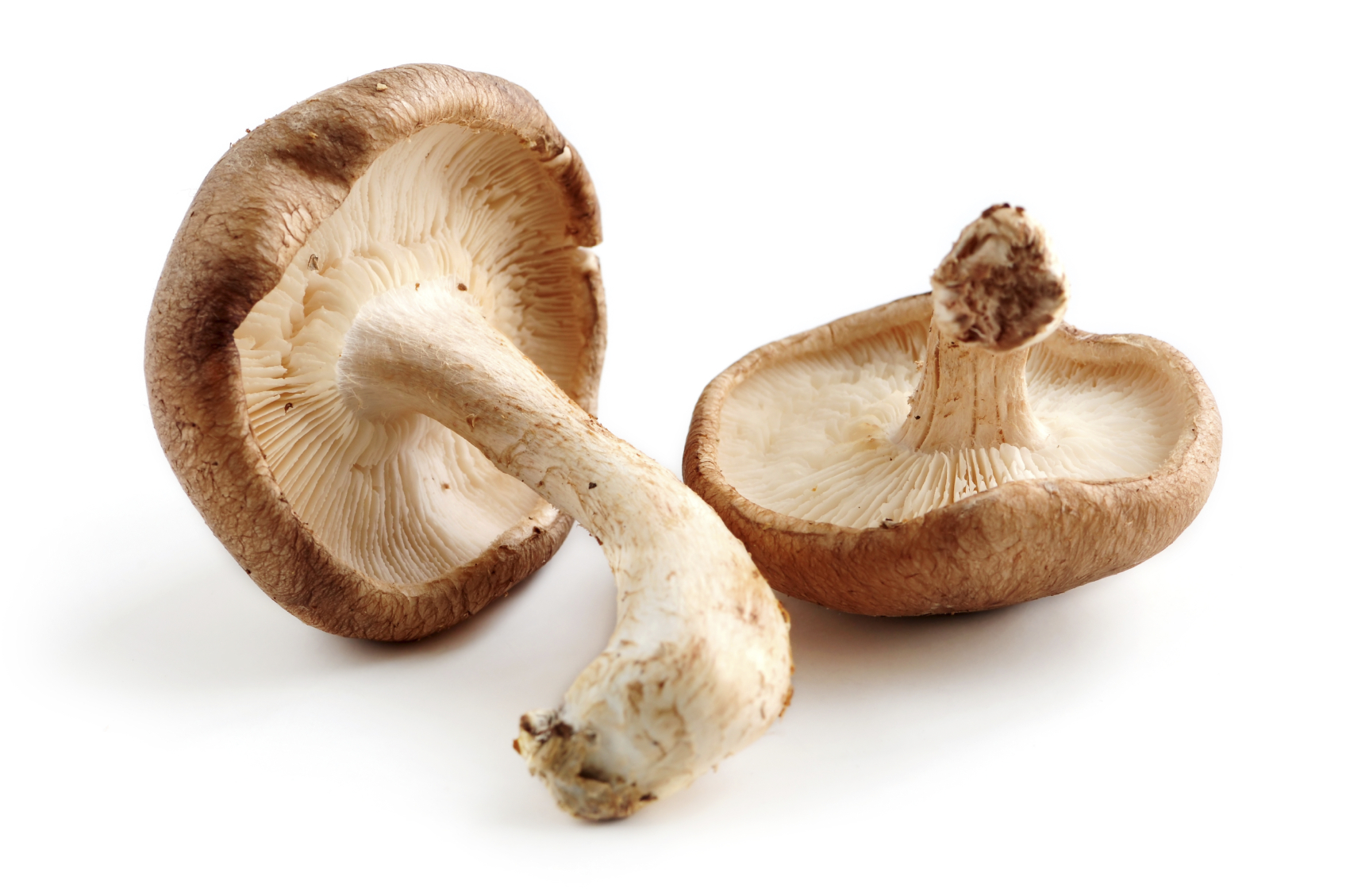
As a Health Watch reader, you may already know about this compound. It’s what makes shiitake mushrooms a widely-studied weapon in the battle against cancer.
The substance is active hexose correlated compound (AHCC). It may help people with liver cancer live longer. Now new research shows that it does much more than that.
Shiitake mushrooms contain a powerful compound that may help prevent cervical cancer.The AHCC in shiitake mushrooms may help prevent cervical cancer. It may also slow the growth of cervical tumors. There’s even evidence to show it may help keep the cancer from coming back.1 And you can trace it all to what’s causing the cancer in the first place.
The human papilloma virus (HPV) is a contagious—and common—infection. It affects moist membrane lining and skin. According to estimates, more than 75% of women contract the virus during their lives.
HPV shows up in 99% of cervical cancer biopsies. And that’s not the only danger. More than 50% of anal, vaginal, and throat cancers are HPV-related.2 But AHCC may help kill this virus outright.
AHCC ramps up the activity and amount of your natural killer cells. These cells help your body respond to infection. They can also prevent the development of tumors.
To put the anti-cancer power of AHCC to the test, researchers exposed HPV-infected mice to AHCC daily for three months. At the end of the study, they found that AHCC cleared all signs of HPV infection. And the HPV didn’t come back. Further testing showed a 16% reduction in cervical tumor growth in mice treated with AHCC. And talk about a double threat… This reduction took place while fighting off the HPV infection that caused the cancer to begin with.3And unlike Big Pharma’s dangerous “solution,” AHCC won’t put your health on the line…
Gardasil, Merck’s HPV vaccine, comes with serious side effects: seizures, blindness, paralysis, and death—just to name a few. Japan stopped giving out the vaccine last October because of mounting evidence of its dangers.4 And getting the shot doesn’t even make you immune.
One of Big Pharma’s own doctors exposes it as ineffective. In fact, he says Gardasil will go down as “…the greatest medical scandal of all time.”5 So it may not work and it has serious side effects? Meanwhile, you’ve probably never even heard of AHCC.
But even if you aren’t worried about HPV and have a spotless bill of health, AHCC will help support your immune system by stimulating Natural Killer cells.
Your best bet is to find organic shiitake mushrooms. They make a great addition to salads. But they’re also a classic topper to a juicy, grass-fed steak. You’ll also get a nice boost of vitamin D3. Though it isn’t cheap, you can also find natural AHCC as a supplement online. But as potent as AHCC is, it’s not the only natural way to help keep cancer at bay.
According to one report, when a leading doctor at the Sloan‐Kettering Cancer Center found out that he had advanced‐stage cancer, he told his colleagues, “Do anything you want—but no chemotherapy!”
It’s not surprising. Doctors know better than anyone how devastating chemo can be. So why aren’t more doctors using this alternative, Nobel Prize winner-studied, natural treatment instead?
A study on people who received it for cancer and other ailments noted that “the results have been spectacular; the only side effect is ‘chronic good health.’”
References:
1http://cancerpreventionresearch.aacrjournals.org/cgi/content/meeting_abstract/4/10_MeetingAbstracts/B79
2http://www.dailymail.co.uk/health/article-2587862/Could-MUSHROOMS-prevent-cervical-cancer-Fungi-extract-kills-virus-causes-disease-slows-tumour-growth.html
3Idem
4http://www.judicialwatch.org/blog/2013/10/japan-halts-hpv-shot-for-girls-over-safety-issues/
5http://www.judicialwatch.org/blog/2014/04/merck-dr-exposes-gardasil-scandal-ineffective-deadly-profitable/ ?utm_source=twitterfeed&utm_medium=twitter
http://institutefornaturalhealing.com/2014/04/this-powerful-compound-may-help-prevent-cervical-cancer/

Monday, 27 May 2013

Start Your Mornings with Coffee to Prevent Cancer

May 26, 2013

Coffee Helps Prevent Oral Cancer                          

They’re wrong. Again.

Health “experts” say this drink is bad for you. But we uncovered more evidence to the contrary…
Drinking four or more cups of this a day can cut your risk of oral cancer in half. And if you smoke or ever did, you’ll really want to pay close attention because you’re at the most risk.

Using data from the Cancer Prevention Study II, researchers analyzed almost a million people.1 At the start of the study, none had cancer. And after 26 years the people who drank four to six cups of this popular beverage every day reduced their risk of dying from cancers of the mouth and upper throat by 49 percent.

A review published by the journal Cancer Epidemiology, Biomarkers & Prevention confirms the results.2 Using data from nine studies, researchers found a 39 percent reduced risk of oral and throat cancer among the people who indulged in this drink.

When brewing your own coffee, steer clear of plastic or permanent filters. Many of them contain harmful chemicals. Always use paper filters when brewing. They remove a substance that can cause an increase in LDL cholesterol.

It is the number one source of antioxidants in the U.S. diet.3 And now you can enjoy it without any guilt…

We’re talking about coffee, of course.

Coffee is one of the most popular beverages in the world. It contains one specific antioxidant called polyphenol. Polyphenols combat toxic free radicals. They also affect key enzymes that improve cellular communication.4 Poor cell signaling can lead to cancer, diabetes, and more.

But coffee’s cancer fighting powers don’t end there…

It has over 1,000 biologically active compounds. They all work together to help fight off the progression of cancer. Two main ones—cafestol and kahweol—are especially effective.5 They help protect against oxidative DNA damage. They also increase cellular activity. And at the same time they induce cell suicide while stopping the spreading of cancerous cells.6

We aren’t suggesting you load up on coffee. Four cups seems like a bit much to us. But coffee does have an array of health benefits. It can prevent other types of cancer, too, including skin.7 And it adds years to your life.8

If you want to get the most out of your coffee, drink it black. Don’t load it up with sugar and other harmful ingredients.
 
References:
1 http://www.ncbi.nlm.nih.gov/pubmed/23230042
2 http://cebp.aacrjournals.org/content/early/2010/06/18/1055-9965.EPI-10-0191.abstract
3 http://phys.org/news6067.html
4 http://www.ncbi.nlm.nih.gov/pubmed/18762244
5 http://www.ncbi.nlm.nih.gov/pubmed/12067578
6 http://www.jbiomedsci.com/content/19/1/60
7 http://institutefornaturalhealing.com/2013/03/protect-your-skin-from-cancer-naturally/
8 http://institutefornaturalhealing.com/2012/08/coffee-could-your-morning-cup-prolong-your-life/

http://institutefornaturalhealing.com/2013/05/start-your-mornings-with-this-to-prevent-cancer/#Continue

Sunday, 26 May 2013

Regular Heartburn ups throat cancer risk

MailOnline

Friday, 24 May 2013 (2 days ago)

 
People who suffer frequent bouts of heartburn are 78% more likely to get throat cancer

  • Those who take antacids reduce their throat cancer risk by 41 per cent
  • Frequent heartburn causes different cells to develop in oesophagus
  • These cells are abnormal so they are more likely to become cancerous
  • Heartburn can be reduced by stopping smoking and reducing consumption of alcohol, caffeine and spicy foods

  • By Emma Innes
     
    People who suffer frequent bouts of heartburn have a 78 per cent higher risk of throat cancer but they can reduce their risk by 41 per cent by taking antacids
    People who suffer frequent bouts of heartburn
    have a 78 per cent higher risk of throat
    cancer but they can reduce their risk
    by 41 per cent by taking antacids

     People who suffer frequent bouts of heartburn have a 78 per cent higher risk of throat cancer, new research suggests.
    
    However, the study also revealed that taking antacids has a protective effect – people who suffer from heartburn but take antacids have a 41 per cent lower risk of throat cancer than those who do not take the medication.

    Experts, who published their findings in the journal Cancer Epidemiology, Biomarkers and Prevention, studied 631 patients, 468 of whom had throat cancer and 163 cancers of the vocal cord.

    All participants completed a questionnaire on their history of heartburn, smoking and drinking habits, and family history of cancer.

    Among those who were neither heavy smokers nor heavy drinkers, a history of frequent heartburn was linked to a 78 per cent increased risk for cancers of the throat and vocal cord.
    
    Among those who had frequent heartburn, taking antacids, but not prescription medications or home remedies, had a protective effect, with a 41 per cent reduced risk for cancers of the throat and vocal cord.

    Dr Scott Langevin, of Brown University in the U.S., said: ‘Previous studies examining gastric reflux and cancers of the head and neck have generated mixed results.

    ‘Most of those studies had either few numbers of cases or they were not adjusted for confounding factors.

    ‘Ours is a large, population-based study with robust parameters that strongly suggests gastric reflux, which causes frequent heartburn, is an independent risk factor for cancers of the pharynx (throat) and larynx (vocal cord).

    ‘Additional studies are needed to validate the chemo-preventive effects of antacids among patients with frequent heartburn.

    ‘The identification of gastric reflux as a risk factor for throat and vocal cord cancers, however, may have implications in terms of risk stratification and identification of high-risk patients.’

    Heartburn is when acid leaks out of the stomach and splashes up the oesophagus.

    Heartburn is not in itself dangerous. After an occasional bout the cells of the oesophagus burned by the acid will simply heal.

    WHAT CAUSES HEARTBURN?
     
    Heartburn, or gastro-oesophageal reflux disease, is a common condition where stomach acid leaks out of the stomach and into the gullet.
     
    Symptoms include a burning pain in the chest, discomfort after eating and an unpleasant sour taste in the mouth.
     
    The condition can be caused by a number of factors such as obesity, pregnancy and eating a high-fat diet.
     
    However, the most important factor is that the lower oesophageal sphincter muscle is not working properly meaning it allows acid to leak out of the stomach.
     
    It is most common in people over the age of 40 and one in ten people are thought to experience symptoms on a daily basis.
     
    It can sometimes be treated with changes in diet.
     
    If this fails, a patient can try taking antacids which neutralise the effects of stomach acid.
     
    In severe cases, surgery might be required.
     
    A common complication is irritation of the lining of the oesophagus which can cause pain and make swallowing difficult.
     
    A rarer complication is cancer of the oesophagus.
     
    Source: NHS Choices
     
    However, persistent heartburn can lead to the development of a protective layer of cells, a condition called Barrett’s oesophagus, which affects as many as 375,000 Britons.

    The problem is that this protective layer consists of abnormal cells that withstand the acid, but are more likely to become cancerous.

    As a result, some of those with Barrett’s — between 5 and 10 per cent of cases — will go on to develop oesophageal cancer. 

    Catching Barrett’s at the pre-cancerous stage, when it is highly treatable, is vital as the outlook for oesophageal cancer is poor, with only 13 per cent of patients surviving beyond five years. The disease kills 7,000 in Britain every year.

    Heartburn is also becoming increasingly common — a recent study suggested the numbers suffering with it has risen by 50 per cent in a decade.

    Much of this increase is blamed on rising levels of obesity. Excess weight can put pressure on the valve that closes the top of the stomach, allowing acid to leak out.

    However, there are other factors that can increase the risk of heartburn, such as alcohol or over-indulgence. 

    Certain foods — those high in fat, spice or caffeine — can make it worse because they also relax the valve.

    Another, more common cause is hiatus hernia, when part of the stomach pushes up into the chest, putting pressure on the stomach valve.

    There are a number of different treatment options for people with severe heartburn.

    It can be treated by making lifestyle changes, such as losing weight, stopping smoking and reducing alcohol and caffeine consumption.

    Some people require medications, such as antacids, and others need surgery to strengthen the muscle at the bottom of the oesophagus that closes to keep food and acid from coming back up.

    http://www.dailymail.co.uk/health/article-2330371/People-suffer-frequent-bouts-heartburn-78-likely-throat-cancer.html?