Pages

Showing posts with label Artificial Colouring. Show all posts

Sunday, 28 May 2017

How to count on food – Part 2

As you might surmise by now – after reading Part 1 – not everything is as it seems.
Brown bread or stone-ground bread, for example, has no formal definition in EU law and can be made with white flour with added colourings plus optionally some cheap roughage material.

A peculiar additive is E524 (sodium hydroxide) as this is the same chemical used to clear drains. This additive is used to coat certain breads to get a shiny brown surface. Photo: The Star
The brown colour can be introduced, for example, by coffee or perhaps E150a (caramel) or some of its derivatives, E150b (caustic sulphite caramel), E150c (ammonia caramel) and E150d (sulphite ammonia caramel).
So if you want proper brown bread, make sure it is actually made with wholegrain or wholemeal flour.

On the outside too

Note that chemicals can also be applied to the exterior of foods.
In the EU, it is common to have the skins of fruits sprayed with combinations of imazalil, orthophenylphenate, propiconazole or thiabendazole – these are anti-fungal agents used to delay the rotting of fruit.
additives
Label of Spanish oranges sold in Germany and France. Note the external spray use of 
imazalil, propiconazole and thiabendazole. Photo: Chris Chan

In large quantities, they have been linked to cancers and deaths in test mammals – but in the amounts sprayed on fruits, they should not be problematic for healthy humans.
Just make sure fruits are washed thoroughly before handling or eating them, especially those which are often ingested with the skin on, such as grapes, pears, peaches and apples.
We have briefly covered some of the psychological aspects of commercial food production, including presentation and preservation of food items so that they appear wholesome, edible – and remain generally safe to eat.
The following now deals mainly with how textures of processed food are maintained consistently and why such foods feel good in the mouth.

Why we like eating

Why we like eating has been covered in an earlier article and you may find it interesting to review the seven physiological factors that commercial food producers engineer to please our palates and induce us to buy processed foods.
Not all the engineering is about adjusting base food ingredients; for example, blending fats and other ingredients to achieve the optimal Calorific Density that is most appealing to humans – there is also an arsenal of natural and synthetic chemical compounds which can be added to the ingredients to considerably enhance the textures of even heavily-processed foods.

More additives than sense

It is regrettable but in not uncommon cases, there are actually more food additives than the supposedly main food ingredient – which may even be missing.
An example is a label for “liquid apple” from a major US supplier.
additives
Generally the less there is to read on the label, the better the product. The bad news is that some of the 
information can be a little technical.
The ingredient list is a chemical bath of just about everything unrelated to apples (except for a cursory mention of some natural flavour, but not natural juice), and it bizarrely also has a warning that some unlisted milk ingredients are also included in a supposedly apple drink.

Good baking vs my baking

When I was younger and trying my hand at baking, it soon became obvious that it is impossible to achieve the consistent, homogenous distribution of tiny air bubbles found in commercial bread loaves.
Every homemade batch was different, with irregular bubbles and varying textures no matter how long the dough was proofed.
My own breads also harden pretty quickly after baking but that is because I did not use the preservatives mentioned earlier.
Visiting artisan bakeries in France and Germany later made me feel better because the handmade loaves there also had irregular bubble patterns and were closer in texture to my own breads, except of course, the professional breads tasted much better.
This sort of leads to questions about other packaged foods in general: how do creams remain creamy, why do tinned vegetables not turn into mush, why do colours of canned food remain bright and attractive, how come powdered foods/flours do not clump together, how do sauces/jams/relishes retain their consistency years after they have been stuffed into bottles, how do large bakeries dependably churn out exactly the same cakes, biscuits and breads every day – and so on.
And the answer, not unexpectedly by now, is often due to the chemistry of additives.
So let us see how all this works.

Thickeners, gelling agents, emulsifiers and stabilisers

The E4xx category of food additives are mostly emulsifiers, stabilisers and humectants (compounds that help moisture retention), though a few artificial sweeteners are also included.
These E4xx compounds mainly add texture to foods – they ensure that soups, gravies and creams retain a creamy uniformity, baked goods do not get lumpy, ingredients bind or gel properly, meats taste “juicy”, and sauces and jams stay consistently thick.
There are several thickeners, gelling agents and stabilisers commonly used in food processing – they are used to improve the textures of food ingredients and a lot of them are derived from natural sources.
Examples are E406 (agar) and E441 (gelatin) which are often found in processed meats, ice creams, cakes and gum sweets; E410 (locust bean or carob gum) is used in ice lollies, cordials, dressings, essences, also as a chocolate substitute; E412 (guar gum, or guaran) and E415 (xanthan gum) are found in sauces, ice creams, cheese spreads, cake mixes, et cetera.
The E415 is also commonly used as a binding agent for gluten-free baked goods. Pectin or E440a is used to thicken sauces and jams in particular. And so on.
An interesting texture-improvement additive is E407 (carrageen), partly because it has been recently banned by the US-based National Organic Standards Board (NOSB) as an additive in organic foods. This compound is derived from red seaweed (originally harvested around Carrigan Head, Ireland) and has been consumed for centuries.
This is a curious compound because large concentrations have been known to kill test rodents but toxicity in humans is hard to establish, despite unverified claims of intestinal irritation and damage.
However, there is a degraded version of carrageen called poligeenan which may be the actual culprit compound – and poligeenan is not a permitted additive.

Why emulsifiers?

Emulsifiers are added when it is necessary to keep oils and water-based ingredients consistently blended so they do not separate. They work because the emulsifying molecules have both hydrophilic and hydrophobic attributes – hence the hydrophilic end will bind with water and the hydrophobic end will bind with anything that is not water, like oil, resulting in a smooth, homogenous distribution of the bound ingredients.
This normally improves texture and taste significantly. Examples of emulsions are mayonnaise and ice creams. There are not many naturally-extracted emulsifiers – mainly E407 (carrageen, though mostly used as a thickener), E413 (acacia gum or gum Arabic) and E322 (lecithin, which is also an antioxidant) spring to mind.
E472a-f (esters of mono- and di-glycerides of fatty acids derived using organic acids, for examples, acetic, citric, lactic or tartaric) are somewhere in the middle between natural and synthetic emulsifiers.
Many emulsifiers are therefore synthetic compounds and the most fascinating ones are possibly esters. Simply defined, esters in food are compounds derived from an acid reacting with fatty acids – they are formed by the replacement of hydroxyl (oxygen-hydrogen, -OH) groups of molecules with alkoxy (oxygen-bond, -O-) groups of molecules.
As an aside, other kinds of esters are also derived from organic acids reacting with various alcohols – and these esters are used in the perfumery business or even as food aromas for they can smell very pleasant; for example, pentyl ethanoate smells of ripe pears and octyl ethanoate has the scent of bananas.

It smells great, but …

But being fascinating and nice-smelling does not necessarily mean that synthetic esters are wholly safe to ingest, especially in large quantities. The additives in the range E432 (polysorbate 20 or polyoxyethylene 20 sorbitan monolaurate or Tween 20) to E436 (polysorbate 65 or Tween 65) may be the most well-known examples, being derivatives of sorbitol (a low-calorie sweetener extracted from glucose) reacted with a well-known mammalian carcinogen called ethylene oxide in a process called ethoxylation.
The number after polysorbate indicates the number of parts of ethylene oxide present – but the issues are compounded by the possible presence of another potent mammalian carcinogen called dioxane as a by-product of ethoxylation.
If you are curious about E432-E436, then check your bathroom because these chemicals are also used as surfactants in beauty creams, shampoos and soaps. Although polysorbates in food have been evaluated and deemed safe in 2015 by the European Food Safety Authority in the quantities permitted, the possibility of contamination by ethylene oxide and dioxane may not have been fully considered.
A little personal comment about E471 (mono-and di-glycerides of fatty acids) might be in order now, mainly because I am not a little against trans-fats (the reasons have been covered in a previous article). Although trans-fats are banned in the EU, it is still a little unclear if mono- and di-glycerides derived from trans-fats are included in the ban as they are not fats (triglycerides) in the classic sense. In any case, many countries will probably still be using trans-fats to produce E471 as it is the cheapest way to manufacture a widely-used emulsifier.

If you like fibre

If you are fond of foods with fibre, then you are possibly in luck because the food industry introduces a lot of fibre as a filler and binder in processed foods such as cakes, breads, muffins, scrambled eggs, mash potato powders, grated cheeses, et cetera.
The main fibre used, primarily because of its low cost, is E460 (cellulose) which is made from wood pulp.
In fact, despite the image that added food fibre is derived from oats, bran, wholegrains, et cetera, the reality is that most of it actually comes from specially processed wood.
Different characteristics of fibre (eg. textures, binding, dispersal qualities, et cetera) can also be readily synthesised resulting in additives such as E461 (methyl cellulose), E462 (ethyl cellulose), E463 (hydroxypropyl cellulose), E464 (hydroxypropyl methyl cellulose), E465 (ethyl methyl cellulose), E466 (carboxy methyl cellulose), E468 (crosslinked sodium carboxymethyl cellulose) and E469 (enzymatically hydrolysed carboxymethyl cellulose).
The main side effect noted from consuming cellulose-based additives is flatulence, simply because cellulose is indigestible by humans.

Other food improvers

We now start to get to the more oddball sections of E-numbers. For example, the next group of E5xx numbers deals generally with compounds also used to improve textures and retention of food colours, including coagulants and treatments for flours used in baking, such as anti-caking and browning agents. Some components of the E5xx groups are also considered as mineral supplements in addition to its function as an additive – though this is possibly not wholly by intent.
An immediately peculiar additive is E524 (sodium hydroxide) as this is the same chemical used to clear blocked drains.
This additive is used to coat the external surfaces of certain breads and causes them to develop a shiny brown surface during baking. If you are curious how this works, it is because strong alkalis degrade the proton linkages in starch polysaccharides, thereby loosening the molecular structure of the polymers and causing them to react more easily with sugars under dry heat – then they turn brown due to the Maillard reaction.
Due to its acute toxicity and difficulty in obtaining food-quality sodium hydroxide, very often E500 (sodium carbonate, sodium bicarbonate, sodium sesquicarbonate) is now used instead. E500 is a major component of baking powder – it is also used to curdle milk for certain cheeses.
Another interesting additive is E516 (gypsum or calcium sulphate) which is commonly used to coagulate tofu though it is also used as a bleaching and flour treatment agent. This natural compound is sometimes present in health drinks and infant milk formulas as a calcium supplement.
A synthetic additive is E518 (magnesium sulphate, also known as Epsom salts) – it is used to maintain the structure of canned vegetables, and also utilised in cheese, sweets and flours. If consumed in excess, E518 is a pretty strong laxative.
E579 (ferrous gluconate) is a very water-soluble black crystal, and often included as an iron supplement – its main food use is as a food dye, particularly for dark olives.
A somewhat intriguing additive is E541 (sodium aluminium phosphate) for this synthetic compound has both acidic and alkaline variants. The acidic variant of E541 is heat-activated and used commonly in baking as it combines with E500 to produce carbon dioxide but only at baking temperatures – this makes the dough easier to manage and also obviates the need to proof the dough. The alkaline variant of E541 is used to emulsify processed cheeses.

Not such a beautiful mind

As an aside, I confess to not being a great fan of ingesting compounds containing aluminium, primarily because the metal has been known to impair the absorption of calcium by the body, potentially leading to bone tissue diseases.
Despite some studies suggesting a link between aluminium and neurodegenerative diseases like Alzheimer’s, the verdict is still inconclusive on this matter.
Regardless, it has been established for some years that aluminium is definitely neurotoxic – and humans accumulate the metal in their brains over time.
How aluminium may or may not trigger neurological degeneration could be related to its interaction with calcium and magnesium ions in the brain – but this is all somewhat theoretical at present and subject to research.
When more scientifically-conclusive details are known about the effects of ingesting aluminium compounds, it would be very interesting, not least because of the pervasiveness of aluminium in our lives.
In any case, aluminium is not in any way a critical mineral for survival and hence I would personally be wary of ingesting any foods with these E-numbers: E520 (aluminium sulphate), E521 (aluminium sodium sulphate), E522 (aluminium potassium sulphate), E523 (aluminium ammonium sulphate), E541, E554 (sodium aluminium silicate), E555 (potassium aluminium silicate), E556 (aluminium calcium silicate), E559 (aluminium silicate, or kaolin) and E1452 (starch aluminium octenyl succinate).
In short, I shy away from ingesting any compound where aluminium is named as part of their chemical structure. E541 has been discussed above and the rest of these additives are mostly anti-caking agents or firming agents for processed fruits and vegetables. Oddly, there is another additive, E173 (aluminium) which I would also avoid as it is just powdered aluminium in a pure form.
In case you are now wondering about the ubiquitous aluminium tins used to hold fizzy drinks and certain foods, the contents of these tins are protected from the aluminium by an epoxy resin barrier, usually derived from bisphenol A (BPA) or bisphenol S (BPS).
There are too many E5xx additives to list and comment on – but E512 (stannous chloride) caught my eye as there are very few tin-based compounds used in food, being mainly used for the external cans that hold food. E512 is used to retain the colour of tinned or bottled vegetables, mainly asparagus.
In large amounts, this compound is known to damage DNA in human white blood cells – it is also a hazardous skin and eye irritant and can kill test mammals administered with excessive doses of the compound.
Another curious additive is E553b (talc) – yes, the same stuff you used to put on babies’ bottoms. The exterior use of talc-based powders for infants is now banned in the EU due to the potential of asbestos contamination – but it seems it is possible to use pure talc in food as a separation agent for rice, powdered foods (and medicines), cheese slices, sausage skins, table salt, et cetera.
Again, please note that despite some of the hazards and side-effects mentioned above (it is simply not possible to cover all potential reactions due to the numbers and combinations of additives), most food additives are regulated in their use and therefore should not cause problems when processed foods are consumed in reasonable amounts by healthy humans.
So we conclude a brief, perfunctory (but hopefully interesting) excursion into the additives which help processed foods attain their pleasant textures, retain their colour and make commercial baked goods so consistent.
The next part explores how processed meats and other foods can be made to taste better than real meat and real foods – well, sometimes.

How to count on food – Part 1

A curious human phenomenon is the Dunning-Kruger Effect (DKE), which states that the LESS some people know about a subject, the MORE entitled they feel that they are experts in the subject. This may sound ridiculous but it is a fact – and it is also pretty certain you would already have met people operating under this delusion.


How to count on food – Part 1
Are you among the small percentage of people who habitually read the ingredients information and nutrition panels on packaged foods? As a food mensch, it simply makes good sense to know what can end up on our dinner plates. Photo: Reuters

A simple example might be a bicycle – a majority of people would probably claim to know how a bicycle works. However, rather fewer people would know the fundamental requirements – tensile strengths for the frame metals, force transference on the linkages on the drive chain, chain ratios, gear ratios, wheel bearings, suspension, brakes, et cetera.


In short, despite thinking they know a lot about the workings of a bicycle, all many people only know is how to pedal (and buy) them – which is not the same as knowing how a bicycle comes together and actually work.
As such, despite owning a few of them, I personally cannot claim to know much about bicycles – all I know is that I like them not-too-heavy, with some sort of suspension.
The DKE also states that as people start to learn more about a subject, their confidence level falls dramatically, and only recovers once they actually get to finally understand the subject in great detail, at least for people with the ability to learn.

The disappointment

So it has been a disappointment that the digital age has generally managed to breed more stupidity, ignorance and intransigence in humans, despite the undisputed wealth of information available on phones, tablets and computer screens – witness Brexit and Trump.
Apart from the DKE, there are several reasons for this – and one major explanation regrettably lies deep in the human psyche. It is the same reason why some subjects at school are enjoyable and some rather less so – and it is to do with people’s relationships with their mentors and peers.
If people enjoy what they are being taught or have their opinions reinforced by their peers, then they are much more likely to continue listening to their mentors and peers.
This may always have been so in the past but the onslaught of digital media means that we now have less and less time to digest the vast amounts of diverse information being force-fed into our devices – as such many people have lost the ability to be analytical and objective, and prefer to believe and trust their peers based on less and less facts (or even lies) just as long as it fits in with their limited, personal view of the world.
Effectively, many people are now cultists, unable and unwilling to plough through available information to reach the truth, because there are too many “truths” to derive and too little time.
So they are happy to allow Facebook groups, Twitter hashtags, advertorials, blogs, biased newspapers, et cetera, to tell them what to believe – and this lack of analysis and objectivity plays neatly into the hands of corrupt politicians, unethical corporates, and marketing manipulators.
And that is why I habitually read the ingredients information and nutrition panels on packaged foods. Thanks to mandatory regulations in developed countries, many food producers are forced to routinely provide data about the contents of their food products, even for less-developed countries.
Generally the less there is to read on the label, the better the product. The bad news is that some of 
the information can be a little technical.
As a food mensch, it simply makes good sense to know what can end up on our dinner plates – hence I am innately curious about what really makes up the comestibles inside the packaging rather than rely on the external pretty packaging.
The good news is that such information is often concise and detailed – there often is not really that much to read. And generally the less there is to read, the better the product.
The bad news is that some of the information can be a little technical; in some cases even obfuscated and confusing (eg. by the use of E-numbers, duplicative ingredients, chemical names, et cetera) – also the print font sizes tend to be (very) small, presumably to allow for more room for glitzy pictures or logos on the packaging.

What is there and what is really there

Let us start with the ingredients list. The stuff you look for in a packaged food item should reflect roughly your expectations – so if you bought a tub of tuna salad, most of the tub should contain tuna meat.
In fact, the order in which the ingredients are listed should reflect the content percentage in descending order – and reading the list of constituents can throw up some surprises.
That was how I noticed that sausages can legally contain less than 28% meat, even in Britain – with some packs listing the main ingredient as wheat rusk (processed wheat flour, water and salt).
It is a bit better with sausages labelled as “pork sausages” – in which case they have to contain a minimum of 42% pork meat. But as with all British sausages, this “meat” can consist of up to 30% fat and 25% connective tissue (muscle sinew, tendons, rind, cartilage, et cetera) so real meat as you and I know it would only make up 45% of the so-called “meat” in economy sausages – and that is one good reason why my family is not allowed to eat them.
Things are even worse with items like sausage rolls – where one would expect a hefty proportion of sausage meat. But in reality, even allowing for meat cheapened with fat and connective tissue, the “meat” in sausage rolls can actually be only the third item in the ingredients list (in some cases 8% or less), overtaken comprehensively by processed wheat flour and plain water.
But even I have to admit that regardless of the contents, a lot of processed foods can still taste plausible, and often not vastly different from proper, expensive versions of the same foods – at least, economy processed foods are good enough to convince a significant proportion of consumers that it is not worth paying more for proper food. How this happens is where the ingredients lists get really interesting.

Psychology and physiology in processed foods

Why and what humans enjoy eating has been extensively (and expensively) researched for many decades, even centuries – and special technical and chemical solutions have been developed which cover both psychological and physiological aspects of eating.
The psychological facets cover not only the pretty packaging formats, but also how processed food itself can be made visually desirable and safe to eat, while the physiological aspects involve texture, taste, smell and chemesthesis (chemical stimulation of various receptors in the mouth) – with nutrition often an afterthought.
All this must, of course, be achieved without killing consumers immediately, though longer-term health effects often appear to be ignored.
While the actual food production processes and flavour solutions used to enhance basic ingredients to yield the finished food products are often very tightly-kept secrets, the ingredient list does shine some light on the technology involved in manufacturing packaged foods.
Some of the ingredients are likely to be additives, either listed by their customary or chemical names but often summarised by the use of E-numbers, possibly for brevity but also possibly to obscure the actual compounds.
Please note that not all additives have E-numbers (eg. caffeine) – but as E-numbers are usually the most obscure items on a list of ingredients, some of the more interesting or common ones are highlighted in this series.

Heavy psychology

It might surprise you that psychology plays a heavy part in modern food processing – and that is simply because us humans have (reasonable) expectations about what we put into our mouths.
We are conditioned to link, for example, colour with taste – so if we see an orange-coloured drink, we expect it to taste of orange. We also link shapes with taste – so if we see sausage or burger shapes, we expect them to taste of meat, even though animals do not look like sausages or burgers.
Actually, processed meat is normally grey, not reddish-pink – the pink hue is introduced artificially because we associate grey meat with rancidity and putrefaction.
With processed meats, the nice colour we see is often a fortuitous byproduct of certain preservation additives, often enhanced by some additional colourants.
In summary, humans very much prefer food that is visually appealing, tastes like it is supposed to taste and actually safe to eat – that is why presentation and food safety are linked to psychological considerations for processed food.

Pretty colours

The need for good presentation brings us to the first group of E-numbered additives. E-numbers are always prefixed with “E” followed by a 3 or 4 digit number and sometimes further suffixed by a letter – but the numbering system is not always consistent as additives are sometimes seemingly assigned random numbers in various groups.
Regardless, the first group of E-1xx numbers is generally to do with the colour compounds allowed in processed foods. Some of these colours are extracted naturally, such as E100 (curcumin) and some are wholly artificial such as E133 (brilliant blue FCF), which is derived from coal tar.
The E1xx colours can be mixed; eg. E133 is sometimes combined with another artificial yellow compound E102 (tartrazine) to produce a green dye for colouring food (eg. processed peas, vegetables and cakes).
image: http://www1.star2.com/wp-content/uploads/2017/05/str2_curiouslabel_jg_3.jpg

Humans very much prefer food that is visually appealing – that is why
presentation and food safety are linked to psychological considerations
for processed food. Photo: Reuters

Colours can also be lightened by adding E171 (titanium dioxide), a strong white colour used in chewing gums, toothpaste and paints.
The use of E1xx numbers is very versatile – as an example, for cooked meats and meat pastes, the colourings permitted can involve E127 (erythrosine), E150a (caramel), E160c (paprika extract, or capsanthin and capsorubin) or E172 (iron oxides and hydroxides).
In the past, other food dyes such as E154 (brown FK) and E128 (red 2G) were also permitted but have since been banned by the EU due to various health issues.
This is not to say that the currently permitted colours are free from any side-effects, especially if consumed excessively – as an example, E110 (sunset yellow FCF, orange yellow S) is used in cereals, baked goods, sweets, ice cream, et cetera, and has been linked with hyperactivity, allergies, kidney problems, tumours in test mammals, and so on.

Preservatives – Part 1

Meat also leads us to the next section of E numbers – those in the E2xx category, which are mostly food preservatives and acidity regulators.
The most commonly used E2xx numbers for meat are probably E250 (sodium nitrite) and E251 (sodium nitrate) – for not only do these compounds cure and conserve meat, they also add a nice pink hue to meat products (due to the nitrites combining with pig haemoglobin to form pink nitrosohemoglobin).
Other similar compounds used in processed meats are E249 (potassium nitrite) and E252 (potassium nitrate), though not as extensively.
Without nitrites or nitrates, hams would be dull grey, bacon would be brown and salamis would be black and brown – the reason is that these nitrogen-based compounds inhibit the actions of bacteria and fungi which cause putrefaction.
Unfortunately, nitrites and nitrates are also converted by the digestive system into nitrosamines – and most nitrosamines are known carcinogens.
The story of how processed meats are now listed as Group 1 carcinogens by the WHO and why nitrites and nitrates are still being used has been documented in an earlier article.
The other E2xx compounds may or may not be as parlous as nitrites and nitrates – it seems not all of them have been extensively tested for carcinogenicity in humans.
However, there are quite a few other items already known to have side effects in humans. Hyperactivity in children has been linked to E210 (benzoic acid), a chemical used in sweets, chewing gum, cheeses, baked goods, cordials, et cetera.
Sulphur-based compounds in the range E220 (sulphur dioxide) through to E228 (potassium hydrogen sulphite) are commonly used to preserve fruits, juices, cordials, wines, et cetera, and have implications for people with asthma and kidney conditions.
If you tend to get headaches, then watch out for propionates in the range between E280 (propionic acid) and E283 (potassium propionate) which are often used as preservatives for baked goods, dairy products and meat – these propionates have been linked with migraines.

Preservatives – Part 2

Meat and in particular, bacon, also brings us around to the following group of E3xx additives, which relate mostly to another class of preservatives known as antioxidants – although this section also include food acidity regulators (as food decompose slower in an acidic environment).
You might think that antioxidants are good compounds to ingest and to some degree, the natural antioxidants may be of some benefit – however, there are also artificial antioxidants which are rather curious.
For example, E319 (tertiary-butyl hydroquinone (TBHQ)), E320 (butylated hydroxyanisole (BHA)) and E321 (butylated hydroxytoluene (BHT)) are used to inhibit the spoilage of fats, oils, fish and other foods – but the toxicity of TBHQ in humans is unclear, BHA can either promote or restrict cancer growths, high doses of BHT are known to kill test mammals; and additionally they may also interact with nitrosamines with indeterminate results.
BHA and BHT are even banned in parts of the EU but remain commonly used in other countries, including the United States. Note that antioxidant additives are added to prevent the oxidisation of food which happens when processed food comes in contact with air – not necessarily to tackle free radicals in human bodies.
Where bacon gets involved is that the US Department of Food & Drug Administration (FDA) now requires that commercially-produced bacon include either the antioxidant additive E301 (sodium ascorbate) or E318 (sodium erythorbate).
The reason is that cooking bacon can produce a nasty nitrosamine called nitrosopyrrolidine but treatment with E301 or E318 has been found to significantly reduce its production.
The most common antioxidant additive is probably E300 (ascorbic acid), which is simply vitamin C – this versatile compound has no known side effects and is commonly used in meats, cereals, wine, fish, flour, drinks, et cetera.
As with all additives, over-ingestion of some compounds beyond the normal expected levels can lead to issues; excessive doses of E222 (lecithins) can cause stomach problems, E330 (citric acid) can lead to eye or skin problems, E375 (niacin) can provoke liver dysfunction and headaches, et cetera.

Generally safe

Please note that despite the synopses of fluctuant side-effects mentioned (it is simply not possible to cover all potential reactions due to the numbers and combinations of additives), most food additives are limited in their use and therefore should not be problematic when processed foods are consumed in reasonable amounts by healthy humans.

Coming up: We will continue with the presentation and safety aspects of processed foods in the next part. That will be followed by how textures of processed foods can be made to feel quite pleasant in our mouths due to the use of various chemical additives.

http://www.star2.com/living/viewpoints/2017/05/14/how-count-food-1/


SEE ALSO: How to count on food – Part 2

Friday, 11 July 2014

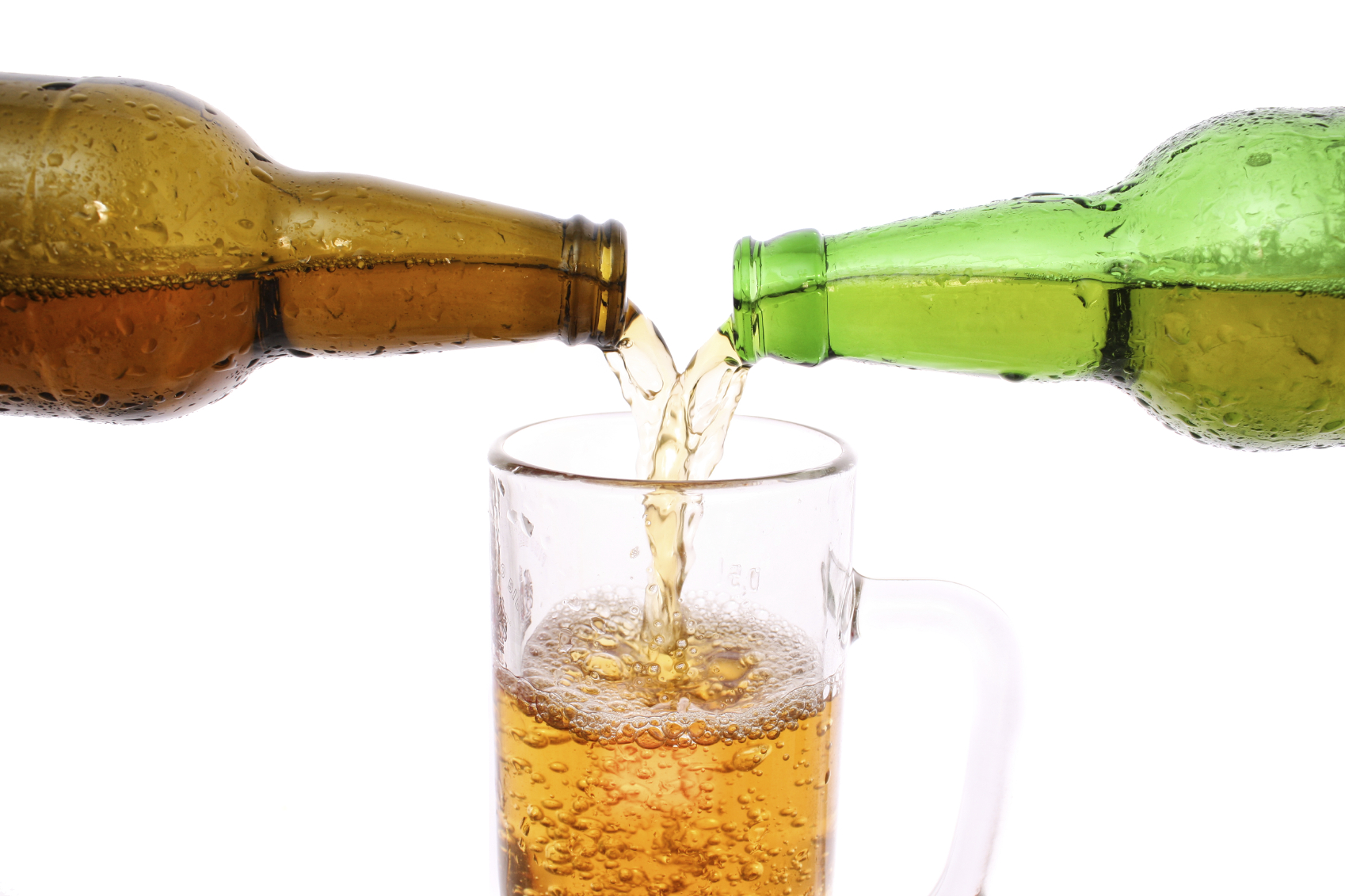
Five Deadly Ingredients Hiding in Your Beer

May 23, 2014


Thinking of having a few cold ones this Memorial Day weekend? You may want to do your homework first.
Alcohol in moderation may help you reduce your risk for heart disease and stroke…1 But if your beer has any of these dangerous substances in it, forget about the benefits. That brew may be doing more damage to your health than you could imagine.
It doesn’t get better than having a cold beer on a hot summer day. But if you’re drinking a beer hiding any of these deadly additives, your health may be in danger.
Here are five deadly ingredients hiding in your beer…and one simple way to avoid them:
1. Caramel Coloring: Brown ales—like Newcastle—have a smooth taste and enticing color. Too bad it may be coming from toxic additives. Artificial caramel colorings—like 4-Mel—don’t have to appear on beer labels in the U.S.2 And that’s a problem: 4-Mel is a carcinogen.3 Even if 4-Mel isn’t in your beer of choice, other caramel colorings contain ammonia. Other than being gross, it may also cause cancer.4 And because you won’t find it on a label, you may not even know you’re drinking it.
2. High Fructose Corn Syrup (HFCS): HFCS metabolizes into fat faster than other sweeteners and spikes blood sugar levels. Not to mention it can raise triglyceride levels by 200% more than glucose. And though Guinness says they no longer use it, they did for years.5 If you believe them, that is. Once again, you won’t find it on any labels. You have to wonder which other stouts and darker beers—especially the very sweet ones—are using it too.
3. Monosodium Glutamate (MSG): We’ve told you before how dangerous—and hard to avoid—this substance is. It’s an excitotoxin that enhances flavor in processed foods. But that’s not the only place you’ll find it. Barley malt, malted barley, malt extract, and brewer’s yeast often contain or create MSG during processing.6 And it’s not beer without barley and yeast. Unless your beer is 100% organic—or homebrewed—you have to assume there’s at least one MSG offender in it.
4. Propylene Glycol: This controversial additive is a solvent in many food products. It’s also an ingredient in pharmaceutical drugs, antifreeze, paints, and varnishes. Multiple studies show the dangers—including cell mutation—of ingesting propylene glycol in large quantities. No wonder you won’t find it in European food products.7 Even though you probably won’t get a mega dose from any one beer, having a few too many on a regular basis can add up.
5. Bisphenol-A (BPA): It’s a hormone disruptor that can wreck your endocrine system and cause cancer. Even low exposure can trigger migraines. But BPA doesn’t only show up in plastics and sales receipts. You’ll also find it in beer cans. If you’re cracking open can after can of your favorite brew, you’re likely getting a small amount of BPA in each sip. And though this may not present any immediate dangers, it can lead to serious—even deadly—health problems down the line.
Having a few beers with friends and family can make any summer gathering more enjoyable. But it’s more than the alcohol itself that may put your health in danger when you have one too many. To lower your risk for running into these hidden additives, look for organic beers in bottles. They use natural, quality ingredients—and it usually shows in the taste.
Not sure about the safety of your favorite brew? Call and ask them. Any proud brewer will be happy to tell you how much care goes into their beer. If you can’t get a straight answer, it may be time to find a new beverage.
References:
1http://www.cancer.org/acs/groups/content/@healthpromotions/documents/document/acsq-017622.pdf
2http://www.icap.org/table/alcoholbeveragelabeling
3http://www.consumerreports.org/cro/news/2014/01/caramel-color-the-health-risk-that-may-be-in-your-soda/index.htm
4http://www.organics.org/8-beers-that-you-should-stop-drinking-immediately/#9
5http://www.organics.org/8-beers-that-you-should-stop-drinking-immediately/#9
6http://www.truthinlabeling.org/hiddensources.html
7http://www.naturalnews.com/023138_propylene_glycol_products_natural.html

http://institutefornaturalhealing.com/2014/05/five-deadly-ingredients-hiding-in-your-beer/

Tuesday, 20 May 2014

Top 5 Cancer Causing Foods to Avoid

March 19, 2014

Who isn’t afraid of the word “cancer”?

Top 5 Cancer Causing Foods to AvoidWe all know a family member or a friend who had it. And indeed, according to the American Cancer Society, more than one million people in the United States get cancer each year.

The American Cancer Society lists many possible causes to cancer disease, including genetic factors, lifestyle factors such as tobacco use, diet, and physical activity, certain types of infections and environmental exposures to different types of chemicals and radiation.

Since I’m very interested in healthy nutrition, I’ve written in the past about the top 14 foods that protect against cancer development, but it won’t help if we eat those foods while consuming large amounts of other foods that can increase the risk of cancer. So lets have a look at these cancer promoting foods so we all know not only what to eat, but what NOT to eat (or at least reduce their intake).

1. High intake of processed foods

Many different substances are added to commercially prepared foods, such as artificial colors, chemical flavors, salt, sugar or artificial sweeteners. These additives are constantly investigated by researchers to check if any of them is thought to be a real risk. Sometimes there is a scare about a particular additive and some additives are thought to be a cancer risk. Heavily salted, smoked and pickled foods, for example, may increase the risk of stomach cancer. This may explain why there is such a high rate of stomach cancer in Japan, where salty, pickled foods are popular. Also an epidemiological study published in June 2010 in the American Journal of Clinical Nutrition found that a diet high in salt can increase in 10% the risk of stomach cancer. Also artificial food coloring present many health risks. The research on artificial food coloring and cancer is limited to animal studies, including mice and rats, but some claim that these dyes are toxic – possibly toxic enough to cause cancer also to humans.

2. High intakes of red meat, processed meat or charred food

It has been found that bowel and stomach cancer are more common in people who eat lots of red and processed meat. Red meat includes all fresh, minced and frozen beef, pork, lamb or veal. Also processed meats posses a risk for cancer. These have been preserved in some way other than freezing and include bacon, ham, salami, sausages, corned beef, black pudding, pâté and tinned meat. When you eat processed meats, you’re almost assuredly consuming sodium nitrite or sodium nitrate, which are added to processed and cured meats to preserve color and extend shelf life. Unfortunately, these compounds can be converted to nitrosamines, which are also known to cause cancer in laboratory rats (though again, the link in people is unclear). Also hot dogs, bacon and the like may also be preserved by methods involving smoke or salt, which also increases the exposure to potentially carcinogenic chemicals.
Also charred food creates chemicals that can damage our cells, making them more likely to become cancerous. Therefore the way you cook your meat can potentially make a big difference in the cancer risk it poses to you. Well-done and char-grilled meats that are slightly burnt on the outside are among the worst foods that increase the risk for cancer.

3. Sugar

There are a lot of websites that promote the idea that sugar “feeds” cancer. They suggest that eating foods with sugar makes cancer grow faster. As a result, some cancer patients avoid eating any sugar, and eliminating beneficial foods, such as fruits, that contain essential nutrients. However there is no conclusive research on human subjects to prove that sugar makes cancerous cells grow. Avoiding foods with processed sugar is a good idea in general, but eliminating foods with natural sugar won’t stop cancer cells from dividing. According to Mayo clinic, sugar doesn’t make cancer grow faster. All cells, including cancer cells, depend on blood sugar (glucose) for energy. But giving more sugar to cancer cells doesn’t speed their growth. Likewise, depriving cancer cells of sugar doesn’t slow their growth. The link between sugar and cancer is different – according to Canadian Cancer Society, eating lots of sugary foods are more likely to cause you to gain weight. Research shows that being overweight or obese increases your risk of cancer. This is because obesity may cause changes in hormone levels or insulin that might increase the risk of developing breast, colon or uterine cancer. Therefore limiting the amount of sugar in your diet is important. Diets high in sugar and refined carbohydrates can lead to overweight and obesity, which indirectly increases cancer risk over time.
Sugar can be found not only in obvious foods such as cookies, cakes, sodas, soft drinks and other sweets. Sugar can be found even in pasta sauce, salad dressing and canned vegetables. So when reading food labels, look for sugar listed as the first ingredient and be aware of hidden sugar names: fructose, lactose, sucrose, maltose, glucose, dextrose. Natural sugars such as molasses, honey and maple syrup contain beneficial antioxidants but those, too, should be consumed in moderation. If you tend to have sugar cravings, you may want to read my article 13 effective ways to quit sugar.

4.  Fried food, French fries, potato chips and snack food

French fries, potato chips and other snacks may contain high levels of acrylamide, another carcinogenic substance that forms when foods are heated at high temperatures, such as during baking or frying. Acrylamide may be found in any food heated to a temperature above 250° F, but potato chips and French fries have been found to contain the highest levels among foods tested. Cooking methods such as frying, baking or roasting are more likely to produce acrylamide, while boiling, steaming, and microwaving appear less likely to do so. Longer cooking times and cooking at higher temperatures can increase the amount of acrylamide in foods further.
It must be mentioned that prolonged exposure to acrylamide has caused a range of tumors in animal tests (rats and mice), whereas most of the human studies published so far have failed to find any links between acrylamide and various types of cancers. However many believe it has a potential to be a human carcinogen because of those animal studies. If you’re still worried, the FDA and other public health groups say the best way is to follow the general advice on healthy eating, including limiting the consumption of fried and fatty foods.
Another components found in these type of foods that may increase the risk for cancer are trans fats or trans fatty acids. These are formed when manufacturers turn liquid oils into solid fats via a process called hydrogenation.  And indeed, trans fats can be found in many foods including vegetable shortening, margarine, crackers, cereals, candies, baked goods, cookies, granola bars, chips, snack foods, salad dressings, fried foods, fats and many other processed foods. Trans fats cannot only increase your risk of cardiovascular disease and type 2 diabetes, but the high intake of trans-fatty acids may have a direct association with prostate cancer in men, which ranks number one among the most common malignant cancers in American men. Chronic inflammation plays an important role to the development of prostate cancer and the association of trans-fats and chronic inflammation may explain the link between prostate cancer and trans-fatty acid ingestion. However, further studies and clinical trials are needed to establish this fact.

5. Excess alcohol

There is a strong scientific consensus of the link between alcohol drinking and several types of cancer. The more alcohol a person drinks regularly over time—the higher his or her risk of developing an alcohol-associated cancer. According to Cancer Research UK and American Cancer society, alcohol can increase the risk of a number of cancers, such as mouth cancer, liver cancer, breast cancer, bowel cancer and throat cancer.  You’ve probably heard about other studies that have found that certain substances in red wine, such as resveratrol, have anti cancer properties, but like many thing in life moderation is the key. As part of its guidelines on nutrition and physical activity for cancer prevention, the American Cancer Society recommends that people who drink alcohol, limit their intake to no more than 2 drinks per day for men and 1 drink a day for women.
Now it’s time for you to pay attention to the top 14 foods that protect against cancer development and include them in your daily nutrition:

http://www.healthyandnaturalworld.com/cancer-causing-foods-to-avoid/

Friday, 24 January 2014

The Seven Ingredients To Avoid In Processed Foods

 | Jan 23, 2014

Processed foods are filled with many unhealthy ingredients like preservatives, flavorings and dyes. More than 3,000 food additives are poured into our foods — and even our medications. Many of these chemicals are linked to prostate cancer, other cancers, heart disease, diabetes and wide range of health problems.
The Seven Ingredients To Avoid In Processed FoodsIt is difficult to avoid all processed foods, but learning how to avoid the seven worst ingredients can help you focus on what to look for when reading labels. If you see any of the following ingredients on a food label, you may want to put the box back on the shelf and keep shopping. These ingredients are detrimental for your health and should be avoided if possible. In fact, if you have been suffering with unexplained headaches, bowel troubles or allergy-like symptoms, it may be time to look at your diet and eliminate some of the ingredients in processed foods.
Here’s a closer look at each type of additive and the health problems associated with it.
Monosodium Glutamate (MSG)
Monosodium glutamate (MSG) is a flavor enhancer found in many frozen dinners, salad dressings, chips and meats. MSG is mostly made up of the same neurotransmitter used by your pancreas, eyes, brain, nervous system and other organs for initiating processes in your body.
MSG overexcites your cells and causes the nerves in the brain to fire rapidly and repeatedly, leading to damage or death. This additive may worsen or trigger Alzheimer’s disease, Lou Gehrig’s disease and Parkinson’s disease. MSG commonly causes headaches as well as heart palpitations, and an increased desire to eat more food. You have to use caution in reading labels for MSG: It can hide other under other names and be included in a variety of other additives such as yeast extract, hydrolyzed vegetable protein, vegetable powder, glutamate, caseinate and natural flavor.
Artificial Sweeteners
One of the biggest myths about artificial sweeteners is that they can help you lose weight. Found in diet foods, low-calorie foods, drinks and liquid medications, artificial sweeteners are meant to reduce the amount of sugar and calories consumed. However, ingesting artificial sweeteners can actually lead to even greater weight gain than results from consuming sugar. Artificial sweeteners are found under the names aspartame, sucralose (Splenda), saccharin and acesulfame potassium.
Artificial sweeteners can also cause headaches and dizziness, and some of them have even been linked to cancer. The amino acids in aspartame launch an attack on your cells, creating a toxic cellular overstimulation similar to the one that MSG causes. Artificial sweeteners, especially sucralose, inactivate digestive enzymes, changing the function of the gut barrier. That can cause or worsen inflammatory bowel disease. Research has shown that sucralose destroys up to 50 percent of your beneficial gut flora.
High-Fructose Corn Syrup
High-fructose corn syrup is an inexpensive alternative to sugar, but the cost to your health is that it can tax and damage your liver the same way that alcohol does. The fructose in high-fructose corn syrup goes directly to your liver, where it is metabolized into fat to be stored in your fat cells. It leads to obesity, heart disease, insulin resistance and other related health problems. You can find this additive in sodas, juices, many processed foods and liquid medications.
Artificial Flavors
Artificial flavors are used to mimic the taste of natural ingredients and make processed foods taste better. This category is very vague, though. One artificial flavor can contain almost 50 chemicals. Artificial flavors can contain genetically modified flavor enhancers, as can “natural flavor.” Artificial flavors are linked to allergic reactions and behavioral reactions.
Artificial Colors
Each year, 15 million pounds of artificial food dyes are poured into U.S. foods. Nine of the approved food dyes are linked to cancer and hyperactivity in children, as well as allergy-like reactions and sinus problems. These colorful dyes may make food, candy and even over-the-counter medicines look more attractive; but you should try your best to avoid these deceptive dyes.
Trans Fats
Trans fats are the least healthy fats you can eat. These solid fats originated as healthier, liquid vegetable oils but were hydrogenated to form a solid fat that can cause many health problems. Avoid these completely. Trans fats can raise your triglyceride level and low density lipoprotein level (LDL) (otherwise known as your bad cholesterol), increasing your risk for a heart attack. Trans fats are linked to prostate cancer, heart disease, diabetes and Alzheimer’s disease.
Preservatives
Processed foods have a lot of preservatives, because these additives lengthen a food’s shelf life. Problems associated with preservatives can include allergic reactions, nausea, vomiting, diarrhea, possibly cancer, etc.
Preservatives to avoid include BHA (butylated hydroxyanisole), BHT (butylated hydrozyttoluene), TBQQ (tertiary butyl hydroquinone), sodium nitrate, sodium nitrate and sodium benzoate as well as polysorbate 60, 65 and 80. Both BHA and BHT can affect the neurological system of the brain, alter your behavior and potentially cause cancer.
TBHQ is a chemical preservative linked to cancer that can also cause tinnitus, nausea and vomiting. Sodium nitrate, commonly found in cured meats (hot dogs, deli meat and bacon), has been linked with higher rates of stomach, colorectal and pancreatic cancer. It is worth it to buy nitrate-free options. Sodium benzoate, found in juices and sodas, has been linked to allergies.
The sulfites found in dried fruits, flavored vinegars and wine are other preservatives that cause undesirable reactions. They especially can affect people with asthma. Sulfites may cause headaches, rashes, bowel irritability and behavioral problems.
Reading Labels And Eating Fresher Foods
Even though it is important to read and understand food labels so you know what you are putting in your body, it is important to note that not all foods require a label. Whole and natural foods like fruits, vegetables and nuts do not require a label because they are fresh and without added ingredients. If you eat a whole food diet, you will be a lot healthier and won’t have to worry about what you are putting in your body.
The Mediterranean diet supports the consumption of whole foods and natural ingredients. Because the Mediterranean diet focuses on fresh seasonal produce, heart-healthy oils, fish and whole grains, it has been associated with many heart and other health benefits.
Mediterranean diet prostate benefits include the reduction of inflammation, support of the body’s defenses against cancer, reduction in saturated fats, an extremely low level of trans fats, low level of sugar, a large amount of antioxidants and the elimination of processed foods.
Several studies have demonstrated that eating a Mediterranean diet can help men prevent or reduce symptoms of prostate cancer, enlarged prostate (BPH) and prostatitis.
When you are shopping, try to stick to the aisles where you find generally fresher products and avoid the processed foods aisles that contain long lists of preservatives, sweeteners and unnatural ingredients. Carefully read the labels for foods and medicines so you can avoid the seven worst types of ingredients in processed foods. Doing this can help you protect your brain, prostate, heart and overall health.
Following these simple guidelines will help you eat better and eliminate unhealthy ingredients.
After excluding some of these additives from your diet, you may notice that you feel better, too. If your headaches, allergies and bowel troubles end after changing your diet, your problems may have been caused by additives in your processed foods.
http://easyhealthoptions.com/easy-health-options-digest/the-seven-ingredients-to-avoid-in-processed-foods/