Pages

Showing posts with label T-cells. Show all posts

Friday, 6 August 2021

AZ vaccine ‘may give longer immunity’

AstraZeneca vaccine ‘may give longer immunity’, suggests boss of UK drugs giant


https://247newsaroundtheworld.com/health-news/astrazeneca-vaccine-may-give-longer-immunity-suggests-boss-of-uk-drugs-giant/

Britons who have received the Oxford-AstraZeneca jab may not need a booster because they should have longer term protection against Covid-19 infection, the head of the drugs company has said.

Pascal Soriot, chief executive of the UK pharmaceutical giant, told the Daily Mail that he is hoping for concrete data this autumn that proves its jab produces strong ‘T cell immunity’.

T cells – a type of white blood cell in the immune system – provide a different type of immunity to antibodies, and it may last for longer.

The elderly and vulnerable are currently due to receive Covid booster shots this autumn on the NHS amid fears that the protection afforded by vaccines may wane over time.

Should the data on the T cell response be confirmed, it may mean that some of those who received the AstraZeneca jab do not need one.

Pascal Soriot, chief executive of the UK pharmaceutical giant, told the Daily Mail that he is hoping for concrete data this autumn that proves its jab produces strong ‘T cell immunity’

Pascal Soriot, chief executive of the UK pharmaceutical giant, told the Daily Mail that he is hoping for concrete data this autumn that proves its jab produces strong ‘T cell immunity’

Mr Soriot said: ‘We hope that the Oxford-AstraZeneca will provide longer term protection. The science so far suggests that our vaccine provides a strong T cell response which I hope means its effects will last longer. So, it looks good but we don’t yet know for sure whether you will need a booster. Time will tell.’

AstraZeneca believes it will have authoritative data by October or November. If the science proves correct, it could relieve the NHS of the great burden of delivering millions of urgent booster injections before the winter sets in and save hospitalisations and countless lives.

A Birmingham University study shows that the AZ jab, based on traditional immunisation science, triggers the T cells, which fight infection, more than its America counterparts produced by Pfizer and Moderna.

Data collected by another pharma group, Johnson & Johnson, based on the same vaccine technology as Astra’s Covid jab and used against the Zika virus in Africa, shows it ‘provides years of protection’ Mr Soriot said. Pfizer has acknowledged that the efficacy of its mRNA jabs shows a decline in levels of protection after six months which is why the company is recommending a booster.

Mr Soriot also revealed that authoritative data shows that the Oxford-AstraZeneca vaccine is very effective against the rampaging Delta variant. And an increasing number of studies show that someone receiving the Pfizer vaccine was just as likely to experience rare side-effects as those receiving the AZ dose.

Earlier this year European leaders Angela Merkel of Germany and Emanuel Macron of France made disparaging comments about the AZ vaccine and launched court action against the company over supply bottlenecks.

‘We are in discussions with the European Union to reach a settlement,’ Mr Soriot said. In spite of all the hostility, AZ is the second largest supplier of doses to the EU.

Wednesday, 5 May 2021

05 May 21 Stunning therapy lands knock-out blow to cancer

 A cancer treatment in which a patient’s own cells are engineered to hunt down and wipe out their disease ...

4 May 2021

Fiona Macrae for the Daily Mail


© Provided by Daily Mail MailOnline logo

While it sounds like the stuff of science fiction, a cancer treatment in which a patient’s own cells are engineered to hunt down and wipe out their disease — and then linger in the body to stop the cancer returning — is helping to save patients’ lives.

The results of the treatment, known as CAR T-cell therapy, have been astonishing. 

Patients who had exhausted all other options and been told they had just months to live have gone into remission. Others have even been cured by the one-off dose.

In trials, all signs of cancer disappeared in more than 80 per cent of patients with acute lymphoblastic leukaemia — the most common cancer in children — after receiving CAR T-cells.

Success stories include Emily Whitehead, now 16, who in 2012 became the first child in the world to take part in a CAR T-cell trial.

© Provided by Daily Mail

Emily, who only had weeks to live when her leukaemia became resistant to conventional therapies, had the revolutionary treatment at the Children’s Hospital of Philadelphia in the U.S. when she was six years old. She is still cancer-free today.

First given in the NHS two years ago to children with a rare blood cancer, CAR T-cell therapy is now used to treat four forms of the disease — and more could follow.

It is also being trialled in a number of other blood cancers, such as myeloma, non-Hodgkin lymphoma and chronic lymphocytic leukaemia, and could be available soon for these patients.

Early research suggests it can also tackle solid tumours. A new study showed that a new generation of CAR T-cells with more advanced genetic engineering could help treat mesothelioma, ovarian cancer and the deadly brain cancer glioblastoma in mice, without side-effects, reported the journal Science Translational Medicine.

The current uses of CAR T-cell therapy are ‘just the tip of the iceberg’, says Dr Andrew Furness, a consultant medical oncologist at the Royal Marsden Hospital in London. ‘Doctors and scientists are working tirelessly to expand its reach to many more patients.’

CAR T-cell therapy (or chimeric antigen receptor T-cell therapy) is a form of immunotherapy, using the power of a patient’s immune system to fight the disease. 

There are several types that work in different ways to help the immune system recognise and attack cancer cells.

With CAR T-cell therapy, immune cells called T-cells are engineered to seek out and destroy cancer cells.

The process of making these weaponised T-cells is lengthy, complex and expensive. 

It begins with hooking the patient up to a machine (similar to a dialysis machine used for kidney patients) that takes a sample of their blood and separates out their T-cells, before returning the rest of the blood to their body.

The machine repeats the process until it has collected 200ml of T-cells, which can take six hours.

In a lab, these T-cells are then engineered to hunt down and destroy the patient’s cancer. This is done using an inactivated virus to insert genetic material instructing the cells to make a protein called a chimeric antigen receptor (CAR) that recognises a specific protein on the patient’s cancer cells.

Certain cancers over-produce certain proteins and the treatments target these. Acute lymphoblastic leukaemia (ALL) cells make too much CD19, for example, and so ALL patients will have their T-cells engineered to lock on to this protein. 

The supercharged T-cells are then multiplied in the lab, before an infusion of 200 million cells is delivered to the patient via a drip, which takes just two minutes.

The cells should then home in on, and kill, cancer cells that have the protein they’ve been engineered to recognise. In some cases the cancer is undetectable within a month, although this can take longer.

Excitingly, the CAR T-cells should remain in the body as a ‘living drug’ to prevent the cancer returning.

It's given me a second chance- now we're having twins!

In January 2019, when his non-Hodgkin lymphoma became resistant to standard treatment, Thomas Romain, 29, a recruitment consultant who lives in Croydon with wife Emma, 29, and daughter Olivia, three, was offered CAR T-cell therapy. He says:

It all started when I developed excruciating itching on my arms and legs in February 2018. It rapidly spread to the rest of my body, and I also started having extreme night sweats and developed a cough.

At first, I put it down to allergies or exhaustion from looking after Olivia, who was still a baby. But after six months of this and with the symptoms persisting, my GP referred me for blood tests and an X-ray.

In the July, I was diagnosed with non-Hodgkin lymphoma, a type of blood cancer, and told that I also had a 14cm tumour in my chest. The itching was possibly a reaction to the cancer in my blood.

Being just 26 and a new dad, this hit Emma and me like a brick. But we were unable to take time to deal with the terrible news because the tumour was aggressive and they had to move quickly.

I started high-strength chemotherapy later that week, along with oral steroids to stop the tumour growing. I finished treatment in November 2018 and scan results showed that the tumour in my chest hadn’t shrunk much. My consultant told me bluntly that this was bad news. If it isn’t eliminated at this stage, it will almost certainly grow again and spread — even if I had additional chemo.

As a last resort, he referred me to the Royal Marsden Hospital in London, knowing they had a trial of a new treatment called CAR T-cell. They explained that it would help my body fight the cancer itself, and even prevent it returning.

Finally, I had some hope. Studies suggested it improved survival for patients like me from 9 per cent to 75 per cent.

The researchers, who I met in December 2018, didn’t pull any punches: they told me about the potential side-effects, such as nausea and seizures, or worse.

By this point, Emma and I were engaged and Olivia was growing up fast. It was a no-brainer to proceed in the trial. Two weeks later, I had my T-cells extracted. A machine was attached by tubes to both arms. One tube removes blood and takes it into the machine to extract the T-cells. Blood is then returned via the tube in the other arm.

Although it was painless, it took about three hours and the process was quite energy-draining.

A month later I went back to have the CAR T-cells put in. This took only a few minutes and was painless. But after a week I became ill with something called cytokine release syndrome — basically a massive overreaction by my immune system.

I was kept in intensive care for several days with low blood pressure and fever while I received treatment. Apparently, the reaction was a sign the treatment was working, so although I felt terrible, with confusion and fever, for instance, I saw this as a necessary step in the process.

I stayed in hospital for five weeks, being monitored in case the side-effects got any worse — but thankfully I improved.

I had regular scans to monitor the tumour, and three months after the infusion, a scan showed the cancer was completely gone. Hearing that, we felt simply euphoric.

For the first year I had scans every three months. Now it’s just once a year as the risk of relapse has dropped dramatically.

I feel incredibly lucky to be given a second chance at life. Emma and I wed last month and expect twins in August.

MATTHEW BARBOUR

The whole process costs around £250,000 for each patient. From the collection of T-cells to the transfusion of the engineered cells back to the patient takes about a month. 

CAR T-cell therapy on the NHS was first given the go-ahead in September 2018, when the drug Kymriah was approved as a last resort for children and young adults with ALL.

There are around 600 cases of this aggressive blood cancer a year in the UK, mostly in children, and around 10 per cent will relapse despite up to three years of treatment, which can include bone marrow transplants.

A month later, Yescarta was given the green light for diffuse large B-cell lymphoma and primary mediastinal large B-cell lymphoma, cancers of the lymphatic system. Up to 200 patients a year, whose cancer has stopped responding to treatments, are suitable for the new drug.

This January, CAR T-cells became available on the NHS for a third type of cancer, mantle cell lymphoma. Another fast-growing cancer of the lymphatic system, this affects around 600 Britons a year, of which 100 could be eligible for treatment with Tecartus.

Commenting on the new treatment in December 2018, Sir Simon Stevens, chief executive of NHS England, said: ‘The NHS is at the forefront of providing a new wave of personalised treatments that are individually tailored to patients. CAR T-cell therapy is one of the most promising new treatments in a generation for lymphoma and leukaemia.’

CAR T-cells for several more blood cancers are likely to be licensed for use in the next couple of years, says Dr Emma Nicholson, a consultant haematologist at the Royal Marsden Hospital. Work is also ongoing to make CAR T-cell therapy even more effective.

‘There is lots of work on making CAR T-cells better able to persist, better able to expand up to high numbers in the body and better able to kill,’ says Dr Furness, who is also a researcher at the Institute of Cancer Research in London.

Other possibilities include giving CAR T-cell therapy earlier. While it is currently used only as a last resort treatment, because it is so new, if the therapy continues to prove effective, then giving it sooner could spare patients gruelling treatments such as bone marrow transplants and multiple rounds of chemotherapy.

Dr Nicholson predicts that in some cases, such as patients who are judged to be a high risk of relapsing with conventional treatment, CAR T-cell therapy could be their sole treatment. Another possibility is the development of off-the-shelf CAR T-cell treatments, using donor T-cells. Rather than having to wait a month for processing the patients’ own T-cells, these could be used immediately. This approach is already in trials for a number of blood cancers.

However, like all treatments, CAR T-cells are not without risk. Side-effects include dizziness, fever, headaches, confusion, speech changes and seizures.

More rarely, it can cause organ failure and, in extremely rare cases, swelling of the brain. While most side-effects are temporary, they can be fatal and 2 to 3 per cent of patients in trials have died.

Patients are also at higher risk of infections for the first year or so and are given preventative antibiotics and antiviral drugs.

CAR T-cell therapy is currently used only to treat blood cancers rather than solid tumours such as breast and bowel cancer.

‘There are a number of reasons for this,’ says Dr Astero Klampatsa, a CAR T-cell researcher at the Institute of Cancer Research.

‘Solid cancers are made up from a large number of cancer cells, and the protein that CAR T-cells target might not be present on all of them, therefore CAR T-cells cannot kill the whole cancer.

‘Also, solid cancers are acidic and low in oxygen and nutrients, so CAR T-cells find it hard to survive and function properly. Crucially, within the solid tumour there are various cells that act against CAR T-cells, undermining their proper function.

‘It is too early to say whether CAR T-cells will be successful on solid tumours, but research to overcome the problems is already underway,’ Dr Klampatsa added.

Dr Nicholson is optimistic, saying it is likely to be ‘only a matter of time’ before the treatment is as effective against solid tumours as it is on blood cancers.

But even if effective, will the treatment’s hefty price-tag prevent widespread use in the NHS?

Indeed, the three drugs that are already in use haven’t yet been deemed cost-effective enough for routine NHS use. They are being prescribed through the Cancer Drugs Fund — a scheme that fast-tracks the use of new cancer drugs — and used for a subset of desperately ill patients as a last resort.

However, competition between different manufacturers should lower the cost, says Dr Nicholson, so as more CAR T-cell drugs become available, the overall cost of each should come down.

And while a price tag of £250,000 per patient may seem expensive, it could work out cheaper than the total cost of years of conventional treatment (a bone marrow transplant, for example, can cost up to £200,000) and hospital stays.

‘These are expensive therapies but potentially transformative,’ says Dr Furness. ‘These might avoid financial toxicity as well as treatment-related toxicity [long-term side-effects] if you could give them at the start of treatment.

‘For that to be your only cancer therapy would be fantastic.’


https://www.msn.com/en-gb/health/medical/stunning-therapy-lands-knock-out-blow-to-cancer/ar-BB1gjZJC?ocid=msedgntp

Sunday, 18 April 2021

*Do I still need to get a COVID vaccine if I’ve had coronavirus?

 The COVID vaccine rollout is underway, with Australians lining up to get their jabs. But what if you have already had COVID-19? Is it still a good idea to get vaccinated?


March 25, 2021 5.51am AEDT

Cassandra Berry, Murdoch University

People who have had COVID will still benefit from having a COVID vaccine. Here's why.


Although natural exposure to the virus stimulates immunity, we don’t yet know how long this immunity will last. And people will vary in their ability to mount a protective immune response.

Even if you’ve had COVID-19, you should still get vaccinated. A COVID vaccine may offer more reliable and sustained immunity than a previous infection. At the very least, it will add an extra layer of targeted protection.

Here’s how our immune response works after a natural infection versus a vaccine.

From B cells to neutralising antibodies

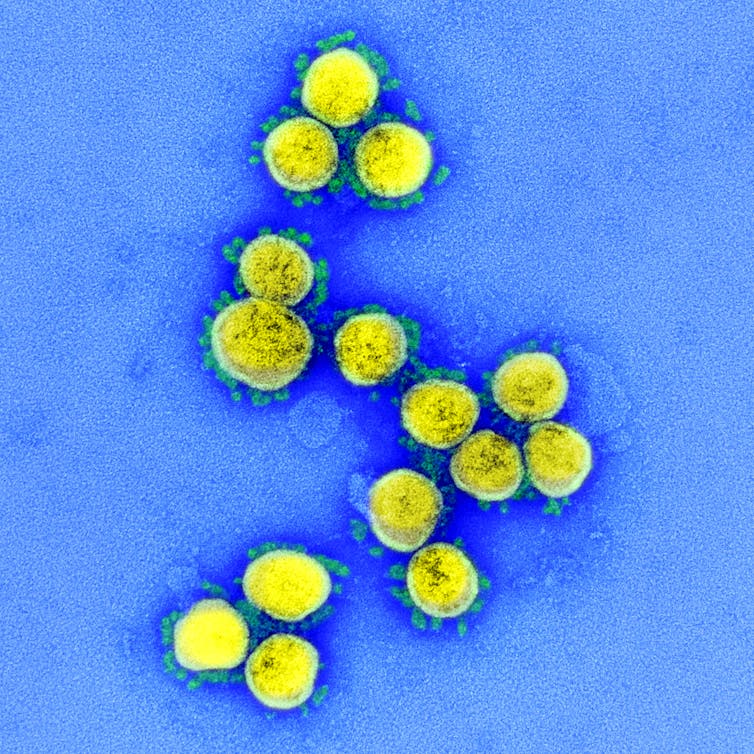
Soon after becoming infected with SARS-CoV-2 (the virus that causes COVID-19), our immune cells (T cells and B cells) activate. Activated B cells produce so-called neutralising antibodies. These antibody-secreting cells defend our bodies against the infection by making antibodies that bind to spikes on the virus surface, and block the virus from entering our cells.

Neutralising antibodies spill over into the bloodstream and travel around the body looking to mop up virus. After the infection has resolved, these activated B cells calm down and transition to a resting state. They move from our blood to our lymph nodes and bones. These so-called memory B cells survive for decades, along with help from memory T cells.

But they need a nudge once in a while to ensure they’re ready to kick into gear if we’re exposed to an infection.

SARS-CoV-2 viral particles have surface spikes (in green), to which antibodies attach. NIAID/flickr

Our immune cells rely on memory

When we’re re-exposed to a virus, or receive a vaccine booster, these memory cells awaken, become activated and produce large amounts of antibodies much faster. This immune memory reduces the risk we’ll become infected with SARS-CoV-2. But if we do, it allows for quicker healing from COVID-19.

Sustained neutralising antibody levels indicate a good degree of protection against SARS-CoV-2. How long we hang onto natural immunity after COVID-19 is variable and depends on viral, human and environmental factors. For example, the viral variant can make a difference, along with our genes, underlying health conditions, and age.

These factors can affect our neutralising antibody levels, which can wane over time to dip below protective levels.

As COVID-19 hasn’t been around for a particularly long time, it’s difficult to know how long natural immunity generally lasts. However, antibodies and immune memory appear to last for at least two months.

For patients who have recovered from SARS, a related coronavirus, research has shown they maintained antibodies for up to two to three years following infection.


Read more: The second phase of Australia's COVID vaccine rollout is underway, despite a rocky start. Here's what you need to know


Immune responses to a vaccine

Again, because of the short time frame, we have limited data on sustained antibody responses following vaccination. But immunity appears to be strong three months after the Oxford/AstraZeneca vaccine.

With COVID-19 vaccines, certain variable factors have been targeted, in a way they can’t with natural infections. For example, considerations like the dose size and the time between doses are all established to confer optimal immunity.

As we continue to monitor people who have received the COVID vaccines, we’ll develop a better understanding of protective immunity and its longevity.

Staying on top of variants

Natural immunity from infection may protect against other variants to some degree, but vaccines will play a crucial role as the virus continues to mutate.

It may be necessary to get regular boosters of the COVID vaccine until the pandemic is under control. This will provide protection against variants our pre-existing antibodies may not be able to neutralise.

Boosters enhance our broad immunity to parts of the spike proteins shared between different virus variants. Antibodies produced to these common regions can neutralise the virus and stop infection.

We saw this to a limited extent in people who had common cold infections with other coronaviruses before COVID-19.

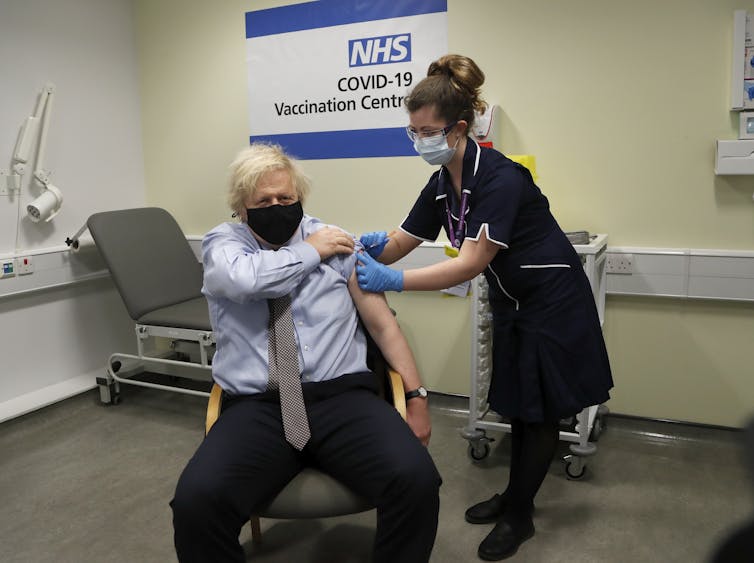
Boris Johnson receives the vaccine.
Boris Johnson, who was in intensive care with COVID last year, received the first dose of his COVID vaccine recently. Frank Augstein/AP

Only one jab? Vaccines as a cure for long COVID?

There’s been some research suggesting people who have had COVID may only need one dose of the vaccine to be protected.

For people who have had COVID, one dose may serve to top up their antibodies to protective levels. This is because they’re starting on a stronger footing in terms of their antibody levels and immune memory, compared to people who haven’t had the virus.

But experts in Australia still recommended two doses, regardless of whether you’ve had COVID.


Read more: Why we'll get COVID booster vaccines quickly and how we know they're safe


Meanwhile, reports have indicated people experiencing long COVID may also benefit from vaccination. We’re not sure how this happens, but symptoms may improve with clearance of any hidden virus reservoirs from the body. Research into this phenomenon is ongoing.

At the end of the day, when the vaccine is available to you, you should get vaccinated, even if you’ve had COVID-19. While the vaccine is likely to protect you, it’s also important to protect others, as we look towards a goal of herd immunity.

CoronavirusImmune responseneutralising antibodiesCOVID-19COVID vaccinesImmune memory

https://theconversation.com/do-i-still-need-to-get-a-covid-vaccine-if-ive-had-coronavirus-157599

*Birmingham Uni: Over-80s cellular responses enhanced after AstraZeneca vaccine

 Over-80s show similar antibody responses following single vaccination with either Pfizer or AstraZeneca vaccine – but cellular responses are enhanced after AstraZeneca vaccine

Posted on 14 Apr 2021

https://www.birmingham.ac.uk/news/latest/2021/04/covid-antibody-response-vaccine-older-people.aspx


Over-80s show similar antibody responses following single vaccination with either Pfizer or AstraZeneca vaccine – but cellular responses are enhanced after AstraZeneca vaccine

People aged over 80 receiving a single dose of either the Pfizer or AstraZeneca COVID vaccine show equivalent antibody responses five weeks post vaccination. However, stronger cellular (T cell) responses were seen in people who had received the Oxford/AstraZeneca vaccine.

The study, led by University of Birmingham researchers and supported by the UK Coronavirus Immunology Consortium, is available via Preprints with The Lancet. It is the first to directly compare antibody and cellular immune responses between different COVID vaccines in any age group.

The UK and some other countries have adopted a programme in which the interval between the first and second doses of COVID-19 vaccine is extended to increase population coverage for the first dose. Both the Pfizer and AstraZeneca vaccines show good clinical effectiveness after a single dose but it is important to understand the differential immune responses generated by different vaccination platforms. This is particularly true for older people as their immune systems function less effectively than younger people and they are the highest risk group for COVID-19 infection.

Researchers collected blood samples from 165 people who were 80–99-years of age and living independently. 76 people received one dose of the Pfizer vaccine and 89 received one dose of the AstraZeneca vaccine. Samples were collected 5–6 weeks after the first vaccine dose. A range of assays were used to compare the immune response generated by the vaccine, including Spike-specific antibody and T cell responses.

Spike-specific antibodies were present in the majority of people in both groups; 93% after the Pfizer vaccine and 87% after the AstraZeneca vaccine. Similar levels of antibody response were found after both vaccines. Cellular (T cell) responses were observed in fewer people from both groups, and detectable in only 12% of the Pfizer/BioNTech vaccine group. T cell responses were seen in 31% of the AstraZeneca vaccine group and the strength of this cellular response was also three times higher following the AstraZeneca vaccine when compared with the Pfizer vaccine.

Eight participants showed evidence of previous natural SARS-CoV-2 infection and, when compared against donors without prior infection, their antibody and T cell responses after the vaccine were significantly higher (691-fold increase and 4-fold increase respectively).

These results indicate that antibody responses develop in most people over 80 years of age at five weeks after a single dose of either the Pfizer or AstraZeneca COVID vaccine. This reassuring level of antibody immunity from a single dose of either vaccine is likely to underpin the encouraging clinical protection seen with these vaccines. The relatively lower rates of T cell response observed may reflect the reduced immune function that is generally observed in older people. It remains to be seen if the different levels of T cell response recorded after each vaccine will have any impact on clinical effectiveness.

Dr Helen Parry, National Institute for Health Research (NIHR) Academic Clinical Lecturer at the University of Birmingham, and first author on the study, said:

“We know that both the Pfizer and AstraZeneca COVID vaccines show good real-world effectiveness but we also need to understand the underlying immune responses that they generate.

“This is particularly so in relation to the extended dose scheduling of up to 12 weeks between vaccinations and its impact in older people.

“In our study we were able to detect antibody responses in most people aged 80 or above, five weeks after a single dose of either the Pfizer or AstraZeneca COVID-19 vaccine.

“These antibody responses are very encouraging as they back up the strong real-world data we are seeing in the UK.

“We also found a greater proportion of those vaccinated with the AstraZeneca vaccine had a detectable cellular immune response compared with those who received the Pfizer vaccine.

“We now need to carry out further research to understand what this difference in T cell responses means and how we might work to optimise future vaccination strategies.”

Professor Paul Moss, Principal Investigator of the UK Coronavirus Immunology Consortium, Professor of Haematology at the University of Birmingham, and corresponding author of the study, said: “It is important to understand how the immune response generated by COVID-19 vaccines varies with age, the delay between doses, and the type of vaccine administered.

“As far as we know, this study is the first of its kind to compare both antibody and T cell responses following a single dose of either the Pfizer or AstraZeneca vaccine in any age group. The findings are reassuring because many countries, including the UK, have chosen to delay administering second doses.

“Studies like this are more easily achieved when researchers come together and collaborate, as the scientists involved in UK Coronavirus Immunology Consortium continue to do successfully.

“A team science approach like this is our best bet to solve the outstanding questions we have about COVID-19 and our immune system.”

This work was partially supported by the UK Coronavirus Immunology Consortium (UK-CIC), funded by UK Research and Innovation and NIHR. Our grateful thanks go to all the patients who volunteered to take part in this study.

Ends

To arrange interviews with Prof Moss or Dr Parry please contact:

  1. Tony Moran, International Communications Manager, University of Birmingham, Tel: +44 (0)782 783 2312 / +44 (0) 7789 921 165 (out-of-hours).
  2. Gabriela De Sousa, UK-CIC Communications Officer, Tel: 07787 491 960.
  • Parry et al. 2021. Single vaccination with BNT162b2 or ChAdOx1 in older people induces equivalent antibody generation but enhanced cellular responses after ChAdOx1. Preprints with The Lancet.
  • The UK Coronavirus Immunology Consortium brings together 20 UK immunology centres of excellence to research how the immune system interacts with SARS-CoV-2 to help us improve patient care and develop better diagnostics, treatments and vaccines against COVID-19. It is jointly funded by UK Research and Innovation (UKRI) and National Institute for Health Research (NIHR) and supported by the British Society for Immunology.
  • The University of Birmingham is ranked amongst the world’s top 100 institutions, and its work brings people from across the world to Birmingham, including researchers and teachers and more than 6,500 international students from nearly 150 countries.
  • The National Institute for Health Research (NIHR) is the nation's largest funder of health and care research. The NIHR:
  1. Funds, supports and delivers high quality research that benefits the NHS, public health and social care
  2. Engages and involves patients, carers and the public in order to improve the reach, quality and impact of research
  3. Attracts, trains and supports the best researchers to tackle the complex health and care challenges of the future
  4. Invests in world-class infrastructure and a skilled delivery workforce to translate discoveries into improved treatments and services
  5. Partners with other public funders, charities and industry to maximise the value of research to patients and the economy
  6. The NIHR was established in 2006 to improve the health and wealth of the nation through research, and is funded by the Department of Health and Social Care. In addition to its national role, the NIHR supports applied health research for the direct and primary benefit of people in low- and middle-income countries, using UK aid from the UK government.

https://www.birmingham.ac.uk/news/latest/2021/04/covid-antibody-response-vaccine-older-people.aspx