Pages

Showing posts with label Lavender OIl. Show all posts

Wednesday, 27 November 2019

How to Protect Yourself From 5 Diseases You Can Get From Your Pet

The unconditional love of a dog or cat can boost health by lowering stress. And walking a dog every day can reduce your risk of obesity and heart disease.

 INH Research
But your pet can give you more than loyalty and companionship… They may pass on illnesses, too. They’re called zoonotic diseases, and some of them are serious, even deadly.
Here are five animal-transmitted conditions every pet owner should know about…
1. Toxoplasmosis
Cat owners–especially pregnant women–need to be aware of this disease. Toxoplasmosis can infect a fetus and cause miscarriage or birth defects. A protozoan organism in contaminated cat feces causes this illness.1 That’s why pregnant women should let someone else clean the litter box.
Keep your face as far away as possible from kitty litter dust when scooping. It’s also a good idea to wear a protective mask over your mouth and nose. This cuts your chances of inhaling the microscopic protozoa. Protective eyewear is smart, too. You can find both at any drug store.
2. Salmonella
Most of us know you can get salmonella poisoning from contaminated food. But pets can also transmit this serious intestinal ailment. Turtles and lizards are the most common carriers. Dogs, cats, birds, and horses may harbor it, too.2
Although your vet can test your pet for salmonella, the best protection is to wash your hands after handling any animal.
3. Parrot Fever
This bacterial infection comes from breathing in fine airborne particles…from the dried feces of infected birds. This includes common pet birds such as parakeets, parrots, cockatiels, and macaws. Human symptoms include muscle aches, fever, and chills.
To avoid the disease, clean your bird’s cage often and wear protective goggles and a mask while doing it. Also, take your bird to the vet right away if it shows signs of illness. Treating your pet can eliminate the chance of parrot fever infecting you.
4. Cat Scratch Disease
Fleas pass the bacteria that causes this illness from cat to cat. But humans can contract it through a cat bite or scratch.3 People suffer flu-like symptoms. Some even go on to develop serious problems, such as heart valve damage.
Keep your risk low by controlling fleas on your cat. One natural way to do this is to dilute five drops of lavender essential oil in three tablespoons of water. Then apply it to your cat’s collar. Also avoid play that can lead to scratches. And always wash cat bites and scratches with soap and water as soon as they occur.
5. Roundworms
Puppies and kittens often pass the eggs and larvae of these intestinal parasites through feces. Roundworm infections usually aren’t serious, but can cause nerve or eye damage in some people.4
Deworming your kitten or puppy is the first step to lowering your risk of infection. You can take them to a holistic vet or add an herbal formula for removing intestinal parasites to their food or water. These liquids are available online. And always wash your hands after dealing with droppings.
Bonding with your pets lowers stress and fights obesity… But it comes with risks. Here are 5 bugs you can catch from your pet and how to avoid them.
References:
1http://www.cdc.gov/parasites/resources/pdf/npi_toxoplasmosis.pdf
2http://www.fda.gov/ForConsumers/ConsumerUpdates/ucm048151.htm
3http://www.cdc.gov/healthypets/diseases/cat-scratch.html
4http://www.petsandparasites.org/dog-owners/roundworms/

Tuesday, 20 March 2018

Essential oils linked to abnormal breast development in boys

A new study has found that essential oils such as lavender and tea tree oils are connected to development of abnormal breast development in young boys. They researchers found eight different chemicals present in these oils that can interfere with hormonal development in boys. The study results are to be presented today (19th of March 2018) at ENDO 2018, the Endocrine Society's 100th annual meeting in Chicago.
March 19, 2018
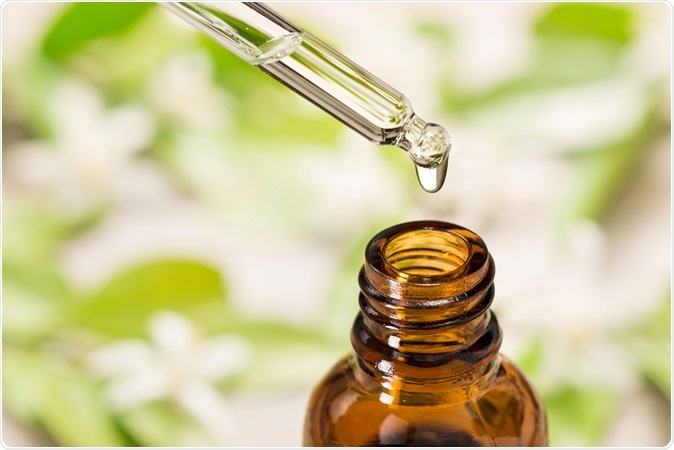
Image Credit: AmyLv / Shutterstock
Breast development in males is termed as gynaecomastia and this is a condition which has been associated with certain disease conditions and also as a side effect of certain drugs or medications. In many there may be no cause. In general gynecomastia is a rare condition.
The American study now has found that chemicals present in the essential oils can help increase the estrogen or female hormones in the boys and suppress the testosterone or male hormone. This reaction of course is different in different persons.
People use these essential oils directly as well as in daily use products such as lotions, moisturizers, creams, soaps, shampoos, hair styling products etc. Some of these are also used as part of alternative medical procedures. According to J. Tyler Ramsey from the National Institute of Environmental Health Sciences (NIEHS), in North Carolina, who led this new research, use of these oils in any form needs to be with caution among boys. He called these oils “endocrine disruptors” or agents that can alter the hormonal make up and create problems. He said that most of these oils are generally perceived to be safe. He said that there were quite a few reported cases of male gynecomastia after these oils were used over the skin. The symptoms came down once the oils were stopped.
Dr Kenneth Korach, a co-author in this study, has shown in his earlier work that lavender and tea tree oils can affect male characteristics development and puberty and growth among males. This new study looked at the chemicals within these oils. They narrowed it down to eight chemicals out of the hundreds present in these oils. Four of these chemicals are present in both oils. These four are eucalyptol, 4-terpineol, dipentene/limonene and alpha-terpineol. The other four including linalyl acetate, linalool, alpha-terpinene and gamma-terpinene, were in either of the oils.
The team then isolated the chemicals and tested them on human cells within the laboratories. They noted that these chemicals successfully increased estrogen levels and reduced testosterone levels in varying degrees. Ramsey said, these two oils need further study. These eight chemicals are also found in 65 other essential oils he said. These too need thorough investigation before boys are exposed to them.
The U.S. Food and Drug Administration (FDA) approves of the labels on essential oils as GRAS (generally recognized as safe) with usage as directed. This new study from the NIEHS shows that their use maybe with caution especially among pre-pubescent boys.

https://www.news-medical.net/news/20180319/Essential-oils-linked-to-abnormal-breast-development-in-boys.aspx


 - - - - - - -


More evidence essential oils 'make male breasts develop'

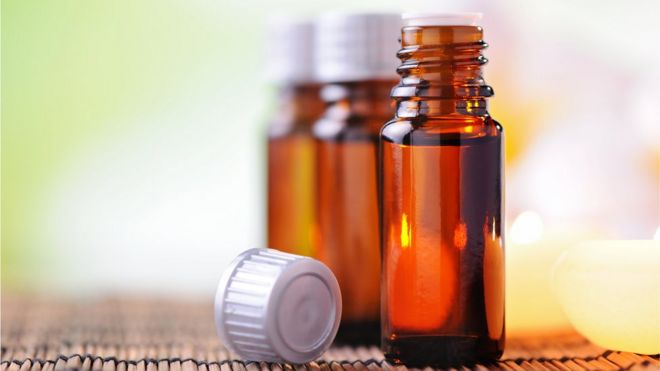
Essential oils in bottlesImage copyrightGETTY IMAGES
A suspected link between abnormal breast growth in young boys and the use of lavender and tea tree oils has been given new weight, after a study found eight chemicals contained in the oils interfere with hormones.
Gynaecomastia is rare, and there is often no obvious cause.
But there have been a number of cases linked to use of these essential oils.
The American study found that key chemicals in the oils boost oestrogen and inhibit testosterone.
Not everyone will have the same reaction to an essential oil.
The plant-derived oils are found in a number of products such as soaps, lotions, shampoos and hair-styling products. They're also popular as alternative cleaning products and medical treatments.
Lead researcher J. Tyler Ramsey from the National Institute of Environmental Health Sciences (NIEHS), in North Carolina, suggested caution when using the oils.
"Our society deems essential oils as safe. However, they possess a diverse amount of chemicals and should be used with caution because some of these chemicals are potential endocrine disruptors."
A growing number of reported cases of male gynaecomastia have coincided with topical exposure to the oils.
After they stopped using the products, the symptoms subsided.
A previous study by Dr Kenneth Korach - who was also co-investigator for this study - found that lavender and tea tree oil had properties that competed with or hindered the hormones that control male characteristics, which could affect puberty and growth.
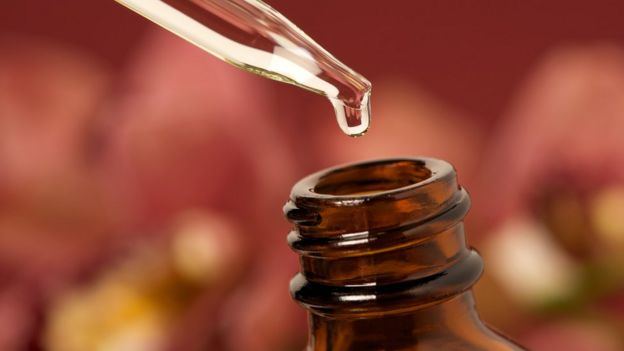
Essential oil dripping in bottleImage copyrightGETTY IMAGES
The new study looked at eight key chemicals from the hundreds that make up the oils. Four of the tested chemicals appear in both oils and the others were in either oil.
They were tested on human cancer cells in the laboratory to measure the changes.
The researchers found all eight demonstrated varying degrees of promoting oestrogen and/or inhibiting testosterone properties.
"Lavender oil and tea tree oil pose potential environmental health concerns and should be investigated further," said Mr Ramsey.
Many of the chemicals tested appear in at least 65 other essential oils, which is of concern, he added.
Presentational grey line

Essential oil guidelines

  • Precautions should be observed when using essential oils since they are highly concentrated
  • Do not apply undiluted essential oils directly to the skin
  • Never use undiluted oils on children under the age of three
  • If you are pregnant you should seek the advice of your doctor, midwife before using essential oils
  • When used appropriately, essential oils and aromatherapy products are safe for all the family
  • Source: Aromatherapy Trade Council
Presentational grey line
Prof Ieuan Hughes, emeritus professor of paediatrics at the University of Cambridge said the findings "have confirmed why an individual using such oils containing these chemicals may develop breast tissue".
"The anti-male hormone effects are rather unexpected and it is not possible to comment further without the data.
"Of course, not everyone exposing themselves to such oils has adverse effects, so it is possible there are particular individuals who may be more sensitive to the effects of the chemicals, or perhaps are using the products in excess.
He said attention should be given to better regulation of these products.
Prof Hughes added: "Clearly, the longer-term effects of such exposure are unknown."
Dr Rod Mitchell, honorary consultant paediatric endocrinologist at the Queens Medical Research Institute in Edinburgh said the study "is important in establishing a possible mechanism for the suggested link between gynaecomastia and exposure to lavender and tea tree oils".
"However, there are important factors that must be taken into account when interpreting these results. The tests are conducted in cancer cells, which may not represent the situation in normal breast tissue.
"The concentration (dose) to which the cells are exposed may not be equivalent to exposure in humans. There is a complex relationship between oestrogen, testosterone and other hormones in the body, that cannot be replicated in these experiments."
He called for further larger studies.
"At present, there is insufficient evidence to support the concept that exposure to lavender and tea tree oil containing products cause gynaecomastia in children, and further epidemiological and experimental studies are required."
The study results will be presented on 19 March at the Endocrine Society's annual meeting in Chicago.

http://www.bbc.com/news/health-43429933

Friday, 27 June 2014

All you need to know about lavender

Healthwise

Decades Worth of Lavender Growing Experience In 3 Simple Steps

Here at LavenderWorld, we’re lucky to have our lavender shipped out to all kinds of great gardeners throughout the country. Good lavender adds both beauty and fragrance to any garden. Yet, despite the plants hardiness, we know that not everyone has success in planting and successfully growing lavender long term.
Lavender Decades Worth of Lavender Growing Experience In 3 Simple Steps
Our nursery employees have heard a number of stories from a few gardeners across the UK who tell us all about their “lavender” frustrations. Ironically, we’ve discovered that the most common reason for a lack of success with your lavender is actually too much love… lavender doesn’t like too much attention.
That may seem odd to say about any plant that you’ve just planted in your garden but lavender truly is so hardy that it requires minimal effort. In fact, too much watering or applying feed will actually harm the plant!
But after more than 30 years of growing and offering this majestic beauty, we’ve created a system for care that produces beautiful, fragrant lavender year after year.


Producing the Best Lavender

Here’s what we have found helps us produce lavender we can be proud of each season, whatever that may bring…
STEP 1 – Plant in a full sun area with well-drained, light and airy soil. This Mediterranean plant thrives on heat and sun, not moisture. So consider planting at the top of your hilly areas as opposed to places where water may accumulate from rain. Lavender wants arid conditions.
STEP 2 – Simply water for the first 2 – 3 weeks until your plants are established in the ground. After that, unless there’s no rain for months, don’t water it! Lavender is a very drought resistant plant and actually thrives on LESS water.
STEP 3 – Then cut back once a year in mid-September to prevent the plant from going woody.
Cut back roughly 1″ above the old, hard wood. This helps the plant to generate new growth before the winter sets in and also leaves a lovely mounded plant.


Aside from that once a year trim, Lavender needs practically no care at all from you in order to flourish. You’ll find that once its established, the less you do, the healthier the plant will become.
8455 240 150x150 Decades Worth of Lavender Growing Experience In 3 Simple Steps3e13f6a48454e8da947bcb19f505151d 150x150 Decades Worth of Lavender Growing Experience In 3 Simple Steps4dbefdff993c98ee79dcc89bcfcb4899 150x150 Decades Worth of Lavender Growing Experience In 3 Simple Steps2002 240 150x150 Decades Worth of Lavender Growing Experience In 3 Simple Steps
Now that the soil is warming up, May and June are the perfect time to plant your lavender! Getting your plants established in the ground over the coming weeks will give them a chance to get established this year. And remember, lavender wants less attention than you might think.  The dryer the conditions, the happier your plant will be.
And remember, Lavender wants less attention that you might think.  The dryer the conditions, the hardier your plant will be

Saturday, 29 March 2014

Natural Antifungal Oil: Eliminates Nail Infections and Athlete’s Foot


Natural Antifungal Oil Used to Treat Nail Infections

You may think that cosmetic companies add this essential oil to their products primarily to give them a pleasant aroma. But this oil has more than just a pretty smell. It also has antioxidant, mild sedative, and antispasmodic qualities. That means it can treat a myriad of complaints, including headaches, colds, aching muscles, and bug bites.
Now, scientists from Portugal have found another use for it. It destroys fungi.
If you have a fungal infection in a nail, on your feet (Athlete’s foot), or on your scalp, this antifungal oil may be more effective — and safer — than an antifungal drug. And it doesn’t cause antifungal resistance like drugs do. So if you have a fungal infection that won’t clear up, try this remedy.
I’m talking about none other than lavender oil, and it’s easily available. In fact, you can find it in most health food stores. I wouldn’t be without it. I think it belongs in everyone’s natural pharmacy.
antifungal oilThere aren’t a lot of antifungal drugs that treat infections. And many of the ones you can find have side effects. But side effects are rare with lavender. A mild skin irritation is one possibility that you can eliminate simply by diluting it in a little olive oil (one drop of lavender oil to one teaspoon of olive oil).
Because it’s such an effective sedative, it’s best to stop using it a week or two before any surgery. You don’t want to be taking an herbal sedative along with anesthesia.
The antifungal oil, lavender oil works by destroying fungal cells. It does this by damaging the cell membrane. Although its scent is mild, lavender is actually a potent plant with broad-spectrum antifungal activity.
Expect to see herbal antifungal products containing lavender oil in the future. Meanwhile, you can rid yourself of annoying fungi with little risk of side effects.
http://www.medicalnewstoday.com/articles/216493.php.
Dr. Fuchs co-founded one of the first holistic health centers in the United States in 1976. She writes the monthly newsletter Women’s Health Letter. For more info, click here.

http://undergroundhealthreporter.com/?p=4059

Tuesday, 17 September 2013

The Allergy Cure


September 15, 2013

Home remedies and natural treatments

 
4226.jpg
 
Attention hay fever sufferers, help is here! Natural remedies can reduce symptoms and/or improve the ability of your immune system to resist the seasonal (or perpetual) onslaughts.
 
Hay fever, also called allergic rhinitis, is a catchall term for both seasonal and perennial rhinitis—and it’s the most common immune system disorder in the US, affecting about 35 million Americans. Seasonal triggers include ragweed pollen (common in the fall), tree pollen (common in the spring) and grass pollen (common in the late spring and early summer). Year-round hay fever triggers include dust mites and cockroaches, spores from fungi and molds, and dander from pets.
 
Symptoms include runny nose, watery/itchy eyes, sneezing and/or coughing. You can treat the symptoms with antihistamines or other medications, but they’re often expensive and may cause side effects.
 
Here are our favorite natural remedies. Try one or two at a time to see which one(s) work for you.
Caution: Always check with your doctor before starting or stopping any medications or supplements.
 

BEE POLLEN

 
Research has shown that bee pollen (which is made by honeybees and is the food of the young bee) may inhibit the activity of mast cells, a class of immune system cells that release histamine, the substance that causes itchy eyes, nasal congestion and other allergy symptoms.
 
To use: Start taking bee pollen about four months before the start of your typical hay fever season. For the first few days, take just a few granules at a time. Then slowly increase the amount every day for a month, until you’re taking about one teaspoon a day. Follow the same slow progression for the second and third months, until you’re taking a total of three teaspoons a day. You have to go slowly because taking too much bee pollen too quickly could cause an allergic reaction of its own, with symptoms such as stomach pain, hives and a fast heart rate.
 
Caution: If you have an insect allergy—especially to bees—steer clear of bee pollen, which can contain bee saliva
 

FENUGREEK TEA

 
Fenugreek is the herb that gives curries their slightly peppery flavor. As with bee pollen, you can use it to desensitize your immune system prior to allergy season. It’s also a mucolytic that naturally loosens phlegm and reduces coughing and sneezing.
 
To use: About three months before your allergy season, start drinking a daily cup of fenugreek tea. You can buy bags of this tea in health-food stores. Or you can buy the whole seeds…put about one teaspoon in a tea strainer…cover with just-boiled water…and steep for 10 to 15 minutes. Continue to drink it throughout your allergy season.
 

HONEYCOMB

 
Honeycomb is a natural antihistamine. When hay fever is flaring, chew a one-inch square of honeycomb. Swallow the honey, and keep chewing the waxy portion for about 10 minutes, then spit it out and discard. You probably will notice the difference right away.
 
You can buy honeycomb in most health-food stores, but try to find honeycomb that is produced in your area. You want it to contain trace amounts of the same pollens that, in larger amounts, trigger your symptoms.
 
Caution: If you are allergic to bees, stay away from honeycomb.
 

GARLIC AND HORSERADISH

 
Potent chemical compounds in both garlic and horseradish thin mucus and make it more watery. They will help reduce sneezing, congestion and other hay fever symptoms.
 
To use: Finely mince a clove of raw garlic, and add it to water, orange juice or applesauce. Then add one-quarter teaspoon of horseradish to vegetable juice—or sprinkle it on a salad—and consume that. Both the aromas and the strong flavors of these pungent herbs will clear nasal congestion in seconds.
 
To prevent nausea, make sure that you have food in your stomach before swallowing raw garlic.
 

NETTLE

 
Also known as stinging nettle (because the leaves and stems have hairlike barbs that sting the skin), it’s a traditional allergy remedy. When taken orally, it blocks the body’s production of histamine and reduces inflammation and congestion.
 
To use: You can drink a tea made from nettle, but it is easier to take a freeze-dried extract. The typical dose is one or two capsules every two to four hours during allergy flare-ups.
 

LAVENDER OIL

 
Lavender can be used as aromatherapy to relieve congestion and other allergy symptoms. The scent-filled molecules act as natural antihistamines and reduce inflammation and congestion in the nasal passages.
 
To use: Put a drop or two of lavender oil on a handkerchief. Take a deep sniff every few minutes when your allergies are flaring.
 

QUERCETIN

 
Every time you eat an apple or add onion to a recipe, you’re getting small amounts of quercetin, a bioflavonoid that reduces inflammation. In large enough doses, it inhibits the effects of histamine and reduces nasal congestion. But you can’t get adequate amounts of quercetin from foods to control allergies.
 
To use: When you are having allergy symptoms, take 300 milligrams (mg) to 600 mg of a quercetin supplement daily.
 

FISH OIL

 
The omega-3 fatty acids in fish and fish oil have been shown to reduce inflammation throughout the body. Cardiologists often recommend fish oil to lower triglycerides and prevent heart disease and stroke. It also can lessen allergy symptoms by reducing inflammation and swelling in the nasal passages.
 
To use: Take 2,000 mg daily.
 
Look for a fish-oil product that says “purified” or “mercury-free” on the label. It should contain at least 500 mg of EPA and 250 mg of DHA per capsule. You can find the capsules online or in health-food stores.
 
Caution: Check with your doctor, especially if you also are taking a blood-thinning medication such as warfarin. Using both together could increase the risk of bleeding.
 

A RAZOR

 
Men, this one’s for you—your allergies might be originating right under your nose.
 
It’s common for grains of pollen to get trapped in mustaches and beards. Every time you inhale, the featherweight grains waft upward and into the nostrils, triggering allergies.
 
Helpful: If you would prefer not to shave off your mustache or beard, get into the habit of shampooing it after you’ve spent time outdoors during your allergy season.
 
Source: Joan Wilen and Lydia Wilen, health investigators based in New York City who have spent decades collecting “cures from the cupboard,” traditional remedies that have been successfully used by millions of people worldwide. Their most recent book is Bottom Line’s Treasury of Home Remedies & Natural Cures (Bottom Line Books).
 

Thursday, 29 December 2011

Lavender Oil: The Scent Of Pain Relief

December 28, 2011 by


The National Center for Complimentary and Alternative Medicine states that lavender is sometimes used to relieve anxiety and pain, but there has been little scientific evidence of its effectiveness. This may soon change, however, as Fox News reports that a study in the September issue of the Journal of Alternative and Complementary Medicine found that breathing in lavender oil helps reduce the stress and pain of having needles inserted into the skin.

This finding could benefit a variety of people, from cancer patients who are constantly having their blood drawn to diabetics who have to inject themselves with insulin.

"The conclusion of the researchers in the study was that lavender oil significantly aided patients with pain. Thus the use of lavender as a medicine of high value continues through time," according to the news source.

Along with being a common ingredient in perfumes, lavender was used as an antiseptic in Greek, Roman and Arab medicine. The study findings suggest that the herb may also be used as an alternative remedy for stress and minor pain.

http://www.easyhealthoptions.com