Pages

Showing posts with label Tai Chi. Show all posts

Monday, 19 June 2017

Tai Chi Can Reduce Risk for Falls for Elderly

In a meta-analysis of 18 different studies involving over 3,800 participants, researchers determined those who practiced this at least once weekly had a lower chance of being affected by what is the leading cause of injury death as you age - sending 800,000 into hospital each year.

June 02, 2017 

tai chi to avoid emergencies

By Dr. Mercola
Balance is extraordinarily important in your life. Whether you're older than 65 years or younger, both your body and mind require balance to achieve optimal health. Unfortunately, many spend hours behind a desk each day, increasing their risk of impairing muscle development and losing strength and balance.
Many exercise programs engage the use of machines for cardiovascular work without improving balance and coordination. The elderly experience more risk from poor balance, as it increases the potential for falling and a subsequent bone break.
It can be easy to take your ability to walk, move and balance for granted. But, like all things in life, without practice your skill level diminishes. Going up and down stairs, getting up from a chair and picking up something off the floor are all everyday activities that require balance.
To successfully train your balance requires performing movements that closely approximate these activities, or activities that commonly result in falls. In new research, participants who engaged in the practice of tai chi had a significantly reduced risk of falling and demonstrated improved balance.1

How Do You Balance?

What may seem like a simple task is actually a complex coordination of several different bodily systems. Your sensory systems give your brain accurate feedback about your relative position in space; your brain processes the information, and your muscles and joints coordinate the movement necessary to stay upright.
Inner ear infections, inability to sense the ground or loss of eyesight are just a few of the conditions which may significantly impact your body's ability to sense the environment and react appropriately. For the most part, balance is on "auto-pilot," or done subconsciously without significant effort.
If you experience a balance problem, focusing on staying balanced may increase fatigue and shorten your attention span. With age, some people find they get dizzy or unsteady when in motion. This can be a combination of environmental sensory integration and muscle strength.
The list of disorders that trigger balance problems includes positional vertigo, Meniere's disease and vestibular neuronitis,2 to name a few. Balance problems are among the more common reasons the elderly seek a physician's advice. While a disturbance in the inner ear is one common cause, so are loss of neuromuscular integration, muscle tone and strength.

Tai Chi May Reduce Your Risk of Falls

In a meta-analysis of 18 different studies involving over 3,800 participants who were 65 years and older, researchers determined those who practiced tai chi at least once weekly had a 20 percent lower chance of falling than those who did not practice tai chi.'3
The researchers compared senior students against how much time they spent practicing tai chi, the style and the falling risk for the individuals. They found any amount of tai chi exercise was associated with a lower risk of falling as compared to control groups. As the frequency of the sessions increased from once weekly to three times weekly, the risk reduction jumped from 5 to 64 percent.
The researchers felt performing tai chi improved the participant's knee extension strength, flexibility and balance, and reduced the risk of falls. As this was a meta-analysis, the researchers were only able to measure the variables previous studies had included. Dr. Chenchen Wang, director of the Center for Complimentary and Integrative Medicine at Tufts Medical Center in Boston, commented on the results:4
"Many important components include: exercise, breathing techniques, awareness of the body, focused attention, mindfulness, balance and function, visualization and relaxation. These components also positively impact health by improving self-efficacy, psychosocial functioning, and depression and can help patients bolster self-confidence, which also helps balance and coordination to avoid falls."

Preserving Independence and Cost

Nearly 40 percent of people over 65, and half of those over 80, will fall in any given year. Falling is the leading cause of injury death in people over age 65 and 1 in 3 Americans over 65 will fall each year.5 Over 800,000 older adults are hospitalized each year after a fall, many because of a broken hip or head injury.6
According to the Centers for Disease Control and Prevention (CDC), falls in older adults cost nearly $31 billion in direct medical healthcare costs. As the number of aging people in the U.S. is rising, the CDC estimates both the number of falls and the total health care cost to treat individuals will only continue to rise.7
These cost estimates do not account for out-of-pocket family expenses to care for the individual after hospital release, time away from work, or homecare expenses not covered by Medicare or insurance. The total cost of a fall and subsequent injury in the elderly is significant, but not inevitable with practical lifestyle adjustments and balance training.
The National Council on Aging developed a Falls Free initiative to address public health issues, injuries and death from falls in the elderly.8 The initiative includes a coalition of over 70 organizations working toward educating older adults on fall prevention. A fall is one of the greatest risk factors for the elderly to lose their independence,9 which in turn is associated with the development of depression.10
Moreover, depression often complicates other health conditions the elderly may suffer, such as diabetes, heart disease and stroke, and is associated with an increase in healthcare costs.11 Even living at home, but being unable to drive, doubles the risk the elderly may suffer depression.12
The longer individuals are able to stay independent, both physically and cognitively, the lower the risk of depression, which in turn has an impact on healthcare costs and the burden on the family. Implementing effective preventive strategies may reduce falls and improve quality of life.

Benefits of Tai Chi


This short excerpt from MSNBC's "The Mind-Body Connection" describes some of the benefits you may experience from tai chi. Tai chi originated in China and is often thought of as an alternative to yoga. It is a form of fluid exercise designed to relax the body and refresh the mind through muscle toning, balance, coordination and flexibility. As you watch someone perform tai chi, it appears they are making fluid dance-like movements and poses.
One of the benefits of tai chi is that it is non-competitive, non-aggressive and a self-paced program that doesn't require physical strength, agility or flexibility to begin. Participants gain strength and flexibility through practice. Some of the essential principles are fluidity of movement, breath control and mental concentration.13 The practice of tai chi encompasses cardiovascular fitness, flexibility and strength.
The combination of these three factors may also help improve your posture, as good posture is part of good tai chi form. Sitting and standing with good posture relieves stress on your lower and upper back, reducing back pain,14 and may reduce your potential for tension and neck-related headaches.15 Good posture opens your chest and improves your ability to breathe and builds a stronger core.
Research has associated the practice of tai chi in adults between 60 and 80 years with an increase in upper and lower body muscle strength, balance, endurance and flexibility after both six weeks and 12 weeks of a 60-minute class, three times a week.16 The researchers recommended including tai chi in public health initiatives to reduce disability and enhance physical function in the elderly.
Peter Wayne, Ph.D., assistant professor of medicine at Harvard, has studied the clinical effects of tai chi on patients with Parkinson's disease and other balance disorders. He comments:17
"The focus of our work is to take advantage of traditional exercises in which it's implicit that the mind and body are connected more efficiently. Tai chi is one such exercise that we focus on because of its benefits for both balance and mental function. Practicing mindful movement may help compensate for some of the motor deficits that are common in Parkinson's and aging."
One study published in the New England Journal of Medicine found tai chi improved balance and prevented falls in individuals who had mild Parkinson's disease.18 The researchers found those who practiced tai chi fell less and had a much slower rate of physical decline related to their disease than those who did not practice tai chi.

Mental Improvements in Elderly Who Practice Tai Chi

Research also demonstrates the practice of tai chi may improve mental attention and executive control in the elderly when the participants were motivated to pursue the practice.19
Age associated cognitive decline is a growing public health issue. In the U.S. alone, researchers estimate over 5.4 million elderly are cognitively impaired without dementia and another 3.4 million suffer from dementia.20 Cost of care continues to increase as the number of individuals suffering from these conditions also rises.
However, findings from several studies suggest the practice of tai chi may enhance executive functioning in the elderly, especially those without current significant deficits.21,22,23 Further study also links tai chi with improved verbal working memory.24 Cognitive impairment is a major risk factor for reduced independent living, and therefore increases the risk of depression and rising healthcare costs.
Tai chi participants have also demonstrated an increase in brain volume, which is significant as this indicator often declines with age.25In this study participants practiced tai chi for 40 weeks, being tested at 20 weeks and 40 weeks, demonstrating improvements at both testing periods. Another study from Harvard Medical School demonstrated similar results in an even shorter time span.26
Tai chi may also improve mental balance and reduce stress. Chronic physical health problems, often found in the elderly population, are associated with stress, anxiety, poor mood and depression.27 Tai chi has been found to reduce blood pressure and anxiety.28 Some authors were unsure if the benefits from stress reduction were due specifically to tai chi or related to participating in an enjoyable activity.29
However, the authors did note that all studies involving tai chi in their meta-analysis demonstrated positive results for the participants. The meditative movements of tai chi are associated with improvements in neuroplasticity, or an improvement in your ability to learn through reorganization of neural pathways. Research demonstrates these connections help to reduce your stress levels.30

Other Types of Balance Training


While tai chi is very effective in improving your balance, strength and flexibility, having additional choices helps to add variety to your balance training. In this short video, personal trainer Jill Rodriguez works with my mother on balance exercises, starting in a chair and moving to a standing position.
You can never start improving your balance skills too early in life and it's never too late either. Balance is necessary in most competitive sports and will help improve performance.31 Below are several other exercises you may want to include in your balance training routine.
Avoid quick movements. Instead, concentrate on posture and keeping your weight over your ankles while moving slowly and deliberately. Don't close your eyes while balancing and be sure you use a chair or the wall to stabilize yourself as you begin. Wear smooth bottom shoes that won't catch on the carpet or floor.32
Remember, you are not racing or competing with anyone but your own last performance. Take it slowly, learn the moves and stay safe. If you lose your balance and fall during balance training you may set your progress back weeks or even months.
The Flamingo
Ever notice how the flamingo bird can stand for long lengths of time on one foot? In this exercise you'll use the wall or a sturdy chair to balance while standing on one foot, concentrating on keeping your weight over your ankle.  Work up to standing on one leg and then the other for 10 seconds, and then up to a minute.
This may take weeks to achieve. What's important is to continue to practice; not being perfect the first time. Once you can stand on one foot for one minute, start to remove some of the stability by holding on with one hand, then your fingertips, then one finger and finally letting go. Remember this takes time and practice.
Clocking It
This exercise strengthens your ankle and hip muscles and improves balance. Begin by standing on the right side of a chair. Hold it with your left hand and raise your right leg off the floor. Imagine you are the center of a clock and reach your right hand straight above your head, to the 12 o'clock position.
Move it to your shoulder level or 3 o'clock and then down to your side or 6 o'clock position. Next, move to the other side of the chair and repeat holding with your right hand and lifting your left leg. As you become stronger you may consider adding a 1-pound weight to your wrists.
Staggered Foot
This helps build balance and helps you to recognize how to keep your weight over your ankles. Stand with both feet together and your hands at your side. Keep a chair nearby if you need it to balance. Move your right foot forward one foot length in a straight line, keeping your weight centered and balanced. Hold for 15 seconds and return to the start position. Repeat with your left foot.
Marching Band
This helps to improve your moving balance. In the starting position your feet are shoulder width apart and arms at your side. Raise one knee up as high as you are comfortable and return to the starting position. Repeat with the opposite leg. March in place without moving forward.
Narrow Stance Walk
Begin standing straight and tall with your feet shoulder width apart. Move your right foot in front of your left with the heel of the right touching the toe of the left. Step forward with your left foot in a straight line, placing the heel of the front foot directly in front of the toe of the back foot.
Step Up and Over
This is a series of exercises using several soft objects on the floor. Before attempting these be sure there is someone home if you fall and you are easily able to perform the first five exercises without a problem.
Put three soft objects on the floor, 12 to 16 inches apart and in a straight line. Start with your feet shoulder width apart at the head of one object. Step over and bring both feet to the ground together. Leading with the opposite foot, step over the next object and bring both feet together on the ground. Repeat until you get to the end of the objects.
Once you are able to do this without trouble you may increase the challenge by continuing to walk over the objects without putting your feet together on the ground and starting from a standing position between each object. Using the same three objects on the floor, walk in a figure 8 around the objects 10 times.
Seated Posture Training
This helps develop core muscles to support your body in the proper posture, reducing your risk of falling. Sit on a properly sized Swiss ball and, while holding a neutral curve in your lower back, gently draw in your belly button while sitting in good posture.
As you become more confident with this exercise, one foot can be lifted off the ground, shifting your center of gravity and increasing the amount of balance you need. With this one exercise, your posture, balance and confidence should improve. Eventually, you should be able to sit on the ball with good upright posture for one minute without allowing your feet to touch the ground.
http://fitness.mercola.com/sites/fitness/archive/2017/06/02/tai-chi-may-reduce-risk-of-falls.aspx

Friday, 26 May 2017

Tai chi slows aging by boosting stem cells

These days, much attention is placed on anti-aging — staying youthful into your senior years — and longevity which means physically extending the length of your life.

Dr. Mark Wiley


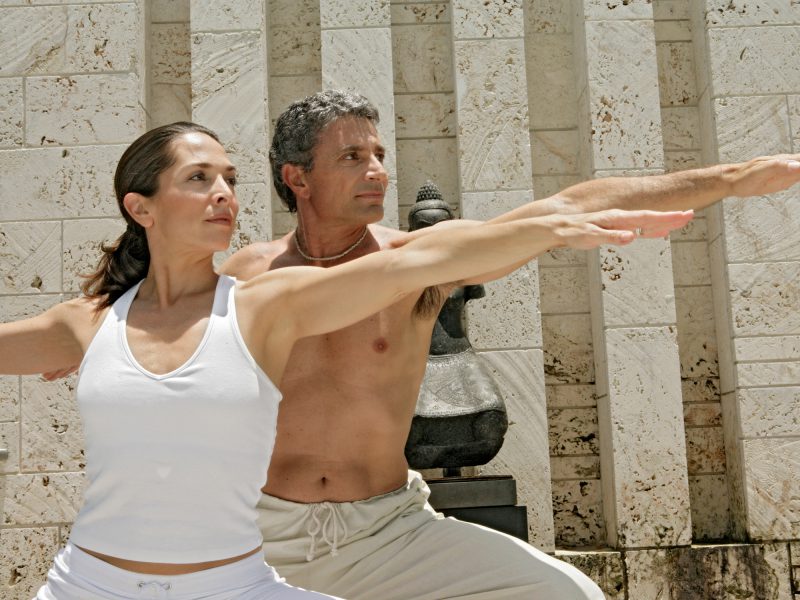
Couple doing Tai ChiSome research has shown that with the right diet, exercisespecific nutrientsvitamins and time-stopping foods it’s possible to slow the hands of time. But the burden of proof is still out there when it comes to the truly life-lengthening secrets.
But there’s one ancient practice that may help you achieve both…

Self-renewing cells

In 2014, the journal Cell Transplantation published the findings of an exciting study that directly links tai chi — a gentle, non-strenuous martial arts practice — to a longer life because of its effect on stem cell production.
Stem cells are unspecialized cells that, according to the National Institutes of Health, are “capable of renewing themselves through cell division.” They’re the repair experts of your body, standing by to reproduce, repair and replace worn-out or damaged tissues.
Because of their unique characteristics, medical researchers believe that if they can harness the regenerative power of stem cells, they may be able to develop tools for treating a wide range of illness and damage in the human body.
Early on researchers quarreled over the moral implication of stem cell use. Now, however, researchers have found they can grab stem cells from within the body of the diseased and use those very ones to create change. In fact, adult mesenchymal stem cells can be harvested from your very own belly fat.
Instead of relying on donated organs to replace damaged kidneys, livers or other body parts, scientists hope they can learn how to use stem cells to regrow these tissues.
If you have diabetes and your pancreas malfunctions, you will be interested to know it may be possible someday to use stem cells to regrow pancreatic structures that secrete insulin. In the future, if you suffer heart attack damage to the heart muscle, stem cells may be able to be injected into the heart to repair and replace the injured cells.
As you age, it’s natural for stem cell production to decline. But this latest research indicates you can boost your body’s stem cell production just by taking a brisk walk or practicing tai chi regularly…

The research

Thousands of years of anecdotal evidence and a slew of more recent studies have shown the health and wellness benefits of practicing tai chi (read more benefits here).
These benefits include stress relief, stronger bones, less frequent falls in the elderly, more supple muscles and joints and improved range of motion.
Researchers at the China Medical University Beigang Hospital in Taiwan, headed by Lin Hsin-jung, have now linked tai chi to a longer life. This research takes “practice tai chi to live longer” from a notion to a fact.
Over the course of three years, Lin and his team discovered that practicing tai chi for one year increases progenitor CD34(+) cells in young adults. That is, it increases the number of stem cells in the body which have the ability to repair and replicate more effectively, longer; thus potentially extending lifespan.
32 participants in this retrospective cross-sectional study, were divided into three groups. A tai chi group (10), a brisk walking group (12) and a no exercise habit group (10). All were observed for more than one year.
The participants in the tai chi group outperformed the “no exercise habit group” with respect to the number of new stem cell growth.
Interestingly, no significant difference was found between the tai chi and the brisk walking group. I’d like to see more studies comparing these two modes of gentle exercise, as I have written for decades that tai chi or qigong (its standing counterpart) and brisk walking are the two best exercises.
Either way, this study shows that both the sustained practice of tai chi and brisk walking for more than a year, can support the body in its growth of new stem cells. And these new stem cells can repair older ones and morph into a host of other cells the body needs to fight disease, repair itself and live longer.
https://easyhealthoptions.com/tai-chi-slows-aging-boosts-stem-cells/

Thursday, 24 October 2013

Major Cause Of Breast Cancer

Newsletter #337
Lee Euler, Editor


23 October 2013

Don’t Fall For This
Major Cause Of Breast Cancer


These days, we know genetic mutations affect your likelihood of developing breast cancer, especially if you have mutations in the BRCA1 and BRCA2 genes.

But like so many other cancers, diet and lifestyle also play a significant role in whether you’ll develop breast cancer. In fact, diet and lifestyle appear to be the biggest factors overall. Researchers now estimate as much as 73 percent of breast cancer is caused by diet and lifestyle choices, as opposed to genetics. That bottle of cola and that dish of ice cream had better be really good because you may end up paying a terrible price.

But lifestyle means far more than our food and exercise habits. It also includes toxins we’re exposed to, including some prescription drugs we take because doctors tell us they’re “harmless.” Right now I’m thinking of the types of hormones you might be putting in your body that could elevate your risk. As Breast Cancer Awareness Month comes to a close, let’s take a look at some things you can do…

5 “little” lifestyle tips that can help you
Avoid breast cancer
 
    Lifestyle choices can have a profound affect on your health, and on how your body performs at all levels. Doctors rarely spend the time necessary to talk about these things. Be smart today, and implement this “top 5″ list.
  1. Smoking and Alcohol. If you smoke, quit as soon as possible. Studies show that women who smoked for 35 years had a 60% greater risk of serious breast health problems. And women who smoked 15 years were 34% more likely to develop abnormal breast cells. As for alcohol, drinking the stuff on a regular basis may fuel estrogen imbalances and abnormal breast cell changes. As the rest of this article will show, high estrogen levels are a major cause of breast cancer and other cancers.
  2. Exercise. Even mild or moderate exercise (i.e., 30 minutes of walking) can help move immune cells around your body, support a healthy estrogen balance, and help keep abnormal breast cells from taking root. It also promotes insulin sensitivity and a healthy weight. Don’t let the perfect be the enemy of the good. Walk a little bit — ten minutes, 15 minutes. DO SOMETHING.
  3. Your Weight. Fat cells produce more estrogen. A healthy weight also benefits your cardiovascular, metabolic, and overall health. Yes, I know everyone’s tired of being nagged, but the years this can add to your life are worth all the trouble of tackling this problem.
  4. Vegetables. Eat a diet high in organic veggies, especially cruciferous and dark leafy greens. They’re chock full of crucial vitamins, antioxidants, and phytochemicals you’ve probably never heard of. Raw is better than cooked.
  5. Thermography and breast exams. Do monthly self-breast exams and an annual thermogram. A thermogram doesn’t directly diagnose cancer, but it can warn you of inflammatory hot spots that can spell trouble, up to ten years in advance of actually having cancer that can be detected. This gives you tons of time to take action.
Meanwhile, beware of this mainstream medical therapy
 
    It’s widely documented that hormone replacement therapy increases the risk of breast cancer. Not so many years ago, doctors promoted this therapy like crazy. Nearly half of all post-menopausal women at least gave it a try — that’s a staggering number of people.

Then a big study revealed that hormone replacement therapy was clearly linked to breast cancer. It turned out it was a really bad idea to blindly trust your doctor — you know, that guy or gal who has all that schooling and knows everything.

Thousands of women promptly quit hormone replacement therapy, and within a few years the breast cancer rate plunged.

It was probably the most dramatic proof ever seen that a lifestyle choice can give you cancer. In this case the choice was a prescription drug that is not essential.

In spite of the warnings, it seems quite a few women still take hormone replacement therapy. If that describes you, take heed — you’re putting your life in danger. And that may be true even if you’re a loyal natural health fan and take “bio-identical” hormone therapy, as I’ll explain in a minute.

What is hormone replacement therapy?
 
    Conventional hormone replacement therapy (HRT) after menopause is a lifestyle choice and it’s something women have been choosing for decades, although far fewer women choose it now. It’s also known as menopausal hormone therapy (HT or MHT), postmenopausal hormones (PMH), or postmenopausal hormone therapy (PHT). Treatments are generally administered through a pill, topical cream, or patch.

Most conventional hormone replacement therapy is made up of progesterone or progestins (synthetic hormones that act like progesterone). In rare cases, androgens (testosterone-like male hormones) are used, along with something called Tibolone, a synthetic hormone drug that acts like estrogen, progesterone, and testosterone, depending on which tissue of the body it gets put into to.

Women choose HRT to replace the female hormones in their bodies that are no longer made after menopause (in general, that’s when women have lower estrogen levels). But it’s a choice that can dramatically increase your breast cancer risk as well as your risk of other cancers, even if you use it for as little as two years.

Before the big study linking it to cancer, HRT used to be a standard treatment for any woman who experienced hot flashes or other menopausal symptoms, and was believed to have long-term benefits that protected against illness like heart disease and dementia. Now we know the treatment did more harm than good, especially for older post-menopausal women.

In spite of this finding, HRT is still considered a helpful treatment for certain groups of women, such as those at high risk of heart disease (this is because some studies show estrogen may decrease heart disease risk). But it’s not clear whether the benefits outweigh the risks even for these special groups.

Why the HRT cancer risk is real
 
    As more research on HRT surfaces, more risks are coming to light. For example, women who take estrogen supplements without the right balance of progesterone risk uterine cancer. Breast cancer risk also rises, in part because HRT can cause a breast to look denser on a mammogram, making cancer all but impossible to detect.

Worse still, not only does hormone replacement therapy elevate your risk of breast cancer, but once developed, the cancer might be more aggressive. Meaning the cancer might be more advanced once discovered, thus increasing your risk of dying from the disease.

Doctors caution that if you have a current or past history of breast, ovarian, or endometrial cancer, you should steer clear of HRT—a fact that underscores how much hormone replacement therapy supports the growth of cancer.

Here’s a sampling of some recent negative results from HRT supplementation:
  • One study of women taking estrogen-only therapy showed that one in nine women who took the therapy for three years developed a pre-cancerous change in the lining of the uterus.
  • In a Women’s Health Initiative study (WHI), those who took estrogen-progestin therapy had a higher risk of breast cancer. And the longer the hormones were used, the higher the risk. In this study, it took three years of halting hormone therapy for risk levels to return to normal.
  • In the same WHI study, it was found that women on estrogen-progestin therapy actually had a lower risk of colorectal cancer, but the cancers they did get were more likely to spread to lymph nodes or distant sites.
  • Observational studies suggest that estrogen-progestin therapy slightly increases the risk of ovarian cancer.

In general, your risk returns to normal within five years of stopping hormone replacement therapy.

What about natural alternatives to drug-company
hormone replacement therapy?
 
    The first step to getting off hormone replacement therapy is to gradually minimize the amount you take. Use the lowest dose possible to treat your symptoms, and focus on improving other aspects of your health—by following the five tips at the beginning of this article.

Limiting stress is also an effective way to help curb menopausal symptoms. Take up yoga or practice relaxed, deep breathing or meditation. Tai chi and acupuncture may also help.

An alternative is to take bio-identical hormone replacement therapy, which appears to have a higher satisfaction rate. For example, those patients who take bio-identical hormone replacement therapy with progesterone report higher satisfaction than those who take a synthetic progestin. Same case for those taking Estriol, a bio-identical form of estrogen, which reacts within the body differently than estrogens found in conventional hormone replacement therapy. The latter are not exactly the same as the natural hormones your own body manufactures.

It makes sense to me that bio-identical hormones would be safer, but even so this type of therapy remains controversial. Having spent years recommending the man-made hormones, mainstream medicine has now done a complete about face and says ANY estrogen supplement — man-made or bio-identical — may increase cancer risk.

I am anything but an expert, but I do know that exposure to estrogen does raise cancer risk. For this reason, the more pregnancies a woman has, the lower her breast cancer risk, because estrogen levels drop during pregnancy. Breast cancer risk is directly related to the number of monthly cycles a woman has during her lifetime, since estrogen levels peak during a certain part of the cycle. Pregnancy arrests this process and leads to lower cumulative lifetime exposure to estrogen.

I’ve also read (and, again, I’m not an expert) that the symptoms of menopause can be managed by diet and proper food supplements. Doctors who advocate this approach say that the annoying symptoms of modern menopause are largely a product of our bad dietary habits. Like other symptoms of aging including diabetes and heart disease, we’re inflicting this problem on ourselves.

In the end … avoid the risk
 
    Controlled trials are needed before we have more conclusive results about the risks of hormone replacement therapy, but for now, it appears much safer to go with what’s natural. Especially since every time researchers learn more about hormone therapy, the message seems to be that it’s not that great after all.

So as long as there are alternatives, your best bet is to try them first.

 http://www.cancerdefeated.com/dont-fall-for-this-major-cause-of-breast-cancer/1842/

Tuesday, 3 September 2013

Are You Tough Enough for Tai Chi?


August 1, 2013

It gives you more of a workout than you think—and benefits you’d never imagine.


http://www.bottomlinepublications.com/content/article/diet-a-exercise/are-you-tough-enough-for-tai-chi

Sunday, 14 July 2013

Ease Pain and Depression with These Techniques

13 Mind-Body Techniques That Can Help Ease Pain and Depression

July 04, 2013

Story at-a-glance

  • Many aches and pains are rooted in brain processes that can be affected by your mental attitude and emotions
  • Meditation in various forms appears to work for pain relief because it reduces brain activity in your primary somatosensory cortex, an area that helps create the feeling of where and how intense a painful stimulus is
  • Mind-body strategies that can have a beneficial effect on both physical and mental/emotional pain include EFT, massage, biofeedback, tai chi, breathing exercises, hypnosis, music therapy, yoga, visualization and incanting a mantra
  • The Neurostructural Integration Technique uses gentle moves at precise points on your body to create energy flow and vibrations between the points, allowing your body to naturally resolve pain and dysfunctional psychological conditions                    

By Dr. Mercola

Many aches and pains are rooted in brain processes that can be affected by your mental attitude and emotions. While the mechanics of these mind-body links are still being unraveled, what is known is that your brain, and consequently your thoughts and emotions, do play a role in your experience of physical pain.  
For instance, meditation appears to work for pain relief because it reduces brain activity in your primary somatosensory cortex, an area that helps create the feeling of where and how intense a painful stimulus is.  
Laughter is also known to relieve pain because it releases endorphins that activate brain receptors that produce pain-killing and euphoria-producing effects. 
This line of communication between mind and body runs both ways though, and physical pain, especially if it’s chronic, is a well-known trigger for depression. According to psychologist Rex Schmidt at the Nebraska Medical Center Pain Management:1
“Depression and pain happen to share a part of the brain that’s involved in both conditions, which means that mind-body techniques that affect those areas can be efficacious for both.”
Meditation and laughter are just two examples of a burgeoning new field looking at mind-body therapies to address chronic pain. The featured article2 reviews 11 such strategies. I’ve added two more for a baker’s dozen.

#1: Add EFT to Your Self-Help Toolkit

The Emotional Freedom Techniques (EFT) is a form of psychological acupressure based on the same energy meridians used in traditional acupuncture to treat physical and emotional ailments for over 5,000 years, but without the invasiveness of needles.
Instead, simple tapping with the fingertips is used to transfer kinetic energy onto specific meridians on your head and chest while you think about your specific problem -- whether it is a traumatic event, an addiction, pain, anxiety, etc. -- and voice positive affirmations. 
This combination of tapping the energy meridians and voicing positive affirmation works to clear the "short-circuit"—the emotional block—from your body's bioenergy system, thus restoring your mind and body's balance, which is essential for optimal health and the healing of physical disease.  
Some people are initially wary of these principles that EFT is based on -- the electromagnetic energy that flows through the body and regulates our health is only recently becoming recognized in the West. Others are initially taken aback by (and sometimes amused by) the EFT tapping and affirmation methodology. 
But believe me when I say that, more than any traditional or alternative method I have used or researched, EFT has the most potential to literally work magic. Clinical trials have shown that EFT is able to rapidly reduce the emotional impact of memories and incidents that trigger emotional distress. Once the distress is reduced or removed, the body can often rebalance itself, and accelerate healing. In the videos below, EFT practitioner Julie Schiffman shows how you can use EFT to relieve your physical pain and depression. 


Total Video Length: 25:12

#2: Massage the Pain Away

Massage offers real health benefits, so much so that some conventional hospitals are making it a standard therapy for surgery patients and others. Along with promoting relaxation and improving your sense of well-being, getting a massage has been shown to:
  • Relieve pain (from migraines, labor, fibromyalgia and even cancer)
  • Reduce stress, anxiety and depression, and ease insomnia
  • Decrease symptoms of PMS
  • Relax and soften injured and overused muscles, reducing spasms and cramping.
  • Provide arthritis relief by increasing joint flexibility.
Massage affects your nervous system through nerve endings in your skin, stimulating the release of endorphins, which are natural "feel good" chemicals. Endorphins help induce relaxation and a sense of well-being, relieve pain and reduce levels of stress chemicals such as cortisol and noradrenaline -- reversing the damaging effects of stress by slowing heart rate, respiration and metabolism and lowering raised blood pressure.  
Stronger massage stimulates blood circulation to improve the supply of oxygen and nutrients to body tissues and helps the lymphatic system to flush away waste products. It eases tense and knotted muscles and stiff joints, improving mobility and flexibility.  
Massage is said to increase activity of the vagus nerve, one of 10 cranial nerves, that affects the secretion of food absorption hormones, heart rate and respiration. It has proven to be an effective therapy for a variety of health conditions -- particularly stress-related tension, which experts believe accounts for as much as 80 percent to 90 percent of disease.  
According to the featured article:
“[A] new study from Thailand suggests that traditional Thai massage can decrease pain intensity, muscle tension and anxiety among people with shoulder pain. Meanwhile, research from the Touch Research Institute at the University of Miami in Florida found that when adults with hand pain had four weeks of massage therapy, they reported a lot less pain, anxiety and depression.
Another study at the Touch Research Institute found that when pregnant women who were depressed received massages from their partners twice a week, they had much less leg and back pain and fewer symptoms of depression during the second half of their pregnancies.”

#3: Remain in the Now...

Practicing “mindfulness” means that you’re actively paying attention to the moment you’re in right now. Rather than letting your mind wander, when you’re mindful you’re living in the moment and letting distracting thoughts pass through your mind without getting caught up in their emotional implications. Though it sounds simple, it often takes a concerted effort to remain in a mindful state, especially if it’s new to you. But doing so can offer some very significant benefits to both your mental and physical health.  
For example, mindfulness training has been found to reduce levels of stress-induced inflammation, which could benefit people suffering from chronic inflammatory conditions like rheumatoid arthritis, inflammatory bowel disease and asthma.  
This makes sense, since chronic stress heightens the inflammatory response, and mindfulness is likely to help you relieve feelings of stress and anxiety. In one eight-week study,3 people who received mindfulness training had smaller inflammatory responses than those who received a control intervention, which focused on healthy activities to reduce psychological stress but without particular instruction on mindfulness. Similarly, according to the featured article:
“Mindfulness meditation -- focusing on your breath and each present moment -- can lessen cancer pain, low back pain and migraine headaches. Researchers at Brown University in Providence, R.I., found that when women with chronic pelvic pain participated in an eight-week mindfulness meditation program, their pain decreased and their mood improved.”
In many ways, mindfulness is similar to transcendental meditation, the idea of which is to reach a place of “restful” or “concentrated” alertness, which enables you to let negative thoughts and distractions pass by you without upsetting your calm and balance.  
This type of meditation is easy to try at home: simply sit quietly, perhaps with some soothing music, breathe rhythmically and focus on something such as your breathing, a flower, an image, a candle, a mantra or even just being there, fully aware, in the moment.  
Researchers report that practicing mindfulness meditation for just four days affects pain responses in your brain. Brain activity decreases in areas devoted to monitoring a painful body part, and also in areas responsible for relaying sensory information.

#4: Take Control with Biofeedback

In biofeedback, electrical sensors attached to your skin allow you to monitor your biological changes, such as heart rate, and this feedback can help you achieve a deeper state of relaxation. It can also teach you to control your heart rate, blood pressure and muscle tension through your mind. According to psychologist Rex Schmidt:
“Through focus and mental strategies, biofeedback induces the relaxation response and gives you a greater sense of control.”
Biofeedback is often used for stress-related conditions, such as:
  • Migraines and tension-type headaches
  • Fibromyalgia
  • Back pain
  • Depression and anxiety

#5: Free Yourself from Tension with Progressive Muscle Relaxation

Progressive muscle relaxation (PMR) is achieved by tensing and relaxing all the major muscle groups, one at a time, from head to toe. By learning to feel the difference between tension and relaxation, you can more actively disengage your body’s fight-or-flight response, which underlies most pain, depression and stress. According to the featured article:
“Studies show that whether PMR is used on its own or with guided imagery, it helps ease emotional distress and pain from cancer, osteoarthritis, surgery and other conditions.”

#6: Harness Relaxation with Tai Chi

The 2,000-year-old Chinese practice of tai chi is a branch of Qigong -- exercises that harness the qi (life energy). It’s been linked to numerous health benefits, including improvements in the quality of life of breast cancer patients and Parkinson's sufferers, and has shown promise in treating sleep problems and high blood pressure. 
Often described as "meditation in motion" or "moving meditation," the activity takes your body through a specific set of graceful movements. Your body is constantly in motion and each movement flows right into the next. While practicing tai chi, your mind is meant to stay focused on your movements, relaxation and deep breathing, while distracting thoughts are ignored. 
Part of the allure is that it's so gentle, it's an ideal form of activity for people with pain or other conditions that prevent more vigorous exercise. You can even do tai chi if you're confined to a wheelchair. Even respected conventional health institutions such as the Mayo Clinic4 and Harvard Medical School5 recommend tai chi for its health benefits, especially as a stress-reduction tool. However, there are more studies available than you might think; suggesting tai chi has an impressive range of health benefits. To browse through them, please see the WorldTaiChiDay.org6 web site. According to the featured article:
“In a recent study at the Tufts University School of Medicine in Boston, researchers found that when people with fibromyalgia participated in 60-minute tai chi sessions twice a week for 12 weeks, they had much less physical and mental discomfort. The researchers also reviewed the medical literature on tai chi’s effect on psychological well-being and concluded that it reduces depression, anxiety and stress.”

#7: Breathe Easy...

Deep breathing activates your parasympathetic nervous system, which induces the relaxation response. There are many different breathing practices that you can try, but here I’m going to share two that are both powerful and very easy to perform. The first one I learned when I attended a presentation by Dr. Andrew Weil at the 2009 Expo West in California. The key to this exercise is to remember the numbers 4, 7 and 8. It’s not important to focus on how much time you spend in each phase of the breathing activity, but rather that you get the ratio correct. Here’s how it’s done:
  1. Sit up straight
  2. Place the tip of your tongue up against the back of your front teeth. Keep it there through the entire breathing process
  3. Breathe in silently through your nose to the count of four
  4. Hold your breath to the count of seven
  5. Exhale through your mouth to the count of eight, making an audible “woosh” sound
  6. That completes one full breath. Repeat the cycle another three times, for a total of four breaths
You can do this 4-7-8 exercise as frequently as you want throughout the day, but it’s recommended you don’t do more than four full breaths during the first month or so of practice. Later, you may work your way up to eight full breath cycles at a time. The benefits of this simple practice are enormous and work as a natural tranquilizer for your nervous system.  
 
The second is known as the Buteyko Breathing Method, which is a powerful approach for reversing health problems associated with improper breathing, the most common of which are overbreathing and mouthbreathing. When you stop mouth breathing and learn to bring your breathing volume toward normal, you have better oxygenation of your tissues and organs, including your brain. 
Factors of modern life, including stress and lack of exercise, all increase your everyday breathing. Typical characteristics of overbreathing include mouth breathing, upper chest breathing, sighing, noticeable breathing during rest, and taking large breaths prior to talking. 
Controlling anxiety and quelling panic attacks is one of the areas where the Buteyko Method can be quite useful. If you’re experiencing anxiety or panic attacks, or if you feel very stressed and your mind can’t stop racing, try the following breathing technique. This sequence helps retain and gently accumulate carbon dioxide, leading to calmer breathing and reduces anxiety. In other words, the urge to breathe will decline as you go into a more relaxed state:
  1. Take a small breath into your nose, followed by a small breath out
  2. Then hold your nose for five seconds in order to hold your breath, and then release your nose to resume breathing
  3. Breathe normally for 10 seconds
  4. Repeat the sequence

#8: Hypnosis for Pain Management

Hypnosis, which is a trance-like state in which you experience heightened focus and concentration, can help decrease pain by altering your emotional responses to your body’s pain signals and your thoughts about the pain. Contrary to popular belief, you do not relinquish control over your behavior while under hypnosis, but it does render you more open to suggestions from the hypnotherapist. According to the featured article:
“Studies show that hypnosis can help manage the pain from childbirth and metastatic breast cancer as well as chronic low back pain. What’s more, cognitive hypnotherapy can lead to less depression, anxiety and hopelessness among depressed people than cognitive behavioral therapy does, according to research from the University of Calgary in Canada.”

#9: Soothe Your Mind and Body Through the Power of Music

If you’re a music lover, you already know that turning on the tunes can help calm your nerves, make stress disappear, pump up your energy level during a workout, bring back old memories, as well as prompt countless other emotions. When you listen to music, much more is happening in your body than simple auditory processing.  
Music triggers activity in the nucleus accumbens, a part of your brain that releases the feel-good chemical dopamine and is involved in forming expectations. At the same time, the amygdala, which is involved in processing emotion, and the prefrontal cortex, which makes possible abstract decision-making, are also activated, according to recent research published in the journal Science.7 Other research8 revealed listening to music resulted in less anxiety and lower cortisol levels among patients about to undergo surgery than taking anti-anxiety drugs. As reported by the featured article:
“...[R]esearchers in Cleveland found that when [burn] patients listened to music and used visual imagery as a distraction when their wound dressings were being changed, they experienced significantly less pain, anxiety and muscle tension. In a study in Norway, depressed people who had music therapy plus psychotherapy were less depressed and anxious and more functional than those who just did regular therapy.”
Musical preference varies widely between individuals, so only you can decide what will effectively put you in a particular mood. Overall, classical music tends to be among the most calming, so may be worth a try. To incorporate music into a busy schedule, try playing CDs while driving, or put on some tunes while you’re getting ready for work in the morning. You can also take portable music with you when walking the dog, or turn on the stereo instead of watching TV in the evening.

#10: Take Up Yoga

Yoga has been proven to be particularly beneficial if you suffer with back pain, but recent research also suggests it can also be of tremendous benefit for your mental health. Duke University researchers recently published a review9 of more than 100 studies looking at the effect of yoga on mental health, and according to lead author Dr. P. Murali Doraiswamy, a professor of psychiatry and medicine at Duke University Medical Center:10
“Most individuals already know that yoga produces some kind of a calming effect. Individually, people feel better after doing the physical exercise. Mentally, people feel calmer, sharper, maybe more content. We thought it’s time to see if we could pull all [the literature] together… to see if there’s enough evidence that the benefits individual people notice can be used to help people with mental illness.”
According to their findings, yoga appears to have a positive effect on:
  • Mild depression
  • Sleep problems
  • Schizophrenia (among patients using medication)
  • ADHD (among patients using medication)
Some of the studies suggest yoga can have a similar effect to antidepressants and psychotherapy, by influencing neurotransmitters and boosting serotonin. Yoga was also found to reduce levels of inflammation, oxidative stress, blood lipids and growth factors.

#11: Visualization and Guided Imagery

According to the featured article, visualization techniques or guided imagery can serve as an important tool to combat both physical pain and depression by imagining being in “a better place.”
“Research shows it can help with pain from cancer, osteoarthritis and childbirth by providing distraction and promoting a state of relaxation. In addition, a study from Portugal found that when people hospitalized for depressive disorders listened to a guided imagery CD once a day for 10 days, they were less depressed, anxious and stressed over time, compared to peers who didn’t use visualization,” the article states.
Ideally, you’ll want to immerse yourself as fully as you possibly into your visualization, using all your senses: seeing, smelling, tasting, hearing, and feeling. According to Dr. Schmidt:
“Using all your senses changes levels of brain chemicals such as serotonin, epinephrine and endorphins, and with regular practice you’ll gain more of a sense of control, which is often lacking when you’re in pain or depressed.”

#12: Repeat a Calming Mantra

The repeated incantation of a mantra—a soothing or uplifting word or phrase of your choice—in a rhythmic fashion can help you relax in a similar way as mindfulness training. The focused repetition, also called autogenic training, helps keep your mind from wandering and worrying, and engages your body’s relaxation response.
“A study at the University of Manchester in the U.K. found that autogenic training helped female migraine sufferers decrease the frequency and intensity of their headaches. And research from the University of Melbourne in Australia suggests that autogenic training may provide 'helpful longer-term effects' on symptoms of depression,” according to the featured article.

#13: Remove Pain and Dysfunctional Psychological Conditions with the Neurostructural Integration Technique

The Neurostructural Integration Technique (NST) is an amazing innovative technique developed in Australia. Using a series of gentle moves on specific muscles or at precise points on your body creates an energy flow and vibrations between these points. This allows your body to communicate better with itself and balance the other tissues, muscles and organs. The method of action is likely through your autonomic nervous system (ANS), allowing your body to better carry out its many functions the way it was designed to.  
The main objective is to remove pain and dysfunctional physiological conditions by restoring the structural integrity of the body. In essence, NST provides the body with an opportunity to reintegrate on many levels, and thus return to and maintain normal homeostatic limits on a daily basis.  
NST is done with a light touch and can be done through clothing. There are pauses between sets of moves to allow your body to assimilate the energy and vibrations. To learn more, please review the article, Gentle Hands Can Restore Your Health, by Micheal Nixon Levy who developed the technique.
[-] Sources and References


http://articles.mercola.com/sites/articles/archive/2013/07/04/13-mind-body-techniques.aspx