Pages

Wednesday, 2 May 2018

The most polluted towns and cities in the UK have been named and the list will surprise you

There are 47 towns and cities in the UK which match or exceed air pollution limits, a report has revealed.
The World Health Organisation (WHO) said the Welsh steel town of Port Talbot is the most polluted place in Britain.


View photos
There are 47 towns and cities in the UK which are polluted (Picture: Rex)
It recorded pollution levels of 18 micrograms per cubic metre, well above the WHO limit of 10.
Researchers looked at fine particle emissions – called PM 2.5 – which travel deeply into people’s respiratory systems and can lead to health problems.
The tiny particles, which come from sources such as transport, industry, coal plants and burning wood, fuels or waste, are linked to conditions including stroke, heart disease, lung cancer and disease, and respiratory infections.
View photos
Port Talbot in Wales was top of the pollution list (Picture: PA)
Many of the country’s main cities exceed the WHO limit, including London, Manchester, Liverpool and Nottingham.
Port Talbot, home of the Port Talbot steelworks, recorded 18 micrograms per cubic metre in the last recorded data from 2015, the same as Marseille in France, Singapore and the Ecuadorian capital Quito, and higher than Belgian capital Brussels (16).
The figures show varying levels of pollution in Port Talbot over time, with the figure at 16 in 2013, down to 10 in 2014 and on the rise again in 2015.
Scunthorpe and Salford recorded the second-worst levels of pollution in the UK, with 15 micrograms per cubic metre recorded, followed by Gibraltar and Thurrock on 14.
Manchester and Swansea were on 13, and cities including Leeds, Leicester, Liverpool, Plymouth, Sheffield and York recorded 12, one above London which showed 11 micrograms per cubic metre in 2015.
This figure represents a drop from 17 in 2013, while in Carlisle the levels have gone up from eight in 2013 to 12 in 2015.
Cities on the WHO limit of 10 include Birmingham, Brighton, Bristol, Newcastle, Portsmouth and Southampton.
The most polluted city in 2015 according to the WHO data is Muzaffarpur in India, with a figure of 197 micrograms per cubic metre, although this figure is under revision.
Below that is Pasakha in Bhutan (150), Delhi in India (123) and greater Cairo in Egypt (117).
View photos
London is still among the most polluted places in the UK – but it isn’t the worst (Picture: PA)
The government has been urged to take action in the wake of the report, which said seven million people a year worldwide are dying due to poor air quality, and nine out of 10 people are exposed to levels of air pollution that are dangerous to their health.
Environmental law charity ClientEarth chief executive James Thornton said: “These new statistics show a worrying level of this dangerous air pollution across the country.
“People shouldn’t have to breathe air on a daily basis which the WHO deems unhealthy.”
He added ministers should commit to a new Clean Air Act, adding: “Without it, many people across the UK will continue to pay with their health.”
Alison Cook, director of policy at the British Lung Foundation, said: “This report reconfirms that air pollution is one of the leading environmental public health crises in the UK today.
“Action to reduce the toxic particles in the air we breathe can no longer be delayed.
“How much more evidence do we need to see before the Government sets new legal limits on pollution levels to protect the nation’s lung health?”
Simon Gillespie, chief executive of the British Heart Foundation, said: “The UK government needs to show leadership by adopting WHO air quality guidelines into national legislation and in doing so, help to protect the nation’s heart and circulatory health.”
View photos
Port Talbot has a pollution level of 18 micrograms per cubic metre (Picture: PA)

THE 32 UK TOWNS AND CITIES (AND GIBRALTAR) WHICH EXCEED THE WHO AIR POLLUTION LIMIT

Port Talbot: 18 micrograms per cubic metre
Scunthorpe: 15
Salford: 15
Gibraltar: 14
Thurrock: 14
Manchester: 13
Swansea: 13
Gillingham: 13
Carlisle: 12
Chepstow: 12
Leeds: 12
Leicester: 12
Liverpool: 12
Grays: 12
Eccles: 12
Nottingham: 12
View photos
Nottingham is one of the cities with a pollution level over the WHO limit (Picture: PA)
Plymouth: 12
York: 12
Prestonpans: 12
Royal Leamington Spa: 12
Sandy: 12
Sheffield: 12
Stoke-On-Trent: 12
London:11
Coventry: 11
Hull: 11
Londonderry: 11
Middlesbrough: 11
Norwich: 11
Southend-On-Sea: 11
Stockton-On-Tees: 11
Storrington: 11
Wigan: 11

THE 15 PLACES THAT ARE AT THE WHO LIMIT

Armagh:10
Birmingham: 10
Brighton: 10
Bristol: 10
Cardiff: 10
Eastbourne: 10
Harlington: 10
Newcastle: 10
Newport: 10
Oxford: 10
Portsmouth: 10
Preston: 10
Saltash: 10
Southampton: 10
Stanford-Le-Hope: 10
https://uk.news.yahoo.com/polluted-towns-cities-uk-074241076.html

Great Tips to Grow Lemongrass

Lemongrass, is an herb noted for its distinctive lemon flavor and citrus aroma. Lemongrass may be grown as a perennial in zones 10 to 11. In these climates lowest temperatures reach approximately 30 degrees Fahrenheit in the winter.1 In cooler areas lemongrass is grown as an annual, but may be planted in a pot and brought indoors in the winter months.


Story at-a-glance

  • Lemongrass is an herb belonging to the grass family, growing as a perennial in zones 10 to 11 and as an annual in colder climates
  • The herb, a popular addition to soups, stews and stir-fry foods, may be started in water on a sunny windowsill before planting, using plants purchased at the grocery store
  • The most common disease affecting the plant is fungus, which may be prevented with appropriate mulching, watering and pruning
  • Benefits include help for insomnia and pain, improved insulin sensitivity, antibacterial activity and hair health; do a patch test before applying essential oil or infusion to your skin or scalp. I don’t recommend use of the oil in children, pregnant or nursing mothers or those with liver or kidney disease or other health conditions
April 27, 2018
By Dr. Mercola
Cymbopogon citratus, commonly known as lemongrass, is an herb noted for its distinctive lemon flavor and citrus aroma. Lemongrass may be grown as a perennial in zones 10 to 11. In these climates lowest temperatures reach approximately 30 degrees Fahrenheit in the winter.1 In cooler areas lemongrass is grown as an annual, but may be planted in a pot and brought indoors in the winter months.
The herb is among the most popular of essential oils and is native to tropical countries such as India, China and Thailand, where it is a favorite flavoring in foods, drinks and desserts.2 The plant has also been used traditionally for medicinal and cosmetic purposes. A common theory attributes the success of lemongrass essential oil in part to the citronella essential oil display at the World's Fair in 1951.
Lemongrass was initially introduced to warm regions in the United States, but can be grown throughout the country as an annual plant. In food and beverages it is often used for flavoring, and in manufacturing lemongrass may be added as a fragrance to soaps and cosmetics. You can take advantage of the many health benefits associated with this flavorful plant by including it in your garden during the summer and even bringing it indoors in the winter.

Lemongrass Grows Indoors and Out

Lemongrass is easy to start and root as demonstrated in the featured video. Although you can purchase the plants at your local gardening shop, it's also easy to start your own from lemongrass purchased at the grocery store. The plant does best when started in early spring.3 As demonstrated in the video, locate the lower half of the plant and trim approximately 6 inches above this point. The top half can be used dried in tea or in your compost pile while the bottom half is placed in approximately 3 inches of water.
Once you've trimmed the number of stalks you wish to start, add just a dash of cinnamon as a root starter and place the cup in a sunny window. Change the water every couple of days to prevent the growth of fungus4 and wait patiently for the roots and leaves to start growing. It may take between three and four weeks before the plant will be ready to be anchored in the ground or planted in a pot. Once the leaves begin to pop out of the stem, you may want to add some liquid fertilizer to give the plant nutrients.
Consider making your own by using grass clippings and weeds from your yard if you don’t use pesticide treatments.5 Using a 5-gallon bucket, fill it two-thirds of the way with fresh grass clippings and some organic banana peels.
Add water and let it steep for three days, stirring several times throughout the day. Strain out the solid pieces and mix what's left with equal parts of water in a 1-to-1 ratio. Add several drops of this mixture to your lemongrass starter plants. Consider using the remaining natural fertilizer on your indoor and outdoor plants.
Lemongrass prefers full sun and appreciates rich and loamy soil. The plant requires regular watering depending upon the type of soil in your garden. Looser soils will require more frequent watering but loam soil will retain moisture longer and won't need to be irrigated as frequently.6 By sticking your finger in the soil you'll be able to tell how dry it is and how often you might need to water. Adding a thick layer of organic mulch will enhance water retention and slowly add nutrients into the soil as the mulch degrades.
When your plants have plenty of sun, water and fertilizer, they may grow as high as 6 feet and 4 feet wide, depending upon your variety. It's a good idea to keep them pruned at a manageable size to encourage new growth and to allow all the leaves to receive sunlight.7
The best time to trim is early spring, but as the plant is very forgiving it may be pruned during the summer months if growth has gotten out of control. If your lemongrass is a perennial plant in your garden, wait until spring before pruning as the plant is dormant in the winter. Although it may look extreme to cut off all the brown leaves with the initial pruning, it won't be long before fresh green growth takes its place.

Don’t Let Fungus Claim Your Plants

Fungus is the most common disease found in lemongrass. Early blight, late blight and rust are caused by fungus, coloring the foliage and potentially resulting in plant death.8 Fungus survives over the winter in plant debris and weeds, so it's important to remove debris from around your plants and cover well with organic mulch before winter. Early blight causes brown concentric rings, while late blight causes greasy, greenish, black spots to develop on the lower leaves. Rust disease causes rust colored spots on the foliage and stems.
The best management for fungal disease is to promote vigorous growth by using mulches and organic fertilizers to stimulate growth, while pruning out diseased areas.9 Severe infection may result in the death of the entire plant. Rust spores are able to survive on the ground, then spread by the wind, rain and water splashing. Avoid overhead irrigation whenever possible to reduce the spread of fungal disease.10 The most common times the disease is spread is during high rainfall, high humidity and warm temperatures.11
Lemongrass may also be attacked by aphids, spider mites and whiteflies. Aphids are small, sucking insects that feed on the underside of the leaves and leave a sticky residue on the foliage12 that attracts ants. Spider mites are tiny spider-like pests the size of a grain of pepper. These insects inject toxins into the foliage resulting in small white dots. You may also find webbing on the plants. They multiply quickly and thrive in dry conditions.
Spider mites and aphids may be controlled using a forceful spray of water and dish soap every other day.13 Whiteflies are small, white flying insects you may observe rising in a cloud when the plant is disturbed or brushed. Although they don’t leave marks, they weaken the plant with constant feeding.14
Whiteflies may leave a sticky substance on the underside of the leaves, attracting ants and causing greater damage to the plant. Whiteflies may be controlled with lacewing larvae or lady beetles attracted by flowers planted in the vicinity. Many strains of whiteflies are resistant to pesticides, but their predators are not. You may accidentally kill beneficial insects and leave a strong growth of whiteflies if you attempt to use pesticides. Consider trying:15
  • Aluminum reflective mulch as it makes it difficult for the insect to find host plants.
  • Yellow sticky traps to monitor and collect whiteflies. Make your own using a 1-to-1 ratio of petroleum jelly and dishwashing soap spread over small bright yellow boards.
  • A small vacuum is the best way to remove flies, nymphs and larvae from the plants.

Plant, Divide and Eat!

Lemongrass contains citronella, an oil with pest repelling properties.16 Plantings along your patio are an excellent way to naturally repel mosquitoes. You may also try snapping off a leaf or two and cover your skin with the natural oils directly from the plant to protect yourself from mosquito bites. Test a small area of your skin first to ensure you aren't sensitive to the oil.
While beautiful in your garden, lemongrass also offers benefits to companion plants.17 Herb containers or close plantings in the garden may include cilantro, basil, echinacea and thyme. Each of these herbs enjoy the same full sun and water requirements. Lemongrass may also be visually appealing among your tomatoes, peppers and tomatillos, which also prefer the same growing conditions.
As the name implies, lemongrass is a member of the grass family, and as such grows quickly each successive year.18 Potted plants will especially need to be divided each year so they don’t outgrow their pot. When dividing your plants, ensure they have at least 1 inch of root attached so you are able to anchor the plant directly into the soil. Before dividing plants, cut the foliage to 2 inches above the ground to ensure better management.19
It is easiest to dig the plants up with a shovel and divide it into 6-inch sections. You can plant these divisions 3 feet apart in the ground, allowing for vigorous growth as the grasses expand. Harvesting is simple and can pretty much be done anytime throughout the growing season. The edible part of the plant is nearest the bottom of the stalk, which is where you'll want to snap or cut the lemongrass. Look for stalks between a quarter-inch and half-inch thick and cut as close to the root as possible.20
After harvest, remove and throw out the woody portion of the stalk.21 The foliage can be dried and used for teas and soups. You may wish to cook the stalk slightly and then crush the woody portion to get to the edible tender part inside. Harvest as much of the plant as possible prior to winter and consider freezing what you don’t use immediately.
Fresh lemongrass will last in the refrigerator for up to two weeks when it's wrapped in a damp paper towel. Although you may pick lemongrass to be used right away, in the fall you may choose to freeze some plants to use during the winter months. To freeze, wash it, trim it and then chop it up. It can be frozen immediately in a small amount of water in ice cube trays and then transferred to a tempered glass jar designed for your freezer.22

Benefits of Lemongrass in Cooking and Oils

As with many herbs, there are a significant number of health benefits to using lemongrass. Traditionally, lemongrass has been used to treat stomach aches, high blood pressure, common cold, convulsions, pain and vomiting.23 The plant confers a strong lemon flavor to food and is often used in Indian and Asian cooking as well as tea.
The refreshing scent also makes lemongrass a valuable aroma therapeutic oil. The scent is clean and calming and helps relieve stress, anxiety, irritability and insomnia.24 Lemongrass essential oil may also help relax and tone your muscles as well as relieve muscle pain, period cramps and headaches. Other benefits to the oil include:
Energizing foot massage or soak
Perk up tired feet with a foot soak using two drops of lemongrass essential oil with 2 tablespoons of Epsom salts in a bowl of warm water.25 Create your own foot massage oil with 1 ounce of diluted lemongrass oil, 1 ounce of sweet almond oil, one drop pure geranium oil and two drops of pure sandalwood essential oil. Store in a dark bottle in a cool, dry place.
Antibacterial
Lemongrass essential oil has anti-biofilm properties against staphylococcus aureus26 and interrupts the growth of bacteria in the body.27
Gastrointestinal
Lemongrass has demonstrated effects against E. coli28 and H. pylori,29 the latter of which is responsible for the formation of stomach ulcers. It has also demonstrated effectiveness in stimulating digestion and regulating bowel function.30
Sleep
Sedative and hypnotic properties of the plant may increase duration of your sleep.31 Consider a cup of lemongrass tea before bed.
Analgesic
Pain killing properties of the essential oil and tea make it useful in the treatment of headaches, muscle and joint pain, muscle spasms and sprains.
Blood glucose
The citral present in lemongrass has demonstrated ability to regulate blood glucose and improve insulin sensitivity.32However, using the oil may also lead to lowered blood glucose, and may have contraindications for people taking oral diabetes or antihypertensive medications, as well as those who are diabetic and hypoglycemic.
Take special precautions if you have been diagnosed with diabetes or hypoglycemia or if anyone in your family suffers these conditions.
Hair health
If you’re struggling with oily hair, but would still like your hair shiny and manageable, try adding a few drops of diluted essential oil to your scalp and rinse.33
Body odor
Lemongrass has natural antifungal and antibacterial properties, making a diluted form of the essential oil a natural deodorant.

Safety Precautions Using Lemongrass Oil Infusions

Lemongrass essential oil is made using steam distillation, but if you have lemongrass growing in your backyard, you can make an oil infusion using another carrier oil. Find a simple recipe for this in my previous article, “Lemongrass Oil Can Lighten Up Your Mood and More.”
While the oil is considered generally safe when used in small quantities and properly blended with a carrier oil, undiluted oil may actually burn or injure your skin as it has a high citral content. I advise doing a patch test before applying lemongrass oil to your skin to see if you have any adverse reactions to the essential oil. Ingestion of herbal tea may also result in an allergic reaction.
It is always advisable to keep any essential oils out of the reach of children. I do not recommend using lemongrass oil on children, during pregnancy, if you are trying to conceive, or are breastfeeding. Those with liver or kidney disease and other health conditions should also consult their physician before using lemongrass essential oil or infusion.

Tuesday, 1 May 2018

What Are the Facts Behind 'Sell By' Dates?

Is it safe to eat food past the "sell by," "best by," or "use by" date? With one exception, there's no federal requirement for food dates, but the terms may give you some insights into your foods' freshness - once you know what they all mean.

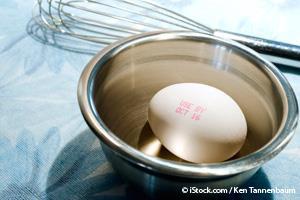
Egg Expiration Date


Story at-a-glance

  • “Sell by” dates are there to help retailers ensure proper product turnover when stocking shelves; they’re not a measure of food safety
  • “Best by” or “best before” dates are set by the manufacturer to suggest when to consume the food by for best flavor or quality; they’re also not a measure of food safety
  • A “use by” date is the last date recommended for the use of the product while at peak quality; while it’s typically recommended to follow the “use by date,” many foods can be safely consumed even after they’re “expired”

By Dr. Mercola

Every year, people in the U.K. throw away more than 93 million gallons of milk, 733,000 tons of potatoes and 473,000 tons of bread, according to U.K. supermarket chain Sainsbury's.1 Similarly, the average U.S. family of four wastes more than 2 million calories, which equates to $1,500 worth of food, every year.2
Wilted or spoiled produce, moldy bread, or leftovers that sit too long in the fridge are common contributors to such food waste, but so are potentially good foods that get thrown away solely based on their "sell by" dates.
Labels like "use by" and "sell by" on foods aren't actually an indicator of food safety, as many believe them to be.
A report from the Natural Resources Defense Council (NRDC) and Harvard even found that more than 90 percent of Americans are throwing out food prematurely because of misunderstandings of what such dates actually mean.3
The researchers concluded that food dates generally lead to good food getting thrown away and may at the same time prompt you to eat a food that's actually spoiled because of "undue faith in date labels."

There Is No Universally Accepted System for Food Dating in the U.S.

More than 20 U.S. states require dating of some foods, but such labels vary significantly in different areas of the country. With the exception of infant formula, there is no uniform or universally accepted system used for food dating in the U.S., nor is there any federal requirement for food dates.
In other words, it's a veritable free for all. Food may be labeled with "open dating," which refers to use of a calendar date, or "closed" or "coded" dating, which refers to dates that are written in code for use by the manufacturer.
The latter may be used for shelf-stable products (cans, boxes, etc.) while open dating is typically found on perishable foods including meat, eggs and dairy products.

How to Decipher Food Product Dating Labels

There are other food-dating labels that you may see as well, and while many regard them as interchangeable, each actually has it's own unique meaning, as follows:
Sell By — Not Even Meant for Consumers
"Sell by" dates aren't meant for consumer use at all. They are there as tools to help retailers ensure proper product turnover when stocking shelves, yet many consumers believe it is a measure of food safety.
The dates lead to so much confusion and food waste that the NRDC report authors suggested making "sell by" dates invisible to consumers. That being said, the U.S. Department of Agriculture (USDA) states you should buy the product before the "Sell By" date expires.4
Best if Used By (or Before) — Not a Measure of Food Safety
This date is set by the manufacturer to suggest when to consume the food by for best flavor or quality. However, it is not a measure of safety and foods can typically be safely consumed after the "best by" or "best before" date, often with minimal, if any, changes in taste or texture.
Food manufacturers want you to consume their products at their peak freshness and flavor, which means many set food dates conservatively. The methods used by manufacturers to set food dates vary. NRDC explained:
"Some use lab tests, others use literature values, and yet others use product turnover rates or consumer taste testing …
In consumer testing, some manufacturers will allow for a level of change in quality over time before setting a date limit, whereas others set them more conservatively
… Thus, while open dating appears on the surface to be an objective exercise, consumer preferences and brand protection impact the way most of these dates are determined.
In most cases, consumers have no way of knowing how a "sell by" or "use by" date has been defined or calculated, and the method of calculation may vary widely by product type, manufacturer and geography."
Use By
A "use by" date is the last date recommended for the use of the product while at peak quality. This date is also determined by the manufacturer and may vary widely even between similar products.
The USDA recommends, "If a product has a "use by" date, follow that date." However, they also note:5
"Use by" dates usually refer to best quality and are not safety dates. Even if the date expires during home storage, a product should be safe, wholesome and of good quality if handled properly."
The exception is infant formula — the only food product with a federally regulated date label, as the nutrients in the formula may decline over time or the product may separate.
Federal regulations require that formula consumed by the "use by" date must contain the quantity of each nutrient listed on the label. It also must maintain quality so that it can pass through an ordinary bottle nipple without clogging. Infant formula should not be used after the "use by" date.6
Three-Digit Codes on Egg Cartons
Eggs with the USDA grade shield (such as Grade AA or Grade A) must display the pack date, which is the day the eggs were washed, graded and placed in the carton.
The pack date is a three-digit code that represents the consecutive day of the year (January 1 is 001 and December 31 is 365).
The "Sell by" date on the carton must be within 45 days of the pack date, although eggs are typically safe to use for three to five weeks after you purchase them.
If you're wondering if your eggs are still good, put them in a bowl of water. If they sink, they're fresh; if they float, they're not good to eat.

Is It Safe to Eat Moldy Food?

Mold that's visible may appear to exist in contained areas on your food — a gray furry spot here or a few green dots there. However, beneath this visible mold are likely deep roots that may have invaded the rest of the food.
In cases where the mold is dangerous, its toxic elements may be contained not only in these threads but also throughout the food.
For this reason, if you see mold anywhere on a soft, easily penetrable food such as soft cheese, soft fruits and vegetables (tomatoes, peaches, cucumbers, etc.) and bread, you should discard it.
You may also need to toss nearby foods that may have touched the moldy area, as mold can spread quickly and easily, especially in produce. Moldy foods that you throw away should be put into a small paper or plastic bags so the mold cannot escape.
Do not attempt to sniff the moldy food to see if it's spoiled, as this can introduce mold spores into your respiratory tract. In the case of harder foods (hard cheese, cabbage, bell peppers, carrots, etc.), it's acceptable to cut off the moldy spot and about 1 inch around it (to ensure you've removed any roots).
When doing this, be sure the knife does not touch the mold and contaminate the area you are cutting. You can find more information about how to determine when a moldy food should be kept or discarded here.7

Can Thawed Meat Be Refrozen?

You've taken a roast out of the freezer, thawed it, then realized you're not going to be able to cook it when you planned. Can you safely put it back in the freezer or does this pose a safety risk? Go ahead and put it back in the freezer.
It's one of the most widely circulated myths that refreezing food is dangerous. While putting a thawed piece of steak or brick of cheese back into the freezer might lead to changes in taste or texture, it's perfectly safe and poses no risks to your health (provided it was thawed safely in the first place).
One of the greatest factors impacting whether your food is safe isn't whether it's been previously frozen but rather is related to how much time it spends in the temperature "danger zone" (between 40 and 120 degrees F).8 The worst way to thaw frozen food is to let it sit out on your kitchen counter. Thawing frozen meat, poultry or seafood by running warm water over it is also risky from a food-safety standpoint.
If you need to thaw meat or poultry quickly, you can run cold water over it or submerse it in cold water, changing the water every 30 minutes until it's thawed.9 If you use this latter method for thawing, it should be cooked immediately — not refrozen or put back in the fridge.
Freezing your food can be useful to help cut down on food waste. While I generally recommend consuming your food as fresh as possible, research suggests frozen foods may contain comparable nutrients as fresh foods and at times be even more nutritious.10 Most foods can be frozen successfully, provided you store them correctly in your freezer.
However, freezing does alter or degrade the quality of some items. Spices and seasonings are particularly vulnerable; sour cream, cabbage, celery, lettuce, radishes and sauces made with milk are other examples of foods that generally do not freeze well.11

Food Dates Were Created Because of Processed Foods

I recommend buying your food locally, preferably from a small organic farm you can visit and inspect for yourself. This guarantees that you get the freshest foods right from the start, giving you a few extra days of leeway before they spoil. It was only in the last few decades that food dates were even deemed necessary, and it coincided directly with an increase in processed foods — and a detachment of the consumer from where their food was grown. According to the NRDC report:12
"Expiration dates on food arose out of a concern for the food's freshness, not its safety. As Americans moved off farms over the 20th century and grew more distant from their source of food, they began losing the ability to tell how fresh their food was.
This was partly because they were purchasing it in a store and didn't know its history, and partly because the knowledge of how to store and handle fresh food was progressively lost as processed foods became prevalent. Forced to trust manufacturers and grocery stores to supply them with fresh food, consumers began demanding verification of its freshness."
The best solution, for your health and also for clarity on how old your food actually is, is to return to the traditional practice of buying most of your food fresh from the farm or farmer's market.
https://articles.mercola.com/sites/articles/archive/2016/04/18/food-sell-by-dates.aspx?