Pages

Showing posts with label fiber. Show all posts

Wednesday, 5 October 2022

Cabbage: Experts weigh in on health benefits, nutrition facts, and more

Cabbage is packed in nutrients as vitamins, fibers and minerals and also in micronutrients too as vitamin A, iron and riboflavin.

Leticia Soares, Postgraduate Degree in Public and Family Health/Bachelor Degree in
Nutrition and Dietetics and Carolina Castro, PhD Candidate (Health Services) -


Wednesday 05 Oct 2022

https://www.msn.com/en-my/health/nutrition/cabbage-experts-weigh-in-on-health-benefits-nutrition-facts-and-more/ar-AA12Assi


Cabbage image© Provided by Getty Images

Perspective from Leticia Soares

Benefits

  • Cabbage can help control high blood pressure. Cabbage is a source of fiber, folic acid and potassium. Potassium relaxes the walls of the blood vessels, lowering blood pressure and protecting cardiovascular system.
  • Cabbage may help in weight loss. The vegetable has few calories and it is rich in dietary fiber, which promotes the feeling of satiety for a longer time, helping in weight loss.
  • Cabbage regular consumption contributes to a healthy vision. Cabbage is rich in vitamin A, which is one of the most important nutrients to reduce the risk of macular degeneration and vision loss.
  • Cabbage can strengthen the immune system. Cabbage is a source of antioxidants compounds such as vitamin C, carotenoids and folate, which help prevent that free radical damage body cells and protect the body against infection.
  • Cabbage help prevent constipation. The high dietary fiber content of cabbage can help make your stools larger and softer and this can help lower the risk of constipation and diarrhea.
  • Cabbage has anti-inflammatory properties. The vegetable is a source of antioxidants that fight inflammation and prevent chronic diseases such as type 2 diabetes, heart disease, Alzheimer, cancer and depression.
  • Possible Side Effects

    • Excess consumption of cabbage can lead to increased gas, as it is high in sulphur and raffinose, which are substances that cause flatulence and gas.

    → Cabbage: How much should you eat? Experts weigh in.

    → Love Cabbage? Get nutritional facts, tips from health experts, and more

    Perspective from Carolina Castro

    Benefits

    • Cabbage is packed in nutrients as vitamins, fibers and minerals and also in micronutrients too as vitamin A, iron and riboflavin.
    • Cruciferous vegetables as cabbage are rich in antioxidants and may help avoid inflammation.
    • Cabbage has insoluble fibers, may improve digestive health and also feeds good bacteria known as probiotics.
    • Cabbage is rich in pigments as anthocyanins and may have a protection effects in heart diseases.

    Possible Side Effects

    • Cabbage as a cruciferous vegetable can have medication interactions with blood thinners.
    • Excess of cabbage may also cause digestive symptoms as flatulence and diarrhea.

    → Cabbage: How much should you eat? Experts weigh in.

    → Love Cabbage? Get nutritional facts, tips from health experts, and more

    This is for information purpose only, and should not be considered as a substitute for medical expertise. These are opinions from an external panel of individual doctors, and not to be considered as opinion of Microsoft. Please seek professional help regarding any health conditions or concerns.

https://www.msn.com/en-my/health/nutrition/cabbage-experts-weigh-in-on-health-benefits-nutrition-facts-and-more/ar-AA12Assi


Friday, 29 November 2019

The health benefits of sauerkraut - BBC Good Food

It's packed with vitamins, fibre and probiotics, but can sauerkraut boost your overall well-being? We look at the surprising research on this fermented food.
Sauerkraut in a bowl with a jar in the background
Sauerkraut is essentially fermented cabbage. Fermentation is a method of preserving food that dates back more than 2,000 years. During the fermentation process, beneficial probiotics, or ‘live bacteria’, are produced, and these probiotics are what give sauerkraut most of its health benefits.
Sauerkraut is a good form of dietary fibre and contains vitamins C and K, potassium, calcium and phosphorus.
Try our simple sauerkraut recipe to make your own at home. One serving of sauerkraut is approximately ½ cup or 50g.

What are the health benefits of sauerkraut?

The beneficial probiotics found in sauerkraut are important for good digestive health, and whilst more research is needed into the exact types of beneficial bacteria found in sauerkraut and other fermented foods, we do know that they ‘feed’ the good bacteria in your gut and can help to combat inflammation.
Research has shown that probiotics help to reduce some digestive symptoms such as gas, bloating, constipation and may be beneficial to those suffering with conditions such as Crohn’s and ulcerative colitis.
There is increasing research on the importance of good gut bacteria in supporting overall long-term health, including how probiotics from cultured foods such as sauerkraut may reduce your risk of conditions such as depression and Alzheimer’s.
Sauerkraut also contains enzymes that help the body to break down food into smaller, and more easily digestible molecules which in turn helps the body to absorb more nutrients.
Sauerkraut in a jar with a spoon on top

Can sauerkraut help to support your immune system?

Most of our immune system is found in our gut, so with its gut-supporting properties it’s easy to see how sauerkraut can also be of benefit to your immune system too. The good bacteria from sauerkraut helps to keep the lining of your digestive system healthy. A strong gut lining stops any unwanted substances or toxins from ‘leaking’ into your body and thereby causing an immune response. These same bacteria may also support your natural antibodies and reduce your risk of infections.

Can sauerkraut help with weight loss?

Some research has shown that consuming probiotic-rich foods such as sauerkraut can reduce your risk of obesity and aid weight loss, although more research needs to be done in this area. Sauerkraut is a good source of fibre which helps to keep you fuller for longer.
Sauerkraut on a spoon resting on a wooden table

What about the salt content in sauerkraut?

Sauerkraut is high in sodium. Just one ½ cup/50g serving will provide approximately a third of your RDA sodium intake for a UK adult, so keep an eye on your salt intake if you add sauerkraut to your diet.

This article was last reviewed on 4th July 2018 by Kerry Torrens.
A nutritionist (MBANT) Kerry Torrens is a contributing author to a number of nutritional and cookery publications including BBC Good Food magazine. Kerry is a member of the The Royal Society of Medicine, Complementary and Natural Healthcare Council (CNHC), British Association for Applied Nutrition and Nutritional Therapy (BANT).
Nicola Shubrook is a nutritional therapist and works with both private clients and the corporate sector. She is an accredited member of the British Association for Applied Nutrition and Nutritional Therapy (BANT) and the Complementary & Natural Healthcare Council (CNHC). Find out more at urbanwellness.co.uk.
All health content on bbcgoodfood.com is provided for general information only, and should not be treated as a substitute for the medical advice of your own doctor or any other healthcare professional. If you have any concerns about your general health, you should contact your local healthcare provider. See our website terms and conditions for more information.
mafigrub
11th Jul, 2017
Recipe: Sauerkraut - Spaghetti cook 350g spaghetti al dente. drain 2 tins sauerkraut. dice 200g bacon & fry until crisp. add drained sauerkraut & 400ml single cream. When heated through, add cooked spaghetti, season & mix well. food of the gods!

https://www.bbcgoodfood.com/howto/guide/health-benefits-sauerkraut

Sunday, 27 October 2019

Superfood: Cabbage - by Life Extension

The protein, anthocyanins, and insoluble fiber in the 15 varieties of cabbage help enhance cardiovascular and digestive health, and protect against cancer.

LIFE EXTENSION MAGAZINE
September 2019


By Laurie Mathena
Cabbage may resemble lettuce, but that’s where their similarities end. While lettuce contains more water, cabbage (a part of the cruciferous family of vegetables) has twice the amount of dietary fiber, plus more protein.
There are at least 15 different varieties of cabbage that range in color from green to red to purple, and their leaves can be either smooth or wrinkled. There are many reasons to include cabbage as part of a healthy diet. Consuming cabbage can contribute to one’s overall health.
Traditionally, in folk medicine, cabbage has been used to help treat a range of health problems, including constipation, headaches, and skin disorders.
More recent research has revealed that it contains compounds that can help protect against the dangers of cancer, radiation therapy, and heart disease.

Heart Health

Cabbage—especially red cabbage—contains a type of flavonoid called anthocyanins, which are the pigments that give cabbage its bright purple color. Eating foods higher in anthocyanins has been linked to a reduced risk of heart disease.1
Higher anthocyanin intake has also been associated with lower arterial stiffness and lower central blood pressure in women.2 Arterial stiffness contributes to cardiovascular diseases, and is associated with systolic hypertension, coronary artery disease, stroke, heart failure, and atrial fibrillation—all leading causes of death.3

Cancer Prevention

Studies have shown that cabbage contains compounds that can help prevent numerous types of cancer, including breast, prostate, bladder, and colon cancers. This is due in part to the numerous anti-cancer activities of these compounds, which include stimulating the activity of enzymes that inhibit tumor growth.

Gut Health

Cabbage can help improve digestive health because it is a good source of insoluble fiber, which helps add bulk to stools and promotes regular bowel movements. It also contains soluble fiber, which can help increase good bacteria in the gut.
At less than 20 calories per half cup, cabbage makes an excellent addition to a healthy diet. It is perhaps best known as the main ingredient in coleslaw. It also tastes good sliced, brushed with extra virgin olive oil, sprinkled with salt and pepper, and roasted in the oven.

References

  1. Adv Nutr. 2011 Jan;2(1):1-7.
  2. Am J Clin Nutr. 2012 Oct; 96(4): 781-8.
  3. Acta Pharmacol Sin. 2010 Oct;31(10):1267-76.
https://www.lifeextension.com/magazine/2019/9/superfoods/page-01

Sunday, 6 October 2019

Barley - an underused source of phytochemicals, fiber, and minerals. Life Extension

Providing blood glucose stabilization, cardiovascular protection, and cancer prevention, this ancient grain satisfies more than just the palate.

December 2008
Barley
Barley may be one of the oldest grains on earth, having first been used by the Egyptians 10,000 years ago and later brought to America by Christopher Columbus in 1494. Despite its long history, barley has not gained the same popularity as a dietary staple in the US as wheat or oats.1 Now, as the medical community unearths more and more exciting health benefits of consuming barley, this fact may soon change.
Rich in phytochemicals, fiber, and minerals that ward off a plethora of diseases, substituting your usual grain of choice with barley may confer an array of health benefits, ranging from balanced blood sugar levels to protection against cardiovascular disease and cancer.

Keeping Blood Sugar Levels Balanced

In barley's arsenal of components that make it a healthful superfood, the blockbuster stand-out is a particular kind of soluble fiber called beta-glucan. Similar to another fiber called pectin in consistency, beta-glucan is a viscous fiber that our bodies can't digest. By binding with water, beta-glucan slows the rate that food moves through the digestive system, tempering the body's glucose and insulin responses after a meal.2
While beta-glucan is present in the cell walls of barley, oats, yeast, bacteria, algae, and mushrooms, barley and oats are the richest sources of beta-glucan among the grains.3 Yet emerging evidence suggests that barley might be even more beneficial than oats when it comes to modulating blood sugar.
In fact, in one study comparing the insulin and glucose response in overweight women to barley and oats, researchers actually found "peak glucose and insulin levels after barley were significantly lower than those after glucose or oats." The researchers tested a variety of forms of the grains (from oat flour and oatmeal to barley flour and barley flakes) and discovered that while the particle size had little effect on the glycemic responses, "the high soluble fiber content of this barley appeared to be a factor in the greater reduction observed."4 This is exciting news not just for those who suffer from diabetes. It also shows barley's promising effects on anyone who's at risk for metabolic syndrome.
WHOLE-GRAIN GOODNESS
Whole-Grain Goodness
While current dietary recommend that all individuals consume three servings of whole grains each day, Americans consume an average of only one serving per day.25 According to the United States Department of Agriculture,eating grains—particularly fiber-rich whole grains—helps reduce the risk of numerous chronic diseases. Among the health benefits of consuming fiber-rich grains like barley are:
  • Reduced risk of coronary heart disease26
  • Reduced risk of constipation26
  • Weight management benefits26
  • Decreased risk of high blood pressure27
  • Reduced risk of diabetes28,29

Thwarting Heart Disease

Studies suggest that barley can lessen your risk of cardiovascular diseases by hindering the amount of cholesterol absorbed by the intestines. Cardiovascular disease prevention is an established benefit of whole-grain fiber intake. Again, the soluble fiber called beta-glucan in barley appears to be the secret weapon.
Beta-glucan likely acts via numerous mechanisms to promote healthy blood lipid levels. By increasing the volume and viscosity of the intestinal contents, beta-glucan may help reduce the amount of dietary cholesterol absorbed through the intestinal epithelium. Beta-glucan also increases the excretion of bile acids into the intestines. Since oxidized cholesterol comprises bile acids, this has the net effect of lowering serum cholesterol levels.5
Thwarting Heart Disease
Increasing dietary intake of beta-glucan helps to lower low-density lipoprotein (LDL) as well as total cholesterol in men and women.6,7 Barley appears to be more effective in lowering blood cholesterol than other whole grains like wheat and rice because of its high beta-glucan content.7-11
One study found that moderately hypercholesterolemic subjects who consumed 3 or 6 grams of beta-glucan from barley demonstrated decreased levels of total cholesterol. Men and postmenopausal women derived the greatest benefits from beta-glucan.12
Barley has also been shown to lower blood pressure, an important risk factor for cardiovascular disease and stroke. One five-week study found that men who replaced 20% of their energy intake with whole grains like barley experienced reductions in systolic, diastolic, and mean arterial pressure.13
The FDA has determined that foods containing barley may now carry a qualified health claim that they reduce the risk of coronary heart disease when combined with a diet low in cholesterol and saturated fat. Whole-grain barley and dry milled barley products must contain at least 0.75 grams of soluble fiber per serving in order to make this health claim.14
A research meta-analysis determined that each 10 gram increase in total dietary fiber intake produced a 14% reduction in all coronary events and a 27% decrease in the risk of coronary death.15

Cancer Protection

Barley is also rich in phytonutrients known as lignans, compounds that appear to help ward some cancers.16 Specifically, the dominant lignan that occurs naturally in barley is called 7-hydroxymatairesinol.16 Lignans appear to have a protective effect against some cancers because they are metabolized by beneficial bacteria in the colon into enterolactone and enterodiol, two substances that have mild estrogen-like effects.17 Increasing dietary intake of whole grains represents an important strategy to boost serum levels of enterolactones.18,19
An important German study found that women with the highest plasma levels of enterolactone had a remarkable 62% lower risk of premenopausal breast cancer, compared with women with the lowest plasma levels.20
Men may similarly benefit from increasing their dietary intake of lignans. A study analyzing blood enterolactone levels in men with prostate cancer versus healthy controls found that men with the highest enterolactone levels were 82% less likely to have prostate cancer.21
Keeping high blood levels of enterolactones by upping your intake of barley and other whole grains could thus help thwart cancers, particularly hormone-dependent cancers.
COMPARING THE NUTRITIONAL CONTENT OF BARLEY AND OATS
Compared to whole-grain oats, barley packs a nutritional wallop by being lower in fat and calories, but higher in dietary fiber! One cup of hulled barley has about three times less fat and two-thirds more fiber than the more popular grain, oats. Barley also provides an excellent dietary source of essential minerals including magnesium, iron, manganese, and selenium.
 
Barley, hulled Oats (per 100 g)
(per 100 g)
Calories
354
389
Protein
12.48 g
16.89 g
Fat
2.30 g
6.90 g
Total Carbohydrates
73.48 g
66.27 g
Total Dietary Fiber
17.30 g
10.60 g
Source: USDA National Nutrient Database for Standard Reference30

Gastrointestinal Health Benefits

Barley is a rich source of both soluble and insoluble fiber, both of which may benefit gastrointestinal health.
The insoluble fiber found in barley binds with water to add bulk to stools, thus promoting more regular bowel movements.22
Some of the soluble fiber found in barley is digested by colonic bacteria to produce short-chain fatty acids, which may help promote bowel health.22 In fact, germinated barley products are undergoing investigation for their ability to help soothe colonic mucosa in the painful inflammatory bowel disease known as ulcerative colitis.23

Enjoying Barley

Barley is available in numerous forms, including hulled barley kernels, flakes, grits, pearls, and ground flour. Whole-grain barley kernels contain more fiber and nutrients than the more common pearled barley. Pearled barley is smoother because it's been scrubbed clean of the healthful outer husk and bran layer in the refining process. Hulled barley not only has retained all the nutrients in the outer husk and bran layer, but it also has a nuttier flavor. Hulled barley requires a longer cooking time than pearled barley, however. Pearled barley is still an excellent dietary choice, providing 3 grams of fiber per ½ cup serving, compared with only 1.75 grams of fiber in ½ cup of long-grain brown rice.24 Nutrient powders rich in beta-glucans are also available.
Comparing the Nutritional Content of Barley and Oats
Store uncooked barley in an airtight container in a cool place.
Add cooked barley kernels to soups, stews, salads, and casseroles. Substitute cooked barley kernels or pearls for rice in your favorite recipe. Cooked barley flakes or grits make a delicious hot cereal similar to oatmeal. Substitute some of the white or wheat flour in baked breads and desserts with barley flour to add flavor and fiber.

Conclusion

Barley's amazing properties make it no surprise that this grain would have endured for millennia. But what is striking is the fact that Americans have been slow to embrace barley as they have wheat, corn, rice, and oats. Fortunately, as new research unveils more and more ways that barley can be a healthful addition to your diet, it will become a more pervasive staple to our diets. And check out the recipe on this page from the National Barley Foods Council. At just under 300 calories per serving, this salad is worth making tonight!
If you have any questions on the scientific content of this article, please call a Life Extension Health Advisor at 1-800-226-2370.
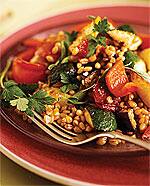
EASY GREEK BARLEY SALAD TASTE OF THE MEDITERRANEAN
Ingredients:
1 cup pearl barley
3 cups water
Salt
1/3 cup olive oil
2 tablespoons fresh lemon juice
2 tablespoons red wine vinegar
1/2 teaspoon dried oregano
1/4 cup finely chopped onion
1/4 cup finely chopped fresh parsley
2 medium tomatoes, diced
1 green or red bell pepper, diced
1/2 cup crumbled feta cheese
In medium saucepan with lid, bring water and 1 teaspoon salt to a boil. Add barley and return to boil. Cover, reduce heat to low and cook 45 minutes or until barley is tender and liquid is absorbed. Combine olive oil, lemon juice, vinegar, oregano and 1/4 teaspoon salt; pour over hot cooked barley. Cool to room temperature. Gently stir in onions, parsley, tomatoes, bell pepper and feta cheese. Makes 6 servings.
Per serving: calories 209, protein 4g, fat 1g, carbohydrates 49g, cholesterol 0mg, fiber 7g, sodium 95mg.
TO COOK PEARL BARLEY
In medium saucepan with lid, bring 3 cups water to a boil. Add 1 cup pearl barley and return to boil. Reduce heat to low, cover and cook 45 minutes or until barley is tender and liquid is absorbed. Makes about 3 to 3-1/2 cups.
Recipe courtesy of National Barley Foods Council (www.barleyfoods.org).

References
1. Available at: http://www.aaccnet.org/cerealfoodsworld/samplepdfs/CFW-51-0004.pdf. Accessed August 11, 2008.
2. Granfeldt Y, Liljeberg H, Drews A, Newman R, Bjorck I. Glucose and insulin responses to barley products: influence of food structure and amylose-amylopectin ratio. Am J Clin Nutr. 1994 May;59(5):1075-82.
3. Behall KM, Scholfield DJ, Hallfrisch JG, Liljeberg-Elmstahl HG. Consumption of both resistant starch and beta-glucan improves postprandial plasma glucose and insulin in women. Diabetes Care. 2006 May;29(5):976-81.
4. Behall KM, Scholfield DJ, Hallfrisch J. Comparison of hormone and glucose responses of overweight women to barley and oats. J Am Coll Nutr. 2005 Jun;24(3):182-8.
5. Leinonen KS, Poutanen KS, Mykkanen HM. Rye bread decreases serum total and LDL cholesterol in men with moderately elevated serum cholesterol. J Nutr. 2000 Feb;130(2):164-70.
6. Behall KM, Scholfield DJ, Hallfrisch J. Effect of beta-glucan level in oat fiber extracts on blood lipids in men and women. J Am Coll Nutr. 1997 Feb;16(1):46-51.
7. Keenan JM, Goulson M, Shamliyan T, et al. The effects of concentrated barley beta-glucan on blood lipids in a population of hypercholesterolaemic men and women. Br J Nutr. 2007 Jun;97(6):1162-8.
8. Lupton JR, Robinson MC, Morin JL. Cholesterol-lowering effect of barley bran flour and oil. J Am Diet Assoc. 1994 Jan;94(1):65-70.
9. Behall KM, Scholfield DJ, Hallfrisch J. Diets containing barley significantly reduce lipids in mildly hypercholesterolemic men and women. Am J Clin Nutr. 2004 Nov;80(5):1185-93.
10. Behall KM, Scholfield DJ, Hallfrisch J. Lipids significantly reduced by diets containing barley in moderately hypercholesterolemic men. J Am Coll Nutr. 2004 Feb;23(1):55-62.
11. Adam A, Lopez HW, Tressol JC, et al. Impact of whole wheat flour and its milling fractions on the cecal fermentations and the plasma and liver lipids in rats. J Agric Food Chem. 2002 Oct 23;50(22):6557-62.
12. Available at: http://www.ars.usda.gov/research/publications/publications.htm?seq_no_115=185932. Accessed August 8, 2008.
13. Available at: http://www.ars.usda.gov/research/publications/publications.htm?SEQ_NO_115=139663. Accessed August 8, 2008.
14. Available at: http://www.fda.gov/bbs/topics/NEWS/2006/NEW01375.html. Accessed August 11, 2008.
15. Pereira MA, O'Reilly E, Augustsson K, et al. Dietary fiber and risk of coronary heart disease: a pooled analysis of cohort studies. Arch Intern Med. 2004 Feb 23;164(4):370-6.
16. Smeds AI, Eklund PC, Sjoholm RE, et al. Quantification of a broad spectrum of lignans in cereals, oilseeds, and nuts. J Agric Food Chem. 2007 Feb 21;55(4):1337-46.
17. Thompson LU. Experimental studies on lignans and cancer. Baillieres Clin Endocrinol Metab. 1998 Dec;12(4):691-705.
18. Jacobs DR Jr, Pereira MA, Stumpf K, Pins JJ, Adlercreutz H. Whole grain food intake elevates serum enterolactone. Br J Nutr. 2002 Aug;88(2):111-6.
19. Johnsen NF, Hausner H, Olsen A, et al. Intake of whole grains and vegetables determines the plasma enterolactone concentration of Danish women. J Nutr. 2004 Oct;134(10):2691-7.
20. Piller R, Chang-Claude J, Linseisen J. Plasma enterolactone and genistein and the risk of premenopausal breast cancer. Eur J Cancer Prev. 2006 Jun;15(3):225-32.
21. Hedelin M, Klint A, Chang ET, et al. Dietary phytoestrogen, serum enterolactone and risk of prostate cancer: the cancer prostate Sweden study (Sweden). Cancer Causes Control. 2006 Mar;17(2):169-80.
22. Trepel F. Dietary fibre: more than a matter of dietetics. I. Compounds, properties, physiological effects. Wien Klin Wochenschr. 2004 Jul 31;116(14):465-76.
23. Bamba T, Kanauchi O, Andoh A, Fujiyama Y. A new prebiotic from germinated barley for nutraceutical treatment of ulcerative colitis. J Gastroenterol Hepatol. 2002 Aug;17(8):818-24.
24. Available at: http://www.barleyfoods.org/nutrition.html. Accessed August 8, 2008.
25. Hallfrisch J, Facn, Behall KM. Mechanisms of the effects of grains on insulin and glucose responses. J Am Coll Nutr. 2000 Jun;19(3 Suppl):320S-5S.
26. Available at: http://www.mypyramid.gov/pyramid/grains_why_print.html. Accessed August 8, 2008.
27. Available at: http://www.sciencedaily.com/releases/2007/05/070509161030.htm. Accessed August 8, 2008.
28. Liu S, Manson JE, Stampfer MJ, et al. A prospective study of whole-grain intake and risk of type 2 diabetes mellitus in US women. Am J Public Health. 2000 Sep;90(9):1409-15.
29. Fung TT, Hu FB, Pereira MA, et al. Whole-grain intake and the risk of type 2 diabetes: a prospective study in men. Am J Clin Nutr. 2002 Sep;76(3):535-40.
30. Available at: www.nal.usda.gov/fnic/foodcomp/cgi-bin/list_nut_edit.pl. Accessed August 8, 2008.
https://www.lifeextension.com/magazine/2008/12/barley/page-01

Monday, 13 November 2017

Curious Cook: Vegetarianism and other dietary tales, Part 2

Although most are comfortable with their vegetarian diets, there are some facts which are not always commonly known – and most vegetarian media do not even mention them, especially the “raw” or “paleo” diet media.
People on raw and paleo diets may be depriving themselves of 
mineral nutrients, simply by eating too many raw beans, seeds, 
nuts and wholegrains. – VisualHunt

Read PART 1

And it is not the usual stuff about how vegetarian diets are deficient in nutrients which can only be found in meat and fish – many people simply may not know that several highly popular components of a vegetarian diet can actually result in a significant loss of nutrition, primarily by a chemical process called chelation (pronounced “key-lay-shun”).
Chelation prevents nutrients from being absorbed by the body because a chelating agent tightly binds its own molecules with metal ions, rendering the metals insoluble, inert and indigestible.
Not all chelating agents are bad; for example, sodium calcium edetate is used medically to treat lead and mercury poisoning.
A bit of bad news about beans, grains and nuts
The main dietary compound involved with chelation in humans is phosphorous-based phytic acid (also known as myo-inositol hexakisphosphate) – and salts of phytic acid are known as phytates.
Seeds use phytates as energy stores of phosphates to assist in germination and hence phytates are present in various concentrations in all seeds, grains and legumes used for human consumption.
Due to its undoubted ubiquity, chelation by phytates is generally not a major issue for most humans eating food based on plant seeds, though there are some possible exceptions.
By this I mean that there are significant differences in the levels of phytates in food and these levels are very dependent on the way the food has been prepared.
As an example, lentils which are cooked straight from the packet will have high concentrations of phytates whereas lentils soaked overnight before cooking will have much lower levels of phytates.
In short, wherever possible, always make sure that seeds are pre-soaked and on its way to germination before using them – the germination process greatly depletes phytates in seeds.
As such, people who need enhanced minerals should not eat excessive amounts of seeds which have not been pre-soaked or germinated – this applies to pregnant women, for example.
The chemical summary is that phytates are plant seed-based complex phosphorous compounds which have six sub-groups which bond fiercely with calcium, iron, manganese and zinc molecules, rendering these important metals insoluble and unavailable for digestion.
These minerals would probably be from foods ingested at the same time as phytates – plants do not tend to have them in large quantities. Minerals bound by phytates are excreted by the body as waste material.
It should be noted that phytates are not destroyed by cooking – and people on raw and paleo diets may inadvertently be depriving themselves of mineral nutrients, simply by eating too many raw beans, seeds and nuts. This may also apply to people eating a lot of wholegrain foods in general, such as wholemeal baked goods, oats, granola, muesli, et cetera.
Eating plants means more fibre
On the plus side, eating more plants and plant-based foods can increase the amount of dietary fibre, both soluble and insoluble. Fibre may be a significant contribution to the AHS-2 and EPIC-Oxford findings that vegetarian diets generally lead to lower rates of coronary heart disease (CHD).
A review of several studies by the BMJ in 2013 also concluded that the incidence of CHD is inversely related with the consumption of fibre – basically, eating more fibre reduces the likelihood of CHD while eating less fibre increases the chances of CHD.
The amplitude of this inverse correlation varies depending on which research papers are used but the overall relationship remains true across several large scale studies.
While this is good news, we might like to understand why this inverse relationship exists in the first place. Even if everybody has heard about how good fibre is for health, some may still not know the reasons WHY fibre is actually beneficial – and that may be because the two types of fibre work in different ways.
Soluble fibre and cholesterol
Soluble fibre is termed soluble because it can combine with water to form a gel. A common example is pectin in apples (which is also used to make jams). Soluble fibre appears to help reduce the amount of low-density lipoprotein (LDL) cholesterol circulating in the body by intervening in the intestines before the cholesterol is released into the bloodstream – this intervention is done by soluble fibre binding with cholesterol from digestive bile juices and ingested food and rendering such cholesterol into waste matter.
It seems that between 5 to 10g of soluble fibre can reduce LDL cholesterol by around 5%, though increasing the consumption of soluble fibre does not mean a corresponding decrease in LDL cholesterol as the relationship is not linear – therefore, perhaps an optimal level of soluble fibre consumption for people should be between 5 to 25g a day.
It should be added that LDL is not necessarily the prime cause of CHD but a stressful lifestyle which introduces arterial wall damage combined with LDL is definitely a significant risk factor for CHD. To understand this better, you may choose to read http://www.star2.com/food/food-news/2016/04/24/a-fat-lot-of-good-part-1/
Insoluble fibre and the one-eyed Irishman
Insoluble fibre is plant material which is impervious to water, such as cellulose or the bits of vegetables that you find a little stringy in the mouth.
To understand the function of insoluble fibre, we have to delve into the toilet habits of 20th century British sailors and African tribesmen and recount the work of an interesting one-eyed Irishman called Dr Denis Parsons Burkit.
While in Africa between 1966 and 1972, Burkit conducted curious experiments which noted that African tribesmen were producing between 2.5 to 4.5 times more faeces than British sailors on a regular basis.
This study was done initially to support his hypothesis that the health of people (as measured by the number of visits to hospitals) could be predicted by the frequency and quantity of their bowel movements – the less they pooped, the more sick they were likely to be.
His suspicions were also augmented by the introduction of refined flour (a food containing only a fifth of the fibre of unrefined flour) into the diets of British sailors – this helped to make the naval deposits hard and puny compared to the large soft poops from the Africans.
kale, vegetarian, vegetables, fibre
Eating more plant-based foods means a higher fibre intake, 
which in turn has shown to reduce incidences of coronary heart disease. – AP

An examination of the diets found that Africans ate much more fibre than British sailors and in general had notably healthier intestines.
Later it was established that much of the Africans’ diet was based on plants high in insoluble fibre. Analysing the ailments suffered by British sailors found that issues common with the sailors such as Irritable Bowel Syndrome (IBS), diverticulosis, haemorrhoids, colorectal cancers, et cetera, were absent from the Africans – and from his observations, Burkit proposed that insoluble fibre plays a significant part in maintaining the health of the human gastrointestinal system.
To this day, nobody has been able to challenge this assertion, though there have been disputes about Burkit’s original hypothesis about the numbers of hospital visits in relation to amounts of poop.
As for reasons why insoluble fibre has this beneficial effect, it may be the human digestive system had evolved to expect and handle the fibre load involved in digesting plant material. The human digestive system functions autonomously (ie. without conscious effort) and gut motility (stretching and contraction in the gut) is affected by the type and content of ingested food.
As such, the reduced amount of insoluble fibre in many modern diets would be alien, might not be tolerated so well intestinally and may therefore be a cause of at least some modern gastrointestinal issues.
Insoluble fibre is also high in plant oligosaccharides and these oligosaccharides are very often retained by the gut as food for intestinal microbiota – therefore insoluble fibre can also promote health of gut bacteria. Intestinal flora is very important for human health; as an example, much of the body’s defences against infection are based on the outputs from such flora. More recent research has indicated that gut microbiota may also be related to moods and mental health – this is a complex subject probably suited by another dedicated review.
There appears to be no upper limit to the amount of insoluble fibre which humans can consume – perhaps 30-50g a day should be adequate for most people. Any more may cause exuberant flatulence and require some people to always remain within a 10 metre range of a toilet facility. Nevertheless, it is quite plausible that insoluble fibre can also play a part in the reduction of gastrointestinal cancers (especially in women) as noted by the AHS-2 study.
At this point, it should be noted that both the AHS-2 and EPIC-Oxford dietary studies can also be regarded as proxies for research in dietary fibre, though they both actually did not initially record dietary fibre content in detail.
Subsequent analysis of both studies found that the US-based AHS-2 subjects ingested much more fibre as well as more antioxidants (as measured by Vitamin C content) than the UK EPIC-Oxford subjects.

oats
Oats and bran are a good source of soluble fibre. – Marcoverch/VisualHunt
Fibre and/or antioxidants may therefore explain the major difference in mortality between vegetarian subjects compared to regular meat-eaters: AHS-2 found a 12% lower mortality rate for US vegetarians. However, EPIC-Oxford detected no significant differences across all categories for the UK, possibly due to the difference in dietary fibre.
Although one can think that “non-meat eaters” are automatically “vegetarians”, it is quite important to understand that the “vegetarians” in both studies included people who ate meat, dairy and/or fish occasionally – they are not studies of vegans or people who fastidiously avoid all non-plant proteins compared to meat-eaters.
If you take this view, then both studies can also be taken as proxy studies into the impact of eating less meat, simply by comparing the regular meat-eaters against the other categories which ate meat and/or dairy or fish only occasionally.
Viewed in this context, the AHS-2 research is particularly interesting as the irregular meat eaters seem to be more protected against early mortality and various diseases, especially CHD. But – why is this mortality pattern not observed in EPIC-Oxford?
An analysis of AHS-2 against EPIC-Oxford of ONLY the general meat eaters might help explain the difference in mortality rates (bearing in mind that correlation does not necessarily mean causation).
One striking difference is that Americans eat around 50% more meat per person compared to the United Kingdom, according to the FAO statistics for 2013.
There are many reasons why Americans eat so much more meat – partly it is a cultural issue, partly it is an economic issue as meat is comparatively cheap there due to generous subsidies (which can make various vegetables more expensive than meat).
Also, the US food industry appears to emphasise the nutritional importance of meat and downplays the fact that meat is not required every day. By this simple (and admittedly crudely inferential) analysis, the joint results do appear to indicate that a reduction in meat consumption does reduce mortality – people who ate around 50% more meat die 12% more often compared to people who ate less meat, even if they are all general meat eaters.
The next part will cover intestinal flora, how human mothers nourish the guts of their babies and why certain dietary issues may be attributed to the wrong sources.
http://www.star2.com/food/2017/11/13/vegetarian/