Pages

Showing posts with label Thermography. Show all posts

Tuesday, 22 October 2019

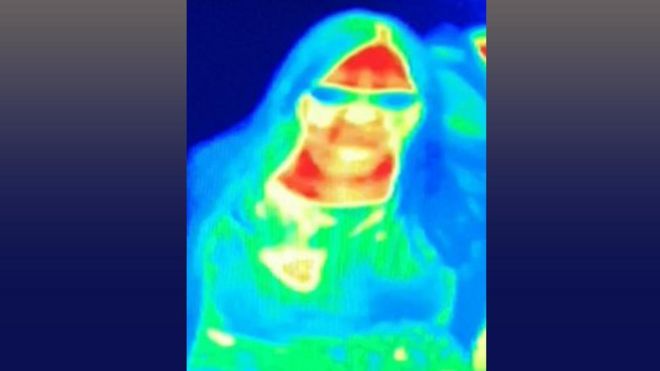
Breast cancer detected by thermal imaging scan in Edinburgh

A tourist has told of her "life-changing" visit to the Camera Obscura in Edinburgh after one of its thermal cameras detected she had breast cancer.
Thermal imaging scanImage copyrightBAL GILL
Image captionThe thermal imaging camera showed that Ms Gill's breast was a different colour
A tourist has told of her "life-changing" visit to the Camera Obscura in Edinburgh after one of its thermal cameras detected she had breast cancer.
Bal Gill, 41, from Slough in Berkshire, was at the Camera Obscura and World of Illusions at the top of the Royal Mile with her family in May.
When she went into the museum's thermal imaging camera room she noticed her left breast was a different colour.
When she returned home she saw a doctor who confirmed she had breast cancer.
She discovered that thermal imaging cameras can be used as a tool by oncologists.

Early stage breast cancer

Thermography, also called thermal imaging, uses a special camera to measure the temperature of the skin on the breast's surface.
It is a non-invasive test that does not involve any harmful radiation.
Cancer cells grow and multiply very fast. Blood flow and metabolism are higher in a cancer tumour as blood flow and metabolism increase, which makes skin temperature rise.
Camera ObscuraImage copyrightGETTY IMAGES
Image captionThe thermal camera was installed at Camera Obscura in 2009 and is a popular attraction
Ms Gill, a deputy-director of finance for a university, said: "We had been to Edinburgh Castle and on the way down we saw the museum.
"While making our way through the floors we got to the thermal imaging camera room. As all families do, we entered and started to wave our arms and look at the images created.
"While doing this I noticed a heat patch coming from my left breast. We thought it was odd and having looked at everyone else they didn't have the same. I took a picture and we carried on and enjoyed the rest of the museum."

'Life-changing visit'

A few days later when the mother-of-two returned home she was flicking through her photographs and saw the image.
On Google she found a number of articles about breast cancer and thermal imaging cameras. She was later diagnosed with early stage breast cancer.
She has since had two surgeries, including a mastectomy, and has a final surgery in November. She has been told she will not need chemotherapy or radiotherapy afterwards.
"I just wanted to say thank you, without that camera I would never have known," she said. "I know it's not the intention of the camera but for me it really was a life-changing visit.
"I cannot tell you enough about how my visit to the Camera Obscura changed my life."
The Thermal Camera, which was installed in 2009, is a popular part of the top Edinburgh attraction, and lets visitors see a visual of all their body hot spots.

'Really moved'

Andrew Johnson, general manager of Camera Obscura and World of Illusions said: "We did not realise that our thermal camera had the potential to detect life-changing symptoms in this way.
"We were really moved when Bal contacted us to share her story as breast cancer is very close to home for me and a number of our team.
"It's amazing that Bal noticed the difference in the image and crucially acted on it promptly. We wish her all the best with her recovery and hope to meet her and her family in the future."
Dr Tracey Gillies, NHS Lothian medical director, said: "In the past thermal imaging cameras have been experimented with to detect cancer, however, this has never been a proven screening tool.
"Early diagnosis of breast cancer improves the ability to treat the cancer and the chance of survival is higher. We encourage any woman that has received an invite to a screening to attend and anyone with concerns who does not qualify for the screening programme to visit their GP."

https://www.bbc.com/news/uk-scotland-edinburgh-east-fife-50139540

Thursday, 24 October 2013

Major Cause Of Breast Cancer

Newsletter #337
Lee Euler, Editor


23 October 2013

Don’t Fall For This
Major Cause Of Breast Cancer


These days, we know genetic mutations affect your likelihood of developing breast cancer, especially if you have mutations in the BRCA1 and BRCA2 genes.

But like so many other cancers, diet and lifestyle also play a significant role in whether you’ll develop breast cancer. In fact, diet and lifestyle appear to be the biggest factors overall. Researchers now estimate as much as 73 percent of breast cancer is caused by diet and lifestyle choices, as opposed to genetics. That bottle of cola and that dish of ice cream had better be really good because you may end up paying a terrible price.

But lifestyle means far more than our food and exercise habits. It also includes toxins we’re exposed to, including some prescription drugs we take because doctors tell us they’re “harmless.” Right now I’m thinking of the types of hormones you might be putting in your body that could elevate your risk. As Breast Cancer Awareness Month comes to a close, let’s take a look at some things you can do…

5 “little” lifestyle tips that can help you
Avoid breast cancer
 
    Lifestyle choices can have a profound affect on your health, and on how your body performs at all levels. Doctors rarely spend the time necessary to talk about these things. Be smart today, and implement this “top 5″ list.
  1. Smoking and Alcohol. If you smoke, quit as soon as possible. Studies show that women who smoked for 35 years had a 60% greater risk of serious breast health problems. And women who smoked 15 years were 34% more likely to develop abnormal breast cells. As for alcohol, drinking the stuff on a regular basis may fuel estrogen imbalances and abnormal breast cell changes. As the rest of this article will show, high estrogen levels are a major cause of breast cancer and other cancers.
  2. Exercise. Even mild or moderate exercise (i.e., 30 minutes of walking) can help move immune cells around your body, support a healthy estrogen balance, and help keep abnormal breast cells from taking root. It also promotes insulin sensitivity and a healthy weight. Don’t let the perfect be the enemy of the good. Walk a little bit — ten minutes, 15 minutes. DO SOMETHING.
  3. Your Weight. Fat cells produce more estrogen. A healthy weight also benefits your cardiovascular, metabolic, and overall health. Yes, I know everyone’s tired of being nagged, but the years this can add to your life are worth all the trouble of tackling this problem.
  4. Vegetables. Eat a diet high in organic veggies, especially cruciferous and dark leafy greens. They’re chock full of crucial vitamins, antioxidants, and phytochemicals you’ve probably never heard of. Raw is better than cooked.
  5. Thermography and breast exams. Do monthly self-breast exams and an annual thermogram. A thermogram doesn’t directly diagnose cancer, but it can warn you of inflammatory hot spots that can spell trouble, up to ten years in advance of actually having cancer that can be detected. This gives you tons of time to take action.
Meanwhile, beware of this mainstream medical therapy
 
    It’s widely documented that hormone replacement therapy increases the risk of breast cancer. Not so many years ago, doctors promoted this therapy like crazy. Nearly half of all post-menopausal women at least gave it a try — that’s a staggering number of people.

Then a big study revealed that hormone replacement therapy was clearly linked to breast cancer. It turned out it was a really bad idea to blindly trust your doctor — you know, that guy or gal who has all that schooling and knows everything.

Thousands of women promptly quit hormone replacement therapy, and within a few years the breast cancer rate plunged.

It was probably the most dramatic proof ever seen that a lifestyle choice can give you cancer. In this case the choice was a prescription drug that is not essential.

In spite of the warnings, it seems quite a few women still take hormone replacement therapy. If that describes you, take heed — you’re putting your life in danger. And that may be true even if you’re a loyal natural health fan and take “bio-identical” hormone therapy, as I’ll explain in a minute.

What is hormone replacement therapy?
 
    Conventional hormone replacement therapy (HRT) after menopause is a lifestyle choice and it’s something women have been choosing for decades, although far fewer women choose it now. It’s also known as menopausal hormone therapy (HT or MHT), postmenopausal hormones (PMH), or postmenopausal hormone therapy (PHT). Treatments are generally administered through a pill, topical cream, or patch.

Most conventional hormone replacement therapy is made up of progesterone or progestins (synthetic hormones that act like progesterone). In rare cases, androgens (testosterone-like male hormones) are used, along with something called Tibolone, a synthetic hormone drug that acts like estrogen, progesterone, and testosterone, depending on which tissue of the body it gets put into to.

Women choose HRT to replace the female hormones in their bodies that are no longer made after menopause (in general, that’s when women have lower estrogen levels). But it’s a choice that can dramatically increase your breast cancer risk as well as your risk of other cancers, even if you use it for as little as two years.

Before the big study linking it to cancer, HRT used to be a standard treatment for any woman who experienced hot flashes or other menopausal symptoms, and was believed to have long-term benefits that protected against illness like heart disease and dementia. Now we know the treatment did more harm than good, especially for older post-menopausal women.

In spite of this finding, HRT is still considered a helpful treatment for certain groups of women, such as those at high risk of heart disease (this is because some studies show estrogen may decrease heart disease risk). But it’s not clear whether the benefits outweigh the risks even for these special groups.

Why the HRT cancer risk is real
 
    As more research on HRT surfaces, more risks are coming to light. For example, women who take estrogen supplements without the right balance of progesterone risk uterine cancer. Breast cancer risk also rises, in part because HRT can cause a breast to look denser on a mammogram, making cancer all but impossible to detect.

Worse still, not only does hormone replacement therapy elevate your risk of breast cancer, but once developed, the cancer might be more aggressive. Meaning the cancer might be more advanced once discovered, thus increasing your risk of dying from the disease.

Doctors caution that if you have a current or past history of breast, ovarian, or endometrial cancer, you should steer clear of HRT—a fact that underscores how much hormone replacement therapy supports the growth of cancer.

Here’s a sampling of some recent negative results from HRT supplementation:
  • One study of women taking estrogen-only therapy showed that one in nine women who took the therapy for three years developed a pre-cancerous change in the lining of the uterus.
  • In a Women’s Health Initiative study (WHI), those who took estrogen-progestin therapy had a higher risk of breast cancer. And the longer the hormones were used, the higher the risk. In this study, it took three years of halting hormone therapy for risk levels to return to normal.
  • In the same WHI study, it was found that women on estrogen-progestin therapy actually had a lower risk of colorectal cancer, but the cancers they did get were more likely to spread to lymph nodes or distant sites.
  • Observational studies suggest that estrogen-progestin therapy slightly increases the risk of ovarian cancer.

In general, your risk returns to normal within five years of stopping hormone replacement therapy.

What about natural alternatives to drug-company
hormone replacement therapy?
 
    The first step to getting off hormone replacement therapy is to gradually minimize the amount you take. Use the lowest dose possible to treat your symptoms, and focus on improving other aspects of your health—by following the five tips at the beginning of this article.

Limiting stress is also an effective way to help curb menopausal symptoms. Take up yoga or practice relaxed, deep breathing or meditation. Tai chi and acupuncture may also help.

An alternative is to take bio-identical hormone replacement therapy, which appears to have a higher satisfaction rate. For example, those patients who take bio-identical hormone replacement therapy with progesterone report higher satisfaction than those who take a synthetic progestin. Same case for those taking Estriol, a bio-identical form of estrogen, which reacts within the body differently than estrogens found in conventional hormone replacement therapy. The latter are not exactly the same as the natural hormones your own body manufactures.

It makes sense to me that bio-identical hormones would be safer, but even so this type of therapy remains controversial. Having spent years recommending the man-made hormones, mainstream medicine has now done a complete about face and says ANY estrogen supplement — man-made or bio-identical — may increase cancer risk.

I am anything but an expert, but I do know that exposure to estrogen does raise cancer risk. For this reason, the more pregnancies a woman has, the lower her breast cancer risk, because estrogen levels drop during pregnancy. Breast cancer risk is directly related to the number of monthly cycles a woman has during her lifetime, since estrogen levels peak during a certain part of the cycle. Pregnancy arrests this process and leads to lower cumulative lifetime exposure to estrogen.

I’ve also read (and, again, I’m not an expert) that the symptoms of menopause can be managed by diet and proper food supplements. Doctors who advocate this approach say that the annoying symptoms of modern menopause are largely a product of our bad dietary habits. Like other symptoms of aging including diabetes and heart disease, we’re inflicting this problem on ourselves.

In the end … avoid the risk
 
    Controlled trials are needed before we have more conclusive results about the risks of hormone replacement therapy, but for now, it appears much safer to go with what’s natural. Especially since every time researchers learn more about hormone therapy, the message seems to be that it’s not that great after all.

So as long as there are alternatives, your best bet is to try them first.

 http://www.cancerdefeated.com/dont-fall-for-this-major-cause-of-breast-cancer/1842/
Friday, 31 May 2013

Thermography: The Breast Test Doctors Fight About

HealthyWoman from Bottom Line

Appeared originally as “The Breast Test Doctors Fight About"

January 4, 2012

279.jpgUtter the word thermography in a roomful of breast specialists and you’re likely to set sparks flying. Some doctors say that this imaging technique can detect breast cancer sooner and more safely than mammography—but others dismiss the test as unproven and even potentially dangerous because it sometimes is misused.

The FDA, for its part, approved thermography nearly three decades ago as an adjunctive tool to screen for breast cancer. But recently, it warned women against using thermography as a substitute for mammography, saying it was “unaware of any valid scientific evidence showing that thermography, when used alone, is effective in screening for breast cancer.”

I contacted integrative cancer therapy expert Nooshin K. Darvish, ND, a former Bastyr University faculty member and medical director of Holistique Medical Center in Bellevue, Washington, to discuss this controversial issue. She explained that thermography uses an infrared camera to detect variations in body heat. It is based on the idea that diseased tissues—including infected, inflamed, precancerous and cancerous areas—produce increases in metabolic activity, blood vessel formation and blood flow that, in turn, increase temperature. Thus, these areas appear as “hot spots” on infrared images. Proponents say that the technique’s benefits include...

Early detection. Thermography can spot areas of abnormal heat before they show up on conventional tests. “Whereas mammography, ultrasound, CT and MRI are used to identify cancer after the tumor has formed, thermography can identify the first thermal and chemical changes that may lead to cancer prior to the existence of a tumor,” said Dr. Darvish. This may provide opportunities for early intervention to reverse the abnormality.

Effectiveness. In a small study published in The American Journal of Surgery, thermography accurately identified 58 out of 60 breast malignancies (as confirmed by biopsy) among 92 patients—an accuracy rate of 97%. Comparison: According to the National Cancer Institute, screening mammograms miss up to 20% of breast cancers that are present at the time of screening. Inaccurate results occur more often among younger women and those with dense breasts.

Safety. Unlike mammography, which uses X-rays, an infrared thermography camera emits no harmful radiation.

Comfort. Thermography is noninvasive and does not require painful breast compression. However, you do have to spend time in a cold room.

THE CONTROVERSY


All this sounds encouraging. So why would this test bring doctors nearly to blows? Several reasons...
  • Since the technology was first FDA-approved in 1982, there have been advances in infrared camera quality, computer technology and standards for training thermographers, Dr. Darvish said. However, while some small studies (such as the one cited above) reflect these improvements, there is an admitted shortage of recent large-scale studies on thermography.
  • Many European doctors are clinically trained to use, and do use, thermography as an adjunct to mammograms, Dr. Darvish said. But, in the US, medical doctors generally are not trained in or experienced with thermography and often dismiss its value.
  • Some conventional doctors complain that thermography has too high a rate of false-positive results. Thermography proponents argue that many supposed false positives actually indicate precancerous conditions that won’t show up on mammograms for years and should be “watched.” What’s more, mammography also is prone to false positives—a study in Annals of Internal Medicine concluded that 61% of women who get annual mammograms starting at age 40 are recalled for additional testing due to false-positive results by the time they reach age 50.
  • Some thermography clinics promote the test as a substitute for mammography. This potentially dangerous misrepresentation leaves some doctors leery of thermography as a whole... and has prompted the FDA to issue warnings to clinics that violate its regulation classifying thermography as an adjunct rather than an alternative to mammography. Most thermographers, however, agree with the FDA that the technique is best used in addition to conventional tests. Reasons: While thermography can identify general areas of abnormality, it cannot pinpoint an exact area of suspicion the way mammography and ultrasound can... “cold” tumors (ones with low metabolic activity) are difficult to identify on thermal images... and no screening test can actually diagnose breast cancer—for that, a biopsy is needed.


WHO CAN BENEFIT


According to Dr. Darvish, all women can benefit from thermography. The test is thought to be particularly useful for those who...

Are premenopausal. Younger women generally have denser breasts, so mammograms are less accurate in detecting premenopausal breast cancers—yet these cancers are potentially the deadliest because they tend to grow fastest, Dr. Darvish said. She recommended that women get breast thermograms every two years from age 19 to 30 and yearly thereafter.

Have a family history of breast cancer and/or carry the BRCA gene. Thermography provides an extra layer of precaution for such high-risk women. Dr. Darvish has several patients who’ve had negative mammograms but whose thermograms found abnormalities that turned out to be cancer.

Have breast traits that make mammography less accurate. Mammograms are likelier to miss masses in breasts that are large, dense, fibrocystic or have implants.

Use hormone replacement therapy or birth control pills. These medications may increase breast cancer risk. Thermography helps monitor the safety of hormone use, Dr. Darvish said.

Are undergoing breast cancer treatment. A patient’s response to therapy can be safely assessed with thermography.

A breast thermogram costs about $280, which most insurance policies do not cover. For the most accurate test results: Use a physician-supervised facility whose images are read by a doctor certified by the International Academy of Clinical Thermology (www.iact-org.org) or the American Academy of Thermology (www.AmericanAcademyOfThermology.org). Testing procedure: You remove your shirt and bra and sit in a cool room for about 15 minutes while your body adjusts to the ambient temperature. Then you hold your arms in varying positions while pictures of your breasts are taken from different angles, which takes five to 10 minutes. Images are sent to the interpreting doctor. If suspicious areas are identified, a follow-up appointment is made to discuss the best course of action.

Bottom line: If you decide in favor of breast thermography, remember that it is best used as a complementary screening tool along with mammography. According to Dr. Darvish, sensitivity for early detection of breast cancer increases to approximately 95% when thermography and mammography are used together.

Source:Nooshin K. Darvish, ND, is medical director and founder of Holistique Medical Center in Bellevue, Washington. She is a former faculty member of Bastyr University, has completed a fellowship in integrative cancer therapies and is the doctor-on-call for the internationally broadcast radio program The Dr. Pat Show. Dr. Darvish also is vice president of the World Federation of Chinese Medicine Societies—Specialty Committee of Natural Therapy and is in the process of publishing new research on clinical studies involving thermography. www.DrDarvish.com

http://www.bottomlinepublications.com/content/article/health-a-healing/thermography-the-breast-test-doctors-fight-about#at_pco=cfd-1.0

Sunday, 14 April 2013

Mammography: Are There Pros, or is It Just a Con?

April 14, 2013 | 47,696views

Story at-a-glance

  • Breast cancer has become big business, with the lion’s share of the profit coming from routine mammography, which is touted as the best way to prevent breast cancer death
  • A recent study challenges the validity of mammogram screenings, concluding that mammograms have little to no influence in the reduction of the number of women who ultimately die of breast cancer
  • According to a 2011 meta-analysis, mammography breast cancer screening led to 30 percent overdiagnosis and overtreatment, which equates to an absolute risk increase of 0.5 percent. There's also the risk of getting a false negative, meaning that a life-threatening cancer is missed
  • The “new and improved” 3D tomosynthesis mammogram still requires mechanical compression and uses 30 percent MORE radiation
  • A few simple, yet great options to assist in your efforts to avoid breast cancer are: making sure you are getting enough vitamin D, K2 and iodine; that you utilize lymphatic massage; use stress management techniques, exercise often, and balance your hormones naturally. It is also wise to eat a Mediterranean diet consisting of organic foods. Avoid processed and GMO foods; and toxic environments. Taking DIM may also be helpful


By Johnnie Ham, MD, MBA
Many women are completely unaware that the science backing the use of mammograms is sketchy at best. As was revealed in a 2011 meta-analysis by the Cochrane Database of Systemic Reviews, mammography breast cancer screening led to 30 percent overdiagnosis and overtreatment, which equates to an absolute risk increase of 0.5 percent.

There's also the risk of getting a false negative, meaning that a life-threatening cancer is missed.

Unfortunately, even though some high-profile people agree that mammography has limitations as well as dangers, others prefer to ignore the science and continue to campaign for annual screenings without so much as a hint at the risks involved.

Now, they’ve unrolled “new and improved” 3D TOMOSYNTHESIS mammogram, which still requiring mechanical compression, and delivers 30 percent more radiation!

In order to make better informed decisions, I provide my patients with all of their screening options, their strengths and weaknesses, and I reinforce that they have a right to utilize those options. Some of the options may include; self and clinical breast exams, thermography, ultrasound and/or MRI. My role as a doctor is to diagnose and treat, but I am also an educator. I want my patients' focus to be on prevention to improve their health and well-being.

The Industry of Cancer

Breast cancer has become big business, starting with the multi-billion dollar goliath, mammography. No other medical screening has been as aggressively promoted. My passion is providing integrative primary care as an MD for hundreds of patients. I also have over 23 combined years of military experience as an OB/GYN, trauma surgeon, experimental test pilot, and master army aviator.

My training prepared me to navigate through challenging, and sometimes life threatening situations. Unfortunately, most women do not have the training I received, yet they could certainly use some of it to help navigate through the fear based methods of the breast cancer industry.

The tide of thought on mammography’s benefits is rapidly changing as evidenced by recently published studies in the Archives of Internal Medicine,1 the Lancet Review,2 the British Medical Journal3 and the Nordic Cochrane Center;4 and the fact that the US Preventative Services Task Force5 and the Canadian Task Force on Preventative Health Care.6

Why are Nearly All Health Care Professionals Not Following Current Mammogram Recommendations?

Nearly every woman age 40 and older continues to be told by their primary care physician, their gynecologist, the media, self-proclaimed advocacy groups, and even their medical insurance carrier, “get your annual mammogram!” despite the fact that nearly every recent authoritative study concludes that women should know all of the facts before agreeing to a mammogram screening. Yet nearly all health care professionals insist on mammograms. If a woman dare refuse, she may be chastised or worse, threatened. These efforts have gone beyond persuasion to guilt and even coercion, “I can’t be your doctor if you don’t get a mammogram.” Women need to stop this runaway train, not only for their sake, but for the sake of their daughters.

In November 2012, the New England Journal of Medicine published a study by Dr Archie Bleyer, MD from The Oregon Health Sciences Center, and his co-author, Dr H. Gilbert Welch, M.D., M.P.H., from Dartmouth, challenging the validity of mammogram screenings and concluded that mammograms have little to no influence in the reduction of the number of women who ultimately die of breast cancer.7

Thirty years of US government data studied found that as many as 1/3 of cancers detected by mammography may not have been life threatening, and that over 1 million women have been over-diagnosed; leading to unnecessary treatments involving disfiguring surgeries; radiation and chemotherapy. They also showed that mammogram screenings have increased from about 30 percent of women 40 and older in 1985, to about 70 percent of women screened, proving how effective we have been at convincing women they need to get a mammogram.

I have witnessed this strategy for decades and I have seen the profound psychological effect it has had on many of my patients. This paradigm has seriously misled women regarding the actual effectiveness, and the benefits vs. potential dangers of mammograms. They also have women confused about the erroneous belief that mammography is their only tool. Some women actually believe mammograms can prevent cancer, or do not realize they have the right to say, no!

Most women comply with the current “gold standard” in fear of the ravages of breast cancer, convinced their annual mammogram will save their life through early detection.
It is nearly impossible for them to negate decades of slick marketing, annual reminders from radiology imaging centers and the exploitation of October’s Breast Cancer Awareness month blitz. All of these efforts beautifully packaged, tied up with a pretty pink ribbon.

I take my oath to do no harm very seriously. After many years of research, clinical practice; and due to my wife’s personal experience with mammography, I cannot in good conscience recommend mammograms. I inform my patients that mammograms are considered the current “gold standard”, but I also make certain they know the facts about the screening and that there are other screen tools available.

Facts and Persisting Concerns: Mammograms

More women are refusing mammograms. This is reflected in the dramatic decline of 4.3 percent in 2010. Previously, mammography use had increased annually by 1 percent between 2005 and 2009. Mammograms:
  1. Are incorrect 80 percent of the time (providing a false negative or false positive)
  2. Require repeated ionized radiation that can cause cancer
  3. Use compression, which can damage breast tissue or potentially spread cancer
  4. Are not effective for up to 50 percent of women (women with dense breasts or implants)
  5. Can lead to over-diagnosis and over-treatment of non-invasive cancers
  6. Can lead to the disturbing practice of “preventative” double mastectomies

What is Mammography Industries Solution?

The “new and improved” 3D TOMOSYNTHESIS mammogram, still requiring mechanical compression, and 30 percent more radiation! We know all levels of ionizing radiation can cause cancer but, astonishingly, radiologists still want you to have your traditional mammogram screening first, followed by tomosynthesis mammogram for those with dense breasts or an area of suspicion. When my local Radiology Community approached me in an effort to disprove my concerns, I posed one simple question: Can you show me, one well-designed study that proves screening mammography has improved ultimate survival rates? I am still waiting for their answer.

We cannot prove that screening mammography improves the ultimate survival rate. A quick look at the SEER data would suggest treatment has improved, by a decline in the death rate since 1998 of 1.9 percent.8 For every 1,000 women in this country, today 125 will ultimately be diagnosed with breast cancer. Of those 125, over 40 will be over-diagnosed, and receive treatment they never needed, and suffer the potential psychological consequences of a cancer diagnosis. That leaves about 80, of which 28 will die of breast cancer. The decline since 1998 in the death rate means that for our 28 women who would have otherwise died from breast cancer, 2 more out of 1000 women diagnosed with breast cancer survived due to over a decade of treatment advances.

But, we really don’t know what actually saved those 2 women, of the 125 diagnosed with breast cancer for every 1,000 women in our group. If we attribute anything to lifestyle changes we have emphasized recently (which has been shown repeatedly to work), then either we wipe out any improved survival rate from decades of treatment advances, or worse, we cause death to some of those 40 women who were over-diagnosed!

If You Have Dense Breasts it is Even Worse

Breast density laws have now been passed in California,9 Connecticut, New York, Virginia and Texas making it mandatory for radiologists to inform their patients, who have dense breast tissue (40 to 50 percent of women) that mammograms are basically useless for them. Dense breast tissue and cancer both appear white on an X-ray, making it nearly impossible for a radiologist to detect cancer in these women. It’s like trying to find a snowflake in a blizzard. A law is now being considered at a Federal level as well.

Some radiologists already provide density information to their patients, and encourage them to utilize other options like thermography, ultrasound and/or MRI. I believe it reasonable for a woman to trust that her radiologist is not withholding vital density information. Unfortunately, many have kept this potentially lifesaving data from women for decades, and our government agencies have failed to protect them from this unethical practice.

I know it is extremely difficult to navigate through all of the contradicting information and study findings. It would better serve women if efforts, money and resources were utilized on educating women on cancer prevention, being that 95 percent of disease is lifestyle related. Yet 40,000 women continue to die of breast cancer each year. The only way to reduce this number is through utilizing preventative therapies.

Basic Cancer Prevention Strategies

As mentioned above, many women are completely unaware that the science backing the use of mammograms is sorely lacking, and that more women are being harmed by regular mammograms than are saved by them. Many also do not realize that the “new and improved” 3D tomosynthesis mammogram actually delivers even MORE ionizing radiation than the older version. This is not a step forward...

Please understand that there are other screening options, each with their own strengths and weaknesses, and you have a right to utilize those options. Also remember that in order to truly avoid breast cancer, you need to focus your attention on prevention.

A few simple, yet great options to assist in your efforts to avoid breast cancer are: making sure you are getting enough vitamin D, K2 and iodine; that you utilize lymphatic massage; use stress management techniques, exercise often, and balance your hormones naturally. It is also wise to eat a Mediterranean diet consisting of organic foods. Avoid processed and GMO foods; and toxic environments. 
In my practice, I recommend breast thermography, even for young women to get a baseline, but also combine the imaging not only with a review of the findings, but more importantly, as a venue to educate women on breast health. It is far more effective to prevent breast cancer, than it is to wait until it is there and then treat it. We are all different so make sure you consult with your doctor and do your own research before utilizing any of these suggestions.

The advice I give all of my patients is to be your own health advocate, do your own research and always ask questions before agreeing to any therapy or treatment, screening and/or procedure.

About the Author:

Dr. Johnnie Ham, MD, former Lieutenant Colonel of the US Army Medical Corps, is the Medical Director of Coastal Prestige Medical Services, Pismo Beach, CA. Coastal Prestige Physicians offer top-notch comprehensive healthcare, with an emphasis on evidence-based primary care and preventive health for all ages.
http://articles.mercola.com/sites/articles/archive/2013/04/14/mammography-use.aspx?


[-] Sources and References
  • 1Screening mammography in women 40 to 49 years of age: a systematic review for the American College of Physicians. Ann Intern Med 146. 516-526.2007
  • 2Effect of mammographic screening from age 40 years on breast cancer mortality at 10 years’ follow-up: a randomised controlled trial. Lancet 2006;368:2
  • 3Disparities in breast cancer mortality trends between 30 European countries: retrospective trend analysis of WHO mortality database
  • 4Screening for breast cancer with mammography [review]. Cochrane Database Syst Rev
  • 5Screening for breast cancer: systematic evidence review update for the US Preventive Services Task Force
  • 6Recommendations on screening for breast cancer in average-risk women aged 40–74 years. CMAJ 183. 1991-2001.2011
  • 7Effect of Three Decades of Screening Mammography on Breast-Cancer Incidence
  • 8National Cancer Institute, SEER Cancer Statistics Review, 1975-2009
  • 9LA Times, California doctors must soon tell women if they have dense breasts

Monday, 6 August 2012

Concerned about Breast Cancer?

Then Consider Avoiding This Serious Mistake

This can lead to cancer - despite its popularity. Read on to find out about the 2 alternatives to this popular tradition, the most important vitamin, and other cancer-avoidance strategies...

Mammograms Have 'Limited or No Effect' on Breast Cancer Deaths: Study
August 06 2012 |18,836views

Breast Screening

Story at-a-glance

  • New research showed mammograms have little or no influence on the number of women who die from breast cancer
  • Past research also found the reduction in mortality as a result of mammographic screening was so small as to be nonexistent—a mere 2.4 deaths per 100,000 person-years were spared as a result of the screening
  • Due to false positives, leading to unnecessary and harmful invasive procedures like biopsy, surgery, radiation and chemotherapy, mammograms often cause more harm than good

By Dr. Mercola
With only a few weeks to go before the annual October rush promoting mammograms begins, a new study published in the Journal of the National Cancer Institute is raising some doubts on mammography's purported merits.

The findings showed mammograms have little or no influence on reducing the number of women who die from breast cancer … and considering there are serious health risks involved, too, what, then, is the point?

Mammograms Again Shown to Have Little to No Value

Breast cancer mortality rates in Sweden have been declining since 1972. Even though this was before mammography was introduced, the reductions have continued and many have attributed it to mammography screening.

The researchers that authored the current study also expected to see a reduction in breast cancer deaths associated with mammograms, but the results showed otherwise:1
"County-specific mortality statistics in Sweden are consistent with studies that have reported limited or no impact of screening on mortality from breast cancer among women aged 40-69."
In light of these findings, the study's lead researcher Dr. Philippe Autier, at the International Prevention Research Institute in Lyon, France, noted:2
"Information to women on mammography screening should better reflect uncertainty on the effectiveness of that test, and underline the risk of overdiagnosis and overtreatment."
And this is not the first time the effectiveness of mammograms has been called into question. In 2010, another study concluded that the reduction in mortality as a result of mammographic screening was so small as to be nonexistent—a mere 2.4 deaths per 100,000 person-years were spared as a result of the screening.3

Mammograms May Cause More Harm Than Good

Many women are under the impression that a mammogram is simply an innocuous test that might or might not help you detect breast cancer sooner. But research shows this screening may end up harming more women than it helps.

Earlier this year, the Nordic Cochrane Center issued a leaflet explaining the potential benefits and potential harms of mammography, stating that, based on the available research, it no longer seems reasonable for women to attend breast cancer screening.  
After systematically reviewing the randomized trials of mammography, they concluded that:4
"If 2,000 women are screened regularly for 10 years, one will benefit from screening, as she will avoid dying from breast cancer because the screening detected the cancer earlier.

Since these trials were undertaken, treatment of breast cancer has improved considerably. Women today also seek medical advice much earlier than previously, if they have noted anything unusual in their breasts...

Because of these improvements, screening is less effective today and newer studies suggest that mammography screening is no longer effective in reducing the risk of dying from breast cancer.

... Since it is not possible to tell the difference between the dangerous and the harmless cell changes and cancers, all of them are treated.

Therefore, screening results in treatment of many women for a cancer disease they do not have, and that they will not get. Based on the randomized trials, it appears that:

If 2,000 women are screened regularly for 10 years, 10 healthy women will be turned into cancer patients and will be treated unnecessarily. These women will have either a part of their breast or the whole breast removed, and they will often receive radiotherapy, and sometimes chemotherapy.

Treatment of these healthy women increases their risk of dying, e.g. from heart disease and cancer."
So, to recap, in order for mammographic breast screening to save ONE woman's life:
  • 2,000 women must be screened for 10 years
  • 200 women will get false positives
  • 10 will receive surgery and/or chemotherapy even though they do not actually have cancer
Yet another study, this one published in The Lancet Oncology late last year,5 described the natural history of breast cancers detected in the Swedish mammography screening program between 1986 to 1990, involving 650,000 women. Since breast lesions and tumors are typically aggressively treated and/or removed before they can be determined with any certainty to be a clear and present threat to health, there has been little to no research on what happens when they are left alone.

This study however, demonstrated for the first time that women who received the most breast screenings had a higher cumulative incidence of invasive breast cancer over the following six years than the control group who received far less screenings! The study concluded that:
"Because the cumulative incidence among controls did not reach that of the screened group, we believe that many invasive breast cancers detected by repeated mammography screening do not persist to be detected by screening at the end of 6 years, suggesting that the natural course of many of the screen-detected invasive breast cancers is to spontaneously regress."

FDA Secretly Monitored Mammogram Whistleblowers' Emails


The U.S. Food and Drug Administration (FDA) secretly monitored the personal e-mail of nine whistleblowers—its own scientists and doctors—over the course of two years. The monitored employees had warned Congress that the agency was approving medical devices that posed unacceptable risks to patients.

Six of the monitored scientists and doctors recently filed a lawsuit against the FDA, charging that the agency violated their constitutional rights to privacy by monitoring lawful activity in personal email accounts, and using that information to harass and ultimately relieve some of them of their positions.

According to the Washington Post6:
"All had worked in an office responsible for reviewing devices for cancer screening and other purposes. Copies of the e-mails show that, starting in January 2009, the FDA intercepted communications with congressional staffers and draft versions of whistleblower complaints complete with editing notes in the margins. The agency also took electronic snapshots of the computer desktops of the FDA employees and reviewed documents they saved on the hard drives of their government computers."
The FDA has declined to comment on the allegations, stating it does not comment on cases involved with litigation. However, according to internal FDA documents obtained by the plaintiffs under the Freedom of Information Act, the agency had asked the Department of Health and Human Services' (DHHS) inspector general to conduct an investigation back in May 2010, stating suspicions that the plaintiffs had improperly disclosed confidential business information about the devices.

The HHS inspector general's office found no evidence of criminal conduct, stating the doctors and scientists had legal right to share their concerns with Congress and journalists. Hence no investigation was launched. But the FDA was not satisfied.

On June 28 that same year, Jeffrey Shuren, director of the FDA's Center for Devices and Radiological Health wrote that, "We have obtained new information confirming the existence of information disclosures that undermine the integrity and mission of the FDA and, we believe, may be prohibited by law," and again requested action be taken against the employees in question. After consulting with general prosecutors, the inspector general declined the second request for an investigation as well. Now the question is whether the agency monitored their employees within legal limits, and whether the purpose of the extensive monitoring was reasonable. Senator Charles Grassley doesn't seem to think so, stating that:
"The FDA has a huge responsibility to protect public health and safety. It's hard to see how managers apparently thought it was a good use of time to shadow agency scientists and monitor their e-mail accounts for legally protected communications with Congress."

Former FDA Reviewer Speaks Out About Intimidation, Retaliation and Marginalizing of Safety

A recent article by Martha Rosenberg gives even more details about what’s really going on at the FDA7. She writes:
“For reporting the safety risks, the scientists became targets of the now-disclosed spy program and some lost their jobs. "It has been brought to our attention that FDA management may have just recently ordered the FDA Office of Criminal Investigations (OCI) to investigate us, rather than the managers who have engaged in wrongdoing!" wrote the FDA scientists in a follow-up letter a few weeks later to President Obama. "It is an outrage that our own Agency would step up the retaliation to such a level because we have reported their wrongdoing to the United States Congress."
Dr. Kavanagh worked as an FDA drug reviewer from 1998 to 2008, and reportedly encountered the same kind of hostile and coercive working environment as the device reviewers. Rosenberg interviewed Dr. Kavanagh for her article, in which he makes the following shocking statements:
“In the Center for Drugs [Center for Drug Evaluation and Research or CDER], as in the Center for Devices, the honest employee fears the dishonest employee. There is also irrefutable evidence that managers at CDER have placed the nation at risk by corrupting the evaluation of drugs and by interfering with our ability to ensure the safety and efficacy of drugs.

While I was at the FDA, drug reviewers were clearly told not to question drug companies and that our job was to approve drugs. We were prevented, except in rare instances, from presenting findings at advisory committees. In 2007, formal policies were instituted so that speaking in any way that could reflect poorly on the agency could result in termination. If we asked questions that could delay or prevent a drug's approval - which of course was our job as drug reviewers - management would reprimand us, reassign us, hold secret meetings about us, and worse. Obviously in such an environment, people will self-censor.”
Truly, this is an interview you’ll want to read in its entirety. It’s absolutely shocking. Dr. Kavanagh points out several of the ways drugs slip through the system. For example, drug safety studies usually include too few individuals and are too short to adequately evaluate health risks. Just one single adverse event during such a study can therefore be extremely important and must be taken seriously. Alas, according to this insider, in-depth evaluations and follow-up studies rarely take place. He also claims reviewers were specifically instructed to only read the summary and accept drugmakers’ claims without examining any of the submitted data!
“Other times I was ordered not to review certain sections of the submission, but invariably that's where the safety issues would be. This could only occur if FDA management was told about issues in the submission before it had even been reviewed,” he says.
Dr. Kavanagh’s testimony sends chills up my spine, as it so clearly describes the inner workings of an agency that is putting your health at grave risk instead of protecting you and your family from dangerous drugs and medical devices...

Why Getting a Mammogram Can be a Risky Decision

The long-held conventional medical advice has been for women to get an annual mammogram once they hit 40. A couple of years ago, the U.S. Preventive Services Task Force decided to alter their mammogram recommendation, advising women under the age of 50 to avoid mammograms, and limit them to every other year after the age of 50. The revision caused outrage among many cancer organizations. What was overlooked, however, was the reasoning behind the Task Force's decision to change their recommendation.

The prior advice was given in 2002, before a host of new research came out showing the problems of overdiagnosis, including false positives.

If a mammogram detects an abnormal spot in a woman's breast, the next step is typically a biopsy. This involves removing a small amount of tissue from the breast, which is then looked at by a pathologist under a microscope to determine if cancer is present.  
However, early stage cancer like ductal carcinoma in situ, or D.C.I.S., can be very hard to diagnose, and pathologists have a wide range of experience and expertise. There are actually NO universally agreed upon diagnostic standards for D.C.I.S., and there are no requirements that the pathologists doing the readings have specialized expertise...

Many conventional physicians view DCIS as "pre-cancerous" and argue that, because it could cause harm if left untreated it should be treated in the same aggressive manner as invasive cancer; however the rate at which DCIS progresses to invasive cancer is still largely unknown, with the weight of evidence suggesting it is significantly less than 50 percent -- perhaps as low as 2-4 percent.

This suggests that watchful waiting may be the more sensible approach, but most women are not informed of this option and instead go through invasive breast cancer treatments like surgery, radiation and toxic chemotherapy that often turns out to be unnecessary. As discussed above, it's really hard to justify harming 10 women with surgery and toxic chemotherapy treatment in order to possibly save the life of one woman ..
New York and Virginia followed the lead of Connecticut and Texas and recently passed laws requiring women with dense breasts to be informed they may need to seek alternative screening methods. The Federal Breast Density Bill is (HR 3102) is also currently being considered.

Mammography and its subsequent tests, such as MRIs and stereotactic (x-ray guided) biopsies, likely contribute to cancer because of the cumulative radiation exposure that occurs over a lifetime and the particularly radiation-sensitive nature of breast cells, e.g. BRCA1/2 genes confer greater risk for breast cancer, in part, because they interfere with the repair of radiation-induced DNA damage. Even the National Cancer Institute states that "repeated x-rays have the potential to cause cancer."8

And finally, although receiving a false positive is the major danger of mammograms, false negatives also occur. Mammograms are especially inaccurate for women with dense breasts; New York and Virginia recently passed laws requiring women with dense breasts to be informed they may need to seek alternative screening methods. It's estimated that up to 75 percent of women in their 40s, and up to 50 percent of all women, have dense breasts, which increases the likelihood that a mammogram will be ineffective and inaccurate.9

Thermography: Breast Health Monitoring That's as Safe as Taking Your Photograph


I recently interviewed Gaea Powell about the use of thermography as a safe way to monitor your risk of breast cancer over the long term. Thermographic breast screening is as safe as having your photograph taken and measures the infrared heat emitted by your body, translating this information into thermal images. Thermography does not require mechanical compression or ionizing radiation, and can detect signs of physiological changes due to inflammation and/or increased tumor related blood flow approximately 8-10 years before mammography or a physical exam can detect a mass.

So, if your thermogram shows areas of high inflammation, it doesn't mean you have cancer, but it lets you know you need to address that inflammation to avoid deterioration, and in some cases that the area needs further evaluation.


A New Breast Health Assessment Paradigm - Thermography, BSE/CBE, Ultrasound, then MRI

Although scientific evidence supports elimination of mammography as a screening tool, it is currently considered the standard of care. Replacing it with a new breast health assessment paradigm is warranted and inevitable. The new paradigm begins with thermography, a non-invasive physiological screening that can only serve to enhance all anatomical screenings that may follow, such as BSE/CBE, ultrasound and/or MRI.  
Please understand though that because this paradigm is not yet accepted as the standard of care, most insurance companies will not cover a thermogram, nor an ultrasound or MRI without a "positive" or "suspicious" mammogram. However, when choosing an MRI as an elective procedure, one can typically shop around and find a facility that will perform one without insurance for under $1,000.

New Study Shows This Vitamin Can Prevent Breast Cancer …

There are a number of lifestyle changes that can help prevent breast cancer from ever becoming a reality for you. For starters, we cannot discuss breast cancer without mentioning the importance of vitamin D. Vitamin D, a steroid hormone that influences virtually every cell in your body, is easily one of nature's most potent cancer fighters.  
Receptors that respond to vitamin D have been found in nearly every type of human cell, from your bones to your brain. Your liver, kidney and other tissues can convert the vitamin D in your bloodstream into calcitriol, which is the hormonal or activated version of vitamin D.

New research published in the journal Steroids has found that calcitriol inhibits the growth of cancer cells, including breast cancer cells, through the following mechanisms:10
  • Cell cycle arrest
  • Promotion of apoptosis (cancer cell death)
  • Inhibition of invasion, metastasis and angiogenesis
Vitamin D is actually able to enter cancer cells and trigger apoptosis or programmed cell death. When JoEllen Welsh, a researcher with the State University of New York at Albany, injected a potent form of vitamin D into human breast cancer cells, half of them shriveled up and died within days!11

It is my professional opinion that for those who are diagnosed with cancer it is criminal malpractice not to recommend vitamin D and aggressively monitor a cancer patient's vitamin D level to get it between 70 and 100 ng/ml.

So please do watch my one-hour free lecture on vitamin D to find out what your optimal vitamin D levels should be for prevention and treatment … and how to get them there. This is one of the most important steps you can take to protect yourself from cancer.

Eight More Breast Cancer Prevention Tips

Prevention truly is worth a pound of cure when it comes to cancer, and the following healthy lifestyle strategies can help you avoid ever becoming a cancer statistic.
  • Radically reduce your sugar/fructose intake. Normalizing your insulin levels by avoiding sugar and fructose is one of the most powerful physical actions you can take to lower your risk of cancer. Unfortunately, very few oncologists appreciate or apply this knowledge today. Fructose is especially dangerous, as research shows it actually speeds up cancer growth.
  • Optimize your vitamin D level, as mentioned. Ideally it should be over 50 ng/ml, but levels from 70-100 ng/ml will radically reduce your cancer risk. Safe sun exposure is the most effective way to increase your levels, followed by safe tanning beds and then oral vitamin D3 supplementation as a last resort if no other option is available.
  • Maintain a healthy body weight. This will come naturally when you begin eating whole foods like those in my nutrition plan and exercising using high-intensity burst-type activities, which are part of my Peak Fitness program. It's important to lose excess weight because excess estrogen is produced in fat tissue, which can contribute to cancer risk.
  • Get plenty of high quality animal-based omega-3 fats, such as those from krill oil. Omega-3 deficiency is a common underlying factor for cancer.
  • Avoid drinking alcohol, or limit your drinks to one a day for women.
  • Watch out for excessive iron levels. This is actually very common once women stop menstruating. The extra iron actually works as a powerful oxidant, increasing free radicals and raising your risk of cancer. So if you are a post-menopausal woman or have breast cancer you will certainly want to have your Ferritin level drawn. Ferritin is the iron transport protein and should not be above 80. If it is elevated you can simply donate your blood to reduce it.
  • Breastfeed exclusively for up to six months. Research shows this will reduce your breast cancer risk.
  • Avoid xenoestrogens. Xenoestrogens are synthetic chemicals that mimic natural estrogens. They have been linked to a wide range of human health effects, including reduced sperm counts in men and increased risk of breast cancer in women. There are a large number of xenoestrogens, such as bovine growth hormones in commercial dairy, plastics like bisphenol A (BPA), phthalates and parabens in personal care products, and chemicals used in non-stick materials, just to name a few.
http://articles.mercola.com/sites/articles/archive/2012/08/06/mammogram-on-breast-cancer-mortality-rates.aspx?e_cid=20120806_DNL_artNew_1