Pages

Showing posts with label Glycation. Show all posts

Monday, 21 August 2017

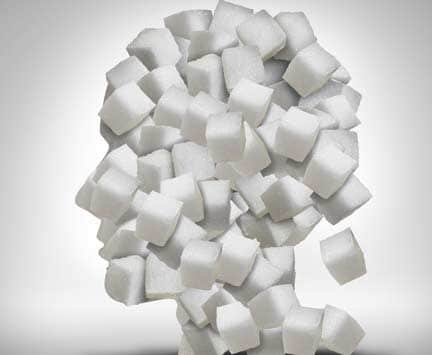
Sugar Destroys Enzyme that Stops Alzheimer’s

The average American consumes 19.5 teaspoons (82 grams) of sugar every day. That’s about 66 pounds a year.1
And it’s killing us.
by INH Research / 


Sugar Brain

Now, a new breakthrough study adds one more major health scourge to the list.
It found that a diet high in sugar increases your Alzheimer’s risk. For the first time, researchers have uncovered a direct molecular link between sugar and the brain-robbing illness.2
Researchers from the University of Bath and King’s College, both in England, analyzed cadaver brain samples. They compared tissue from people who had Alzheimer’s when they died to those who didn’t have it.
Scientists knew that previous research had shown that sugar can damage proteins in cells. This happens through a process called glycation. This is when a sugar molecule bonds to and disrupts the function of a protein.
The researchers found that in the early stages of Alzheimer’s, glycation damages an enzyme called macrophage migration inhibitor factor (MIF). MIF is crucial to Alzheimer’s prevention. It stops the buildup of abnormal proteins in the brain, which are the hallmark of the disease.
When the enzyme can’t function properly because of glycation from high sugar intake, proteins accumulate and Alzheimer’s sets in.3
Professor Jean van den Elsen is with the University of Bath’s department of biology and biochemistry. He is one of the study’s authors.
“Normally MIF would be part of the immune response to the build-up of abnormal proteins in the brain,” he said. “We think that because sugar damage reduces some MIF functions and completely inhibits others, that this could be a tipping point that allows Alzheimer’s to develop.”4
Researchers say they hope treatments can be developed that keep MIF functioning to prevent Alzheimer’s. Their study was published in the journal Scientific Reports.

Beware of Sugar Weasel Words

In the meantime, the new study makes it more important than ever to avoid sugar.
Dr. Omar Kassaar of the University of Bath is a co-author of the study. “Excess sugar is well known to be bad for us when it comes to diabetes and obesity,” he said. “But this potential link with Alzheimer’s disease is yet another reason that we should be controlling our sugar intake.”
That’s not as easy as it sounds. Big Sugar has worked furiously for decades to make sure food labeling laws allow them to hide sugar under many different names.
Most of us know that “high fructose corn syrup” is another name for sugar. But there are dozens of other food label weasel words used to hide added sugar.
Have you heard of drimol, flo malt, sucrovert, or versatose? They are all sugar aliases used on labels to fool consumers.
For a list of 80 names the food industry uses to hide sugar, go here.
And if you’re worried about Alzheimer’s, there’s something else you should know… The decades of research on this brain-healing herb is impressive to say the least… And you can get it now for just pennies a day.
Get all the details on this memory miracle, HERE.

Related Articles:

https://www.institutefornaturalhealing.com/2017/06/sugar-destroys-enzyme-stops-alzheimers/


Sunday, 27 April 2014

Long life, good health

Here are some tips for living longer and healthier like the centenarians of today

21 April 2014

Steve Yap

THE life expectancy in Malaysia is about 75 years. But it’s possible to go beyond that as seen by the number of people who have reached the century milestone.
And the reason for their longevity? Based on published studies, centenarians have low mental impairment and possess more lean body mass. They eat lightly and get around seven hours of sleep per night.
They have few or no serious chronic health disorders, and are mostly raised in large families. They consume very little processed food or foods that are deep-fried, barbecued, grilled, or microwaved.
They work on one task at a time and rarely impose strict deadlines on themselves nor do they compete with others for wealth and fame. They have a strong sense of humour and laugh easily.
As Hippocrates, the father of western medicine, said around 450BC, “it’s the wise man who knows that health is his greatest assets”.
With rapid advances in anti-ageing and regenerative medicine, the “super olds” are projected to be the fastest growing age group in the coming decades.
Here’s how to be counted among that number:

► PHYSICAL ACTIVITY
Regular exercise or physical activities prevent or slow down the development of osteoporosis.
For urban folk eating at fast-food chains, aerobic exercise improves insulin resistance and lowers risk of developing the accelerated-ageing diseases such as diabetes.
The good news is that moderate physical activity (about 15 minutes daily) has been shown to be as anti-ageing as vigorous activities.

► CALORIE RESTRICTION
Our rate of ageing is strongly linked to our dietary habits. The more calories we consume, the faster we tend to age. High blood sugar depresses immune system besides generating excessive free radicals which age us.
We need to consume less dietary calories than the body is accustomed to getting. For such a diet to be healthy, it should be nutrient-dense (CRON diet).
Foods with little or no nutrients such as refined starch and sugary beverages/snacks are replaced with foods of lower but highly-nutritious calories.
Calorie restriction (CR) activates our longevity gene SIR2. It naturally lowers both systemic inflammation and body fat, which is strongly linked to heart disease, diabetes, and hypertension.
Diabetic people who strictly follow the CR diet can see some reversal of conditions since it lowers blood sugar and insulin needs. Even arterial plaque has been shown to be 40% lower in a CR followers compared to the those eating standard diets.
The nutrient trans-resveratrol found in cocoa, peanuts, organic dark grape skin, and some herbal tea can mimic the effects of CR.

► OXIDATION
Each day, the cells in our body are being attacked by at least 10,000 age-accelerating free radicals, which can come from our diet, toxic environment, mental stress, radiation, heavy metals, drugs, and toxins already in our bodies.
Various types of free radicals are neutralised in our bodies by different nutrients collectively called antioxidants. To maintain health at the cellular level, the need to consume a wide variety of nutrient-dense foods is evident.

► GLYCATION
Our body converts all carbohydrates to sugar before it can be used. Whereas our brains are powered by glucose, our hearts prefer energy derived from fats.
Glycation happens when sugar molecules attach themselves to proteins causing them to change structures that lead to their tissue/organ malfunctions.
Glycation-linked ageing disorders include diabetes, heart disease, Alzheimer’s disease, cataract formation, and wrinkles.
Nutrients that fight glycation include L-carnosine, alpha lipoic acid, magnesium, and d-ribose.

► EMOTIONAL & SOCIAL TIES
People who enjoy higher levels of social ties have longer life spans and lower rates of serious illness than those who have lower levels of support.
Women with fewer social networks suffer a mortality rate nearly double those with wider social ties. Even worse, men with low social ties die at two or three times the rate of men with strong social connections.

► HOSTILE ATTITUDE
Anger is provoked by the way(s) in which a person views his/her environment.
Even for healthy adults, anger doubles the risk of a cardiac event. For those already having heart disease, anger can lead to a shocking 700% increase in cardiac events such as heart attack and angina.
Numerous studies have confirmed hostility as a predictor of heart disease and the cause of early death. No amount of longevity diet can overcome the detrimental health effects of constantly displaying unwarranted hostility towards others.

► SOCIAL-ECONOMIC POSITION
On average, people with higher educational achievements, income, and job position tend to live longer. The health implications of these are independent of all other risk factors for accelerated ageing.
For those suffering from chronic health disorders such as heart disease, hypertension, diabetes and cancer, their social-economic position may be a predictor of their survival rates.

Tuesday, 17 December 2013

These 4 Foods Accelerate AGING (beware!)

Do you eat these harmful foods that AGE you faster?  Some are even deceptively marketed to you as "healthy" by giant food corporations.  Avoid or minimize these and look 5-10 years YOUNGER than your real age.

by Mike Geary - Certified Nutrition Specialist & Catherine Ebeling - RN, BSN

Authors of the best seller: The Top 101 Foods that FIGHT Aging


Due to biochemical reactions in your body that occur with every type of food you eat on a daily basis, some foods age you FASTER than your real age, while other foods help to FIGHT aging.

Eat the wrong foods regularly, and you can look and feel 10 or more years OLDER than your real age (not fun!) ... but eat the right foods, and over time, you can start to look 5-10 years YOUNGER than your real age.

Three of the processes that go on inside your body that have a MAJOR impact on your rate of aging are called "glycation", "inflammation", and "oxidation".  When we talk about aging, we're not just talking about wrinkles on your skin or how thick your hair is... we're also talking about factors that you can't see, such as how well your organs function, and whether your joints are degrading.

Yes, I'm sure you'll agree this is much more important than just how you look on the surface (although we'll show you how to improve BOTH!)

So let's dig right in and I'll show you how your rate of aging can be directly related to the foods you might eat every day, and how to protect yourself..
.

Food #1 that ages you faster:
Wheat (yes, even "whole wheat")

Before I tell you why wheat can actually speed up the aging process in your body, let's clarify some simple biochemistry in your body...

This deals with "glycation" in your body, and substances called Advanced Glycation End Products (AGEs).  These nasty little compounds called AGEs speed up the aging process in your body including damage over time to your organs, your joints, and of course, wrinkled skin.

So with that said, what is one of the biggest factors that increase production of AGEs inside your body?  This may surprise you, but high blood sugar levels over time dramatically increase age-accelerating AGEs in your body.  This is why type 2 diabetics many times appear that they have not aged well and look older than their real age.  But this age-increasing effect is not just limited to diabetics.  It can affect everyone.

So, let's get back to how "whole wheat" relates to this...

Here is a little-known fact that's often covered up by the massive marketing campaigns by giant food companies that want you to believe that "whole wheat" is healthy for you... but the fact is that wheat contains a very unique type of carbohydrate (not found in other foods) called Amylopectin-A, which has been found in some tests to spike your blood sugar higher than even pure table sugar.

In fact, amylopectin-A (from wheat) raises your blood sugar more than almost any other carbohydrate source on earth based on blood sugar response testing.

This means that wheat-based foods such as breads, bagels, cereals, muffins, and other baked goods often cause much higher blood sugar levels than most other carbohydrate sources.  As you know now, the higher your average blood sugar levels are over time, the more AGEs are formed inside your body, which makes you age FASTER.

You've probably heard about the potential health-damaging effects of gluten (also found in wheat) in the news recently, but this blood sugar aspect we just covered is not talked about that often, and is yet another reason to reduce or eliminate wheat-based foods in your diet.  Your body will thank you by aging slower and looking YOUNGER!

In fact, my own dad, who is in his mid 60's now, just removed 95% of the wheat from his diet about 3 months ago (aside from a little bit on 1 cheat day per week), and he's noticed that his chronic joint pain has completely disappeared!  Not only that, he also commented that he's finally lost those "love handles" on his sides that have been plaguing him his entire adult life...All by reducing his wheat intake!

Another problem with wheat-based foods and aging...

As it turns out, baked wheat products contain carcinogenic chemicals called acrylamides that form in the browned portion of breads, cereals, muffins, etc.  These carcinogenic acrylamides have been linked in studies to possible increased risk of cancer and accelerated aging.  Note that acrylamides are also found in high levels in other browned carbohydrate sources such as french fries or any other browned starchy foods.

Don't worry though... There's a trick that you can use to protect yourself from these carcinogenic acrylamides, and it has to do with eating the RIGHT foods that COUNTERACT damage from these nasty chemicals.  I'll show you how to find the EXACT foods that protect your body in a minute!


Food #2 that ages you faster: 
Corn-based foods -- corn syrup, corn cereal, corn chips, corn oil

This is quite a variety of stuff that you might eat every day... we're talking corn chips, corn cereals, corn oil, and also the biggest health-damaging villain that gets most of the media attention, high-fructose corn syrup (HFCS).

We already talked in detail in the last section about wheat regarding the blood sugar process and it's relation to age-accelerating formation of nasty "AGEs" in your body.
Well, corn-based starchy foods such as corn cereals, corn chips, etc also have a big impact on blood sugar levels and therefore can increase AGEs in your body and accelerate aging.

But here's another nail in the coffin for corn... it turns out that scientists have found out that the fructose in HFCS causes 10x more formation of AGEs in your body than glucose!  Yes, that's right... that means the HFCS you consume daily in sweetened drinks, and most other processed foods (yes, even salad dressings and ketchup) contribute to faster aging in your body... as if you needed yet another reason to avoid or minimize HFCS!

We're not done yet with corn... it gets even worse...

Another major issue with corn-based foods and corn oils is that these foods contribute excessive amounts of omega-6 fatty acids to your diet, which causes an imbalance in your omega-3 to omega-6 ratio and leads to inflammation and oxidation within your body.

Once again... another example of corn-based foods aging you FASTER.

My advice:  Avoid or reduce corn-based foods like corn chips and corn cereal as much as possible. These aren't as bad as wheat in relation to blood sugar, and they don't contain gut-damaging gluten like wheat does, but they are still bad for you.  When it comes to corn syrup or corn oil, avoid as much as you can if you want to stay lean, healthy and young looking.   


Food #3 that ages you faster: 
Sugar, sugary foods, certain starchy foods

Again, we get back to the relationship between your average blood sugar levels and blood sugar spikes over time, and how that can increase those age-accelerating compounds called AGEs in your body.

Sugar is an obvious one to avoid.  You've heard how bad it is for you 1000 times before for many other reasons, including your waistline and developing type 2 diabetes.  But now you also understand the aging effect of sugar.

Instead of sugar, consider using a natural non-caloric sweetener like Stevia in your daily coffee, tea, in baking, or other sweetening needs.  This dramatically helps you control your blood sugar response and thereby help slow aging.

So this also means to think twice about sugary desserts, sugary cereals, candy, and other sweets that are contributing to aging you faster. 

My personal trick to satisfy my sweet tooth is to only have 1-2 squares of dark chocolate after dinner instead of a normal full dessert that most people choose.  You only get about 2 grams of sugar in 1-2 squares of dark chocolate as opposed to 40-80 grams of age-accelerating sugar in a typical cake, ice cream, or brownie type of dessert.

Keep in mind that some starchy foods like white rice, oatmeal, and white potatoes can also have significant impacts on your blood sugar and thereby can increase formation of AGEs in your body.  These foods are best kept in smaller portions if you decide to eat them, and balanced with healthy fats and protein to slow the blood sugar response.


Food #4 that ages you faster: 
Soybean oil, canola oil, or other "vegetable oils"

I know these have been marketed to you over the years by giant food companies as "healthy", but if you understand a little biochemistry about how these highly-processed oils react inside your body, you would quickly see how false that is.

First, anything labeled soybean oil, canola oil, corn oil, vegetable oil, or cottonseed oil (these are in a LOT of processed foods you probably eat) most times have undergone a refining process under extremely high heat and use of chemical solvents such as hexane.

This leaves you with an oil where the polyunsaturated fats have undergone a lot of oxidation and are therefore VERY inflammatory inside your body, producing free radicals, damaging your cell membranes, contributing to faster aging, heart disease, and other possible health problems.

If you want to avoid the health-damaging effects of soybean, canola, corn and other "vegetable oils", make sure to avoid them as much as you can, and instead opt for truly healthy oils and fats such as extra-virgin olive oil, avocado oil, virgin coconut oil (a healthy source of MCT fats), and grass-fed butter (a great source of healthy CLA fats).

http://www.truthaboutabs.com/foods-that-age-you-faster.html

Friday, 23 August 2013

These 5 Foods Age You…Fast

August 23, 2013

Getting older is not the same thing as aging. Your biological age doesn’t depend on the number of candles you blow out on your next birthday.

Whole WheatIt depends on how well you take care of yourself. You can’t control how old you get.  But you can control how much you age. And thankfully a few simple steps can slow the process.

The first place to start is your diet. Keep your skin supple, your muscles stronger, and your joints pain-free by avoiding foods known to speed up aging.

Steer clear of these age-accelerating offenders…

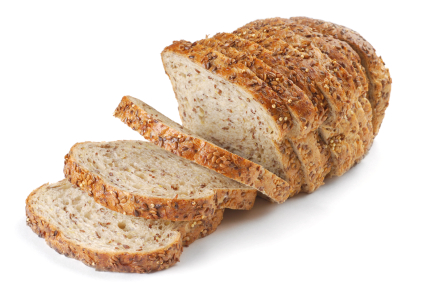
Wheat: Whole wheat, whole grain, multi-grain, multi-wheat… Just skip it! Whole wheat and whole grain breads are marketed as “healthy choices.” But they’re so processed they’re actually terrible for your blood sugar levels. White bread has a glycemic index of 71. Whole wheat has the same number. Though whole grain comes in at 51, it’s still higher than certain brands of vanilla cake mix.1 Lowering your insulin levels may just be the key to longevity and overall health.2

Corn: Whether you realize it or not, it’s hard to get away from corn on the standard American diet. It’s in just about everything. The worst offender? High fructose corn syrup. Corn-based fructose promotes oxidative stress in the body, which speeds the aging process. It can even cause negative health effects similar to overconsumption of alcohol, but without the buzz.3

“Vegetable” Oil: Most vegetable oils on the market come from GMO sources, so already they’re off to a bad start.4 To make matters worse, most oil is so highly refined that it actually causes inflammation and oxidative stress in the body.5 This process will remove all the familiar health benefits of any vegetable from the product. Instead, stick to organic olive, avocado, and coconut oils for your healthy fats.

Milk: Don’t let its wholesome reputation fool you. Milk does your body more harm than good. Pasteurization destroys the enzymes, good bacteria, proteins, and vitamins found in raw milk.6 Essentially, you end up with dead calories. The bad news doesn’t stop there. The average glass of pasteurized skim milk has 12g of sugar and 12g of carbs per cup. A few glasses a day will take a toll on your blood sugar levels and seriously raise inflammation.

Sugar: The obvious negative effects on bodyweight, blood sugar levels, and inflammation are only the beginning. Sugar actually prevents collagen fibers from repairing.7 This can stop skin from being supple and youthful in appearance. The worst part of it is that the effects of glycation—aging brought on by sugar—cannot be reversed. The only way to avoid glycation is to avoid sugar.8

These are just a few of the simplest ways to start slowing down the clock. But better than that, there’s even a way to possibly reverse it—and trick your body into thinking it’s decades younger. Turn fat to muscle…firm up skin…get a better memory…boost your energy…and improve your mood with this “age rewind.” It copies a prescription treatment doctors use to reprogram older bodies to work like a young adult. But THIS way is all natural. It’s inexpensive. There’s no doctor required. And you can do it at home. Go HERE for details.

References:
1 http://www.health.harvard.edu/newsweek/Glycemic_index_and_glycemic_load_for_100_foods.htm
2 http://articles.mercola.com/sites/articles/archive/2010/04/29/calorie-restriction-not-key-to-increasing-life-lowering-insulin-level-is.aspx
3 http://www.ncbi.nlm.nih.gov/pubmed/23493539
4 http://articles.mercola.com/sites/articles/archive/2011/11/25/wesson-oil-contains-gmo.aspx
5 http://www.healthy-eating-politics.com/vegetable-oil.html
6 http://www.realmilk.com/brochures/real-milk-brochure/
7 http://www.ncbi.nlm.nih.gov/pubmed/20620757
8 http://www.lef.org/magazine/mag2012/jan2012_Halt-Sugar-Induced-Cell-Aging_01.htm

http://institutefornaturalhealing.com/2013/08/these-5-foods-age-you-fast/

Thursday, 4 July 2013

Stop Starch-Induced Glucose Surges - MUST READ

Life Extension Magazine July 2013
Report  
By Scott Rackinow
 
Stop Starch-Induced Glucose Surges  
About 35 years ago, the federal government revised their dietary guidelines to advise Americans to increase the amount of carbohydrates they consume to around 60% of their daily food intake. The objective was to achieve a healthier lifestyle.1
 
The latest guidelines from the Institute of Medicine recommend a daily carbohydrate intake of up to 65% of daily food intake.2
 
The catastrophic result has been an epidemic of life-threatening obesity, type II diabetes, metabolic syndrome, and other diseases.2
 
The reason is simple. Starch is one of the largest dietary sources of blood sugar and dangerous after-meal blood glucose spikes.3,4 Even if you eat so-called “healthy grains” such as whole wheat and brown rice, these all convert into sugar during digestion.5
 
Fortunately, researchers have uncovered a dual-action enzyme known as transglucosidase (pronounced trans-gluco-side-ace) that blocks the conversion of starch into sugar and tranforms it into beneficial fiber.6
 
While you can’t eliminate all starch from your diet, you can neutralize its negative impact on your body. Transglucosidase represents a novel mechanism for protecting against the harmful effects of dietary starch.
 
Impressive laboratory studies have shown that when transglucosidase comes in contact with starchy foods and natural enzymes in the digestive tract, there’s a 31% reduction in rapidly digested starch (the kind that causes blood sugar to spike right after a meal) and an 11% increase in slowly digested starch (which gets converted to sugar more slowly, if at all).7
 
Together, that means approximately 40% of the starch you ingest is less likely to be rapidly absorbed into your bloodstream.
 
Human clinical studies have confirmed the ability of transglucosidase to reduce blood glucose and insulin levels.
 
For the typical aging adult, this offers a powerful way to help prevent crossing the line into prediabetes or overt diabetes, preserving pancreatic function, protecting against deadly glucose/insulin surges—and ultimately leading to a longer, healthier life.
 

Hidden Dangers of a High-Starch Diet

 
If you’re a diabetic—or experiencing even slightly elevated blood sugar—you probably know that sugar is one of the worst things you can put into your body. What you might not know is that one of the biggest sources of sugar in your diet is starch.7 Because even whole grains are converted to sugar during digestion, every gram of starch you eat could represent one gram of free glucose in your blood.5,8
 
That means that even seemingly healthy food choices (whole grain bread, brown rice, and whole wheat pasta, for example) can lead to increases in blood sugar and insulin—and ultimately an increased threat to your health—especially if you already suffer from insulin resistance (prediabetes) or diabetes.
 
Starchy foods are rich in glucose precursors such as amylopectin, which is the main form of rapidly digestible starch in the human body.9 Because the starch in various foods is converted into sugar at different rates, it results in variable rates of blood sugar elevation, insulin response, and satiety (the sense of fullness you get after eating a portion of each food).5,10
 
Regardless of the form of starch you eat however, be it whole grain bread and brown rice or cookies and cake, the fact remains that all digestible starch gets turned into sugar as it passes through the digestive tract.5,7,8 And that results in elevations in blood sugar and dangerously higher insulin levels—whether you suffer from diabetes or not.
 
When sugar (glucose) binds to your body’s proteins, it produces advanced glycation end products, which are “sugar-coated” proteins that have become stiff, inflexible, and dysfunctional.11-13
 
Advanced glycation end products trigger inflammation and oxidization, leading to massive amounts of the tissue damage that underlies chronic disease—and aging itself.12,13
 

Impact of Insulin Excess

 
In response to surplus blood sugar, your body has to pump out far too much insulin.6,14,15 Insulin is a hormone that’s essential for carbohydrate and fat metabolism. But when it’s secreted in excess, insulin becomes a “death hormone.” Chronically elevated insulin levels put you at increased risk of dying from diseases as diverse as cancer, obesity, heart attacks, and strokes, and can ultimately lead to a “burnt-out” pancreas incapable of any glucose control at all.14,16-18
 
Even people with “normal” fasting blood sugar levels are at an increased risk if their after-meal glucose levels rise too high, too fast.19,20 That’s why, even if you’re not diabetic, you need to be doing all you can to keep your blood sugar and insulin levels under control.
 
Too many Americans are living in a dangerous “gray zone” with their health. Even though they think they’re safe from harm, their glucose and insulin levels are precariously approaching abnormal. You could be living on the brink of a major health disaster—and not even know it.20


Conventional Doctors Missed the Boat

 
Modern-day physicians aren’t helping the situation because they typically wait far too long before they respond to a patient’s “pre-diabetic” state (technically called impaired glucose tolerance, or insulin resistance). And when they do respond, it’s often with costly prescription drugs that don’t fully address the underlying problems. In the end, prevention makes the most sense.
 
Fortunately, researchers have discovered a unique enzyme that can help prevent you from crossing the line into prediabetes or overt diabetes by mitigating the harmful effects of dietary starch.6 This transformative enzyme is called transglucosidase.
 
Aided by your body’s own starch-digesting enzymes, transglucosidase literally rearranges the molecular structure of starch. Instead of allowing starch to be converted into free sugars that spike your blood glucose and trigger deadly insulin release, transglucosidase converts starch into beneficial, indigestible, prebiotic fiber—right in your own digestive tract.6,7,21-23
 
With the help of transglucosidase, you can achieve multiple life-saving goals with a single supplement:
  1. You’ll convert less starch to sugar, ensuring a smaller glucose load, especially in the critical after-meal period.6,21,22
  2. You’ll release less insulin, thus reducing your risk of excess insulin’s deadly health effects.6,21,22
  3. You’ll be providing yourself with additional prebiotic fiber, further reducing your risk of diabetes and enhancing intestinal health.7,23-29

What You Need to Know
Transglucosidase: Reducing Sugar Surges

Transglucosidase: Reducing Sugar Surges

  • High blood sugar and the resulting high insulin levels pose a grave threat to Americans’ health, even for non-diabetic people.
  • The biggest source of glucose in the diet is not sugar or sweeteners, but rather starch, which is made up of hundreds of individual glucose molecules that break off and are absorbed during digestion.
  • Slowing starch digestion is one important way of reducing dangerous spikes in blood sugar following a meal, as is increasing one’s intake of prebiotic dietary fiber.
  • Transglucosidase offers a revolutionary approach to managing high blood sugar and insulin surges by converting starch into prebiotic fiber directly in the intestinal tract.
  • Studies show that transglucosidase can stop the progression of prediabetes to diabetes, while limiting tissue damage and lowering cardiovascular and cancer risk factors among diabetics.
  • If you are concerned about the risks of high blood sugar, you should take a transglucosidase supplement before every starch-containing meal.


Neutralize Dietary Starch


As stated earlier, regardless of the form of starch you eat, all digestible starch gets turned into sugar as it passes through the digestive tract.7,8 And that results in elevations in blood sugar and a rise in insulin levels into the danger zone. The riskiest period is the two hours immediately following a meal; studies show that this after-meal blood glucose and insulin surge is a major risk factor for cardiovascular disease.12 Fortunately, transglucosidase can help eliminate the dangers of this after-meal period.

So what does happen to the starch you just ate? That’s the second part of the transglucosidase story.
In addition to blocking the conversion of starch into sugar, transglucosidase converts that harmful sugar into beneficial prebiotic dietary fiber.6,23,30

We know that the more fiber you consume, the better your health. High-fiber diets may help you live longer for several reasons.31 Prebiotic fiber feeds the beneficial bacteria living in your colon; those bacteria in turn convert other types of fiber into healthy molecules that lower levels of inflammation in your body, slow excessive weight gain, reduce your blood cholesterol, shrink your risk of cancer, and—importantly—help normalize blood glucose and insulin levels.32-36

But despite the American Dietetic Association’s recommendation that healthy adults should consume 20 to 35 grams/day of dietary fiber, most people don’t come anywhere close to this level of intake, partly because it’s hard to find good, palatable sources of fiber.32

When you supplement with transglucosidase, however, you are capable of converting unhealthy starches with high sugar release and low fiber content into healthy prebiotic fiber—directly in your own digestive tract.6,21,22

Human data confirms the benefit of transglucosidase for improving the health of the beneficial bacteria that reside in the digestive tract. In a group of forty type II diabetics receiving transglucosidase for 12 weeks, 67% had considerable improvement in the health and balance of bacterial colonies in their digestive tract.37 Researchers believe that the modulation of gut bacteria by transglucosidase may be one of the main mechanisms by which transglucosidase supports control of glucose levels and promotes weight loss in type II diabetics.

That means transglucosidase has the potential to radically change the equation when it comes to the dangers of starch in your diet. Given its dual mechanism of action—blocking the release of harmful sugar from starch and converting it instead into beneficial fiber—transglucosidase has the power to help prevent you from crossing the line into prediabetes (insulin resistance) or overt diabetes, preserving your pancreatic function and protecting you from dangerous insulin surges—and ultimately prolonging your life.

Table 1: The Impact of Common Starchy Foods on Glucose, Insulin, and Satiety Scores 45,46
Table 1: The Impact of Common Starchy Foods on Glucose, Insulin, and Satiety Scores
Because one gram of starch could be converted by digestive enzymes into one gram of sugar, foods that are high in starch are also high in sugar.5,8 Sugar is released more easily from some foods than from others, resulting in very different blood sugar and insulin profiles. In this table, various foods are compared with white bread, a starchy food that is rapidly converted to sugar. The “glucose score” indicates how much glucose a food contains compared to white bread; the “insulin score” indicates how much a given food raises blood insulin compared to white bread; and the “satiety score” indicates how full you feel after eating identical portions of each food, compared to white bread.45,46


FoodGlucose scoreInsulin scoreSatiety score
White bread (baseline)100100100
Whole-grain bread9796157
White rice11079138
Brown rice10462132
White pasta4640119
Brown pasta6840188
Potatoes141121323
Baked beans114120168
Crackers11887127
Mars bars7912270
Bananas7981118
Cornflakes7675118
Porridge6040209
Apples5059197


Reduce Your Risk of Developing Diabetes


Transglucosidase has been studied around the world, and it’s one of the only known natural enzymes that can prevent the progression of prediabetes to full-blown diabetes.6

People with prediabetes often have fasting glucose levels near the upper limits of “normal” (near or above 100 mg/dL) and have already lost the ability to control after-meal glucose and insulin surges. Prediabetics have a high risk of progressing to full-blown diabetes—but even if they don’t, these “mild” elevations in blood sugar still correlate strongly with diseases such as heart attack, inflammatory bowel disease, and cancer.6,38

In a study including prediabetics, one group received a “low dose” of 450,000* units of transglucosidase, one group received a “high dose” of 900,000 units of transglucosidase, and a third group received a placebo.6 The subjects took the supplements along with a test meal of white rice (high in starch) that is readily converted to glucose.

Over the course of three hours following the control meal, the subjects’ total blood sugar rose into dangerous territory, as would be expected for people with prediabetes.6 But the people who supplemented with transglucosidase at either dose had significantly lower total blood sugar concentrations over the three-hour period, along with a trend towards lower insulin levels. There were no significant side effects.

What this means for you is that, if you are a prediabetic, you can safely limit the negative impact of a starchy meal—and can slow your rate of progression towards diabetes.6

Shield Your Body from Chronically Elevated Insulin

Anyone whose blood sugar is not under optimum control is exposed to the dangers of chronically elevated insulin levels. That’s because your body will pump out insulin so long as blood sugar levels are above normal—and can result in an insulin level that may be dangerously elevated in its effort to keep blood sugar at a normal level, making it a truly hidden danger.

Insulin, of course, is a useful and necessary hormone. It is responsible for driving blood sugar into cells, where it’s burned for energy. Without properly regulated amounts of insulin we couldn’t survive.

But insulin, like many hormones, has multiple functions. The little-known “dark side” of insulin is that it is a powerful growth factor.41 And in the healthy adult body, there’s limited usefulness in growth factors. Excessive growth factor production triggers cell replication in places we don’t want it. Insulin and other growth factors are implicated, for example, in cancer, where unregulated cellular reproduction produces deadly malignancies.42And imbalanced growth factors, including insulin, are also implicated in the thickening and poor responsiveness of smooth muscle cells lining arterial walls, contributing to cardiovascular disease.41

Excessive insulin production is the result of insulin resistance, which is another way to say “prediabetes.” High insulin levels are associated with a 37% increase in the risk of dying from cancer—whether or not you have diabetes.40,43 Doctors are finally learning to pay attention to insulin levels as well as to blood sugar levels when evaluating new treatments and when advising their patients. And they are starting to seek therapies that increase insulin sensitivity and lower overall insulin levels.44

Most antidiabetic drugs aim only to drive down blood sugar levels and have no effect on insulin; others are actually intended to increase your insulin levels in the attempt to reduce blood sugar. But transglucosidase works in part by lowering insulin levels as blood sugar normalizes.

In human studies in which healthy subjects with evidence of insulin resistance ate a test meal of white rice (high in starch), placebo recipients saw their insulin levels rise along with their after-meal blood sugars (the expected response), while those receiving transglucosidase had small decreases in insulin over the same time period.6 And in patients with diabetes, who already had elevated insulin levels, 12 weeks of transglucosidase supplementation led to significant drops in insulin concentration overall. These are remarkable findings, given that these subjects made no other changes in their diets or lifestyles.


Reduce the Impact of Diabetes

 
Another clinical study looked at patients who already had type II diabetes, and the researchers found that the benefits of transglucosidase are just as exciting for those with full-blown diabetes as they are for prediabetics.22
 
Diabetics not only have elevated blood sugar and often high insulin levels, but also have detectable evidence of advanced glycation end products in the form of hemoglobin A1c (HbA1c). This blood test is an indication of total blood sugar levels over an approximate two to three-month period.
 
Patients in the study received total daily doses of 900,000 units of transglucosidase, 2.7 million units of transglucosidase, or a placebo.22 Both doses produced respectable reductions in hemoglobin A1c, lowering it by an average 0.18 and 0.21%, respectively (normal measurements for this test should not exceed 5.5%).
 
Patients’ insulin concentrations fell significantly as well, by 2.79 and 3.59 mIU/mL, respectively.22
 
And while transglucosidase does not replace metformin if internal overproduction of glucose by the liver is the culprit behind elevated fasting glucose (>85 mg/dL) or elevated HbA1C (>5.5%), its dramatic insulin reductions are similar to those seen with the drug metformin, which can reduce fasting insulin by about 38% in obese, insulin-resistant people.39,40
 
But the benefits of transglucosidase for diabetics don’t end there. The patients taking transglucosidase also had significant increases in a beneficial cytokine called adiponectin and significant reductions in triglycerides and diastolic blood pressure.22
 
On the other hand, the placebo patients experienced significant increases in their body mass index (a measure of total weight for height) and also had increases in markers of fat-induced liver damage. Neither group of patients taking transglucosidase had such changes.22
 
If you already have type II diabetes, the availability of this novel enzyme is excellent news. It means that supplementing with transglucosidase not only helps protect against dangerous glycation reactions taking place in your tissues (which will cause heart, kidney, nerve and eye disease, given time), but also blunts excessive insulin levels (which raise your risk of cancer and cardiovascular diseases). In addition, it can also help protect you from further weight gain and other measures of poor health. And it’s all done without taking a single drug.
 
 
Dosing Enzymes
Dosing Enzymes


*Unlike many other nutrients, enzymes are dosed according to their unit of activity. One enzymatic unit is the amount of enzyme needed to convert one micromole (µmol) of a substance per minute.

This is not to be confused with the International Unit (IU), which is an unrelated measure of other biologically active substances such as vitamin D.

Because transglucosidase is an enzyme, the dosages are measured in “units of enzyme activity” not milligrams or International Units (IU). A 450,000 unit dose is typically the amount found in one capsule.


Summary

 
Chronically elevated glucose and insulin levels, especially those immediately following a meal, should be a major concern of any adult—even if you have no known history of high blood sugar. High insulin and glucose blood levels are at least as dangerous as high cholesterol when it comes to increased risk of cardiovascular disease.
 
In addition, chronically elevated glucose and insulin sharply elevate cancer rates. That’s why it’s important to take all possible steps to prevent dietary starch from converting into deadly sugar calories.
 
Transglucosidase is a groundbreaking supplement that is the first of its kind. Its dual mechanism of action helps manage high blood sugar and excess insulin by blocking the release of harmful sugar from starch…converting it instead into beneficial fiber.
 
This is a medical breakthrough capable of mitigating the growing diabetes epidemic—and is a critical new tool in our kit for managing dangerous metabolic conditions.
 
If your fasting glucose is over 85 mg/dL (which most adults are), or you have other indicators of glucose impairment such as elevated hemoglobin A1c or elevated fasting insulin, take transglucosidase before your two heaviest starch-containing meals of the day.
 
Human clinical trials have established its value in healthy as well as diabetic individuals. And that translates to lower risks for cancer, vision problems, and heart disease.
 
If you have any questions on the scientific content of this article, please call a Life Extension® Health Advisor at 1-866-864-3027.
 
Doggie Diabetes
Doggie Diabetes

Diabetes is common in dogs as well as people. Fortunately, transglucosidase can help manage glucose levels in dogs as well as in humans. When researchers in Japan studied transglucosidase in animals, they found that the results were virtually identical with what we’ve seen in human studies.21

Healthy non-diabetic control dogs receiving transglucosidase experienced lower total after-meal glucose and insulin levels compared with those receiving the control diet alone. And the usual “spike” in after-meal glucose levels was virtually eliminated, allowing the dogs to maintain normal glucose concentrations of 85 to 95 mg/dL.21


References

  1. German JB, Dillard CJ. Saturated fats: what dietary intake? Am J Clin Nutr. 2004 Sep;80(3):550-9.
  2. Available at: http://www.health.gov/dietaryguidelines/dga2005/report/HTML/G5_History.htm. Accessed April 3, 2013.
  3. Daly ME, Vale C, Walker M, Littlefield A, Alberti KG, Mathers JC. Acute effects on insulin sensitivity and diurnal metabolic profiles of a high-sucrose compared with a high-starch diet. Am J Clin Nutr. 1998 Jun;67(6):1186-96.
  4. Raben A, Holst JJ, Madsen J, Astrup A. Diurnal metabolic profiles after 14 d of an ad libitum high-starch, high-sucrose, or high-fat diet in normal-weight never-obese and postobese women. Am J Clin Nutr. 2001 Feb;73(2):177-89.
  5. Brand-Miller JC, Stockmann K, Atkinson F, Petocz P, Denyer G. Glycemic index, postprandial glycemia, and the shape of the curve in healthy subjects: analysis of a database of more than 1,000 foods. Am J Clin Nutr. 2009 Jan;89(1):97-105.
  6. Sasaki M, Joh T, Koikeda S, et al. A novel strategy in production of oligosaccharides in digestive tract: prevention of postprandial hyperglycemia and hyperinsulinemia. J Clin Biochem Nutr.2007 Nov;41(3):191-6.
  7. Ao Z, Simsek S, Zhang G, Venkatachalam M, Reuhs BL, Hamaker BR. Starch with a slow digestion property produced by altering its chain length, branch density, and crystalline structure. J Agric Food Chem. 2007 May 30;55(11):4540-7.
  8. Available at: >http://www.madsci.org/posts/archives/2000- 12/978293375.Bc.r.html. Accessed Feb 26, 2013.
  9. Available at: http://highered.mcgraw-hill.com/sites/dl/free/0072442123/65764/samplech05.pdf. Accessed April 4, 2013.
  10. Liljeberg HG, Akerberg AK, Björck IM. Effect of the glycemic index and content of indigestible carbohydrates of cereal-based breakfast meals on glucose tolerance at lunch in healthy subjects. Am J Clin Nutr. 1999 Apr;69(4):647-55.
  11. Verzijl N, DeGroot J, Ben ZC, et al. Crosslinking by advanced glycation end products increases the stiffness of the collagen network in human articular cartilage: a possible mechanism through which age is a risk factor for osteoarthritis. Arthritis Rheum. 2002 Jan;46(1):114-23.
  12. Del Turco S, Basta G. An update on advanced glycation endproducts and atherosclerosis. Biofactors.2012 Jul-Aug;38(4):266-74.
  13. Sell DR, Monnier VM. Molecular basis of arterial stiffening: role of glycation- a mini-review. Gerontology.2012;58(3):227-37.
  14. Cerf ME. Beta cell dynamics: beta cell replenishment, beta cell compensation and diabetes. Endocrine.2013 Mar 13.
  15. Cerf ME. Beta cell dysfunction and insulin resistance. Front Endocrinol (Lausanne). 2013;4:37.
  16. Kuhl H. Breast cancer risk in the WHI study: the problem of obesity. Maturitas.2005 May 16;51(1):83-97.
  17. Moyad MA. Obesity, interrelated mechanisms, and exposures and kidney cancer. Semin Urol Oncol. 2001 Nov;19(4):270-9.
  18. Sandovici I, Hammerle CM, Ozanne SE, Constancia M. Developmental and environmental epigenetic programming of the endocrine pancreas: consequences for type 2 diabetes. Cell Mol Life Sci. 2013 Mar 6.
  19. Abdelmoneim SS, Hagen ME, Mendrick E, et al. Acute hyperglycemia reduces myocardial blood flow reserve and the magnitude of reduction is associated with insulin resistance: a study in nondiabetic humans using contrast echocardiography. Heart Vessels.2012 Nov 23.
  20. Reaven G. Insulin resistance and coronary heart disease in nondiabetic individuals. Arterioscler Thromb Vasc Biol. 2012 Aug;32(8):1754-9.
  21. Sako T, Mori A, Lee P, et al. Supplementing transglucosidase with a high-fiber diet for prevention of postprandial hyperglycemia in streptozotocin-induced diabetic dogs. Vet Res Commun. 2010 Feb;34(2):161-72.
  22. Sasaki M, Imaeda K, Okayama N, et al. Effects of transglucosidase on diabetes, cardiovascular risk factors and hepatic biomarkers in patients with type 2 diabetes: a 12-week, randomized, double-blind, placebo-controlled trial. Diabetes Obes Metab.2012 Apr;14(4):379-82.
  23. Ota M, Okamoto T, Wakabayashi H. Action of transglucosidase from Aspergillus niger on maltoheptaose and [U-(13)C]maltose. Carbohydr Res. 2009 Mar 10;344(4):460-5.
  24. Beerens K, Desmet T, Soetaert W. Enzymes for the biocatalytic production of rare sugars. J Ind Microbiol Biotechnol.2012 Jun;39(6):823-34.
  25. Cani PD. Crosstalk between the gut microbiota and the endocannabinoid system: impact on the gut barrier function and the adipose tissue. Clin Microbiol Infect. 2012 Jul;18 Suppl 4:50-3.
  26. Costa GT, Guimaraes SB, Sampaio HA. Fructo-oligosaccharide effects on blood glucose: an overview. Acta Cir Bras.2012 Mar;27(3):279-82.
  27. Di Bartolomeo F, Startek JB, Van den Ende W. Prebiotics to fight diseases: Reality or fiction? Phytother Res. 2012 Dec 27.
  28. Mallappa RH, Rokana N, Duary RK, Panwar H, Batish VK, Grover S. Management of metabolic syndrome through probiotic and prebiotic interventions. Indian J Endocrinol Metab.2012 Jan;16(1):20-7.
  29. Molinaro F, Paschetta E, Cassader M, Gambino R, Musso G. Probiotics, prebiotics, energy balance, and obesity: mechanistic insights and therapeutic implications. Gastroenterol Clin North Am. 2012 Dec;41(4):843-54.
  30. Kurimoto M, Nishimoto T, Nakada T, Chaen H, Fukuda S, Tsujisaka Y. Synthesis by an alpha-glucosidase of glycosyl-trehaloses with an isomaltosyl residue. Biosci Biotechnol Biochem. 1997 Apr;61(4):699-703.
  31. A high-fiber diet may help you live longer. Mayo Clin Health Lett.2012 Jun;30(6):4.
  32. Marlett JA, McBurney MI, Slavin JL. Position of the American Dietetic Association: health implications of dietary fiber. J Am Diet Assoc. 2002 Jul;102(7):993-1000.
  33. Ajani UA, Ford ES, Mokdad AH. Dietary fiber and C-reactive protein: findings from national health and nutrition examination survey data. J Nutr.2004 May;134(5):1181-5.
  34. Liu S, Willett WC, Manson JE, Hu FB, Rosner B, Colditz G. Relation between changes in intakes of dietary fiber and grain products and changes in weight and development of obesity among middle-aged women. Am J Clin Nutr.2003 Nov;78(5):920-7.
  35. Sluijs I, van der Schouw YT, van der AD, et al. Carbohydrate quantity and quality and risk of type 2 diabetes in the European Prospective Investigation into Cancer and Nutrition-Netherlands (EPIC-NL) study. Am J Clin Nutr.2010 Oct;92(4):905-11.
  36. Silva FM, Steemburgo T, de Mello VD, Tonding SF, Gross JL, Azevedo MJ. High dietary glycemic index and low fiber content are associated with metabolic syndrome in patients with type 2 diabetes. J Am Coll Nutr. 2011 Apr;30(2):141-8.
  37. Transglucosidase improves the gut microbiota profile of type 2 diabetes mellitus patients. Presented at Digestive Disease Week. 2013 May 18-21. Orlando, FL
  38. Kumar V, Sinha AK, Makkar HP, de Boeck G, Becker K. Dietary roles of non-starch polysaccharides in human nutrition: a review. Crit Rev Food Sci Nutr.2012;52(10):899-935.
  39. Freemark M, Bursey D. The effects of metformin on body mass index and glucose tolerance in obese adolescents with fasting hyperinsulinemia and a family history of type 2 diabetes. Pediatrics.2001 Apr;107(4):E55.
  40. Jalving M, Gietema JA, Lefrandt JD, et al. Metformin: taking away the candy for cancer? Eur J Cancer. 2010 Sep;46(13):2369-80.
  41. Breen DM, Giacca A. Effects of insulin on the vasculature. Curr Vasc Pharmacol. 2011 May;9(3):321-32.
  42. Muhidin SO, Magan AA, Osman KA, Syed S, Ahmed MH. The relationship between nonalcoholic fatty liver disease and colorectal cancer: the future challenges and outcomes of the metabolic syndrome. J Obes.2012;2012:637538.
  43. Dankner R, Shanik MH, Keinan-Boker L, Cohen C, Chetrit A. Effect of elevated basal insulin on cancer incidence and mortality in cancer incident patients: the Israel GOH 29-year follow-up study. Diabetes Care.2012 Jul;35(7):1538-43.
  44. Fierz Y, Novosyadlyy R, Vijayakumar A, Yakar S, LeRoith D. Insulin-sensitizing therapy attenuates type 2 diabetes-mediated mammary tumor progression. Diabetes.2010 Mar;59(3):686-93.
  45. Holt SH, Miller JC, Petocz P. An insulin index of foods: the insulin demand generated by 1000-kJ portions of common foods. Am J Clin Nutr.1997 Nov;66(5):1264-76.
  46. Holt SH, Miller JC, Petocz P, Farmakalidis E. A satiety index of common foods. Eur J Clin Nutr. 1995 Sep;49(9):675-90.

 http://www.lef.org/magazine/mag2013/jul2013_Stop-Starch-Induced-Glucose-Surges_01.htm