Pages

Showing posts with label India. Show all posts

Sunday, 13 April 2025

Indian pot belly: From status symbol to silent killer


Soutik Biswas

India correspondent@soutikBBC  9 hours ago

The Indian pot belly - once a badge of prosperity, indulgence and aging respectability - has long been a target of satire and social commentary.


In literature, it quietly signalled comfort or complacency; in films, it became a shorthand for the lazy official, gluttonous uncle, or a corrupt policeman. Cartoons exaggerated it to mock politicians. In rural settings, it was once considered a status symbol - a sign that "this man eats well".


But what was once dismissed or even celebrated is now raising alarm bells. The obesity crisis in India is ballooning - and the seemingly harmless pot belly may be a far bigger villain than we think.


India had the second-highest number of overweight or obese adults in 2021, with 180 million affected - behind only China. A new Lancet study warns this number could soar to 450 million by 2050, nearly a third of the country's projected population.


Globally, more than half of all adults and a third of children and adolescents are expected to face the same fate.


At the heart of this issue in India lies the pot belly, or in medical terms, abdominal obesity.


This form of obesity refers to the accumulation of excess fat around the belly and doctors say it's more than a cosmetic concern. As far back as the 1990s, studies showed a clear link between belly fat and chronic conditions like Type 2 diabetes and heart disease.


Obesity isn't just abdominal. It appears in different patterns, depending on fat distribution: peripheral obesity affects the hips, thighs, and buttocks, while generalised obesity involves fat spread more evenly across the body.


The numbers on abdominal obesity in India are already troubling. According to the latest National Family Health Survey (NFHS-5) - which, for the first time, measured waist and hip sizes - about 40% of women and 12% of men in India have abdominal obesity.


Abdominal obesity, based on Indian guidelines, means a waist over 90cm (35 inches) for men and 80cm (31 inches) for women. Among women aged 30 to 49, nearly one in two already show signs of it. Urban populations were found to be more affected than rural ones, with high waist circumference or waist-to-hip ratios emerging as a key red flag.


So why is belly fat such a big deal?


One reason is insulin resistance - a condition where the body stops responding properly to insulin, the hormone that helps regulate blood sugar. Abdominal fat disrupts how the body uses insulin, making it harder to control blood sugar.


Studies have found South Asians, including Indians, tend to have more body fat than white Caucasians at the same Body Mass Index. (BMI is a simple measure of body fat based on a person's weight in relation to their height.)


It's not just how much fat you have - it's where it goes. In South Asians, fat tends to collect around the trunk and under the skin, but not always deep in the abdomen as visceral fat.


Though South Asians may have less of the more harmful deep abdominal fat around organs like the liver and pancreas, studies show their larger, less efficient fat cells struggle to store fat under the skin. As a result, excess fat spills into vital organs that regulate metabolism - like the liver and pancreas - raising the risk of diabetes and heart disease.

India, China, and the USA lead eight nations housing over half the world's overweight and obese population

Scientists still don't fully understand the biological reasons behind the fat distribution patterns. Though numerous genetic studies have been conducted, no single gene has consistently explained this tendency.


One theory offers an evolutionary root. India, for centuries, was wracked by famines and chronic food shortages, leaving generations to survive on meagre nutrition.


In such conditions, the human body adapted for survival in extreme scarcity.


The body needed a depot for this energy and the abdomen, being the most expandable area, became the prime storage site. Over time, as food became more plentiful, this fat store continued to grow - eventually to harmful levels.


"It's a conjectural but plausible evolutionary theory - one that can't be proven, but makes sense," says Anoop Misra, who heads Delhi's Fortis-C-DOC Centre of Excellence for Diabetes, Metabolic Diseases and Endocrinology.


Last year, in a paper doctors belonging to the Indian Obesity Commission redefined obesity guidelines for Asian Indians, moving beyond BMI to better reflect how body fat relates to early health risks.


They created a two-stage clinical system that considers fat distribution, related diseases and physical function.


Stage one involves a high BMI, but without abdominal obesity, metabolic disease, or physical dysfunction. In such cases, lifestyle changes like diet, exercise and sometimes medication are usually enough.


Stage two includes abdominal obesity - the harmful visceral fat - and is often accompanied by health issues like diabetes, knee pain or palpitations. This stage signals higher risk and calls for more intensive management.


This classification guides treatment intensity. Once belly fat appears, early action is key - new weight loss drugs like semaglutide and tirzepatide are proving effective at targeting it, doctors say.


"As shocking as it may sound, even people with a normal weight can have dangerous levels of belly fat," says Dr Misra.


Indian physicians say abdominal obesity is rising due to lifestyle changes - more junk food, takeaways, instant meals and greasy home cooking. Between 2009 and 2019, Cameroon, India and Vietnam saw the fastest growth in per capita sales of ultra-processed foods and beverages, studies found.


So, what needs to be done?


Experts say Indians need tougher lifestyle changes than Western norms recommend. While 150 minutes of weekly exercise may suffice for their European men, their South Asians counterparts need around 250–300 minutes to offset slower metabolism and less efficient fat storage, studies show.


"Our bodies simply aren't as good at handling excess fat," says Dr Misra.


In short, the pot belly isn't just a punchline - it's a warning sign. And India is sitting on a ticking health time bomb.


https://www.bbc.com/news/articles/czjnd4rzmglo

Sunday, 29 May 2022

China's Covid-19 vaccine push falters as nations switch to mRNA shots


PUBLISHED  

Many governments that once relied on Chinese shots are now ordering or seeking donations of mRNA vaccines instead. PHOTO: AFP

BEIJING (BLOOMBERG) - In the early days of the Covid-19 vaccine rollout, Chinese shots saved countless lives. They kick-started inoculation programmes across Asia, Latin America and the Middle East, while richer countries hoarded scarce mRNA shots from Pfizer and Moderna.

But many governments that once relied on vaccines from Sinovac Biotech or Sinopharm Group are now turning to options from the United States and Europe instead, as concerns mount about Chinese vaccines' efficacy against the Delta strain and the Western stranglehold on mRNA supplies grows looser.

That preference may already be showing up in China's customs data, where exports of human vaccines dropped 21 per cent in August to US$1.96 billion from US$2.48 billion in July, after rising steadily since December 2020.

"Basically people took what they could get" when Covid-19 vaccines first became available, said Nicholas Thomas, an associate professor at the City University of Hong Kong who has edited several books on foreign policy and public health.

"But as this has gone on, general populations - rather than just medical practitioners - have become more educated about the differences," he said. "They have realised that not all vaccines are equal in terms of protection."

This shift played out during Thailand's deadly outbreak earlier this year. As cases surged and South-east Asia emerged as the new epicentre of the pandemic, the nation desperately tried to purchase vaccines. Only one supplier came through in time: China's Sinovac.

The shots allowed the country of 70 million to begin its inoculation campaign earlier than hoped, but Thailand soon confronted a challenge now faced by lawmakers across the developing world.

The efficacy of China's inactivated vaccines ranges from about 50 per cent to 80 per cent in clinical trials. But they are less potent than mRNA vaccines and questions are mounting about their effectiveness against the highly transmissible Delta variant.

As a result, the Thai government became the first in the world to offer an AstraZeneca shot to people who had already received a jab or even two of Sinovac. While it is not an mRNA, Thai studies showed the Cambridge, UK-based company's viral vector vaccine is potent as a booster to the Chinese shot, and that Pfizer's dose was found to be even more effective.

But many Thais soon expressed a strong preference for Western shots - even protesting to demand them - and the country's opposition began lambasting the government for its reliance on China. Thailand halted orders of Sinovac and began buying more Western vaccines.

I'm not anti-Sinovac," said Chaowat Sittisak, a 29-year-old teacher in northern Thailand who got a first dose of Sinovac but ordered a second Moderna shot from a private hospital. "If the world only had one vaccine and it's Sinovac, I'd get it. But we have so many other choices. And I want whatever is best."

Many governments that once relied on Chinese shots are now ordering or seeking donations of mRNA vaccines instead. The swing away from China is likely to accelerate as US President Joe Biden promises to donate 1.1 billion mRNA shots, Europe pledges hundreds of millions of vaccines and India prepares to once again export AstraZeneca vaccines after curtailing shipments following its deadly second wave.

In addition to availability and efficacy, freedom of movement may also be motivating the shift: Recipients of Chinese vaccines cannot travel to some locations.

Vaccine exports

In a written reply to Bloomberg, Sinovac said its CoronaVac shot has been effective at preventing hospitalisation, intensive care admissions and deaths throughout the pandemic.

A spokesperson said some countries first rolled out Sinovac to the elderly, who are more likely to be hospitalised with Covid-19, while younger populations received different vaccines later, "and this should be factored in the evaluation of CoronaVac's effectiveness".

Many countries, including Thailand, have "purchased vaccines from multiple suppliers in order to maximise the number of doses available for their population," the company said.

As things stand, the list of places shifting away from Chinese vaccines - or augmenting them with Western boosters - includes Turkey and the United Arab Emirates. In China's own territory of Hong Kong, which has long offered residents a choice between BioNTech and Sinovac, health officials are now testing whether the Chinese shot will perform better when paired with a western booster.

While Sinovac allowed Thailand to start its rollout earlier than planned, the 6 million doses arriving in October will be the last shipment. In 2022, at least three quarters of the government's orders will also come from Astra and Pfizer.

Moves like Thailand's represent a blow to China's vaccine diplomacy ambitions. Nevertheless, governments face a tricky balance between wanting to protect the public and maintaining good relations with China.

The Thai Health Ministry has been careful to say that while it has no plans to order more Sinovac, it is not suggesting the shots are not effective. Chinese firms have exported some 884 million doses of its homegrown vaccines via mostly bilateral deals with places like Brazil and Indonesia.

This week, Chile started giving Sinovac shots to children as young as six, a strong endorsement of a shot that's formed the backbone of their rollout.

And there are still many parts of the world drastically short of vaccines. Some African nations, for instance, have barely started their inoculation drives after struggling to procure shots.

Cote d'Ivoire, Burkina Faso and Kenya are all rolling out Chinese vacciness, and Beijing is a key supplier to the World Health Organisation-backed Covax facility aimed at getting vaccines to the developing world. President Xi Jinping has pledged to export 2 billion doses this year, matching commitments by Group of Seven nations.

Various studies conducted around the world have shown the jabs to be effective at preventing serious illness and death. Yet China's pharmaceutical firms - which were initially less forthcoming than western companies in releasing clinical trial data - have not released similarly conclusive studies that inactivated vaccines are effective against the Delta.

Over the coming year, policymakers may well continue turning away from the older technology of the inactivated Chinese vaccines, says Benjamin Cowling, a professor of epidemiology and biostatistics at the University of Hong Kong, who published a recent study in the Lancet showing the Pfizer vaccine generated 10 times more antibodies than Sinovac.

"If you've got some vaccines that are more effective than others, and the cost is roughly the same, then you're going to get a better bang for the buck if you choose the more effective vaccines," Cowling said. "But I still think that the supplies are limited, so it may not be as easy as saying, 'We just want to order the Moderna vaccine,' or whatever."

'Better alternatives'

In Thailand, the opposition Move Forward party is now calling on the government to reveal the percentage of people who have only received the Sinovac shots.

"The government already knows that studies and research show inactivated virus vaccines are less effective against virus mutations when compared to mRNA-based vaccines," said Wiroj Lakkhanaadisorn, an opposition lawmaker and a key critic of the government's vaccine policies. "We should know the vaccination rate that excludes all two-dose Sinovac shots because the immunity may not be enough any more. Any regions that are ready can then reopen."

Thailand's health ministry didn't respond to a request for comment.

Chaowat, the teacher, said he felt pressured to take the Sinovac shot because of his job but is hoping to get a Moderna shot in a month or two.

"The government is turning away from Sinovac because they have to push through with their reopening plan and they want to reduce vaccine hesitancy among people who don't want Sinovac," he said. "They're turning to better alternatives."

Source: https://www.straitstimes.com/asia/east-asia/chinas-covid-19-vaccine-push-falters-as-nations-switch-to-mrna-shots


MORE ON THIS TOPIC


Monday, 6 September 2021

Ivermectin still not proven as COVID drug - NHK World

The rush to find a treatment for COVID-19 has cast a spotlight on the anti-parasitic drug ivermectin, but global health experts have warned that clinical trials were still needed to establish its efficacy.


Tuesday, Aug. 24, 12:47


The oral drug is based on a compound discovered by Omura Satoshi, a Distinguished Emeritus Professor at Kitasato University. He was awarded a Nobel Prize for the discovery.

Ivermectin is widely used to treat parasite-borne infectious diseases, mainly in Africa, while it is also approved in Japan to treat scabies.

A report published last year said cell-based lab experiments have shown that ivermectin can suppress multiplication of the coronavirus.

Some Latin American countries have approved the drug to treat COVID-19 patients. But studies are still ongoing around the world, as its efficacy and safety remain unproven.

In Japan, the Kitasato Institute has been conducting a clinical trial since last September, targeting coronavirus patients with mild to moderate symptoms, with blood oxygen levels of 95 percent of more.

In the US, the National Institutes of Health warned in February that ivermectin is not approved for the treatment of any viral infection.

It said it was impossible to draw definitive conclusions on the clinical efficacy of the drug for COVID-19 treatment. The reasons it cited included the limited sample size of studies, the lack of clarity on the severity of COVID-19 in study participants, and other incomplete information.

Ivermectin's US manufacturer Merck also said in February that there was "no scientific basis" for the drug's potential therapeutic effect against COVID-19.

In March, the World Health Organization advised that ivermectin should only be used to treat patients within clinical trials.

It said data from 16 trials involving 2,407 subjects showed that evidence on whether the drug reduces mortality or quickens improvement was of "very low certainty."

Japan's health ministry's COVID-19 treatment guidelines revised in July places ivermectin in a category of drugs whose efficacy and safety have not been established.

The guidelines refer to reports that the drug does not improve mortality, shorten hospitalization or hasten the reduction of viral loads in patients with mild symptoms.

Liver disorders are among the drug's possible side effects. The manufacturer also said it was unclear whether the product could be safely used among elderly people or pregnant women.

Ivermectin is also given in high doses to animals to treat parasitic diseases. The US Food and Drug Administration said in March that it has received multiple reports of patients who have been hospitalized after self-medicating with ivermectin intended for horses.

The FDA said, "You may have heard it's okay to take large doses of ivermectin. That is wrong." It added that overdosing could cause nausea, diarrhea, seizures or even death.

The FDA ramped up its warning via Twitter in August, saying, "You are not a horse. You are not a cow. Seriously y'all. Stop it."


https://www3.nhk.or.jp/nhkworld/en/news/20210


- - - - - - - - - - - - - -


News Navigator: What is ivermectin, and is it effective in treating COVID-19?

 (Mainichi Japan)


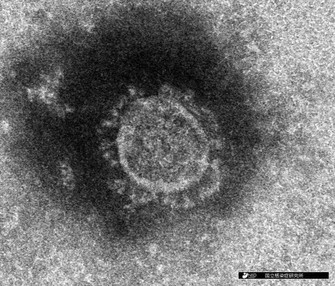
This electron microscope photo provided by the National Institute of Infectious Diseases shows the coronavirus isolated at the facility. (Photo Courtesy of the National Institute of Infectious Diseases)

The Mainichi Shimbun answers some common questions readers may have about ivermectin, which is drawing attention as a possible cure for COVID-19.

    Question: What kind of a medicine is ivermectin in the first place?

    Answer: It has saved the lives of many people in Asia and Africa as a treatment for onchocerciasis, a parasitic disease that causes blindness, and lymphatic filariasis, which can lead to hardened and enlarged skin.

    It is known that Japanese biochemist Satoshi Omura, a distinguished emeritus professor of Kitasato University who received the Nobel Prize in physiology or medicine in 2015, contributed to the medicine's development. In the 1970s, he discovered an antibiotic that is effective against parasites from the chemical substances produced by a new type of fungus in the soil around a golf course. Ivermectin was developed by changing a part of the structure of the substance.

    Q: Why would a medicine for parasites be used to treat COVID-19?

    A: Ivermectin attracted attention after experiments using cells confirmed that it was effective in suppressing the increase of the coronavirus. It is thought that the medicine prevents the coronavirus from interfering with the function of innate immunity that is inherent in humans. Ivermectin also seems to have the effect of decreasing inflammation that occurs in the body due to an excessive immune reaction.

    Q: Is it being used to treat coronavirus patients?

    A: Ivermectin is being used to treat COVID-19 patients in Brazil and Peru, among other places, but it has not yet been approved in Japan. In March, the World Health Organization recommended that it be used only in clinical trials as the evidence on its effects is "of very low certainty."

    The U.S. Food and Drug Administration is concerned about side effects, and said it received "multiple reports of patients who have required medical support and been hospitalized after self-medicating with ivermectin intended for horses."

    Large-scale clinical trials are being conducted in the U.K., and pharmaceutical companies in Japan are also planning to engage in clinical trials. We are hoping for an early judgment as to whether ivermectin is effective in treating the coronavirus.

    (Japanese original by Yuki Ogawa, Lifestyle and Medical News Department)


    https://mainichi.jp/english/articles/20210803/p2a/00m/0op/013000c


    - - - - - - - 


    Another false hope in battle against Covid-19...What is Ivermectin?


    Scientists from the UK, Italy, Spain and Japan claim a significant reduction in mortality, time to recovery and viral clearance in COVID-19 patients treated with Ivermectin but WHO has recommended against its general use

    BusinessToday.In

    • May 11, 2021

    Goa has also announced that all over the age of 18 years will be allowed to use Ivermectin drug irrespective of their coronavirus status to bring down mortality

    The World Health Organisation (WHO) has recommended against the general use of Ivermectin for  Covid-19 treatment. The drug is typically used for treatment of parasitic roundworm infections. However, some health experts believe it has shown benefits against Covid-19 too. Scientists from the UK, Italy, Spain and Japan claim a significant reduction in mortality, time to recovery and viral clearance in COVID-19 patients treated with Ivermectin. A scientific research paper has also claimed that global Ivermectin use can break the coronavirus chain and reduce the risk of contracting the deadly virus. Meanwhile, German healthcare giant Merck, echoing WHO, has said no scientific basis has been found on Ivermectin's potential therapeutic effect against COVID-19.

    What is Ivermectin?

    Ivermectin has been approved by the US Food and Drug Administration (FDA) as a prescription medicine against parasitic roundworm infections. Mostly, it's administered to patients with intestinal strongyloidiasis and onchocerciasis. The common antiparasitic Ivermectin is being hailed as a possible cure for Covid-19 by doctors and other care experts across the world. A peer-reviewed research paper, written by three US government senior scientists, published in the American Journal of Therapeutics (AJT), claimed that Ivermectin is effective prophylaxis and treatment for Covid-19.


    Also read: Oxford University mulls trials of coronavirus 'wonder drug'


    Ivertin effect on Covid-19 patients

    Scientists claim the regular use of Ivermectin can cut the risk of contracting coronavirus. The AJT research paper, which is the most comprehensive review of the data available on Ivermectin so far, also suggests the regular use of Ivermectin can reduce the risk of contracting Covid-19 . The research paper analysed three RCTs (randomised controlled trials) and five observational controlled trials, including 2,500 patients. Scientists also claim Ivermectin can lead to a significant reduction in mortality, recovery time and viral clearance.

    How safe is Ivermectin?

    Though approval for the drug as a possible cure against coronavirus is still at the research level. The FDA is yet to review the data related to Covid-19 patients given Ivermectin. Also, the FDA has warned against the consumption of Ivermectin in large quantities.


    Also read: Govt issues new guidelines for home isolation of mild, asymptomatic COVID-19 cases


    WHO warning against use of Ivermectin

    Dr Soumya Swaminathan, WHO chief scientist, said safety and efficacy are important when using any drug for a new indication, which is why it recommends against using Ivermectin. "Safety and efficacy are important when using any drug for a new indication. WHO recommends against use of 'ivermectin' for COVID-19 except within clinical trials," she tweeted.

    German healthcare and life sciences giant Merck also issued similar warning, saying scientists are still examining the findings of all available and emerging studies of Ivermectin against Covid-19. "...to-date, our analysis has identified: No scientific basis for a potential therapeutic effect against COVID-19 from pre-clinical studies; no meaningful evidence for clinical activity or efficacy in patients with COVID-19 disease, and; a concerning lack of safety data in the majority of studies," it said.

    Goa to offer Ivermectin to all adults

    All over the age of 18 years in Goa will be allowed to use Ivermectin drug irrespective of their coronavirus status to bring down mortality, state health minister Vishwajit Rane has said. The minister said this treatment would not prevent COVID-19 infection but it can help reduce the severity. "The Ivermectin 12 mg tablet will be made available in all the district, sub-district, PHCs, CHCs, sub-health centres, rural dispensaries for people to collect and start treatment immediately, irrespective of any symptoms or anything," Rane said. Goa on Monday recorded 2,804 new cases of coronavirus, taking its tally to 1,21,650, while 50 more fatalities pushed the toll to 1,729.

    Edited by Manoj Sharma with PTI inputs

    Also read: Remdesivir for COVID-19 patients: No evidence of anti-viral drug's effectiveness, says WHO


    https://www.businesstoday.in/coronavirus/story/another-false-hope-in-battle-against-covid-19what-is-ivermectin-295555-2021-05-11


    - - - - - - - - - - -


    ALSO READ:  What Is Ivermectin? A Short Guide ...


    From NHK:

    Most Read