Pages

Showing posts with label Hormones. Show all posts

Monday, 14 October 2019

Inform Yourself About Pasteurized Milk

If you do your own grocery shopping or you’ve been to a supermarket recently, you’d be aware that pasteurized milk has monopolized the dairy section. Having been around since the late 1800s, pasteurized milk has been widely utilized by the population because of the “safety” it provides, as it’s said to minimize the risk of contracting milk-borne bacteria and diseases.
June 02, 2017

Foodfacts.mercola.com
Pasteurized Milk

But while this may seem like a plausible idea, pasteurization has been observed to lower or even extinguish the nutrients found in milk. Aside from this, toxins and other harmful chemicals have also been introduced to conventional pasteurized milk, which compromises your health instead of providing a better choice.
Continue reading to learn more about pasteurized milk, the detrimental effects it may have on your body and why raw milk is a better choice.

What Is Pasteurized Milk?

Pasteurization was first introduced in the late 1800s, and was pioneered by Louis Pasteur after his study on the fermentation process of both wine and vinegar. After discovering the difference in the microbes in both substances, he developed the process, determining the exact time and temperature microbes die.
Pasteurization was first applied to dairy products after the spread of numerous milk-borne infections in the population.1 It refers to the heating of milk to a temperature higher than the boiling point, and then rapidly cooling it.
This process supposedly removes the bacteria and other harmful particles found in conventionally produced milk. However, what government health agencies have left out is that pasteurization renders essential enzymes and nutrients inactive.2

Conventional Milk May Also Be ‘Ultra-Pasteurized’

In addition to this, milk producers have also devised another process for milk production, a process called ultra-heat treatment (UHT), which produces ultra-pasteurized milk. Nowadays, you’ll notice that most milk, including organic milk, bear the label “UHT.” Milk that is labeled as such is thermally processed at or above 280 degrees Fahrenheit, in contrast to pasteurization, which heats the milk at about 161 degrees Fahrenheit. This prolongs its shelf life under refrigerated conditions.
While a small amount of bacteria can survive the process of pasteurization, ultra-pasteurization produces a nearly sterile milk product. This means that ultra-pasteurized milk can last from 30 to 90 days when unopened, which is good news for milk producers because they can ship to a larger population without the risk of spoilage.3
But is ultra-pasteurized milk good for you? No, it isn’t. Because of the extreme process, ultra-pasteurized milk contains fewer nutrients than pasteurized milk, and even fewer when compared to raw milk. Researchers and microbiologists have also said that ultra-pasteurization is extremely harmful to milk, as it was found to flatten milk molecules and cause immune responses in the body when digested.4

Raw Milk Versus Pasteurized Milk: Which Is Safer and Healthier?

The debate between raw milk and pasteurized milk has plagued the public for numerous years because of both safety and health issues on both sides. Processed milk advocates claim that the pasteurization is essential to avoid the recurrence of milk-borne diseases such as brucellosis, listeriosis and typhoid fever. They also claim that aside from preventing bacterial infections, pasteurization can lengthen the shelf life of milk.5
But although pasteurized milk is highly recommended and advertised by both the CDC and FDA, the talks of its safety are questionable. While raw milk enthusiasts are commonly lambasted because they supposedly “expose themselves to a higher risk of milk-borne bacteria,” pasteurized milk consumers actually have a higher chance of ingesting chemicals and other toxins from conventional dairy factories.
Because of pasteurization and other filtering processes, factory milk producers are allowed to raise cows in unhealthy, cramped environments, where they are fed an unnatural diet of grains and corn. This is mainly because they are dependent on pasteurization’s ability to kill off pathogens or filter antibiotics that may have leaked into their milk products.
But while they claim that this is entirely safe, the nutrient content and the overall quality of these milk products may be compromised.6 Pasteurization removes the essential nutrients and compounds that are beneficial to the human body. Studies show that this process deactivates the enzymes that are necessary for the human digestion of milk, kills off the good bacteria that may be beneficial to the human body, alters the calcium content and removes most of the vitamin C in raw milk.
By switching to raw milk, you ensure that you get a whole food filled with minerals, proteins, vitamins and beneficial bacteria that assist digestion and metabolism.7
The only issue that is often held against raw milk is that it supposedly increases your risk of ingesting pathogens or harmful bacteria, but this can easily be dealt with by locating and sourcing your raw milk from trustworthy producers. Organic, pasture-raised dairy cattle guarantee that you get safe and high-quality raw milk, in contrast to the antibiotic-treated cattle used in concentrated animal feeding operations (CAFOs).

Possible Side Effects and Dangers of Pasteurized Milk

Due to the numerous chemically manipulated components of pasteurized milk, it may pose numerous threats to your health. This includes the hidden exposure to pesticides, drugs and other harmful chemicals that may have seeped into the milk. The other dangers of the consumption of pasteurized milk include:
Exposure to hormones and antibiotics. A 2011 research tested various milk products for chemicals that may have contaminated the product.8 It showed that conventionally sourced milk had high amounts of antibiotics, anti-inflammatories, natural hormones, anti-malaria drugs, steroid hormones, and anti-fungal drugs. This is probably because of the exposure of the cattle to these chemicals inside CAFOs.
Antibiotics are usually given to cattle to treat mastitis, but this eventually seeps into the milk produced by these cattle. The consumption of this type of milk eventually leads to you to acquire these harmful chemicals that aren’t even supposed to be in milk.
Ingestion of glyphosate. Glyphosate is a chemical component of Roundup, a pesticide and herbicide that is usually applied to genetically engineered crops, which are then fed to the cattle. Aside from the possibility of glyphosate contamination in the milk that these cattle produce, you are also exposed to the altered composition of the milk because of the unnatural way that these dairy cows are fed.
May increase asthma risk. Studies show that pasteurization alters the composition of commercially available milk. Instead of preventing the development of asthma by stabilizing mast cells and preventing inflammation, pasteurized milk destabilizes the mast cells and triggers the release of histamines, causing inflammation and eventually, asthma.9
May lead to bone wasting or osteoporosis. Milk has always been packaged as the primary source of calcium, helping preserve bone density and skeletal health. However, pasteurization has been observed to destroy phosphatase in milk, an enzyme that is crucial for the absorption of calcium. This renders the calcium in milk indigestible and basically useless.10
While pasteurization was initially done to protect the population, the process has allowed dairy corporations to hide unnatural and chemically-based milk production processes. Instead of providing a healthier and safer choice for people, pasteurized milk has become a lesser version of what milk is supposed to be, endangering the public and simultaneously depriving people of vitamins and minerals that are absolutely essential for your body.
Instead of consuming pasteurized or UHT-labeled milk, consider switching to raw milk to ensure that you get all the nutrients and enzymes that are supposed to be in dairy. This will guarantee that you’re getting whole and healthful milk, in contrast to its sterile counterpart.

Frequently Asked Questions (FAQs) About Pasteurized Milk

Q: When did pasteurization of milk start?
A: Before pasteurization was developed by Louis Pasteur, William Dewes proposed the heating of milk before feeding infants during the prevalence of milk-borne diseases. It was only knowingly applied to milk in the late 1880s by dairy producers.11
Q: Is organic milk pasteurized?
A: Unfortunately, most brands of organic milk in the United States are still pasteurized. But although most of the organic milk available still undergoes this damaging process, studies show that it is still a better choice compared to conventional homogenized or pasteurized milk.
Q: Is cultured milk pasteurized?
A: Yes. According to the regulations that are enacted by the FDA, the production of cultured milk requires the addition of microbial culture to pasteurized or homogenized milk.12
Q: Is pasteurized milk sterile?
A: Not entirely. Pasteurization kills off a significant amount of the pathogens found in milk. There are instances where a small amount can survive this process. UHT, on the other hand, processes the milk to the point that the milk is virtually sterile.
Q: Is pasteurized milk safe to drink?
A: Despite claims of its safety, pasteurized milk can expose you to different harmful toxins that may have seeped into the milk, especially if the pasteurized milk comes from conventional dairy farms. It should be noted that pasteurized milk contains a lower concentration of the beneficial components found in unprocessed and raw milk.
Q: Is pasteurized milk safe during pregnancy?
A: Because of the possible chemical components of pasteurized milk, its consumption may cause different repercussions for both you and your unborn child. Consider drinking raw milk from trustworthy distributors so that you can get the whole array of nutrients and enzymes in milk, without the risk of exposing yourself to possible toxins in conventional milk products.
Q: Is raw milk better than pasteurized milk?
A: Yes raw milk is the highest quality milk you can get. Nutritionally, raw milk contains active enzymes, vitamins and minerals, which are deactivated in pasteurized milk. Consumption of raw milk also ensures that you do not unknowingly expose yourself to possible harmful components found in pasteurized milk.
References:

https://foodfacts.mercola.com/pasteurized-milk.html

Tuesday, 8 October 2019

Preventing Macular Degeneration: A New Theory

Pioneering Eye Surgeon Sees Hope for Treating Macular Degeneration with Natural Hormones

LIFE EXTENSION MAGAZINE
December 2008
By Debora Yost
Preventing Macular Degeneration A New Theory
Plant caroteinoids such as lutein and zeaxanthin were long ago shown to help prevent macular degeneration. But is there more that can be done to protect against this epidemic of blindness?
George W. Rozakis, MD is a Cornell-trained biomedical engineer specializing in laser eye surgery and lens implants. A pioneer in the field of LASIK surgery,1 Dr. Rozakis is now vigorously involved in anti-aging medical research.
Dr. Rozakis is focusing on a potential breakthrough in treating macular degeneration, a condition that gradually destroys central vision. Also called age-related macular degeneration, it is the leading cause of blindness in people aged 65 and older.
Dr. Rozakis believes that restoring the correct balance of natural hormones that decline with age can retard and possibly even reverse the progression of macular degeneration. To investigate this hypothesis, he is setting up a long-term study and is currently seeking subjects to participate in the trial.

Hormones and Your Vision

The hormonal link with macular degeneration began to evolve when Dr. Rozakis met another medical pioneer, Sergey A. Dzugan, MD, PhD, during a conference in Chicago four years ago. Dr. Dzugan is a cardiovascular surgeon and internationally known expert in anti-aging and hormonal medicine.
“Dr. Dzugan has done numerous studies2-4 and written numerous articles on the association between low hormone levels and multiple disease states, including the problem of atherosclerosis and cholesterol elevation,” says Dr. Rozakis. “As an ophthalmologist I was impressed by the evidence that restoring and optimizing levels of key hormones improve brain function, largely because the retina is part of the brain. For example, there is very impressive literature that testosterone slows down the progression of Alzheimer’s disease.5 Pregnenolone is extremely important for the brain and nervous system, as are progesterone and estrogens. Women whose progesterone levels drop develop negative personality changes.6 In animal models, pregnenolone and DHEA have been shown to profoundly stimulate the healing of neurologic injury.7-9 Women who enter into menopause at a young age develop macular degeneration, presumably because of the absence of estrogens.10,11 Blocking estrogens with the anti-cancer drug tamoxifen is harmful to the retina.12 This leads us to wonder if optimal hormonal health also positively impacts ocular health.”
“When an article appeared in the American Journal of Ophthalmology indicating that DHEA, or dehydroepiandrosterone, is exceptionally low in macular degeneration patients,13 I was shocked and excited,” says Dr. Rozakis. This finding provided a major clue that hormonal imbalance was part of the problem of macular degeneration.
“DHEA is like the Grand Central Station of hormone chemistry,” says Dr. Rozakis. “When DHEA levels drop, it strongly implies that levels of other hormones such as pregnenolone, estrogens, and testosterone are out of balance or suboptimal.” All of these hormones make the body thrive—they give us virility, fertility, and help us act and react quicker. Since the retina contains hormone receptors, hormones must be part of the biophysiology of vision itself.
The Anatomy of Macular Degeneration
An eye affected by wet age-related macular degeneration. Details of the back of the retina are shown at upper right.
At left are the photoreceptors (red and brown) with the blood vessels that supply the eye behind them in the choroid layer. In wet, or neovascular, macular degeneration, weakened blood vessel formation in the back of the eye can lead to bleeding, which prevents light from reaching the back of the eye. This causes a central spot in the vision as well as distortion, and often leads to blindness.
THE ANATOMY OF MACULAR DEGENERATION
Macular degeneration, or age-related macular degeneration, is characterized by loss of the sharp, central vision you need to read, drive a car, or watch a movie. Peripheral vision—sight out of the corner of the eye—is not affected.
The macula is located near the center of the retina. The retina, a thin layer of cells that resides in the back of the eyeball, contains millions of photoreceptors that capture light and sends signals via the optic nerve to the brain where they are converted into the images that you perceive.
Age-related macular degeneration occurs when drusen, tiny yellow particles that consist largely of cholesterol, begin to accumulate behind the eye and damage the photoreceptors, causing degradation of vision. This is known as dry macular degeneration and is the most common form of the disease. Though the disease usually progresses slowly, there is no known cure.
Approximately 10% of people with age-related macular degeneration have the wet form of the condition. It is characterized by the growth of abnormal retinal blood vessels that leak, which can cause rapid and irreversible loss of vision.
Dry macular degeneration does not always lead to wet macular degeneration, but wet macular degeneration starts off as the dry form. According to the National Eye Institute, risk factors include smoking, poor diet, lack of exercise, high blood pressure, and overweight or obesity.

Cardiovascular Link

Low DHEA levels in macular degeneration could also explain its association with heart disease, as it is known that macular degeneration is an independent risk factor for stroke and coronary artery disease. In a study conducted by Australian scientists,14 macular degeneration predicted a five-fold higher risk of cardiovascular mortality and a 10-fold higher risk of stroke mortality. After controlling for traditional cardiovascular risk factors, age-related macular degeneration predicted a doubling of cardiovascular mortality. Since hormone deficiency has been linked with both heart disease and eye disorders,13,15 it is a prime suspect that links the heart to the eye.
Further examination of the literature reveals a major review article from Italy that explains the importance of hormones to the retina.16 In this article, it is shown that the retina is able to attempt to make its own hormones, just like the brain. “The article also indicates that many of the hormones we use in anti-aging programs have a role in the retina, such as pregnenolone, DHEA, testosterone, estrogens, and progesterone. Few ophthalmologists and optometrists are aware of this relationship. This was the smoking gun that led to our hypothesis,” Dr. Rozakis notes.

Macular Degeneration and Cholesterol

A good theory needs to connect all the dots. Dr. Rozakis explains that one challenge in shaping his theory was explaining the presence of “drusen” or spots that appear in the retina in patients with macular degeneration. Many consider these spots to be “degradation products.”
Recently, Goldis Malek, PhD, and others17-19 found that cholesterol was present in those spots. This led some people to think that cholesterol-lowering agents, such as statins, might help macular degeneration—but they do not. In fact, there is concern that statins actually increase the risk of dry macular degeneration advancing to the neovascular form of the disease, whereby tiny blood vessels in the eye begin to bleed.20
Macular Degeneration and Cholesterol
Dr. Rozakis notes, “To Dr. Dzugan and me, the presence of cholesterol in the macula was the key piece of data that integrated everything. The presence of cholesterol in the macula suggests that the retina is trying to make hormones—but that it can’t. So, the body’s accumulation of cholesterol and drusen worsen.” He continues, “The macula can’t get the hormones it needs from the blood because there aren’t much there. As a result, if the macula is having trouble converting cholesterol into hormones, drusen form, and this results in the drusen we see in macular degeneration. Why the macula stops making hormones is unknown, but it is associated with aging. We can speculate that it happens because the enzymes which do the conversion decrease or are down-regulated with aging.”
“This same ‘story’ of cholesterol and hormones plays itself out in the body as a whole,” says Dr. Rozakis. “We do know that the adrenal gland, which produces DHEA, loses the ability to manufacture hormones as we age. As Dr. Dzugan published, this hormonal decline stimulates the liver to produce more cholesterol in an attempt to create more hormones.3 This is why restoring hormones to their normal levels causes the liver to produce less cholesterol. That same paradigm may be happening in the macula. This is the basis of our hypothesis. The goal therefore must be to provide the retina the hormones it needs through supplementation.”
WHAT YOU NEED TO KNOW: PREVENTING MACULAR DEGENERATION—A NEW THEORY
  • Macular degeneration is the leading cause of age-related vision loss in adults aged 65 and older. The condition is characterized by the accumulation of cholesterol-containing lesions called drusen in the eye’s retina.
  • Since hormones are known to benefit brain health, scientists wondered if they might likewise benefit the retina, which has an embryologic association with the brain.
  • The macular requires hormones to function, and is able to make its own hormones. Recent studies have shown that individuals with macular degeneration tend to have low blood levels of the hormone dehydroepiandro-sterone (DHEA) as well as a higher risk of cardiovascular mortality.
  • These observations led Dr. George Rozakis and Dr. Sergey Dzugan to propose “The Hormonal Theory of Macular Degeneration.” This theory hypothesizes that low blood hormone levels cause the retinal macula to accumulate cholesterol in an attempt to produce its own hormones. The macula’s accumulation of cholesterol may lead to the production of pathological drusen and subsequent macular degeneration.
  • Drs. Rozakis and Dzugan are conducting a clinical study to determine if restoring optimal hormone balance while providing nutrients that support eye health can prevent or reverse the progression of macular degeneration.
  • If you would like to inquire about the study, please call Dr. Rozakis’ office at 440-777-2667.

Reviewing the Evidence

There is already evidence to support the notion that DHEA protects the eyes against oxidative damage21 and that the hormone pregnenolone improves electrical activity in the retina, as measured by the electroretinogram (ERG).22,23 There is also evidence to support the use of melatonin in the treatment of macular degeneration.24,25
The theory that optimizing hormones may help promote macular health is based on these scientific facts:
  1. The macula, which is located in the center of the retina, uses hormones to function.16
  2. The normal macula has the unique ability to make its own hormones.26
  3. The bloodstream of patients with macular degeneration is deficient in hormones.11,13
  4. Drusen—the tiny yellow abnormalities that appear behind the macula in individuals with macular degeneration—contain cholesterol.17-19
  5. Age-related macular degeneration is related to cardiovascular mortality.14
Dr. Rozakis speculates that the solution for treating macular degeneration is to measure and restore age-depleted hormones to optimal levels so that the macula can absorb the hormones it needs from the blood. “Hopefully restoring hormones to their normal levels in the bloodstream will cause the macula to stop absorbing cholesterol and, as a result, drusen formation will hopefully decline,” says Dr. Rozakis. “We certainly need a better understanding of the pathophysiology of this blinding disease.”27
ARE YOU A CANDIDATE FOR THE MACULAR DEGENERATION STUDY?
Are You a Candidate for the Macular Degeneration Study?
Macular degeneration is diagnosed as either dry (non-neovascular) or wet (neovascular). Neovascular macular degeneration is characterized by the growth of new blood vessels in the macula where they are not supposed to be. The dry form is more common than the wet form, with about 85-90% of macular degeneration patients diagnosed with dry macular degeneration. The wet form of the disease usually leads to more serious vision loss.
If you have been diagnosed with dry macular degeneration or have a family history of this disease, you may be a candidate for Dr. Rozakis’ study. The ideal participant is someone with the dry form of macular degeneration, which is characterized by the accumulation of drusen behind the retina, and who still has useful vision (20/80 vision or better, using corrective lenses as needed). Dr. Rozakis says, however, that there are exceptions to this rule.
The study involves taking bioidentical hormones—meaning natural hormones such as progesterone, rather than synthetic hormones such as progestin—and a regimen of vitamins that have been found to be beneficial to slowing the progress of age-related macular degeneration. Blood work and a detailed baseline ophthalmology evaluation will be required. The data that will be generated will be compared with other data that already exist on the progression of the disease.
The purpose of the study is to measure the progression of the disease. Progress will be measured against currently known standards and the average rate at which the dry form of the disease converts to the wet form. If the program is successful, there should be slower progression, or even reversal, of age-related macular degeneration, and less conversion from the dry to wet form of the disease.
Dr. Dzugan will be assisting in this clinical study. Individuals who would like to inquire about the study should call Dr. Rozakis’ office at 440-777-2667.

A Higher Level of Natural Treatment

Dr. Rozakis sees hormone restoration as a strategy to improve on existing studies showing that certain nutrients can reduce the progression of age-related macular degeneration. The long-term Age-Related Eye Disease Study (AREDS), conducted by the National Eye Institute, found that supplementing the anti-oxidants beta-carotene, vitamin C, vitamin E, and the mineral zinc reduced the risk of developing advanced states of macular degeneration in more than 4,700 high-risk patients aged 55 to 80 who were enrolled in the study.28
The specific amounts of nutrients used by the study researchers were:
  • 500 mg of vitamin C
  • 400 IU of vitamin E
  • 15 mg of beta-carotene
  • 80 mg of zinc
  • 2 mg of copper.
The copper, administered as cupric oxide, was included in the formula to prevent copper-deficiency anemia, which is associated with high zinc intake.
As a result of the AREDS trial, many ophthalmologists are recommending supplements containing the study’s recommended dosages for patients with or at a high risk for age-related macular degeneration.
Dr. Rozakis is currently developing his own study to test his theory concerning the relationship between low levels of DHEA and macular degeneration. “Our study is going to focus on overall hormonal balance and will include the supplements used in the AREDS study as well,” says Dr. Rozakis. “Our goal is to do everything we can to stop macular degeneration. The fact that hormones are much more powerful than vitamins holds hope that the results will be significant.”
If you have any questions on the scientific content of this article, please contact a Life Extension Health Advisor at 1-800-226-2370.

Article review by Richard P. Kratz, MD, DSci Life Extension Scientific Advisory Board Member

Tragically, the leading cause of age-related visual loss is macular degeneration which remains largely untreatable. By the age of 65, nearly one-third of adults or 20-25 million Americans will have experienced some decrease in their ability to read, drive, or see fine details. At present, the cause of age-related macular degeneration is unknown. The disorder is characterized by the development of small yellow spots in the retina called drusen. Theories to explain the occurrence of drusen include accumulation of cellular waste products, age-related reduction of blood flow, inflammation, nutrient deficiency, cigarette smoking, and high fat intake. New strategies for the prevention and management of macular degeneration are sorely needed.
Article review by Richard P. Kratz, MD, DSci Life Extension Scientific Advisory Board Member
The past decade has seen an explosion of interest in managing wellness by restoring hormones. Unfortunately, progress in this arena has been complicated by the use of non-bioidentical, pharmaceutical hormones such as Premarin® (horse urine estrogen). The scientific literature contains many studies examining the use of single hormones, which further confuses the issues at hand. Studies that focus on the balance of all hormones are greatly needed. For example, a study to determine the value of estrogen therapy alone in managing a particular disorder is insufficient, as an estrogen deficiency must be looked at in the context of progesterone levels and other adjacent hormones in the biological hormonal cascades.
Today, innovative clinicians are increasingly using bioidentical hormones in their practice. These are true hormones that are identical to those naturally produced by the body, which often become depleted due to the aging process. Examples of these bioidentical hormones include pregnenolone, dehydroepiandro-sterone (DHEA), estriol, estradiol, estrone, progesterone, testosterone, dihydrotestosterone, and cortisol.
George W. Rozakis, MD, has been a student of hormonal medicine for a number of years, thanks to his association with Sergey A. Dzugan, MD, PhD, one of the leading experts in hormonal medicine. Dr. Rozakis has proposed a new theory for one of the leading causes of blindness, which he titles “The Hormonal Theory of Macular Degeneration.” The prime mover for this idea is the embryologic association between the retina and the brain. Since hormones are known to benefit the brain, Dr. Rozakis theorizes whether hormones also benefit the macula. When recent scientific literature showed that blood DHEA levels are low in patients with macular degeneration, that the macula can make its own hormones, and that cholesterol is present in the pathological lesions known as drusen, the stage was set for Dr. Rozakis’ theory.
LEADING THE FIELD OF VISION-SAVING TECHNOLOGY
Leading the Field of Vision-Saving Technology
When it comes to eye health and vision-saving technology, Dr Rozakis is at the forefront as a visionary, an inventor, and a pioneer. In 1989, he was one of the first surgeons in the world to perform LASIK refractive eye surgery, and he went on to advance the technique by developing and refining his own patented laser system incorporating LASIK surgery.1 Now used worldwide, the technique is often called a modern medical miracle that eliminates the need for eyeglasses.
Seeing that LASIK is not the solution for all refractive lens problems, the 53-year-old graduate of Cornell Medical College and the Duke Eye Center has now pioneered next-generation technology that will likely make LASIK obsolete: a very thin lens that can be permanently implanted into the eye and which, unlike LASIK, can be reversed.
Dr. Rozakis postulates that cholesterol-containing drusen are the retina’s failed last-ditch attempt to make needed hormones, including DHEA, from cholesterol. Such a failed attempt leads to the findings we see in the retina, namely the small yellow spots called drusen.
If Dr. Rozakis is correct, restoring normal hormone levels should help to prevent macular degeneration and might even improve early-stage macular degeneration. This is a novel idea, which he intends to test in clinical trials. His theory is in keeping with the modern trend of measuring hormone levels and then administering hormone replacement to re-establish hormonal balance and restore health.
Careful clinical trials will be required to evaluate Dr. Rozakis’ hormonal theory of macular degeneration.
References
1. Available at: http://patft.uspto.gov/netacgi/nph-Parser? u=%2Fnetahtml%2Fsrchnum.htm&Sect1=PTO1&Sect2=HITOFF&p=1&r=1&l=50&f=G&d=PALL&s1=5843070.
PN.&OS=PN/5843070&RS=PN/5843070. Accessed September 16, 2008.
2. Dzugan SA, Smith RA. Broad spectrum restoration in natural steroid hormones as possible treatment for hypercholesterolemia. Bull Urg Rec Med. 2002;3:278-84.
3. Dzugan SA, Arnold SR. Hypercholesterolemia treatment: a new hypothesis or just an accident? Med Hypotheses. 2002 Dec;59(6):751-6.
4. Dzugan SA, Smith RA. Kuznetsov AS. A new statin free method of hypercholesterolemia. The Health of Donbass. 2004;4:19-25.
5. Driscoll I, Resnick SM. Testosterone and cognition in normal aging and Alzheimer’s disease: an update. Curr Alzheimer Res. 2007 Feb;4(1):33-45.
6. Andreen L, Sundstrom-Poromaa I, Bixo M, Nyberg S, Backstrom T. Allopregnanolone concentration and mood--a bimodal association in postmenopausal women treated with oral progesterone. Psychopharmacology (Berl). 2006 Aug;187(2):209-21.
7. Li H, Klein G, Sun P, Buchan AM. Dehydroepiandrosterone (DHEA) reduces neuronal injury in a rat model of global cerebral ischemia. Brain Res. 2001 Jan 12;888(2):263-6.
8. Bucolo C, Drago F. Effects of neurosteroids on ischemia-reperfusion injury in the rat retina: role of sigma1 recognition sites. Eur J Pharmacol. 2004 Sep 13;498(1-3):111-4.
9. Guth L, Zhang Z, Roberts E. Key role for pregnenolone in combination therapy that promotes recovery after spinal cord injury. Proc Natl Acad Sci USA. 1994 Dec 6;91(25):12308-12.
10. Boekhoorn SS, Vingerling JR, Uitterlinden AG, et al. Estrogen receptor alpha gene polymorphisms associated with incident aging macula disorder. Invest Ophthalmol Vis Sci. 2007 Mar;48(3):1012-7.
11. Smith W, Mitchell P, Wang JJ. Gender, oestrogen, hormone replacement and age-related macular degeneration: results from the Blue Mountains Eye Study. Aust N Z J Ophthalmol. 1997 May;25 Suppl 1:S13-5.
12. Vinding T, Nielsen NV. Retinopathy caused by treatment with tamoxifen in low dosage. Acta Ophthalmol (Copenh). 1983 Feb;61(1):45-50.
13. Tamer C, Oksuz H, Sogut S. Serum dehydroepiandrosterone sulphate level in age-related macular degeneration. Am J Ophthalmol. 2007 Feb;143(2):212-6.
14. Tan JS, Wang JJ, Liew G, Rochtchina E, Mitchell P. Age-related macular degeneration and mortality from cardiovascular disease or stroke. Br J Ophthalmol. 2008 Apr;92(4):509-12.
15. Thijs L, Fagard R, Forette F, Nawrot T, Staessen JA. Are low dehydroepiandrosterone sulphate levels predictive for cardiovascular diseases? A review of prospective and retrospective studies. Acta Cardiol. 2003 Oct;58(5):403-10.
16. Guarneri P, Cascio C, Russo D, et al. Neurosteroids in the retina: neurodegenerative and neuroprotective agents in retinal degeneration. Ann NY Acad Sci. 2003 Dec;1007:117-28.
17. Malek G, Li CM, Guidry C, Medeiros NE, Curcio CA. Apolipoprotein B in cholesterol-containing drusen and basal deposits of human eyes with age-related maculopathy. Am J Pathol. 2003 Feb;162(2):413-25.
18. Li CM, Clark ME, Rudolf M, Curcio CA. Distribution and composition of esterified and unesterified cholesterol in extra-macular drusen. Exp Eye Res. 2007 Aug;85(2):192-201.
19. Curcio CA, Presley JB, Millican CL, Medeiros NE. Basal deposits and drusen in eyes with age-related maculopathy: evidence for solid lipid particles. Exp Eye Res. 2005 Jun;80(6):761-5.
20. Available at: http://www.medscape.com/viewarticle/573810?src=rss. Accessed September 16, 2008.
21. Bucolo C, Drago F, Lin LR, Reddy VN. Neuroactive steroids protect retinal pigment epithelium against oxidative stress. Neuroreport. 2005 Aug 1;16(11):1203-7.
22. Jaliffa CO, Howard S, Hoijman E, et al. Effect of neurosteroids on the retinal gabaergic system and electroretinographic activity in the golden hamster. J Neurochem. 2005 Sep;94(6):1666-75.
23. Binns AM, Margrain TH. Evaluating retinal function in age-related maculopathy with the ERG photostress test. Invest Ophthalmol Vis Sci. 2007 Jun;48(6):2806-13.
24. Lundmark PO, Pandi-Perumal SR, Srinivasan V, Cardinali DP. Role of melatonin in the eye and ocular dysfunctions. Vis Neurosci. 2006 Nov;23(6):853-62.
25. Yi C, Pan X, Yan H, Guo M, Pierpaoli W. Effects of melatonin in age-related macular degeneration. Ann NY Acad Sci. 2005 Dec;1057:384-92.
26. Guarneri P, Guarneri R, Cascio C, Pavasant P, Piccoli F, Papadopoulos V. Neurosteroidogenesis in rat retinas. J Neurochem. 1994 Jul;63(1):86-96.
27. Zarbin MA. Current concepts in the pathogenesis of age-related macular degeneration. Arch Ophthalmol. 2004 Apr;122(4):598-614.
28. Schutt F, Pauleikhoff D, Holz FG. Vitamins and trace elements in age-related macular degeneration. Current recommendations, based on the results of the AREDS study. Ophthalmologe. 2002 Apr;99(4):301-3

https://www.lifeextension.com/magazine/2008/12/preventing-macular-degeneration/page-01

Wednesday, 25 September 2019

Why Are U.S. Breast Cancer Rates Out of Control?

Too Much Breast Cancer and Not Enough Answers.
In the US, breast cancer rates are out of control. Presently, one in seven US women suffer from breast cancer.


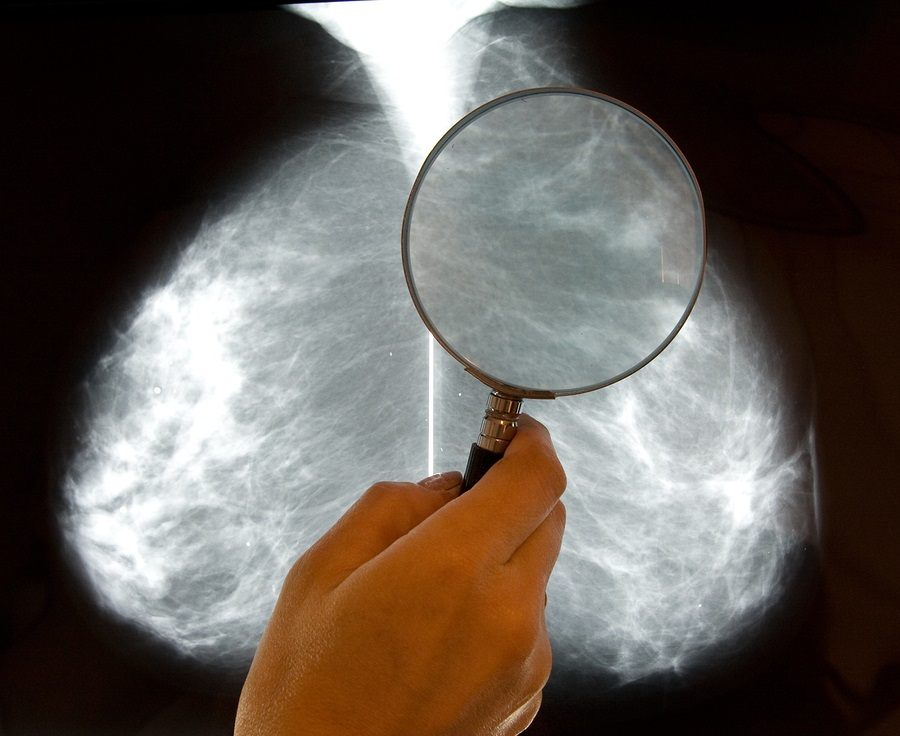
doctor examining mammography x-ray pictures image

September 25, 2019
In the US, breast cancer rates are out of control. Presently, one in seven US women suffer from breast cancer.
In 2019, an estimated 268,600 women will be diagnosed with invasive breast cancer.
Think about those numbers: One in seven and nearly 270,000 women diagnosed with invasive cancer—THIS YEAR!   Those numbers are unacceptable, or at least they should be!
What are the Powers-That-Be doing to stem this tide? The answer: They are too busy diagnosing and treating and are not properly searching for the underlying cause of why too many US women suffer with breast cancer.
The Powers-That-Be promote routine mammograms as the answer to the breast cancer epidemic. But, it is important to understand that mammograms are only a diagnostic tool. Mammograms are not preventative. In fact, they are the opposite of preventative. The radiation from mammograms increases a woman’s risk for breast cancer with EACH mammogram she receives. Studies have shown that mammograms result in more diagnoses of breast cancer without a significant difference in the overall rate of death from the disease. (1)
So, what is causing the breast cancer epidemic?
I think there are many reasons why so many US women are suffering and dying from breast cancer. Remember, to be affecting an entire population, the causative factors have to be widely prevalent in the society.
Here’s what I think is going on:
We are exposed to too many synthetic hormones which can disrupt the normal hormonal milieu. Women are prescribed synthetic hormones in birth control pills and conventional hormonal replacement therapy which have been conclusively shown to increase the risk for breast cancer. Needless to say, I do not prescribe synthetic hormones for any reason nor do I recommend my patients take them. This was one of the main reasons, 25 years ago, that I began researching and working with bioidentical, natural hormones. More information about natural hormones can be found in my book, The Miracle of Natural Hormones.
Iodine deficiency is one of the main reasons we are seeing so much breast cancer. I have been writing and lecturing about iodine for almost 20 years. Iodine levels in the US have fallen over 50% during the last 40 years while at the same time breast cancer rates have risen to epidemic levels.
For well over 50 years, iodine has been the most researched nutrient in treating fibrocystic breast disease. Over 80% of US women have fibrocystic breast disease which is a precursor to breast cancer. Research dating back decades ago proved iodine replacement successfully treats fibrocystic breast disease.
For nearly 20 years, my partners and I have been checking iodine levels. After reviewing results from over 7,000 patients, we have found nearly 97% of those tested are low in iodine, the majority very low.
What can you do to prevent becoming a breast cancer statistic? First, do not take synthetic hormones. Especially synthetic forms of progesterone commonly known as progestins. Next, eat a clean diet free of hormones and pesticides as well as exercise daily and do not smoke cigarettes.
Finally, make sure you maintain optimal iodine levels. It is best to work with an iodine-knowledgeable health care practitioner. At my office, the Center for Holistic Medicine, you don’t have to worry about that. We are all knowledgeable about how to properly use iodine. In our toxic world, it is impossible to maintain optimal iodine levels through dietary means alone. I think supplementation is a must. My research has shown that optimal iodine supplementation varies between 6-50 mg/day for most people. However, those with glandular diseases such as breast illness may require more.
More information about iodine can be found in my book, Iodine: Why You Need It, Why You Can’t Live Without It.
Read the full article at DrBrownstein.com
  • JAMA Intern. Med. 2015;175(9):1483-9

https://healthimpactnews.com/2019/why-are-u-s-breast-cancer-rates-out-of-control/

Tuesday, 17 September 2019

Is soya bad for women's health?

Soy's isoflavones have oestrogenic properties — and have been blamed for raising the risk of breast cancer (as well as prostate cancer for men). But is this really the case?
Starting to consume soya products at an earlier age may make soya more beneficial

Consumed in many traditional Asian populations for millennia, soya has only been a common part of the Western diet for around 60 years. Now, many of our supermarkets are full of soy milk alternatives, soy burgers and other soya-based meat replacements – not to mention traditional soy-based products like tofu, tempeh, soya milk, miso and soya sauce.
In the meantime, soya has been linked to a lower risk of heart disease compared to other diets. As a good source of protein, unsaturated fatty acids, B vitamins, fibre, iron, calcium and zinc, it is becoming increasingly popular in the West as a healthy substitute for meat. But despite more people associating soya with health over the last decade, one fear has come to the fore: the idea that soya can disrupt our hormones.
The controversy around soya comes down to its uniquely high content of isoflavonesThese compounds have oestrogenic properties, which means they act like oestrogen, the primary female sex hormone, and bind to oestrogen receptors in the body – and oestrogen can fuel the growth of some types of breast cancer.
But while scientists have extensively researched the compound’s effects in the body over the last few decades, the answer about whether isoflavones themselves can contribute to cancer risk isn’t straightforward.
And often, it seems soya protects against cancer risk – rather than making it worse. But exactly why that is isn’t certain.
To start, there are the observational findings. High soya intake among women in Asian countries has been linked to their 30% lower risk of developing breast cancer compared to US women, who eat much less soya. (The average person’s intake of isoflavones in Japan, for example, is between 30 and 50mg, compared to less than 3mg in Europe and the US.)
High soya intake among women in Asian countries is linked to a lower breast cancer risk
High soya intake among women in Asian countries has been linked to their 30% lower risk of developing breast cancer (Credit: Getty Images)
 
Soya also has been correlated with reducing breast cancer’s severity. Fang Fang Zhang, associate professor at Tufts University in Massachusetts, carried out population research among 6,000 women with breast cancer living in the US and found a 21% reduction in mortality among those who consumed more soya
Population research among 6,000 women with breast cancer found a 21% reduction in mortality among those who consumed more soya
Its benefits were strongest in women with hormone-receptor-negative breast cancer, a more aggressive type of breast cancer where tumours lack oestrogen and progesterone receptors, and therefore doesn’t respond well to hormone therapies.
“Our findings suggest that, for women with hormone-receptor-negative breast cancer, soya food consumption may potentially have a beneficial effect to improve survival,” Zhang says.
Not soy easy
Even so, it’s difficult to conclusively isolate soya’s benefits – if there are any.
Soya is often consumed as part of a healthy diet and as a substitute for red meat, which is associated with a higher risk of heart disease and cancer.
Soya products often replace foods like red meat
Soya products often replace foods like red meat, which could be why soya intake is associated with healthier outcomes (Credit: Getty Images)
“No one has given people soya foods, then looked at whether they’re more or less likely to get breast cancer over time than those not given soya,” says Leena Hilakivi-Clarke, professor of oncology at Georgetown University School of Medicine in Washington DC.
One review of evidence into soya’s effect on breast cancer risk found that studies that adjusted for body mass index (BMI), a common marker of health, showed a weaker association for soya than those that didn’t.
This means a reduced risk of breast cancer could have been due to lower BMI, not to soya consumption.
If soya does lower breast cancer risk, it may be because its isoflavones can enhance apoptosis: a genetically programmed mechanism that tells cells to self-destruct when they get DNA damage they’re not able to repair. Without this process, damaged cells can form into cancer.
Do products like soya milk lower breast cancer risk?
If products like soya milk lower breast cancer risk, it may be by bolstering the mechanism that tells cells to self-destruct when they get DNA damage (Credit: Getty Images)
 
So where did the concern that soya causes cancer come from?
It’s true that soya has been found to fuel the growth cancer cells in lab research. In one experiment from 2001, mice with inhibited immune systems and with cancerous tumours were fed isoflavones. Their tumours were measured for 11 weeks. The researchers found that the isoflavones resulted in increased cell growth. The mice were then switched to an isoflavone-free diet – and their tumours regressed over the following nine weeks. Meanwhile, in a study from 1999, researchers implanted human breast cancer cells into mice, and some were fed isoflavones. They also found that dietary isoflavones enhance the growth of cancerous tumours.
But a more recent, 2010 review of more than 100 studies concluded that, overall, lab experiments have shown no significant increased risk of breast cancer.
One reason there isn’t a more definitive answer is because isoflavone either acts like oestrogen in the body, or its opposite
One reason there isn’t a more definitive answer is because isoflavone either acts like oestrogen in the body, or its opposite. When we eat soya, isoflavone either binds to the alpha oestrogen receptor in the body, which stimulates a tumour’s growth rate, or the beta receptor, which decreases growth rate and induces apoptosis.
Isoflavone prefers to bind to beta receptors, says Bruce Trock, professor of epidemiology and oncology at Johns Hopkins School of Medicine in Maryland in the US. That makes it more likely to reduce potential cancer risk.
The impact of soya on breast cancer risk may depend on when we start eating it.
Most studies on Asian populations included women who have eaten it since early childhood and were probably also exposed to it in the uterus, says Trock, compared to Western studies involving women who mostly didn’t eat soya until later in life. 
Starting to consume soya products at an earlier age may make soya more beneficial
Starting to consume soya products at an earlier age may make soya more beneficial (Credit: Getty Images)
 
“Giving soya to animals at the equivalent of middle age doesn’t seem to reduce risk or growth rate of tumours,” he says.
“But if researchers feed mice [soy] prior to puberty, then expose them to carcinogens, they get fewer and smaller tumours than if you don’t give them soya.”
Soya cycle
Meanwhile, clinical and population data shows daily soya intake can halve the frequency and severity of hot flashes even when the placebo affect is taken into consideration, says Mindy Kurzer, professor of nutrition at the University of Minnesota. (Taking oestrogen medication, on the other hand, brings hot flushes down by 75%.)
Some research has found that these benefits are largely determined by a woman’s ability to produce equol, a bacteria that around 30 to 50 percent of adults produce in their intestines after eating soy. One study found that giving equol supplements to menopausal women who don’t produce it themselves significantly lowered the incidence and severity of hot flushes.  
It could be that a person’s ability to produce equol, rather than the equol itself, is responsible for the benefits of soya. One paper argues that Chinese populations, for example, may be better able to digest and extract nutrients from soya because their ancestors have been eating it for thousands of years.
This could explain why research has found that, while people who move from Asian countries to the US have an increased risk of breast cancer by the second generation, their risk remains lower than Westerners even when they adopt a Western diet.
Soya intake could reduce the risk of cardiovascular disease (Credit: Getty Images)
 
Early soya intake has also been found to reduce the risk of cardiovascular disease. In fact, population studies suggest isoflavone intake could be responsible for the different rates of cardiovascular disease between Asian and Western countries. This is because soya has been found to reduce levels of harmful low-density lipoprotein (LDL) cholesterol in the blood, which is a risk for heart disease.
But may have nothing to do with soya, per se – it could simply be because diets higher in soya are lower in unhealthier foods.
“Soya foods are normally eaten in place of other higher saturated fat foods, such as fatty meat and full-fat dairy products,” says JoAnn Pinkerton, professor of obstetrics and gynaecology at the University of Virginia Health System. “Whereas most soya foods are naturally low in saturated fat.” 
There are also concerns soya could be linked to prostate cancer. However, a review of evidence last year found that regular soya food intake was associated with an almost 30% reduction in risk of developing prostate cancer. Soya doesn’t affect testosterone levels in men, so how this happens isn’t yet known – except that a diet containing more soya is often healthier overall.
We maintain the current conclusion that soya is beneficial in preventing prostate cancer – Catherine Applegate
“Throughout the years and despite the constant emergence of new research that could contain potentially conflicting results, we maintain the current conclusion that soya is beneficial in preventing prostate cancer,” says the study’s author Catherine Applegate, a predoctoral fellow from  the University of Illinois's Tissue Microenvironment Training Program.
Unprocessed soya like edamame beans has higher isoflavone levels than processed versions
Unprocessed soya, like edamame beans, has higher isoflavone levels than processed versions, like soya milk (Credit: Getty Images)
 
Soya’s benefits also depend on the type we consume. Isoflavone content varies in unprocessed soybeans, such as edamame beans, compared to processed soya foods – and the closer the food is to the soyabean, the higher its isoflavone levels. Edamame has around 18mg of isoflavones per 100g, while soya milk has between 0.7 and 11mg.
“The only thing we can say is that women should be safe to consume soya foods in amounts consistent with Asian diet, including tofu, fermented soya foods and soymilk, but studies shown that the more soya is processed, the lower the level of isoflavones, which we think are protective elements,” says Trock.
Soya has been extensively researched over the last few decades. No single study has been perfect, and as with other nutritional research, findings often show correlation – they don’t prove causation.
Even so, the consensus clearly indicates health benefits from eating soya – even if that’s simply because it replaces unhealthier foods.

http://www.bbc.com/future/story/20190816-is-soy-bad-for-womens-health