Pages

Showing posts with label Avocado. Show all posts

Wednesday, 27 November 2019

Five Reasons to Eat Avocado Every Day

Avocados have a bad reputation. Maybe that’s why less than half of American households keep them stocked in their kitchens.1 And that’s too bad. This fatty fruit is a protective superfood you should always have on your grocery list. Here are five reasons you should eat avocado every day.

INH Research
1. They lower inflammation: Adding them to your diet keeps disease-causing inflammation in check. That’s true even if you eat it with something that usually causes your inflammation to spike—like a hamburger for instance.
Yes, guacamole is delicious. But avocados are good for more than that. If you’re feeling adventurous, you can use avocados to make some tasty, creative meals. Try blending an avocado into your protein shake or smoothie for added fat and a rich, creamy texture.8
Eating a plain hamburger leads to a whopping 70 percent rise in interleukin-6 (IL6). That’s a cytokine that causes inflammation. The spike can last up to four hours after eating. But adding avocado to that same burger only raises IL6 levels by 40 percent.2 That’s a 30 percent decrease in inflammation just by eating avocado in the same meal. This shows that even in the presence of dangerous foods, avocado is a powerful anti-inflammatory.
2. They fight cancer: Every time you eat an avocado, you’re helping your body prevent cancer.
Avocados stop the formation of cancerous and precancerous cells.3 The potent combination of phytochemicals in an avocado prevents adenosine triphosphate (ATP) from reaching cancer cells. ATP is a substance that gives cells the energy they need to grow and spread. Avocados help kill cancer cells while shielding your normal cells from damage.4
3. They protect your heart: Avocados are one of the best sources of healthful fats that you can find. They’re rich in vitamin E, which reduces your risk of heart attack. But they’re also about 70 percent monounsaturated fatty acids (MFA).5
Eating a diet rich in MFA is a safe and natural way to lower your cholesterol. It doesn’t take long to see results, either. Eating a high-MFA diet lowers your LDL (bad) cholesterol by over 20 percent in the first week. Even more impressive? It raises your HDL (good) cholesterol by 11 percent in that same week.6
4. They help you lose weight: We now know that the idea that eating fat makes you fat just isn’t true. In fact, the latest research shows that a diet rich in healthful fats does the opposite. It actually helps you lose weight.
Avocados help keep you feeling full. Their high MFA allows you to eat less food while still feeling satisfied. Adding even half an avocado to your lunch makes you 40 percent less likely to be hungry in between meals.7 Obviously, this keeps you from overeating.
5. They’re safe to eat: It’s a sad reality: Most foods at your grocery store can put your health at risk. Harsh chemicals used to increase factory farming profits can disrupt your hormones, help cancer develop, and even cause Parkinson’s disease. You may be getting traces of them in every mouthful of vegetables or fruits you eat if you’re not eating organic foods. But you don’t have to worry about avocados.
Even if you don’t buy them organic, avocados are one of the safest foods you can eat. Their thick outer skin keeps pesticides from contaminating the meat of the fruit. Their skin also prevents bugs and other critters from getting inside. This means fewer chemicals are used on them in the first place.
Avocados are a great addition to any meal. They help keep you feeling full while protecting you from disease. Plus, they’re safe to eat even if you don’t have access to an organic variety. Eating an avocado every day is a simple—and tasty—way to support your continued good health.
References:
1http://media.mercola.com/assets/images/infographic/avocado-uses-health-benefits.jpg
2http://www.ncbi.nlm.nih.gov/pubmed/23196671
3http://www.sciencedirect.com/science/article/pii/S0006291X11007807%20/
4http://www.tandfonline.com/doi/abs/10.1080/01635580802567158#.UxSk8vldV8F
5http://www.ncbi.nlm.nih.gov/pubmed/23638933
6http://www.ncbi.nlm.nih.gov/pubmed/8987188%20/
7http://www.lef.org/news/LefDailyNews.htm?NewsID=21904&Section=NUTRITION
8http://paleomg.com/tag/avocado/page/2/

Share on Facebook!

Tuesday, 15 October 2019

Foods that help liver regeneration

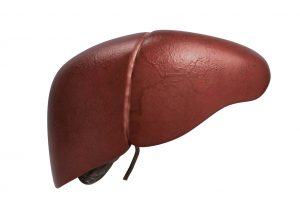
Did you know there are foods that can help promote liver regeneration? Did you also know the liver is the only organ in the body which can regenerate? It’s true. You may have heard that a starfish can grow back a missing limb, and lizards can grow back their tails; similarly, if a part of the liver is damaged it can partake in liver regeneration.

Written by 
Published on 

Type 2 diabetes exenatide treatment can benefit NAFLD patients due to glucose control in liver: Study
In a study published in The Journal of Biological Chemistry researchers uncovered that liver regeneration functions much simpler than once believed. In the past it was shown that cells which are part of regeneration act as they would if they were in an embryo. In the fairly recent study scientists uncovered specific proteins that induce regeneration. They felt that by being able to stimulate such proteins they would be able to better help those with severe liver damage or those who have had portions of their liver removed.
After extensive testing, the scientists uncovered that previous theories of cells acting as they would in embryos was actually not true, but rather liver regeneration occurs due to an increase in cells which multiply through regular cell division. Therefore, researchers believe stimulating liver regeneration is possible by activating identified proteins.

Foods useful for liver regeneration process

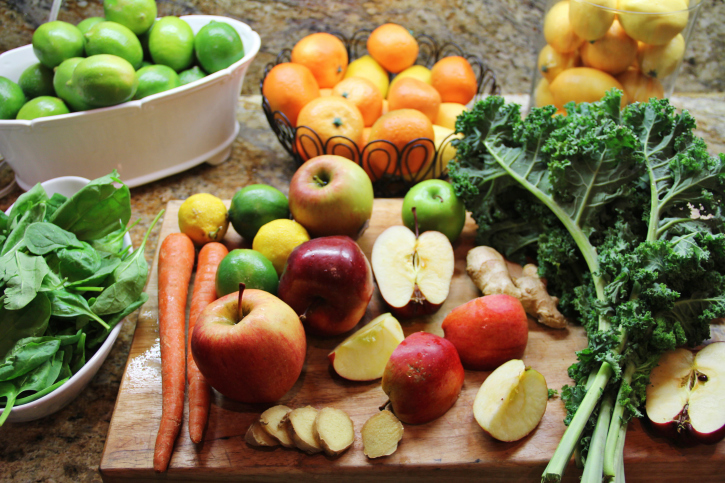
Foods useful for liver regeneration processAlthough the liver is able to regenerate itself, it’s important you keep it healthy and eat foods which can further help promote liver regeneration. The following foods can help boost liver health as well as function.
Garlic: Garlic has been shown to help reduce bad cholesterol which is associated with poor liver health; eating garlic regularly can help promote good liver health. Enzymes in garlic also help the liver remove toxins, contributing to a healthier body overall.
Grapefruit: Grapefruit is packed with powerful antioxidants and fiber. Grapefruit can contribute to good cholesterol and boost the liver-cleansing process. One word of caution is that grapefruit can negatively interact with medications, so speak to a doctor before incorporating grapefruit into your diet.
Leafy green vegetables: Spinach, broccoli and kale are just some examples of leafy green vegetables. Leafy green vegetables all work to assist your liver in the cleansing process and help improve its function. Furthermore, they provide the body with chlorophyll which protects the body from toxins.
Avocados: Avocados pack nearly 20 essential nutrients and vitamins; not only are they good for your body, but they feed your liver all the right stuff. Avocados can help neutralize free radicals as well as promote the production of glutathione which helps with toxin removal.
Apples: We know apples are good for overall health; you should continue with your apple-a-day trend as they can help promote liver cleansing and remove toxins in the digestive tract.
Brussels sprouts: Brussels sprouts are similar to garlic because they also contain sulfur, so that alone is enough to promote a healthier liver. Furthermore, Brussels sprouts contain antioxidants which fight free radical damage. For maximum benefits cook Brussels sprouts with garlic for an optimal liver-cleaning meal.

Other foods for liver regeneration

Aside from the above mentioned foods, there are others which can keep the liver healthy, promote liver cleansing and ensure you stay the healthiest you can be. The next time you opt for a meal or a snack make sure you also add these foods into your diet for a healthy liver.
  • Bitter gourd
  • Probiotic yogurt
  • Onions
  • Lemon
  • Berries
  • Arugula
  • Artichokes
  • Leeks

How proteins may help in liver regeneration

How proteins may help in liver regenerationSimilar to the previous research mentioned, scientist at UC Davis further explored the use of proteins in liver regeneration. The identified protein is called PPARα and in mice models they found it to work quite quickly in liver regenerations.
What the researchers did uncover, though, is to boost PPARα in humans for quicker liver regeneration we require protein fibroblast factor 21 (FGF21). Author of the paper Yu-Jui Yvonne Wan said, “We found that FGF21 is a good rescuing molecule that facilitates liver regeneration and perhaps tissue repair. Our data suggests that FGF21 could help with liver regeneration, either after removal or after damage caused by alcohol or a virus.”
Through testing the researchers found that PPARα was more effective in liver regeneration in mice livers than in human ones. What they did find was that by adding FGF21, liver regeneration was boosted by making PPARα more effective. FGF21 is also beneficial in reducing insulin resistance, accelerating fat metabolism and reducing fatty liver disease in some animals.
Wan added, “We found that FGF21 is a good rescuing molecule that facilitates liver regeneration and perhaps tissue repair. Our data suggests that FGF21 could help with liver regeneration, either after removal or after damage caused by alcohol or a virus.”

Cell fundamental for liver regeneration found

Although it has been established that proteins work to promote liver regeneration, as of late more findings suggest a cell, too, is fundamental for liver regeneration.
Published in the journal Cell researchers uncovered cells called hybrid hepatocytes which are able to generate new tissues. By exposing mice to toxins researchers observed the role of hybrid hepatocytes. What they found was cancer did not develop in the new cells which were created by the hybrid hepatocytes. This prompted the researchers to further explore opportunities of hybrid hepatocytes.
Until science is capable of fully regenerating livers it’s important to maintain the health of yours as best as you can. Waiting lists for liver transplants are extremely long, so in order to keep your name off the list, enjoy the foods listed above which can promote a healthy liver and a healthy you.


Wednesday, 9 October 2019

Get an Extra Edge Against Cancer

Here’s how an integrative plan can help you…

Mark A. Stengler, NMD, a naturopathic physician and founder of The Stengler Center for Integrative Medicine in Encinitas, California (MarkStengler.com).

Published Date: June 1, 2018   Publication: Bottom Line Health

More than one-third of American adults reach for vitamins, herbs or other natural medicines when they have colds or other routine (and hopefully mild) health problems. Similar remedies can help when you have cancer.
To learn more about the best and safest ways to use natural therapies—also known as complementary and alternative medicine (CAM)—to fight cancer and its complicationsBottom Line Health spoke with Mark A. Stengler, NMD, a naturopathic physician who treats cancer patients.

HOW CAM CAN WORK

Research has shown that many so-called “alternative” treatments can enhance the effects of conventional cancer care such as surgery, radiation or chemotherapy…reduce treatment side effects…and possibly improve survival.
This type of integrative care doesn’t replace conventional cancer treatments. Rather, with the guidance of a doctor, complementary therapies are added to a patient’s treatment plan.
Important: To ensure that the therapies described below would be appropriate for you, consult the Society for Integrative Oncology (IntegrativeOnc.org) to find an integrative oncologist near you…or check with The American Association of Naturopathic Physicians (Naturopathic.org) to locate a naturopathic doctor who also treats cancer patients. 
Also: Be sure to ask the doctor you choose to be in touch with your oncologist. Here’s how CAM can help with problems that plague most cancer patients…
• Get relief from “chemo brain.” It’s estimated that three-quarters of cancer patients will experience some degree of mental cloudiness. Known as “chemo brain,” it can include mood swings, memory loss and mental fatigue. It eventually improves, but some patients will feel like they’re in a mental fog years after their treatments have ended.
What helps: The omega-3 fatty acids in fish oil supplements—a typical daily dose is 1,000 mg total of eicosapentaenoic acid (EPA) and docosahexaenoic acid (DHA) combined—help regulate acetylcholine, a neurotransmitter that increases nerve growth factor and improves memory as well as energy levels.
The omega-3s also increase the effectiveness of 5-fluorouracil and other chemotherapy drugs, according to a study published in Clinical Nutrition Research. In research published in Cancer, lung cancer patients who took fish oil along with chemotherapy had a greater one-year survival rate than those who didn’t take the supplements.
Note: Fish oil may cause stomach upset in some patients, along with bleeding in those who are taking anticoagulant medications such as warfarin (Coumadin), apixaban (Eliquis) and rivaroxaban (Xarelto).
• Boost energy levels. Ginseng is one of the more effective supplements for cancer patients. A number of studies have shown that it reduces treatment-related side effects, including weakness and fatigue. A double-blind study in Journal of the National Cancer Institute found that patients who took ginseng had less fatigue than those given placebos.
My advice: The American form of ginseng (Panax quinquefolius) is more effective than the Asian form. Typical dose: 1,300 mg to 2,000 mg daily. It rarely causes side effects, although it may lower blood sugar in those with diabetes.
Also helpful: Glutathione, a “super antioxidant” that can be combined with chemotherapy to reduce toxin-related fatigue and other side effects. It’s usually given in an IV solution. Side effects are unlikely, but it may interfere with some chemotherapy drugs. Be sure to consult an integrative oncologist to see whether you will/won’t benefit from glutathione.
• Improve immune response. Turkey tail is one of the best–studied medicinal mushrooms. Available in capsule form, the supplement has chemical compounds (beta–glucans) that stimulate many aspects of the immune response, including antibody activity—important for inducing the death of cancer cells.
Impressive research: A study published in Cancer Immunology and Immunotherapy found that postsurgical remissions in colorectal cancer patients were twice as common in those who were given turkey tail. Typical dose: 3,000 mg daily. Side effects are unlikely.

A NUTRITIONAL BOOST

Conventional oncologists receive little training in nutrition, but it’s a critical issue for cancer patients. One study found that 91% of cancer patients had nutritional impairments, and 9% were seriously malnourished. Research shows that malnutrition contributes directly or indirectly to a significant number of cancer deaths due to poor appetite and the disease process of advanced cancer.
Loss of appetite is a major cause of malnutrition and muscle loss (cachexia). I advise patients who are losing weight to address these problems by getting more calories.
With every meal, include high-fat foods such as olive oil, coconut oil, avocado, nuts and seeds. A 10-year study, published in Archives of Internal Medicine, looked at more than 380,000 adults and found that a Mediterranean-style diet, which is high in olive oil and other healthy fats, reduced cancer deaths in men by 17% and 12% in women.
Also helpful: Protein shakes. They can provide the extra protein that’s critical for cancer patients. Up to 80% of those with advanced cancer experience muscle loss. Protein shakes can help reverse it. Best option: Ready-made whey protein or pea protein shakes—both are nutritious, have 5 g of sugar or less per serving and are readily available in health-food stores.
My advice: Get 1 g to 1.2 g of protein per kilogram (2.2 pounds) of body weight daily. This means that someone who weighs 150 pounds will need about 68 g to 82 g of protein daily. You can get that much from two or three servings of a typical whey protein beverage, which comes ready-mixed or in powdered form. Caution: If you have moderate or severe kidney disease, check with your doctor for advice on your protein intake.
https://bottomlineinc.com/health/cancer-treatment/when-fighting-cancer-integrative-care

Friday, 2 December 2016

The secret to staying young is broccoli and cabbage

Maybe we should be focusing less on Botox and more on broccoli. That’s according to scientists at Washington University School of Medicine in St. Louis, who published a recent study in the journal Cell Metabolism, about the aging process...
Nov 30, 2016 9:59 a.m. ET
By
MARIA LAMAGNA

Scientists at Washington University School of Medicine in St. Louis, who published a recent study in the journal Cell Metabolism, about the aging process, found that when they fed older mice drinking water with a high dose of a natural compound called nicotinamide mononucleotide (NMN), which is found in broccoli, cucumbers, cabbage, edamame and avocado, the older mice enjoyed benefits including better skeletal muscle, liver and eye function, insulin sensitivity, immune function, appropriate body weight and physical activity levels, according to the science website Science Daily.

–– ADVERTISEMENT ––

“We have shown a way to slow the physiologic decline that we see in aging mice,” said one of the researchers, Shin-ichiro Imai, a professor of developmental biology and of medicine, in Science Daily. “Since human cells rely on this same energy production process, we are hopeful this will translate into a method to help people remain healthier as they age.”
Some good news: Americans have already been increasing their consumption of vegetables, including broccoli, in recent years.
Americans consumed about 8 pounds of broccoli per capita in 2012, according to the United States Agriculture Department. That’s almost double the amount they ate in 1990.


And Americans will keep buying more vegetables in the coming years, according to the research firm Mintel; in 2015, they spent about $54.6 billion on veggies and will increase their spending 13% to reach almost $62 billion in 2020.
“An emphasis on freshness, convenience, and nutrition can help propel sales of fresh vegetables, especially fresh-cut salad which benefits from strong product innovation,” Mintel’s researchers wrote in their May 2016 vegetables report.
That said, Americans still struggle with weight and healthy eating.
Nearly 40% of adults and more than 17% of youth in the U.S. were obese between 2013 and 2014; 10 years before, about 32% of adults and 17% of youth were obese.
The Centers for Disease Control and Prevention define obesity in terms of body-mass index (BMI). Those with a BMI of 30 or higher are considered obese.
The U.S. Dietary guidelines recommend that individuals eat a variety of vegetables throughout the week so they’re consuming a variety of nutrients, including dark green vegetables, red and orange vegetables, legumes and starchy vegetables.
For an adult consuming 2,000 calories a day, the guidelines recommend a two and a half cup equivalent serving of veggies a day.
Broccoli has other benefits besides its anti-aging qualities, including high levels of fiber and folate, which can help digestive systems stay regular and even reduce the probability of some cancers, such as colon cancer, said Despina Hyde, a registered dietitian and diabetes educator in the weight management center at New York University’s Langone Medical Center.
Also, because vegetables are low in calories, they are a great tool in weight-management because they still help people eating them to feel full, she said.
Cooking vegetables at home is often better than ordering them from a restaurant, because it’s possible to control the amount of butter, salt and oil on them, she said.
She also recommended buying frozen vegetables, which are affordable and sometimes even have more nutrients than fresh veggies, which age and lose nutrients as they travel across the country or the world. When vegetables are frozen, the nutrients get locked in because the vegetables don’t age.
Adding vegetables to pasta dishes, stir fries, omelets, pizza and sandwiches are all good ways to get the recommended servings, she said.
http://www.marketwatch.com/story/the-secret-to-staying-young-is-broccoli-and-cabbage-2016-10-31

See also:

  1. MUST READ: This vegetable defeats cancer at the genetic level
  2. MUST READ: This Vegetable Stalks Aging and Cancer Like a Guard Dog
  3. Cabbage - A super alternative to brocolli
  4. The secret to staying young is broccoli and cabbage.
  5. The Remarkable Health Benefits of Broccoli, and How to Maximize Its Cancer-Fighting Potential
  6. Your broccoli doesn’t have much nutritional value if you don’t do this
  7. MUST READ: More Reasons to Eat Your Broccoli
  8. 10 Health Benefits of Brocolli

Sunday, 4 September 2016

18 Foods That Promote Muscle Growth and Definition

Rich in high-quality protein and omega 3-fats, this food helps combat the chronic inflammation that plagues most people in poor health. Plus: 17 other wonder foods that make your muscles toned and lean, including the one which contains a week's worth of vitamins in just one cup.

2 September 2016

muscle building foods

Story at-a-glance

  • A number of foods can be helpful when trying to improve muscle growth and definition. Incorporating these foods into your meals on a regular basis may help you get lean and toned
  • Eighteen helpful foods are noted, including ones high in healthy fats and high quality protein, such as wild salmon, raw nuts, grass-fed beef, whey protein, coconut oil, olive oil, MCT oil and avocados
  • Beneficial fruits and vegetables include spinach, kale, broccoli, sprouts, berries, bananas, watermelon, grapefruit, papaya and mushroom
By Dr. Mercola
If you're looking for muscle growth and definition, there's no getting around exercise. However, you cannot exercise your way out of a poor diet, and when it comes to muscle definition, one of the keys is to lose body fat, or else you will not be able to see the muscles in the first place.
The common belief is that if you want to build muscle, you need to eat lots of protein and carbohydrates because carbs fuel your muscles and protein builds them up. However, the evidence that has emerged over the past several years shows us it's not that simple.
One particularly intriguing finding is that your body has a mechanism that allows it to build muscle even when deprived of food. As it turns out, amino acids and protein serve not just as building blocks for tissues and muscle.
Certain amino acids — most notably branched chain amino acids like leucine — also signal muscle genes to grow and to build protein, and they do that even during times of food deprivation as long as these amino acids are circulating through your blood stream.
Moreover, research reveals that high-carbohydrate diets are a disaster for most people, as they promote insulin and leptin resistance, which actually in turn promotes muscle wasting.
Similarly, eating more protein than your body actually needs — which is usually far less than most people are eating, whether they're athletes or not — may promote elevated blood sugar, weight gain and kidney stress, and may even stimulate cancer growth. I'll discuss suggested dosage recommendations further below.

Foods That Promote Muscle Definition

Nutritionist, fitness trainer and author of "The Sugar Impact Diet,JJ Virgin, recently published an article listing seven foods that can help you get lean and toned.1
Chef and three-time bodybuilding champ, Carlo Filippone, founder and CEO of Elite Lifestyle Cuisine, has also compiled a list of 20 foods that help build and tone muscle.2
Known as "The Muscle Chef," Filippone recommends including these foods in your cooking as often as possible. Below I will summarize a number of their suggestions, along with some of my own.
1.Wild-Caught Alaskan Salmon
Rich in high-quality protein and the anti-inflammatory omega-3 fats docosahexaenoic acid (DHA) and eicosapentaenoic acid (EPA), wild salmon helps combat the chronic inflammation that plagues most people in poor health. Animal-based omega-3 fats also helps build muscle.3 As noted by Filippone:
"These [fats] go a long way in inhibiting muscle breakdown and supporting strong blood circulation."
Besides healthy fat and protein, salmon also contains leucine. Granted, with 100 grams of salmon providing you with about 1.6 grams of leucine, there's no way you could get the recommended 8 grams of leucine from salmon, but it does contain higher amounts than most other foods.
Wild Alaskan salmon also tends to be low in mercury, which is a serious concern when you're trying to improve your health. Canned wild Alaskan salmon is a less expensive option than salmon steaks.
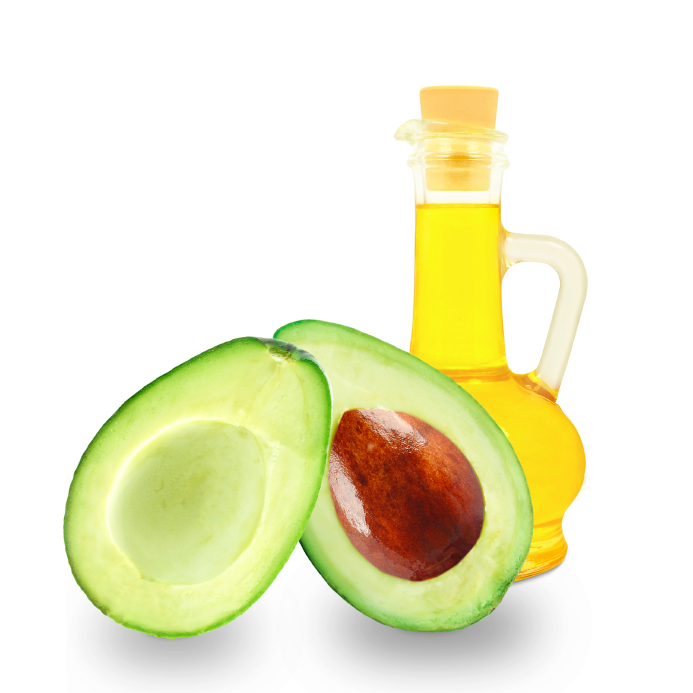
2.Avocado
Avocados are high in potassium, important for water balance regulation and recuperation after physical exertion, and healthy monounsaturated fat that your body can easily burn for energy.
As with olive oil, the fat in avocados can help with weight management. One study found that eating just one-half of a fresh avocado with lunch helped boost satiation and curb snacking.
The fat in avocados also helps your body absorb fat-soluble vitamins and minerals from other foods (and/or supplements).
Research4 has shown that consuming a whole fresh avocado with tomato sauce or raw carrots significantly enhanced absorption of the carotenoids and conversion of them into an active form of vitamin A.5
Avocados also provide nearly 20 essential nutrients, including vitamins B, E and folic acid.
The greatest concentration of beneficial carotenoids is in the dark green flesh of the avocado, closest to the peel, so you're best off peeling your avocado with your hands, like a banana.
3.Spinach
Spinach is high in niacin, zinc, protein, fiber, vitamins A, B6, C, E and K, thiamin, folate, calcium, iron, magnesium, phosphorus, potassium, copper and manganese. In other words, it's loaded with nutrition for every part of your body.
Abundant flavonoids in spinach also help keep cholesterol from oxidizing and protect your body from free radical damage. The folate in spinach helps promote a healthy cardiovascular system, and magnesium helps lower high blood pressure.
Moreover, research suggests there may have been something to Popeye's ability to turbo-charge his muscles with spinach after all, as the dietary nitrate found in spinach actually helps increase production of proteins that boost muscle strength.6
Studies also have shown that spinach helps maintain your brain function, memory and mental clarity. To retain the rich iron content of spinach, lightly cook it and add a splash of lemon juice or vinegar on top.
4.Coconut Oil
Coconut oil provides a mix of medium-chain triglycerides (MCTs), including caproic acid (C6), caprylic acid (C8), capric acid (C10) and lauric acid (C12). MCTs are an ideal fuel for your body.
However, since nearly 50 percent of coconut oil is lauric acid, which has a longer carbon chain, coconut oil is not necessarily an ideal source of MCTs.
MCT oil is a better alternative if you're looking for ketone production specifically, although you could opt for FRACTIONATED coconut oil, which contains primarily C8 and C10, the former of which readily converts to ketones.7
That said, coconut oil has many tremendous health benefits. For example, your body converts lauric acid into monolaurin, a monoglyceride that can destroy viruses and gram-negative bacteria. This is undoubtedly part of what makes it so medicinally useful.
5.MCT Oil
I recently wrote an extensive article on MCT oil that you can read for further information. Remember that your body processes MCTs differently from the long-chain fats in your diet. Normally, a fat taken into your body must be mixed with bile released from your gallbladder and acted on by pancreatic enzymes to break it down in your digestive system. MCTs don't need bile or pancreatic enzymes.
Once they reach your intestine, they diffuse through your intestinal membrane into your bloodstream and are transported directly to your liver, which naturally converts the oil into ketones. Your liver then releases the ketones back into your bloodstream, where they are transported throughout your body. They can even pass the blood-brain barrier to supply your brain with energy. MCTs also have a thermogenic effect, which has a positive effect on your metabolism.8
For these reasons, MCTs are readily used by your body for energy rather than being stored as fat. Most commercial brands of MCT oil contain a combination of C8 and C10 fats. My personal preference is straight C8 (caprylic acid), as it converts to ketones far more rapidly than do C10 fats. 
6.Kale
Kale has many things going for it, including very high amounts of protein and lots of highly bioavailable calcium. One cup of raw kale contains 2 grams of protein, 7 grams of carbs and 1 gram of fiber (for a net carb value of 6 grams). Like meat, kale contains all nine essential amino acids needed to form the proteins your body needs, plus nine other non-essential ones for a total of 18.
The vitamins offered by just 1 cup of kale can also trump a whole week's worth of other foods: 684 percent of the daily value of vitamin K, 206 percent of the suggested daily amount of vitamin A and 134 percent of vitamin C.
7.Broccoli
Sulforaphane, a naturally occurring organic sulfur compound found in broccoli is probably most well-known for its anti-cancer activity. However, as Filippone points out, sulforaphane also "increases testosterone levels and staves off the retention of body fat."
It also "blocks certain enzymes that have been linked to joint destruction, so broccoli is a must have in an active person's diet." Research has also shown sulforaphane helps protect your muscles against exercise-induced damage.9
8.Sprouts
Sprouts are a concentrated source of nutrition, allowing you to get more nutrients with less bulk. If you're looking for high-quality protein, look no further than sprouts. These little powerhouses are also up to 30 times more nutrient-dense than homegrown organic vegetables.
Sprouting also makes most of the nutrients more bioavailable. Some of the most common sprouts include alfalfa, mung bean, wheatgrass, peas, broccoli and lentils. My personal favorites are sunflower and watercress.
9.Berries
Berries contain concentrated amounts of the disease-fighting phytochemicals that boost your immunity and protect your heart. For a sweet treat, berries are a good choice as they're high in fiber and lower in sugar than many fruits, making them less likely to destabilize your insulin levels.
In particular, blueberries have several known health benefits. They exert positive effects upon your lipid profile, reducing your risk for type 2 diabetes. And because of their bountiful antioxidants, blueberries are one of the best fruits to protect you from premature aging.
10.Bananas
Being high in glucose and digestible sugars, bananas are best avoided if you struggle with insulin resistance or excessive weight. Barring that, bananas are a popular pre- or post-workout food, thanks to their potassium content. Potassium is a mineral that tends to be exhausted by intense exercise, so potassium-rich foods are highly recommended. One banana contains 467 milligrams (mg) of potassium, which is also important for controlling your heart rate and blood pressure.
11.Watermelon
According to Filippone: "Eating watermelon has been shown to improve lipid profiles and lowers fat accumulation, because of its concentration of anthocyanin, a compound that mollifies fat-storage genes. It's refreshing, aides in hydration and can also help reduce muscle soreness after a strenuous workout. I usually melon ball them into a small container and use them as a pick-me up between reps."
That said, be careful when eating any melon, including watermelon, as they do not digest well with other foods. Melon frequently causes digestive problems unless consumed by itself, so ideally, do not eat any other food 30 minutes before or after eating watermelon.
12.Grapefruit
Filippone recommends eating a grapefruit before your workout to aid rehydration (which in turn also aids weight loss), as grapefruit is 90 percent water. Pink grapefruit is also a good source of vitamins A and C (providing 53 percent and 120 percent of the recommended daily value respectively) as well as fiber and potassium.
Red grapefruit contains a bit more flavonoids and anthocyanins than white or pink grapefruit. It also contains lycopene, which helps lower triglycerides, help fight free radical damage and protect your skin from UV damage from the sun.
I recommend consuming grapefruit in moderation due to its fructose content, which may be harmful to your health in excessive amounts. Also beware that grapefruit may, in rare cases, interfere with certain medications, so if you're on meds, be sure to discuss it with your doctor.
13.Papaya
Papaya and other vitamin C-rich foods may help lower your cortisol level after intense exercise. In one study, men who consumed 1,000 mg of vitamin C per day for two weeks had significantly lower cortisol following a 2.5-hour run compared to the placebo group.10
Unripened papaya has yet another advantage. In its unripened state, papaya contains higher amounts of digestive-resistant starch, which is important for optimal gut health. The same goes for unripened bananas and mangos. Resistant starches, which are indigestible, also do not result in blood sugar spikes.
While both ripe and green (unripe) papaya are rich in antioxidants, fiber and papain (an enzyme that helps with protein digestion and dampens inflammation), green papaya contain higher amounts of papain and potassium.
14.Raw Nuts
Magnesium is important for muscle growth and strength, and raw nuts are an excellent source. Nuts such as macadamias and pecans are also excellent choices because they're high in healthy fats while being lower in net carbs. Macadamia nuts have the highest fat and lowest protein and carb content of any nut, and they also happen to be one of my favorites.
Raw macadamia nuts also contain high amounts of vitamin B1, magnesium and manganese. Just one serving of macadamia nuts provide 58 percent of what you need in manganese and 23 percent of the recommended daily value of thiamin. Moreover, about 60 percent of the fatty acid in macadamia is the monounsaturated fat oleic acid. This is about the level found in olives, which are well known for their health benefits.
Pecans are a close second to macadamia nuts on the fat and protein scale, and they also contain anti-inflammatory magnesium, heart healthy oleic acid, phenolic antioxidants and immune-boosting manganese.
15.Grass-Fed Beef
As noted by Virgin: "Beef that's been raised conscientiously is a perfect source of protein, healthy fats and nutrients. Grass-fed beef also comes loaded with the multi-tasking amino acid L-glutamine to help build muscle while preventing muscle breakdown."
Grass-fed beef is also an excellent source of conjugated linoleic acid (CLA), which has potent anti-inflammatory activity. Just be mindful of the amount of protein you eat (all protein, not just that from beef). Most Americans consume three to five times more protein than they need. For most people, a more ideal protein intake is likely around one-half gram of protein per pound of lean body mass, which for most amounts to 40 to 70 grams per day.
If you eat more protein than your body requires, most of those calories will simply be converted to sugar and then fat. Excessive protein can also have a stimulating effect on an important biochemical pathway called the mammalian target of rapamycin (mTOR), which plays an important role in many cancers.
When you reduce protein to just what your body needs and no more, mTOR remains inhibited, which helps minimize your chances of cancer growth. Additionally, when you consume too much protein, your body must remove more nitrogen waste products from your blood, which stresses your kidneys. Chronic dehydration can result, as was found in a study involving endurance athletes.11
16.Mushrooms
Mushrooms are a natural source of vitamin D, which is critically important for muscle function. Muscle weakness is a classic symptom associated with vitamin D deficiency. Besides that, many mushrooms also have other medicinal qualities, including improved immune function.
It's important to eat organically grown mushrooms because they absorb and concentrate whatever they grow in — good or bad. Mushrooms are known to concentrate heavy metals, as well as air and water pollutants, so healthy growing conditions is a critical factor.
17.Olive Oil
While many recommend cooking with olive oil, this is not recommended as high temperatures will cause the olive oil to oxidize and go rancid. Coconut oil, raw grass-fed butter or even lard are better options for cooking. That said, olive oil, used COLD, drizzled on salads, is a healthy fat with many health benefits. As noted by Filippone:
"Olive oil contains … monounsaturated fat, which has been shown to raise serotonin, a hormone associated with satiety, in your blood levels. You'll feel fuller after a meal prepared with olive oil, which will help keep you from indulging in extra calories at mealtime."
However, be aware that olive oil is a common target of food fraud. Even "extra virgin" olive oil is often diluted with other less expensive oils, such as hazelnut, soybean, corn, sunflower, palm, sesame, grape seed or walnut. These other oils will not be listed on the label, nor will most people be able to discern that their olive oil is not pure.
If you live in an area where olive oil is made, buying from a local producer is the ideal solution as it allows you to know exactly what's in your oil. If not, try an independent olive oil shop that can tell you about the growers, or do your research and seek out a brand name you trust.
18.Whey Protein
Whey protein is the perfect "fitness food" as it contains not only high-quality protein, but also extremely high amounts of leucine. Leucine serves multiple functions in your body, one of which is signaling the mTOR mechanism to increase protein synthesis and build muscle. The highest concentrations of leucine are found in dairy products; particularly quality cheese and whey protein.
The typical requirement for leucine to maintain body protein is 1 to 3 grams daily. However, to optimize its anabolic pathway, you need an estimated 8 to 16 grams of leucine per day. While you'd have to eat an enormous amount of leucine-containing foods to reach this amount, you only need 3 ounces of high-quality whey to reach 8 grams of leucine. This makes whey an obvious choice.
Ideally you'll want to consume the whey about 30 minutes before your workout to help increase both fat burning and muscle building. The whey meal will stop the catabolic process in your muscle and promote protein synthesis towards recovery and growth.
On strength training days you could add a serving after your workout. Keep in mind there's only a two-hour window after exercise during which your body will fully use the proteins you ingest for optimizing muscle repair and growth, so your timing is important.
One of the reasons whey works so well is that it is a protein that assimilates very quickly, and will get to your muscles within 10 to 15 minutes of swallowing it. This makes it easier to supply your muscles with the right food at the right time.
A study12 published in the journal Medicine and Science in Sports & Exercise showed the amino acids found in high-quality whey protein activate certain cellular mechanisms, including mTOR, which in turn promote muscle protein synthesis, boost thyroid function and protect against declining testosterone levels after exercise. You just need to be careful that you are not chronically stimulating mTOR on a daily basis, as most studies suggest it will decrease your lifespan.
http://fitness.mercola.com/sites/fitness/archive/2016/09/02/18-foods-for-muscle-growth.aspx?