Pages

Showing posts with label Omega 3. Show all posts

Monday, 27 March 2023

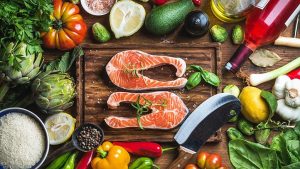
World's leading cause of blindness could be treated with a new fish oil pill, study claims

 A fish oil supplement may hold the key to treating one of the world's leading cause of blindness, a study suggests.

  • Researchers developed a new kind of omega-3 fatty acid able to reach the retina
  • The supplement increased DHA in mice subjects’ retinas, reducing vision harms
  • Omega-3s, commonly found in fish oils, benefit cognition, vision and stiff joints  

A fish oil supplement may hold the key to treating one of the world's leading cause of blindness, a study suggests.

Researchers have created a new form of omega-3 fatty acid that is capable of crossing into the eye’s retina to ward off vision loss related to Alzheimer’s, diabetes, and other diseases.

In a study on mice, the supplement was able to first be absorbed from the intestine into the bloodstream and then cross from the bloodstream into the retina. This prevented age related macular degeneration (AMD).

The mice that were fed the new type of supplement showed nearly 100 percent improvement after six months in the amount of crucial omega-3 known as DHA in their retinas. 

The lab-made version of the omega-3 known as docosahexaenoic acid (DHA) was able to be absorbed from the intestine into the bloodstream and then cross from the bloodstream into the retina, unlike the type that makes up common fish oil supplements currently on the market. 


The omega-3 the team developed could be packaged in a dietary supplement much like the ones that line pharmacy shelves, potentially helping more than 20 million Americans with vision problems liked to aging and diabetes

Scientists have been investigating for years whether dietary intake of omega-3 fatty acids can slow vision loss, primarily AMD, a common cause of severe vision loss in older people.

There are currently no treatments for AMD, and doctors will be relegated to provide elderly patients with glasses or other vision aids.

The substance, commonly found in fish and krill oil supplements typically comes in a form called triacylglycerol (TAG) DHA which cannot travel from the bloodstream into the retina.

Professor Sugasini Dhavamani in the Department of Medicine at the University of Illinois at Chicago and lead author of the report said: ‘Dietary LPC-DHA is enormously superior to TAG-DHA in enriching retinal DHA and could be potentially beneficial for various retinopathies in patients.’

‘This approach provides a novel therapeutic approach for the prevention or mitigation of retinal dysfunction associated with Alzheimer’s disease and diabetes.’

Studies of the specific omega 3 acid in humans have yet to begin. But the promising early results suggest that more than 23 million people – the total number of Americans with either retinopathy linked to diabetes or age-related macular degeneration – could benefit from a newly formulated dietary supplement.

People with Alzheimer’s disease, as well as those with diabetes, a group of rare eye diseases called retinitis pigmentosa, age-related macular degeneration, and peroxisomal disorders that affect the metabolism often have abnormally low levels of retinal DHA, resulting in visual impairments.

While omega-3s come in supplement form, they are also found naturally in many foods including salmon and other fish, leafy vegetables, wholewheat bread and walnuts. 

The researchers tested their LPC-DHA supplement in mice bred to exhibit processes similar to those found in early-onset Alzheimer’s disease. 

After six months, mice that were fed LPC-DHA daily showed a 96 percent improvement in retinal DHA content as well as preserved retinal structure and function. 

Meanwhile, TAG-DHA supplements had no effect on retinal DHA levels or function. 

In healthy eyes, DHA is concentrated in the retina, where it helps maintain photoreceptors, the cells that convert light into signals that are sent to the brain. Healthy levels of DHA in the retinas protect against damage from bright light exposure and oxidative stress.

Recent research has also shown that people with a higher blood DHA level have higher protection against Alzheimer’s disease and other dementias.

Professor Dhavamani said: ‘Increasing the retinal DHA at clinically feasible doses has not been possible until now because of the specificity of the blood–retinal barrier that is incompatible with the specificity of the intestinal barrier.

‘This study uses the novel approach of dietary LPC-DHA that overcomes both intestinal and blood–retinal barriers and improves retinal function.’

The dosage of their LPC-DHA was equivalent to about 250 to 500 milligrams of omega-3 fatty acids per day in humans, roughly the same range recommended by the National Institutes of Health and the American Heart Association.


Friday, 7 February 2020

Plant-Based Diet: Everything You Need To Know

On the surface, a plant-based diet sounds simple. And although it’s been trending lately, the idea of eating “mostly plants” has been in the zeitgeist since Michael Pollan spelled it out in “The Omnivore’s Dilemma” in 2006.
06 Feb 2020

Christine Byrne

That said, anyone who has been given a plant-based diet prescription from their doctor, or tried to move away from the “standard American diet” and toward a more plant-based one, knows that doing so isn’t quite as simple as it sounds.

A strict plant-based diet means eating no animal products (aka veganism), but not everything is black and white.

Obviously, a plant-based diet centers on plants: fruits, veggies, whole grains, nuts, seeds, beans and legumes. Strictly speaking, it excludes all animal products, including not only meat but eggs and dairy. Some people follow a more flexible plant-based diet that includes a little bit of meat and/or dairy, which isn’t technically a plant-based diet. But since both strict plant-based diets and more flexible ones are valid choices with proven health benefits, we’ll talk about both of them here. 
“Some people say plant-based and mean vegan while others don’t,” said Marisa Moore, a registered dietitian based in Atlanta. “I use the term to mean mostly plants, not vegan.”
Then, there’s the question of what kind of plant-based food should be included in the diet. “Another group takes plant-based to mean 100% ‘whole foods’ plant-based, meaning even processed foods that are made entirely of plants are excluded,” said Taylor Wolfram, a registered dietitian based in Chicago. She also pointed out that there is “no standard definition of processed food,” which further muddies the idea of what a “whole foods” plant-based diet really is.
A plant-based diet centers around plants: fruits, veggies, whole grains, nuts, seeds, beans and legumes. Strictly speaking, it excludes all animal products.© bauhaus1000 via Getty Images A plant-based diet centers around plants: fruits, veggies, whole grains, nuts, seeds, beans and legumes. Strictly speaking, it excludes all animal products.
The bottom line is: One person’s plant-based diet might exclude animal products and processed foods, while another person’s might make a little bit of room for these things. What all plant-based diets have in common is that they emphasize eating mostly minimally processed plant foods. 

There’s evidence that eating a more “whole foods” plant-based diet can improve health, even if you don’t cut out animal products completely.

Good news for anyone who can’t fathom giving up cheese or steak forever: You don’t need to eat 100% plant-based to see health benefits. Shivam Joshi is an internal medicine physician at the New York University School of Medicine who eats an entirely plant-based diet, but he doesn’t necessarily recommend that to his patients.
Many of them are immediately turned off by the idea of going completely vegetarian or vegan. “I don’t tell people to go vegetarian or vegan,” Joshi said. Instead, he tells them to eat plant-based meals most of the time, without worrying about cutting out meat and dairy altogether.
“You can get most of the benefits of a full-on plant-based diet by eating this way. No one has really shown that full-on vegan is better,” he said. 
Moore also pointed out that eating a mostly plant-based diet “leaves room for flexibility, which can remove a lot of stress around eating. I’m a big fan of flexibility when it comes to food ― no need to try to be perfect.”
Moore suggested a limited amount of flexibility, though: “If you’re newly transitioning to a plant-based diet, you might start by adding just one or two plant-based meals per week and gradually work your way down.” Or, you could make a goal to only eat meat X times per week, depending on what feels realistic for you. 
Joshi emphasized a diet rich in unprocessed, high-fiber plant foods. In the short run, he said, these foods deliver high levels of vitamins and minerals, and can help lower cholesterol and blood sugar levels. In the long run, these effects can improve a person’s health outcomes. 
“Epidemiological data shows that the more plant foods someone eats, the lower their risk for certain chronic diseases, including cardiovascular disease, Type 2 diabetes and some cancers,” Wolfram said. 

OK, but what does shifting to a plant-based diet actually look like?

“Whenever someone is considering a plant-based diet, I generally suggest starting off slow,” said Ryan Maciel, a registered dietitian with Precision Nutrition. “Start with one of your favorite dishes ― let’s say a chicken stir-fry. Replace the chicken with beans, lentils or tofu as your plant-based protein source.” In other words, take some time to get comfortable with cooking and eating a few simple plant-based meals before you start overhauling your entire diet.
a close up of a flower: One person’s plant-based diet might exclude animal products and processed foods, while another person’s might make a little bit of room for these things. What all plant-based diets have in common is that they emphasize eating mostly minimally processed plant foods.© Nastasic via Getty Images One person’s plant-based diet might exclude animal products and processed foods, while another person’s might make a little bit of room for these things. What all plant-based diets have in common is that they emphasize eating mostly minimally processed plant foods.
You can also focus on upping your fruit and vegetable intake before making any other major changes. Joshi pointed out that only 1 in 10 Americans eats the recommended five servings per day, and that making this a priority will have a huge impact ― you’ll get more vitamins, minerals and fiber, and likely eat less saturated fat (which the U.S. Department of Agriculture recommends limiting to 10% of your total calories in order to lower your risk of heart disease). And, you’ll get the most out of those five-a-day if you eat a variety, including leafy greens every day, because you’ll also get a variety of nutrients. 

When and if you do start eating primarily plant-based foods, be sure to prioritize protein and other key nutrients that are less abundant in plant foods. 

Wolfram emphasized the importance of prioritizing protein-rich plant foods.
“Legumes are a key food group for plant-based eaters to meet protein and amino acid recommendation,” she said. Protein recommendations vary from person to person, but the National Academy of Medicine recommends that adults get 0.8 grams of protein per kilogram of body weight each day, about 50 grams per day for a 140-pound person.
“Legumes include beans, lentils, peas, peanuts and soy foods such as tofu and tempeh. Plant-based eaters should strive for a minimum of 3 to 4 servings of these foods every day (1/2 cup beans, lentils, peas and soy foods; 1/4 cup peanuts; 2 tablespoons peanut butter).”
Maciel emphasized the importance of getting adequate micronutrients. Here are some ways to do that:
  • Dark leafy greens, beans and fortified grains are a good source of iron, and eating them alongside foods rich in vitamin C (like citrus and bell peppers) can help with iron absorption. 
  • Omega 3-fatty acids are essential fats that can improve your health by reducing your risk of heart disease,” Maciel said. Omnivores can get these from fatty fish, but walnuts, flaxseeds and chia seeds are all good plant-based sources.
  • Dairy is off-limits, but it’s a major source of calcium. “There are plenty of other options for you to choose to meet your needs,” Maciel said. Fortified plant-based milks, tofu, broccoli, leafy greens, beans, nuts and seeds are all good sources.
  • “It can be challenging to get enough vitamin D from whole food sources, especially for vegetarians,” Maciel said. Although things like plant-based milk, orange juice and cereals are often fortified, people who don’t get much sun exposure might be lacking in vitamin D ― talk to your doctor about possible supplementation.
  • Iodine is needed to make thyroid hormones,” Maciel said. “Since iodine is naturally found in foods such as fish and dairy, plant-based eaters excluding these foods may be at risk.” Seaweed and fortified grains are good sources, or you could switch to using iodized salt (many salts at the grocery store are iodized). 
  • “Vitamin B12 is only found in animal products and fortified foods,” Maciel said. “Therefore, vegans need to take a B12 supplement or consume foods fortified with vitamin B12. Plant-based options include fortified plant-based milks, fortified cereals and fortified nutritional yeast.”

On a plant-based diet, your “staples” will look a little bit different. 

“Especially if this is a new way of eating, know that it may take some time to figure it all out,” Moore said. “You’ll need to plan a little more to make sure you’re getting the nutrition you need and not going hungry because you’re not sure what you can eat.” Cooking big batches of veggies and grains at the start of each week can make things easier, as can keeping plenty of canned or dried beans, nuts and seeds on hand. 
Although processed foods shouldn’t make up the bulk of your plant-based diet, store-bought frozen veggie burgers and other plant-based meat alternatives are a smart way to round out your meals when you’re pressed for time and/or staring down an empty fridge. Likewise, fortified cereals and breads are good sources of many of the nutrients that Maciel mentioned above, so look for whole-grain versions and make them a staple in your kitchen.

One final thing to keep in mind: A plant-based diet isn’t realistic for everyone, and that’s OK.

What many plant-based diet advocates forget is that not everyone has access to unprocessed plant-based foods, and that even those who do might not realistically be able to eat them regularly. Roughly 11% of the U.S. population is food-insecure, meaning they don’t consistently have access to fresh and healthy foods. For anyone in this position, a plant-based diet will be nearly impossible. And even individuals who can access whole foods might not have time to prepare them regularly ― cooking whole foods from scratch takes longer than picking up ready-made food or cooking convenience foods. This is important to keep in mind when deciding whether a plant-based diet is realistic for you ― it’s also a reason not to extol the virtues of such a diet to everyone you meet, as it might instill shame in someone who just can’t eat that way.
“Plant-based diets can be appealing to those with eating disorders and disordered eating because certain foods are restricted and, therefore, the diet can reduce calories,” Maciel said. “For these individuals, a plant-based diet or any diet that restricts certain foods probably isn’t the best idea.” Instead, he recommended that those individuals shift away from food rules, with the help of a registered dietitian or therapist, if possible.
And of course, remember that how you eat is ultimately up to you. “If someone has no interest in eating plant-based, then it isn’t something they should force,” Wolfram said. Eating one way or another doesn’t make you morally superior to anyone, and no one way of eating can guarantee health (or, just as importantly, happiness). Also, remember that the way you choose to eat might evolve over time, and there’s no need to put a label on your diet ― if eating an entirely or mostly plant-based diet seems like a good idea for you right now, for health reasons or other reasons, do it! But if your priorities shift in the future, it’s OK that your eating habits do, too.
This article originally appeared on HuffPost.

https://www.msn.com/en-my/health/nutrition/plant-based-diet-everything-you-need-to-know/ar-BBZH8M6?ocid=ientp

Friday, 24 January 2020

Worst Collagen-Destroying Foods You Should Avoid

For those who have probably heard collagen but are still unfamiliar, collagen is the most abundant type of protein in our bodies. 
 Medical Daily23 Jan 2020
And as a protein, it’s a major component of connective tissues that make up several of our body parts, such as our skin, muscles, ligaments and tendons. It also has other important functions, such as increasing skin hydration as well as strengthening our bones.
As such, it’s important that we always have a sufficient supply of it in our bodies. How do you do it?
Well, for starters, make sure that you avoid a lot of the collagen destroying foods that are available today. This includes French fries, soda and other sugar-sweetened beverages, refined carbs like cookies, cereal, pasta and bread, and processed meats like salami, lunchmeat, hot dogs and pepperoni.
Second, consume a diet high in antioxidants. This means that you need to include a variety of whole foods that contain vitamin C, as well as other collagen co-factors, which are substances that help your body absorb collagen at a faster rate.
What To Eat
Fruit
For those who want to maximize anti-inflammatory compounds, opt for blueberries, strawberries, raspberries and blackberries, all of which have the polyphenols called anthocyanins that give them their distinct color. Elderberries, kiwis, apples, grapes, cherries, oranges, pineapples, cranberries, maqui, acai and goji berries are also great examples of fruit with lots of antioxidants.
Vegetables
For vegetables, opt for dark, leafy greens because they are great sources of collagen co-factors like zinc, copper and manganese, while having the extra perk of also having vitamin A, E and C. For this, choose broccoli, Brussels sprouts, cabbage, celery, beets, asparagus and cauliflower since they have collagen-protecting properties. Also, don’t forget to try garlic, onions, leeks, chives and shallots because they’re high in flavonols.
Protein
Getting a healthy amount of other types of protein is also essential, in addition to consuming the amino acids that are found in collagen. For this, we recommend grass-fed beef, lamb, bone broth and wild-caught fish, all of which are rich with amino acids. Additionally, tuna and sardines are also high in omega-3s, which are good for the heart.
Healthy Fats
Opt for grass-fed butter, coconut oil, nuts and seeds because they help support nutrient absorption.
Beverages
For beverages, we recommend green tea for its high antixodant content. Red wine also has lots of anti-inflammatory properties.
© Fix.com
https://www.msn.com/en-my/foodanddrink/foodnews/worst-collagen-destroying-foods-you-should-avoid/ar-BBZh1Iw

Wednesday, 1 January 2020

Extracts ....


Do You Want to Radically Improve Your Health?


Then replace soda and other sugary drinks with clean, pure water.

Normalizing your insulin levels is one of the most powerful physical actions you can take to improve your health and lower your risk of cancer along with all the other diseases and long-term chronic health conditions mentioned above.

Fortunately, it is also the variable most easily influenced by healthy eating and exercise.

Dr Mercola: http://healthticket.blogspot.com/2012/09/10-diseases-linked-to-soda.html

 - - - - - - - - - -

With all of the attention surrounding diabetes these days, you’ve probably heard of a condition called metabolic syndrome—a collection of risk factors that are linked to type 2 diabetes, cardiovascular disease and stroke. These risk factors include high blood pressure, high triglycerides, low HDL (“good”) cholesterol, raised fasting glucose levels and a waist circumference measurement of 35 inches or more (think “beer gut”). If you have three of these five risk factors, then you may have metabolic syndrome, which puts you at increased risk of more serious complications.

Insulin resistance is the cornerstone of metabolic syndrome. Your pancreas produces the hormone insulin, which is necessary for the absorption and utilization of sugar in your diet. However, when you have insulin resistance, your body doesn’t respond as accurately to insulin, which causes the pancreas to produce more insulin.

This is where the merry-go-round starts, because the more insulin you have in the bloodstream, the greater your risk for type 2 diabetes.

Along with insulin resistance, endothelial dysfunction is a hallmark of metabolic syndrome. Endothelial dysfunction is characterized by narrowed blood vessels, inflammation and pro-thrombotic properties. In fact, it is one of the first signs of atherosclerosis and impending cardiovascular disease.

When the endothelial lining becomes damaged, NO production suffers, making all the blood vessels susceptible to inflammation, clotting and other negative effects.

While there’s little doubt that antioxidants play an important part in protecting the heart, a team of researchers recently examined the effect of one particular type of antioxidant—grape polyphenols—on the reduction of metabolic syndrome risk factors, especially the cardiovascular ones.2
Grapes contain numerous antioxidant polyphenols—anthocyanins, flavonols and resveratrol, to name a few. Resveratrol, in particular, has been shown to be extremely heart healthy by reducing LDL cholesterol and inflammation.3-4 As many wine lovers know, red wine is high in resveratrol, and when consumed in moderation (one to two glasses per day), has some impressive heart-protective properties.

Go for the GrapeBecause metabolic syndrome has so many different factors, no simple pharmaceutical solutions exist to treat it. The best solution doctors can offer is to adjust certain lifestyle factors like diet and exercise. This, of course, is sound advice.

Everyone should be eating a clean diet and exercising anyway, but those with metabolic syndrome could see dramatic changes in their condition with these two changes alone. However, considering the proven health benefits of grape polyphenols, it’s great news indeed that this nutrient can now be added to your arsenal in the war against metabolic syndrome and its health effects.

A good way to make grape polyphenols a part of your daily regimen—particularly if you have metabolic syndrome or if you are at risk of developing cardiovascular disease—is to simply make red grapes a regular part of your diet. Eat them as is, or add them to salads and smoothies. And, as mentioned earlier, red wine is a good option to boost your polyphenol intake. Just be sure not to overindulge—drink no more than one or two glasses a day.

However, to achieve real therapeutic benefit, you may want to think about taking grape polyphenols in supplement form. Fortunately, polyphenols like resveratrol and grape seed extract are readily available at most health food stores and vitamin retailers.

http://healthticket.blogspot.com/2012/12/grape-polyphenols-reduce-metabolic.html


 - - - - - - - -


Increased blood level of homocysteine is a strong risk factor for the development of Alzheimer disease and dementia31. Three B vitamins, folic acid, B6, and B12, can help lower your homocysteine levels. Fortified cereal, other grains, and leafy green vegetables are good sources of B vitamins.

eMedExpert.com  http://healthticket.blogspot.com/2012/09/how-to-boost-brain-power.html

 - - - - - - - - - -

Omega-3 and Turmeric

The results from the third diet (Omega-3 and turmeric) were astounding. DHA has been shown in other studies to repair cell membrane damage but scientists discovered that the healing capabilities of omega-3 fatty acids include the ability to protect nerves after an accident or injury and to prevent cell death.

This total cellular protection is crucial to successful nerve injury recovery.

Curcumin’s role in recovery includes relieving and reducing inflammation, thereby preventing further nerve damage and speeding recovery. Curcumin is such a potent antioxidant that it has been shown to rebuild brain cells and aid in stroke prevention.

http://healthticket.blogspot.com/2012/10/spinal-cord-injury-omega-3-and-turmeric.html

 - - - - - - - - - -
Vitamin K2 and Natto

In the meantime, since nearly 100 percent of people don't get sufficient amounts of vitamin K2 from their diet to reap its health benefits, you can assume you need to bump up your vitamin K2 levels by modifying your diet or taking a high-quality supplement.

As for dietary sources, eating lots of green vegetables, especially kale, spinach, collard greens, broccoli, and Brussels sprouts, will increase your vitamin K1 levels naturally. For vitamin K2, cheese and especially cheese curd is an excellent source. The starter ferment for both regular cheese and curd cheese contains bacteria -- lactococci and proprionic acids bacteria -- which both produce K2.

You can also obtain all the K2 you'll need (about 200 micrograms) by eating 15 grams of natto daily, which is half an ounce. It's a small amount and very inexpensive, but many Westerners do not enjoy the taste and texture.

If you don't care for the taste of natto, the next best thing is a high-quality K2 supplement. Remember you must always take your vitamin K supplement with fat since it is fat-soluble and won't be absorbed without it.

Although the exact dosing is yet to be determined, Dr. Vermeer recommends between 45 mcg and 185 mcg daily for adults. You must use caution on the higher doses if you take anticoagulants, but if you are generally healthy and not on these types of medications, I suggest 150 mcg daily.
http://healthticket.blogspot.com/2011/11/importance-of-vitamin-k.html

 - - - - - - - - -

These natural therapies knocked the cancer out

The doctor cured the boy's tumors with a combination of natural therapies, including:
  • Hyperthermia: a gentle therapy that gives the patient an artificial fever to "bake" the cancer cells to death. Cancer cells "can't take the heat," but normal cells can.
  • Oxygen therapy: Cancer cells die by the millions when they get a blast of oxygen.
  • Laetrile and vitamin C by IV: These non-toxic therapies kill cancer cells and also quench free radicals. They are far more powerful when administered by IV than when taken by mouth.
  • A strictly organic diet to give the body the nutrition it needs
  • Detoxification therapies to get rid of the poisons that can cause cancer

 - - - - - - - - -


Today, we know its cancer-curing effects are from its numerous anti-cancer and antioxidant compounds. Cabbage speeds up estrogen metabolism, which is thought to help block breast cancer and suppress growth of polyps, a prelude to colon cancer. According to research, eating cabbage more than once a week cut men's colon cancer odds by as much as 66 percent. As little as two daily tablespoons of cooked cabbage protected subjects against stomach cancer. Cabbage also contains powerful anti-ulcer compounds; its juice has shown to help heal ulcers in humans.
- Timeless Secrets of Health & Rejuvenation: Unleash The Natural Healing Power That Lies Dormant Within You by Andreas Moritz

http://healthticket.blogspot.com/2012/12/stop-stomach-ulcers-with-miracle-remedy.html

 - - - - - - - -


 Supercharge Your Health With Seven Medicinal Herbs & Spices

Ginger – Over 50 antioxidants have been found in ginger. It helps increase circulation, calms digestive problems. Ginger has also been used to treat food poisoning, shown to lower cholesterol, treat arthritis, reduce inflammation, and can be used to help increase insulin sensivity in diabetics.
 - - - - - - - -
The research team was highly impressed with their results. Those who took the pomegranate extract showed a significant decrease in a specific, important marker linked to cell damage.

That marker, known as 8-Oxo-DG, can have detrimental effects such as:
    • Lessened brain function
    • Weakening of muscles
    • Impaired kidney function
    • Decrease in liver productivity
    • Aging of the skin

Sergio Streitenberger, lead researcher at ProbelteBio, believes the study “demonstrates that the regular consumption of this pomegranate extract can slow down the process of DNA oxidation.”

The pomegranate’s ability to decrease 8-Oxo-DG suggests that it wields significant power as an anti-aging super food.
 - - - - - - - -
 - - - - - - - -
 - - - - - - - -
 - - - - - - - -
 - - - - - - - -
 - - - - - - - -

Monday, 9 December 2019

Study Says Fish Oil Drugs Can Protect Your Heart

.. medications that come from fish oil can protect people from fatal heart attacks, strokes and other types of heart disease.
Two major studies were published in 2018 in the New England Journal of Medicine after they were released at the American Heart Association’s 2018 Scientific Sessions in Chicago, Illinois.
The studies say that medications that come from fish oil can protect people from fatal heart attacks, strokes and other types of heart disease.
The studies focused on two aspects of Omega 3 fatty acids from fish oil.  In the one study which involved over 8,000 participants who were already taking statins, the additional use of two grams Vascepa twice a day were monitored and the study results showed they had less of a chance of serious heart issues.
Vascepa is a purified version of a fish oil component that targets triglycerides which when elevated can harden arteries and potentially lead to strokes and heart attacks.
Deepak Bhatt, who led the study and is the executive director of interventional cardiovascular programs at Brigham and Women’s Hospital in Boston, said the practice of cardiology could change with the use of Vascepa in the same way that it was changed 30 years ago with the development of statins.
Bhatt also said that he has been involved in clinical trials for a very long time and this latest trial has so much potential to improve the lives of tens of millions of people.
This first study was sponsored by Amarin Corp. which makes Vascepa.
The other research studied the effects of a different formula of Omega-3 fatty acids in a drug called Lovaza.  For this study 26,000 people were followed for over five years and suggested that 28 percent of the people who were given the drug were less likely to suffer a heart attach and 8 percent less likely to have a variety of heart illnesses.  Lead researchers say that more study needs to be done, however before the results can be relied on.
People in the second study were given 840 milligrams of Lovaza, less than what is found in a typical serving of salmon. The study also showed that participants who ate less than 1.5 servings of fish per week did see a drop in the number of heart attacks when they started taking the drug.
“The study “further supports . . . the benefits of Omega-3 in heart health,” said JoAnne Manson, chief of the division of preventive medicine at Brigham and Women’s Hospital, who led the study. Manson encourages people to have more fish in their diet and to at least start with two servings a week.
Fish oil has been shown to have many other health benefits as well.
Lovaza is produced by GSK and The National Institutes of Health sponsored the second study.


Friday, 6 December 2019

Impt Tools for Parkinson's: Curcumin Vitamin D and Omega-3

Turmeric contains curcumin, the polyphenol identified as its primary active component and which exhibits over 150 potentially therapeutic activities, which include antioxidant, anti-inflammatory and anti-cancer properties.1

July 08, 2013                   

Turmeric

Story at-a-glance

  • Curcumin crosses the blood-brain barrier and exhibits potent neuroprotective properties, leading researchers to investigate it as a possible drug alternative in the treatment of neurodegenerative disorders such as Parkinson’s disease
  • Unlike Parkinson’s drugs, curcumin, a polyphenol identified as the primary active component of the spice turmeric, it reduces inflammation and oxidative damage in the brain
  • Curcumin has also shown promise for preventing other brain disorders, including dementia, Huntington’s disease and Alzheimer’s disease
  • Parkinson’s disease is related to certain lifestyle factors, including exposure to pesticides, paint and solvents, and vitamin D deficiency; animal-based omega-3 fats are also a powerful defense against Parkinson's

By Dr. Mercola
Most spices have powerful medicinal properties, which is precisely why they've been used to promote healing for thousands of years prior to the advent of modern, synthetic drug-based medicine.  
One such spice is turmeric, the yellow-pigmented "curry spice" often used in Indian cuisine. Turmeric contains curcumin, the polyphenol identified as its primary active component and which exhibits over 150 potentially therapeutic activities, which include antioxidant, anti-inflammatory and anti-cancer properties.1  
Curcumin is capable of crossing the blood-brain barrier, which is one reason why it holds promise as a neuroprotective agent in a wide range of neurological disorders.  
Researchers have investigated curcumin for its potential role in improving Parkinson's disease .

Preliminary results indicate that it may hold even more promise than the drugs currently used for this disorder, many of which (ironically) have serious neurotoxic side effects, including dyskinesia – a movement disorder identical to the symptoms of Parkinson's disease. 


Natural Curcumin Extract Outshines Parkinson's Drugs 

Parkinson's is a neurodegenerative disease caused by a steady depletion of dopamine-producing nerve cells, particularly in the area of your brain referred to as the substantia nigra. Most of the current drug treatments for Parkinson's disease, known as dopamine agonists, focus on replenishing dopamine.  
Although such treatments provide symptomatic relief during early Parkinson's disease, they are ineffective in the long term where they may actually increase symptoms such as tremor, postural instability and cognitive deficits that are common with this disease. They are also associated with motor complications and a laundry list of other strange and disturbing side effects, including: 
EuphoriaNausea
HallucinationsInsomnia
Causing or worsening psychosisUnusual tiredness or weakness
Orthostatic hypotension (a dizzy spell caused by a sudden drop in blood pressure)Dizziness, drowsiness, lightheadedness, or fainting
Increased orgasmic intensityTwitching, twisting, or other unusual body movements
Weight lossPathological addiction (gambling, shopping, internet pornography, hypersexuality)

As researchers noted in the journal Current Pharmaceutical Design:2
"Most of the current pharmacotherapeutic approaches in PD [Parkinson's disease] are aimed at replenishing the striatal dopamine. Although these drugs provide symptomatic relief during early PD, many patients develop motor complications with long-term treatment. Further, PD medications do not effectively tackle tremor, postural instability and cognitive deficits.

Most importantly, most of these drugs do not exhibit neuroprotective effects in patients. Consequently, novel therapies involving natural antioxidants and plant products/molecules with neuroprotective properties are being exploited for adjunctive therapy."
Unlike Parkinson's drugs, curcumin is neuroprotective and several studies strongly support its use for the treatment of Parkinson's. For example:
  • Curcumin showed neuroprotective properties in an animal model of Parkinson's disease; the beneficial effect was thought to be related, in part, to its antioxidant capabilities and its ability to penetrate the brain.3
  • Curcumin alleviated the effects of glutathione depletion, which causes oxidative stress, mitochondria dysfunction and cell death – and is a feature of early Parkinson's disease.4
  • The c-Jun N-terminal kinase (JNK) signaling pathway is involved in dopaminergic neuronal degeneration, which is in turn associated with Parkinson's. Curcumin prevents dopaminergic neuronal death through inhibition of the JNK pathway, and thereby offers a neuroprotective effect that may be beneficial for Parkinson's.5
  • Slow-wriggling alpha-synuclein proteins can cause clumping, which is the first step for diseases such as Parkinson's. Curcumin helps prevent the proteins from clumping.6


Curcumin Is a Powerful Ally for Your Brain Health 

For years now turmeric, and its active ingredient curcumin, have shown powerful benefits to your brain health. One of the ways that it works, similar to vitamin D, is modulating large numbers of your genes; in fact, curcumin has been shown to influence more than 700 genes. 
The potential healing power of this spice, which is an important part of Eastern cultural traditions including traditional Chinese medicine and Ayurveda, perhaps first came about when it was noticed that the prevalence of Alzheimer's disease among older adults in India is more than four times lower than the rate in the United States.    
Why such a significant difference?  
Some researchers believe the answer for this drastic disparity in Alzheimer's disease prevalence is a direct result of curcumin. Research has shown that curcumin may help inhibit the accumulation of destructive beta amyloids in the brain of Alzheimer's patients, as well as break up existing plaques. People with Alzheimer's tend to have higher levels of inflammation in their brains, and curcumin is perhaps most known for its potent anti-inflammatory properties. The compound can inhibit both the activity and the inflammatory metabolic byproducts of cyclooxygenase-2 (COX2) and 5-lipooxygenase (5-LOX) enzymes, as well as other enzymes and hormones that modulate inflammation. 
And that's not all. The growing interest in curcumin over the past 50 years is understandable when you consider the many health benefits researchers have found when studying this spice. According to an ever-expanding clinical body of studies, curcumin may help: 
Reduce cholesterol levels Prevent low-density lipoprotein oxidationInhibit platelet aggregation
Suppress thrombosis and myocardial infarctionSuppress symptoms associated with type 2 diabetesSuppress symptoms of rheumatoid arthritis
Suppress symptoms of multiple sclerosis Suppress symptoms of Alzheimer's diseaseInhibit HIV replication
Suppress tumor formationEnhance wound healingProtect against liver damage
Increase bile secretionProtect against cataractsProtect against pulmonary toxicity and fibrosis


Two More Important Tools for Parkinson's: Vitamin D and Omega-3 

There is a correlation between insufficient levels of vitamin D and the development of early Parkinson's disease, and research has suggested that long-term deficiency may play a role in the pathogenesis of the disease. There are three major points you want to remember about vitamin D:
  1. Your best source for this vitamin is exposure to the sun, without sunblock on your skin, until your skin turns the lightest shade of pink. While this isn't always possible due to the change of the seasons and your geographic location (and your skin color), this is the ideal to aim for. A safe tanning bed is the next best option, followed by oral vitamin D3 supplementation.
  2. If you do supplement with vitamin D, you'll only want to supplement with natural vitamin D3 (cholecalciferol). Do NOT use the synthetic and highly inferior vitamin D2, which is the one most doctors will give you in a prescription most of the time unless you ask specifically for D3.
  3. Get your vitamin D blood levels checked! The only way to determine the correct dose is to have your blood tested since there are so many variables that influence your vitamin D status. I recommend using Lab Corp in the U.S. Getting the correct test is the first step in this process, as there are TWO vitamin D tests currently being offered: 1,25(OH)D and 25(OH)D.
From my perspective, the preferred test your doctor needs to order is 25(OH)D, also called 25-hydroxyvitamin D, which is the better marker of overall D status. This is the marker that is most strongly associated with overall health. You'll want to optimize your levels according to the chart below. If you currently have Parkinson's disease you will want to keep your vitamin D level in the higher 70-100 ng/ml range to help fight the disease.  
vitamin d levels
  
Animal-based omega-3 fats are also a powerful defense against Parkinson's, as they contain two fatty acids crucial to human health, DHA and EPA. Most of the neurological benefits of omega-3 oils are derived from the DHA component rather than the EPA component. 
In fact, DHA is one of the major building blocks of your brain. About half of your brain and eyes are made up of fat, much of which is DHA -- making it an essential nutrient for optimal brain and eye function. Your brain activity actually depends greatly upon the functions provided by its outer, fatty waxy membrane to act as an electrical nerve-conduction cable. In your brain alone, DHA may help to ward off Parkinson's by:
  • Reducing brain inflammation
  • Stimulating neuron growth, and development and repair of synapses. (Your brain is a vast complex system of nerve cells sending and receiving electrical impulses across junctions called synapses. The small space between the two cells is where the action occurs. One neuron may synapse with as many as 1,000 other neurons.)
  • DHA protects your brain's function by supporting optimal glutamate function. Glutamate and GABA are considered your brain's 'workhorse' neurotransmitters. They work together to control your brain's overall level of excitability, which controls many body processes.
I believe krill oil is your best option for getting animal-based omega-3 fats because of the fact that the omega-3 is attached to phospholipids that dramatically increase its absorption, especially into brain tissue.

Lifestyle Changes to Help Prevent Parkinson's 

Parkinson's disease is related to lifestyle factors, including the following:  
Environmental toxins and pesticidesAspartame consumption
Petroleum-based hydrocarbon solvents, like paint and glueDeficiencies in vitamin D and vitamin B folate
Excess iron in your bodyPasteurized milk

In addition to avoiding these toxic exposures, I recommend lifestyle adjustments including:
  • Exercise regularly, including high-intensity exercise like Peak Fitness. It's one of the best ways to protect against the onset of symptoms of Parkinson's disease
  • Get plenty of sunshine to optimize your vitamin D levels
  • Avoid pesticide and insecticide exposure (as well as exposure to other environmental toxins like solvents)
  • Eat more organic vegetables, which are high in folate, the natural form of folic acid (folate after all comes from foliage)
  • Make sure your body has healthy levels of iron and manganese (neither too much nor too little of either)
  • Consider supplementing coenzyme Q10, which may help to fight the disease. But remember, the oxidized form of coenzyme Q10 called ubiquinone or plain CoQ10 is actually found in elevated levels in neurodegenerative conditions involving enhanced oxidative stress, as it is a residual marker of lipid peroxidation (brain rancidity). This is why ubiquinol, the reduced form that is capable of donating electrons to quench brain-damaging free radicals, while at the same time providing a boost to brain mitochondrial function, is the only logical choice in Parkinson's disease and related neurodegenerative conditions.
As for getting the full benefits that curcumin has to offer, look for a turmeric extract that contains 100 percent certified organic ingredients, with at least 95 percent curcuminoids. The formula should be free of fillers, additives and excipients (a substance added to the supplement as a processing or stability aid), and the manufacturer should use safe production practices at all stages: planting, cultivation, selective harvesting, and then producing and packaging the final product.  
Unfortunately, at the present time there really are no formulations available for the use against cancer. This is because relatively high doses are required and curcumin is not absorbed that well. There is much work being done to provide a bioavailable formulation in the near future. 
In the event you need higher doses (such as in the case of treating cancer), use the curcumin powder and make a microemulsion of it by combining a tablespoon of the powder and mixing it into 1-2 egg yolks and a teaspoon or two of melted coconut oil. Then use a high-speed hand blender to emulsify the powder (be careful when doing so as curcumin is a very potent yellow pigment and can permanently discolor surfaces if you aren't careful).  
Another strategy that can help increase absorption is to put one tablespoon of the curcumin powder into a quart of boiling water. It must be boiling when you add the powder; it will not work as well if you put it in room temperature water and heat the water and curcumin. After boiling it for 10 minutes you will have created a 12 percent solution that you can drink once it has cooled down. It will have a woody taste. The curcumin will gradually fall out of the solution, however. In about six hours it will be a 6 percent solution, so it's best to drink the water within four hours
[-] Sources and References


http://articles.mercola.com/sites/articles/archive/2013/07/08/curcumin-vs-drugs-for-parkinsons.aspx

This article was previously published as:
Curcumin: The Spice That Can Potentially Help Your Health in 150 Different Ways