Pages

Showing posts with label Graviola. Show all posts

Wednesday, 3 March 2021

Soursop - Cancer-Fighting Super Fruit Stuns Scientists

 A tropical fruit that’s been attracting serious attention as a cancer fighter once again proves that foods can be powerful medicine against cancer. This fruit from the graviola plant has been used in folk medicine for more than a century, and contains more than 200 different natural phytochemicals that are beneficial in the human body.

By Lee Euler / August 26, 2020


A tropical fruit that’s been attracting serious attention as a cancer fighter once again proves that foods can be powerful medicine against cancer.

This fruit from the graviola plant has been used in folk medicine for more than a century, and contains more than 200 different natural phytochemicals that are beneficial in the human body.1

Among these phytochemicals are acetogenins, which scientists believe can annihilate even the most aggressive cancers, such as brain cancer.

The graviola plant is known by many names, graviola in Brazil, soursop in England and guanabana in Spain and in the U.S.

The tropical plant can grow 18 feet high. Its hanging fruit is lumpy and bulbous — downright ugly, some people think — yet has such a wonderful taste that one writer dubbed it the “frog prince of the plant kingdom.”2

So it’s no surprise that graviola fruit is used to make smoothies, fruit drinks, ice cream, candy and sherbets across Spain and Central and South America. But to cancer researchers, graviola is more than just a tasty treat.

Remarkable healing powers

Much of the research into graviola is centered on the actions of the acetogenins, which the graviola plant makes from long chain fatty acids.

Acetogenin molecules are shaped like microscopic kites and this feature, researchers believe, gives them the ability to interfere with the actions of mitochondria in cancer cells.

Remember, it’s the mitochondria in any cell that manufacture energy to allow the cell to survive. When acetogenins disrupt the energy supply in cancer cells, they can’t reproduce in large numbers to form a tumor or spread to other parts of the body.

Tests in Asia show that acetogenins in extracts from graviola can cause the mitochondrial membranes in cancer cells to leak and induce oxidative damage to the cell, causing it to die. If you imagine a cancer cell as a car, this process is similar to what would happen if you got a leak in the fuel line, gasoline spilled on the engine, and fire erupted.

While your local fire department can douse a car fire, the result of the oxidative fire to cancer cells is apoptosis – a self-destruct program built into cells that triggers death when they are severely compromised.3

Best of all, acetogenins appear to damage only cancer cells, leaving healthy cells alone.

Holding the line against brain cancer 

One of the most deadly types of brain cancer involves astrocytes. Astrocytes are star-shaped cells that are critical for the healthy function of the blood-brain barrier—the natural barrier that keeps toxins out of brain tissue. Astrocytes are also essential for supplying nutrients to brain neurons and for repairing damaged neurons, as well as for normal cell signaling.

You can imagine that when astrocytes “go rogue” and become cancerous, the results are usually deadly. One such cancer, glioblastoma, often claims its victims within twelve to fifteen months.

That’s why the latest research on graviola is so exciting.

A study in Asia shows that extracts made from graviola can have epigenetic effects, or effects on genes, that may make brain cancers like glioblastoma more treatable.

In these studies, the researchers tested various extracts of graviola, from the fruit, leaves and seeds, finding that each could individually interfere with a cancer-defending gene called MUDENG, otherwise known as Mu-2-related death-inducing gene, or simply, MuD.

The actions of MuD in brain cancer cells is to help these malignant cells survive circumstances that might otherwise kill them off via apoptosis. But the Asian researchers found that the graviola extracts, particularly an extract made from the fruit of the plant, can disarm this cancer cell defense system and help finish off these tumor-forming cells.4

Graviola helps fight other cancers, too  

Additional research demonstrates that graviola is useful against a number of other cancers to help patients:

  • Lower the risk of colon cancer. Research shows that an extract from graviola leaves acts as an antioxidant in the digestive tract and slows the formation of tumors in the colon.5
  • Prevent the growth and spread of pancreatic cancer. A study at the University of Nebraska shows that an extract made from graviola leaves and stems may kill pancreatic cancer cells by increasing their oxidative stress, cutting off their blood supply and acting in ways that spur the immune system to attack the malignancy.6
  • Slow the growth of prostate cancer. An investigation at the University of Colorado Denver shows that an extract made from graviola fruit pulp can reduce inflammation in the prostate that is linked to faster growth of cancer.7

Best of all, graviola is safe, unlike many conventional cancer treatments. In fact, graviola’s phytochemicals are so beneficial for good health that graviola fruit has been used to help nursing mothers increase milk production.

Powerful folk medicine
confirmed by modern science 

Graviola has another remarkable benefit, according to research in Spain. Lab tests at the University of Seville show that an extract made from the leaves of the plant can reduce the mood swings, irritability and muscle aches of fibromyalgia.8

“The consumption of extract of Annonamuricata (graviola) leaves in pharmaceutical form and in the correct dosage can reduce the chronic pain, anxiety and depression that accompany this disease. This extract comes from the traditional preparation using decoction,” says researcher Ana MaríaQuilez, who is with the university’s Medicinal Plants Research group.

None of this is any surprise to folk medicine’s traditional healers. They’ve long used traditional decoctions of graviola to fight cancer, pain, fever, infection, inflammation, diarrhea and dysentery, and to heal wounds.

From what I’ve seen, the research into the health benefits of graviola – both for fighting cancer and healing other health problems – is just beginning. Already, a number of alternative doctors routinely prescribe graviola as part of their cancer-fighting protocol.

As scientists look more closely at how the phytochemicals in graviola help the body fight cancer, we hope their research will catch the attention of conventional oncologists who can then begin to see how powerful natural extracts from plants can be in treating cancer.

Best regards,

Lee Euler,
Publisher

References:

  1. https://www.ncbi.nlm.nih.gov/pmc/articles/PMC6091294/#sec9title
  2. https://www.washingtonpost.com/archive/lifestyle/travel/1993/01/31/ahhhhhh-the-soursop
    /0384e624-0a10-4d5c-9d6a-d01b26d382c7/
  3. https://pubmed.ncbi.nlm.nih.gov/25860620/
  4. https://pubs.rsc.org/en/content/articlehtml/2019/ra/c8ra10039j
  5. https://www.ncbi.nlm.nih.gov/pmc/articles/PMC4393181/
  6. https://www.ncbi.nlm.nih.gov/pmc/articles/PMC3371140/
  7. https://pubmed.ncbi.nlm.nih.gov/26979487/
  8. https://www.sciencedirect.com/science/article/pii/S2213434418300045
https://www.cancerdefeated.com/cancer-fighting-super-fruit-stuns-scientists/

Monday, 14 October 2019

Soursop Tea: 13 Benefits You Should Know About

  • Research shows that soursop leaves may have cancer-fighting properties. Other studies show that the leaves have antimicrobial, immune-boosting and cardiovascular benefits as well

STORY AT-A-GLANCE

  • Soursop is a plant originating from the tropical region of the Americas. It is known for its fruit, which tastes like a combination of mango and pineapple
  • Research shows that soursop leaves may have cancer-fighting properties. Other studies show that the leaves have antimicrobial, immune-boosting and cardiovascular benefits as well
  • Note that most studies involving the cancer-fighting properties of soursop leaves have been conducted in a laboratory setting. It’s advisable that you not rely on soursop tea as your only method of lowering your risk of cancer until more clinical studies have been published

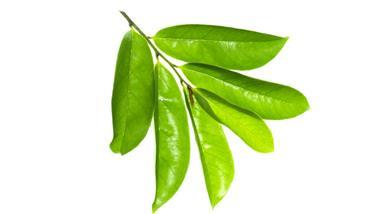
soursop leaves

Dr Mercola

Fact Checked

According to the World Health Organization (WHO), cancer is the second leading cause of death around the world, claiming 9.6 million lives in 2018.1 The prevalence of this disease has led to a rise in remedies with supposed cancer-fighting capabilities, with soursop tea being a perfect example.
Soursop is a tree native to the tropical region of the Americas. It is known for its fruit, which has white flesh and a taste described as a blend between mango and pineapple. Due to its enjoyable flavor, it’s used as an ingredient for custards, ice cream and drinks. Furthermore, the plant’s leaves have been touted as a potential alternative to cancer treatments, with soursop tea being one of its most popular derivatives. But do the claims of the public hold any truth?2

What Is Soursop Tea?

Soursop tea is a beverage made by brewing the leaves of the soursop tree. The plant can also be identified as guanabana3 and Brazilian paw paw.4 In the Philippines, it is commonly referred to as guyabano.5
Due to its long historical use and reputation as a supposed cancer-fighting food, it has gained popularity around the world. This hypothesis has piqued the interests of scientists aiming to discover if these claims are real or not.

13 Notable Health Benefits of Soursop Tea

Soursop leaves, the main ingredient in soursop tea, have been studied extensively by researchers around the world. Published scientific research shows the strong potential of this remedy, along with other interesting uses. Here are some potential benefits the plant can bring in the field of human health:
Lower the risk of cancer — Soursop’s apparent ability to fight cancer is a major factor in its popularity. The leaves contain acetogenins, which fight cancer cells while leaving healthy cells alone.6,7,8 The following medical journals provide an overview of the plant’s potential in lowering the risk of various types of cancers.
Colon Cancer
Asian Pacific Journal of Clinical Nutrition (2017) — Thirty patients with colorectal cancer who had undergone tumor surgery were given either a placebo or soursop leaf extract, and their serum was studied for cytotoxicity against colorectal cancer cell lines. Results showed that the soursop group had higher cytotoxicity in their cancer cells compared to the placebo group.9
PLOS One (2015) — In this study, researchers noted soursop leaves have potential in reducing the risk of colon cancer, thanks to a constituent called “annomuricin E.”10
Toxicology Letters (2008) — Acetogenins isolated in soursop have been found to help reduce colon crypts in rats by as much as 50 percent.11
Journal of Ethnopharmacology (2014) — Researchers discovered that soursop leaves induced apoptosis in colon cancer cells in an in vitro setting.12
Breast Cancer
Advances in Breast Cancer Research (2014) — A 66-year-old woman who started drinking soursop tea helped stabilize her breast cancer while undergoing chemotherapy.13
Journal of Ethnopharmacology (2011) — Annonacin derived from soursop induced apoptosis in estrogen receptor-alpha-related pathways of breast cancer cells in mice subjects.14
BMC Complementary and Alternative Medicine (2016) — Extracts from soursop leaves may be a potential candidate for breast cancer treatment because they were discovered to induce cytotoxicity toward breast cancer cell lines.15
Current Pharmaceutical Design (2016) — Leaf extracts of soursop exhibited cell inhibition activity in breast cancer cells by as much as 98 percent in a laboratory setting.16
Prostate Cancer
Carcinogenesis (2015) — Flavonoids and acetogenins found in soursop leaves provide a synergistic interaction that may inhibit tumor growth in prostate cancer cells.17
Phytochemistry (1998) — Results from this study show that two constituents in soursop leaves show significant cytotoxic properties against prostate (plus pancreatic) cancer cell lines.18
Lung Cancer
Journal of Natural Products (1995) — Acetogenins from soursop leaf extracts were found to be toxic against human lung tumor cell lines.19
Boost your antioxidant levels — Several studies indicate that antioxidants found in soursop leaves may help eliminate free radicals throughout your body.20,21 In one study published in 2007, soursop leaves had a maximum scavenging activity of 90.05 percent.22 In another, soursop leaves are shown to have cytoprotective properties against hydrogen peroxide-induced stress.23
Fight pathogenic microbes — A study published in 2016 notes that soursop leaf extracts were effective in fighting off various bacterial strains such as Streptococcus, Porphyromonas and Prevotella, as well as the yeast Candida.24 In a separate study, soursop helped inhibit the growth of Herpes simplex virus-1.
Manage inflammation — According to a study published in the Journal of Natural Remedies, soursop leaf extracts inhibited various inflammatory mediators.25 Two other studies show similar results.26,27
Manage diabetes — In a 2008 study, researchers determined that soursop leaf extracts have protective effects on serum lipid profile and oxidative stress for diabetic rats.28 Two other studies note that the leaves helped lower blood glucose concentrations in hyperglycemic or diabetic rats.29,30
Improve pancreatic health — A study published in the African Journal of Biomedical Research states that leaf aqueous extracts of soursop may enhance the production of antioxidants that can help promote pancreatic health.31
Eliminate insects — If you’re growing your own produce, extracts of soursop leaves may protect them from insects. In one 2006 study, the leaves were shown to be toxic against snails and brine shrimp.32 Annonacins of soursop have also been found to be effective against the Spodoptera littoralis (Egyptian cotton leafworm), Leptinotarsa decemlineata (Colorado potato beetle) and Myzus persicae (green peach aphid).33
Boost liver health — A mice study published in 2012 notes that soursop leaf extracts have bilirubin-lowering potential in jaundiced rats.34 Bilirubin is a yellow-orange substance produced by the liver as it breaks down red blood cells, which is excreted out of the body. If it is not expelled, it can cause jaundice.35
Manage mental health — Soursop leaf extracts may help lower stress, as shown in a rat study published in the Journal of Natural Remedies. Researchers found that soursop can inhibit the production of neurotransmitter stressors in the central nervous system.36 A different study notes that soursop may help manage depression as well.37
Improve wound healing — Topical application of soursop leaves may help accelerate wound healing, as noted in a rat study in the International Journal of Surgery (London, England).38
Manage blood pressure — Mice injected with soursop leaf extract had lowered blood pressure. Researchers observed that the soursop has hypotensive effects by blocking Ca(2+), or calcium ions that resulted in lowered blood pressure without affecting heart rates.39
Boost digestive health — Antioxidants of soursop leaves have been found to reduce gastric ulcers in rats, as well as preserve the gastric wall mucus.40
Boost immune system — A study published in 2016 shows that soursop leaves can help boost your immune system by triggering mitogen-activated protein kinase signaling pathways.41

How to Make Soursop Tea

One of the most popular methods of benefiting from soursop is by brewing the leaves as tea. It’s a fairly simple process and requires few ingredients. This recipe from the Times Caribbean will set you on the right path:42
Soursop Tea Recipe
Ingredients:
1 liter filtered water
15 soursop leaves, dried or fresh
1 soursop stem, cut into small pieces
1/2 teaspoon lime juice (optional)
mint leaves (optional)
A dab of raw honey (optional)
Procedure:
1.Boil the water in a pot, and place the leaves and stem in the pot.
2.Once the ingredients are placed in the pot, turn the heat to low and continue to boil for 30 minutes or until the water evaporates by half the amount.
3.Filter the tea and place in a teapot. You can drink up to 3 cups a day.
4.You can add either mint, lime or honey to help improve the taste.
Note: The Times Caribbean recommends drinking soursop tea 30 minutes before eating.

Soursop Tea Side Effects and Contraindications

While soursop tea may benefit your health in many ways, there are some caveats you should be aware of. The Memorial Sloan Kettering Cancer Center advises you to  the avoid soursop if you:43
Are taking blood pressure and diabetic medications — Soursop may increase the effects of these drugs.
Have liver or kidney disease — Repeated consumption of soursop may increase liver and kidney toxicity.
Undergoing nuclear imaging — Soursop may reduce tissue uptake of radiopharmaceuticals for people taking this test.
Have a low blood platelet count — Soursop may reduce platelet count further.
In addition, soursop may cause movement disorders and myeloneuropathy, which may imitate the symptoms of Parkinson’s disease.44 Examples include limb tremors, rigid muscles, loss of automatic movements and speech changes.45

Don’t Rely on Soursop Tea to Lower Your Cancer Risk

While the studies regarding soursop sound promising, it’s not wise to rely on it as your sole method for lowering your risk of cancer. The majority of the studies published were conducted on animals in a laboratory setting, necessitating more studies on humans to ascertain the true potential of this remedy.46
Don’t take this to mean that you should simply disregard soursop entirely; you can still add it to your regular diet to help boost your antioxidant profile and help support your overall well-being.

Frequently Asked Questions About Soursop Tea

Q: What is soursop leaf tea good for?
A: Studies show that soursop leaves have potential in lowering the risk of cancer, fighting bacteria, boosting your antioxidant profile and helping promote digestive health, among others.
Q: Does soursop tea help you lose weight?
A: Soursop tea historically has been used to aid in weight loss. However, there is not enough clinical evidence to substantiate this claim.47
Q: How do you drink soursop tea?
A: According to the Times Caribbean, you should drink soursop tea 30 minutes before eating a meal.48
Q: Is soursop tea good for high blood pressure?
A: Soursop tea may help lower blood pressure in humans, as the same effects were found in rats administered with soursop leaf extracts.49 However, you should not take soursop if you are taking blood pressure medications, as the soursop can increase the effects of the medications.
https://articles.mercola.com/teas/soursop-tea.aspx

Thursday, 3 October 2019

Graviola tree and paw paw treatments

Theory Behind How It Works

These products come from trees in the tropical areas of South and North America. Paw Paw is claimed to work by blocking ATP production and thus reduce the voltage of the cancer cell to the point it falls apart (apoptosis or programmed cell death). Because Paw Paw and graviola are cousins, it is assumed that they work utilized the same mechanism.  They are also claimed to build the immune system.
Scientists with the Tepic Institute of Technology (Instituto Tecnológico de Tepic – ITT) in Mexico discovered acetogenins, a compound in the fruit with incredible chemotherapeutic properties.
The researchers with ITT are studying soursop in an effort to find more anti-cancer foods that are readily available in Mexico due to the steadily rising cases of cancer among their population.
Team leader, Montalvo González, explained, “We focus on acetogenins compounds because in Mexico, cancer is a disease that is increasing among the population and scientific research shows that the compounds found in this fruit can encapsulate tumors, but this depends on the [ how much is] amount consumed.” (1)
In an assessment of Graviola, published in the December 2008 issue of the “Journal of Dietary Supplements” by U.S. researchers Lana Dvorkin-Camiel and Julia S. Whelan, multiple in-vitro studies determined that Graviola is effective against various microbial and parasitic agents. Graviola displayed specific effectiveness on parasites Leishmania braziliensis, Leishmania panamensis, Nippostrongylus braziliensis, Artemia salina and Trichomonas vaginalis, as well as against the Herpes simplex virus.
As it relates directly to cancer, cell and animal research demonstrates that Graviola may be an anti-cancer agent. However, no human clinical trials have been performed as of yet. According to the Memorial Sloan-Kettering Cancer Center, MSKCC, Graviola extract proved to be effective against liver cancer and breast cancer cells. Naturopath Leslie Taylor, author of “The Healing Power of Rainforest Herbs,” notes that studies show Graviola has an inhibitory effect on enzyme processes in some cancer cell membranes. Graviola only affected cancer cell membranes and not those of healthy cells. This research may lend support to the herb’s traditional use against cancer. (2)
Theory: This protocol claims to kill the microbes inside the cancer cells, they allow more of the glucose to be converted to pyruvate and thus more ATP energy is created inside the cancer cells.

Graviola Tree and Paw Paw Tree Theory

This is one of those treatments for cancer that is fairly new, meaning it has only recently found its way onto the internet. Nevertheless, there have been a lot of scientific studies on these two products. (3) At the current time most of the articles for Graviola and cancer come from a single source – the Health Sciences Institute (see the links below), though there are a growing number of independent articles.
Graviola is sometimes called “Brazilian Paw Paw,” which can cause some confusion. (4)
Paw Paw is reported to be  more powerful than graviola when treating cancer, (5, 6) if the quality of the processing is comparable. Graviola only has single ring compounds, while the Paw Paw's acetogenins have several double ring compounds (e.g. bullatacin) which makes Paw Paw much more powerful.
Paw Paw works (and this seems to apply to  graviola as well) by slowing down or stopping the production of ATP. This in turn lowers the voltage of the cell. For normal cells, there is plenty of ATP, thus lowering the level of ATP has no effect on the cell. However, with cancer cells, due to the way they create energy (by fermentation), ATP is far more critical. (5, 6)
When the ATP level, and the energy of the cell level, drops to a critical level the cell falls apart. The residual pieces of the dead cancer cell are called “lysing” and I assume are similar to other apoptosis (programmed cell death) killed cells. If that is the case, then part of the lysing is literally “eaten” by other cells (called: phagocytosis).

Technical Information

Graviola, like its cousin Paw Paw, is claimed to greatly enhance the effectiveness of another alternative cancer treatment – Protocel. However, generally it is recommended that Protocel not be taken with graviola or Paw Paw.
Paw Paw has been reported to kill multiple-drug resistant (MDR) cells, which can result from someone taking chemotherapy.
Paw Paw gravitates towards cells that use a lot of energy and then cuts off their energy supply. Since cancer cells use 10-17 times as much energy as a normal cell, Paw Paw it is theorized to act on cancer cells.


https://www.cancertutor.com/graviola/

Soursop (Graviola): Could this Superfood Prevent Cancer?

Soursop (Annona muricata) may have a funny name, but it has amazing health benefits! 


March 27, 2019


[Editor’s note] This post was originally published in February 2015. It has been updated and republished in March 2019.

This tropical fruit is also known as graviola or guanabana. The outside has a spiny, green texture and the tangy sweet flesh is used in beverages, candy, and ice cream in Central and South American cuisine.
Soursop is abundant in folate, niacin, thiamin, vitamin C, calcium, magnesium, potassium, and fiber. This tasty fruit is used in holistic medicine to treat an upset stomach, coughs, asthmatic symptoms, skin conditions, gout, fever and as a mild, natural sedative.
Soursop is naturally…
  •  Antiviral
  •  Anti-inflammatory
  •  Anti-parasitic
  •  Anti-microbial

Can Soursop Prevent Cancer?

Until recently, most of the analyses on the antioxidant rich soursop have scrutinized the roots, leaves, and seeds. According to the reports of current research, the humble, fresh fruit of the soursop has risen to a new level of importance; it has anti-cancer benefits!
In a South Korean study, Graviola was shown to be up to 10,000 times more effective than chemotherapy at stopping the spread of cancerous cells. Another study, published in the Journal of Medicinal Chemistry, found that soursop can even be effective against tumors that are resistant to chemotherapy or other drug combinations.
It is also known as custard apple, guyabano, or paw paw and has tons of vitamin C. It is high in antioxidants, B vitamins, calcium, and phosphorous. Soursop is antimicrobial and anti-inflammatory, which is invaluable to the body’s healing processes. Additionally, it demonstrates anti-cancer properties. In a 2015 study published in Universa Medicina, the leaves, fruit, and seeds of this plant were shown to inhibit the proliferation of breast cancer cells.
A 2010 study found that extracts from the fruit demonstrate antiangiogenic properties. Angiogenisis is the process of developing new blood vessels, which cancerous tumors use to grow.
Scientists with the Tepic Institute of Technology (Instituto Tecnológico de Tepic – ITT) in Mexico discovered acetogenins, a compound in the fruit with  incredible chemotherapeutic properties.
The researchers with ITT are studying soursop in an effort to find more anti-cancer foods that are readily available in Mexico due to the steadily rising cases of cancer among their population.
Team leader, Montalvo González, explained,
The research seeks to add value to the fruit so the least of it is wasted. We focus on acetogenins compounds because in Mexico, cancer is a disease that is increasing among the population and scientific research shows that the compounds found in this fruit can encapsulate tumors, but this depends on the amount consumed.”
In other words, they are searching for foods that prevent cancer and taste good so more people will eat them. Unprocessed soursop pulp can be frozen up to a year without deterioration in the acetogenin content.
Ice cream produced from the pulp showed the same high concentrations of acetogenins, but ITT researchers need to determine at what point anti-cancer properties are compromised during the manufacturing process of mass food products and the addition of sugar.
They hope to stimulate the production of juice, ice cream, yogurt, and other foods that the local people will enjoy while they (perhaps unknowingly) prevent or fight the growth of cancer cells.
Using soursop to prevent cancer by including it in staple foods is both innovative and beneficial to the health of the people and the economy of Mexico.
This fruit is not new. In fact, a 1997 study published in the Journal of Medicinal Chemistry found that soursop was more than 200 times as effective as chemotherapy when tested on breast cancer cells!

Serving Suggestions for Soursop

Most of the recipes that include soursop are in the form of teas and soups. Here is a traditional Caribbean preparation of soursop.

Chilled Soursop Drink

Ingredients:
  • 1 ripe soursop (guanabana) or 14 ounces frozen soursop pulp
  • Optional: 1 can sweetened condensed milk (traditionally sweetened this way, omit and sweeten with coconut sugar or honey to taste)
  • 1 teaspoon grated nutmeg
  • 2 tablespoons fresh lime juice
  • 1 tablespoon vanilla extract
  • 3 cups water
Directions:
  1. Peel soursop by hand; put flesh in large mixing bowl, and remove all seeds. If using frozen soursop pulp then add to blender.
  2. Put fruit into blender, add 2 cups of water, and puree
  3. Strain fruit fibers if you prefer it without pulp
  4. Add remaining water, sweetened condensed milk (or coconut sugar), nutmeg, lime juice, and vanilla
  5. Blend until smooth
Serves two, chilled with or without ice. The result is delicious, healthy, and refreshing.

Why Haven’t You Heard of Soursop to Prevent Cancer?

As always seems to be the case, cancer organizations briefly discuss natural remedies and then dismiss the evidence as “inconclusive,” or state that the study was “too small.”
When incredible discoveries are made about natural remedies, it is a bit strange that multiple universities and cancer research centers do not immediately launch larger studies.
Patients suffering with end-stage cancer would likely appreciate the opportunity to be included in a trial to fight their cancer naturally if their toxic chemical treatment has failed. Getting the information to the world about natural cancer therapy alternatives is important!
Clearly, pharmaceutical companies, food manufacturers and cancer organizations aren’t going to step up and tell you what scientists all over the world are finding in foods provided by nature.