CORONAVIRUS fears continue to intensify against a backdrop of rising cases, school closures and cancelled flights in the UK. While there is currently no vaccination in sight, it is important to keep your immune system in fighting form. To that end, here are five supplements proven to boost your immune system.
Coronavirus cases in the UK rose to 39 yesterday, as the government outlined measures to minimise the threat to citizens, which included possible school closures, cancelling events and bringing NHS staff out of retirement. The uncertainty surrounding when there will be a vaccine understandably has people rattled, but the pattern of the virus does shed light on the nature of the threat. The most serious cases show that a weakened immune system leaves you highly susceptible to developing the respiratory infection so it is important to keep your immune system as defensive as possible.
One simple yet effective way to enhance your immune system is to take certain supplements, and, while this does not guarantee protection against the pathogen, it will at least ensure the virus comes into contact with a robust defence system.
Georgie Murphy, MSc Nutrition ANutr at nutritional website Vitl.com, recommends the following five supplements to optimise your immune system:
Vitamin C
According to Murphy, vitamin C is possibly the best thing you can consume if you’re looking to give your immune system a big boost.
She explained: “Vitamin C helps stimulate the production of white blood cells (also known as leukocytes).
“These are cells from your immune system that help to fight infectious disease and foreign invaders.
Best supplements: Vitamin C helps stimulate the production of white blood cells (Image: Getty Images )
Murphy continued: “It’s a vital vitamin needed for repairing and growing tissue; it helps heal wounds, maintain healthy bones and acts as an antioxidant, fighting free radicals that can weaken the immune system.”
To top it up, consume foods rich in the nutrient, such as oranges, kiwifruit, brussels sprouts and potatoes on a daily basis, she said.
Zinc
“Zinc is an immunity superhero that is often overlooked when it comes to fighting colds,” explained Murphy.
She added: “It works synergistically with vitamin C, which is why we combine these nutrients in our personalised formulations if your immune system needs an extra helping hand. Studies have shown that zinc may help to reduce the duration of colds by up to 50 percent.”
Zinc can be found in a number of supplements.
Vitamin E
Similarly to vitamin C, vitamin E acts as an antioxidant that assists in fighting off infection, notes Murphy.
The vitamin can be found in numerous supplements and certain foods, such as almonds, peanuts, sunflower seeds and spinach.
Beta-Glucans
As Murphy explains, mushrooms have been touted as traditional medicine in Asia for thousands of years due to their well-known immune-boosting powers.
“As well as having antibacterial and antiviral properties, mushrooms also contain beta-glucans. Beta-glucans make up the mushroom cell walls and stimulate the immune system,” she said.
Best supplements: Mushrooms contain beta-glucans that stimulate the immune system (Image: Getty Images)
Vitamin D
Most people struggle to get enough vitamin D in the winter months, which is a problem for people’s immune systems as vitamin D stimulates the production of antimicrobial proteins, which the body relies on to fight off infection, explained Murphy.
She continues: “The reason this vitamin is so important is because it has receptors that activate enzymes on the surfaces of our white blood cells.”
As Murphy warns, not getting enough vitamin D can also lead to autoimmune diseases or repeated infection.
How to get enough vitamin D
Between October and early March people don't get enough vitamin D from sunlight so the vitamin can be found in supplements and a number of foods, including:
Oily fish – such as salmon, sardines, herring and mackerel
Red meat
Liver
Egg yolks
Fortified foods – such as most fat spreads and some breakfast cereals
Best supplements: Vitamin E acts as an antioxidant that assists in fighting off infection (Image: Getty Images)
Iron
Iron is an essential mineral that helps to transport oxygen throughout the body that is fundamental to the growth of B cells and T cells that are a major cellular components of the adaptive immune response, explained Murphy.
Consequently, low iron levels affect the body’s capacity to adequately protect the body from viruses, bacteria and other pathogens, she said.
How can you top up iron?
“You can take iron supplements if you feel you do not eat enough foods rich in the nutrient, such as tofu, beans, lentils, baked potatoes or fortified cereals,” advised Murphy.
What are the symptoms of the coronavirus?
According to the NHS, the symptoms of coronavirus are:
Last month in Health Watch, we revealedthe five most nutrient-dense greens. But that’s only half the story… Researchers at William Paterson University also looked at the nutrient density and bioavailability of fruits. The study reveals that fruits—based on their scoring system—aren’t as potent as vegetables…but that’s no reason to skip them. You just have to know which ones are the best. And just like last time, the results may surprise you… INH Research
Here are the top five most nutrient-dense fruits:
5. Strawberries: They’re a sweet snack that also helps protect your heart. Strawberries may help you lower LDL cholesterol. Their fiber content could start fighting heart disease in 30 days. And researchers in this study didn’t even take their phytochemical content into account.1 This includes powerful compounds—like anthocyanin—that can help lower blood pressure and prevent free radical damage.
4. Lemons: Don’t overlook this tart fruit. Lemons are a great way to add extra vitamin C to the foods you eat. Fresh lemon juice on a salad or in your water adds flavor and antioxidant power. But lemons also pack limonoids—potent anti-cancer compounds—in their peels.2 Adding the zest to your veggies or fish is a great way to get natural limonoids into your diet—and help keep cancer at bay.
2. Pumpkins: Pumpkins are actually a nutritional powerhouse. Their seeds are an excellent source of zinc. It’s a vital nutrient that you’ll need for healthy aging. They may even help you keep blood sugar levels in check. Pumpkins are also rich in beta and alpha-carotene. These carotenoids may help you preserve eyesight. They may also help fight the signs of aging caused by oxidative damage. You can find raw—or roasted—organic pumpkin seeds online and in most health stores year-round.
1. Red Peppers: These ranked higher than any other fruit. And not just because they’re high in vitamin C—they have more than an orange. Red peppers are also high in heart-healthy lycopene. Eating them may even help prevent Parkinson’s disease. These peppers contain small amounts of natural nicotine. Research shows that getting nicotine from peppers twice a week may help lower your risk for developing Parkinson’s by around 30%.3
The results are surprising… After all, some of the most popular fruits—like apples, bananas, and oranges—didn’t make the list. But remember: These rankings come from both how much nutrition is in each serving…and how easily your body absorbs it.
It doesn’t mean you shouldn’t skip other fruits—like tart berries and pineapples—altogether. But consider swapping them out for some raw, organic red pepper slices a few times a week to get the most nutrition out of your fruits. Like this Article? Forward this article here or Share on Facebook.
Pioneering Eye Surgeon Sees Hope for Treating Macular Degeneration with Natural Hormones
LIFE EXTENSION MAGAZINE
December 2008
By Debora Yost
Plant caroteinoids such as lutein and zeaxanthin were long ago shown to help prevent macular degeneration. But is there more that can be done to protect against this epidemic of blindness?
George W. Rozakis, MD is a Cornell-trained biomedical engineer specializing in laser eye surgery and lens implants. A pioneer in the field of LASIK surgery,1 Dr. Rozakis is now vigorously involved in anti-aging medical research.
Dr. Rozakis is focusing on a potential breakthrough in treating macular degeneration, a condition that gradually destroys central vision. Also called age-related macular degeneration, it is the leading cause of blindness in people aged 65 and older.
Dr. Rozakis believes that restoring the correct balance of natural hormones that decline with age can retard and possibly even reverse the progression of macular degeneration. To investigate this hypothesis, he is setting up a long-term study and is currently seeking subjects to participate in the trial.
Hormones and Your Vision
The hormonal link with macular degeneration began to evolve when Dr. Rozakis met another medical pioneer, Sergey A. Dzugan, MD, PhD, during a conference in Chicago four years ago. Dr. Dzugan is a cardiovascular surgeon and internationally known expert in anti-aging and hormonal medicine.
“Dr. Dzugan has done numerous studies2-4 and written numerous articles on the association between low hormone levels and multiple disease states, including the problem of atherosclerosis and cholesterol elevation,” says Dr. Rozakis. “As an ophthalmologist I was impressed by the evidence that restoring and optimizing levels of key hormones improve brain function, largely because the retina is part of the brain. For example, there is very impressive literature that testosterone slows down the progression of Alzheimer’s disease.5 Pregnenolone is extremely important for the brain and nervous system, as are progesterone and estrogens. Women whose progesterone levels drop develop negative personality changes.6 In animal models, pregnenolone and DHEA have been shown to profoundly stimulate the healing of neurologic injury.7-9 Women who enter into menopause at a young age develop macular degeneration, presumably because of the absence of estrogens.10,11 Blocking estrogens with the anti-cancer drug tamoxifen is harmful to the retina.12 This leads us to wonder if optimal hormonal health also positively impacts ocular health.”
“When an article appeared in the American Journal of Ophthalmology indicating that DHEA, or dehydroepiandrosterone, is exceptionally low in macular degeneration patients,13 I was shocked and excited,” says Dr. Rozakis. This finding provided a major clue that hormonal imbalance was part of the problem of macular degeneration.
“DHEA is like the Grand Central Station of hormone chemistry,” says Dr. Rozakis. “When DHEA levels drop, it strongly implies that levels of other hormones such as pregnenolone, estrogens, and testosterone are out of balance or suboptimal.” All of these hormones make the body thrive—they give us virility, fertility, and help us act and react quicker. Since the retina contains hormone receptors, hormones must be part of the biophysiology of vision itself.
An eye affected by wet age-related macular degeneration. Details of the back of the retina are shown at upper right.
At left are the photoreceptors (red and brown) with the blood vessels that supply the eye behind them in the choroid layer. In wet, or neovascular, macular degeneration, weakened blood vessel formation in the back of the eye can lead to bleeding, which prevents light from reaching the back of the eye. This causes a central spot in the vision as well as distortion, and often leads to blindness.
THE ANATOMY OF MACULAR DEGENERATION
Macular degeneration, or age-related macular degeneration, is characterized by loss of the sharp, central vision you need to read, drive a car, or watch a movie. Peripheral vision—sight out of the corner of the eye—is not affected.
The macula is located near the center of the retina. The retina, a thin layer of cells that resides in the back of the eyeball, contains millions of photoreceptors that capture light and sends signals via the optic nerve to the brain where they are converted into the images that you perceive.
Age-related macular degeneration occurs when drusen, tiny yellow particles that consist largely of cholesterol, begin to accumulate behind the eye and damage the photoreceptors, causing degradation of vision. This is known as dry macular degeneration and is the most common form of the disease. Though the disease usually progresses slowly, there is no known cure.
Approximately 10% of people with age-related macular degeneration have the wet form of the condition. It is characterized by the growth of abnormal retinal blood vessels that leak, which can cause rapid and irreversible loss of vision.
Dry macular degeneration does not always lead to wet macular degeneration, but wet macular degeneration starts off as the dry form. According to the National Eye Institute, risk factors include smoking, poor diet, lack of exercise, high blood pressure, and overweight or obesity.
Cardiovascular Link
Low DHEA levels in macular degeneration could also explain its association with heart disease, as it is known that macular degeneration is an independent risk factor for stroke and coronary artery disease. In a study conducted by Australian scientists,14 macular degeneration predicted a five-fold higher risk of cardiovascular mortality and a 10-fold higher risk of stroke mortality. After controlling for traditional cardiovascular risk factors, age-related macular degeneration predicted a doubling of cardiovascular mortality. Since hormone deficiency has been linked with both heart disease and eye disorders,13,15 it is a prime suspect that links the heart to the eye.
Further examination of the literature reveals a major review article from Italy that explains the importance of hormones to the retina.16 In this article, it is shown that the retina is able to attempt to make its own hormones, just like the brain. “The article also indicates that many of the hormones we use in anti-aging programs have a role in the retina, such as pregnenolone, DHEA, testosterone, estrogens, and progesterone. Few ophthalmologists and optometrists are aware of this relationship. This was the smoking gun that led to our hypothesis,” Dr. Rozakis notes.
Macular Degeneration and Cholesterol
A good theory needs to connect all the dots. Dr. Rozakis explains that one challenge in shaping his theory was explaining the presence of “drusen” or spots that appear in the retina in patients with macular degeneration. Many consider these spots to be “degradation products.”
Recently, Goldis Malek, PhD, and others17-19 found that cholesterol was present in those spots. This led some people to think that cholesterol-lowering agents, such as statins, might help macular degeneration—but they do not. In fact, there is concern that statins actually increase the risk of dry macular degeneration advancing to the neovascular form of the disease, whereby tiny blood vessels in the eye begin to bleed.20
Dr. Rozakis notes, “To Dr. Dzugan and me, the presence of cholesterol in the macula was the key piece of data that integrated everything. The presence of cholesterol in the macula suggests that the retina is trying to make hormones—but that it can’t. So, the body’s accumulation of cholesterol and drusen worsen.” He continues, “The macula can’t get the hormones it needs from the blood because there aren’t much there. As a result, if the macula is having trouble converting cholesterol into hormones, drusen form, and this results in the drusen we see in macular degeneration. Why the macula stops making hormones is unknown, but it is associated with aging. We can speculate that it happens because the enzymes which do the conversion decrease or are down-regulated with aging.”
“This same ‘story’ of cholesterol and hormones plays itself out in the body as a whole,” says Dr. Rozakis. “We do know that the adrenal gland, which produces DHEA, loses the ability to manufacture hormones as we age. As Dr. Dzugan published, this hormonal decline stimulates the liver to produce more cholesterol in an attempt to create more hormones.3 This is why restoring hormones to their normal levels causes the liver to produce less cholesterol. That same paradigm may be happening in the macula. This is the basis of our hypothesis. The goal therefore must be to provide the retina the hormones it needs through supplementation.”
WHAT YOU NEED TO KNOW: PREVENTING MACULAR DEGENERATION—A NEW THEORY
Macular degeneration is the leading cause of age-related vision loss in adults aged 65 and older. The condition is characterized by the accumulation of cholesterol-containing lesions called drusen in the eye’s retina.
Since hormones are known to benefit brain health, scientists wondered if they might likewise benefit the retina, which has an embryologic association with the brain.
The macular requires hormones to function, and is able to make its own hormones. Recent studies have shown that individuals with macular degeneration tend to have low blood levels of the hormone dehydroepiandro-sterone (DHEA) as well as a higher risk of cardiovascular mortality.
These observations led Dr. George Rozakis and Dr. Sergey Dzugan to propose “The Hormonal Theory of Macular Degeneration.” This theory hypothesizes that low blood hormone levels cause the retinal macula to accumulate cholesterol in an attempt to produce its own hormones. The macula’s accumulation of cholesterol may lead to the production of pathological drusen and subsequent macular degeneration.
Drs. Rozakis and Dzugan are conducting a clinical study to determine if restoring optimal hormone balance while providing nutrients that support eye health can prevent or reverse the progression of macular degeneration.
If you would like to inquire about the study, please call Dr. Rozakis’ office at 440-777-2667.
Reviewing the Evidence
There is already evidence to support the notion that DHEA protects the eyes against oxidative damage21 and that the hormone pregnenolone improves electrical activity in the retina, as measured by the electroretinogram (ERG).22,23 There is also evidence to support the use of melatonin in the treatment of macular degeneration.24,25
The theory that optimizing hormones may help promote macular health is based on these scientific facts:
The macula, which is located in the center of the retina, uses hormones to function.16
The normal macula has the unique ability to make its own hormones.26
The bloodstream of patients with macular degeneration is deficient in hormones.11,13
Drusen—the tiny yellow abnormalities that appear behind the macula in individuals with macular degeneration—contain cholesterol.17-19
Age-related macular degeneration is related to cardiovascular mortality.14
Dr. Rozakis speculates that the solution for treating macular degeneration is to measure and restore age-depleted hormones to optimal levels so that the macula can absorb the hormones it needs from the blood. “Hopefully restoring hormones to their normal levels in the bloodstream will cause the macula to stop absorbing cholesterol and, as a result, drusen formation will hopefully decline,” says Dr. Rozakis. “We certainly need a better understanding of the pathophysiology of this blinding disease.”27
ARE YOU A CANDIDATE FOR THE MACULAR DEGENERATION STUDY?
Macular degeneration is diagnosed as either dry (non-neovascular) or wet (neovascular). Neovascular macular degeneration is characterized by the growth of new blood vessels in the macula where they are not supposed to be. The dry form is more common than the wet form, with about 85-90% of macular degeneration patients diagnosed with dry macular degeneration. The wet form of the disease usually leads to more serious vision loss.
If you have been diagnosed with dry macular degeneration or have a family history of this disease, you may be a candidate for Dr. Rozakis’ study. The ideal participant is someone with the dry form of macular degeneration, which is characterized by the accumulation of drusen behind the retina, and who still has useful vision (20/80 vision or better, using corrective lenses as needed). Dr. Rozakis says, however, that there are exceptions to this rule.
The study involves taking bioidentical hormones—meaning natural hormones such as progesterone, rather than synthetic hormones such as progestin—and a regimen of vitamins that have been found to be beneficial to slowing the progress of age-related macular degeneration. Blood work and a detailed baseline ophthalmology evaluation will be required. The data that will be generated will be compared with other data that already exist on the progression of the disease.
The purpose of the study is to measure the progression of the disease. Progress will be measured against currently known standards and the average rate at which the dry form of the disease converts to the wet form. If the program is successful, there should be slower progression, or even reversal, of age-related macular degeneration, and less conversion from the dry to wet form of the disease.
Dr. Dzugan will be assisting in this clinical study. Individuals who would like to inquire about the study should call Dr. Rozakis’ office at 440-777-2667.
A Higher Level of Natural Treatment
Dr. Rozakis sees hormone restoration as a strategy to improve on existing studies showing that certain nutrients can reduce the progression of age-related macular degeneration. The long-term Age-Related Eye Disease Study (AREDS), conducted by the National Eye Institute, found that supplementing the anti-oxidants beta-carotene, vitamin C, vitamin E, and the mineral zinc reduced the risk of developing advanced states of macular degeneration in more than 4,700 high-risk patients aged 55 to 80 who were enrolled in the study.28
The specific amounts of nutrients used by the study researchers were:
500 mg of vitamin C
400 IU of vitamin E
15 mg of beta-carotene
80 mg of zinc
2 mg of copper.
The copper, administered as cupric oxide, was included in the formula to prevent copper-deficiency anemia, which is associated with high zinc intake.
As a result of the AREDS trial, many ophthalmologists are recommending supplements containing the study’s recommended dosages for patients with or at a high risk for age-related macular degeneration.
Dr. Rozakis is currently developing his own study to test his theory concerning the relationship between low levels of DHEA and macular degeneration. “Our study is going to focus on overall hormonal balance and will include the supplements used in the AREDS study as well,” says Dr. Rozakis. “Our goal is to do everything we can to stop macular degeneration. The fact that hormones are much more powerful than vitamins holds hope that the results will be significant.”
If you have any questions on the scientific content of this article, please contact a Life Extension Health Advisor at 1-800-226-2370.
Article review by Richard P. Kratz, MD, DSci Life Extension Scientific Advisory Board Member
Tragically, the leading cause of age-related visual loss is macular degeneration which remains largely untreatable. By the age of 65, nearly one-third of adults or 20-25 million Americans will have experienced some decrease in their ability to read, drive, or see fine details. At present, the cause of age-related macular degeneration is unknown. The disorder is characterized by the development of small yellow spots in the retina called drusen. Theories to explain the occurrence of drusen include accumulation of cellular waste products, age-related reduction of blood flow, inflammation, nutrient deficiency, cigarette smoking, and high fat intake. New strategies for the prevention and management of macular degeneration are sorely needed.
The past decade has seen an explosion of interest in managing wellness by restoring hormones. Unfortunately, progress in this arena has been complicated by the use of non-bioidentical, pharmaceutical hormones such as Premarin® (horse urine estrogen). The scientific literature contains many studies examining the use of single hormones, which further confuses the issues at hand. Studies that focus on the balance of all hormones are greatly needed. For example, a study to determine the value of estrogen therapy alone in managing a particular disorder is insufficient, as an estrogen deficiency must be looked at in the context of progesterone levels and other adjacent hormones in the biological hormonal cascades.
Today, innovative clinicians are increasingly using bioidentical hormones in their practice. These are true hormones that are identical to those naturally produced by the body, which often become depleted due to the aging process. Examples of these bioidentical hormones include pregnenolone, dehydroepiandro-sterone (DHEA), estriol, estradiol, estrone, progesterone, testosterone, dihydrotestosterone, and cortisol.
George W. Rozakis, MD, has been a student of hormonal medicine for a number of years, thanks to his association with Sergey A. Dzugan, MD, PhD, one of the leading experts in hormonal medicine. Dr. Rozakis has proposed a new theory for one of the leading causes of blindness, which he titles “The Hormonal Theory of Macular Degeneration.” The prime mover for this idea is the embryologic association between the retina and the brain. Since hormones are known to benefit the brain, Dr. Rozakis theorizes whether hormones also benefit the macula. When recent scientific literature showed that blood DHEA levels are low in patients with macular degeneration, that the macula can make its own hormones, and that cholesterol is present in the pathological lesions known as drusen, the stage was set for Dr. Rozakis’ theory.
LEADING THE FIELD OF VISION-SAVING TECHNOLOGY
When it comes to eye health and vision-saving technology, Dr Rozakis is at the forefront as a visionary, an inventor, and a pioneer. In 1989, he was one of the first surgeons in the world to perform LASIK refractive eye surgery, and he went on to advance the technique by developing and refining his own patented laser system incorporating LASIK surgery.1 Now used worldwide, the technique is often called a modern medical miracle that eliminates the need for eyeglasses.
Seeing that LASIK is not the solution for all refractive lens problems, the 53-year-old graduate of Cornell Medical College and the Duke Eye Center has now pioneered next-generation technology that will likely make LASIK obsolete: a very thin lens that can be permanently implanted into the eye and which, unlike LASIK, can be reversed.
Dr. Rozakis postulates that cholesterol-containing drusen are the retina’s failed last-ditch attempt to make needed hormones, including DHEA, from cholesterol. Such a failed attempt leads to the findings we see in the retina, namely the small yellow spots called drusen.
If Dr. Rozakis is correct, restoring normal hormone levels should help to prevent macular degeneration and might even improve early-stage macular degeneration. This is a novel idea, which he intends to test in clinical trials. His theory is in keeping with the modern trend of measuring hormone levels and then administering hormone replacement to re-establish hormonal balance and restore health.
Careful clinical trials will be required to evaluate Dr. Rozakis’ hormonal theory of macular degeneration.
References
1. Available at: http://patft.uspto.gov/netacgi/nph-Parser? u=%2Fnetahtml%2Fsrchnum.htm&Sect1=PTO1&Sect2=HITOFF&p=1&r=1&l=50&f=G&d=PALL&s1=5843070.
PN.&OS=PN/5843070&RS=PN/5843070. Accessed September 16, 2008.
2. Dzugan SA, Smith RA. Broad spectrum restoration in natural steroid hormones as possible treatment for hypercholesterolemia. Bull Urg Rec Med. 2002;3:278-84.
3. Dzugan SA, Arnold SR. Hypercholesterolemia treatment: a new hypothesis or just an accident? Med Hypotheses. 2002 Dec;59(6):751-6.
4. Dzugan SA, Smith RA. Kuznetsov AS. A new statin free method of hypercholesterolemia. The Health of Donbass. 2004;4:19-25.
5. Driscoll I, Resnick SM. Testosterone and cognition in normal aging and Alzheimer’s disease: an update. Curr Alzheimer Res. 2007 Feb;4(1):33-45.
6. Andreen L, Sundstrom-Poromaa I, Bixo M, Nyberg S, Backstrom T. Allopregnanolone concentration and mood--a bimodal association in postmenopausal women treated with oral progesterone. Psychopharmacology (Berl). 2006 Aug;187(2):209-21.
7. Li H, Klein G, Sun P, Buchan AM. Dehydroepiandrosterone (DHEA) reduces neuronal injury in a rat model of global cerebral ischemia. Brain Res. 2001 Jan 12;888(2):263-6.
8. Bucolo C, Drago F. Effects of neurosteroids on ischemia-reperfusion injury in the rat retina: role of sigma1 recognition sites. Eur J Pharmacol. 2004 Sep 13;498(1-3):111-4.
9. Guth L, Zhang Z, Roberts E. Key role for pregnenolone in combination therapy that promotes recovery after spinal cord injury. Proc Natl Acad Sci USA. 1994 Dec 6;91(25):12308-12.
10. Boekhoorn SS, Vingerling JR, Uitterlinden AG, et al. Estrogen receptor alpha gene polymorphisms associated with incident aging macula disorder. Invest Ophthalmol Vis Sci. 2007 Mar;48(3):1012-7.
11. Smith W, Mitchell P, Wang JJ. Gender, oestrogen, hormone replacement and age-related macular degeneration: results from the Blue Mountains Eye Study. Aust N Z J Ophthalmol. 1997 May;25 Suppl 1:S13-5.
12. Vinding T, Nielsen NV. Retinopathy caused by treatment with tamoxifen in low dosage. Acta Ophthalmol (Copenh). 1983 Feb;61(1):45-50.
13. Tamer C, Oksuz H, Sogut S. Serum dehydroepiandrosterone sulphate level in age-related macular degeneration. Am J Ophthalmol. 2007 Feb;143(2):212-6.
14. Tan JS, Wang JJ, Liew G, Rochtchina E, Mitchell P. Age-related macular degeneration and mortality from cardiovascular disease or stroke. Br J Ophthalmol. 2008 Apr;92(4):509-12.
15. Thijs L, Fagard R, Forette F, Nawrot T, Staessen JA. Are low dehydroepiandrosterone sulphate levels predictive for cardiovascular diseases? A review of prospective and retrospective studies. Acta Cardiol. 2003 Oct;58(5):403-10.
16. Guarneri P, Cascio C, Russo D, et al. Neurosteroids in the retina: neurodegenerative and neuroprotective agents in retinal degeneration. Ann NY Acad Sci. 2003 Dec;1007:117-28.
17. Malek G, Li CM, Guidry C, Medeiros NE, Curcio CA. Apolipoprotein B in cholesterol-containing drusen and basal deposits of human eyes with age-related maculopathy. Am J Pathol. 2003 Feb;162(2):413-25.
18. Li CM, Clark ME, Rudolf M, Curcio CA. Distribution and composition of esterified and unesterified cholesterol in extra-macular drusen. Exp Eye Res. 2007 Aug;85(2):192-201.
19. Curcio CA, Presley JB, Millican CL, Medeiros NE. Basal deposits and drusen in eyes with age-related maculopathy: evidence for solid lipid particles. Exp Eye Res. 2005 Jun;80(6):761-5.
20. Available at: http://www.medscape.com/viewarticle/573810?src=rss. Accessed September 16, 2008.
21. Bucolo C, Drago F, Lin LR, Reddy VN. Neuroactive steroids protect retinal pigment epithelium against oxidative stress. Neuroreport. 2005 Aug 1;16(11):1203-7.
22. Jaliffa CO, Howard S, Hoijman E, et al. Effect of neurosteroids on the retinal gabaergic system and electroretinographic activity in the golden hamster. J Neurochem. 2005 Sep;94(6):1666-75.
23. Binns AM, Margrain TH. Evaluating retinal function in age-related maculopathy with the ERG photostress test. Invest Ophthalmol Vis Sci. 2007 Jun;48(6):2806-13.
24. Lundmark PO, Pandi-Perumal SR, Srinivasan V, Cardinali DP. Role of melatonin in the eye and ocular dysfunctions. Vis Neurosci. 2006 Nov;23(6):853-62.
25. Yi C, Pan X, Yan H, Guo M, Pierpaoli W. Effects of melatonin in age-related macular degeneration. Ann NY Acad Sci. 2005 Dec;1057:384-92.
26. Guarneri P, Guarneri R, Cascio C, Pavasant P, Piccoli F, Papadopoulos V. Neurosteroidogenesis in rat retinas. J Neurochem. 1994 Jul;63(1):86-96.
27. Zarbin MA. Current concepts in the pathogenesis of age-related macular degeneration. Arch Ophthalmol. 2004 Apr;122(4):598-614.
28. Schutt F, Pauleikhoff D, Holz FG. Vitamins and trace elements in age-related macular degeneration. Current recommendations, based on the results of the AREDS study. Ophthalmologe. 2002 Apr;99(4):301-3
Conventional health authorities claim getting a flu shot each year is the best way to ward off influenza. But where’s the actual science backing up that claim?
If you’ve repeatedly fallen for this annual propaganda campaign, you may be surprised to find the medical literature suggests vitamin D may actually be a FAR more effective strategy, and the evidence for this goes back at least a decade.
Dr. John Cannell, founder of the Vitamin D Council, was one of the first to introduce the idea that vitamin D deficiency may actually be an underlying CAUSE of influenza.
His hypothesis [1] was initially published in the journal Epidemiology and Infection in 2006. [2] It was subsequently followed up with another study published in the Virology Journal in 2008. [3]
The following year, the largest nationally representative study [4] of its kind to date discovered that people with the lowest vitamin D levels indeed reported having significantly more colds or cases of the flu. In conclusion, lead author Dr. Adit Ginde stated:
“The findings of our study support an important role for vitamin D in prevention of common respiratory infections, such as colds and the flu. Individuals with common lung diseases, such as asthma or emphysema, may be particularly susceptible to respiratory infections from vitamin D deficiency.”
Vitamin D Works Better Than Flu Vaccine If Your Levels Are Low
Since then, a number of studies have come to similar conclusions. Most recently, a scientific review [5,6] of 25 randomized controlled trials confirmed that vitamin D supplementation boosts immunity and cuts rates of cold and flu.
Overall, the studies included nearly 11,000 individuals from more than a dozen countries. As reported by Time Magazine: [7]
“… [P]eople who took daily or weekly vitamin D supplements were less likely to report acute respiratory infections, like influenza or the common cold, than those who did not …
For people with the most significant vitamin D deficiencies (blood levels below 10 [ng/mL]), taking a supplement cut their risk of respiratory infection in half.
People with higher vitamin D levels also saw a small reduction in risk: about 10 percent, which is about equal to the protective effect of the injectable flu vaccine, the researchers say.”
Like Cannell before them, the researchers believe vitamin D offers protection by increasing antimicrobial peptides in your lungs, and that “[t]his may be one reason why colds and flus are most common in the winter, when sunlight exposure (and therefore the body’s natural vitamin D production) is at its lowest …” [8]
According to this international research team, vitamin D supplementation could prevent more than 3.25 million cases of cold and flu each year in the U.K. alone. [9] Another statistic showing vitamin D is a more effective strategy than flu vaccine is the “number needed to treat” (NNT).
Overall, one person would be spared from influenza for every 33 people taking a vitamin D supplement (NNT = 33), whereas 40 people have to receive the flu vaccine in order to prevent one case of the flu (NNT = 40).
Among those with severe vitamin D deficiency at baseline, the NNT was 4. In other words, if you’re vitamin D deficient to begin with, vitamin D supplementation is 10 times more effective than the flu vaccine.
Optimizing Vitamin D May Be Your Best Defense Against Influenza
In my view, optimizing your vitamin D levels is one of the absolute best flu-prevention and optimal health strategies available. Your diet also plays a significant role of course, as it lays the foundation for good immune function.
A high-sugar diet is a sure-fire way to diminish your body’s innate ability to fight off infections of all kinds by radically impairing the functioning of your immune system.
However, I do not agree that fortifying more processed foods with vitamin D is the best solution, although I realize it could potentially have a more widespread impact among people who remain unaware of the beneficial health effects of sunlight in general.
I believe sensible sun exposure is the ideal way to optimize your vitamin D. Taking a vitamin D3 supplement is only recommended in cases when you simply cannot obtain sufficient amounts of sensible sun exposure.
It’s also important to point out that, contrary to what’s reported by most mainstream media, including NPR report above, most people cannot optimize their vitamin D levels by getting the recommended 600 IUs of vitamin D from fortified foods. The dose you need really depends on your current blood level of vitamin D.
If it’s very low, you may need 8,000 to 10,000 IUs of vitamin D3 per day in order to reach and maintain a clinically relevant level of 45 to 60 nanograms per milliliter (ng/mL). The only way to know how much you need is to get tested at least once or twice each year.
If you’ve been supplementing for some time and your levels are still below 45 ng/mL, you then know you have to increase your dose further. If using an oral supplement, also make sure to boost your vitamin K2 and magnesium intake, as these nutrients help optimize vitamin D levels.
Other Studies Supporting Link Between Vitamin D Deficiency and Influenza
In a study published in 2010, [10] researchers investigated the effect of vitamin D on the incidence of seasonal influenza A in schoolchildren. The randomized, double blind, placebo-controlled study included 430 children, half of which were given 1,200 IUs of vitamin D3 per day while the other half received a placebo.
Overall, children in the treatment group were 42 percent less likely to come down with the flu. According to the authors: “This study suggests that vitamin D3 supplementation during the winter may reduce the incidence of influenza A, especially in specific subgroups of schoolchildren.”
Another study [11] published that same year concluded that infection-fighting T-cells need help from vitamin D in order to activate. This is yet another mechanism that helps explain why vitamin D is so effective against infections.
When a T cell recognizes foreign invaders like bacteria or viruses, it sends activating signals to the vitamin D receptor (VDR) gene.
The VDR gene then starts producing a protein that binds vitamin D in the T cell. A downstream effect of this is PLC-gamma1 protein production, which subsequently enables the T cell to fight the infection. At the time, lead researcher Carsten Geisler told Food Consumer: [12]
“When a T cell is exposed to a foreign pathogen, it extends a signaling device or “antenna” known as a vitamin D receptor, with which it searches for vitamin D. This means the T cell must have vitamin D or activation of the cell will cease. If the T cells cannot find enough vitamin D in the blood, they won’t even begin to mobilize.”
With that understanding, it’s no wonder flu shots don’t work. Flu vaccinesdo absolutely nothing to address the underlying problem of vitamin D deficiency, which is effectively hindering your immune system from working properly.
In fact, flu vaccines tend to deteriorate your immune function, and their side effects can be significant.
‘Gold Standard’ Studies Ignored by Mainstream Media
The gold standard of scientific analysis, the so-called Cochrane Database Review, has also issued several reports between 2006 and 2012, all of which decimate the claim that flu vaccinations are the most effective prevention method available. In 2010, Cochrane published the following bombshell conclusion, which was completely ignored by mainstream media: [13]
“Influenza vaccines have a modest effect in reducing influenza symptoms and working days lost. There is no evidence that they affect complications, such as pneumonia, or transmission. WARNING: This review includes 15 out of 36 trials funded by industry (four had no funding declaration).
An earlier systematic review of 274 influenza vaccine studies published up to 2007 found industry funded studies were published in more prestigious journals and cited more than other studies independently from methodological quality and size. Studies funded from public sources were significantly less likely to report conclusions favorable to the vaccines …”
So, despite the fact that 15 of the 36 studies included were biased by industry interests, they still couldn’t come up with evidence supporting the conventional claim that flu vaccines are the best and most effective prevention available against influenza!
Scientific Reviews Show Vaccinating Children and Elderly Is Ineffective
Cochrane has issued several reports addressing the effectiveness of flu vaccines on infants and the elderly — two groups that tend to be the most targeted by flu vaccine advertising — and all have had negative findings. For children:
1. A large-scale, systematic review [14] of 51 studies, published in the Cochrane Database of Systematic Reviews in 2006, found no evidence that the flu vaccine is any more effective than a placebo in children under two. The studies involved 260,000 children, age 6 to 23 months.
2. In 2008, another Cochrane review [15] again concluded that “little evidence is available” that the flu vaccine is effective for children under the age of two. Even more disturbingly, the authors stated that:
“It was surprising to find only one study of inactivated vaccine in children under two years, given current recommendations to vaccinate healthy children from six months old in the USA and Canada. If immunization in children is to be recommended as a public health policy, large-scale studies assessing important outcomes and directly comparing vaccine types are urgently required.”
3. In a 2012 review, [16] Cochrane concluded that “in children aged from two years, nasal spray vaccines made from weakened influenza viruses were better at preventing illness caused by the influenza virus than injected vaccines made from the killed virus. Neither type was particularly good at preventing “flu-like illness” caused by other types of viruses. In children under the age of two, the efficacy of inactivated vaccine was similar to placebo.”
The available evidence with regards to protecting the elderly is equally abysmal.
4. In 2010, Cochrane concluded that: [17] “The available evidence is of poor quality and provides no guidance regarding the safety, efficacy or effectiveness of influenza vaccines for people aged 65 years or older.”
5. Cochrane also reviewed whether or not vaccinating health care workers can help protect the elderly patients with whom they work. In conclusion, the authors stated that: [18] “[T]here is no evidence that vaccinating health care workers prevents influenza in elderly residents in long-term care facilities.”
Annual Flu Vaccinations May Raise Risk of More Serious Infections
Other recent studies have shown that with each successive annual flu vaccination, the protection afforded by the vaccine appears to diminish. [19, 20] Research published in 2014 concluded that vaccine-induced protection against influenza was greatest among those who had NOT received a flu shot in the previous five years. [21] The flu vaccine may also increase your risk of contracting other, more serious influenza infections.
Compared to children who do not get an annual flu vaccine, those who receive influenza vaccinations have a three times higher risk of hospitalization due to influenza. [23]
Research also shows that statin drugs — taken by 1 in 4 Americans over the age of 45 — may undermine your immune system’s ability to respond to the flu vaccine. [24,25,26] When you consider the low efficacy rate of the flu vaccine in any given year, getting vaccinated if you’re on a statin may well be a moot point.
Independent science reviews have also concluded that influenza vaccine does not appear to prevent influenza-like illness associated with other types of viruses responsible for about 80 percent of all respiratory or gastrointestinal infections during any given flu season. [27,28,29,30]
Other Foods and Supplements That Send Pathogens Packin’
Besides vitamin D, there are a number of other foods and supplements that can be beneficial for colds and influenza, including the following:
Garlic: [31] Garlic has natural antiviral, antibiotic and antifungal activity and has long been hailed for its immune boosting effects.
The Cochrane Database, which has repeatedly demonstrated that the science in support of the flu vaccine is flimsy at best, has also reviewed studies on alternatives, including garlic. [32]
Unfortunately, such research is harder to come by, as there’s no financial incentive driving it.
Still, in the singular study identified by the Cochrane group, those who took garlic daily for three months had fewer colds than those who took a placebo, and, when they did come down with a cold, the duration of illness was shorter — an average of 4.5 days compared to 5.5 days for the placebo group.
While this may not seem overly impressive, it’s still better than the results achieved by the flu drug Tamiflu!
Zinc: A Cochrane Database Review of the medical research on zinc found that when taken within one day of the first symptoms, zinc can cut down the time you have a cold by about 24 hours.
Zinc was also found to greatly reduce the severity of symptoms. Zinc was not recommended for anyone with an underlying health condition, like lowered immune function, asthma or chronic illness.
I do not recommend taking more than 50 mg a day, and I do not recommend taking zinc on a daily basis for preventive purposes as you could easily develop a copper imbalance that way.
Vitamin C: A very potent antioxidant; use a natural form such as acerola, which contains associated micronutrients.
You can take several grams every hour (use the liposomal form so you don’t get loose stools), till you are better. I never travel without a bottle of our liposomal C.
A tea made from a combination of elderflower, yarrow, boneset, linden, peppermint and ginger; drink it hot and often for combating a cold or flu. It causes you to sweat, which is helpful for eradicating a virus from your system.
Oregano Oil: The higher the carvacrol concentration, the more effective it is. Carvacrol is the most active antimicrobial agent in oregano oil.
Propolis: A bee resin and one of the most broad-spectrum antimicrobial compounds in the world; propolis is also the richest source of caffeic acid and apigenin, two very important compounds that aid in immune response.
Olive leaf extract is widely known as a natural, non-toxic immune system builder.
Vitamin D Is Important for Optimal Health and Disease Prevention Year-Round
In related news, researchers are also homing in on how vitamin D may help protect against age-related diseases such as Alzheimer’s. The video above discusses research [33] showing vitamin D extends lifespan in nematode worms by 30 percent and helps slow or even reverse accumulation of beta amyloid protein, which is a hallmark of Alzheimer’s.Vitamin D deficiency has also been linked to heart disease, cancer, diabetes, depression, autoimmune disease and many other chronic diseases. As noted in a recent issue of Orthomolecular Medicine News: [34] “Research on the health benefits of vitamin D continues at a rapid pace. There were 4,356 papers published in 2015 with vitamin D in the title or abstract and 4,388 in 2016 …” Among some of the most impactful studies are ones demonstrating:
• Health benefits from sun exposure unrelated to vitamin D production. One recent review concluded benefits of sun exposure includes lower rates of cancer, heart disease, dementia, myopia, macular degeneration, diabetes and multiple sclerosis. My belief is that the majority of these benefits are due to the near-, mid- and far-infrared wavelengths.
According to the author: “The message of sun avoidance must be changed to acceptance of non-burning sun exposure sufficient to achieve [vitamin D] concentrations of 30 ng/mL or higher … and the general benefits of UV exposure beyond those of vitamin D.” Also, while intermittent sun exposure is associated with higher rates of skin cancer, “the risks of these cancers is dwarfed by the reduced risk of internal cancers from sun exposure,” William Grant, Ph.D. writes.
• Benefits of higher vitamin D levels during pregnancy. Research demonstrates preterm births steadily decrease as vitamin D levels increase among pregnant women. In one study, raising vitamin D blood concentrations from 20 to 40 ng/mL decreased preterm births by 59 percent.
• Reduction in cancer risk from vitamin D supplementation. One pooled analysis showed that women with higher levels of vitamin D had much lower incidence rates of cancer — from a 2 percent per year cancer incidence rate at 18 ng/mL to 0.4 percent at 63 ng/mL.
Overall, maintaining a vitamin D serum level of 45 to 60 ng/mL year-round may be one of the simplest and most efficient ways to safeguard yourself against chronic disease and acute infections. When it comes to seasonal colds and influenza, the rate of protection you get from vitamin D is actually greater than what you’d get from a flu vaccination, and you don’t have to worry about potential side effects either — which in the case of the flu vaccine can be far worse than the original complaint.
While death and complete disability from a flu vaccine may be rare, so is dying from the flu itself. I strongly recommend weighing the risk of suffering a debilitating side effect of the flu vaccine relative to the more likely potential of spending a week in bed with the flu. Remember, most deaths attributed to influenza are actually due to bacterial pneumonia, and these days, bacterial pneumonia can be effectively treated with advanced medical care and therapies like respirators and parenteral antibiotics.
The Role of Vitamin D in Disease Prevention
A growing body of evidence shows that vitamin D plays a crucial role in disease prevention and maintaining optimal health. There are about 30,000 genes in your body, and vitamin D affects nearly 3,000 of them, as well as vitamin D receptors located throughout your body.
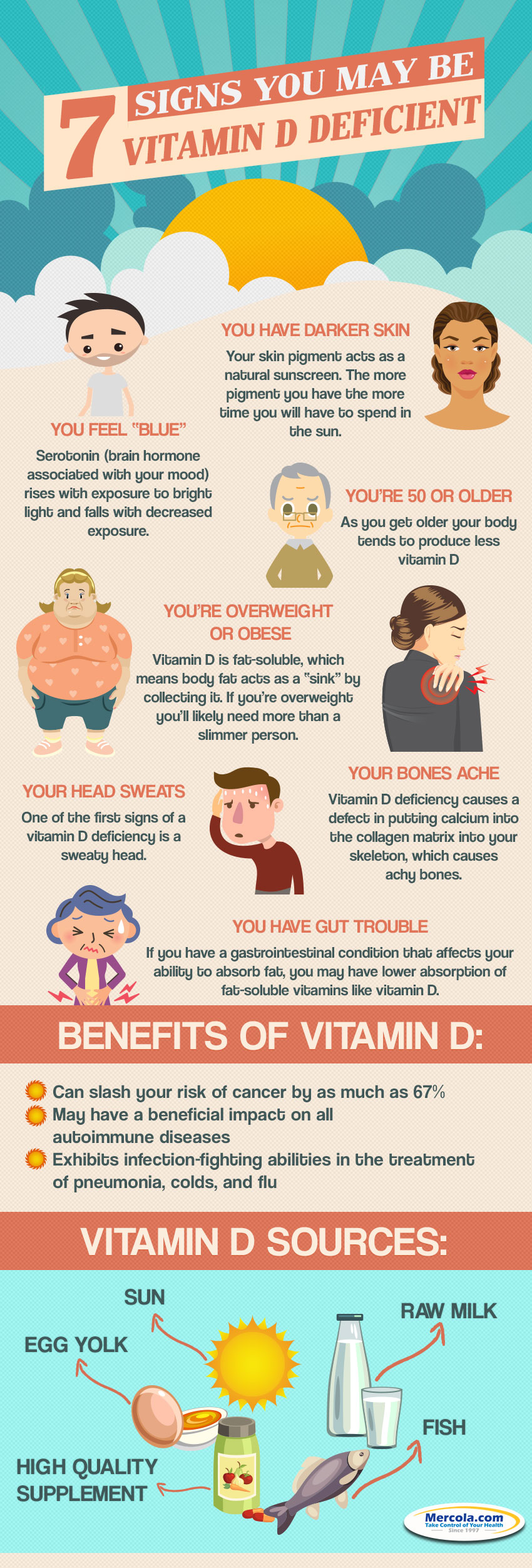
According to one large-scale study, optimal Vitamin D levels can slash your risk of cancer by as much as 60 percent. Keeping your levels optimized can help prevent at least 16 different types of cancer, including pancreatic, lung, ovarian, prostate and skin cancers.
Leaving a lucrative career as a nephrologist (kidney doctor), Dr. Suzanne Humphries is now free to actually help cure people.
In this autobiography she explains why good doctors are constrained within the current corrupt medical system from practicing real, ethical medicine.
One of the sane voices when it comes to examining the science behind modern-day vaccines, no pro-vaccine extremist doctors have ever dared to debate her in public.
Medical Doctors Opposed to Forced Vaccinations – Should Their Views be Silenced?
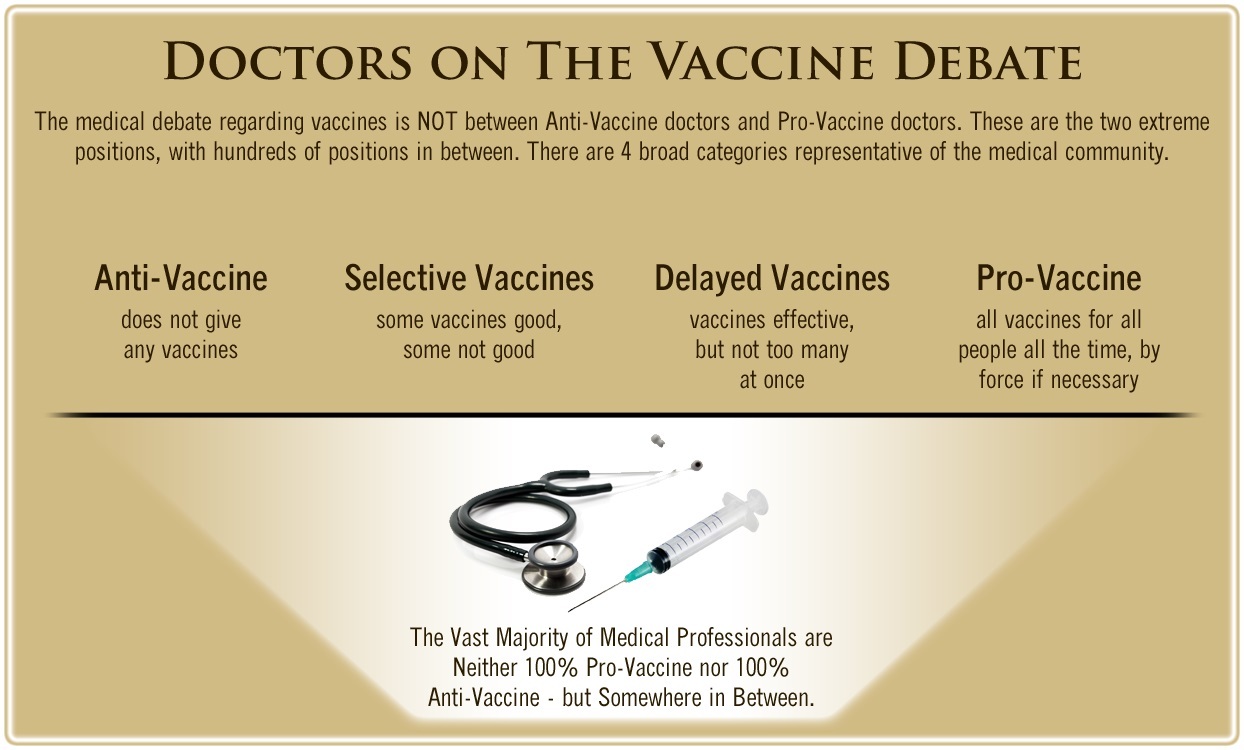
One of the biggest myths being propagated in the compliant mainstream media today is that doctors are either pro-vaccine or anti-vaccine, and that the anti-vaccine doctors are all “quacks.”
However, nothing could be further from the truth in the vaccine debate. Doctors are not unified at all on their positions regarding “the science” of vaccines, nor are they unified in the position of removing informed consent to a medical procedure like vaccines.
The two most extreme positions are those doctors who are 100% against vaccines and do not administer them at all, and those doctors that believe that ALL vaccines are safe and effective for ALL people, ALL the time, by force if necessary.
Very few doctors fall into either of these two extremist positions, and yet it is the extreme pro-vaccine position that is presented by the U.S. Government and mainstream media as being the dominant position of the medical field.
In between these two extreme views, however, is where the vast majority of doctors practicing today would probably categorize their position. Many doctors who consider themselves “pro-vaccine,” for example, do not believe that every single vaccine is appropriate for every single individual.
Many doctors recommend a “delayed” vaccine schedule for some patients, and not always the recommended one-size-fits-all CDC childhood schedule. Other doctors choose to recommend vaccines based on the actual science and merit of each vaccine, recommending some, while determining that others are not worth the risk for children, such as the suspect seasonal flu shot.
These doctors who do not hold extreme positions would be opposed to government-mandated vaccinations and the removal of all parental exemptions.
In this article, I am going to summarize the many doctors today who do not take the most extremist pro-vaccine position, which is probably not held by very many doctors at all, in spite of what the pharmaceutical industry, the federal government, and the mainstream media would like the public to believe.