Pages

Showing posts with label Grapes. Show all posts

Friday, 4 October 2019

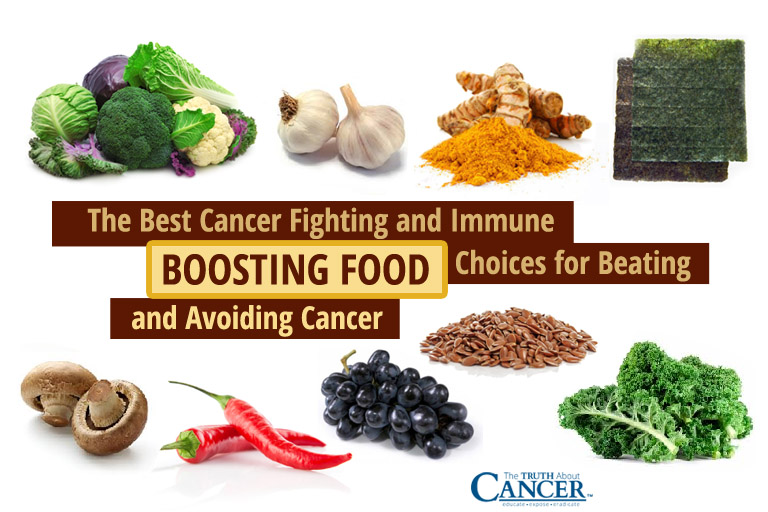
The Best Cancer Fighting and Immune Boosting Food Choices

The right food choices can greatly increase the odds of beating cancer and nature offers a multitude of foods which have intrinsic cancer fighting and immune boosting properties. 

April 9, 2015
Here are some of the very best cancer fighting and immune boosting superstars:
Cruciferous Vegetables – Cruciferous vegetables such as broccoli, brussels sprouts, cabbage, cauliflower and kale are among the most powerful cancer fighting foods to be found. Cruciferous vegetables are high in fiber, vitamins, minerals and important antioxidants such as beta carotene and the sulforaphane compound. Cruciferous vegetables contain isothiocyanates; phytochemicals which help break down potential carcinogens. They also contain indole-3-carbidol (I3C), which help prevent estrogen driven cancers. Other cruciferous vegetables are: arugula, bok choy, swiss chard, Chinese cabbage, collard greens, daikon, kohlrabi, mustard greens, radishes, rutabagas, turnips and watercress.
Cancer_Fighting_FoodsCurcumin (turmeric) – Curcumin, the major ingredient of the spice turmeric, has been a rising star against cancer in recent years. Numerous studies have reported curcumin’s cancer fighting abilities and prevention abilities, including one study which found that curcumin helps prevent lung cancer for tobacco smokers.
Mushrooms – There are a number of mushrooms known as “medicinal mushrooms” which can help the body fight cancer and build the immune system. These mushrooms contain a number of valuable cancer fighting and immune boosting compounds including polysaccharides such as lentinan, beta glucan, lectin and thioproline. These compounds attack cancerous cells, prevent them from multiplying and boost immune activity – including stimulating the body’s natural production of interferon.
Some of the very best cancer fighting and immune boosting mushrooms are: agaricus blazei murrill (ABM mushroom), coriolus versicolor (Asian turkey tail mushroom), shitake, reishi, maitake, cordyceps oglossoides and phellinus linteus.
Garlic  Garlic, as well as onions, leeks and chives, have immune-enhancing allium compounds that increase the immune cell activity, help break down cancer causing substances and block carcinogens from entering cells. Studies have linked garlic to lowering the risk of stomach and colon cancer. Diallyl sulfide, a compound found in garlic oil, has also been shown to incapacitate carcinogens in the liver.
Flax – Flax contains lignans, compounds which block or suppress cancerous changes in cells. Flax is also high in omega-3 fatty acids, which protect against colon and other cancers. Notably, flax is part of the famous and highly successful Budwig Cancer Diet.
Hot Peppers – Hot peppers such as cayenne (chili peppers) and jalapenos contain capsaicin, a chemical which fights cancer and helps neutralize certain cancer-causing nitrosamines. Hot peppers are especially valuable for helping prevent stomach cancers.
Add these powerful whole foods to your diet today.
Dark Green Leafy Vegetables – Spinach, turnip greens and other cancer fighting dark green leafy vegetables are rich in folic acid. Folic acid helps maintain the cell’s genetic code and regulate normal cell division.
Dark Seeded Grapes – Dark red grapes contain powerful bioflavonoid antioxidants that work as cancer preventatives. Grapes are also a rich source of resveratrol and ellagic acid, a compound that slows the growth of tumors by blocking enzymes needed by cancer cells. Eat the entire grape, seeds and all.
Brown Seaweed – Brown seaweeds such as kombu contain the polysaccharide compound fucoidan. Fucoidan has been found to kill cancer tumors including lymphoma, different kinds of leukemia, stomach cancer and colon cancer. Notably, the people of Okinawa, who consume the highest per capita amount of kombu, have some of the highest life expectancies in Japan as well as the lowest cancer death rate.
Other powerful cancer fighting foods are:
  • Carrots
  • Green and black tea
  • Fermented organic soy
  • Tomatoes
  • Blueberries
  • Raspberries
  • Purple corn
  • Extra virgin olive oil
  • Avocados
  • Nuts
  • Sweet potatoes
  • Apples
https://thetruthaboutcancer.com/the-best-cancer-fighting-and-immune-boosting-food-choices-for-beating-and-avoiding-cancer/

Monday, 29 April 2019

Curious Cook: Pesticides and other thoughts - MUST READ

Part of the research into glyphosate for the last article provided additional free insight into the use of pesticides and treatments for fresh vegetables and fruits. The interesting aspect was not only the surprising amount of residues but also the frequent use of multiple chemicals on single crops.
Curious Cook: Pesticides and other thoughts

Strawberries
As an example, the Environmental Working Group (EWG) has identified strawberries as probably the most contaminated fruit in terms of pesticides and fruit treatment compounds. A quick search through the United States Department of Agriculture (USDA)’s Pesticides Data Program (PDP) database revealed that strawberries for human consumption in the USA can be treated with combinations of over 70 different active compounds, with varying degrees of toxicity.
However in the amounts detected, the USDA and the Environmental Protection Agency (EPA) have indicated there are no severe threats to human health provided the residue levels are kept below recommended limits. Note there may be more chemicals used but the PDP database did not indicate every possible compound used on commercial strawberries; for example, glyphosate was not included.

Strawberries are one of the most contaminated fruits. Photo: Ted Rabbitts/Flickr
The European Food Safety Authority (EFSA) is probably more thorough in its monitoring of crop residues. It had also reviewed and published the Maximum Residue Limits (MRL) for over 485 chemicals which may be found on strawberries, though not all of them are regulated or actually permitted to be used – these MRLs are limits used by producers and test laboratories to analyse for food safety issues.
There were 109 chemicals originally approved for use on strawberries, including neonicotinoids (or neonics), often called “bee killers”. Since April 2018, three major neonics (clothianidin, imidacloprid and thiamethoxam) are banned from use in open fields though it seems thiamethoxam may still be applied in enclosed industrial greenhouses. The same detailed levels of EFSA documentation and processes apply for all other kinds of food crops.
Again, the EFSA suggests that permitted chemical residues in strawberries and other crops are safe for human consumption if they do not exceed their MRLs.
The dirty list
To be honest, the following list of fruits and vegetables was originally drawn up by the EWG, an organisation probably more known as an environmental lobbyist group than a proper scientific research outfit.
However, after struggling with the PDP and the EFSA pesticides databases, it became clear that there is no such thing as easy access to information regarding toxicity, dosage, frequency of application and consumer removal of many crop treatments without reading through the documentation of every formulation containing these chemicals and the diluents/surfactants used with such chemicals.
So after checking various items on the list as best as I could (and finding no significant discrepancies), I am assuming the EWG had done its homework properly when compiling the following list.
So, based on the analysis from the EWG, crops with the most treatment residues are: strawberries, spinach, kale, nectarine, apples, grapes, peaches, cherries, pears, tomatoes, celery, potatoes and hot peppers.
Potatoes are one of the crops with the highest pesticide residue. Photo: Sethoscope/Flick
The EWG also states that nearly 70% of all produce sold in the United States is contaminated with pesticide residues, though it does not warn that all such produce is necessarily bad for health, provided all such residues are below the recommended MRLs. It merely suggests that long-term ingestion or over-ingestion of such residues may have a detrimental effect on health, which is likely to be true for sections of the population.
The above list are vegetables and fruits which are commonly targeted by insects, fungi, bacteria and other pests, and are therefore often sprayed with various compounds to prevent loss of production. Regarding potatoes, major treatments are also applied after harvest to prolong the crop storage life. In Britain in 2004, 2,677,280 tonnes of potatoes were treated with various compounds such as imazalil, thiabendazole and/or stored using ethylene, a gas which inhibits the sprouting of tubers. The main treatment was fumigation with chlorpropham, which was applied to 2,257,603 tonnes, or over 84% of the potato crop for that year.
The clean list
Of all commercial fruit and food crops, the following were found by the EWG to contain the lowest amount of pesticide residues: avocados, sweet corn, pineapples, sweet peas (frozen), onion, papayas, eggplants, asparagus, kiwis, cabbage, cauliflower, cantaloupes, broccoli, mushrooms and honeydew melons.
Cauliflower is on the clean list. Photo: Liz West/Flickr
Most of the above either have thick, inedible skins which need to be removed before eating or have hydrophobic surfaces which repel water.
In summary, if it is not possible/feasible to consume organic produce, it might be worthwhile to focus on picking more of your greens and fruits from the clean list above.
A likely carcinogen
As a comment, imazalil (also known as enilconazole or chloramizole) is one of the most common pesticides found on fruits. A huge proportion of oranges and other citrus fruits as well as potatoes are routinely treated with imazalil, even though both the EPA and the World Health Organisation’s International Agency for Research on Cancer (IARC) categorise imazalil as “likely to be carcinogenic to humans”.

Oranges are treated with a chemical that is reputed to be carcinogenic. Photo: Frederique Voisin Demery/Flick
The concentration of this compound is mostly on the fruits’ skin and therefore exposure should be minimal if the skin of the fruit is discarded. This may not be so easy if fruits such as grapes are treated with the chemical (which is the case in many countries).
To remove residues, the best suggestion is to soak and wash produce in a 1% baking soda (sodium bicarbonate) water solution for 12-15 minutes, as the alkalinity apparently destabilises and loosens pesticide molecules.
Honey and babies
We had a new granddaughter arrive recently, and automatically my wife offered the standard French advice to refrain from giving her any honey-based drinks for at least a year. Then it occurred to me that I do not know the reason for this common warning, so it was worth investigating.
It turns out it involves the most toxic poison known to humans, Botulinum Type H (BTX-H), which needs a dose of only two nanograms or less per kilo of body weight to be lethal – this is known as the Lethal Dose (LD). By contrast, the very lethal poison batrachotoxin, commonly known as curare, has a LD of two micrograms, 1,000 times less powerful by volume than botulinum H toxin.

Honey can be dangerous to babies under one. Photo: Harsha K R/Flickr
And the reason why babies should not be given honey is because spores of clostridium botulinum bacteria are not infrequently found in honey. The digestive systems of very young babies are not able to kill such bacteria in their stomachs until they are over a year old. Left to breed, clostridium botulinum will produce enough botulinum toxin (BTX) to provoke health issues quickly.
Note that BTX is the cause of botulism, not the bacteria. The bacteria are widespread in the environment and many food products – it is impossible to avoid over a normal lifetime.
However, people normally do not get infected because the bacteria cannot survive exposure to oxygen or highly acidic conditions (pH 4.6) – regular stomach acid (pH between 1.5-3.5) will destroy any ingested bacteria. But BTX is unaffected by stomach acid and needs heat treatment at temperatures of 85°C or more for five minutes to deactivate the toxin. The bacteria can also enter the bloodstream via wounds, and then propagate.
There are several varieties of BTX which are classified as Types A through H, though most are not as lethal as Type H. The cosmetic treatment botox, for example, is based on BTX A or B.
All types of BTX profoundly affect the function of an important neurotransmitter called acetylcholine – this disrupts normal nerve signalling and causes muscle paralysis. Therefore botox treatments work by relaxing muscles on the face and reducing the effect of wrinkly skin.
The good news is antidotes exist for most types of BTX poisoning, provided treatment is received in time (although they can have side-effects) – however, this does not apply for BTX-H because it is highly unlikely to be survivable.
Summary
In summary, when ingesting food stored in a low-acid, low oxygen environment (such as packaged foods or old tins), make sure to heat it to 85°C for at least five minutes – this should also be done for re-sealed food stored at inadequate cold temperatures (above 3°C). And never ever give honey to young babies.

https://www.star2.com/food/2019/04/15/curious-cook-pesticides-and-other-thoughts/

Monday, 4 March 2019

Are Raisins Healthy? Here's What Experts Say

Nutrition experts tend to favor a “less is more” approach when it comes to deciding what to eat: choosing whole, minimally processed foods over those with long, unpronounceable ingredient lists. Raisins, otherwise known as dried grapes, fit the bill.

Image result for raisins images


By CASSIE SHORTSLEEVE  
February 20, 2019


“They’re a whole food that’s minimally processed with no added ingredients or preservatives,” says Jenny Friedman, a Philadelphia-based dietitian. But raisins are also relatively high in sugar and calories.

So are raisins healthy? Here’s what you need to know about the nutritional profile of raisins.

What are the health benefits of raisins?


Raisins are dried grapes. They’re typically reddish-brown, but also come in a golden variety. “Traditional raisins are sun-dried and contain no additional preservatives or stabilizers,” says Friedman; the process of air-drying is responsible for their brown color. “Golden raisins, however, are dried in a dehydrator and contain sulfur dioxide as a preservative,” making them gold in color.

Both tend to be made from the same type of grape, and both are healthy. For being so small, raisins are a nutrient-dense food. “Imagine all of the nutrition from one grape concentrated into one tiny package,” she says.

Raisins are a good source of phytonutrients — naturally occurring plant compounds — that contain antioxidant and antimicrobial properties, adds registered dietitian Brian St. Pierre. They also have some iron and small amounts of other vitamins and minerals, including about 300 mg of potassium for a standard quarter-cup serving. (The National Institutes of Health recommends 4,700 mg of potassium a day for adults.) Raisins contain magnesium, which is beneficial for heart health as well as healthy nerve and muscle function, Friedman says. Shrunken grapes also contain about two grams of fiber per serving.
But raisins are also relatively high in calories. A serving has about 130, which can be a lot for a little snack. “As dried grapes, they don’t contain nearly as much water as regular grapes, so on a per-calorie basis, they are not as filling or satisfying as regular grapes or other fresh fruits,” St. Pierre says.

Are raisins high in sugar?

Yes. One serving contains about 24 grams of sugar — about the amount of sugar in a Snickers bar or a handful of jelly beans.
There is an upside to the high sugar content of raisins. It’s primarily in the form of fructose, a fruit sugar, making raisins an easily digestible source of quick energy. That endears them to endurance athletes, who eat raisins to fuel performance, says Friedman.

What’s the healthiest way to eat raisins?

First, make sure you buy a brand that contains only one ingredient (raisins) and no added sugar.
Next, watch your portions. It’s easy to overdo it, which is why mini one-ounce boxes of raisins are a great size for snacking. They contain slightly less than the typical serving size, with about 100 calories instead of 130. “When thinking about the recommended portion for raisins, I’d try to visualize that box, a golf ball, egg, or what can fit in the palm of a hand,” Friedman says.
You can eat them on their own, but “I recommend pairing raisins with some protein and fat,” says Friedman. “The addition of something sweet to this combo results in something as satisfying as it is filling.” Smear celery stalks with peanut butter and raisins, St. Pierre suggests, or sprinkle them atop a salad.
If you want to cut back on sugar in your diet, add raisins to replace some of the granulated sugar in recipes such as banana bread, pumpkin bread or cookies, Friedman suggests. You’ll be adding sweetness in a more natural way.
Contact us at editors@time.com.

Thursday, 25 May 2017

5 life-extending benefits of resveratrol

The most familiar connection to red wine is the “French Paradox.” Researchers have discovered that in regions of France where the population enjoys a high-fat diet but consumes a lot of red wine with meals, the incidence of heart attacks is considerably lower than in other parts of the world.
They now believe that the benefits of red wine — that is the resveratrol found in the red wine — extends to brain health, cancer protection and longevity, in addition to being cardio-protective.
We can get the resveratrol compound from several foods, with grapes and wine being the most abundant sources. But resveratrol can also be found in seeds as well as skin and fruit of vaccinium berries such as bilberries, raspberries, blueberries and cranberries.

Here are 5 benefits of resveratrol that can help you lead a longer, healthier life:
1. It protects your heart
Hypertension, or high blood pressure, is the silent killer. It is the most common form of cardiovascular disease, which is the leading cause of death in the United States.
But cardiovascular disease is preventable and, in many cases, reversible — and diet plays an important role.
The most important use of resveratrol is related to the protection of the blood vessels and heart, which lies in its antioxidant, anti-inflammatory, and blood flow properties.
Resveratrol helps prevent damage to blood vessels, reduces “bad” cholesterol and prevents blood clots. For example, according to a study from the European Journal of Pharmacology, resveratrol helps protect you from atherosclerosis, or plaque build up in the arteries.

2. It helps you look younger

In an effort to look our best, we spend a fortune on facial creams, special soaps and other treatments designed to improve our appearance. But one of the most effective ways to look younger, researchers say, is to eat the foods that support the health of your skin.
A study at Newcastle University in England demonstrates that nutrients in certain foods can help facial skin cells help fight aging. The most potent of these natural chemicals are antioxidants that support mitochondria (cellular structures that produce energy) such as resveratrol found in red wine.
It may also slow the growth of the bacteria that lead to skin blemishes.

3. It prevents or inhibits some cancers

You may already know that calorie restriction turns on a certain set of genes called “sirtuins” that help you live linger.
Those same sirtuins can also help you survive – and protect you against – breast cancer.
Resveratrol is the compound that turns on sirtuins. So if you want to give yourself an epigenetic advantage against cancer, it might be a wise idea to add red huckleberries, cranberries, lingonberries and blueberries to your diet.
Several studies have also noted that resveratrol makes tumor cells more susceptible to chemotherapy and radiation treatment, increasing the chances of a full recovery from all types of cancer, including aggressive tumors.

4. It protects the brain

Inflammation is a major problem for people with Alzheimer’s. In fact, it’s what causes the brain damage that leads to the life-altering memory loss, confusion and personality changes that make the disease so scary.
But the good news is, if you know a disease is caused primarily by inflammation, it’s easier to figure out a solution.
And, unsurprisingly, the most promising solution for Alzheimer’s may be a potent anti-inflammatory compound… one that’s been revered for its health-giving properties for over a decade now… resveratrol.
So raise a glass of wine when you next dine on a delicious dinner from the brain-healthy list of foods (below), toast your good health, good fortune and youthful brain — and enjoy a modest serving of dessert if you want.

5. It boosts insulin sensitivity

There’s a nutrient that you already know has tremendous benefits for your heart and brain. It’s even anti-aging, but can also increase insulin sensitivity (improve insulin function) and lower blood sugar — naturally. It’s resveratrol.
In one study, 19 men with type 2 diabetes took a placebo or 5 mg of resveratrol (the antioxidant polyphenol) twice per day. Researchers asked the men not to eat foods with high amounts of resveratrol, such as red wine and grapes, peanuts and berries.
After four weeks, while the placebo group had not improved, men who had taken resveratrol had far fewer signs of oxidative stress, and much higher levels of a protein that helps cells absorb and use glucose. Doctors said this is the first study in humans to show that resveratrol improves insulin sensitivity.


How much is enough?

With supplementation of a nutrient, it’s important to know how much and what to take.
First thing to remember with resveratrol is that there are three, not two forms. There’s trans, cis and dihydro-resveratrol. All have health-enhancing properties, but the most studied and powerful for insulin function is the trans form.
Inexpensive resveratrol supplements will be in the cis-form. Even trans-resveratrol will turn into cis if stored improperly. This is why high-quality trans-resveratrol supplements cost a bit more.
Second, you want to take a high enough dose that it will have a positive effect on your whole body. That means not falling for the cheap 500 mg “resveratrol” pills and instead opting for at least 40 mg of pure trans-resveratrol each day.
https://easyhealthoptions.com/5-life-extending-benefits-resveratrol

Friday, 23 May 2014

Grapes - The Fruit That Makes Your Heart Healthier

 | May 20, 2014

The Fruit That Makes Your Heart Healthier
When your heart’s antioxidant defenses falter, heart disease and high blood pressure follow. But research shows that a powerful fruit can help the heart defend itself against cellular damage.
study at the University of Michigan demonstrates that natural chemicals in grapes help the heart produce extra glutathione, a versatile antioxidant that lowers blood pressure.
Oxidative stress has been linked to heart failure. A lack of glutathione, in turn, has been connected to heart failure.
In the Michigan study, lab animals fed grapes had a lower risk of heart enlargement and fibrosis (scarring). Heart function improved and the grapes were found to activate the heart’s antioxidant defenses, boosting the gene activity that results in extra glutathione manufacture.
http://easyhealthoptions.com/the-fruit-that-makes-your-heart-healthier/

Sunday, 10 November 2013

TOP PICKS: Ripe for the picking

27 March 2012| last updated at 12:35PM

By Syida Lizta Amirul Ihsan | slizta@nstp.com.my              

We all know that we should increase our intake of fruit and vegetables in our diet. Question is, which fruit to choose and for what? Nutritionist Hong Ya Chee gives Syida Lizta Amirul Ihsan some tips on the best health options from the fruit counter.


Grapefruit

 1. Grapefruit is high in enzymes that burn fats, has high water content and less sodium.
“A combination of these three makes grapefruit a perfect food for increasing your body’s metabolism. Try eating grapefruit or drinking grapefruit juice every day and you will notice how quickly you lose those extra kgs,” Hong says.

Apple

2. One apple provides up to 5g fibre, more than many cereals. This helps your digestion.
“Fibre can either pull water out of your colon to keep things moving along when you’re backed up, or absorb excess water from your stool to slow your bowels down,” she says.

A Cornell University study also found that the quercetin in apples may protect brain cells from the kind of free radical damage that may lead to Alzheimer’s disease.

Grape

3. Grapes are rich sources of vitamins A, C, B6 and folate in addition to essential minerals like potassium, calcium, iron, phosphorus, magnesium and selenium.

Grapes contain flavonoids that are very powerful antioxidants, which can reduce the damage caused
by free radicals and slacken ageing.

Berries

4. Blueberries, strawberries, raspberries and cranberries are loaded with fibre, which helps you feel full (and eat less).
“They top the charts in antioxidant power, protecting your body against inflammation and free radicals, molecules that can damage cells and organs.”

Pomegranate

5. Pomegranates are full of antioxidants, the vitamins and enzymes known for keeping low-density bad cholesterol from oxidising and causing atherosclerosis, or hardening of the arteries.

Passion fruit

6. Passion fruit is a great source of Vitamin A, good for our eyesight. It is also high in fibre and has potassium, an electrolyte that helps maintain your body fluid levels.

Dragon fruit

7. It contains Vitamin C which helps to improve the immune system and heal bruises and open wounds quickly.
“The Vitamin B1 (Thiamine) content in dragon fruit helps our bodies generate a lot more energy and metabolises carbohydrates.”

Orange

8. Orange is known for its Vitamin C, a powerful natural antioxidant.

“Consumption of foods rich in Vitamin C helps the body develop resistance against infectious agents and scavenge harmful, pro-inflammatory free radicals from the blood,” she says.

Kiwi

9. It contains calcium which helps to build strong bones and teeth, magnesium and copper to strengthen bones.
“In addition to its bone strengthening properties, copper also facilitates brain development.”

Papaya

10. Papaya contains a lot of essential vitamins to strengthen our immune system. “This fruit contains a high concentration of phytonutrients and is a very good source of Vitamins A, C, and E.”


http://www.nst.com.my/life-times/health/top-picks-ripe-for-the-picking-1.66407

Saturday, 19 October 2013

Eat lots of Sweet Potatoes – Quite Interesting Indeed!!


It’s been said that God first separated the salt water from the fresh, made dry land, planted a garden, made animals and fish. . .  All before making a human. He made and provided all the foods we’d need to eat before we were born. These are best and more powerful when eaten raw. We’re such slow learners. . .

God left us a great clue as to what foods help what part of our body!
God’s Pharmacy! Amazing!

For instance:
  
carrot.jpgA sliced Carrot looks like the human eye.  The pupil, iris and radiating lines look just like the human eye…and YES science now shows that carrots greatly enhance blood flow to and function of the eyes.
tomatoesA Tomato has four chambers and is red.  The heart is red and has four chambers.  All of the research shows tomatoes are indeed pure heart and blood food.
grapesGrapes hang in a cluster that has the shape of the heart.  Each grape looks like a blood cell and all of the research today shows that grapes are also profound heart and blood vitalizing food.
walnut.jpgA Walnut looks like a little brain, a left and right hemisphere, upper cerebrums and lower cerebelums.  Even the wrinkles or folds are on the nut just like the neo-cortex.  We now know that walnuts help develop over 3 dozen neuro-transmitters for brain function.
 
kidneybeansKidney Beans actually heal and help maintain kidney function and yes, they look exactly like the human kidneys.
 
celery.jpgCelery, Bok Choy, Rhubarb and more look just like bones.  These foods specifically target bone strength.  Bones are 23% sodium and these foods are 23% sodium.  If you don’t have enough sodium in your diet the body pulls it from the bones, making them weak.  These foods replenish the skeletal needs of the body.
 
avocardo.jpgEgg Plant, Avocadoes and Pears target the health and function of the womb and cervix of the female – they look just like these organs.  Today’s research shows that when a woman eats 1 avocado a week, it balances hormones, sheds unwanted birth weight and prevents cervicle cancers.  And how profound is this? …. it takes exactly 9 months to grow an Avocado from blossom to ripened fruit. There are over 14,000 phytolytic chemical constituents of nutrition in each one of these foods (modern science has only studied and named about 141 of them).
 
figsFigs are full of seeds and hang in twos when they grow.  Figs increase the motility of male sperm and increase the numbers of sperm as well to overcome male sterility.
 
KumuraSweet Potatoes look like the pancreas and actually balance the glycemic index of diabetics.
olivesOlives assist the health and function of the ovaries
citrusGrapefruits, Oranges, and other Citrus fruits look just like the mamary glands of the female and actually assist the health of the breasts and the movement of lymph in and out of the breasts.
 
onionsOnions look like body cells.  Todays research shows that onions help clear waste materials from all of the body cells.  They even produce tears which wash the epithelial lasyers of the eyes
bananas.jpgBananas, Cucumber, Zuchini and more target the size and strengh of the male sexual organ.  It’s true!
peanutsPeanuts have a profound effect on the testicles and sexual libido. Peanuts were banned as a food for males by the church ofin during the middle ages. Most people don’t realize that arginine, the main component of Viagra, comes from peanuts.

Submitted by: Helen

http://myhealingkitchen.com/soul-food/eat-lots-of-sweet-potatoes-quite-interesting-indeed/

Saturday, 14 September 2013

The Trio Of Foods That Lowers Diabetes Risk

| Sep 06, 2013

The-Trio-Of-Foods-That-Lowers-Diabetes-Risk_300If you want to minimize your risk of type 2 diabetes, a study led by the Harvard School of Public Health has pinpointed three foods that should be on your menu every day.

The researchers found that eating three fruits — blueberries, grapes and apples — is significantly linked to a lower risk of type 2 diabetes.

“While fruits are recommended as a measure for diabetes prevention, previous studies have found mixed results for total fruit consumption. Our findings provide novel evidence suggesting that certain fruits may be especially beneficial for lowering diabetes risk,” says researcher Qi Sun, assistant professor in the department of nutrition at Harvard and assistant professor at the Channing Division of Network Medicine, Brigham and Women’s Hospital in Boston.

The study showed that people who eat at least two servings each week of certain whole fruits, particularly blueberries, grapes, and apples, reduce their risk for type 2 diabetes by as much as 23 percent compared to people who eat these items less than once a month. Drinking fruit juice every day increases the risk of developing type 2 diabetes by as much as 21 percent.

The scientists found that swapping three servings of juice per week for whole fruits results in a 7 percent reduction in diabetes risk.

http://easyhealthoptions.com/alternative-medicine/the-trio-of-foods-that-lowers-diabetes-risk/

Sunday, 12 May 2013

Grapes protect organs from metabolic syndrome

Grapes may help protect organs from metabolic syndrome's damaging effects


Vitamin E may help protect liver from obesity-related conditionApril 29, 2013. The results of a study presented on April 22, 2013 at the Experimental Biology conference held in Boston suggest a protective effect for grapes against the damaging effect of metabolic syndrome on the body's organs. Metabolic syndrome is a cluster of factors including hypertension, elevated glucose, increased waist circumference and disordered blood lipids that increase the risk of diabetes and cardiovascular disease. The condition increases inflammation and oxidative stress, which results in damage to the body's tissues.

E. Mitchell Seymour, PhD, of the University of Michigan Health System and his associates tested the effects of supplementation with a blend of green, red and black grape powder in rats prone to obesity that were provided with a high fat diet for 90 days. Unsupplemented animals that were given diets containing the same amount of calories served as controls.

The researchers observed lower levels of serum C-reactive protein, tumor necrosis factor-alpha and interleukin-6 in animals that received whole grape powder in comparison with the control group, indicating a decrease in inflammation. Grape-supplemented animals also had reduced liver, kidney and abdominal fat, and improved antioxidant defense proteins in the heart, abdominal fat, skeletal muscle, liver, brain and kidneys.

"Our study suggests that a grape-enriched diet may play a critical role in protecting against metabolic syndrome and the toll it takes on the body and its organs," Dr Seymour stated. "Both inflammation and oxidative stress play a role in cardiovascular disease progression and organ dysfunction in Type 2 diabetes. Grape intake impacted both of these components in several tissues which is a very promising finding."

http://www.lef.org/whatshot/2013_04.htm?utm_source=eNewsletter&utm_medium=email&utm_term=WhatsHot&utm_content=Header&utm_campaign=2013Wk19-1&l=0#Grapes-may-help-protect-organs-from-metabolic-syndromes-damaging-effects

Sunday, 28 April 2013

The Antioxidant That Saves Your Hearing While Protecting Your Heart

February 27, 2013

Protect your hearingHearing loss isn’t just a problem for “old people” anymore.

Noise-induced hearing loss affects all of us. One single loud noise can cause free radical cell damage.1

But for those of us who are gradually turning the TV volume up there’s exciting news that may just keep those hearing aids and shouting matches at bay. Brand new research has found a compound that reduces hearing damage. We already knew it had an array of health benefits. Now researchers from the Henry Ford Hospital in Detroit discovered yet another.2

For their study, researchers exposed rats to acoustic trauma. One group received this compound before they were exposed to the loud noise. During a 24-hour period researchers continued to check for inner ear damage. The rats that did not receive the compound showed a rise in COX-2—a protein that causes the inflammation that leads to hearing loss. COX-2 levels continued to increase over the 24 hours in the untreated rats.

However, the rats that received the compound had less COX-2 protein buildup in the inner ear. The compound actually inhibited its production. As a result, it reduced noise-induced hearing loss.
Studies have proven this compound prevents and fights cancer and heart disease. And now you can add hearing loss to the list.

What is the compound that just keeps getting better?

I’m talking about the plant extract resveratrol.

The anti-aging properties of resveratrol are definitely not new news. Resveratrol is a powerful antioxidant. You can find it in red grapes and red wine. It’s best known for its anti-inflammatory properties.

“Resveratrol is a very powerful chemical that seems to protect against the body’s inflammatory process as it relates to aging, cognition, and hearing loss,” said lead study author Dr. Seidman.

Hearing loss affects one in five Americans.3 It is one of the most common conditions affecting adults over the age of 60.4 But today people are suffering much earlier in life. Believe it or not, you can blame loud music and iPods for that. But even just being exposed to heavy city traffic can cause hearing loss.5 Noise-induced hearing loss is a growing medical issue. Especially for construction workers, musicians, airport workers, and men and women in the Armed Forces.

And if just losing your ability to hear isn’t bad enough, studies have linked hearing loss to dementia, poor cognitive function, and lack of balance. It’s even been found to raise your risk of heart disease.6 So protecting your hearing is vital.

Hearing loss can be frustrating, embarrassing, and even dangerous. But now you can eliminate all those with a little resveratrol. A handful of grapes, a glass of wine, or a resveratrol supplement may just save you from years of communication difficulties.

References:
1 http://aafp.org/afp/2000/0501/p2749.html
2 http://oto.sagepub.com/content/early/2013/02/02/0194599813475777
3 http://bloomberg.com/news/2011-11-14/hearing-loss-affects-about-1-in-5-americans-researchers-say.html
4 http://nidcd.nih.gov/health/hearing/pages/older.aspx
5 http://institutefornaturalhealing.com/2012/12/prevent-the-need-for-hearing-aids-with-this-natural-supplement/
6 http://sciencedaily.com/releases/2013/02/130220131742.htm

http://institutefornaturalhealing.com/2013/02/the-antioxidant-that-saves-your-hearing-while-protecting-your-heart/

Tuesday, 23 April 2013

Top 10 most unhealthy, cancer-causing foods - never eat these again!

cancerThursday, April 18, 2013 by: Jonathan Benson, staff writer

(NaturalNews) The statement "everything causes cancer" has become a popular hyperbole, and one that some people use as rhetorical fodder to excuse their own dietary and lifestyle failures, particularly as they pertain to cancer risk. But the truth of the matter is that many common food items have, indeed, been scientifically shown to increase cancer risk, and some of them substantially. Here are 10 of the most unhealthy, cancer-causing foods that you should never eat again:

1) Genetically-modified organisms (GMOs). It goes without saying that GMOs have no legitimate place in any cancer-free diet, especially now that both GMOs and the chemicals used to grow them have been shown to cause rapid tumor growth. But GMOs are everywhere, including in most food derivatives made from conventional corn, soybeans, and canola. However, you can avoid them by sticking with certified organic, certified non-GMO verified, and locally-grown foods that are produced naturally without biotechnology (http://www.naturalnews.com).

2) Processed meats. Most processed meat products, including lunch meats, bacon, sausage, and hot dogs, contain chemical preservatives that make them appear fresh and appealing, but that can also cause cancer. Both sodium nitrite and sodium nitrate have been linked to significantly increasing the risk of colon and other forms of cancer, so be sure to choose only uncured meat products made without nitrates, and preferably from grass-fed sources (http://www.organicconsumers.org/foodsafety/processedmeat050305.cfm).

3) Microwave popcorn. They might be convenient, but those bags of microwave popcorn are lined with chemicals that are linked to causing not only infertility but also liver, testicular, and pancreatic cancers. The U.S. Environmental Protection Agency (EPA) recognizes the perfluorooctanoic acid (PFOA) in microwave popcorn bag linings as "likely" carcinogenic, and several independent studies have linked the chemical to causing tumors. Similarly, the diacetyl chemical used in the popcorn itself is linked to causing both lung damage and cancer (http://www.drweil.com/drw/u/QAA400701/Microwave-Popcorn-Threat.html).

4) Soda pop. Like processed meats, soda pop has been shown to cause cancer as well. Loaded with sugar, food chemicals, and colorings, soda pop acidifies the body and literally feeds cancer cells. Common soda pop chemicals like caramel color and its derivative 4-methylimidazole (4-MI) have also specifically been linked to causing cancer (http://www.naturalnews.com/031383_caramel_coloring_cola.html).

5) 'Diet' foods, beverages. Even worse than conventional sugar-sweetened soda pop, though, is "diet" soda pop and various other diet beverages and foods. A recent scientific review issued by the European Food Safety Authority (EFSA) of more than 20 separate research studies found that aspartame, one of the most common artificial sweeteners, causes a range of illnesses including birth defects and cancer. Sucralose (Splenda), saccharin and various other artificial sweeteners have also been linked to causing cancer (http://www.dailymail.co.uk).

6) Refined 'white' flours. Refined flour is a common ingredient in processed foods, but its excess carbohydrate content is a serious cause for concern. A study published in the journal Cancer Epidemiology, Mile Markers, and Prevention found that regular consumption of refined carbohydrates was linked to a 220 percent increase in breast cancer among women. High-glycemic foods in general have also been shown to rapidly raise blood sugar levels in the body, which directly feeds cancer cell growth and spread (http://www.naturalnews.com/001812_cancer_prevention.html).

7) Refined sugars. The same goes for refined sugars, which tend to rapidly spike insulin levels and feed the growth of cancer cells. Fructose-rich sweeteners like high-fructose corn syrup (HFCS) are particularly offensive, as cancer cells have been shown to quickly and easily metabolize them in order to proliferate. And since cookies, cakes, pies, sodas, juices, sauces, cereals, and many other popular, mostly processed, food items are loaded with HFCS and other refined sugars, this helps explain why cancer rates are on the rise these days (http://www.naturalnews.com/038071_cancer_sugar_sweets.html).

8) Conventional apples, grapes, and other 'dirty' fruits. Many people think they are eating healthy when they buy apples, grapes, or strawberries from the store. But unless these fruits are organic or verified to be pesticide-free, they could be a major cancer risk. The Environmental Working Group (EWG) found that up to 98 percent of all conventional produce, and particularly the type found on its "dirty" fruits list, is contaminated with cancer-causing pesticides (http://www.ewg.org/foodnews/list/).

9) Farmed salmon. Farmed salmon is another high-risk cancer food, according to Dr. David Carpenter, Director of the Institute for Health and the Environment at the University of Albany. According to his assessment, farmed salmon not only lacks vitamin D, but it is often contaminated with carcinogenic chemicals, PCBs (polychlorinated biphenyls), flame retardants, pesticides, and antibiotics (http://www.albany.edu/ihe/salmonstudy/pressrelease.html).

10) Hydrogenated oils. They are commonly used to preserve processed foods and keep them shelf-stable. But hydrogenated oils alter the structure and flexibility of cell membranes throughout the body, which can lead to a host of debilitating diseases such as cancer. Some manufacturers are phasing out the use of hydrogenated oils and replacing them with palm oil and other safer alternatives, but trans fats are still widely used in processed foods (http://www.naturalnews.com/010095_hydrogenated_oils_unhealthy.html).

Sources for this article include:

http://www.care2.com
http://www.naturalnews.com/021808_cancer_prevention.html

Articles Related to This Article:

Cancer is not a Disease - It's a Survival Mechanism (Book Excerpt)
The mineral selenium proves itself as powerful anti-cancer medicine
New research shows vitamin D slashes risk of cancers by 77 percent; cancer industry refuses to support cancer prevention
Healing Illness - A Natural Anti-Cancer Protocol
Mammograms cause breast cancer (and other cancer facts you probably never knew)
Exposed: 10 Facts about the Breast Cancer Industry You're Not Supposed to Know (opinion)

http://www.naturalnews.com/039970_cancer_junk_food_carcinogens.html