Pages

Showing posts with label Heliotherapy. Show all posts

Tuesday, 23 May 2017

The amazing health benefits of heliotherapy

You’ve probably already heard that you should supplement vitamin D. In fact, your doctor may even test your blood levels of D at your yearly physical.
What you don’t know though is that the vitamin D you’ve been taking is missing a vital piece of the puzzle that boosts your immunity, helps you heal and even fights off infections and cancer.
Woman sitting outside
You see, we used to get vitamin D from sunlight.
But thanks to today’s indoor lifestyle, most of us get little if any sun each day, much less enough to experience any health benefits.
That’s the reason you hear so much about taking vitamin D supplements…
It’s nothing more than an attempt to replace something we used to get naturally.
The problem is that the vitamin D in a bottle isn’t the same as what you get from natural sun exposure.
In fact, it’s missing a vital component that will probably surprise you.

The missing piece of the puzzle

Sunlight contains ultraviolet or U.V. rays.
We’ve all heard it. In fact, they’re the reason that we’ve been conditioned to slather on sunscreen before going outside.
Our doctors tell us to block them out or risk skin cancer.
However, those U.V. rays actually serve a very important purpose.
They activate a peptide called cathelicidin.
This peptide is what gives vitamin D its antimicrobial or germ-killing properties.
In fact, studies have shown that cathelicidin stimulates your immune cells and helps your body kill off infections.
This peptide synthesized thanks to U.V. light exposure has even been shown to destroy Tuberculosis.
Yet, several studies have shown that vitamin D supplements don’t boost levels of cathelicidin – only exposure to the U.V. rays of the sun has a consistent, positive effect on the powerful little peptide.

The lost cure

It’s amazing that as far as we’ve come technologically, many of our modern “cures” are often less effective than the simple things we used to use.
And, Vitamin D supplementation is no exception.
Prior to modern medicine, doctors had used sun exposure for hundreds of years to heal their patients.
It was a treatment known as “Heliotherapy” or sunlight therapy.
Records of using sunlight as a cure go back to the late 1700s when a French doctor discovered that his patients’ leg wounds healed faster when their skin was exposed to the sun.
A Danish doctor then showed that solar radiation could help treat smallpox, lupus and tuberculosis. In fact, his work with lupus earned him the Nobel Prize.
By the turn of the century, solaria — buildings designed to optimize exposure to the sun’s rays were in use across Europe to treat patients with tuberculosis, lupus, cuts and scrapes, burns, arthritis, rheumatism and nerve damage.
And, researchers proved that sunlight could kill the bacteria that caused tuberculosis and other diseases and cure rickets, a bone disease caused by a deficiency of vitamin D.
Yet, with the advent of antibiotics, heliotherapy fell out of use and with it our understanding of how important sun exposure is to our health.

A sensible sunlight plan

Considering that low levels of vitamin D have been associated with an increased risk for many chronic diseases, including autoimmune diseases, cancer, heart disease, infections, diabetes and even schizophrenia, it’s obvious that optimizing your D levels is extremely important.
But, if vitamin D supplements aren’t the answer, what is?
For most people, a sensible plan for sun exposure provides all the vitamin D and that powerful antimicrobial peptide, cathelicidin, that you need.
There are a number of online calculators that you can use to determine your optimal sun exposure time but they can get a little complicated.
So, here’s a basic method you can use to make it easier.
First, determine how long it takes in the sun for your skin to turn pink. This will vary by time of year. For example, it takes less time during the intense sun of the summertime than it does in the fall or winter.
Then multiply that time by 25 – 50%. This is the amount of time you want to spend in the sun three times per week with your arms and legs exposed. The more fair your skin, the lower you should err on your time in the sun.
Be sure to cover the skin of your face by wearing a hat or applying sunscreen since it’s more sensitive and more prone to show signs of photo-aging.
With this sensible plan for sun exposure, you can get all the vitamin D you need and reap its amazing health benefits, without turning to a less effective supplement.
Sources:
  1. Guo C and Gombart AF. (2014) The antibiotic effects of Vitamin D. — Endocr. Metab. Immune Disord. Drug Targets. 14: 255-266.
  2. The rise and fall of sunlight therapy — Los Angeles Times
  3. Sunlight and Vitamin D — Dermato-endocrinology

https://easyhealthoptions.com/amazing-health-benefits-heliotherapy/

Thursday, 10 November 2016

MUST READ: Why the Sun Is Necessary for Optimal Health

The Nutrient That Helps Fix Several Diseases
It was used in ancient Greece and Arabia to control germs and in the 1950s to treat tuberculosis. How has this gone from the go-to healing power to a classified Class 1 carcinogen by the World Health Organization? Are you ready to see the light? This doctor believes it's time...

October 15, 2016 

Story at-a-glance

  • Photobiologist Dr. Alexander Wunsch explores sunlight from a historical perspective, including how both public and medical opinions of sunlight have changed dramatically over time
  • Sunlight was used for medical purposes in ancient Greece and Arabia; in ancient Egypt, it was used to control germs
  • Up until the 1950s sunlight was widely used to treat so-called diseases of darkness: tuberculosis and rickets

By Dr. Mercola

How is it that sunlight, once regarded as a divine power in some cultures, has come to be classified as a Class 1 carcinogen by the World Health Organization (WHO)? This is a question posed by photobiologist Dr. Alexander Wunsch, CEO of Medical Light Consulting in Heidelberg, Germany.

It's a fundamental one because it shows the dichotomy between sunlight in ancient and modern cultures. Once revered as a healing power, today sunlight is blamed for disease and humans are urged to largely shun this natural element.

In the video above, Wunsch explores sunlight from a historical perspective, including how both public and medical opinions of sunlight have changed dramatically over time. He says:
"Nowadays, sunlight is not fashionable anymore. Some experts even try to ban the tan, others work on restrictions, the U.S. Surgeon General issues a call to action on UV and tanning. How can we deal with these dark clouds in a formerly sunny sky?
Knowing more details about the past can help us to adjust and normalize the extreme positions of the 'no sun policy' advocated by the World Health Organization (WHO), the anti-cancer associations and many dermatologists."

Sunlight Used to Combat 'Diseases of Darkness'

Sunlight was used for medical purposes in ancient Greece and Arabia. In ancient Egypt, it was used to control germs. The first "official" report of sun's medical potential came from Herodotus in the 6th century BC.
He visited an area of the Mediterranean where skulls from a battle were stored and noted a significant difference in thickness between the Egyptian and Persian skulls. While the Egyptian skulls where thick, the Persian skulls were thin and quite fragile. Wunsch said:
"So this is the first idea, or the first report, from the past that there was a connection between sunlight and the robustness of bones in the human system.
Because this was what Herodotus was already reasoning, that the sunlight hardens the bones, the skulls, he thought yes, the Egyptians, they shave their heads, they prayed to the sun [and] they have naked skin.
The Persians, they would wear large hats and protect themselves from the solar irradiation. He was the first, too, to get an idea about things we later learned from vitamin D."  
Forms of accepted sun worshipping existed less than 100 years ago, and up until the 1950s sunlight was widely used to treat so-called diseases of darkness: tuberculosis and rickets.
Dr. Niels Finsen was among the first to investigate the effects of sunlight scientifically and, in 1903, he received the Nobel Prize for developing a method to use sunlight to treat the skin manifestation of tuberculosis, known as lupus vulgaris. According to Wunsch:
" … [N]urses — Finsen called them 'light elves' — used concentrated sunlight, which was focused via quartz lenses onto the affected area of the skin using these handles with hollowed chambers, covered on both sides with quartz crystal lens.
The compression of the irradiated skin improved light penetration significantly. The two fittings were used for connecting flexible tubes conducting the cooling water in order to prevent thermal skin burns. This kind of treatment worked perfectly well …"
The only problem was that strong-enough sunlight was only available for a finite number of days in the year in northern latitudes.
He then invented a form of treatment using electrical carbon arc lamps, which promoted the creation of what is now known as phototherapy, or the use of light in the treatment of physical and mental illness.

Heliotherapy: Using Sunlight to Heal

Finsen's work with treating lupus vulgaris using sunlight paved the way for the work of Switzerland's Dr. Auguste Rollier. "This man was to become the master of modern heliotherapy, the sun doctor," Wunsch said, referring to the use of sunlight as a form of therapeutic treatment for disease.
Rollier was successful in treating not just the skin manifestation of tuberculosis, but the systemic manifestation of the disease. He treated patients with sunlight by gradually adapting them to sunlight exposures.
Rollier, who has written textbooks on heliotherapy, emphasizes that the composition of the different parts of the light spectrum are of crucial importance, not only to achieve all of the benefits you can get from the sun, but also to provide protection against potential damage.
For instance, while UVB synthesizes vitamin D in your skin, it can also alter DNA structures, and the ultraviolet A (UVA) rays in sunlight can produce reactive oxygen species in the tissue, leading to damage.
To cope with these side effects, your skin needs other parts in the light spectrum, such as the near-infrared and the red light, which transfer energy to your cells. Wunsch continued:
"Rollier had nearly 50 years of experience with heliotherapy at the end of his medical career. He specifically mentions in his last textbook that he never saw a skin cancer caused by heliotherapy. The opposite is true: he even treated skin cancer with sunlight."

Unlocking the Secret of Vitamin D Synthesis

In 1928, Adolf Windaus was awarded the Nobel Prize for unlocking the secret of vitamin D synthesis.
It was uncovered that UVB light leads to the photosynthesis of vitamin D in the outer layers of the skin, and Windaus developed the first medical preparation of concentrated vitamin D, which is still used today, for example, to fight rickets in children.
Sun lamps were even used for group treatments, including for coal miners. Giving them their daily dose of UVB light helped them to "work harder," Wunsch said. Still, even then most physicians believed that sunlight was superior to artificial light, and this holds true today.
It's not only vitamin D production that makes sun exposure so beneficial but also access to its full spectrum of light. According to Wunsch:
" … [H]istory demonstrates that natural as well as artificial sunlight can act as a major interventional tool to prevent and heal devastating diseases, when used with diligence.
Our ancestors had the skills, knowledge and technologies to deal with the sunlight in all climate regions of our planet, some knowledge, which has vanished in many of the human brains. Before the era of antibiotics, phototherapy was a state-of-the-art treatment in contemporary medicine. Where natural sunlight was unavailable, artificial sunlight was successfully used to fill the gap."
Although our ancestors learned how to treat the most evident disease of darkness using the sun, many people today are still being harmed by a lack of sunlight.

Your Skin Is Made to Be Exposed Gradually to the Sun

All plants and animals know exactly how much sun is good for them, according to Wunsch. "Plants close, or turn away their leaves, until their molecular light harvesting zones. Animals seek the shadow and protect themselves by wearing fur," he says. Human skin is not protected from sunlight by hair, the way many other animals are. Instead, human skin is incredibly complex and has developed new ways to protect itself from solar radiation in the absence of thick hair.
With gradual exposure to sunlight, a mechanism of solar acclimation occurs that prompts a thickening process. " … [T]he main purpose of the thickening is the buildup of a natural sun protection by specifically changing the optical properties of the epidermis," Wunsch explains.
It may take up to four weeks for your skin to build up full protection to your local solar conditions, which means the keratinocytes and corneocyte skin layers are saturated with melanin pigment. In addition, leftover DNA in the keratinocytes in the spinous layer of your skin acts as an additional natural sunscreen.
This DNA is able to transform 99.9 percent of photonic energy from short wavelength photons directly into heat, which means only 0.1 percent is turned into potentially dangerous free radicals. The same is true for melanin. Chemical sunscreens, however, often lead to the creation of free radicals. According to Wunsch:
" … [W]hen you look at the chemical sunscreens, those sunscreens, which have been used 20 years ago, they have a photon conversion rate of just 10 percent, which means 90 percent of the photonic energy will be transformed into oxygen radicals, into free radicals.
And even the latest sunscreens, they have a photon conversion rate of 80 to 81 percent. If you use chemical sunscreens, they will penetrate into your skin and produce additional reactive oxygen species."

How Else Does Sunlight Affect You?

We're only beginning to understand the many ways sun exposure is necessary and conducive to human health. In the video above, you can watch my interview with Wunsch, which explains why the sun is necessary for optimal health. Humans are adapted to sunlight as a complex stimulus that, at the appropriate dosage, helps keep our biological systems running. Wunsch explains:
"Sunlight induces coordinated endocrine adaptation effects. It affects sympathetic and parasympathetic activity, and is a major circadian and seasonal stimulus for the body clock … Our system, via the eyes and via the skin, detects the colors of the light in the environment in order to adapt the hormonal system to the specific needs of the time and place.
It's different if we are sitting under the sun in the desert, or if we are sitting under a leaf roof or under a tree somewhere in the woods. The colors around us tell, through the eye, to our brain, to the mid-brain [and] to the hormonal steering centers, what happens around us and what is to do in order to cope with this particular situation."
Given the many crucial benefits of sun exposure, the WHO's classification as sunlight as a carcinogen (and recommendation to avoid the sun) is akin to saying oxygen may cause cancer because it's the precursor molecule for free radicals, so we should all stop breathing, according to Wunsch.
It's becoming clear that regular exposure to full spectrum light is necessary and beneficial for most people, and public health would be better served by helping people understand the optimal "dose" needed than telling them to shun the sun.

To Learn More, the 100-Year-Old Book 'Light Therapeutics' Is a Relevant Read
If you're interested in learning more, Wunsch recommends the book "Light Therapeutics" by Dr. John Harvey Kellogg, which delves into light's potent power as a therapeutic agent. Though this book refers to light therapy used from 1876 to 1927, Kellogg referred to a time when one day light therapy would be considered for use in every hospital.
Wunsch believes that time is now and humans are ready to once again "see the light," literally and figuratively. He concludes that only fresh air is on the level of sunlight as a prophylactic measure (and sunlight exposure typically goes hand in hand with fresh air), noting:
"The lack of sunlight is probably the dominant factor in cloudy regions in raising the death rate from tuberculosis and degenerative disorder[s] through prevention of normal development and the lowering of vital resistance.
… [T]he interest in light therapy and light as a prophylactic agent has risen to such a high pitch of fervor that the day cannot be far distant when every college and every public school will be supplied with facilities for sun baths, and artificial sunlight supplied by arc lamps will be installed in schools, factories, office buildings, college dormitories, nurseries and in well-furnished hotels and private homes.
A large part of the civilized world is living in the shadow and becoming wan and weazened in consequence. The time has fully come when the whole population should be stirred up to follow the injunction of Holy Writ to 'Walk in the light.' This is from Kellogg, 100 years ago, and I think it's still a contemporary message to all of us."

The Role of Vitamin D in Disease Prevention

A growing body of evidence shows that vitamin D plays a crucial role in disease prevention and maintaining optimal health. There are about 30,000 genes in your body, and vitamin D affects nearly 3,000 of them, as well as vitamin D receptors located throughout your body.

How Vitamin D Performance Testing Can Help Optimize Your Health

Is it any wonder then that no matter what disease or condition is investigated, vitamin D appears to play a crucial role? This is why I am so excited about the D*Action Project by GrassrootsHealth. Dr. Robert Heaney is the research director of GrassrootsHealth and is part of the design of the D*action Project as well as analysis of the research findings.

GrassrootsHealth shows how you can take action today on known science with a consensus of experts without waiting for institutional lethargy. It has shown how by combining the science of measurement (of vitamin D levels) with the personal choice of taking action and, the value of education about individual measures that one can truly be in charge of their own health.

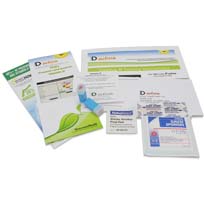
In order to spread this health movement to more communities, the project needs your involvement. To participate, simply purchase the D*Action Measurement Kit and follow the registration instructions included. (Please note that 100 percent of the proceeds from the kits go to fund the research project. I do not charge a single dime as a distributor of the test kits.)

As a participant, you agree to test your vitamin D levels twice a year during a five-year study, and share your health status to demonstrate the public health impact of this nutrient. There is a $65 fee every six months for your sponsorship of this research project, which includes a test kit to be used at home, and electronic reports on your ongoing progress. You will get a follow up email every six months reminding you "it's time for your next test and health survey."
Vitamin D Kit
Order button

Internet Resources Where You Can Learn More

Where Do We Go From Here?

GrassrootsHealth is now undertaking a new project entitled the Protect our Children NOW! (POC) project. The aim of this project is to acquire participation of at least 500 pregnant women in a community, and to increase their serum levels to the suggested level of at least 40 ng/ml based on the clinical trial by Hollis & Wagner.
In addition, the project will take these results in two years and "march" on the various institutions in the state/government/to the March of Dimes, to demand that action be taken to protect the world's next generation.
Among other items, the projects expected impact is likely to be a reduction in preterm births, (in some cases up to a 50 percent reduction). The project already has the blessing of the scientists, the physicians at the Medical University of South Carolina (which are implementing it in their practices) and even the insurance company.
Any community can implement this and make a difference for themselves and others. For further information contact Jen Aliano, Project Manager, at jen@grassrootshealth.org.

http://articles.mercola.com/sites/articles/archive/2016/10/15/sunlight-exposure-vitamin-d.aspx

Thursday, 18 June 2015

Deficiencies in these nutrients can give you cancer

Cancer is a process that begins with one or a series of risk factors that set you up to get the disease. At least that's how a naturopath sees it.

24 May 2015

Newsletter #502
Lee Euler, Editor


If these are not dealt with, over a number of years they can lead to the formation of cancerous cells that are able to escape the immune system and grow into a tumor.
It follows that if you want to prevent cancer, you need to tackle these predisposing factors head on and eliminate them one by one. In this way you greatly increase the probability of staying cancer free.
In her book Vital Signs for Cancer, Xandria Williams, Ph.D., M.Sc., DIC, ND, DBM, MRN, discusses 15 predisposing factors that may trigger the cancer process and shows how they can be identified.
Let’s take a look at some of those factors that relate to diet . . .

Eat to suit your unique metabolism
If you know much about natural health, it seems obvious that one should avoid sugar, refined carbohydrates and processed foods and eat nutritious whole foods, organic where possible.
But Dr. Williams – who has been a naturopath for 35 years and has a practice in Harley Street, London – feels it’s most important to discover foods that suit your own unique metabolism.
Although there are methods that try to do this based on your blood type, or by determining your best protein, carbohydrate and fat ratios, she believes these approaches are inadequate or too generalized.
Her own preference is a method called metabolic typing. The idea is to discover whether you are sympathetic- or parasympathetic-dominant and whether you are a fast or slow oxidizer. We covered metabolic typing in Issue #172.
She writes, “…my experience with countless patients is that many of them find that once they eat their correct diet, on this basis, they start to feel wonderful. Minor aches and pains, small problems, general feelings of malaise, all these start to disappear.”
Macronutrient errors
Deficiencies or excess amounts of dietary proteins, fats and carbohydrates are all considered to be predisposing factors.
Protein: Although most people tend to eat more than enough protein to meet their daily requirements, that doesn’t mean you can’t be deficient in one or more amino acids. This can happen because of some malfunction in the liver or some other aspect of the digestive system.
The only way to determine your amino acid status is by testing. Dr. Williams recommends the Optimal Nutritional Evaluation (ONE) Test carried out by Genova Diagnostics of Asheville, North Carolina. They also have divisions worldwide.
This test assesses your fundamental cellular function, how well it is working and where there may be shortfalls. It will tell you how well your body responds to your chosen diet. All it requires is a first-morning urine sample.
After you get the test results, Dr. Williams says, “You may well find that you are currently deficient in a number of amino acids.”
If you are deficient the report your doctor or natural therapist will receive from the lab will indicate the dietary changes and supplementation needed to correct the deficiency. Details at https://www.gdx.net/
Carbohydrates: Consuming too many sugars and refined carbohydrates and not enough vegetables is commonplace in most of the population.
Because almost all carbohydrates enter the bloodstream as glucose, excess and inappropriate carbohydrates can play havoc with your glucose metabolism.
Maintaining a high blood glucose level increases the risk of developing cancer. Not only is cancer hungry for sugar, but sugar also reduces the function of the immune system, encourages the growth of yeasts and increases insulin output which is itself a risk factor for cancer.
For Dr Williams sugar is public enemy number one. “If you do nothing else. If you decide there is only one lifestyle change you will make to avoid cancer and improve your health, make it this: give up sugar in all its forms, in anything.”
To see how well your body handles glucose she recommends having a glucose tolerance test as this will indicate both low blood sugar (hypoglycemia) as well as high blood sugar (diabetes).
This test was routinely carried out by the late Dr. Atkins who popularized the low carbohydrate diet. He found that out of many thousands of overweight people tested, three quarters of them had blood sugar irregularities. He felt this test was so important it should be given routinely to all patients.
All the test involves is drinking a sugar-rich solution and then monitoring blood glucose levels over a period of four to six hours.
If problems are discovered, your doctor will probably suggest a low carbohydrate diet together with blood-sugar-controlling nutrients, although many natural therapists do not approve of this solution and will have their own favored remedy.
Fats: Most people are consuming too many denatured fats and refined oils and not enough essential fatty acids from nuts, seeds, plants and organic, grass-fed meats.
Although the medical authorities are obsessed with the dangers of saturated fats, Dr. Williams reminds us that “the saturated fatty acids are not all bad, some of them are important for your health.”
Getting the right fatty acids in the correct ratios is important. They are crucial to maintaining healthy cell membranes so that they can fulfill their functions. These membranes are vital for cell signaling and communication, clearing the cell of wastes, and pulling oxygen and nutrients into the cell. Fatty acids are important in maintaining a high oxygen environment in the cell. This is believed to be highly protective against cancer.
The ONE test provides indirect evidence of fatty acid status, or you can ask for a separate fatty acid profile available from Genova.
Vitamin and phytonutrient deficiencies
Medical authorities issue recommended daily requirements for vitamins, but Dr. Williams feels these are wholly inadequate, and in any case individual needs can vary up to ten-fold.
She believes it’s necessary to take nutritional supplements because foods today are grown in mineral-depleted soils, harvested before they’re ripe, may be stored for long periods and are often transported over long distances. Each step of the way there is a significant loss of nutrients.
Low levels of vitamins and phytonutrients are a predisposing factor for cancer because they are essential for immune functioning, mopping up free radicals, neutralizing toxins and maintaining energy production, to name just a few of their functions.
She describes vitamin deficiencies as “dangerous.” Testing is very important. Don’t assume your needs are taken care of even if you eat mostly organic foods and already take supplements. You may still be deficient.
The ONE test provides a report that indicates which vitamins you need based on an analysis of how your body is functioning at a cellular level. A separate test for D3 is also considered valuable. This is available from many laboratories.
Mineral deficiencies
As with vitamins, mineral deficiencies can trigger a process that leads to cancer.
Of particular importance is selenium, followed by zinc and manganese. However, all mineral deficiencies need to be addressed as they impair cellular metabolism in ways that increase the risk of developing cancer.
There are various methods of testing for mineral status. One of these is hair mineral analysis.
Although this test has been denounced in orthodox medical circles, a recent medical paper has a different take: “A growing amount of data supports the theory that biochemical analysis of trace elements in hair may be useful in identifying the possible risk of cancer development or progression.
This test is available from many labs including Analytical Research Laboratories, Arizona, Trace Elements, Texas, and Doctors Data, Illinois.
Minerals can also be tested using blood, urine and sweat samples. However, there are limitations and restrictions in all these methods.
Get tested
For over three decades Dr. Williams has been urging people to prevent health problems by checking out and acting on any nagging symptom, no matter how small. She advises doing this by finding the underlying cause, not taking a symptom-blocking drug.
Since cancer and many other health problems can progress symptom-free for a long time, she believes it’s essential to have a regular check-up.
“How do you know you are fully healthy at the cellular level without doing check-ups and without testing for the Vital Signs that can warn you of possible trouble? How do you know what subterranean rumblings there may be that have not yet caused an eruption on the surface?”
Her message is simple: do the tests, and work with a naturopath or an integrative or holistic physician.

This Free “Treatment” Could
Prevent Almost One Out of
Three Cancer Deaths

Physicians in ancient Greece, Egypt, Rome, Babylon, Assyria, and Persia touted this treatment as “the best food and medicine in the world” … and they were right.
Not only does this treatment leave you glowing on the outside, it also keeps you healthy on the inside.
Nearly all your organs benefit. Your mood does too.
Here’s the real kicker … it’s free and readily available, so long as you know where to look …
Continued below…
Can You Survive Without Antibiotics?
The Golden Age of Antibiotics is over. For 60 years we have lived protected by these AMAZING drugs. Lives have been saved…
True, there have been complications, but that’s because of abuse, not because of the wonderful life-saving properties of antibiotics.
But it’s over: resistant strains are emerging like wildfire. Now there are dozens of deadly bacteria, some resistant to all known drugs.
You need to learn about alternatives. There are many safe, effective traditional remedies, which were eclipsed by antibiotics, but they worked then and will work now.
Dr. Keith Scott-Mumby, one of the world’s most advanced alternative MDs, has written a comprehensive guidebook detailing every single alternative to antibiotics. He’s backed-up every word with solid science.
You need to get this book and read it, NOW and discover how to survive in a world without antibiotics!

Heliotherapy – or sun therapy – uses direct, full-spectrum sunlight to heal and strengthen your body.
According to Alexander Wunsch, a German physician of holistic medicine and photobiology, we are “perfectly adapted to the radiation of the sun.”
But we don’t use this free, natural “radiation” nearly enough.
Sunlight wards off cancer – and other
health problems, too
Getting enough sunlight reduces your risk of getting cancer by more than half.
Researchers estimate that the sun could prevent 30% of cancer deaths … if we actually used it. That’s incredible – nearly one-third of cancer deaths could be prevented by something free.
Doctors scare you away from the sun by warning you about skin cancer. But dangerously low levels of vitamin D are just as destructive … and maybe more so. Meanwhile the risk of death by skin cancer is low (plus it’s by no means certain that sun exposure causes dangerous melanoma, as opposed to the nearly-harmless basal cell carcinomas.)
Normally, you get 90% of your vitamin D through sunlight and 10% through your diet, according to Dr. Ernest Severn of the Zenith Medical Clinic in Utah.
Sunbathing keeps you healthy – just be sensible about it and don’t roast yourself to a crisp.
Sunlight reduces your risk of prostate cancer. Plus, it increases your survival rate for prostate, breast, and other types of cancer.
Sunbathing also reduces your risk of heart attack, stroke, depression, and osteoporosis.
It lowers your blood pressure, regulates your blood sugar, normalizes your cholesterol, and boosts your white blood cell count, which helps you ward off disease and infection, according to Certified Nutritional Therapist Carla Hernandez.
Heliotherapy also helps heal acne, reduces body odor, kills bad bacteria, decontaminates blood transfusions, repairs your DNA, irradiates cancer patients’ blood, and cures neonatal jaundice.
How it works. . .
Among other things, sunlight boosts your immune system and reduces inflammation throughout your body.
Dr. Wunsch says sunlight gives your body the perfect combination of essential ingredients for optimal growth.
When ultraviolet B rays hit your skin, they prompt your body to produce vitamin D, which scientists have come to realize, in just the last few years, is a superlative disease fighter. Sunlight-generated vitamin D attaches to receptors throughout your entire body. It also influences 3,000 or more of your genes.
Vitamin D fights cancer in five unique ways:
1. Regulates genetic expression
2. Kills mutated cells
3. Keeps cancer cells from reproducing and spreading
4. Causes cells to become differentiated (cancer cells often lack differentiation)
5. Prevents dormant tumors from becoming cancerous
Heliotherapy helped these patients
get rid of cancer
In the 1970s, Dr. Zane Kime, an American physician, encouraged one of his breast cancer patients to sunbathe.
The 41-year-old woman had already undergone a mastectomy and chemotherapy. Still, her breast cancer had spread to her lungs and bones. She started sunbathing at Dr. Kime’s suggestion and within a few months she resumed work with no apparent symptoms of metastasized cancer.
During the summer of 1959, 15 cancer patients at Bellevue Medical Centre in New York spent as much time as they could outdoors without glasses or sunglasses. According to Dr. John Ott’s report, sunlight improved the patients’ conditions. He requested a more detailed research program, but it never materialized.
The Swiss specialist Dr. Auguste Rollier reported success treating Hodgkin’s disease (cancer of the lymph nodes, liver, and spleen) with heliotherapy.
Today, alternative health centers in the Swiss Alps and in Israel near the Dead Sea specialize in heliotherapy. Yet few American doctors use it.
Doctors at Baylor University Medical Center, Cancer Research Institutes, the University of Texas Health Science Center, and Heartland Healing Center in Nebraska take advantage of the healing power of sunlight. Yet, as far as we can learn, no prominent medical center in the United States puts heliotherapy at front and center of their protocol.
How much vitamin D do you actually need?
The Food and Drug Administration says you need 400 IUs of vitamin D every day. This recommendation is idiotic and misinformed. It is based on the false premise that vitamin D may be toxic at higher levels.
This tiny dose does nothing to protect you from cancer, heart disease, or infections.
The optimal amount of vitamin D is in dispute, but it’s most certainly in the thousands of IUs. No one concerned about his health should supplement with less than 2,000 IU per day, in my opinion, and I’m now taking 5,000 IU per day myself at the recommendation of my integrative M.D. Some doctors recommend as much as 8,000 IU per day!
The amount of vitamin D you can get from sun exposure depends on many factors: your skin color, where you live, the time of year, and the amount of time you spend in the sun. These variables make your vitamin D level unique to you. North of, say Georgia, it’s almost impossible to get enough vitamin D from sun exposure during the winter. Supplementation is essential.
On the other hand, at noon in July you need very little sun. As little as ten or fifteen minutes exposure a day will generate all the D you need.
To know exactly how much vitamin D you need, take a blood test. Healthy vitamin D blood levels are between 50 and 70 ng/ml, or even 70 to 100, important for fighting cancer or other diseases if they’ve conquered a beachhead in your body.
Don’t want to take a blood test? It’s not very accurate, but you can multiply your body weight by 35 IUs. This will give you a close rough estimate of your daily need. But still, individual differences make it impossible to predict exactly how much you need, unless you test and gauge by that. If you’re getting adequate sun, you may be able to cut down on the supplements. The blood test is the only way to know for sure.
Don’t worry about overdosing if you’re getting your Vitamin D directly from the sun. UV-B rays trigger your body to produce vitamin D. UV-A rays destroy any excess vitamin D circulating in your body. So full-spectrum sunlight automatically regulates your vitamin D levels.
It’s only with oral vitamin D supplements that there may be some risk of an overdose – and it’s my well-informed opinion that the risk is very slight. I’ve been observing the vitamin D research for years, and the safe amount to take orally keeps getting revised upward as enlightened doctors learn —contra the FDA — that the stuff is not some kind of poison.
Why you MUST get full-spectrum sunlight
On their own, UV-B and UV-A rays can damage your cells. But according to Dr. Rollier, other parts of the sun’s spectrum naturally compensate for these negatives.
The near-infrared and red light in natural sunlight powers your cells to protect themselves — and you.
The full blend of wavelengths in unfiltered sunlight allows your body to reap all the benefits while naturally combatting the negative side effects, according to Dr. Rollier.
That said, sunburns and even deep suntans age your skin. At the minimum, they cause fairly-harmless basal cell carcinomas and may (the jury is still out) cause deadly melanoma. Aim for a few minutes of sun per day, NOT a deep tan.
By the way, UV rays do not penetrate windows. You don’t benefit from sunlight that’s filtered through a window.
Direct sunlight at solar noon benefits you the most.
Ideally, spend 10 or 15 minutes in the sun around lunchtime every day, in the summer. You can stay in the sun much longer during other seasons — winter, late autumn, early spring. The amount of time you can spend also depends on your skin type.
Start slow and see how your skin reacts. If you get a pink glow, you’ve damaged your skin. And if you have fair skin, it will get pink really fast. Start slow, be careful.
If you spend several hours in the sun — at the beach or on a picnic — apply natural or organic sunscreen after the first few minutes of sun exposure. Don’t use conventional sunscreens, because they contain a myriad of chemicals that have NOT been tested for long-term safety. Wear a hat with a large rim to protect your face from overexposure.
With enough unfiltered sunlight, your body proactively fights and protects you from cancer. And for that, you should be very thankful, indeed.

This post is on Healthwise