Pages

Showing posts with label Chocolate. Show all posts

Wednesday, 27 November 2019

Five Shunned Foods You SHOULD be Eating

There are some foods out there that get an undeserved bad rap. They’re delicious, satisfying, and—most important—good for you. The problem isn’t, a lot of people aren’t getting them in the right form. They may even be avoiding these foods completely.
INH Research
The mainstream has some shocking misconceptions about these foods. But knowing the right form to eat makes all the difference when it comes to your health.
Here are the top five shunned foods that you SHOULD be eating.
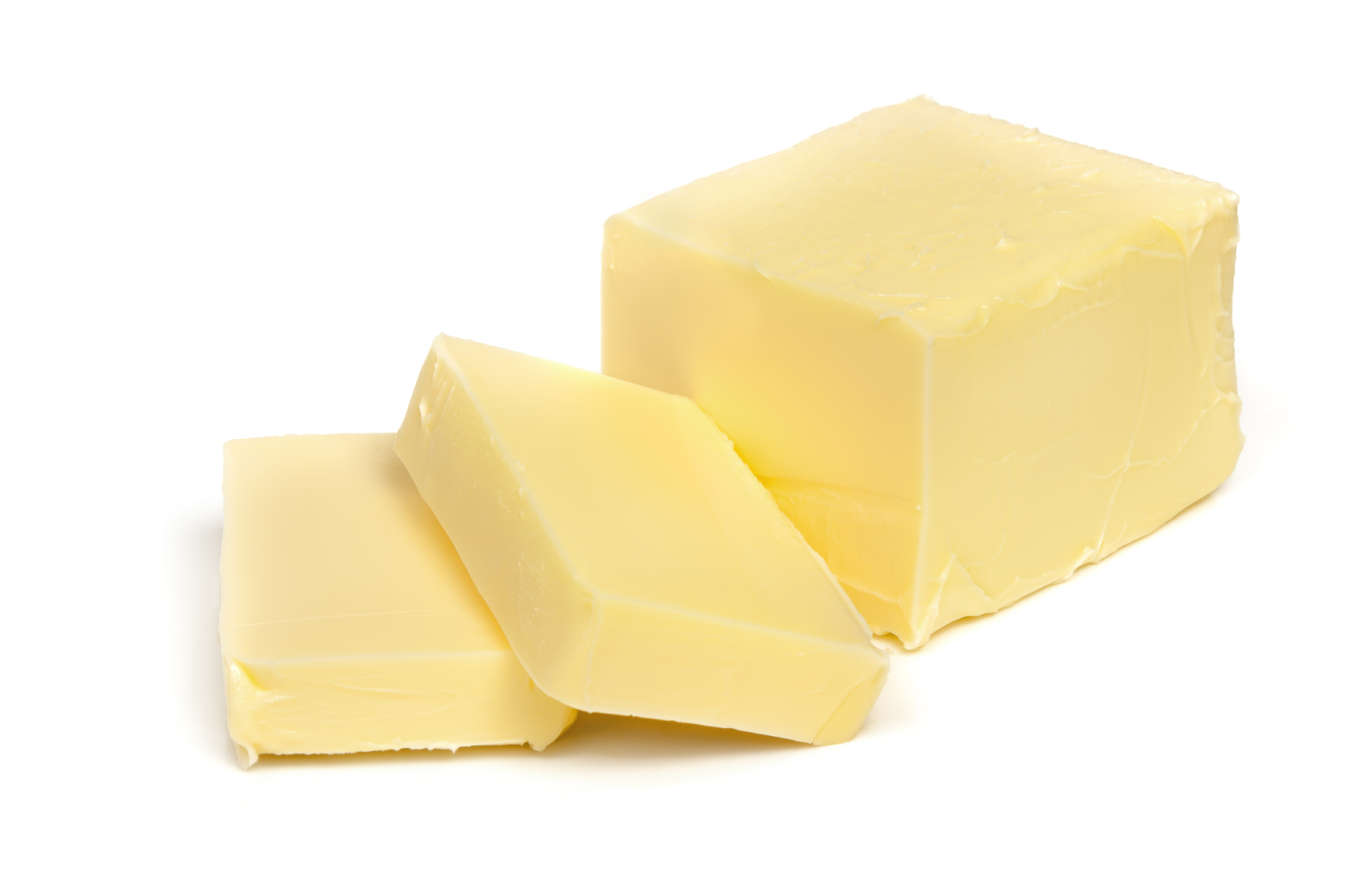
1. Butter: There has been a war on fats in the U.S. for decades now. And there has been no greater “enemy” than butter. Just look at how many chemical-filled butter substitutes you’ll find at your local grocer. But the problem isn’t butter per se. The problem is that most butter comes from sick, grain-fed cows. Then there’s the fake salt they put in most salted butter. But switching to grass-fed butter can make a big difference when it comes to your health. It gives you high doses of natural vitamins A, D, E, and K2.
This form—the real one—of butter fights inflammation and protects against heart disease. It may even help you avoid cancer.1 You can find grass-fed, unsalted butter in most health food stores. Some high-end grocers carry it too. Try adding your own natural sea salt for taste and trace minerals.
2. Chocolate: It’s no secret that we love it. In fact, we recommend you eat a serving of chocolate every day… Just not the kind waiting for you at the grocery store checkout line. These are full of high-fructose corn syrup and preservatives. We’re talking about real chocolate. It fights inflammation, lowers stress, and boosts cognitive function. But don’t expect these results if you aren’t eating the right form of it.
Look for dark, organic chocolate bars. The higher the percent of cocoa, the greater the health benefits in each bite. Aim for at least 70%. But be careful: Anything above 70% gets pretty bitter. Start low and work your way up. You can find a good variety in most health food stores and online.
3. Coffee: Coffee is one of the oldest—and most beloved—beverages on the planet. But a lot of people stay away from it. Frankly, we don’t get it. The truth is coffee helps preserve your vision. Drinking it even helps protect your hearing. Coffee may even keep your memory sharp. But not the syrup-infused, overly-sweetened stuff on the menu at most coffee places. We’re talking about real, organic coffee.
Drinking up to three cups of it each day will provide you with these health benefits—and a steady dose of antioxidant power. You can find single source, organic coffee in most food stores. Buying online will give you even more varieties to choose from.
4. Red Meat: Just like butter, this notorious food is seen as decadent—even deadly. But Health Watch readers know that it’s processed meats that are dangerous. In fact, grass-fed organic beef is one of the healthiest foods you can eat. It’s free of the grain, steroids, and antibiotic drugs that make grain-fed beef unsafe to eat. This kind of beef is also higher in B vitamins, calcium, and essential fatty acids.
And you can’t forget that it’s a complete protein. It gives your body the amino acids it needs to keep muscles strong and supported. Eating the right kind of beef may even help save your heart. You can find it in most health food stores. Just make sure it’s grass-fed and finished. Your butcher can help you if you aren’t sure.
5. Eggs: Eggs are one of the best sources of protein. They provide you with leucine. It’s an essential amino acid you need to regulate blood sugar and build muscle. It may even help you lose body fat. The problem is people think the yolk isn’t good for you. But the fact is that about half of the protein—plus all of the vitamins and minerals—are in the yolk. It provides vitamins A, B6, B12, D, E, and K.
It’s also where you’ll get calcium, folate, iron, and zinc. In other words, don’t skip the yolk. Make sure your eggs are pastured and fresh. Some health food stores carry local eggs. You should also be able to find them at farmer’s markets and even nearby farms. Just skip the gross egg substitutes that offer next to zero health benefit.
You may be avoiding them… But don’t believe everything you’ve heard about these foods. Eating them in the right form can give you major health benefits that their mainstream versions can’t. In fact, if you can’t find these foods in their ideal forms, your best bet is to limit how often you eat them—not eliminate them entirely.
References:
1http://www.bulletproofexec.com/wp-content/uploads/2012/04/Butter-Infographic1.jpg

https://www.institutefornaturalhealing.com/2014/09/five-shunned-foods-you-should-be-eating/

Sunday, 7 August 2016

Popular statin drugs linked to cancer

It’s time to give credit where credit is due.
Your body is inhabited by an innate intelligence. It knows how to fix itself – and it wants to fix itself. But it needs the right raw materials.
And those seldom come from a chemical capsule. The latest case in point is statin drugs, reportedly taken by more than 30 million Americans.
Newsletter #610
Lee Euler, Editor

If you test high for cholesterol, your doctor will probably insist you take a statin drug. Most likely, your mother, father, brother, sister, cousin, and best friend are all on them. Do you have the guts to go against the grain?
I hope so, because these trendy drugs are associated with cancer and memory loss. What’s more, there is NO proof they reduce your risk of heart attack. Here’s what you need to know. . .
There’s a rapidly growing body of research showing that, despite drug industry claims that statin drugs protect against cancer, they actually promote cancer.
Here are just a few findings:
  • Linked to increased risk of prostate cancer, in a study of nearly 2,000 men. And the higher the statin dose, the higher the risk.1
  • Higher cumulative daily doses of statins were linked to higher kidney cancer risk in patients over age 50.2
  • More cancer incidence and cancer deaths in the statins group in a 2009 study.3
  • Statin use is linked with thyroid cancer in women.4
  • Women using statins long-term (10+ years) had DOUBLE the risk of breast cancer… a 1.83-fold increased risk of invasive ductal carcinoma (IDC) and a 1.97-fold increase in invasive lobular carcinoma (ILC) versus those who never used statins.5
Of course, correlation doesn’t prove causation. Given that these women were compliant with use of statins, they were probably also compliant with breast screening guidelines.
And breast screenings are linked to the over-diagnosis and over-treatment of 1.3 million American women over the past 30 years, so the screenings could result in more cancer diagnoses.
That’s giving statins every benefit of the doubt. On the other hand, the result could mean that statins pose a far worse problem… that statins are in some way, shape or form, carcinogenic.
At a bare minimum, these studies raise serious questions about the recent push to claim statin drugs are chemo-preventive or chemotherapeutic. (By the way, “chemo-preventive” describes any drug or chemical agent, even a food supplement, that prevents cancer.)
Authors of four studies have casually dismissed the possibility that statin drugs may cause cancer. Among other things, they claim the evidence is “insignificant,” or has “no known potential biological basis.” I wouldn’t bet on it.
Statins are also linked to an increase in diabetes, and we know there’s a connection between high blood sugar and cancer.
And the news gets even worse.
Toxic to your brain, muscles and more
Statins are linked to more than 300 adverse effects in the published scientific literature, so far…
They’re toxic to your brain, muscles, nerves, and liver. They cause diabetes, cancer, and birth defects, and disrupt your hormones.
Statins do serious damage to your most cholesterol-dependent organs – like your brain.
Turns out your brain is the most cholesterol-rich organ in your body, boasting one-fourth of all your cholesterol. Seventy percent of that – nearly three-fourths of the cholesterol in your brain — is in the essential myelin sheath that protects your nerve cells.
No wonder cholesterol plays such a pivotal role in brain health.
Low cholesterol has been named a biological marker of major depression and suicidal behavior, whereas high cholesterol is protective. One study showed that thoughts of suicide are more than 2½ times greater in adults taking statins.
Ditto for dementia. If you’ve ever worried about losing your mind to Alzheimer’s – or even if you want to avoid having “senior moments” – then skip the statins. Memory loss, including full-blown dementia, is one of the most common side effects of taking statin drugs.
Statins also cause severe irritability, homicidal tendencies, road rage, threatening behavior, violence, paranoia, antisocial behavior, plus bipolar disorder and schizophrenia.
You have to damage your heart in order to save it?
One of the most well-known statin side effects is muscle breakdown and pain, as in peripheral neuropathy – the pain in fingers, toes, arms and legs associated with advanced diabetes. The rate of occurrence is as high as 40 percent in just the first few months of statin use.
One of the worst outcomes of muscle toxicity is – irony of ironies – that statins actually damage your heart – your hardest working muscle. The one statins supposedly protect.
Big Pharma has gone to the ends of the world to promote statins as the ultimate wonder drug.
Yet with statins your heart gets weaker instead of stronger.
Statins deplete heart-protective coenzyme Q10, as well as cardio-protective minerals. Statins also decimate omega-3 fatty acids. That’s why omega-3s are protective for those who don’t use statins, but are of no benefit to statin users.
Just to sum up all this: millions of statin users are risking their hearts and their very lives on a bad bet.
Heart disease is not caused by lack of a drug.
Nor is it caused by high cholesterol.
Fight the real culprit behind heart disease
Your arteries don’t suddenly become clogged because you eat too many eggs or even too much richly-marbled beef and pork. This myth is a carryover from a poorly run study that led everyone to shun fatty foods a few decades ago. These days, the theory that natural fat causes heart disease or obesity is dead and buried.
The big mistake is lumping all fats into one evil category.
First order of business: Ditch all cheap vegetable oils.
After all the publicity about this subject, I hope most people are savvy enough to know that hydrogenated fats – trans fats — are bad. But here’s the proverbial elephant in the room…
Hydrogenated oils are the #1 cause of heart disease and a major contributor to neurological disorders. Their poison accelerates plaque buildup like crazy.
They’re artificial and never appear in nature. They’re made solely for the convenience and profit of food manufacturers. They spoil less readily than do natural fats and therefore give foods a longer shelf life.
Hydrogenated oils are found abundantly in nearly every baked, fried, and packaged product in your grocery store (and favorite restaurant). The aisles containing vegetable and wheat crackers, cookies and chips are so tainted with this heart poison they should carry a warning label.
Look for the words “hydrogenated” or “partially hydrogenated,” and if you see either, put the item back. Let food makers know they can no longer sell you chemicals in a pretty box and call it food.
Enjoy delicious foods that protect you from heart disease
Now that you know what to avoid, it’s time to enjoy foods that’ll actually help sweep your arteries clean. And they won’t cause cancer either.
You need healthy natural fats like omega-3 fatty acids, fish, nuts, seeds, butter, olive and coconut oil, and avocados.
In addition, enjoy this lip-smacking food that gives statins a $29 billion run for their money…
Chocolate. Just half an ounce a week lowers your blood pressure and reduces your risk of dying from any cause by a stunning 50%. More delicious than a statin any day. Use in moderation, and cut your risk of heart disease in half.
Make sure you eat dark chocolate. Health food stores now feature chocolate bars whose labels tell you the percentage that’s dark. Personally, I choose 100% dark chocolate – no sugar or milk at all. Takes some getting used to, but now I like it.
And here’s a tip you learned as a child…
Pass the apples… Pass on the statins
An apple a day. Oxford researchers found that one apple per day was as effective as statins – without the awful side effects.6 The worst side effect from apples was the trauma caused by a bruised apple – or finding half a worm inside.
Another study found that an apple a day for just four weeks lowered LDL cholesterol by 40%.7 Editorial comment: That’s incredible.
Pomegranate. A study showed that drinking pomegranate juice daily reversed carotid artery stenosis (a leading cause of stroke) by up to 29% within one year.8 Meanwhile, blockages in the control group that didn’t consume pomegranate got nine percent worse. Pomegranate has been shown to have a long list of heart benefits.
Other foods. Eat generous amounts of these foods if you want to have a healthy heart: garlic, organic spinach, organic berries, turmeric, chia seeds, tomatoes, leafy greens, olive oil, and organic green tea.
If you follow all or even a few of these tips, chances are, you’ll never hear your doctor say you need statin drugs. Just say no, and spare yourself cancer, brain dysfunction, neuropathy, diabetes, and so much more.

Saturday, 30 August 2014

Grapefruit not only food that can affect medication

Michelle Healy, USA TODAY4:26 p.m. EST January 22, 2013

Healthwise

From grapefruit to calcium to licorice, some foods and their nutrients can interfere with the way your medicines work.

 1023 151 19LINKEDIN 7COMMENTMORE
From milk and cookies to chocolate and peanut butter, some foods make a tasty combination. But attention to medical labels, and not your taste buds, is needed when combining certain foods with medications.
Milk and other calcium products, for example, can block the absorption of certain antibiotics. And eating large quantities of chocolate while taking some antidepressants can cause a sharp rise in blood pressure. Even some licorice can reduce the effects of certain blood pressure drugs and diuretics.
A recently published review in the Canadian Medical Association Journal that found an increasing number of prescription drugs could have potentially dangerous interactions with grapefruit and grapefruit juice highlights the importance of consumers being aware of possible food and drug interactions.
It's been known for some time that grapefruit juice can "both increase or decrease the absorption of a small number of drugs," says Hartmut Derendorf, chairman of pharmaceutics at the University of Florida College of Pharmacy. Derendorf was not involved in the Canadian review.
"If the drug is metabolized in the gut wall to a large extent and this metabolism is blocked, then the concentrations in the blood will go up. An example is the lipid-lowering drug simvastatin (Zocor)," says Derendorf. "For other drugs such as the antihistamine fexofenadine (Allegra), grapefruit juice blocks the uptake into the bloodstream and the concentrations in blood will go down."
In all such cases there are alternative medications available that will not interact with grapefruit and the other citrus fruits that contain furanocoumarins, the culprit behind the "grapefruit juice effect," Derendorf says. These include Seville oranges (often used in marmalade), limes and tangelos, a cross between tangerines and grapefruit. Sweet oranges, such as navel and Valencia, do not contain furanocoumarins.
There's more attention than ever before being paid to reducing interactions between food and drugs, Derendorf says, and researchers are focused on finding safe alternatives, removing the chemical compounds that cause interactions, and in some cases, changing the genetic makeup of foods so that they do not interfere with medications.
In December, a team at the University of Florida's Citrus Research and Education Center published a paper about ongoing efforts to create a grapefruit hybrid with significantly reduced interaction risk.
Concerns about the interactions between foods and drugs are not limited to prescription medications. Dietary supplements (which also include vitamins, minerals and herbs) can likewise interfere with how some medications work.
"Often, people think that herbal supplements are benign and don't have interactions, and that's absolutely false," says Christine Gerbstadt, a registered dietitian and spokesperson for the Academy of Nutrition and Dietetics. "Most supplements have the exact same chemicals and ingredients as pharmaceutical drugs but simply in a naturally occurring form or lower dose," she says.
Drugs, of course, can have negative interactions with other drugs, and the same can be true of supplements. Calcium supplements, for example, may decrease the absorption of dietary iron, which is why people at high risk for iron deficiency are encouraged to take calcium supplements at bedtime, instead of with meals.
When being prescribed any medication it's important to inform your physician of all medications you're currently taking — prescription, over-the-counter and dietary supplements — to read the patient information material that comes with the medication and to ask about potential interactions, Gerbstadt says.
"Your pharmacist and registered dietitian can also provide a wealth of information," she says. "No one person can know it all, but huge databases are available to help professionals get access to this information."
A sampling of the potential interactions between foods and medications, including some supplements, according to the Food and Drug Administration:
-- Grapefruit juice: Some statin drugs to lower cholesterol, such as simvastatin (Zocor), atorvastatin (Lipitor), and pravastatin (Pravachol); some blood pressure-lowering drugs, such as Nifediac and Afeditab ; some organ transplant rejection drugs, such as Sandimmune and Neoral (both cyclosporine); some anti-anxiety drugs, such as BuSpar (buspirone); some anti-arrhythmia drugs, such as Cordarone and Nexterone (both amiodarone); some antihistamines, such as Allegra (fexofenadine); the anti-malaria drugs Quinerva or Quinite (quinine); and Halcion (triazolam), a medication used to treat insomnia.
-- Licorice: The sweetening compound glycyrrhizin in black licorice may reduce the effects of some blood pressure drugs or urine-producing drugs including Hydrodiuril (hydrochlorothiazide) and Aldactone (spironolactone). It may increase the toxicity risks from Lanoxin (digoxin), used to treat congestive heart failure and abnormal heart rhythms.
-- Chocolate: Antidepressant Monoamine Oxidase (MAO) inhibitors (such as phenelzine (Nardil, Nardelzine) and tranylcypromine (Parnate) are just one category of drugs that shouldn't be consumed with excessive amounts of chocolate and other caffeinated foods. Caffeine can also interact with stimulant drugs such as Ritalin (methylphenidate), increasing their effect, or by decreasing the effect of sedative-hypnotics such as Ambien (zolpidem). Using bronchodilators with caffeinated foods and drinks can increase the chance of side effects, such as excitability, nervousness, and rapid heart beat.
-- Potassium-rich foods (such as bananas, oranges, and green leafy vegetables): Can add to high potassium levels in the body caused by ACE (Angiotensin Converting Enzyme) inhibitors including captopril (Capoten) and enalapril (Vasotec) prescribed to lower blood pressure or treat heart failure. Too much potassium can cause an irregular heartbeat and heart palpitations.
-- St. John's Wort (Hypericum perforatum): Can reduce concentrations of medications in the blood, including digoxin (Lanoxin), used to treat congestive heart failure and abnormal heart rhythms; the cholesterol-lowering drug lovastatin (Mevacor and Altocor), and the erectile dysfunction drug sildenafil (Viagra).
-- Vitamin E: Taken with a blood-thinning medication such as warfarin (Coumadin) can increase anti-clotting activity and may cause an increased risk of bleeding.
-- Ginseng: May increase the risk of bleeding when taken with anticoagulants (blood thinners such as warfarin and heparin). Can also increase the bleeding effects of aspirin and non-steroidal anti-inflammatory drugs such as ibuprofen, naproxen, and ketoprofen. Combined with MAO inhibitors such as Nardil or Parnate may cause headache, trouble sleeping, nervousness and hyperactivity.
-- Ginkgo biloba: High doses can decrease the effectiveness of anticonvulsant therapy in patients taking seizure-control medicines Tegretol, Equetro or Carbatrol (carbamazepine), and Depakote (valproic acid).
For more information:
-- Download Avoid Food-Drug Interactions, an online guide by the U.S. Food and Drug Administration and the National Consumers League
-- Download What You Should Know About Your Medications, an online guide by the University of Florida, Institute of Food and Agricultural Sciences
-- View the list of medications that might interact with grapefruit cited in the Canadian Medical Association Journal article
http://www.usatoday.com/story/news/nation/2013/01/20/food-drug-interactions/1827229/

Other articles of interest:

http://healthticket.blogspot.my/2012/10/grapefruit-interferes-with-medication.html

http://healthticket.blogspot.my/2012/11/grapefruit-with-some-prescription-drugs.html

http://healthticket.blogspot.my/2014/08/grapefruit-not-only-food-that-can.html

Wednesday, 21 May 2014

Nutella: How the world went nuts for a hazelnut spread

Nutella, the nutty chocolate spread, is turning 50. Last year some 365 million kilos was consumed - roughly the weight of the Empire State Building - in 160 countries around the world. Half a century ago, in a small town in northern Italy, this would have been unimaginable.

17 May 2014

Chocolate spread on bread

In the hungry months after the end of World War Two, a young confectioner has a vision - of an affordable luxury made of a small amount of cocoa and lots of hazelnuts. His name: Pietro Ferrero.
"My grandfather lived to find this formula. He was completely obsessed by it," says the current boss of the family business, Giovanni Ferrero. "He woke up my grandmother at midnight - she was sleeping - and he made her taste it with spoons, asking, 'How was it?' and 'What do you think?'"
The way the family tells the story, it's a modern fairytale. Pietro was a humble man who lived in an enchanting region famed throughout the land for its delicious and abundant hazelnuts. Times were hard and chocolatey delights were not for the common people. Still, he dreamed of a magic formula that would enable everyone to enjoy his sweet treats.
There's a happy ending, too. Ferrero's tiny business in the picturesque town of Alba goes on to become the fourth most important international group in the chocolate confectionery market, with an annual turnover of more than 8bn euros (£6.5bn; $11bn).
the shop
When Pietro had his vision, the Piedmont region of Italy, and its capital Turin, was already famed for its chocolate industry. It was the birthplace of Gianduja, a creamy combination of chocolate and hazelnuts. But only the rich could think of buying it.
"Chocolate was so expensive, it was really high-end, nobody could afford it, at least in Italy," says Giovanni Ferrero.
Supercrema advertisement
But in 1946 his grandfather launched Giandujot, or Pasta Gianduja. Produced as loaves wrapped in aluminium foil, it was a sort of solidified Nutella that had to be cut with a knife. The first spreadable version - Supercrema - came a few years later.
"This was a big success," says Giovanni. "It was the first brand that allowed people to enjoy confectionery at a very accessible price, even if it was not fully confectionery. This is how everything started."
Spreadability meant that a small amount went a long way, helping to break down the perception that chocolate was, as Giovanni puts it, "only for very special occasions and celebrations like Christmas and Easter".
It could also be eaten with bread, which formed a big part of the diet at the time. People who never ate chocolate got the Supercrema habit.
But it was Pietro's son, Michele Ferrero, who turned it into Nutella, relaunching it with its now famously secret recipe and iconic glass jar. His father was a man obsessed, says Giovanni, just like his grandfather.
"My father said, 'We can push it further, there are new technologies, there are new ways to integrate this winning recipe,'" he says.
"Nutella was born the same year as I was born, 1964, so I have a small brother in the family! And it was not just an Italian success but a European success."
Nutella stamp
The Italian post office has marked
the anniversary with a stamp

Fifty years on, Nutella is a global phenomenon, produced in 11 factories worldwide, and accounting for one fifth of the Ferrero Group's turnover, along with other products such as Kinder and Ferrero Rocher chocolates. The company is the number one user of hazelnuts in the world, buying up 25% of the entire world production.The name gave the product instant international appeal. It said nuts. It also said Italy - "-ella" being a common affectionate or diminutive ending in Italian, as in mozzarella (cheese), tagliatella (a form of pasta), or caramella (Italian for a sweet).
But how did one brand of hazelnut chocolate spread manage to creep its way into so many kitchen cupboards for a full five decades?
Roberta Sassatelli, associate professor of cultural sociology at Milan University and author of Consumer Culture, says initially Nutella was the epitome of a "pop lux" (popular luxury) for Italians.
"Nutella was something above average, something which was not a necessity," she says.
"It was something very sweet and modern and different from the classic sweets in Italy… So, to Italians it meant both modernity and the possibility of giving yourself a treat."
Both characteristics are embodied in its glass jar, with a "traditional and luxurious" shape, yet a plastic cap that is "modern, cheap and functional".
The marketing of Nutella, Sassatelli says, has been a triumph.
"They never sold it as a surrogate, and this was very clever. They could have played on different universal values like, 'This is cheap, this is affordable, this can substitute chocolate.' No, they played upon,'This is natural, it contains nuts so it's better than those that don't contain them.'"
Child with nutella moustache
The images used to sell Nutella have tended to relate to children and family, she says - it may be an indulgence, but it's presented as the opposite of dangerous or decadent.
"It allows you little forms of transgression. It's a spread so you can dirty yourself a bit, but it's just for fun. I think that in the course of the history of Nutella, this is something which has been played on a lot - Nutella as a 'polite transgression'."
The company has been particularly good at marketing Nutella as a good ingredient for a nutritious breakfast, Sassatelli says, emphasising the hazelnuts and milk rather than the high content of sugar and saturated fat. It is in fact nearly 57% sugar and 32% fat - and about a third of the fat is saturated.

What goes into Nutella?

Hazelnuts
  • 97 hazelnuts in each 750g jar
  • Ingredients: Sugar, palm oil (non-hydrogenated), hazelnuts, low-fat cocoa, skimmed-milk powder, whey powder, emulsifier (soya lecithin), vanillin
  • Nutritional information per 100g: 544 kcal, protein 6g, sugar 56.7g, fat 31.6g
  • Produced in 11 factories located in Italy, France, Germany, Poland, Russia, Turkey, Brazil, Canada, Mexico and Australia
"We all want our kids to have a balanced breakfast," said an advertisement in the UK in 2008, adding that each 400g jar contained 52 hazelnuts, the equivalent of a glass of skimmed milk and some cocoa. The Advertising Standards Authority (ASA) ruled it exaggerated the spread's nutritional value.
But three years later, the ASA gave a clean bill of health to another ad urging people to "Wake up to Nutella", and continuing: "Each 15g portion contains two whole hazelnuts, some skimmed milk and cocoa."
giovanni ferrero
As a child, Giovanni Ferrero was allowed Nutella for breakfast
Nutella's three-year sponsorship of the national football team, starting in 1998, was a masterstroke, Sassatelli says.
"On the one hand, this links Nutella with the Italian national sentiment. On the other hand, of course, it links it with the idea that, in the right quantities, it is healthy to the point that even athletes use it."

Other Ferrero brands

  • Kinder Chocolate
  • Ferrero Rocher
  • Raffaello
  • Tic Tac
Health issues will be far from the minds of Nutella fans taking part in this weekend's 50th birthday celebrations, which include a street party on Saturday in Ferrero's home town of Alba and a free concert on Sunday featuring pop star Mika in Naples' Piazza del Plebiscito.
Among passionate fans celebrating Nutella's half century (and his own) is, of course, Giovanni Ferrero, although he admits its precise birthday is something of a mystery.
"Legend tells us that the first jar was manufactured out of the factory 50 years ago on 20 April and the first act of consumption was the 18 May," he says. "But there's no scientific evidence!"
He says he loves not only the taste, but also the "sweet memories" of his childhood. His parents allowed him to eat Nutella at breakfast, and he now allows his own two sons to do the same.
The Ferreros, he says, are a family with an "intergenerational sweet tooth".
http://www.bbc.com/news/magazine-27438001

Wednesday, 27 November 2013

6 Foods That Stimulate Your Sex Life

Thursday, November 14th, 2013               

Sexual foodsSpice Up Your Sex Life With These 6 Stimulating Super Foods


Schooled in the ancient secrets of the womanly arts, mothers wisely pass down to daughters what was so helpfully passed down to them: the way to a man’s heart is through his stomach. As luck would have it, recent research seems to suggest that the same is true of women.


6 SEXUAL FOODS TO FIRE UP YOUR LIBIDO


While this discovery earns food science a unanimous eye roll from female chocoholics worldwide, it does provide hope for millions of confused and frustrated men still fumbling around in the sexual dark ages of flowers, flattery, and French maid uniforms. For these studies have revealed that the quickest way into a woman’s heart – and regions beyond – lay not in love letters or in lingerie. Rather, it may just lie in the local grocery store.


Food Aisle #1: Seafood

Sexual Food: Seafood
Fish, such as wild salmon and herring, are rich in both zinc and omega-3 fatty acids. While high-zinc foods are traditionally recommended for body fluid production and prostate function in men, they are also vital for women’s sexual health. Zinc is involved in the production of sex hormones and supports adrenal functions, which help combat stress and increase stamina.

Omega-3 fatty acids aide in cardiovascular health, decrease triglycerides, and have a hand in dopamine production, a feel-good chemical released in our brains. Ellen Kamhi, Ph.D., R.N., H.N.C., notes that the highly nutritive properties of mineral-rich seaweeds also support sexual function, such as kelp, nori, kombu, and dulce. As natural sources of iodine, they support thyroid function and thereby help to improves desire and sexual performance. So next time your partner is feeling a bit erotic, suggest some couples’ sushi rolling, feed each other some miso soup, or experiment with a little seaweed body wrapping.


Food Aisle # 2: Dark Chocolate


Sexual Food: Dark Chocolate

Women world-wide breathed a collective sigh when The Journal of Sexual Medicine reported that those who consumed one cube of dark chocolate (70% cocoa or higher) daily reported significantly improved sexual desire and function versus the control group (476-482). Rich in phenylethylamine, a chemical that stimulates the brain’s pleasure center, as well as flavanoids that improve circulation, chocolate could be just what the sexual therapist prescribes when you need a little provocative pick-me-up.

Sexual Food: Celery

Food Aisle #3: Celery


Ava Cadell, Ph.D, reports that raw celery may contain a compound similar to androsterone, a male hormone that triggers female attraction when released from the sweat glands. Dr. M. Anderson and Dr. W. Gaman have dubbed this phallic finger food as “Vegetable Viagra”. Scrub, cut into sticks, tuck in some heart-healthy cashew butter, and indulge in this sexual snack on a sultry afternoon.


Food Aisle #4: Flaxseeds

Sexual Food: Flax seeds
Most potent in their freshly ground-up form, flax seeds are one of the richest sources of lignans, powerful phyto-estrogens that help to balance out female hormones, counteract the symptoms of menopause, and help prevent breast cancer. Increasing energy and stamina, flaxseeds are also abundant in magnesium, helping to soothe stressed nerve cell activity that may lead to headaches (in case you really did have one). Grind up a tablespoon of these potent seeds in a coffee grinder, and sprinkle on salads or a shared ice cream sundae.


Sexual Food: PomegranateFood Aisle #5: Pomegranates


MindLab International, at the University of Sussex, found an increase in sexual drive in both men and women after the consumption of pomegranate seeds.  These juicy jewels are rich in vitamin C, bioflavonoids and antioxidants, which support sperm motility, fertility, and significantly increase the sexual interest of both men and women, according to the study.  You can slowly tongue pomegranate seeds off of a bed of baby spinach. Or you can just spread a whole pomegranate wide open with reckless abandon and move in for a raw, juicy mouthful. To each their own preferences.


Food Aisle #6: Spicy foods

Sexual Food: Spicy Food
Chili peppers, curry, and other spicy foods contain a phytochemical called capsaicin, which can stimulate sexual arousal by triggering the release of feel-good endorphins and speeding up the heart rate. In fact, MindLab International found that men were even more sexually aroused by a spicy meal than they were after a passionate kiss from their partners. So skip the fine dining on your next romantic outing, and head over to the local Mexican food stand instead. Spoon feed each other from a bowl of hot Mexicana chili with a side of spicy enchiladas…the two of you may not make it to the next course….

http://www.belmarrahealth.com/general-health-2/6-foods-that-stimulate-your-sex-life/

Thursday, 25 July 2013

9 Foods That Will Boost Your Energy And Make You Active

No date of article

Jogging And Being Active
Feeling low on energy? You might be lacking the essential minerals and vitamins. Here is a selection of top 9 foods for boosting your energy and being more active to get through your busy day.
 
Banana
 
An excellent post workout recovery food item, banana is a simple carbohydrate but an instant energy source. They are also an excellent source of potassium – reduced level of potassium in the body can result in physical weakness. The sugars found in banana can be digested quickly and converted right into energy for your body.
 
Lentils
 
Lentils must be a staple part of your daily diet. They’re rich in amino-acids, protein, minerals and vitamins, and can replace rice or pasta in almost any recipe. Lentils are also rich in fiber that keeps you at the peak of satiety and doesn’t allow glucose levels to rise to higher level. Give your lunch salad an energy boost by adding a cupful of cooked red kidney-beans or garbanzo beans.

Oatmeal
Oatmeal

Oatmeal is one of the primary energy boosting foods. Without butter and brown sugar, oatmeal is a good complex carbohydrate. It helps control your blood glucose levels and also keep your tummy fuller for a long time. Also, it has B vitamins that are known for improving the levels of body energy. Having said that, oatmeal would certainly add more energy to your day; the optimum time to eat oat meal is before 11-a.m.
 
Eggs
 
One of the food items that a lot of people undervalue as a major source of energy is eggs. Eggs are rich in protein, amino acids and omega-3 essential fatty acids, which are vital for muscle growth, a powerful immune system, brain power and equilibrium of fluids in the body. Eggs are also one of the top high energy foods because they contain more than 10 key nutrients that are essential for your body.
 
Walnuts
 
Walnuts are one of the best plant protein sources. They are usually regarded as “brain-food”, not just because of the wrinkled look of the shells, but also because of the higher concentration of omega-3 essential fats. A fistful of walnuts in your daily diet will certainly boost the energy levels. Walnuts are also a good source of fiber, bone-building calcium, and several other essential nutrients that your body requires in order to function effectively and have ample amount of energy.

Chocolate
Dark Chocolate
 
Sources of energy don’t have to be tasteless and lack luster as many energy sources taste really sweet. One such amazing energy source is dark chocolate. Dark chocolate is filled with heart-healthy anti-oxidants. Additionally, it consists of caffeine, which is a stimulant that helps keep your body alert and improve metabolism. If you go for dark chocolate as an energy source, then be sure to you buy organic dark chocolate, that’s free of dairy. At the same time, eat dark chocolate in moderation for best results.
 
Coconut Water
 
Coconut water isn’t a solid food; however, it’s one of the most inexpensive and valuable sources of energy. It is often known as “natural energy drink”. It’s full of vital vitamins and minerals, such as potassium along with lauric acid. The potassium supplies the body with the nutrients and electrolytes that replenish the body. Lauric acid is useful in accelerating a person’s metabolic process and providing an energy boost. Additionally, coconut water is low in sugar, fat as well as sodium content.

Yogurt
Yogurt

Yogurt is a yummy, filling treat that is now available in a range of flavors. For desserts, you should try eating low fat yogurt instead of something that’s high in sugar. Yogurt contains calcium, vitamin B-12 and protein; all of these are quite good for your overall body health. It’s also able to convert nutrients directly into energy.
 
Green Smoothies/Shakes
 
Get the energy packing power of leafy greens, yogurt bananas, apples and combine it with some other fruits you like, and now you have got a wake up call just in a glass. Kale and spinach are the most favorite for green smoothies as their mild flavor is either masked or complemented by the flavor of the fruits.

http://www.fitnea.com/9-foods-that-will-boost-your-energy-and-make-you-active/

Sunday, 7 July 2013

5 Unique Weight Loss Superfoods

July 5, 2013

Superfoods for Weight LossIt’s summertime… time for bathing suits, shorts, short sleeves. In other words, it’s time to pay closer attention to what we eat. But just because you are trying to lose weight doesn’t mean you have to give up good foods. In fact, some foods can even help you.

Here are five superfoods that will help break down fat and speed up your metabolism.

1. Avocados – Yes, this versatile fruit contains quite a bit of fat. But it has monounsaturated fats (MUFAs) that may help your body quiet hunger.1 Avocados are also packed with fiber and protein. Since they’re so creamy, they’re a great substitute for mayonnaise. A quarter or a half of an avocado is all you need to see the belly fat disappear. A quarter of a medium-sized avocado contains 65 calories.2

2. Grapefruit – You’ve probably heard of the Grapefruit Diet. And while we would never recommend something so extreme, there’s a reason this diet exists. Grapefruit actually lowers insulin in the body. The result? You’ll feel less hungry. Not only that, but they’re also high in fiber. So you feel fuller longer. Studies suggest that eating grapefruit will help you lose weight. People who ate grapefruit for 12 weeks lost an average of 3.6 pounds. Some even lost as much as 10 pounds.3 Grapefruit is 90 percent water so it will keep you hydrated and full. If you eat grapefruit just be aware that it may cause an interaction with any medication you are taking.

3. Broccoli – It helps fill you up because of its high fiber content. As a bonus, it is loaded with vitamins C and A, folic acid, and calcium. It also contains sulforaphane that helps fight and prevent cancer. Eat it raw when possible. Once cooked it loses some of its nutrients. But no matter how you eat it—raw, steamed, cooked—broccoli can help aid in your weight loss goal. One serving is less than 30 calories so you don’t even need to feel guilty for indulging.

4. Red Wine – Who knew losing weight could be so relaxing? Red wine blocks fat cells.4 It stops the process called adipogenesis, where early stage fat cells mature. Although the calories in alcohol are quickly absorbed into the body, they’re not stored in fat cells. Drinking a glass of wine can help boost your metabolism and calorie burn for as long as 90 minutes.5 The relaxing drink has also been shown to suppress appetite to prevent overeating.6 Because of its high sugar content you should keep your wine consumption light to moderate. Heavy drinking will result in weight gain. But a glass a night may help you shed those pesky unwanted pounds.

5. Chocolate – Yes! A little bit of dark (at least 70 percent cocoa) chocolate helps slow down your digestion. That helps you feel full longer and prevent you from eating more at your next meal. A study in the Archives of Internal Medicine found that men and women who ate chocolate more frequently had a lower body-mass index (BMI). The flavanols and other ingredients in chocolate help your metabolism work harder.7 Chocolate helps reduce your risk of heart disease and stroke. It also reduces your blood pressure and cholesterol. This doesn’t mean if you eat a Snickers bar every day the pounds will just drop. Simple dark chocolate is the healthiest and best option. But of course as with everything… moderation is key.

You don’t have to forego delicious foods and drinks to drop those few extra pounds. These five foods aren’t your typical weight loss foods and they’re delicious.

Losing those last few pounds can be a nightmare and a real challenge. We’ve uncovered what could be the real reason you can’t keep off those pesky pounds (and how to finally get rid of them for good!). Discover how to naturally conquer your weight without pills, side effects and without starving yourself…while eating delicious food—HERE.

References:
1 http://www.health.com/health/gallery/0,,20475957_4,00.html
2 http://health.usnews.com/health-news/diet-fitness/diet/slideshows/use-these-8-foods-to-help-you-lose-weight/3
3 http://news.bbc.co.uk/2/hi/health/3439391.stm
4 http://www.purdue.edu/newsroom/research/2012/120404KimPiceatannol.html
5 http://www.health.com/health/gallery/0,,20475957_10,00.html
6 http://www.telegraph.co.uk/health/healthnews/9566222/Red-wine-could-help-you-lose-weight.html
7 http://www.dailymail.co.uk/health/article-2120695/An-excuse-eat-chocolate-Eating-small-regularly-actually-help-lose-weight.html
Related Articles:
http://institutefornaturalhealing.com/2013/07/5-unique-weight-loss-superfoods/