Bladder problems are often associated with the very old and infirm. But guess what? Adults of all ages, including many who are seemingly healthy, can have unusual bladder symptoms -- and they can be warning signs of problematic health conditions.
"The urinary system can be a real canary in the coal mine," says Jill Rabin, chief of ambulatory care and urogynecology at the Albert Einstein College of Medicine in Hyde Park, New York, and coauthor of
Mind Over Bladder. "If you have a significant change in your bladder habits, you may have a problem with the bladder itself or the pelvic organs, or it may be a sign of a larger systemic problem."
Here are ten problems that unusual bladder symptoms may signal:
1. Possible bladder message: Sleep apnea
What it is: Sleep apnea is a breathing disorder in which abnormal pauses in breathing during sleep can last a minute or longer, causing the person to abruptly wake up. (
Apnea is a Greek word "meaning without breath.") "Untreated sleep apnea is becoming more and more commonly diagnosed by urologists," says Adam Tierney, a urologist with Dean Clinic in Madison, Wisconsin. That's because regular doctors can't see it during checkups; it's the night urination that's noticed first.
More than 12 million people have sleep apnea, and many more are thought to have it but not know it. In March 2011, Israeli researchers reported that in a group of men aged 55 to 75 who had benign prostate enlargement (BPE) and reported nocturia -- the need to get up at night to urinate -- more than half of their night wakings were probably actually attributable to sleep apnea.
What you may notice: Awakening at night to urinate as often as every two or three hours. With sleep apnea, the person wakes up because of the breathing lapse and then decides almost on autopilot to use the bathroom. By morning, he or she is aware that, "Gee, I'm getting up at night to pee a lot," rather than that breathing has been briefly stopping. Other sleep apnea symptoms include snoring and daytime sleepiness.
What you can do: Report excessive night urination to your doctor so its true cause can be pinpointed. Sleep apnea is treatable with several different devices designed to facilitate breathing, as well as surgery.
2. Possible bladder message: Out-of-control diabetes
What it is: When blood sugar is poorly controlled, nerve damage can result. Diabetics usually know that this can result in a loss of sensation in the extremities. But nerve signals may also be unable to appropriately reach the muscles that govern urination, Rabin says.
What you may notice: A frequent feeling of needing to use the bathroom, even when you don't, or a lack of sensation that it's time to void, which causes you to wet yourself. You may also be excreting larger-than-normal amounts of urine with poorly managed diabetes. That's because the body tries to rid itself of excess glucose through the urine.
What you can do: Talk to your doctor about ways of better controlling blood sugar through diet and exercise. Many diabetics don't think to report incontinence symptoms because they don't link them to their disease.
3. Possible bladder message: Hypothyroidism
 What it is:
 Untreated
hypothyroidism -- slow functioning of the thyroid gland, which helps regulate metabolism -- can also cause problems in the way that nerve signals reach muscles, says urogynecologist Jill Rabin. Women are affected more often than men.
What you may notice: Urge incontinence, or the need to "go," whether there's an actual need or not. This is usually a secondary symptom of hypothyroidism, the primary symptoms being extreme fatigue, a sense of being cold, weight gain,
dry skin, and sometimes
hair falling out.
What you can do: Report symptoms to your doctor, and be sure to mention any other unusual symptoms you are experiencing. Treating the hypothyroidism usually eases incontinence symptoms.
4. Possible bladder message: Prostate problem
What it is: The prostate, a doughnut-shaped gland that encircles the male urethra and plays a role in both urination and reproduction, tends to enlarge over time. This squeezes the urethra (urinary passage), causing a relatively harmless condition called benign prostate hyperplasia (BPH). BPH is most common in men over 50, as is prostate cancer. Another common prostate complication, more common in younger men, is prostatitis, an infection. One of these conditions doesn't necessarily lead to the next.
What you may notice: A sudden and urgent need to pee (
urge incontinence), night waking to use the bathroom, dribbling urine after you think you're finished, difficulty beginning to urinate, and more frequent urination day or night.
What you can do: Because prostate problems range in seriousness but can manifest in many different ways, any change in urinary symptoms is worth reporting as soon as you start wondering or worrying about it. Prostate cancer is typically ruled out first through an exam that includes a digital exam and a prostate-specific antigen (PSA) blood test.
5. Possible bladder message: Chronic urinary tract infection
What it is: Urinary tract infections (UTIs) are the second most common kind of infection in the human body. Both men and women get them, though they're most common in women.
What you may notice: A persistent urge to urinate, a burning sensation while urinating, frequent urination, or urine that's reddish or cloudy and sometimes foul-smelling. You may also experience fever, localized pain, and a sensation of pressure.
What you can do: See your doctor. Prescription antibiotics usually clear up the infection within a day or two. When infections are continuous, a stronger drug or longer regimen may be prescribed. People who get repeated UTIs tend to have an underlying condition that predisposes them (such as diabetes or pregnancy) or have habits that promote them. Women with chronic UTIs should use sanitary pads rather than tampons; avoid douching; urinate before and after intercourse; and avoid excessive alcohol or caffeine, which are bladder irritants.
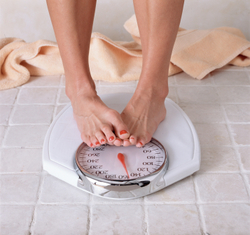
6. Possible bladder message: You weigh too much
 What it is:
 You probably don't need your bladder to tell you what your mirror and scale already know. But the effects of obesity are sometimes easy to ignore, at least until everyday functioning is affected, all day long. Excess weight means that the pelvic-floor muscles involved in supporting a woman's urinary system are under extra pressure. Over time, they can weaken, especially the urinary sphincter, which keeps the urethra capped when you're not urinating.
What you may notice: Leaking urine when you cough, sneeze, exercise, or move the wrong way -- any kind of physical stress can produce what's known as
stress incontinence.
"People don't often connect weight and urine, but there's a clear association," says urologist Adam Tierney. "And overweight people are more likely to have diabetes, which can cause urge incontinence on top of the stress incontinence."
What you can do: Pelvic floor exercises and other therapies for stress incontinence can help shore up weak musculature and lessen episodes of leakage. Not smoking is another remedy, since the cough that smoking produces further aggravates weak musculature.
But the very best remedy for stress incontinence for those who are overweight is to work to achieve a body-mass-index in the normal range. A 2009 study in the
New England Journal of Medicine found that overweight women who lost an average of just 8 percent of their body weight (17pounds) saw their weekly incontinence episodes cut in half.
7. Possible bladder message: Interstitial cystitis
What it is: A chronic inflammatory disorder of the bladder, including irritation of the bladder lining and wall, interstitial cystitis (also called painful bladder syndrome and bladder pain syndrome) affects both sexes, especially women. The cause isn't fully understood.
Interstitial cystitis is often associated with sleep disorders, migraines, depression, and other pain syndromes, such as fibromyalgia, irritable bowel syndrome, and chronic fatigue syndrome, Tierney says.
What you may notice: Very frequent urination (several times an hour, all day), pain on urinating, general pain in the pelvic area. (Normally, people need to urinate no more than seven times a day, according to the American Urological Foundation Association.) Pain is usually experienced in flare-ups that can be related to menstruation, having sex, stress, and illness. It often resembles a urinary tract infection, but testing shows no evidence of bacteria.
What you can do: There are no reliable tests or remedies for interstitial cystitis, but a thorough medical exam can point to treatment of other possible causes of the symptoms. Treatment of interstitial cystitis itself often focuses on medications and lifestyle changes that can help sufferers better manage their symptoms. For example, many people have success with dietary changes, avoiding
foods that irritate the bladder, such as caffeine and acidic items.
8. Bladder message: Falling organs
What it is Especially following childbirth, women are vulnerable to a condition called bladder prolapse -- which refers to the dropping of the organ from its customary position, sometimes into the vaginal opening. This happens because the pelvic floor muscles and ligaments of the "hammock" that supports the bladder have been weakened by stress. Heavy lifting, chronic coughing (as by a smoker), obesity, and menopause (because of shifting hormones) can also lead to prolapse.
What you may notice: Frequent urination or urge incontinence; not feeling relief after urinating; discomfort or pain in the vagina, pelvis, groin, or lower back; heaviness in the vaginal area (which may ease when lying down).
What you can do: For mild cases, shoring up weak muscles with
physical therapy can be effective. More extreme cases may need estrogen replacement therapy, electrical stimulation, or a pessary (vaginal support device) to provide better support for the organs. Surgery can be an effective last resort.

9. Possible bladder message: Dehydration
What it is: Dehydration simply means the body doesn't have as much liquid as it should. Anyone can become dehydrated, although older adults are especially vulnerable. Common causes: having diarrhea and/or vomiting, sweating a lot through exercise or because of fever, and being diabetic (elevated blood sugar levels lead to more frequent urination as the body tries to get rid of the excess).
What you may notice: Abnormally dark (amber to brown) or strong-smelling urine. The appearance of urine isn't a highly reliable indicator of health problems (aside from blood in the urine), says the Dean Clinic's Adam Tierney. Whether it's cloudy or fizzy or a particular hue often has more to do with diet and medication than an underlying disorder. When it looks dark and concentrated, however, dehydration is a concern.
Other symptoms of dehydration: Decreased urine output, headache, lethargy or sleepiness, dry skin and dry mouth, dizziness, and increased confusion.
What you can do: Fluid replacement resolves dehydration. The form of fluid may depend on the severity of the situation. An IV, for example, is used in advanced cases. For more mild dehydration, consuming frequent, small amounts of clear liquids helps, or a doctor may suggest an oral rehydration solution. To avoid dehydration, make sure older adults, in particular, drink six to eight cups of liquid a day or consume foods high in liquid content, such as soup and watermelon.
10. Possible bladder message: Cancer
What it is: Cancer can develop in the bladder, the kidneys, the renal pelvis (the area of the kidneys where urine is collected), or the ureter (the tubes that carry urine from the kidneys to the bladder). Transitional cell cancer of the renal pelvis and ureter is a common form of cancer, where cancerous cells in the lining of these parts travel to other parts of the body.
What you may notice: Blood in the urine (which may appear pinkish, brownish, or red), pain while urinating, or a frequent urge to urinate whether or not anything is produced. More often in men, tumors may also block the normal traffic of urine and cause
overflow incontinence, in which you can't control output well.
What you can do: See a doctor. Symptoms that might signal cancer of the urinary system can mean many other things besides cancer. But they always merit medical help, to rule out other problems and to pinpoint a diagnosis.
http://www.caring.com/articles/10-things-your-bladder-says-about-your-health?utm_medium=cpc&utm_source=outbrain&utm_campaign=oab&utm_content=160
.
 Decreasing fluids is often the first thing tried by someone seeking to control an overactive bladder. After all, if you drink less overall, you reduce the need to use the bathroom often or the chance of having an accident before you can get there. Right?
 Citrus tends to irritate the bladder (even though, in general, it's wise to eat plenty of fruits and vegetables for their healthy, vitamin-rich liquid and fiber). Beware especially of oranges, grapefruits, lemons, limes, and tangerines. Pineapple, not technically a citrus fruit (even though it often appears in the same tropical salads), is also a culprit because it's highly acidic.
 This one may be painful to chocoholics, but chocolate contains caffeine, a substance that annoys the bladder. Hot chocolate is especially counterproductive, since it's in liquid form.
 Most people with overactive bladder know to avoid coffee. It's a diuretic, which causes you to urinate more often, and it contains caffeine, which stimulates the bladder. The surprise: Even decaf versions have this effect. That's because decaffeinated coffee and tea are seldom caffeine-free. (Avoid iced tea and coffee, as well as hot forms.)
 Spicy nachos, hot peppers, jambalaya, kabobs, curries . . . some like it hot, hot, hot, but should not. Among the many physical effects super-spicy foods have on the body (like watering eyes and burning lips) is a tendency to irritate the lining of the bladder.
 While it's challenging to completely eliminate sweets, it's worth cutting back, since sugars tend to stimulate the bladder. Leave the extra spoonfuls out of your cereal bowl or teacup, and read labels to avoid packaged goods that list simple sugars high in the ingredients list. Know that for some people, even artificial sweeteners (such as aspartame) irritate.
 Tomatoes are acidic; hence their bladder-irritating quality. The effect varies by individual, but if you're vulnerable, try cutting out all tomato forms, including sauces, paste, juice, spaghetti sauce, taco sauce, and salsa.
 Whether in the form of wine, beer, champagne, or hard liquor, alcohol interferes with brain signals that tell you when to "go." It's also a dehydrator that makes you need to go to the bathroom more.
 Different dairy products tend to affect people differently. For some, all dairy is a bladder-baddie. Others are bothered only by very rich and creamy milk products, such as cream cheese, sour cream, or aged cheeses.
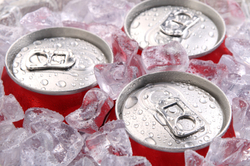 Quenching your thirst with a carbonated beverage (colas, other flavors, fizzy water, seltzer) is counterproductive if you have an overactive bladder. The carbonation is a bladder trigger, an effect that's intensified if the drink also contains caffeine. Unfortunately, champagne must be included in the list of carbonated drinks. In addition to the bubbles, bubbly contains alcohol, another overactive-bladder culprit.