Pages

Showing posts with label Strawberries. Show all posts

Wednesday, 27 November 2019

The Five Most Nutrient-Dense Fruits

Last month in Health Watch, we revealed the five most nutrient-dense greens. But that’s only half the story… Researchers at William Paterson University also looked at the nutrient density and bioavailability of fruits. The study reveals that fruits—based on their scoring system—aren’t as potent as vegetables…but that’s no reason to skip them. You just have to know which ones are the best. And just like last time, the results may surprise you…

INH Research 
Eating fruit is critical to your health… But you may not be eating the right ones. Here are the top five most nutrient-dense fruits.

Here are the top five most nutrient-dense fruits:
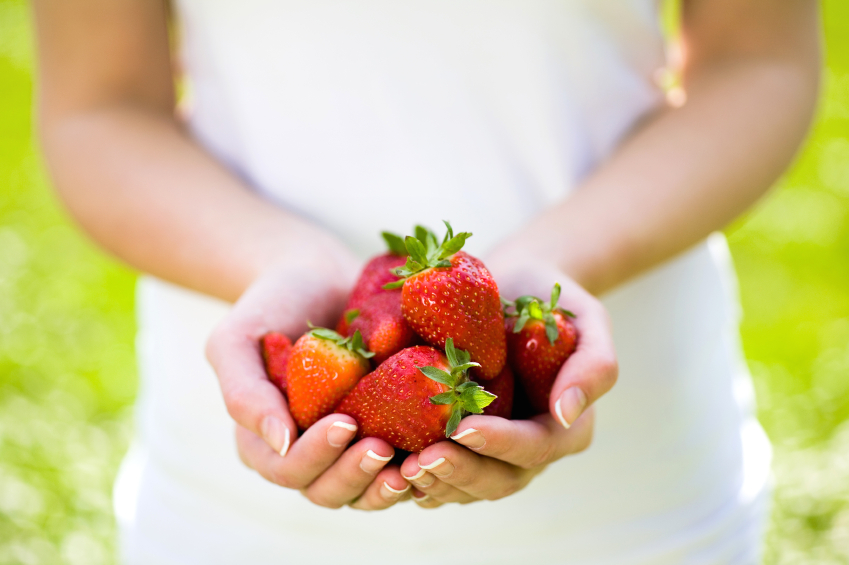
5. Strawberries: They’re a sweet snack that also helps protect your heart. Strawberries may help you lower LDL cholesterol. Their fiber content could start fighting heart disease in 30 days. And researchers in this study didn’t even take their phytochemical content into account.1 This includes powerful compounds—like anthocyanin—that can help lower blood pressure and prevent free radical damage.
4. Lemons: Don’t overlook this tart fruit. Lemons are a great way to add extra vitamin C to the foods you eat. Fresh lemon juice on a salad or in your water adds flavor and antioxidant power. But lemons also pack limonoids—potent anti-cancer compounds—in their peels.2 Adding the zest to your veggies or fish is a great way to get natural limonoids into your diet—and help keep cancer at bay.
3. Tomatoes: If it has seeds, it’s usually a fruit… And the lycopene in this fruit may help prevent breast cancer. It may even help you cut your heart disease risk in half. But researchers didn’t even consider that. They mainly looked at its vitamins C, K, A, and B content. Tomatoes are also a good way to get more biotin, potassium, and manganese. Just make sure to skip the tomato sauce in a jar… It’s a secret source of sugar that could be sabotaging your otherwise healthy diet.
2. Pumpkins: Pumpkins are actually a nutritional powerhouse. Their seeds are an excellent source of zinc. It’s a vital nutrient that you’ll need for healthy aging. They may even help you keep blood sugar levels in check. Pumpkins are also rich in beta and alpha-carotene. These carotenoids may help you preserve eyesight. They may also help fight the signs of aging caused by oxidative damage. You can find raw—or roasted—organic pumpkin seeds online and in most health stores year-round.
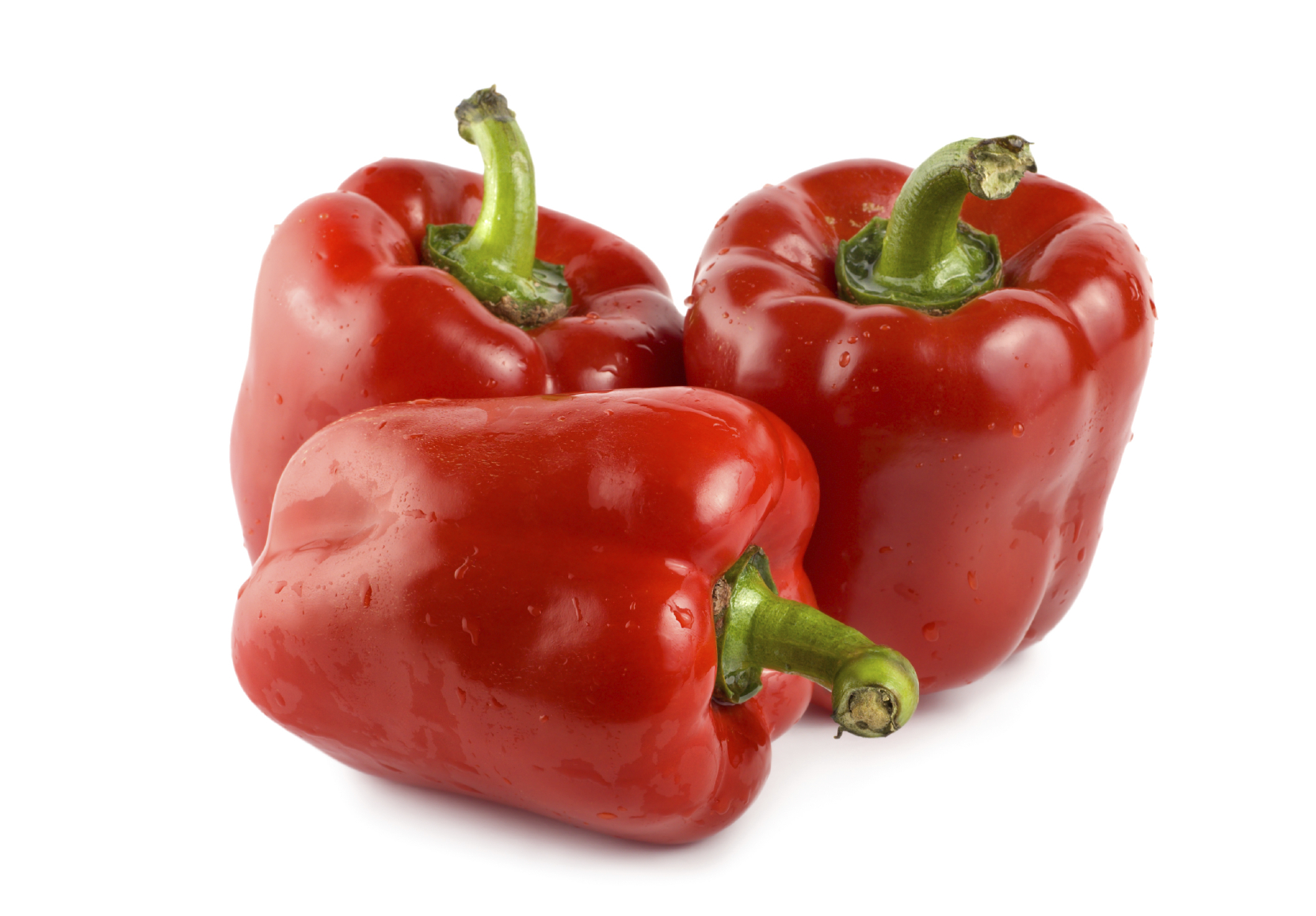
1. Red Peppers: These ranked higher than any other fruit. And not just because they’re high in vitamin C—they have more than an orange. Red peppers are also high in heart-healthy lycopene. Eating them may even help prevent Parkinson’s disease. These peppers contain small amounts of natural nicotine. Research shows that getting nicotine from peppers twice a week may help lower your risk for developing Parkinson’s by around 30%.3
The results are surprising… After all, some of the most popular fruits—like apples, bananas, and oranges—didn’t make the list. But remember: These rankings come from both how much nutrition is in each serving…and how easily your body absorbs it.
It doesn’t mean you shouldn’t skip other fruits—like tart berries and pineapples—altogether. But consider swapping them out for some raw, organic red pepper slices a few times a week to get the most nutrition out of your fruits.

Like this Article? Forward this article here or Share on Facebook.
References:
1http://www.washingtonpost.com/news/to-your-health/wp/2014/06/05/finally-a-list-of-powerhouse-fruits-and-vegetables-ranked-by-how-much-nutrition-they-contain/
2http://www.whfoods.com/genpage.php?tname=foodspice&dbid=27
3http://onlinelibrary.wiley.com/doi/10.1002/ana.23884/full

https://www.institutefornaturalhealing.com/2014/08/the-five-most-nutrient-dense-fruits/

Monday, 29 April 2019

Curious Cook: Pesticides and other thoughts - MUST READ

Part of the research into glyphosate for the last article provided additional free insight into the use of pesticides and treatments for fresh vegetables and fruits. The interesting aspect was not only the surprising amount of residues but also the frequent use of multiple chemicals on single crops.
Curious Cook: Pesticides and other thoughts

Strawberries
As an example, the Environmental Working Group (EWG) has identified strawberries as probably the most contaminated fruit in terms of pesticides and fruit treatment compounds. A quick search through the United States Department of Agriculture (USDA)’s Pesticides Data Program (PDP) database revealed that strawberries for human consumption in the USA can be treated with combinations of over 70 different active compounds, with varying degrees of toxicity.
However in the amounts detected, the USDA and the Environmental Protection Agency (EPA) have indicated there are no severe threats to human health provided the residue levels are kept below recommended limits. Note there may be more chemicals used but the PDP database did not indicate every possible compound used on commercial strawberries; for example, glyphosate was not included.

Strawberries are one of the most contaminated fruits. Photo: Ted Rabbitts/Flickr
The European Food Safety Authority (EFSA) is probably more thorough in its monitoring of crop residues. It had also reviewed and published the Maximum Residue Limits (MRL) for over 485 chemicals which may be found on strawberries, though not all of them are regulated or actually permitted to be used – these MRLs are limits used by producers and test laboratories to analyse for food safety issues.
There were 109 chemicals originally approved for use on strawberries, including neonicotinoids (or neonics), often called “bee killers”. Since April 2018, three major neonics (clothianidin, imidacloprid and thiamethoxam) are banned from use in open fields though it seems thiamethoxam may still be applied in enclosed industrial greenhouses. The same detailed levels of EFSA documentation and processes apply for all other kinds of food crops.
Again, the EFSA suggests that permitted chemical residues in strawberries and other crops are safe for human consumption if they do not exceed their MRLs.
The dirty list
To be honest, the following list of fruits and vegetables was originally drawn up by the EWG, an organisation probably more known as an environmental lobbyist group than a proper scientific research outfit.
However, after struggling with the PDP and the EFSA pesticides databases, it became clear that there is no such thing as easy access to information regarding toxicity, dosage, frequency of application and consumer removal of many crop treatments without reading through the documentation of every formulation containing these chemicals and the diluents/surfactants used with such chemicals.
So after checking various items on the list as best as I could (and finding no significant discrepancies), I am assuming the EWG had done its homework properly when compiling the following list.
So, based on the analysis from the EWG, crops with the most treatment residues are: strawberries, spinach, kale, nectarine, apples, grapes, peaches, cherries, pears, tomatoes, celery, potatoes and hot peppers.
Potatoes are one of the crops with the highest pesticide residue. Photo: Sethoscope/Flick
The EWG also states that nearly 70% of all produce sold in the United States is contaminated with pesticide residues, though it does not warn that all such produce is necessarily bad for health, provided all such residues are below the recommended MRLs. It merely suggests that long-term ingestion or over-ingestion of such residues may have a detrimental effect on health, which is likely to be true for sections of the population.
The above list are vegetables and fruits which are commonly targeted by insects, fungi, bacteria and other pests, and are therefore often sprayed with various compounds to prevent loss of production. Regarding potatoes, major treatments are also applied after harvest to prolong the crop storage life. In Britain in 2004, 2,677,280 tonnes of potatoes were treated with various compounds such as imazalil, thiabendazole and/or stored using ethylene, a gas which inhibits the sprouting of tubers. The main treatment was fumigation with chlorpropham, which was applied to 2,257,603 tonnes, or over 84% of the potato crop for that year.
The clean list
Of all commercial fruit and food crops, the following were found by the EWG to contain the lowest amount of pesticide residues: avocados, sweet corn, pineapples, sweet peas (frozen), onion, papayas, eggplants, asparagus, kiwis, cabbage, cauliflower, cantaloupes, broccoli, mushrooms and honeydew melons.
Cauliflower is on the clean list. Photo: Liz West/Flickr
Most of the above either have thick, inedible skins which need to be removed before eating or have hydrophobic surfaces which repel water.
In summary, if it is not possible/feasible to consume organic produce, it might be worthwhile to focus on picking more of your greens and fruits from the clean list above.
A likely carcinogen
As a comment, imazalil (also known as enilconazole or chloramizole) is one of the most common pesticides found on fruits. A huge proportion of oranges and other citrus fruits as well as potatoes are routinely treated with imazalil, even though both the EPA and the World Health Organisation’s International Agency for Research on Cancer (IARC) categorise imazalil as “likely to be carcinogenic to humans”.

Oranges are treated with a chemical that is reputed to be carcinogenic. Photo: Frederique Voisin Demery/Flick
The concentration of this compound is mostly on the fruits’ skin and therefore exposure should be minimal if the skin of the fruit is discarded. This may not be so easy if fruits such as grapes are treated with the chemical (which is the case in many countries).
To remove residues, the best suggestion is to soak and wash produce in a 1% baking soda (sodium bicarbonate) water solution for 12-15 minutes, as the alkalinity apparently destabilises and loosens pesticide molecules.
Honey and babies
We had a new granddaughter arrive recently, and automatically my wife offered the standard French advice to refrain from giving her any honey-based drinks for at least a year. Then it occurred to me that I do not know the reason for this common warning, so it was worth investigating.
It turns out it involves the most toxic poison known to humans, Botulinum Type H (BTX-H), which needs a dose of only two nanograms or less per kilo of body weight to be lethal – this is known as the Lethal Dose (LD). By contrast, the very lethal poison batrachotoxin, commonly known as curare, has a LD of two micrograms, 1,000 times less powerful by volume than botulinum H toxin.

Honey can be dangerous to babies under one. Photo: Harsha K R/Flickr
And the reason why babies should not be given honey is because spores of clostridium botulinum bacteria are not infrequently found in honey. The digestive systems of very young babies are not able to kill such bacteria in their stomachs until they are over a year old. Left to breed, clostridium botulinum will produce enough botulinum toxin (BTX) to provoke health issues quickly.
Note that BTX is the cause of botulism, not the bacteria. The bacteria are widespread in the environment and many food products – it is impossible to avoid over a normal lifetime.
However, people normally do not get infected because the bacteria cannot survive exposure to oxygen or highly acidic conditions (pH 4.6) – regular stomach acid (pH between 1.5-3.5) will destroy any ingested bacteria. But BTX is unaffected by stomach acid and needs heat treatment at temperatures of 85°C or more for five minutes to deactivate the toxin. The bacteria can also enter the bloodstream via wounds, and then propagate.
There are several varieties of BTX which are classified as Types A through H, though most are not as lethal as Type H. The cosmetic treatment botox, for example, is based on BTX A or B.
All types of BTX profoundly affect the function of an important neurotransmitter called acetylcholine – this disrupts normal nerve signalling and causes muscle paralysis. Therefore botox treatments work by relaxing muscles on the face and reducing the effect of wrinkly skin.
The good news is antidotes exist for most types of BTX poisoning, provided treatment is received in time (although they can have side-effects) – however, this does not apply for BTX-H because it is highly unlikely to be survivable.
Summary
In summary, when ingesting food stored in a low-acid, low oxygen environment (such as packaged foods or old tins), make sure to heat it to 85°C for at least five minutes – this should also be done for re-sealed food stored at inadequate cold temperatures (above 3°C). And never ever give honey to young babies.

https://www.star2.com/food/2019/04/15/curious-cook-pesticides-and-other-thoughts/

Tuesday, 15 July 2014

Your Sweet Secret for Fighting Heart Disease in 30 Days

Healthwise

March 12, 2014 


Fruits and vegetables get their hues from the types of antioxidants they carry. These compounds naturally fight different diseases. One that lowers your risk of heart disease is called anthocyanin. And that’s not all it does.
This compound also helps lower blood pressure, reduce cholesterol and triglycerides…and more. You’ll find high levels of it in certain kinds of fruit that are in the same color family.
New research shows that eating this tasty fruit is an easy way to protect your heart. It helps lower your triglycerides by over 20 percent in as little as a month.In just one month, subjects who ate this fruit every day lowered their LDL cholesterol by 14 percent. They also lowered their total triglyceride levels by over 20 percent.
A bonus side effect was they raised the amount of natural vitamin C—another heart-protective antioxidant—in their blood by 41 percent.1
More important, the anthocyanin can help prevent heart attacks directly. One study followed nearly 100,000 women over 18 years. Eating at least three servings of anthocyanin-rich foods—including this fruit—each day lowered heart attack risk in women by 34 percent.2
Strawberries are more than a healthful snack. The ancient Romans used them to treat fainting, fever, infections, bad breath, and even blood diseases.5
When it comes to protecting your heart, think “red” and eat more of the fruits with anthocyanin and vitamin C…
Strawberries should be part of your diet anyway. They’re high in anthocyanin. But they’re low in sugar.
They also have a lot of fiber. Researchers at the University of Leeds reviewed over 20 studies on heart disease and fiber intake. They found that you can lower your heart disease risk by nine percent for every seven grams of fiber you eat in a day.3 But instead of relying on grains for your fiber needs, stick with strawberries. This fruit won’t lead to harmful inflammation that puts your heart in danger.
The subjects in the study ate a lot of strawberries—almost 25 medium-sized ones a day. You don’t have to eat that much. Simply increasing your intake will fight free radicals and reduce inflammation. Aside from keeping blood pressure low, they prevent the oxidative stress that makes your heart age beyond its years.
Always eat the freshest organic strawberries you can find. Like other delicate foods, strawberries are vulnerable to dangerous pesticides.4 Avoid preserves and any processed forms, like what you see in yogurts. They’re usually loaded with extra sugar and will do more harm than good.
If you want to supplement, you can also find anthocyanin in some natural antioxidant supplements, for even more protection for your heart.
References:
1http://www.bmj.com/content/347/bmj.f6879
1http://www.jnutbio.
3http://www.bmj.com/content/347/bmj.f6879
4http://www.nyrnaturalnews.com/food/2014/03/heart-protective-benefits-of-strawberries-revealed/
5http://www.londonstrawberryfestival.com/facts.htm
http://institutefornaturalhealing.com/2014/03/your-sweet-secret-for-fighting-heart-disease-in-30-days/

Healthwise

Tuesday, 23 July 2013

The Best Summer Superfoods

| Jul 19, 2013

the-best-summer-superfoods_300Besides being delightfully delicious, colorful and refreshing, many types of berries are impressing researchers with their array of remarkable health benefits. Fresh berries as well as powders, extracts and frozen versions represent a prime example of what are being called “superfoods” because they contain high levels of specialized compounds, beyond the traditional vitamins and minerals in most whole foods. Called phytonutrients, these unique plant compounds are shown to provide a wealth of important benefits.

New Research On Blueberries And Strawberries

Researchers recently demonstrated the remarkable brain-protecting benefits offered by blueberries and strawberries, showing they help clear accumulated toxins in the brain. They were also shown to offer protection against radiation damage. These results add to the growing body of data demonstrating that berries, both common and exotic, can deliver powerful health benefits.

Phytonutrients are produced by plants for specific purposes, such as warding off fungal and bacterial infections, and protecting against other types of harmful exposures. Fortunately for us, these unique compounds provide numerous health benefits thanks to their multiple mechanisms of action.

Perhaps the most well-known benefits of many phytonutrients are their antioxidant activities. The free-radical scavenging abilities of many berries have been shown to effectively fight the oxidative damage that contributes to chronic illnesses such as cancer and heart disease. Different phytonutrients also give berries and other plants their vibrant colors — hence the common saying today: “Add more color to your diet.” Many of these compounds are in the flavonoid family, including anthocyanins, which give berries their distinctive colors. Many berries offer potent anti-inflammatory benefits, immune support, hormone balancing, cardiovascular benefits, anti-cancer actions and much more.

Variety, Color And Remarkable Benefits

An amazing variety of berries are currently available in the United States, including blackberry, red raspberry, cranberry, blueberry, black raspberry and strawberry. Because of the growing interest in berries — not just as food but in supplements and other products — other less common varieties are being increasingly cultivated. Boysenberries, Marion berries, pomegranate and black currant are gaining more attention — particularly pomegranate for its powerful antioxidant, anticancer and cardioprotective benefits.

In addition, there are a number of lesser-known berries that have been consumed for millennia in the traditional diets of tribal communities worldwide. More exotic berries such as goji, mangosteen, acai, maqui and sea buckthorn are commonly consumed in other parts of the world and are now available as extracts, dried berries and powders here in the United States.

The Amazing Maqui Berry

Maqui berry is native to the Patagonia region and has been used by the Mapuche people for a variety of ailments, including sore throat, diarrhea, ulcers, hemorrhoids, fever and tumors. According to tradition, the Mapuche warriors ate very little solid food and drank a fermented beverage made from the maqui berry several times per day. Their extraordinary stamina and strength is attributed to the consumption of this drink.

Laboratory analysis of the maqui berry shows it to contain the highest antioxidant value of any known berry, as measured by what is called an ORAC rating. Analysis shows that maqui’s high ORAC rating is due to the berry’s generous levels of phytochemicals called polyphenols and anthocyanins. There are similar accounts of increased energy and stamina and other health benefits from more unusual berries, such as the gogi berry from the Himalayas.

What Is ORAC?

Let’s take a moment to look at the ORAC scale. This scale was developed by food nutrition researchers at Tufts University’s Human Nutrition Research Center on Aging sponsored by the U.S. Department of Agriculture.

ORAC refers to “Oxygen Radical Absorbance Capacity.” This test, done in the laboratory, measures a food’s antioxidant ability and gauges the food’s ability to neutralize free radicals while reducing oxidative damage. It is recommended that you consume an ORAC equivalent of 3,000 ORAC per day. The average diet in the U.S. provides about 1,200 ORAC per day.

More recently, however, there has been controversy about the use of this scale; research shows that there are many mechanisms involved in the effects of plant compounds and the specific ORAC value may not be the best way to assess these benefits and effects. Nevertheless, ORAC still provides insight into a food’s ability to offer protective antioxidant benefits.

Another measurement for assessing the value of various plants is their flavonoid content.
Flavonoids are a large grouping of plant compounds; close to 4,000 different flavonoids have been identified thus far.

Anthocyanins are a type of flavonoid produced by the plant for protection. When we consume them, they protect tissues from inflammation and oxidative damage, helping to prevent heart disease, cancer and other inflammatory diseases. Remember, oxidative damage is caused by unstable molecules called free radicals that are missing an electron and so grab one from a nearby molecule. This triggers a chain of reactions that cause damage to cell membranes and DNA, contributing to accelerated aging and chronic disease.

Anthocyanins prevent oxidation of LDL (bad) cholesterol and strengthen blood vessel walls, protecting against cardiovascular disease and stroke. Red wine is also high in anthocyanins. For those who don’t drink alcohol, pomegranate juice and maqui juice contain higher levels, with blueberry juice not far behind. A word of caution, though, fruit juice is high in sugars and tends to spike blood sugar; so it’s much better to eat the whole fruit or add a powdered extract to a protein smoothie.

As scientists continue to explore the numerous mechanisms of action and health benefits offered by berries, these remarkable superfoods may top the list as some the most health-supporting, disease-fighting foods on the planet. Include a daily serving of a mixture of berries in your diet for optimal wellness.

http://easyhealthoptions.com/alternative-medicine/the-best-summer-superfoods/

Thursday, 11 July 2013

Health Benefits of Strawberries – Summer’s Super Fruit.

Wednesday, July 11th, 2012 Functional Foods, WEIGHT MANAGEMENT by for Bel Marra Health                

fruitsAlas, July is finally here. The long, hot, sunny days of July tend to have an uplifting effect on most of us–the sun provides us with ample vitamin D, and the weather yields fresh, local fruits, which not only taste delicious, but also deliver an abundance of nutrients.

It is currently strawberry season in many parts of North America, including Ontario and Northern New York, and residence should take full advantage and snatch up as much of this healthy food as possible. Although many people consider strawberries to be quite common, the health benefits of strawberries are anything but ordinary and the nutrient profile is at its highest when the fruit is consumed within two days of picking.

Below are three great reasons to increase your intake of the underappreciated strawberry.

Strawberries are Nutrient Dense Fruits

Strawberries are extremely high in vitamin C and low in both calories and fat. Strawberries also contain a considerable amount of manganese, iodine, potassium, folic acid and vitamin K and they are an excellent source of fiber. The unique combination of nutrients found in strawberries yield anti-inflammatory effects in the body and the low-calorie/high-fiber combination makes them excellent for weight loss.

Strawberries are Functional Foods

Functional foods is the term used to describe certain types of healthy food which serve a physiological benefit in the body and/or reduce the risk for chronic disease and strawberries do just that.

Recently scientists from Warwick Medical School discovered extracts in strawberries that activate a protein called Nrf2, which increases antioxidant activity and yields other protective effects in the body.

Professor Thornalley of Warwick Medical School explained: “We’ve discovered the science behind how strawberries work to increase our in-built defenses to keep cells, organs and blood vessels healthy and which can reduce the risk of developing cardiovascular problems such as heart disease and diabetes.

” Strawberries are an extremely heart healthy food because they are sodium, fat and cholesterol free and the Nrf2 activation caused by eating them helps to reduce three risk factors for heart disease: high blood pressure, high cholesterol and elevated homocysteine levels. Strawberries also help to lower the risk for type-2 diabetes by reducing and regulating blood sugar levels.

Although all fruits and vegetables contain some antioxidants, strawberries are in second place amongst the common fruits for antioxidant capacity and they are in 3rd place amongst all of the commonly eaten foods in America.

The fact that strawberries are very high in antioxidants makes them an extremely healthy food. In order to ensure optimal nutrient content, choose local berries that are plump and firm and that have a deep red, shiny appearance.

http://www.belmarrahealth.com/weight-management/health-benefits-of-strawberries-summers-super-fruit/

Friday, 14 June 2013

12 Easy Edibles to Grow

Fill your family garden with these easy-to-grow kid-friendly fruits and vegetables.

Family Garden: Simple Steps to Success,
Dorling Kindersley Limited

Red Leafed Lettuce Grows Well in Raised BedFava Beans are Decorative Edible Broad BeansLettuce

The speed at which lettuces grow is always impressive. Most tempting of all are baby leaves, for which you should sow over a wide drill.  
 
Cut the small plants with scissors, leaving an inch of growth so that they can grow back. H: 8–10 in (20–25 cm); S: 10–14 in (25–36 cm); full hardy plants; moist to wet soil; full sun


Fava Beans

Fava beans are simple to sow: just push the huge seeds into the ground and they will grow. You don’t need to cultivate the soil to a fine tilth.  
 
They germinate, grow and crop quickly. Sow in fall and pinch out the tips in spring to prevent blackfly. H: 36 in (90 cm); S: 10 in (25 cm); fully hardy plants; moist to wet soil; full sun

Calabrese Broccoli Ready to Eat in Early Garden

Broccoli is a Great Home Garden Choice

Broccoli is the quickest of the brassicas, ready to eat just a few months after sowing. It is also compact, which makes it useful for smaller plots.  
 
Sow seeds in modules in early spring, planting them out when weather improves, or sow direct in late spring. H: 36 in (90 cm); S: 20 in (50 cm); need protection from frost over winter; moist to wet soil; full sun


Carrots Easy to Grow Root VegetableCarrots

Carrots can be eaten at any stage of their growth, but children particularly love them when they are tiny and sweet. 
 
Sow either little and often to get a constant supply of baby carrots, or sow a row and eat the thinnings, leaving the remainder to mature. H: 6 in (15 cm); S: 6 in (15 cm); full hardy plants; wet soil; full sun 

Zucchini Blossoms Are Colorful and Edible

Zucchini make the ideal beginner’s plant as they produce huge crops with little effort. Zucchinis are tender, so sow seeds indoors in early spring and plant once all danger of frost has passed. Alternatively, buy plants from the nursery in early summer. H: 3 ft (1 m); S: 3 ft (1 m); moist to wet soil; full sun

New Potatoes

Digging up potatoes, finding hidden treasure under that mound of foliage, will always be a magical experience. New potatoes are the tastiest — and quickest — of the lot. Allow seed potatoes to sprout (chit) in light, cool conditions and plant in early spring. H: 3 ft (1 m); S: 3 ft (1 m); full hardy plants; moist to wet soil; full sun
 

Peas

Peas are lovely fresh from the pod, but they are big plants and fall prey to many pests. Snow peas are much easier, and they have a sweetness and crunch that is appealing to children. Sow a small amount every few weeks from spring to midsummer. H: 6 ft (1.8 m); full hardy plants; moist to wet soil; full sun
 

Pumpkins

Pumpkins can be carved at Halloween and you can spark a child’s competitive instinct by trying to grow a giant to show off at the county fair. Plants are tender so sow seeds indoors in spring and plant out once danger of frost has passed. H: 3 ft (1 m); S: 10 ft (3 m); need protection from frost over winter; moist to wet soil; full sun


Spring Onions

Spring onions are the quickest of the onions and are also relatively mild and palatable to children. They take up little space in the vegetable garden. Sow directly where they are to grow in spring, thinning out after seeds have germinated. H: 8 in (20 cm); S: 1 in (2.5 cm); full hardy plants; moist to wet soil; full sun
 

Strawberries

Make sure that strawberries are planted in your sunniest spot, and try to prevent eager hands from picking them to soon. The rule is: when you think they are ready, leave them for one more day. Protect the plants well from slugs and other pests. H: 6 in (15 cm); S: 12 in (30 cm); full hardy plants; wet soil; full sun

Sweetcorn

Sweetcorn is a favorite vegetable of many children, who love the novelty of eating the kernels off the cob. Sweetcorn needs sowing indoors in spring and planting out once all danger of frost has passed. Plant in a block, as flowers are wind-pollinated. H: 6 ft (1.8 m); S: 12 in (30 cm); needs protection from frost over winter; wet soil; full sun

Tomatoes

There is a huge variety of tomatoes available, and the bite-sized cherry tomatoes are especially popular. These also have the benefit of maturing early and can miss the worst of blight. Look out for stripy-skinned heirloom cultivars. H: 6 ft (1.8 m); S: 24 in (60 cm); need protection from frost over winter; moist to wet soil; full sun


http://www.hgtvgardens.com/photos/garden-to-table-photos/12-easy-edibles?

Friday, 8 February 2013

Blueberries and strawberries could cut heart attack risk in women: research

Eating strawberries and blueberries three or more times a week may help women cut their risk of a heart attack by a third, according to new research.

Eating strawberries and blueberries three or more times a week may help women cut their risk of a heart attack by a third, according to new research.
Women who eat the most blueberries and strawberries appeat to
have a 32 per cent reduction in their risk of heart attack Photo: GETTY
By
7:30AM GMT 15 Jan 2013
 
The berries contain relatively high levels of plant compounds called dietary flavonoids, which are found in a variety of foods including dark chocolate, grapes, red wine, blackberries and eggplant.

According to the study, dietary flavonoids may prevent heart disease by helping to dilate blood vessels and by countering the build-up of plaque which can cause blockages in the coronary arteries and, ultimately, heart attacks.

The researchers found that women who ate the most blueberries and strawberries had a 32 per cent reduction in their risk of heart attack compared to those whose intake was limited to once a month or less – regardless of whether they had an otherwise nutritious diet.

Professor Eric Rimm, whose findings appear in the journal Circulation, said: "Blueberries and strawberries can easily be incorporated into what women eat every week. This simple dietary change could have a significant impact on prevention efforts."

Since these dietary flavonoids are very common in fruit and vegetables, it is likely that other foods will yield similar health benefits, he said.

The study included 93,600 women aged between 25 and 42.

"We have shown that even at an early age, eating more of these fruits may reduce risk of a heart attack later in life," said Professor Aedín Cassidy, co-author of the study.

The findings were independent of risk factors such as age, high blood pressure, family history of heart attack, weight, exercise, smoking, caffeine or alcohol intake.

Blueberries and strawberries could cut heart attack risk in women: research

Tuesday, 24 July 2012

Detox and Fight Disease with Ruby Red Strawberries


E-mail from The Institute for Natural Healing
 Health          Watch

Tuesday        July 24, 2012


An apple a day keeps the doctor away... and so will a handful of  strawberries.

Strawberries are well known for their array of antioxidants. They  are also rich in folate, potassium and vitamin C. And they are an excellent  source of the powerful anti-cancer nutrient, ellagic acid.

Now, a new study has shown a specific way that this sweet summer  treat protects your body from disease. Dr. Paul Thornalley led the research study  at Warwick Medical School in the U.K.

"We've discovered the science behind how strawberries work to  increase our in-built defenses to keep cells, organs and blood vessels  healthy," said Dr. Thornalley.

Extracting  the Findings

Dr. Thornalley and his team began their research to understand the  beneficial effects of strawberries. That's when they stumbled upon their  discovery. They found that the extracts from the strawberries activated a  protein in our bodies called Nrf2.1

And therein lays the breakthrough...

Once activated, Nrf2 boosts your body's internal production of antioxidants.  It increases certain enzymes which remove toxins from cells. And it has also been  shown to lower cholesterol levels in the blood.

But how exactly does Nrf2 work?

Researchers from the University of Wisconsin have studied the  effects of Nrf2. Their findings were published in the Proceedings of the National Academy of Sciences.2

In this study, cells with high levels of Nrf2 were transplanted  into the brains of mice. Then the mice were exposed to toxins which are known  to kill neurons. The results were startling. The mice showed no signs of  toxicity.

Dr. Jeff Johnson, who led the study, commented on what happens  when the Nrf2 protein is activated.

"Not only do you increase the cell's endogenous antioxidants,"  said Dr. Johnson, "You're also increasing the enzymes that remove toxicities  from the cell."

And the protection is not just limited to what's inside that cell.  The study also found that cells with high levels of Nrf2 protect those around  them.

So how do you raise your levels of this protective protein? According  to Dr. Thornalley's research at Warwick, it's as simple as adding strawberries  to your diet.

Dr. Thornalley suggests that the benefits of strawberries are  especially helpful for those with metabolic syndrome and signs of heart  disease. This is especially important, considering that heart disease claims  roughly one million lives each year in the U.S.3

Dr. Thornalley will be presenting his research at the 16th  meeting for the Society for Free Radical Research International (SFRRI). His  team will continue their research to determine the best variety of strawberries  to eat. They will also try to determine the best way to serve them for optimum  health benefits.

But you don't have to wait. Next time you're at the store, be sure  to pick up a carton or two of fresh strawberries. Just be sure to always choose  organic. Strawberries are one of the crops most heavily sprayed with  pesticides.

References:

1http://www2.warwick.ac.uk/fac/med/news/news/strawberry_wimbledon_superfruit

2http://www.news.wisc.edu/10564

3http://www.theheartfoundation.org/heart-disease-facts/heart-disease-statistics/

Friday, 15 June 2012

Supercharge your Metabolism with Strawberries

29 July 2008
 

86.jpgSweet Summer Treat Helps Burn Fat and Curb Cravings


Here's one of the best-kept secrets of the season: In addition to being delicious and full of antioxidants, strawberries can boost your metabolism and help your body burn fat. These delicious berries supply powerful nutrients that can help you lose weight and even keep your brain young and fit, according to Leo Galland, MD, author of The Fat Resistance Diet.
 

STRAWBERRIES BOOST METABOLISM


Dr. Galland, who frequently uses foods for prevention and treatment of common conditions in his private practice, told me that strawberries promote weight loss in at least three ways. Strawberries can: Increase the body's production of a hormone that stimulates your metabolism and curbs your appetite. According to research done in Japan and published in Biochemical Pharmacology in 2006, anthocyanins, a chemical constituent of strawberries, stimulate synthesis of the hormone adiponectin, which is produced by fat cells. Adiponectin stimulates fat burning. Slow the rate of digestion of starchy foods. Anthocyanins and ellagitannins found in strawberries inhibit the enzymes that transform dietary starch into sugar. This helps control the rise in blood sugar that follows a starchy meal. This is a key benefit for those with adult-onset (Type 2) diabetes. Help your weight-reducing hormones function properly.
 

OTHER HEALTH BENEFITS


In addition to weight loss, strawberries may help keep the brain young and fit. Research with laboratory animals has demonstrated functional benefits of strawberries for the aging brain, including preservation of memory and learning ability. According to Dr. Galland, strawberries are a perfect part of his fat resistance plan because one cup of sliced strawberries has only 53 calories and comes loaded with 98 mg of vitamin C, 3 grams of fiber, and some calcium, magnesium and potassium. All this is in addition to the high anti-inflammatory antioxidant content in strawberries which helps protect against heart disease and stroke.
 

HOW TO ENJOY STRAWBERRIES: SHOPPING AND EATING


The fresher the better when shopping for berries. Buy organically grown ones when you can find them, as organic strawberries have been shown to have higher levels of vitamin C. Choose strawberries that are bright red and firm, skipping any that are bruised or soft. Wash them thoroughly just before eating or using them, so they won't get soggy and to remove pesticide residues, since strawberries have higher pesticide levels than many other crops. In a world of sugary temptations, strawberries can be considered a 100% guilt-free treat, according to Dr. Galland. Strawberries give you flavor, color and aroma, awakening your taste buds to the fresh, natural foods your body needs to be healthy and vital, he said. Enjoy them as I do, without adding sugar or cream, and let the natural sweetness shine through. Get a free one-day meal plan with recipes by visiting Dr. Galland's Web site at www.fatresistancediet.com/trial/.
Source: Leo Galland, MD, has been repeatedly chosen as one of America’s Top Doctors and one of the Best Doctors in New York by New York magazine. Dr. Galland is the winner of the Linus Pauling Award and the author of acclaimed books including: Power Healing (Random House) on integrated medicine and Superimmunity for Kids (Dell) on preventive nutrition for children.


Listing Details


Original publication date
July 29, 2008

http://www.bottomlinepublications.com/content/article/diet-a-exercise/supercharge-your-metabolism-with-strawberries

Monday, 7 May 2012

Eating berries may slow brain's decline


WASHINGTON (April 26, 2012): Women who eat plenty of blueberries and strawberries experience slower mental decline with age than women who consume fewer of the flavonoid-rich fruits, a US study said Thursday.

Based on a survey of more than 16,000 women who filled out regular questionnaires on their health habits from 1976 through 2001, the findings showed that those who ate the most berries delayed cognitive decline by up to 2.5 years.

Every two years from 1995 to 2001, researchers measured mental function in subjects over age 70, according to the study published in the Annals of Neurology.

"We provide the first epidemiologic evidence that berries may slow progression of cognitive decline in elderly women," said Elizabeth Devore, a doctor with Brigham and Women's Hospital and Harvard Medical School in Boston, Massachusetts.

"Our findings have significant public health implications as increasing berry intake is a fairly simple dietary modification to test cognition protection in older adults."

Devore added that the findings are of particular importance to the aging population, which is on the rise.

The number of Americans aged 65 and older grew 15 percent from 2000 to 2010, according to the US Census.

Robert Graham, an internist at New York's Lenox Hill Hospital who was not involved with the study, said eating more berries is good idea for people of any age.

"Large epidemiological studies, such as this one, add to the basic science research that the antioxidant and anti-inflammatory properties of berries have a beneficial role in age-related cognitive decline," said Graham.

"I would advise all my patients, at any age, to eat more berries. Berries are an easy, nutritious and delicious way to preserve brain function."

Flavonoids are antioxidants that are found in berries, apples, citrus fruits, tea, red wine and onions, and previous research has shown they may reduce the risk of heart disease, diabetes and cancer.

"The current study demonstrates that women who consumed the most flavonoids, especially berries, had a slower cognitive decline over time than women with lower intakes," said Nancy Copperman, director of public health initiatives at North Shore-Long Island Jewish Health System in New York.

"Increasing our intakes of fruits and vegetables is one of the best ways to live a healthy life." –AFP

http://www.thesundaily.my/news/361509

Sunday, 29 April 2012

Why Women Need Berries, and Don't You Forget It


Berries support cognitive function in women
In 2000, there was a movie entitled “What Women Want,” but according to a new study from Brigham and Women’s Hospital and Harvard Medical School, what women need is berries, and lots of them. Apparently, berries can help put the brakes on cognitive decline among elderly women.

Berries contain brain boosters

You may like strawberries and blueberries for their juicy sweetness and the way they pop in your mouth when you bite into them, but researchers like them for another reason. These berries and others are excellent sources of phytonutrients called flavonoids, especially a subgroup called anthocyanidins, which are potent antioxidants and anti-inflammatory substances.

Although everyone could use a good dose of free-radical fighting antioxidants in their lives, various antioxidants have been found to be particularly helpful in different situations. In the case of anthocyanidins, previous investigations have shown they can improve cognitive functions.

Now a research team has reported that older women who eat lots of strawberries and blueberries can delay their cognitive decline by up to 2.5 years. This finding could have a significant impact on the aging population.

Under the guidance of the study’s leader, Dr. Elizabeth Devore, the team evaluated data collected from the Nurses Health Study, focusing on 16,010 who had had their cognitive function assessed between 1995 and 2001 at two-yearly intervals and who were at least 70 years old.

The authors reported that older women who consumed the most blueberries and strawberries had slower cognitive decline compared with women who ate the least. Devore noted that “We provide the first epidemiologic evidence that berries may slow progression of cognitive decline in elderly women.”

Although the researchers did account for multiple factors, they noted that others could have had an impact on their findings. For example, the women who ate more berries could have been more physically active than their peers.

More goodness from berries

Previous studies have uncovered health benefits associated with eating berries. For example:

  • A Tufts University study team reported that the phytochemicals in berries may help prevent age-related interference with calcium homeostasis in the brain, and therefore help preserve brain health
  • A recent Harvard study found that berry consumption could help reduce the risk of Parkinson’s disease in both men and women
  • Two separate studies in California found that blueberry powder reduced breast cancer tumor size in mice by 60% to 75% compared with a control group and also reduced spread of the disease
  • A Swedish study found that blueberries could help protect against intestinal disease such as colitis and colorectal cancer
  • Strawberries could have a role in preventing esophageal cancer

It appears berries could play an important role in your health. Dr. Devore concluded that “Our findings have significant public health implications as increasing berry intake is a fairly simple dietary modification to test cognition protection in older adults.” That’s why women need berries, and don’t you forget it.

SOURCE:
Devore EE et al. Dietary intakes of berries and flavonoids in relation to cognitive decline. Annals of Neurology 2012 Apr 25. DOI:10.1002/ana.23594

Image: Wikimedia Commons

http://www.emaxhealth.com/1275/why-women-need-berries-and-dont-you-forget-it

Sunday, 19 February 2012

Supercharge your Metabolism with Strawberries

86.jpg

Sweet Summer Treat Helps Burn Fat and Curb Cravings
 
Here's one of the best-kept secrets of the season: In addition to being delicious and full of antioxidants, strawberries can boost your metabolism and help your body burn fat. These delicious berries supply powerful nutrients that can help you lose weight and even keep your brain young and fit, according to Leo Galland, MD, author of The Fat Resistance Diet.
 
STRAWBERRIES BOOST METABOLISM
 
Dr. Galland, who frequently uses foods for prevention and treatment of common conditions in his private practice, told me that strawberries promote weight loss in at least three ways. Strawberries can: Increase the body's production of a hormone that stimulates your metabolism and curbs your appetite. According to research done in Japan and published in Biochemical Pharmacology in 2006, anthocyanins, a chemical constituent of strawberries, stimulate synthesis of the hormone adiponectin, which is produced by fat cells. Adiponectin stimulates fat burning. Slow the rate of digestion of starchy foods. Anthocyanins and ellagitannins found in strawberries inhibit the enzymes that transform dietary starch into sugar. This helps control the rise in blood sugar that follows a starchy meal. This is a key benefit for those with adult-onset (Type 2) diabetes. Help your weight-reducing hormones function properly.
 
OTHER HEALTH BENEFITS
 
In addition to weight loss, strawberries may help keep the brain young and fit. Research with laboratory animals has demonstrated functional benefits of strawberries for the aging brain, including preservation of memory and learning ability. According to Dr. Galland, strawberries are a perfect part of his fat resistance plan because one cup of sliced strawberries has only 53 calories and comes loaded with 98 mg of vitamin C, 3 grams of fiber, and some calcium, magnesium and potassium. All this is in addition to the high anti-inflammatory antioxidant content in strawberries which helps protect against heart disease and stroke.
 
HOW TO ENJOY STRAWBERRIES: SHOPPING AND EATING
 
The fresher the better when shopping for berries. Buy organically grown ones when you can find them, as organic strawberries have been shown to have higher levels of vitamin C. Choose strawberries that are bright red and firm, skipping any that are bruised or soft. Wash them thoroughly just before eating or using them, so they won't get soggy and to remove pesticide residues, since strawberries have higher pesticide levels than many other crops. In a world of sugary temptations, strawberries can be considered a 100% guilt-free treat, according to Dr. Galland. Strawberries give you flavor, color and aroma, awakening your taste buds to the fresh, natural foods your body needs to be healthy and vital, he said. Enjoy them as I do, without adding sugar or cream, and let the natural sweetness shine through. Get a free one-day meal plan with recipes by visiting Dr. Galland's Web site at www.fatresistancediet.com/trial/.
 
Leo Galland, MD, has been repeatedly chosen as one of America’s Top Doctors and one of the Best Doctors in New York by New York magazine. Dr. Galland is the winner of the Linus Pauling Award and the author of acclaimed books including: Power Healing (Random House) on integrated medicine and Superimmunity for Kids (Dell) on preventive nutrition for children.

Listing Details

Original publication date
July 29, 2008

Wednesday, 30 November 2011

New Way to Starve Cancer and Obesity

Dramatically Effective New Natural Way to Starve Cancer and Obesity
Posted By Dr. Mercola | June 08 2010 

William Li discusses a new way to think about treating cancer and other diseases -- anti-angiogenesis, which means preventing the growth of blood vessels that feed a tumor. The crucial step: Eating cancer-fighting foods that beat cancer at its own game.


Dr. Mercola's Comments:

"Angiogenesis" is the process your body uses to build blood vessels. Your body consists of some 19 billion capillaries (the smallest blood vessels), which are the vessels for both life, and yes, in many cases, death, as Dr. William Li, explains during his fascinating TED lecture.

This is because cancerous cells, like all other cells in your body, cannot thrive without the oxygen and nutrients supplied by your capillaries.

Virtually all of your blood vessels are formed while you're in the womb, but there are still certain circumstances in adulthood when your body will grow new blood vessels.

Blood vessels are created each month to form the lining of a woman's uterus, for example. And during pregnancy, new blood vessels form the placenta, which connects and shuttles nutrients to the growing fetus.

"Your body has the ability to regulate the amount of blood vessels it needs at any given time," Li explains, and it does this through an elaborate system of stimulators and inhibitors.

"But for a number of diseases there are defects in this system," Li says.

In some cases, your body becomes incapable of "pruning back" extra blood vessels, and in others it cannot grow enough new ones.
In these situations, angiogenesis is out of balance, and a myriad of diseases result.
For example, insufficient angiogenesis (too few blood vessels) can lead to:
  • Chronic wounds that will not heal
  • Heart disease
  • Stroke
  • Neuropathy
  • Erectile dysfunction
Excessive angiogenesis (too many blood vessels) promote diseases such as:
  • Cancer
  • Blindness
  • Arthritis
  • Endometriosis
  • Multiple sclerosis
According to Dr. Li, there are more than 70 major diseases, affecting more than a billion people worldwide -- which on the surface appear completely different from each other -- that all share abnormal angiogenesis as a common denominator.
"This realization allows us to reconceptualize the way we approach these diseases -- by controlling angiogenesis," Li says.

This is exciting, as I believe and have taught for years that your diet is the key to preventing diseases of all kinds, including cancer. Dr. Li's research explains, and scientifically validates what many of us have experienced, and our ancestors intuitively knew.

You are what you eat, and there are vast differences between a historically wholesome, nutritious diet, and the processed, chemical-based foods that pass for sustenance today.

Strategies for Starving Cancer, and Obesity

In his TED talk, Dr. Li focuses primarily on cancer, because angiogenesis is a hallmark of the disease. As stated earlier, cancer cells cannot grow into noticeable tumors without sufficient amounts of capillaries feeding them oxygen- and nutrient-rich blood. 
As it turns out, the majority of people carry around microscopic cancer cell clusters in their bodies, but not everyone actually develops cancer.

This is because as long as your body has the ability to balance angiogenesis properly, it will prevent blood vessels from forming to feed these microscopic tumors. Trouble will only arise if, and when, the cancer cells manage to get their own blood supply, at which point they can transform from harmless to deadly.

"Anti-angiogenic therapy is the method of cutting off blood supply to the cancer," Li explains. "This can be done because tumor vessels, unlike healthy vessels, are abnormal and poorly constructed, and because of that, they're highly vulnerable to treatments that target them."

There are currently about a dozen different anti-angiogenic cancer drugs that, according to Li's statistics, have significantly increased survival rates.

However, the answer to the cancer epidemic is not just devising better drugs to treat it in its advanced stages. The answer is preventing cancer from occurring in the first place, and that's what's so exciting about Dr. Li's research.

Interestingly, obesity is also largely dependent on angiogenesis.

"Like tumor cells, fat cells grow when blood vessels grow," Li says. So in essence, a cancer-preventive diet is also an obesity-preventive diet.

The Cancer-Preventive Diet

Dr. Li believes the answer to cancer is to prevent angiogenesis, which can effectively starve any microscopic cancerous growths, preventing them from growing and becoming dangerous.

But how do you prevent angiogenesis, aside from using a drug?

As it turns out, "mother nature has laced a large number of foods, beverages and herbs with naturally occurring inhibitors of angiogenesis," says Li.

So by consuming these anti-angiogenetic foods you can naturally boost your body's defense system and prevent blood vessels from forming and feeding the microscopic tumors that exist in your body at any given time.

As shown on a graph in the video, diet accounts for at least 30-35 percent of all environmentally caused cancers.

So, "eating to starve cancer" could have a dramatic impact on cancer rates across the world.

According to Li, resveratrol from red grapes, for example, have been shown to inhibit abnormal angiogenesis by 60 percent. Even more potent is the ellagic acid found in strawberries.

Other anti-angiogenetic foods include:

Green tea Berries: strawberries, blackberries, raspberries, blueberries Cherries
Red grapes Kale Turmeric
Nutmeg Artichokes Parsley
Garlic Tomato Maitake mushroom

Logically, different foods contain different potencies of anti-angiogenetic compounds. But interestingly, when researchers evaluated a combination of two of the LEAST potent teas, for example, they discovered that this combination tea had greater potency than any given tea by itself.

"There's synergy," Li states, which should come as no surprise to those of you who are well-versed in holistic nutrition.

Synergy is indeed what makes fresh, whole foods so potently nutritious! The sum is far greater than the individual parts, and this is why it's far more important to focus on eating a diet of whole, organic foods, rather than obsessing about individual nutrients.

Some Foods are As Potent, or More Potent than Anti-Angiogenetic Drugs!

In his lecture, Dr. Li shows a graph comparing anti-angiogenetic drugs with foods. It's a beautiful illustration of just how potent foods can be, because, as Li says, "foods hold their own, and in some cases are more potent than the drugs!"

Examples of foods equaling or exceeding the potency of drugs include parsley, garlic, and red grapes.

Dr. Li is now involved with creating the world's first rating system that will score foods according to their anti-angiogenetic, cancer-preventative properties. But there's really no reason to wait for a comprehensive list, because we already know that optimal health hinges on a healthy diet consisting of a wide variety of whole, organic foods.

Just like a single food contains synergistic compounds, and a combination of foods can work together synergistically, a healthy diet overall will help you prevent all manner of disease, including cancer, in more ways than one.

For example, balancing your insulin levels will have a beneficial, protective effect on a number of diseases, including cancer. And eating according to your nutritional type also has potent anti-cancer effects. When we treat cancer patients in our clinic, this is in fact one of the most powerful anti-cancer strategies we have.

Other Important Strategies that Can Help Prevent Cancer

It's virtually impossible to discuss cancer prevention today without discussing vitamin D, as the scientific evidence of its anti-cancerous benefits is truly impressive.

For example, intake of vitamin D3 and calcium could potentially prevent 58,000 new cases of breast cancer and 49,000 new cases of colorectal cancer annually in the United States and Canada, according to a complex computer prediction model.

This model also predicted that 75 percent of deaths from these cancers could be prevented with adequate intake of vitamin D3 and calcium.

Theories linking vitamin D to certain cancers have been tested and confirmed in more than 200 epidemiological studies, and understanding of its physiological basis stems from more than 2,500 laboratory studies, according to epidemiologist Cedric Garland, DrPH, professor of family and preventive medicine at the UC San Diego School of Medicine.

Dr. Garland is widely regarded as the leading epidemiologist on vitamin D and its relation to health. He led one of the latest studies on vitamin D for cancer prevention and proposed a new model of cancer development -- dubbed DINOMIT-- that is centered on a loss of cancer cells' ability to stick together.

The model is a departure from the older model of cancer development, which centers on genetic mutations as the earliest driving forces behind cancer. According to Dr. Garland:
"The first event in cancer is loss of communication among cells due to, among other things, low vitamin D and calcium levels. In this new model, we propose that this loss may play a key role in cancer by disrupting the communication between cells that is essential to healthy cell turnover, allowing more aggressive cancer cells to take over."
So clearly, no cancer prevention plan is complete without this simple lifestyle modification.

Normalizing your vitamin D levels with safe amounts of sun exposure is one of the most effective, and least expensive, strategies that is available to most people. Ideally, you'll want to monitor your vitamin D levels to make sure your levels stay within a therapeutic range year-round.

Here are several additional strategies you can incorporate to virtually eliminate your cancer risk:
  1. Control your insulin levels by limiting your intake of processed foods and sugars as much as possible.
  2. Get appropriate amounts of animal-based omega-3 fats.
  3. Exercise. One of the primary reasons exercise works is that it drives your insulin levels down. Controlling insulin levels is one of the most powerful ways to reduce your cancer risks.
  4. Have a tool to permanently erase the neurological short-circuiting that can activate cancer genes. Even the CDC states that 85 percent of disease is caused by emotions. It is likely that this factor may be more important than all the other physical ones listed here, so make sure this is addressed. My particular favorite tool for this purpose, as you may know, is the Emotional Freedom Technique.
  5. Only 25 percent of people eat enough vegetables, so by all means eat as many vegetables as you are comfortable with. Ideally, they should be fresh and organic. However, please understand that, frequently, fresh conventionally grown vegetables are healthier than organic ones that are older and wilted in the grocery store. They are certainly better than no vegetables at all, so don't use that as an excuse. If you are a carb nutritional type you may need up to 300 percent more vegetables than a protein nutritional type.
  6. Maintain an ideal body weight.
  7. Get enough high-quality sleep.
  8. Reduce your exposure to environmental toxins like pesticides, household chemical cleaners, synthetic air fresheners and air pollution.
  9. Boil, poach or steam your foods, rather than frying or charbroiling them.

Related Links: