Pages

Showing posts with label Bile. Show all posts

Sunday, 26 December 2021

Get Your Liver Checked If You Feel This at Night, Doctors Say

 EXPERTS SAY EXPERIENCING THIS AT NIGHT COULD BE A TELLTALE SIGN OF LIVER DISEASE.


By KALI COLEMAN
MARCH 15, 2021
Too much sugar consumption, putting on a few pounds, and drinking even just a little bit of alcohol can all potentially harm your liver. And unfortunately, you can't just check in and make sure everything's running smoothly with this vital organ without the help of a medical professional. But there may be a way for you to notice if something is amiss early on. According to experts, if you experience a certain uncomfortable symptom at night, you need to get your liver checked ASAP. Read on to find out if you should be worried, and for more at-home health tests, If You Can't Do This in 90 Seconds, Your Heart Is in Danger, Study Says.


What do you need to know about Migraine & Fibromyalgia

If so


If something is amiss with your liver, it could result in you feeling itchy at night.
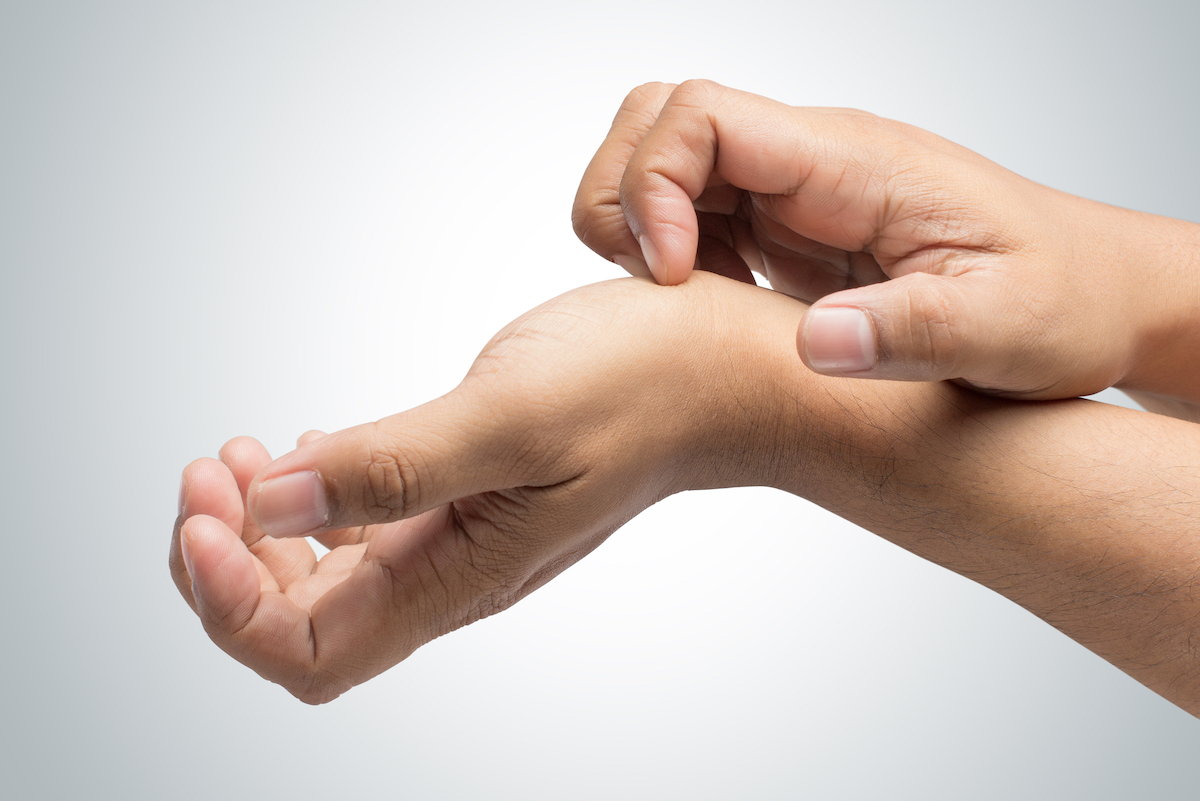
Scratching itch on hand
Monster e / Shutterstock

If you start to experience itching at night, you should talk to your doctor. Itching is associated with liver disease, and it "tends to be worse in the late evening and during the night," Healthline reports.

According to Wendie A. Howland, RN-BC, a registered nurse and legal nurse consultant, one of the duties the liver is responsible for is breaking down and excreting substances your body doesn't need through bile. "If it fails to be able to do that, for whatever reason, the next excretory organ to try to take up the slack to get rid of bile salts is the skin," Howland explains. "This produces itching." And for more on what habits could be affecting your liver, read up on When You Should Take Tylenol Instead of Advil, Doctors Say.

Itching associated with liver disease doesn't tend to produce a rash and is most common on your palms and soles.
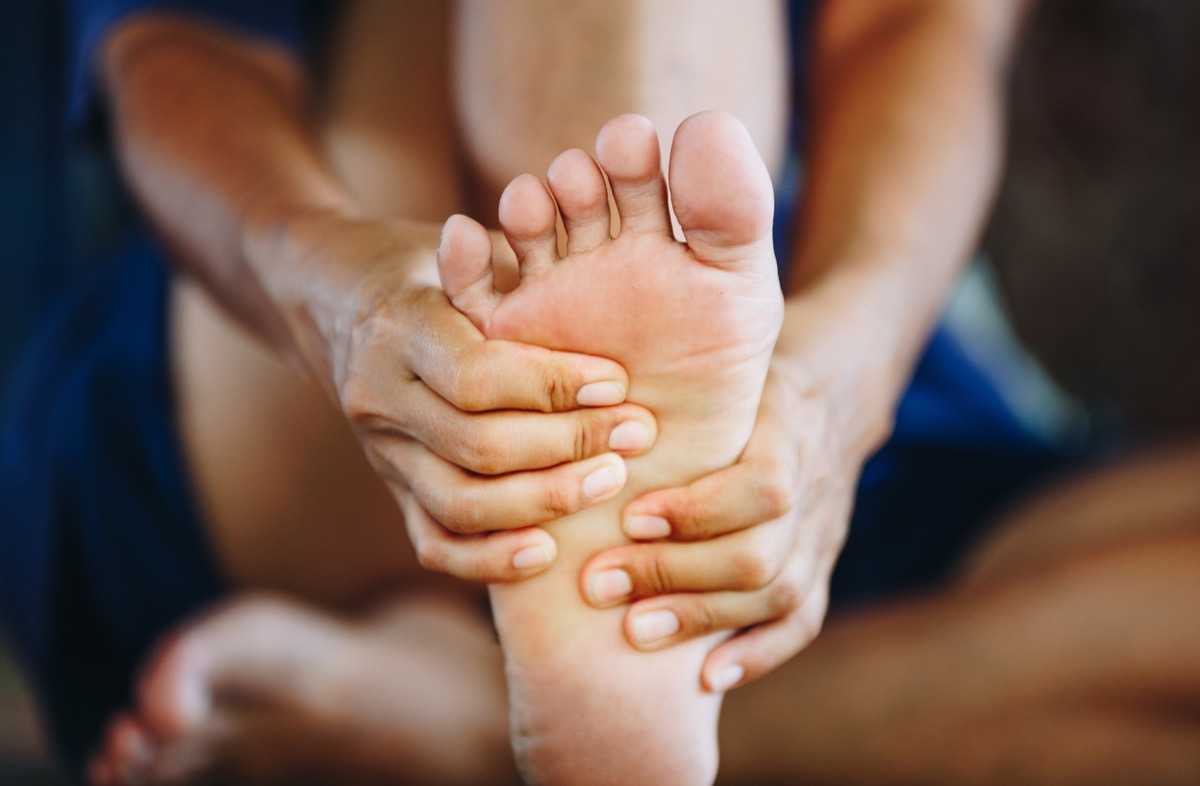
Massaging foot to get rid of pain
iStock

Itching is usually associated with skin diseases, but unlike skin diseases, "you generally do not notice a rash" if the itching is a response to liver disease, says Leann Poston, MD, a licensed physician and medical advisor for Invigor Medical.

"Itching associated with liver disease tends to primarily affect the limbs, especially the palms and soles," she explains. "It is usually worse at night and exacerbated by heat, during the menstrual cycle, with hormone replacement therapy, pregnancy, and contact with wool." And for more symptoms you need to pay attention to, check out the Subtle Signs Your Body Is Telling You Something's Seriously Wrong.

If you notice yellowing skin or eyes alongside the itching, you need immediate medical attention.
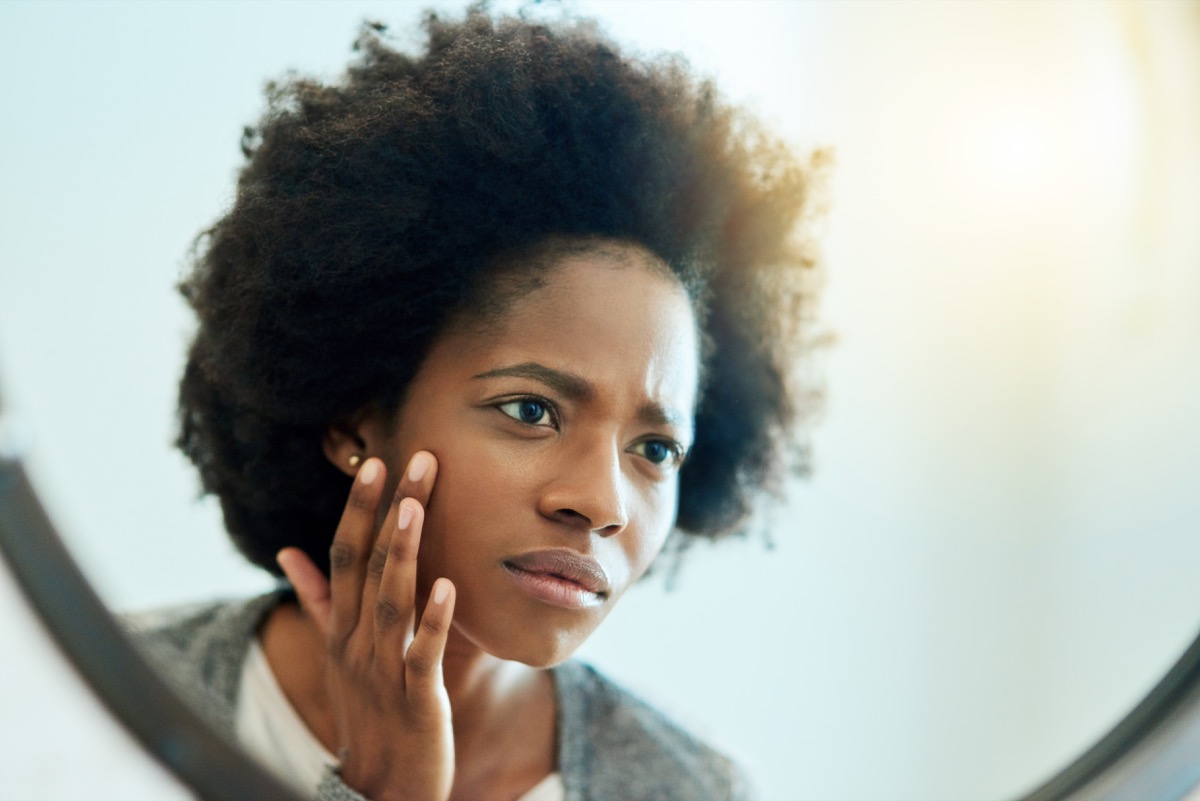
Shot of an attractive young woman inspecting her face in the bathroom mirror
iStock

According to Poston, it can be hard to correlate itching and liver disease on your own, as not everyone who has liver disease develops itching and itching could also be your only symptom of liver disease. But Javeed Siddiqui, MD, chief medical officer at TeleMed2U, points out that if your itching comes with yellowing of the whites of your eyes or skin, known as jaundice, your situation "warrant[s] immediate medical attention."

Howland says that other symptoms of liver disease can include bleeding, bruising, black bowel movements, dark urine, abdominal swelling, nausea, lack of appetite, and abdominal pain. And for more up-to-date health news delivered right to your inbox, sign up for our daily newsletter.

Itching can also be caused by many things other than liver disease.
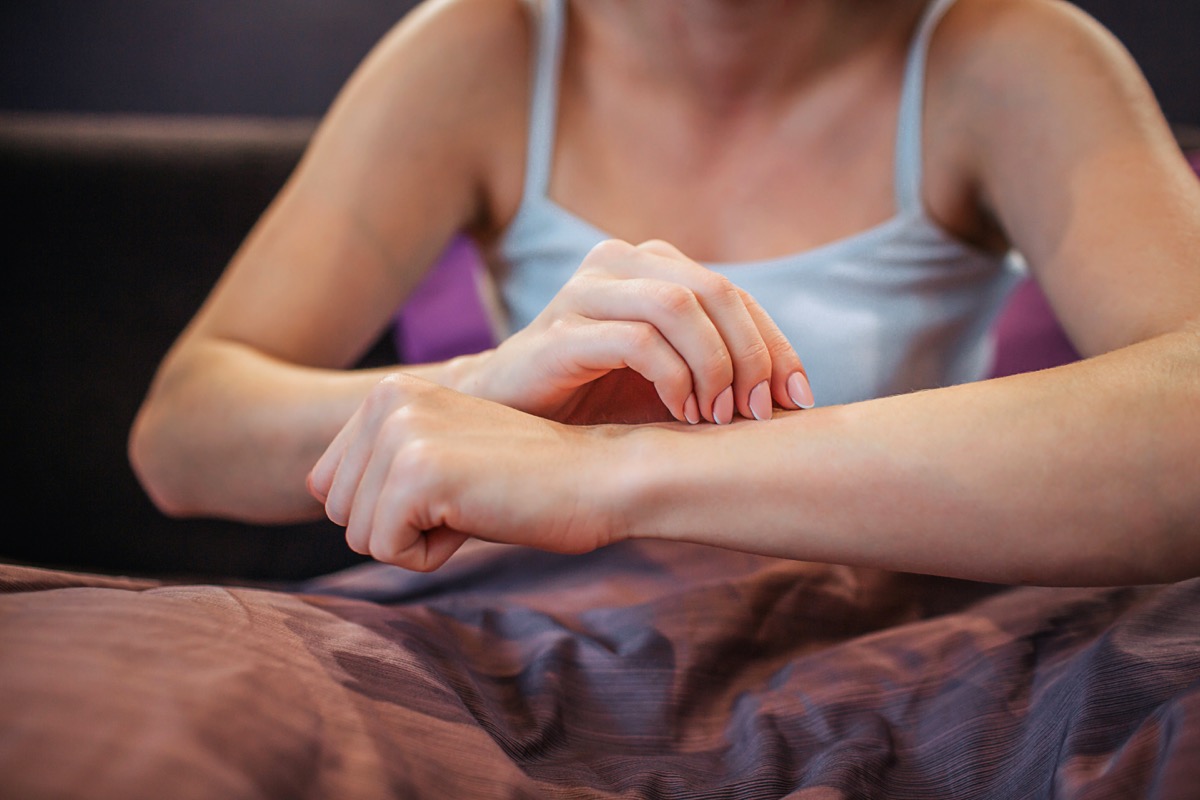
Cut view of young woman sitting on bed and touching her skin with one hand. She is in room alone. Her legs are covered with blanket. Woman has problem
iStock

Of course, itching can also be a symptom of many other non-serious issues and other diseases, ranging from kidney failure and blood disease, Poston points out. You're also more likely to tune into itching at night when these kind of obnoxious sensations are more noticeable because you are quiet and resting and other factors aren't drowning them out, Howland says.

But it's important to get any type of unusual itching checked out, especially if it occurs during the nighttime. "It is best to evaluate the cause of the itching in order to treat the itching. Seeing a healthcare professional is the best first step," Siddiqui explains. If it is liver disease, delaying a diagnosis can limit your treatment options and could result in permanent damage to your liver or even death, he added. And for more health problems you may be facing late in the day, If This Body Part Hurts You at Night, See Your Doctor.

https://bestlifeonline.com/news-liver-symptom/

Tuesday, 15 October 2019

What causes liver pain?

Determining what causes liver pain can be difficult, considering that the brain perceives abdominal pain from many organs in what experts call an “ill-defined” way. Still, advances in medicine have helped the medical community come to a better understanding of what causes pain in the liver area.


Written by 
Published on 


Research tells us that the liver’s pain receptors are located on the organ’s surface, and the pressure a person feels when they experience liver pain is likely from a capsule that covers the organ. The pain is usually felt in the upper right part of the abdomen. Often, people who experience discomfort complain about pain right under their rib cage. No matter what the causes of pain in the liver might be, the condition typically involves swelling, inflammation, or enlargement of the liver. Injury can lead to liver pain, but some causes of liver pain can be linked to various disorders.

People often confuse liver pain with other abdominal pain, but again, actual liver pain is signified by discomfort in the upper right abdomen. There are still some situations where right upper quadrant pain is caused by gallstones or pancreatitis. It is important to see a doctor to get a proper assessment.

What causes pain in liver area?

The causes of liver pain continue to be studied and, sadly, statistics show that liver disease is a common problem. The American Liver Foundation estimates that one in 10 people are impacted by liver disease.

The liver is one of the largest organs in the body and it performs an important function. It converts nutrients from our diet into substances that the body can use or store. The liver also gathers toxic substances and aids in releasing those substances from the body. When the liver is under stress for any reason, it can be very uncomfortable and dangerous.

Here’s a close look at the different potential causes of liver pain:

Cirrhosis

This is a condition that occurs when the liver cells and tissues deteriorate, impacting the function of the organ. A viral infection or excessive consumption of alcohol can lead to cirrhosis. Hepatitis B, C, and D have also been associated with liver cirrhosis.

Liver cancer

A liver tumor can cause pain in the abdominal area. Medical screening usually detects it. The pain is often constant and dull, but sometimes it can be sharp pain. Rates of liver cancer are increasing in the U.S due to the rise in the cases of cirrhosis caused by hepatitis C and non-alcoholic fatty liver disease. There is a cancer that can develop in the ducts of the liver called cholangiocarcinoma.

Fatty liver disease

This is caused by an accumulation of too much fat in the liver cells and it is usually a result of poor diet. Does fatty liver disease cause pain? The answer is yes, but in many cases, the pain is mild. The condition does include a lot of other unpleasant symptoms, including fatigue, loss of appetite, and even confusion. Alcohol abuse can lead to fatty liver disease but so can infections, toxins, and obesity.

Liver cysts

When fluid builds up in the liver, a cyst can form. Pain is only experienced when the cyst is chronic. The discomfort is usually felt at the top of the abdomen and tip of the right shoulder. The exact cause is unknown.

Hemochromatosis

This happens when excessive iron deposits damage the liver along with other organs. Hemochromatosis can lead to fatal hepatitis and cirrhosis.

Wilson’s disease

Excessive copper building up within the liver causes Wilson’s disease. It is a disease that is incurable and can cause a lot of health complications.

Enlarged spleen

When the liver experiences infections, the spleen can become enlarged. This puts pressure on the liver.

Reye syndrome

This is a rare and serious condition that leads to swelling in the liver and brain. It most often impacts children and teenagers who have had a viral infection such as the flu or chickenpox. Confusion, seizures, and loss of consciousness have been experienced with Reye syndrome. According to the Mayo Clinic, aspirin has been linked to this syndrome. Children recovering from flu-like symptoms or the chickenpox should not take aspirin.

Hepatitis

There are different types of hepatitis, but it generally refers to inflammation of the liver. It is often caused by a viral infection, but it can also be the result of ingesting toxins, from drinking too much alcohol, or the result of taking certain drugs. The Centers for Disease Control and Prevention (CDC) reports that about 4.4 million Americans have chronic hepatitis and many more people don’t even realize they have the condition.

Excessive alcohol consumption

Excessive drinking has long been linked to liver problems. Over time, heavy drinkers can experience scarring and cirrhosis along with many visible symptoms including fatigue, poor appetite, fluid build-up in the abdomen and the legs, yellow colored skin (jaundice), red spider-like blood vessels on the skin, impotence, and confusion. When cirrhosis progresses to end-stage liver disease, a liver transplant may be required.

Hepatic artery occlusion

A block in the flow of blood through the liver organ. It can be caused by thrombosis, a blood clot due to hypercoagulability disorder, severe atherosclerosis, or vasculitis. It can also be the result of an embolus, which is a free floating blood clot that travels from another part of the body and becomes lodged in the hepatic vasculature. Symptoms usually present when cell damage due to restricted blood supply occurs. Symptoms may include right upper quadrant, fever, nausea, vomiting, and jaundice.

Portal vein thrombosis

Occurring due to blockage of the portal vein: the vein that supplies blood to the liver from the spleen, stomach, pancreas, and intestines. This blockage causes pressure in the portal vein to increase, called portal hypertension, which can cause the spleen to enlarge. These dilated veins can bleed profusely. Blockage of the portal vein can also lead to fluid accumulation in the abdomen.

Pyogenic liver abscess

A pocket of pus that forms in the liver due to bacterial infection. Pus is composed of white blood cells and dead cells that typically form when your body fights an infection. Normally, the body drains the infection, but in the case of an abscess, the pus collects in a pocket inside the liver. Abscesses are usually accompanied by swelling and inflammation and can cause pain and swelling in the abdomen. Pyogenic liver abscesses can be fatal and should be treated right away.

Cholestasis

A condition where the flow of bile (digestive fluid produced by the liver) is impaired at some point between the liver cells and a segment of the intestine. Bile is subsequently absorbed by the body instead of being excreted into the digestive system, leading to an increase of the substance bilirubin in the blood stream. Symptoms of cholestasis include jaundice, dark urine, light-colored stool, and generalized itchiness.

Hepatic cysts

A relatively common occurrence in the liver but can be a sign of a more serious health issue. Cysts are thin-walled sacs filled with air, fluid, or semi-solid material. Symptoms generally depend on the cause and may include bloating, pain in the upper right abdomen, nausea, vomiting, jaundice, and poor appetite.

Liver condition pain can be treated depending on the cause. In many cases, a patient’s diet will be examined. The liver does have some ability to repair itself if we are kind to it. Research on the livers of mice has shown that inadequate protein can lead to a decrease in liver volume and that adequate protein added back into the diet can reverse some damage.

Lifestyle changes, such as losing weight and lowering cholesterol, are good ways to protect your liver. While some people may be advised to take medication to treat liver pain, it is advisable not to self-medicate. For instance, over-the-counter painkillers such as acetaminophen can react negatively in people with liver problems.

Related: What causes liver pain after drinking?

https://www.belmarrahealth.com/causes-liver-pain/

Friday, 17 August 2018

Antitumor immune function in liver and gut microbiome - MUST READ

NCI study finds gut microbiome can control antitumor immune function in liver

  • Posted: May 24, 2018


3D illustration of gut bacteria.
Credit: iStock
Healthwise

Scientists have found a connection between bacteria in the gut and antitumor immune responses in the liver. Their study, published online May 24 in Science, was led by researchers in the Center for Cancer Research (CCR) at the National Cancer Institute (NCI). 
It showed that bacteria found in the gut of mice affect the liver’s antitumor immune function. The findings have implications for understanding the mechanisms that lead to liver cancer and for therapeutic approaches to treat them. NCI is part of the National Institutes of Health. 
“What we found using different tumor models is that if you treat mice with antibiotics and thereby deplete certain bacteria, you can change the composition of immune cells of the liver, affecting tumor growth in the liver,” said Tim Greten, M.D., of NCI’s CCR, who led the study. “This is a great example of how what we learn from basic research can give us insight into cancer and possible treatments.” 
The microbiome is the collection of bacteria and other microorganisms that live in or on the body. In humans, the greatest proportion of the body’s total microbiome is in the gut. Despite extensive research into the relationship between the gut microbiome and cancer, the role of gut bacteria in the formation of liver cancer has remained poorly understood. 
To investigate whether gut bacteria affect the development of tumors in the liver, Dr. Greten and his team carried out a series of experiments with mice. They used three mouse models of liver cancer, and found that when they depleted gut bacteria using an antibiotic “cocktail,” the mice that had the antibiotics developed fewer and smaller liver tumors and had reduced metastasis to the liver.
The investigators next studied the immune cells in the liver to understand how the depletion of gut bacteria suppressed tumor growth in the liver of the antibiotic-treated mice. Antibiotic treatment increased the numbers of a type of immune cell called NKT cells in the livers of the mice. Further experiments showed that, in all three mouse models, the reduction in liver tumor growth that resulted from antibiotic treatment was dependent on these NKT cells. Next, they found that the accumulation of the NKT cells in the liver resulted from an increase in the expression of a protein called CXCL16 on cells that line the inside of capillaries in the liver.
“We asked ourselves, why do mice treated with antibiotics have more CXCL16 production in these endothelial cells?” Dr. Greten said. “That was the critical point, when we found that bile acids can control the expression of CXCL16. We then did further studies, and found that if we treat mice with bile acids, we can actually change the number of NKT cells in the liver, and thereby the number of tumors in the liver.”
Bile acids are formed in the liver and help break down fats during digestion.
Finally, the investigators found that one bacterial species, Clostridium scindens, controls metabolism of bile acids in the mouse gut—and ultimately CXCL16 expression, NKT cell accumulation, and tumor growth in the liver.
Dr. Greten explained that while many studies have shown an association between gut bacteria and immune response, this study is significant in that it identifies not just a correlation, but a complete mechanism of how bacteria affect the immune response in liver. In the same study, the researchers found that bile acids also control the expression of the CXCL16 protein in the liver of humans and wrote that, though these results are preliminary, the novel mechanism described in this study could potentially apply to cancer patients. 
This press release describes a basic research finding. Basic research increases our understanding of human behavior and biology, which is foundational to advancing new and better ways to prevent, diagnose, and treat disease. Science is an unpredictable and incremental process—each research advance builds on past discoveries, often in unexpected ways. Most clinical advances would not be possible without the knowledge of fundamental basic research. 
About the Center for Cancer Research (CCR): CCR comprises nearly 250 teams conducting basic, translational, and clinical research in the NCI intramural program—an environment supporting innovative science aimed at improving human health. CCR’s clinical program is housed at the NIH Clinical Center—the world’s largest hospital dedicated to clinical research. For more information about CCR and its programs, visit ccr.cancer.gov
About the National Cancer Institute (NCI): NCI leads the National Cancer Program and NIH’s efforts to dramatically reduce the prevalence of cancer and improve the lives of cancer patients and their families, through research into prevention and cancer biology, the development of new interventions, and the training and mentoring of new researchers. For more information about cancer, please visit the NCI website at cancer.gov or call NCI’s Contact Center (formerly known as the Cancer Information Service) at 1-800-4-CANCER (1-800-422-6237). 
About the National Institutes of Health (NIH): NIH, the nation's medical research agency, includes 27 Institutes and Centers and is a component of the U.S. Department of Health and Human Services. NIH is the primary federal agency conducting and supporting basic, clinical, and translational medical research, and is investigating the causes, treatments, and cures for both common and rare diseases. For more information about NIH and its programs, visit nih.gov.


Tuesday, 26 July 2016

How Perfect Is Your Poop?

A new online tool helps analyze your stool using information you input about its shape, color, size and more. Once you learn if your stool needs improving, dietary changes are offered to improve your bowel health.

modern toilet

July 23, 2016 

Story at-a-glance

  • The appearance and frequency of your stool gives you clues about how your gastrointestinal tract is functioning and can even signal serious disease processes that could be occurring
  • StoolAnalyzer is an online tool to help you analyze your stool and make dietary changes to improve the health of your bowel movements
  • Healthy stool should be torpedo shaped, soft and easy to pass, not hard, dry or overly loose

By Dr. Mercola
The size, shape and color of your bowel movements can tell you a lot about your health. This is why you should take a minute to observe what's in the toilet bowl before flushing it away.
The "perfect" stool should be shaped like a torpedo. It should be smooth, soft and easy to pass, as opposed to small and hard (pellet-like) or overly loose.
The appearance and frequency of your stool gives you clues about how your gastrointestinal tract is functioning and can even signal serious disease processes that could be occurring, like infections, digestive problems and even cancer.
Further, making dietary changes will often lead to significant changes in your stool, which you can use as a visual tool to monitor your underlying health.

Analyze Your Stool Online Using StoolAnalyzer

Because you're living in the 21st century, it's no longer necessary to make guestimates about what type of changes you should make to improve your health and, thereby, the condition of your stool. You can instead use an online tool called StoolAnalyzer to make these suggestions for you.1
As it says on StoolAnalyzer.com, "This program is designed to help you analyze your feces and change your diet so that you can achieve the 'perfect stool.'"2 The program takes just a few minutes to complete and includes visual images to help you analyze your poop, asking questions regarding your poop's:
  • Shape
  • Color
  • Size
  • Frequency
  • Behavior (floating versus sinking)
You'll receive a score based on a 100-point scale (with 100 being a perfect score) along with dietary recommendations to improve the health of your stool.
This is not a substitute for an ongoing relationship with a holistic health care provider, but it can give you an idea of what's healthy and what's not when it comes to your stool.

The Bristol Stool Chart

Another handy tool for gauging the health of your digestive tract and stool is the Bristol Stool Chart. Like StoolAnalyzer, this chart takes into account shape and texture of your stool, as well as how difficult or easy it is to pass.
Normal stool is shown in types 3, 4 and 5, "like a sausage or a snake, smooth and soft" to "soft blobs that pass easily." Type 4, however, is ideal.3

Signs of Healthy Vs. Unhealthy Stool

The next time you have a bowel movement, compare what you see in the toilet with the information in the chart below. You should be able to accurately gauge whether your stool is healthy or unhealthy.
If yours is the latter, it's time to make some dietary changes and consult with a holistic health professional to figure out what's gone awry in your digestive tract.
Healthy StoolUnhealthy Stool
Medium to light brown
Stool that is hard to pass, painful, or requires straining
Smooth and soft, formed into one long shape and not a bunch of pieces
Hard lumps and pieces, or mushy and watery, or even pasty and difficult to clean off
About 1 to 2 inches in diameter and up to 18 inches long
Narrow, pencil-like or ribbon-like stools: can indicate a bowel obstruction or tumor; narrow stools on an infrequent basis are not so concerning, but if they persist, definitely make a call to your physician
S-shaped, which comes from the shape of your lower intestine
Black, tarry stools or bright red stools may indicate bleeding in the GI tract; black stools can also come from certain medications, supplements or consuming black licorice.
If you have black, tarry stools, it's best to be evaluated by your health care provider
Quiet and gentle dive into the water; it should fall into the bowl with the slightest little "whoosh" sound — not a loud, wet cannonball splash that leaves your toosh in need of a shower
White, pale or gray stools may indicate a lack of bile, which may suggest a serious problem (hepatitis, cirrhosis, pancreatic disorders, or possibly a blocked bile duct), so this warrants a call to your physician. Antacids may also produce white stool.
Natural smell, not repulsive (I'm not saying it will smell good)
Yellow stools may indicate giardia infection, a gallbladder problem, or a condition known as Gilbert's syndrome. If you see this, call your doctor.
Uniform texture
Presence of undigested food (more of a concern if accompanied by diarrhea, weight loss, or other changes in bowel habits)
Sinks slowly
Floaters or splashers
Increased mucus in stool: This can be associated with inflammatory bowel disease like Crohn's disease, or ulcerative colitis, or even colon cancer, especially if accompanied by blood or abdominal pain
Very bad odor: If your stool has an extraordinarily bad odor, it should not be ignored. I am referring to an odor above and beyond the normally objectionable stool odor.
Stinky stool can be associated with a number of health problems, such as a malabsorptive disorder, Celiac disease, Crohn's disease and chronic pancreatitis.

How Often Should You Poop?

There is a wide variation in what's considered normal bowel-movement frequency. Specifically, three bowel movements per day to three per week may be normal for you, and the frequency may change from day to day or week to week. This is because many factors influence your bowel habits, including:
Diet
Travel
Medications
Hormonal fluctuations
Sleep patterns
Exercise
What's most important is to monitor how you feel and how easily your bowel movements occur. If you're not moving your bowels often enough, you may need to push or strain, and you may feel uncomfortably bloated or gassy. When you do go, the stool may be dry and hard or pellet-like, which are signs of constipation.
Straining is not normal during a bowel movement, nor is experiencing feelings of incomplete elimination, bloating, crampiness or sluggishness after going number two. If you're over the age of 65, your risk of becoming constipated increases significantly.
Chronic, untreated constipation can lead to fecal impaction, which can be a serious medical condition. Laxatives should be avoided at all cost and used only as a last resort, not only due to the potential side effects but also because your body may become dependent on them.
Laxatives may decrease your colon's ability to contract and can even eventually damage your large intestine's nerves, muscles, and other tissues. Fortunately, although constipation is very common, it is also usually temporary and relatively easy to resolve — without resorting to laxatives — by using the natural strategies at the end of this article.

You're Probably Missing Out on These Two Pooping Principles

If you're an adult, you may think you know all there is to know about moving your bowels. However, if you live in the developed world you may be missing out on a key strategy that could make pooping much easier: squatting.
Your body is designed to eliminate while squatting, while modern-day toilets put your body in an unnatural position. Sitting on a modern toilet is designed to place your knees at a 90-degree angle to your abdomen while squatting places your knees much closer to your torso.
This changes the spatial relationships of your intestinal organs and musculature, optimizing the forces involved in defecation. Squatting straightens your rectum, relaxes your puborectalis muscle and allows for complete emptying of your cecum and appendix without straining, which prevents fecal stagnation and the accumulation of toxins in your intestinal tract.
Non-westernized societies, in which people squat, do not have the high prevalence of bowel disease seen in developed nations; in some cultures with traditional lifestyles, these diseases are uncommon or almost unknown. Special toilets and stools that get your body into a more "squatty" position can help you get closer to the ideal even if you've been sitting for decades. What's the other pooping principle you may be missing out on?
A bidet! Bidets provide superior hygiene, are gentler on your skin and are better for the environment than toilet paper; with a bidet seat, you can even install one right on your existing toilet. Bidets are common in certain parts of Europe, South America, the Middle East and Japan; they haven't caught on widely in the U.S., but their use does appear to be increasing.4

Tips to Optimize Your Bowel Movements

The strategies that follow will help to optimize your digestive health, reverse and prevent constipation and support healthy bowel movements. They're safe for children and adults alike.
Remove all sources of gluten from your diet (the most common sources are wheat, barley, rye, spelt and other grains)
Eat a diet that includes whole foods, rich in fresh, organic vegetables and fruits that provide good nutrients and fiber; most of your fiber should come from vegetables, not from grains
Avoid artificial sweeteners, excess sugar (especially fructose), chemical additives, MSG, excessive amounts of caffeine and processed foods as they are all detrimental to your gastrointestinal (and immune) function
Boost your intestinal flora by adding naturally fermented foods into your diet, such as sauerkraut, pickles, and kefir (if you tolerate dairy); add a probiotic supplement if you suspect you're not getting enough beneficial bacteria from your diet alone
Increase your fiber intake; good options include psyllium and freshly ground organic flax seed (shoot for about 50 grams of fiber per 1,000 calories consumed daily)
Make sure you stay well hydrated with fresh, pure water
Get plenty of exercise daily
Avoid pharmaceutical drugs, such as painkillers like codeine or hydrocodone, which will slow your bowel function.
Antidepressants, and antibiotics can also cause a variety of GI disruptions
Address emotional challenges with tools like the Emotional Freedom Techniques (EFT)
As mentioned, consider squatting instead of sitting to move your bowels, which has been scientifically shown to relieve constipation and hemorrhoids

http://articles.mercola.com/sites/articles/archive/2016/07/23/healthy-stool.aspx?