Pages

Showing posts with label Fat-fighting. Show all posts

Thursday, 10 March 2016

This Happens With Your Body If You Eat Ginger Everyday

Ginger is one of the healthiest spices known without any doubt. This spice has various beneficial qualities that can be helpful against many health problems.

January 15, 2016

Eat Ginger
Eat Ginger
You can consume both ginger tea and ginger supplement. This incredible root has many different uses. For instance, it is effective against cancer. It can completely destroy ovarian cancer cells. It also reduces the risks of suffering from irritable bowel syndrome. Furthermore, ginger can aid the weight loss process. This root can activate the digestive juices, which significantly improves the function of the digestive tract.
Ginger is also able to burn excessive fat and aid the process of fat loss. Regular consumption also makes you feel fuller for long time. According to recent studies, ginger reduces the loss of brain cells, which is a huge problem in cases of Alzheimer’s disease.
Ginger also has anti-inflammatory qualities which means that it can relieve any type of pain. Drinking one cup of ginger tea in the morning, will allow you to enjoy the numerous amazing benefits of ginger during the entire day.
The ginger root can also help your sinuses. It can ease the drainage and unclog them. Only one cup of hot ginger tea will help you enjoy all of these benefits of ginger. Moreover, there are no side effects of drinking this healing tea.
The levels of glucose in the body affect the energy levels and the weight directly. Ginger keeps the glucose levels normal. It also improves concentration.
Ginger increases the absorption of the nutrients that the body needs. Due to its anti-inflammatory qualities, it can help with any condition and disease that is based on an inflammation. This spice is able to reduce arthritis inflammation as well.
Even though ginger cannot cure asthma entirely, it can ease the symptoms by easing the pain and opening up the airways.
Ginger can also be helpful in cases of bad breath. It will make you mouth and palate clean and fresh. Make your ginger cleansing drink using hot water. It will cleanse your mouth and neutralize the bad scent.
Ginger will also protect you from colds and other diseases since it improves the immune system.
Ginger improves circulation and makes you feel energized. It opens the pores and this leads to better circulation.
Ginger functions as an aphrodisiac as well. It can also make people more active by recovering tired muscles.
Ginger destroys excess acids that cause heartburn. Consume it regularly to eliminate heartburn.
Drinking one cup of ginger tea before bed, will cleans the digestive tract and prevent gasses.
This root also stops motion sickness and its symptoms like nausea, dizziness and cold sweats.
Incorporate fresh ginger root in your daily diet and prevent all kinds of health condition and diseases.
http://healthydefinition.com/eat-ginger-everyday/


Click on Healthwise for more articles

Thursday, 12 February 2015

What makes you fat?

The key to losing weight is losing all the bad habits that predispose to weight gain, not occasional dieting.


This post is on Healthwise


February 8, 2015


You may not realise it, but a bigger plate makes you eat more because food amounts appear smaller. Photo: The Star

You may not realise it, but a bigger plate makes you eat more because food amounts appear smaller. Photo: The Star

The key to losing weight is losing all the bad habits that predispose to weight gain, not occasional dieting.
FORGET the adage “you are what you eat”. In the real world, you are what you eat, drink, do AND even think, especially where weight gain is concerned.
Did you know that one of the most common New Year resolutions around the world is to lose weight and be healthier? Still, many of us have already forsaken our resolutions, even with January barely over.
With Malaysia being declared the most obese nation in Asia according to a study published in The Lancet in June 2014, it is little wonder that many people wish to lose weight.
More so when a recently released study by University College London, United Kingdom, showed that 89% of the study’s obese subjects developed other serious health conditions including diabetes, heart problems, osteoarthritis, cancer and others.
Conducted over 20 years, the study, published in the Journal of the American College of Cardiology, showed that there is no such thing as being healthy and obese.
However, as anyone who has tried losing weight knows, it can be easier said than done. Just eating less and exercising more somehow doesn’t always seem to work.
Filename : shutterstock_43.82db1140634.original.jpg - To go with 8 tips on getting a good nights sleep (published on 2012-06-14 07:19:53)
Too much sleep lowers your metabolic rate, leading to fat accumulation and poor muscle development, while too little raises cortisol, a stress hormone, making you less inclined to eat well and practise other healthy habits. Photo: AFP
The secret is that many people actually have habits that inadvertently make them fat. Here are the most common fat habits:
Sleeping too much or too little
Remember how animals in harsh temperate countries go into deep sleep in winter to survive? Hibernation helps to lower metabolism, reducing energy output and conserving muscle.
In the same way, sleeping too much lowers your metabolic rate, making you take longer to burn fat and release energy. What results is an accumulation of fat and poor muscle development.
Conversely, sleeping too little raises cortisol, the stress hormone that is inbuilt into the human psyche as a fight-or-flight defence mechanism. Being on high alert at all times makes you less inclined to eat well or practise other healthy habits.
Stick to seven to eight hours a night, and try to sleep and wake at the same times daily, for a more regulated body weight.
In addition, avoid eating too close to your bedtime as you will end up with digestive woes.
Eating low-fat products
This is one of the biggest misconceptions in modern day nutrition – that low-fat products can help reduce fat intake.
In more ways than one, choosing low-fat products can actually increase levels of sugar and other additives, which are added to boost the bland taste of fat-less products. The higher sugar levels give you a energy crash soon after consumption, causing you to eat again.
A better alternative would be to choose real foods over processed foods. Examples include eating fruit instead of biscuits, roast chicken instead of pizza, or nuts instead of potato chips.
Taking carbonated drinks
Once again, don’t be deceived when the label on a soft drink states sugar-free or diet. The conventional versions contain way too much sugar for it to be any good for you, while the sugar-free versions contain artificial sweeteners that are believed to boost your appetite.
Try tracking your meals and you will see that you tend to eat more without realising it after having carbonated drinks. If you’re a long-term soft drink consumer, start by reducing the number of cans daily. Then cut down to monthly, then occasionally. It’s the same way some smokers try to kick the habit.
Big plates
You may not realise it, but a bigger plate makes you eat more because food amounts appear smaller. More plate space means you can pile more on the plate, adding more calories as a result.
Use a bowl to measure one cup of rice each meal, or eat from the bowl instead.
Alternatively, use smaller plates such as dessert plates. After the second refill, somehow you will be less inclined for a third helping.
Skipping meals
Ever heard that breakfast is the most important meal of the day? It is true. A study from the American Journal of Epidemiology found that people who skip breakfast were 4.5 times more likely to be obese.
Skipping a meal, especially breakfast, when your body has just gone through an eight to 10 hour fast (when you are sleeping) sends messages to your brain to reduce metabolism rates, just like animals in hibernation. Hibernation prepares the body to store fat instead of burning it as energy, making you ravenous at the next meal.
Skipping lunch or dinner is just as bad, unless you had a late breakfast or tea that disrupts your normal meal times.
The key message is not to let your body become too hungry because it sends the body systems into overdrive.
Even if you’re too busy to have a proper meal, have a cereal drink or snack on fibre-rich fruits such as guava, apples or pineapple slices.
Multitasking when eating
Forget the eternal tug-of-war between eating to live or living to eat. If weight loss is your goal, eating takes on a whole new meaning. Apart from choosing what to eat, it also matters how you eat and who you eat with.
Social eating (long lunches with friends or corporate buffets) makes you eat more than you realise.
In the same way, you lose track of how much you’ve eaten when you’re munching in front of the computer or television.
For easier tracking, simply have a dedicated time to eat, say 20 minutes. The longer you take to eat, the more gets eaten.
Chewing well before swallowing is also known to aid digestion, as the digestive process begins in the mouth.
According to a study published in the Journal of the American Dietetic Association, it takes 20 minutes for the stomach to inform the brain that it’s full. The study also revealed that slow eaters take 66 calories less per meal compared to fast eaters.

Being aware of these fat habits and making changes to your daily routines will give you more control of your diet, weight and ultimately, your life. You can still have the occasional treat, but changing these habits will see you shedding kilos over time.
http://www.thestar.com.my/Lifestyle/Viewpoints/Womens-World/Profile/Articles/2015/02/08/What-makes-you-fat/

Go to Healthwise for more articles

Wednesday, 7 January 2015

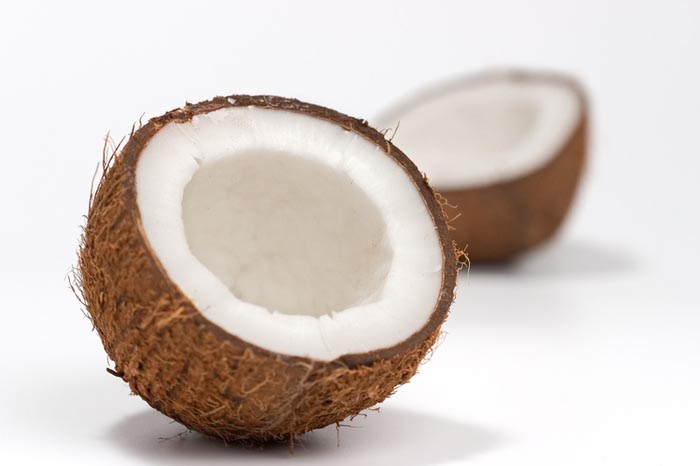
Health Benefits of Coconut Oil

Coconut oil is known for improving your brain’s function. Coconut oil is one of the best and cleanest fuels for energizing the brain. Coconut oil helps the brain recover and improves the condition of those with Alzheimer’s disease.


This post is on Healthwise

1. Improves Brain Function
Coconut oil is known for improving your brain’s function. Coconut oil is one of the best and cleanest fuels for energizing the brain. Coconut oil helps the brain recover and improves the condition of those with Alzheimer’s disease.

2. Helps You Burn Fat
Coconut oil helps combat obesity. It increases the body’s burning of fat and makes it run more efficiently. This leads to weight loss over an extended period of time.

3. Boosts Your Immune System
Coconut oil helps build up the immune system. It boosts it by providing the basis for creating monolaurin when it is digested. Monolaurin helps kill pathogens like bacteria, viruses, and fungi.

4. Stops Hunger
 Being hungry is not a good feeling. To slow down your hunger anger, be sure to consume coconut oil. It will reduce your appetite, and the benefit of being less hungry is that it leads to weight loss.

5. Reduces Seizures
Coconut oil improves brain function and allows for an increase in blood concentration of ketone bodies in the brain. This increase in ketone bodies reduces the likelihood of seizures to occur. Coconut oil is great for helping manage epilepsy in children.

6. Reduces Risk of Heart Disease


Coconut oil is packed with saturated fats. Because of this, coconut oil reduces the risk of heart disease in women by increasing HDL. It also helps transform the LDL cholesterol into a benign subtype.

7.  Sunscreen
Topical application of coconut oil is helpful as well. Slathering your skin with coconut oil can protect your skin from the harmful sun rays. It is reported to block approximately 20 percent of the ultraviolet rays.

8. Mouthwash
 Swish coconut oil after eating to prevent bad breath. The coconut oil combats the bacteria in the mouth. Use of coconut oil can reduce tooth decay.

9. Treatment for Diabetes
Diabetic patients would benefit from ingesting coconut oil. Healthy saturated fats can help reverse the diagnosis of type 2 diabetes. Combining coconut oil with protein is the best way to alter a diabetic diet.

10. Moisturizers
Applying coconut oil to the skin can help moisturize the skin. The oil also helps improve the symptoms of eczema. Coconut oil is easily absorbed by the skin.

http://girlycodes.com/health-benefits-of-coconut-oil/

Go to Healthwise for more articles

Sunday, 16 November 2014

MUST READ: Garlic, Honey & cider Vinegar - a miracle cure ...

MONDAY, JULY 2, 2007

This post is on Healthwise

Nature's wonder drug is a cheap way to beat obesity, cancer, arthritis and more.

Top doctors have revealed that the combination of garlic, vinegar and honey is a wonder drug that can cure everything from cancer to arthritis. Amazing studies from respected universities around the world prove the miracle home remedy that costs just pennies a day to make, is a super way to fight just about any affliction. 


Experts have verified that this health restoring trio of garlic, vinegar and honey can wipe out both common and uncommon aliments. Successes include ache, Alzheimer's disease, arthritis, asthma, high blood pressure, haemorrhoids, infertility and impotence, toothaches, obesity, ulcers and many other diseases and conditions. 

In a study of arthritis victims, Dr. Angus Peters of the University of Edinburgh's Arthritis Research Institute found a daily dose of vinegar and honey reduced pains by 90 percent.

A daily dose of garlic and vinegar has proved to be a powerful fat destroyer and weight reducer, according to Dr. Raymond Fish of London's famous Obesity Research Center.

The prestigious British medical journal Lancel reported that cholesterol levels plunged on average from 237.4 to 221.4 after volunteers consumed 50 grams of garlic and four ounces of butter. The study proved the dangers associated with high fat foods can be neutralised by adding garlic to your diet. 


A study of 261 adult patients by the German Association of General Practitioners indicated that serum cholesterol and triglyceride level factors associated with the risk of heart disease, are significantly reduced by regular use of garlic in the diet.

Studies at Houston's MD Anderson Cancer Institute in Houston, the Pennsylvania State University and GCLA support earlier evidence that certain ingredients in garlic block agents the cancer of the breast, colon, oesophagus and skin. 


The National Cancer Institute found in a study of 1,000 people that eating a lot of garlic is linked to a reduced risk of stomach cancer. Dr. Etik Block of the State University of New York at Albany has discovered garlic unleashes at least 100 sulphur producing components, all of which are powerful medicines.

There appears to be little doubt that this astounding remedy of garlic, vinegar and honey can extend life by protecting the user from many proven killers.

Dr. Hen Lee Tsno writes in China's respected Journal of Natural Medicines.

Patients given this miracle drink before breakfast showed a remarkable reduction in high blood pressure and cholesterol in less than a week. Ralim nutritionist Emlio Stelfani adds. Years of scientific investigation by experts around the world have proven beyond a doubt that garlic, vinegar and honey are natures magic potion. 


The three powerful ingredients are available everywhere and they cost only pennies a day. Considering all that these natural substances can do for human health, it's amazing they are not more widely used. 

Dr. Jack Soltanoff a nutritional expert from New York, praises the benefits of apple cider vinegar. He's recorded remarkable success stories involving arthritis sufferers, I have seen many arthritis patients start to loosen up at once, says Dr. Soltanoff Some even call it (apple cider vinegar) a natural arthritis tonic that free them from stiffness, pain and
throbbing aches.

Within just a few weeks, most pain wrecked arthritis patients can perform normal activities because of this simple tonic. Boxing legend Mohammed Ali reportedly takes a daily dose of garlic, vinegar and honey to light the symptoms of Parkinson's disease and many other athletes use it to gain a competitive edge. 


Dr. Tsao is sweet on the powers of honey. Honey has been described as the perfect food notes the respected researcher. It contains at least 31 nutrients, 13 minerals the components part of nine vitamins, six acids and four key enzymes.

Patients who took the additional vinegar and honey drink daily, were more vigorous, had fewer colds or infectious diseases and in general were healthier than those who didn't. There's no question that this astounding elixir can extend life by protecting you from many proved killers.

Honey not only makes your daily dose taste better. The sweet stuff also aids in your body's ability to absorb the medical properties of the powerful ingredients. Garlic provides a storehouse of vitamins and minerals, but what excites researches most is growing evidence that allicin an enzyme present in large amount in garlic stimulates the immune system.

Basic elixir recipe:

Here's how to make your own miracle medicine:

  • In a bowl, mix together one cup of cider vinegar - use only cider vinegar - one cup of honey and eight cloves of chopped garlic. 
  • Place the combination in a blender. 
  • And mix on high speed for 60 seconds. 
  • Pour the mixture into another jar of glass (container). 
  • Seal and leave in the refrigerator for five days. 

Normal dosage is two teaspoons in a glass of water or fruit juice, grape or orange juice are best, before breakfast. A second dose, if desired, can be taken in the evening.

Friday, 27 June 2014

Five Reasons to Try Intermittent Fasting

Healthwise

June 20, 2014 


Intermittent fasting is finally starting to go mainstream. But it’s no fad. It’s a powerful, natural tool for taking control of your overall health.
You know how important eating the right foods is to your health. But so is the timing of your meals. Intermittent fasting (IF) can lead to some major health benefits. But before you get scared off by the idea of “fasting,” there are some important things you should know. Not to mention the fact that it isn’t nearly as painful or difficult as you probably imagine.
Here are five reasons to try intermittent fasting:
1. Improves Brain Health: IF can help protect your brain against injury and disease. One way it does this is by stimulating neurogenesis. That’s the process of creating new brain cells. IF also helps shield your neurons from oxidative damage and resist brain aging.1 This may be especially important in the prevention of degenerative diseases like Alzheimer’s and Parkinson’s.
2. Lowers Blood Sugar: One study found that a 20-hour fast every two days improved glucose uptake by about 15% in healthy men after only two weeks.2
It’s important to understand that these men didn’t give up food for days at a time. They just ate during certain hours. Doing this helped their bodies better process glucose—an important factor in preventing insulin resistance. Just be sure not to jump right into a drastic IF protocol if you have major issues controlling your blood sugar.
3. Burns Body Fat: The goal isn’t to starve yourself. You just want to limit the amount of work your metabolism has to do in a day. Your cells use this time to carry out functions that may be lagging behind…like fat oxidation.
One study found that non-obese subjects lost up to three percent of their bodyweight—and five percent body fat—after IF every other day for 22 days.3 By limiting meals to a certain window, subjects were able to increase their body’s ability to burn fat for energy. And this effect may be even more dramatic in people carrying a significant amount of extra body fat.
4. Fights Aging: Researchers in one study found that IF can raise human growth hormone (HGH) levels by as much as 1,300% in women. The men in the study raised their HGH levels by 2,000%.4 You need HGH as you age to help keep lean muscle. But it can also help reduce wrinkles and stored body fat. It may even boost your libido.
IF is not like the expensive—and dangerous—anti-aging “treatments” out there. It’s a safe way to ramp up your body’s own natural production of HGH. But it doesn’t mean just looking better. Another study revealed that even moderate IF may even help people over 65 live longer.5
5. Protects Your Heart: A review of multiple studies on IF concluded that it helps prevent heart disease by improving blood lipid profiles and decreasing inflammatory response. It may also help curb oxidative stress that contributes to heart disease.6 Another study looked closer at the inflammation issue and found that IF may even help increase the proportion of large to small LDL-particles by 11% in just a month.7 The bigger and “fluffier” your LDL-particles, the less likely you are to develop heart disease.8
The best way to start experiencing the benefits of IF is to allow 12 full hours between when you finish dinner and when you start breakfast. It may sound like a lot… But it’s not. If you finish dinner by eight o’clock, don’t eat again before eight the next morning. It’s really that simple. From there you can work your way up to a 16—even 20-hour—fast.
References:
1http://www.ncbi.nlm.nih.gov/pubmed/12558961
2http://jap.physiology.org/content/99/6/2128
3http://ajcn.nutrition.org/content/81/1/69.long
4http://www.eurekalert.org/pub_releases/2011-04/imc-sfr033111.php
5http://www.ncbi.nlm.nih.gov/pubmed/16529878
6http://www.ncbi.nlm.nih.gov/pubmed/23582559%20/
7http://www.ncbi.nlm.nih.gov/pubmed/20880415%20%20%20%20/
8http://www.thedailybeast.com/articles/2014/06/03/the-aha-s-absurd-saturated-fat-obsession.html
http://institutefornaturalhealing.com/2014/06/five-reasons-to-try-intermittent-fasting/

Healthwise

Wednesday, 30 October 2013

What Are The Health Benefits of Apples?

October 28, 2013                    

Eating Apples

Story at-a-glance

  • Apples are packed with disease-fighting vitamins, antioxidants and more, making one of the top-ranked fruits for your health
  • Eating apples has been linked to a lower risk of chronic diseases including type 2 diabetes, cancer, heart disease, and dementia
  • Eating apples in their whole form, not juicing them, will give you the synergistic blend of nutrients and fiber the way nature intended, yielding greater health benefits than apple juice

By Dr. Mercola

Apples are the second most popular fruit in the US (bananas are the first),1 with each American eating about 19 pounds a year. 2 
Undoubtedly, many of those apples are consumed right now, during the fall, which is peak season for apples in the US. This is one sweet treat that you can feel good about eating, too, as apples are packed with disease-fighting vitamins, antioxidants and more, easily making them one of the top-ranked fruits for your health.


Apples Ranked Second Highest for Antioxidant Activity 

Compared to other commonly consumed fruits in the US, apples ranked second for highest antioxidant activity. However, they ranked highest for the proportion of free phenolic compounds, which means they are not bound to other compounds in the fruit and therefore may be more easily absorbed into your bloodstream.3 
Notably, much of apples’ antioxidant power is contained in the peel, where you’ll find antioxidants like catechin, procyanidins, chlorogenic acid, ploridizin and more. According to the New York Fruit Quarterly:4
“Since apples are so high in antioxidants, it is no surprise that apples, specifically, are associated with a decreased risk of chronic disease.
Three studies have specifically linked apple consumption with a decreased risk for cancer… [and] a study has shown that apple and pear consumption has been associated with a decreased risk of asthma.
Apple consumption has also been associated with a decreased risk of coronary heart disease… [and] a reduced risk of Type II diabetes was associated with apple and berry consumption in another major Finnish study.
In the laboratory, apples and the compounds in them have properties that may explain their effects in protecting against disease. Our lab has found that apples, and especially apple peels, have powerful antioxidant activity and can greatly inhibit the growth of liver cancer and colon cancer cells.
Based on results from all of these studies, it appears that apples may play a significant role in reducing the risk of a wide variety of diseases.”
I have four apple trees where I live in Chicago but hadn’t eaten that many of them. After reviewing this information, I think I will be consuming more next year, as the harvest season just finished for this year.


An Apple a Day to Keep 5 Chronic Diseases Away? 

A wealth of research suggests that eating apples may impact your health in a number of beneficial ways:5
  • Brain Health: Apples have been found to protect neuron cells against oxidative stress-induced neurotoxicity and may play an important role in reducing the risk of neurodegenerative disorders, such as Alzheimer's disease.6
  • Stroke: Eating apples is linked to a decreased risk of stroke.7
  • Diabetes: Three servings of apples (and other fruits, such as blueberries and grapes) is linked to a 7 percent lower risk of type 2 diabetes.8 This may be due to their beneficial role in blood sugar regulation, as apples contain compounds that may:9
  • Lessen absorption of glucose from your digestive tract
  • Stimulate beta cells in your pancreas to secrete insulin
  • Increase uptake of glucose from your blood by stimulating insulin receptors
  • Cancer: Apples have a number of properties that may help reduce the risk of cancer, including antimutagenic activity, antioxidant activity, anti-inflammatory mechanisms, antiproliferative and apoptosis-inducing activity, as well as "novel mechanisms on epigenetic events and innate immunity." According to the journal Planta Medica:10
“Apple products have been shown to prevent skin, mammary and colon carcinogenesis in animal models. Epidemiological observations indicate that regular consumption of one or more apples a day may reduce the risk for lung and colon cancer.”
  • Heart Disease: Eating apples is associated with a lower risk of death from heart disease, an association that’s thought to be related to their content of antioxidant flavonoids.11


Eat Whole Apples for the Most Health 'Bang' for Your Buck 

While applesauce and apple juice do contain some valuable vitamins and antioxidants, eating apples in their whole form will give you the synergistic blend of nutrients and fiber the way nature intended. This is important for a number of reasons. For instance, apples are often thought of as a high-fiber food and many of its heart health benefits are linked to a type of fiber called pectin. 
In reality, apples really only contain about two to three grams of fiber per ounce, of which pectin accounts for about half. Even though this is a modest amount of pectin, it has a powerful impact on your health because of its interactions with other apple phytonutrients. As explained by the World’s Healthiest Foods:12
“… this relatively modest amount of pectin found in whole apples has now been shown to interact with other apple phytonutrients to give us the kind of blood fat lowering effects that would typically be associated with much higher amounts of soluble fiber intake.
In recent comparisons with laboratory animals, the blood fat lowering effects of whole apple were shown to be greatly reduced when whole apples were eliminated from the diet and replaced by pectin alone.
In summary, it's not fiber alone that explains the cardiovascular benefits of apple, but the interaction of fiber with other phytonutrients in this wonderful fruit. If you want the full cardiovascular benefits of apples, it's the whole food form that you'll want to choose. Only this form can provide you with those unique fiber-plus-phytonutrient combinations.”
Similarly, research shows that eating a whole apple before a meal may lead you to eat 15 percent fewer calories – an effect that was not associated with applesauce or apple juice.13 Eating a whole apple was also linked with greater feelings of satiety after a meal.


Some People May Need to Eat Apples in Moderation 

The other variable we haven’t yet covered is fructose, a type of sugar that is linked to many chronic health problems when consumed in excess. I believe most will benefit from restricting their fructose to 25 grams a day, and as little as 15 grams a day if you have insulin or leptin resistance.

This includes fructose from whole fruits like apples. Apples are a relatively high-fructose fruit, with 9.5 grams in a medium-sized apple. Apple juice will contain considerably more, which is another reason why you’re better off eating apples in their whole form.  
It is also important to time your eating of fructose-rich foods like apple correctly. One of the tricks that I personally use is to time my fruit intake. Eating one after a calorie-rich meal for ‘dessert’ will not have the same effect as if you eat it after a glycogen-depleting workout.

In the former case, the apple’s fructose is more likely to contribute to weight gain and insulin resistance; in the latter case, it will harmlessly replenish your glycogen stores within your muscles or be burned directly during your workout. I have actually been able to lose weight by increasing my fruit intake in this fashion. This works far better if you are metabolically adapted to burn fat as your primary fuel.   
If you’re insulin or leptin resistant (are overweight, diabetic, hypertensive, or have high cholesterol), which includes about 80 percent of Americans, then it would be advisable for you to limit your fruit intake to about 15 grams per day, which would be equivalent to eating approximately one apple and a handful of blueberries -- unless you timed the fruit consumption as described above and were doing fairly significant exercise in which you were burning a few hundred calories. 
If you are not insulin/leptin resistant, (are normal weight without diabetes, hypertension or high cholesterol) and regularly engage in strenuous physical activity or manual labor, then higher fructose intake is unlikely to cause any health problems. In this case, you can probably eat more fruit without giving it much thought.

What Else Should You Look for in an Apple? 

Because much of the antioxidant content of an apple is found in its peel, you’ll want to leave the peel on when you eat it. For this reason, look for organic apples, which will be free from pesticides and other chemicals. Apples are one of the most pesticide-contaminated fruits there is,14 so if you’re planning to eat more apples, make them organic. If you purchase conventional apples, briefly soaking them in a solution of 10 percent vinegar to 90 percent water may help to remove some pesticides (and bacteria).  
But keep in mind that many pesticides are lipophilic, and are therefore capable of entering through the surface of conventional produce deep into the flesh of the fruit or vegetable within minutes. If you have your own apple trees, you can integrate high-performance agriculture techniques that will radically increase the nutrient content and also virtually eliminate any diseases that the apples might be acquire. When it comes to choosing an apple, the Washington State Apple Commission recommends:15
  • Choosing an apple with shiny, not dull, skin (dull apples will not be crisp)
  • Firm apples free from bruises and punctures
  • Refrigerating apples at 39 degrees F to maintain crispness
  • Protecting cut apples from browning by dipping them into a solution of one part citrus juice to three parts water
If you’re looking for even more apple facts and nutrition information, be sure to check out our apple food facts page.
[-] Sources and References


http://articles.mercola.com/sites/articles/archive/2013/10/28/apple-health-benefits.aspx?

Sunday, 7 April 2013

10 Ways to Cancer Proof Your Body Right Now


Cancer is the #2 killer in the United States and claims the lives of approximately 7.6 million people around the world every year according to the Centers for Disease Control and Prevention (CDC).

You can take steps to cancer proof your body by implementing everyday activities and habits right now.

If we don’t take steps to guard ourselves from this threat, the World Health Organization (WHO) believes this number will climb by as much as 80% by 2030.

If you think there is nothing you can do to prevent cancer…think again.

cancer proof your bodyWHO estimates that of those who die from cancer annually, one-third are 100% preventable and one-third could be prevented with early detection and treatment.

Almost 70% of all cancer is lifestyle related. That means cancer develops because of our choices – not just “bad luck” or genetics.

Director of the Cancer Institute of New South Wales, Blythe O’Hara, had this to say: “We don’t have to leave it to fate. [We] have the power to reduce [our] cancer risk by up to two-thirds: eat a healthy diet, maintain a healthy weight, protect your skin and eyes from the sun, exercise and don’t smoke.”

Top 10 Tips to Cancer Proof Your Body Right Now

  1. Eat the darkest leafy greens you can find. Magnesium-rich chlorophyll provides certain vegetables their color; the darker the leaves, the more nutrients they contain. You can preserve those nutrients – even enhance them – by lightly steaming.Sprinkling with olive oil and gently sautéed garlic, or mixing them in with an antioxidant-rich salad will ramp up the overall benefits. Boiling or microwaving gets rid of most of the good stuff.


  2. Choose organic whenever possible. Environmental pollutants are becoming more common and the levels we’re exposed to daily are increasing. Avoid genetically modified foods, cattle and animal products treated with antibiotics and hormones, as well as fruits and vegetables subjected to insecticides. Always wash foods well and peel whenever necessary.


  3. Pre-marinate meats for no less than one hour before grilling This prevents heterocyclic amines (HCAs) from forming at high temperatures – such as with charred or well-done meats. HCAs are known risk factors for cancer. A study out of Kansas State University found grillers can reduce HCAs by as much as 87% if you include thyme, basil, oregano or rosemary in your meat marinade.


  4. Don’t give up your coffee…or tea. Both have been shown to be helpful in preventing brain cancer, breast cancer, oral cancer and various other forms of cancer – though coffee is the more powerful tonic. British scientists have found that coffee drinkers can reduce their cancer risk by as much as 40%.


  5. Love the sun…responsibly. The natural supply of vitamin D-3 in our skin can only be activated by the sun. Vitamin D-3 has been proven to protect against many varieties of cancer– including breast and skin cancers!

    It also increases your chances of surviving melanoma skin cancer.Exposing your skin for 15-20 minutes three mornings (before 11:00am) each week activates the natural cancer fighter we carry around with us. If you’re going to stay out longer than half an hour make sure you bring sunscreen and a hat. Sun responsibly! If you have fair skin or live in an extremely hot or cold environment, consider taking a vitamin D-3 supplement.


  6. Hydrate…it seems so simple. Our bodies consist of two-thirds water. In order for our systems to run efficiently we must maintain proper hydration. Chronic dehydration is 100% preventable and is estimated to affect more than 70% of the United States population.
    Not getting enough water can lead to fatigue, weight gain, respiratory issues, high blood pressure and cholesterol, digestion trouble, bladder and kidney distress, skin disorders and premature aging.

    Chronic dehydration makes your body sluggish and inefficient.Women should drink no less than 70 ounces daily and men should drink no less than 90 ounces daily. Scientists believe drinking the correct amounts of water flushes possible cancer-causing particles from your system.


  7. Sweat out those toxins. According to a Canadian study, women who exercise at least 30 minutes every day decrease their ovarian cancer risk by 30%! You also encourage your digestive system to work more efficiently and remove waste from your body at a faster rate.Exercise benefits your total body – from your mood to circulation to respiration – so adding regular activity into your daily routine is health smart. Stick with anything, even an exercise program for 2-4 weeks, and your brain considers it a habit.

    Being sedentary, overweight or obese increases your risk of cancer, heart disease and diabetes. According to the American Cancer Society, obesity is directly linked to 20% of female cancer deaths and 14% of male cancer deaths. Losing as little as 10 pounds can lower your cancer risk.


  8. Quit smoking…you know it’s bad for you. The risks associated with smoking are well-documented.Yes, lung cancer is the most well-known consequence, but you will also drastically increase your risks of developing mouth and throat cancer as well as breast, cervical, liver and prostate cancers to name a few.

    Smoking impairs your body’s ability to heal itself but if you quit, your body will immediately begin to repair the damage.According to the WhyQuit.com Recovery Timetable, within 8 hours of giving up smoking the nicotine in your blood drops more than 90%. Within 12 hours, your blood oxygen levels return to normal. Within 48 hours, damaged nerves begin to repair and regenerate, restoring your true sense of smell and taste.
    In 72 hours, you test nicotine-free, the bronchials in your lungs begin to relax and lung function starts to improve. Within one year your risk of heart disease and stroke drops to half that of a smoker, and within 15 years your body and disease risk matches that of a person who has never smoked.


  9. Cut back on the fat in your diet According to a study released by the United States National Cancer Institute, animal fat from red meat and animal products such as butter, cheese, milk and ice cream increases your risk of pancreatic cancer. Pancreatic cancer is often fatal, but you can lower your risk by reducing the amount of animal fat in your diet.

    Researchers collected data from more than half a million people who completed a survey and participated in the six-year study. Men who consumed high amounts of animal fat in their diets increased their cancer risk by 56% and women increased their cancer risk by 23% compared to those who consumed the least amount of fat.

    Substitute dangerous fats with healthy fats such as fish, olive oil, nuts and seeds, olives and avocados. These healthy fats contain excellent compounds for your body such as omega-3, vitamin E and selenium, and help your body absorb other nutrients more efficiently.

    Studies have shown that consuming monounsaturated and polyunsaturated fats decreases your risk of cancer, heart disease, diabetes, obesity and inflammatory disorders such as arthritis and Alzheimer’s.


  10. Don’t ignore your body. Pay attention to pain, unusual bloating, discoloration of fingernails and toenails, skin tags or moles that change color.Know what your breasts look and feel like. Check your breasts regularly – this cannot be stressed enough – and have breast exams done by your doctor every two years in your 20s and 30s as well as a pap smear done every three years. After age 50, both genders need to add screening for colorectal cancer.

    If you have a family history of cancer have your own genes tested for abnormalities. Those with a genetic predisposition should consider having a yearly MRI done along with their mammogram. The two methods together were able to detect 94% of tumors while successful detection for either screening alone was almost half.

    Visit the American Cancer Society and utilize their tools on evaluating your lifetime cancer risk and additional methods of prevention. Develop a good relationship with your health care provider and make sure he’s listening to what you have to say.
Remember, one-third of diagnosed cancer is 100% preventable and the best “cure” for any disease is not to get it in the first place. Start doing your part today to cancer proof your body.

Prevent Cancer Infographic
Simple Ways You Can Cancer Proof Your Body Today - Infographic

Source:   http://undergroundhealthreporter.com/cancer-proof-your-body