Pages

Showing posts with label Cancer related fatigue. Show all posts

Monday, 5 October 2020

16 Cancer Symptoms And Signs You'll Probably Ignore

 Cancer is the second most common cause of death. It's more curable when detected earlier. 

Although some cancers develop completely without symptoms, some do have signs you are likely to ignore.


1. Unexplained Weight Loss

Weight loss for no known reason, not through exercise or changes in diet is a common sign of cancers related to lung, stomach or pancreas.

12-cancer-symptoms-you-are-most-likely-to-ignore_2

2. Fever

Fever may be a sign of early cancer in the blood like leukemia and lymphoma. Fever may also reveal kidney and colon cancer at an early stage.

12-cancer-symptoms-you-are-most-likely-to-ignore_3

3. Fatigue

Extreme fatigue that cannot get better after rest can be a symptom of several cancer types such as leukemia, colon cancer, and stomach cancer.

4. Pain

Sometimes bone cancer or testicular cancer can cause pain. A headache that doesn't get better after a long-time treatment may be a symptom of a brain tumor. Back pain may be a sign of cancer in the ovary or colon.

5. Unusual Bleeding

Coughing up blood may be a sign of lung cancer. Blood in the stool or urine can forecast colon cancer or kidney or bladder cancer. A bloody discharge from the nipple can indicate breast cancer.

6. Lump

A lump that is usually hard, not painful, irregularly shaped or firmly attached deep in the soft tissue or under the skin is often caused by cancer.

7. Nagging Cough

More than half of people who have a cough that just wouldn't go away are diagnosed with lung cancer. Excessive coughing is also common signs of laryngeal and thyroid cancer.

8. Shortness of Breath

Cancer in or near the lungs may cause a blockage of the tubes that carry air. Breathlessness is also common with breast cancer tumors, ovarian or liver cancer.

9. Difficulty Swallowing

Mouth or throat cancers can make the swallowing difficult. It's also a common sign of various head and neck cancers such as esophageal, oropharyngeal cancer, thyroid, and laryngeal cancers.

10. Heartburn

Heartburn that doesn't go away or gets worse could mean cancer of the throat, stomach, or ovaries. Excessive food, alcohol, or stress can cause serious heartburn.

11. Belly Pain and Depression

It rarely happens, but belly pain plus depression can be a sign of pancreatic cancer. But you don’t need to worry unless this disease runs deep in your family.

12. Skin Changes

Any freckle, mole or wart that changes color, shape, or size should be examined for skin cancer. Besides, darker looking skin, reddened skin, itching, yellowish eyes, and skin may also be linked to cancers.

13. Change in Bowel or Bladder Habits

Long-term diarrhea, constipation or a change in the size of the stool can be a symptom of rectal or colon cancer. Pain when passing or blood in urine can be related to bladder or prostate cancer. 

14. White Patches Inside the Mouth

White patches inside the mouth can be leukoplakia, which is pre-cancerous and can become mouth cancer if it's not treated early.

15. Continued Itching

Precancerous conditions of the genital or anal areas can cause persistent itching. If the itching continues with over-the-counter topical medications, consult your doctor.

16. Non-healing Sores

Common sores usually heal quickly. If you have persistent sores in areas like your mouth, you may have cancer and should raise concerns and see a doctor.

https://www.buzzaura.com/12-cancer-symptoms-you-are-most-likely-to-ignore

Friday, 21 August 2015

Ginseng - Sexual enhancement herb may be cancer-fighter, too

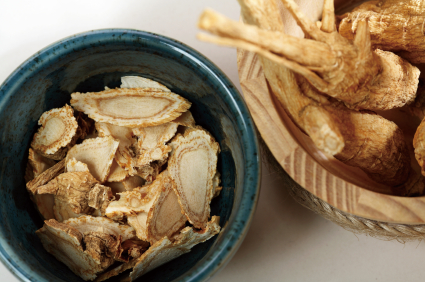
Imagine coming across an herb so powerful that its very existence is threatened by overuse, pushing it to the edge of extinction. It almost seems unbelievable, but that’s the case for ginseng, often called the “miracle plant.”

This post is on Healthwise


First Famous as a Potency Booster, Evidence Shows This Treats Cancer, Too


16 August 2015

Newsletter #526
Lee Euler, Editor


I first heard of ginseng many decades ago when most Americans were just beginning to discover herbal medicine. Ginseng was proclaimed to be a potency herb for men — which was enough to get a lot of attention.
Now it’s known that ginseng is far more than that. . .
This herb has been used in both Native American and Chinese remedies for thousands of years. And despite debate in the medical community over exactly what ginseng does for a person, it continues to be lauded as an herb of many wonders.
People take ginseng for stress, and to quell common colds and nasty flu viruses. It’s also used as a stimulant or energizer, an immune-system booster, a way to ward off infections like HIV/AIDS and dysentery, and a tool for lowering blood sugar. And lately, the plant’s cancer-prevention and related properties are getting noticed.
It’s no surprise that the name of the genus, Panax, means “all-heal” in Greek and is related to the word “panacea.”
Why ginseng is under threat of extinction
There are two main medicinal species of ginseng: American ginseng (P. quinquefolius) and Asian ginseng (P. ginseng). The latter is also sometimes called Chinese or Korean ginseng, so it’s best to buy a brand where the speciesP. ginseng is identified on the label.
Overall demand for the plants continues to increase across the world, which is why protective measures have been rolled out in an attempt to save these species.
Asian ginseng is found in China, Korea, and eastern Siberia. You’ll find American ginseng, a slow-growing plant with red, jewel-like berries, in deciduous forests of the United States from Maine down through the Midwest.
American ginseng is especially prevalent in the Appalachians and Ozarks. It holds the designation of being a CITES plant species, meaning it’s labeled by the Convention on International Trade in Endangered Species of Wild Fauna and Flora (CITES) and is therefore protected against unsustainable trade.
Currently, American ginseng can only be harvested in 19 states (here’s the list from the U.S. Fish & Wildlife Service, in case you’re curious). When harvested, the plants must be at least five years old or older. Age is determined based on the number of leaves, or prongs, on the plant, and the number of stem scars on the root neck. Most of the American ginseng that’s harvested is sent to China.
Plenty of domestic cultivation of the plant takes place in the U.S., but some believe that wild ginseng is more effective as a healing remedy. That makes it worth more, which is what has led to extensive illegal harvesting of the plant. The business can be highly profitable. That’s the main reason the wild populations in both Asia and North America are under severe pressure. Logging and development also play a role.
Ginseng has its own class of healing chemicals: “Ginsenosides”
When it comes to cancer, American ginseng is the one to go with as a medicinal supplement. American ginseng is worth our attention here at Cancer Defeated because it shows significant promise as a cancer treatment.
Anti-cancer functions include the activity of “ginsenosides,” which is the name given to a slew of different chemicals found in ginseng. Ginsenosides and their related metabolites work together to curb inflammation and oxidative stress in the body. They play a role in undermining the angiogenesis and metastasis of cancer cells. Ginsenosides also appear to affect insulin levels and lower blood sugar.
On top of all that, ginsenosides affect some of the normal functions of the immune system, which has lately piqued the interest of researchers who think the herb could be used to help cancer patients deal with the exhausting side effects of standard treatment.
One study, for example, found that after eight weeks of using ginseng, cancer patients undergoing chemotherapy experienced a 20% improvement in fatigue. The mechanism for reducing cancer-treatment-related fatigue isn’t well understood, but many researchers believe it’s the product of ginseng’s ability to reduce inflammation and possibly lower stress-induced cortisol production.
A 20% improvement is eight weeks is underwhelming, but at least the herb helped and — very important — did no harm.
Other studies have reported that ginseng not only relieves fatigue associated with standard cancer treatment, but also improves appetite, sleep ability, and overall quality of life.
There’s not really a downside to ginseng, except that its exact mechanisms for healing aren’t understood. There’s a need for more human studies that home in on the various ailments ginseng is said to help with. Most of the studies we have are on animals or lab cultures. But I will say that every time ginseng is studied in earnest, the results are favorable.
This herb needs your support
Either American or Asian/Korean ginseng was used in the studies I’ve referenced, so again, those are the ones to use if you want to try to replicate the results. Several sources recommend taking 1,000 mg in the morning and then again in the afternoon, but I’d suggest you talk to your herb-smart doctor or pharmacist to get the dosage right.
As far as I can gather, ginseng has no side effects. The only slight disadvantage I’ve ever come across is that high doses of American ginseng may affect sleep. So if you have insomnia, take it with caution.
And, if you have any interest, feel free to look into and support the work of organizations like World Wildlife Fund and other environmental groups dedicated to increasing awareness of the rapid decline of wild ginseng. Those groups also do some commendable work conserving vital forests and habitats where ginseng thrives.

References:
“American Ginseng.” Medline Plus, retrieved 22 July 2015.http://www.nlm.nih.gov/medlineplus/druginfo/natural/967.html
“American Ginseng.” U.S. Fish & Wildlife Service International Affairs. Retrived 22 July 2015.http://www.fws.gov/international/plants/american-ginseng.html
“Anti-breast cancer activity of Fine Black ginseng (Panax ginseng Meyer) and ginsenoside Rg5.” By Shin-Jung Kim, et al. Journal of Ginseng Research, Volume 39, Issue 2, April 2015, Pages 125–134. http://www.sciencedirect.com/science/article/pii/S1226845314001055   
“Chemopreventive Effects of Korean Red Ginseng Extract on Rat Hepatocarcinogenesis.” By Hyemee Kim, et al. Journal of Cancer 2015, Vol. 6. http://www.jcancer.org/v06p0001.pdf
“Fermented red ginseng extract inhibits cancer cell proliferation and viability.” By Oh J, et al. J Med Food. 2015 Apr;18(4):421-8. doi: 10.1089/jmf.2014.3248.http://www.ncbi.nlm.nih.gov/pubmed/25658580
“Ginseng (Asian.)” Memorial-Sloan Kettering. Retrieved 22 July 2015. https://www.mskcc.org/cancer-care/integrative-medicine/herbs/ginseng-asian
“Ginseng Fights Cancer Treatment Fatigue.” By Brian D. Lawenda, M.D. for Integrative Oncology, 28 May 2015. http://www.integrativeoncology-essentials.com/2015/05/ginseng-fights-cancer-treatment-fatigue/
“High-Dose Asian Ginseng (Panax Ginseng) for Cancer-Related Fatigue: A Preliminary Report.” By S. Yennurajalingam, et al. Integr Cancer Ther. 2015 Apr 14. pii: 1534735415580676.http://www.ncbi.nlm.nih.gov/pubmed/25873296
“Increase in apoptotic effect of Panax ginseng by microwave processing in human prostate cancer cells: in vitro and in vivo studies.” By Jun Yeon Park, et al. Journal of Ginseng Research, Available online 12 May 2015. http://www.sciencedirect.com/science/article/pii/S1226845315000408
“Is Ginseng Effective for Cancer-Related Fatigue?” By Joanna M. Pangilinan for Medscape, 1 August 2014. http://www.medscape.com/viewarticle/828937
“Medical officials approve ginseng as part of cancer treatment.” By Antonia, February 2015 for The Raw Food World. http://news.therawfoodworld.com/medical-officials-approve-ginseng-part-cancer-treatment/
“Recent advances in ginseng as cancer therapeutics: a functional and mechanistic overview.” By Alice S. T. Wong, et al. 4 June 2014. http://pubs.rsc.org/en/content/articlelanding/2015/np/c4np00080c#!divAbstract
“Wisconsin Ginseng (Panax quinquefolius) to Improve Cancer-Related Fatigue: A Randomized, Double-Blind Trial, N07C2.” By Debra L. Barton, et al. J Natl Cancer Inst. 2013 Aug 21; 105(16): 1230–1238. http://www.ncbi.nlm.nih.gov/pmc/articles/PMC3888141/

This post is on Healthwise

Friday, 27 September 2013

A Drug-Free Solution for Your Cancer Fatigue

September 25, 2013

Ginseng CancerEven if you’ve won the fight against cancer, the fatigue can stick around for years after treatment has ended.

If you’re in the middle of treatment, you’re no stranger to those feelings of exhaustion.

You wake up feeling like you’ve been up all night. And you go through each day fighting to complete even simple tasks.

Mayo Clinic researchers wanted to find something to help the millions who struggle with cancer fatigue.

Sure enough, they discovered an herb that made patients and survivors feel noticeably better. And it only took two months. As for negative side effects? Those were pretty much the same as the placebo. And if that’s not enough, this herb is easy to find.

So what is this common herb that will get you up and about again?

It’s that ancient Chinese wonder. Ginseng.

If you’ve been keeping up with your Health Watch alerts, this should come as no surprise.  We recently revealed how this “King of Herbs” helps with Chronic Fatigue Syndrome.  And now we’ve found evidence how it can help cancer patients too.

Participants took either 2,000 mg of ginseng or a placebo each day for eight weeks. They rated their fatigue levels before beginning the trial. The higher the number, the greater their energy. The average beginning score was 40 out of 100. In other words, these folks were at less than half their top energy levels.

They rated their fatigue levels again after two months. The participants who took ginseng had an average 20-point increase.1 According to the researchers, this is more than enough of a jump to make a noticeable difference in your daily life. And it makes perfect sense…

Ginseng is a natural anti-inflammatory.2 Recent research suggests that inflammation causes cancer fatigue.3 Ginseng gets right to this underlying cause rather than simply masking symptoms.
A quick word of caution though…

You should talk to your doctor before starting ginseng. Review possible interactions with your treatment and any other supplements you are taking.

Ginseng comes in various forms. And although the type of ginseng used in this study was Wisconsin ginseng (or American ginseng), we prefer the Korean version. You can find it online or at a health foods store listed as panax ginseng.

Whether you’ve had cancer, know someone who has it, or just want to do everything you can to never get it, you should see this: According to one report, when a leading doctor at the Sloan‐Kettering Cancer Center found out that he had advanced‐stage cancer, he told his colleagues, “Do anything you want—but no chemotherapy!”

Not surprising. Doctor’s know better than anyone how devastating chemo can be. So why aren’t more doctors using THIS alternative, Nobel Prize winner-studied, natural treatment instead? A study on people who received it for cancer and other ailments noted that “the results have been spectacular; the only side effect is ‘chronic good health.’”

Go HERE to find out all the details including how the mainstream almost killed one of the greatest cancer discoveries in history.

References:1 http://www.ncbi.nlm.nih.gov/pubmed/23853057
2 http://www.sciencedaily.com/releases/2009/05/090513215410.htm
3 http://www.ncbi.nlm.nih.gov/pubmed/22776268

http://institutefornaturalhealing.com/2013/09/a-drug-free-solution-for-your-cancer-fatigue/

Saturday, 24 November 2012

Exercise can help cancer patients fight fatigue

By Patient.co.uk


http://www.patient.co.uk/wellbeing/fitness/exercise-can-help-cancer-patients-fight-fatigue

Saturday, 9 June 2012

American Ginseng Effective against Cancer-related Fatigue


American Herb with Asian Roots Effective Against Cancer-Related Fatigue, Mayo Study Shows

By Timothy Boyer on June 4, 2012 - 11:11am for eMaxHealth


Chronic fatigue related to cancer is a common syndrome during and following cancer treatment that manifests as a constant lack of energy that is not brought on by exertion, nor relieved by sleep. While cancer-related fatigue is not a well understood problem that can be associated with any single cause, consensus by health authorities is that it is a multifactorial problem involving the body’s reaction to both chemotherapy and radiation therapy; anemia resulting from decreased red blood cells that leaves tissues oxygen starved; and/or a decrease of vital nutrients.

One proposed source of a centuries-old treatment for people suffering from fatigue similar to that experienced by cancer patients is the use of adaptogens. Adaptogens are a class of herbal remedies noted for their potency as stress fighters capable of either bringing an overly stressed body back to its normal healthy state or in coping with stressors such as physical exertion, toxins, lack of sleep and psychological distress.

One of the more recognized—and believed to be most powerful adaptogen among all herbs—is the traditional Asian ginseng root. So much so, that American medical researchers are taking seriously the possibility that ginseng may have properties that can be applied in some treatments such as in treating chronic fatigue related to cancer.

The basis for pursuing studies that measure the effectiveness of ginseng is based on cancer related fatigue that has been linked to an increase in the immune system's inflammatory cytokines as well as poorly regulated levels of the stress-hormone cortisol. In animal studies, ginseng’s active components—ginsenosides—have been shown to reduce cytokines related to inflammation and involved in the control of cortisol levels.

In a recent Mayo Clinic-led study being presented this week at an 2012 Annual Meeting of the American Society of Clinical Oncology, researchers report that high doses of the American ginseng herb Panax quinquefolius is effective in treating cancer related chronic fatigue.

In the study, 340 cancer patients either undergoing or having completed curative intent treatment and experiencing fatigue rated at least a 4 on a numeric analogue fatigue scale of 1-10, were randomly assigned treatment consisting of either a placebo or 2,000 milligrams of American ginseng daily. The administered American ginseng was provided in capsules containing pure, ground American ginseng root.

"Off-the-shelf ginseng is sometimes processed using ethanol, which can give it estrogen-like properties that may be harmful to breast cancer patients," says the study's lead researcher Debra Barton, Ph.D. of the Mayo Clinic Cancer Center.

During the first 4 weeks of the study, the ginseng regimen demonstrated only a slight improvement toward alleviating fatigue in the cancer patients. However, by week 8 there was statistically significant improvement in cancer patients who began to report feeling less fatigued in comparison to the cancer patients taking a placebo.

According to a news release by the Mayo Clinic, Dr. Barton states that, "After eight weeks, we saw a 20-point improvement in fatigue in cancer patients, measured on a 100-point, standardized fatigue scale. The herb had no apparent side effects,” she added.

Future follow-up studies will attempt to detect specific biomarkers linked to cancer-related chronic fatigue. "Cancer is a prolonged chronic stress experience and the effects can last 10 years beyond diagnosis and treatment," says Dr. Barton. "If we can help the body be better modulated throughout treatment with the use of ginseng, we may be able to prevent severe long-term fatigue."

For information on how exercise can treat chronic fatigue, follow this link to an informative article about the benefits of Yoga for breast cancer survivors.

Image Source: Courtesy of Wikipedia

Reference: 2012 American Society of Clinical Oncology Annual Meeting; “Phase III evaluation of American ginseng (panax quinquefolius) to improve cancer-related fatigue” Debra L. Barton et al.

http://www.emaxhealth.com/8782/american-herb-asian-roots-effective-against-cancer-related-fatigue-mayo-study-shows