As mainstream oncology misguidedly focuses on toxic, single-agent treatments, a wealth of compelling data puts curcumin at the forefront of multimodal cancer prevention.
Life Extension Magazine®
Issue: Mar 2011
 According to the American Cancer Society,1 one out of every three women in the United States risks developing some form of cancer over the course of their lives. For men, that number rises to one in two. Since cancer is an age-related disease, the risk of diagnosis increases the longer one lives, making it the second leading cause of death in this country.2,3
These data underscore a stark reality. When it comes to cancer prevention, the medical establishment and drug company profiteers remain grossly negligent in protecting the public. The result is countless avoidable cancer deaths each year. There is an urgent need to provide aging individuals with validated interventions to target cancer’s multiple causative factors before they take hold.
Among the most compelling and underrecognized of these is curcumin. In contrast to mainstream oncology’s focus on single-agent toxic treatments, curcumin has emerged as a potent multimodal cancer-preventing agent, with 240 published studies appearing in the global scientific literature in the past year alone.
In this article, you will learn of the multiple factors involved in carcinogenesis (cancer development). You will discover up-to-date research demonstrating curcumin’s power to disrupt specific molecular mechanisms that lead to cancer—and to even treat the disease in many cases.
System-Wide, Safe, Multimodal Defense
Curcumin is derived from the Indian spice turmeric and possesses several active components, all of which contribute to its anti-inflammatory and chemopreventive power.4-6 In fact, curcumin targets ten causative factors involved in cancer development.
Disrupting any one of these factors gives you a good chance of preventing cancer; disrupting several provides even greater protection, including the prevention of DNA damage.7
By blocking the inflammatory master molecule nuclear factor-kappaB (or NF-kB), curcumin blunts cancer-causing inflammation, slashing levels of inflammatory cytokines throughout the body.8,9 Curcumin also interferes with production of dangerous advanced glycation end products that trigger inflammation which can lead to cancerous mutation.10
Curcumin alters cellular signaling to enhance healthy control over cellular replication, which tightly regulates the cellular reproductive cycle, helping to stop uncontrolled proliferation of new tissue in tumors.11 It promotes apoptosis in rapidly reproducing cancer cells without affecting healthy tissue11-13 and reins in tumor growth by making tumors more vulnerable to pharmacologic cell-killing treatments.11,14
In addition, curcumin regulates tumor suppressor pathways and triggers mitochondrial-mediated death in tumor tissue, thereby increasing the death of cancer cells.11,15
Finally, curcumin interferes with tumor invasiveness and blocks molecules that would otherwise open pathways to penetration of tissue.2 It also helps to starve tumors of their vital blood supply and it can oppose many of the processes that permit metastases to spread.8,16,17 These multi-targeted actions are central to curcumin’s capacity to block multiple forms of cancer before they manifest.
Combating Deadly Cancers in Women
Breast cancers vary widely in their responsiveness to standard treatment. Cancers that depend on the hormone estrogen for survival are more effectively treated with conventional methods. Those that lack receptors for female hormones are far more resistant to treatment. This is where curcumin’s value truly lies, because it has the ability to induce apoptosis (programmed cell death) in a variety of hormone-negative cancers.18-20 Remarkably, curcumin produces virtually no change in healthy breast cells, with very low toxicity even at doses as high as 8,000 mg daily.21
In human cancer patients, curcumin doses as high as 3,600 mg a day have been shown to induce the following favorable anti-cancer effects:
- Paraptosis. A process similar to apoptosis (programmed cell death), curcumin initiates paraptosis only in breast cancer cells, resulting in their rapid destruction.22
- Targeted destruction of cancer-cell mitochondria (leaving mitochondria in healthy cells unaffected).22
- Disruption of the cancer cell cycle. Curcumin can “suspend” cancerous cells in a non-reproductive state within their life cycle, thereby halting their replication.20,23-25
- Cancer cell downregulation. Curcumin blocks a group of molecules vital to the process of metastasis. In animal models, it has been shown to reduce metastatic spread to the lungs via this pathway.17,26,27
- Arrested stem cell development. Curcumin inhibits growth and renewal of so-called cancer stem cells, aberrant cells now believed to be at the root of many cancers, including breast cancer.3,28
 |
Curcumin has also been shown to effectively combat cervical cancer, a leading cause of cancer death in women in developing nations and a common cancer in this country.29 It is caused largely by infection with the human papilloma virus, or HPV. Curcumin’s anti-inflammatory effects break the link that triggers HPV-induced cancer development.29,30
Curcumin further promotes apoptosis of cancer cells within the lining of the uterus and reduces the growth rate of painful but non-malignant uterine leiomyomas (uterine fibroids). 31-34
Collectively, these effects make curcumin attractive both as a primary chemopreventive agent in women at risk for breast cancer and an adjuvant treatment option in those who have already developed the disease.20,21
Prostate Cancer Defense
Prostate cancer is the second leading cause of cancer death in American men.35,44 Fortunately, its long latency period and slow growth rate make it a prime candidate for prevention.36 Curcumin strikes at multiple targets in prostate malignancies, interfering with the spread of cancer cells and regulating inflammatory responses through the master regulator NF-kB.36-38
Like certain breast cancers, prostate cancer is often dependent on sex hormones for its growth. Curcumin reduces expression of sex hormone receptors in the prostate, which speeds androgenic breakdown and impairs cancer cells’ ability to respond to the effects of testosterone.39-42 It also inhibits cancer initiation and promotion43 by blocking metastases from forming in the prostate and regulating enzymes required for tissue invasiveness.44
Combating Gastrointestinal Cancers
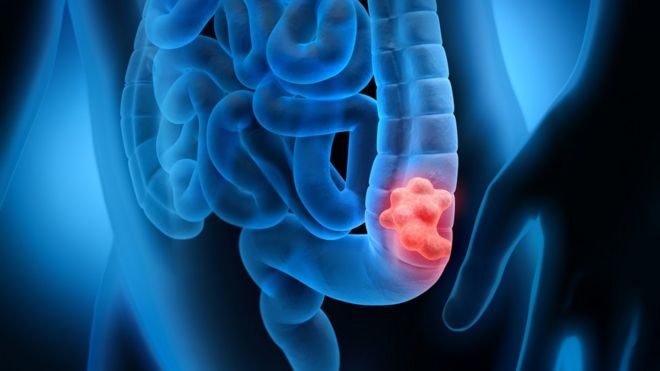
Colorectal cancer is the third most common malignancy in adults and the second leading cause of cancer deaths.45,46 Despite aggressive surgical care and chemotherapy, nearly 50% of people with colorectal cancers develop recurrent tumors.47 This may be due in part to the survival of dangerous colon cancer stem cells that resist conventional chemotherapy and act as “seeds” for subsequent cancers.3,48,49
On the other hand, these cancers are excellent candidates for prevention, since they follow a predictable sequence from non-malignant polyps to full-blown cancerous growths, usually requiring a decade to develop.46
Much as with malignancies of the breast, cervix, and prostate, curcumin slows the progression from colon polyp to cancer by damping down the inflammatory cascade triggered by NF-kB and pro-inflammatory cytokines.6 This halts the growth of cancer cells before they can become detectable tumors via a host of interrelated molecular mechanisms.50,51
Curcumin also creates a gastrointestinal environment more favorable to optimal colon health by reducing levels of so-called secondary bile acids, natural secretions that contribute to colon cancer risk.52 That has a direct effect, inhibiting proliferation of cancer cells and further reducing their production.53
Curcumin also suppresses colon cancer when combined with other polyphenols such as resveratrol.46,54 The combination of curcumin with green tea extracts has prevented experimentally induced colon cancer in rats.55
Curcumin also synergizes with standard chemotherapy drugs, helping to boost their efficacy and potentially reduce the dose of toxic chemotherapy products, minimizing needless harm and suffering for cancer patients.45,47-49 Curcumin increases colon cancer cell response to radiation.56
A novel feature of curcumin is its ability to bind to and activate vitamin D receptors in colon cells.57 Vitamin D is known to exert potent anti-cancer properties.
Curcumin is equally powerful at preventing cancers in the stomach. It inhibits growth and proliferation of human gastric cancer cells in the laboratory and is particularly effective in stopping cancers that have become resistant to multiple drug treatment.58-60 Curcumin can prevent gastric cancer cells from progressing through their growth cycle, blocking further tumor growth.60
Infection with the bacterium Helicobacter pylori (H. pylori) is a known cause of gastritis, peptic ulcer, and gastric cancer.61 Curcumin blocks growth of H. pylori and reduces the rate at which stomach cells react by turning cancerous.61,62 This effect is again related to curcumin’s fundamental ability to block activation of inflammatory NF-kB.62
Further Preventive Potential
Curcumin’s anti-inflammatory, antioxidant, and gene-regulating powers have been explored in preventing or treating cancers of the blood-forming system (leukemias, lymphomas, and myelomas) as well as those of the brain, lung, and bladder.12,13,63-81 Even aggressive tumors of the head and neck, often following years of smoking, are proving responsive to curcumin treatment.14,82-85 Curcumin is also emerging as a potentially effective intervention for pancreatic cancer—one of cancer’s most lethal and aggressive forms.86-90
Summary
Cancer is the second leading cause of death in the US, and the risk of developing the disease increases significantly as we age.
Curcumin has emerged as a potent cancer-preventing agent, with 240 published studies appearing in the global scientific literature in the past year. Curcumin’s multimodal effects act to simultaneously counter ten discrete causative factors in cancer development.
It intervenes at each stage in the complex sequence of events that must occur in order for a cancer to develop, progress, invade, and ultimately metastasize to healthy tissue.
The multi-targeted mechanisms of curcumin have yielded compelling results in combating a remarkably broad array of cancers, including those of the breast, uterus, cervix, prostate, and GI tract. A burgeoning body of research demonstrates curcumin’s potential to counter cancers of the blood, brain, lung, and bladder as well.
If you have any questions on the scientific content of this article, please call a Life Extension® Health Advisor at
1-866-864-3027.
References
1. Available at: http://seer.cancer.gov/statfacts/html/all.html. Accessed November 22, 2010.
2. Anand P, Sundaram C, Jhurani S, Kunnumakkara AB, Aggarwal BB.Curcumin and cancer: an “old-age” disease with an “age-old” solution. Cancer Lett. 2008 Aug 18;267(1):133-64.
3. Subramaniam D, Ramalingam S, Houchen CW, Anant S. Cancer stem cells: a novel paradigm for cancer prevention and treatment. Mini Rev Med Chem. 2010 May;10(5):359-71.
4. Jurenka JS. Anti-inflammatory properties of curcumin, a major constituent of Curcuma longa: a review of preclinical and clinical research. Altern Med Rev. 2009 Jun;14(2):141-53.
5. Goel A, Aggarwal BB. Curcumin, the golden spice from Indian saffron, is a chemosensitizer and radiosensitizer for tumors and chemoprotector and radioprotector for normal organs. Nutr Cancer. 2010 Oct;62(7):919-30.
6. Murphy EA, Davis JM, McClellan JL, Gordon BT, Carmichael MD. Curcumin’s effect on intestinal inflammation and tumorigenesis in the Apc(Min/+) Mouse. J Interferon Cytokine Res. 2010 Oct 15.
7. Biswas J, Sinha D, Mukherjee S, Roy S, Siddiqi M, Roy M. Curcumin protects DNA damage in a chronically arsenic-exposed population of West Bengal. Hum Exp Toxicol. 2010 Jun;29(6):513-24.
8. Bachmeier BE, Killian P, Pfeffer U, Nerlich AG. Novel aspects for the application of Curcumin in chemoprevention of various cancers. Front Biosci (Schol Ed). 2010 Jan 1;2:697-717.
9. Sikora E, Bielak-Zmijewska A, Mosieniak G, Piwocka K. The promise of slow down ageing may come from curcumin. Curr Pharm Des. 2010;16(7):884-92.
10. Sajithlal GB, Chithra P, Chandrakasan G. Effect of curcumin on the advanced glycation and cross-linking of collagen in diabetic rats. Biochem Pharmacol. 1998 Dec 15;56(12):1607-14.
11. Ravindran J, Prasad S, Aggarwal BB. Curcumin and cancer cells: how many ways can curry kill tumor cells selectively? AAPS J. 2009 Sep;11(3):495-510.
12. Zhang J, Du Y, Wu C, et al. Curcumin promotes apoptosis in human lung adenocarcinoma cells through miR-186* signaling pathway. Oncol Rep. 2010 Nov;24(5):1217-23.
13. Zhang J, Zhang T, Ti X, et al. Curcumin promotes apoptosis in A549/DDP multidrug-resistant human lung adenocarcinoma cells through an miRNA signaling pathway. Biochem Biophys Res Commun. 2010 Aug 13;399(1):1-6.
14. Clark CA, McEachern MD, Shah SH, et al. Curcumin inhibits carcinogen and nicotine-induced mammalian target of rapamycin pathway activation in head and neck squamous cell carcinoma. Cancer Prev Res (Phila). 2010 Sep 17.
15. Cheng CY, Lin YH, Su CC. Curcumin inhibits the proliferation of human hepatocellular carcinoma J5 cells by inducing endoplasmic reticulum stress and mitochondrial dysfunction. Int J Mol Med. 2010 Nov;26(5):673-8.
16. Bar-Sela G, Epelbaum R, Schaffer M. Curcumin as an anti-cancer agent: review of the gap between basic and clinical applications. Curr Med Chem. 2010;17(3):190-7.
17. Wang L, Shen Y, Song R, Sun Y, Xu J, Xu Q. An anticancer effect of curcumin mediated by down-regulating phosphatase of regenerating liver-3 expression on highly metastatic melanoma cells. Mol Pharmacol. 2009 Dec;76(6):1238-45.
18. Al-Hujaily EM, Mohamed AG, Al-Sharif I, et al. PAC, a novel curcumin analogue, has anti-breast cancer properties with higher efficiency on ER-negative cells. Breast Cancer Res Treat. 2010 Aug 1.
19. Rowe DL, Ozbay T, O’Regan RM, Nahta R. Modulation of the BRCA1 protein and induction of apoptosis in triple negative breast cancer cell lines by the polyphenolic compound curcumin. Breast Cancer. 2009 Sep 2;3:61-75.
20. Banerjee M, Singh P, Panda D. Curcumin suppresses the dynamic instability of microtubules, activates the mitotic checkpoint and induces apoptosis in MCF-7 cells. FEBS J. 2010 Aug;277(16):3437-48.
21. Bayet-Robert M, Kwiatkowski F, Leheurteur M, et al. Phase I dose escalation trial of docetaxel plus curcumin in patients with advanced and metastatic breast cancer. Cancer Biol Ther. 2010 Jan;9(1):8-14.
22. Yoon MJ, Kim EH, Lim JH, Kwon TK, Choi KS. Superoxide anion and proteasomal dysfunction contribute to curcumin-induced paraptosis of malignant breast cancer cells. Free Radic Biol Med. 2010 Mar 1;48(5):713-26.
23. Sun A, Lu YJ, Hu H, Shoji M, Liotta DC, Snyder JP. Curcumin analog cytotoxicity against breast cancer cells: exploitation of a redox-dependent mechanism. Bioorg Med Chem Lett. 2009 Dec 1;19(23):6627-31.
24. Quiroga A, Quiroga PL, Martinez E, Soria EA, Valentich MA. Anti-breast cancer activity of curcumin on the human oxidation-resistant cells ZR-75-1 with gamma-glutamyltranspeptidase inhibition. J Exp Ther Oncol. 2010;8(3):261-6.
25. Hua WF, Fu YS, Liao YJ, et al. Curcumin induces down-regulation of EZH2 expression through the MAPK pathway in MDA-MB-435 human breast cancer cells. Eur J Pharmacol. 2010 Jul 10;637(1-3):16-21.
26. Boonrao M, Yodkeeree S, Ampasavate C, Anuchapreeda S, Limtrakul P. The inhibitory effect of turmeric curcuminoids on matrix metalloproteinase-3 secretion in human invasive breast carcinoma cells. Arch Pharm Res. 2010 Jul;33(7):989-98.
27. Ibrahim A, El-Meligy A, Fetaih H, Dessouki A, Stoica G, Barhoumi R. Effect of curcumin and Meriva on the lung metastasis of murine mammary gland adenocarcinoma. In Vivo. 2010 Jul-Aug;24(4):401-8.
28. Kakarala M, Brenner DE, Korkaya H, et al. Targeting breast stem cells with the cancer preventive compounds curcumin and piperine. Breast Cancer Res Treat. 2010 Aug;122(3):777-85.
29. Madden K, Flowers L, Salani R, et al. Proteomics-based approach to elucidate the mechanism of antitumor effect of curcumin in cervical cancer. Prostaglandins Leukot Essent Fatty Acids. 2009 Jan;80(1):9-18.
30. Prusty BK, Das BC. Constitutive activation of transcription factor AP-1 in cervical cancer and suppression of human papillomavirus (HPV) transcription and AP-1 activity in HeLa cells by curcumin. Int J Cancer. 2005 Mar 1;113(6):951-60.
31. Yu Z, Shah DM. Curcumin down-regulates Ets-1 and Bcl-2 expression in human endometrial carcinoma HEC-1-A cells. Gynecol Oncol. 2007 Sep;106(3):541-8.
32. Liang YJ, Hao Q, Wu YZ, Wang QL, Wang JD, Hu YL. Aromatase inhibitor letrozole in synergy with curcumin in the inhibition of xenografted endometrial carcinoma growth. Int J Gynecol Cancer. 2009 Oct;19(7):1248-52.
33. Malik M, Norian J, McCarthy-Keith D, Britten J, Catherino WH. Why leiomyomas are called fibroids: the central role of extracellular matrix in symptomatic women. Semin Reprod Med. 2010 May;28(3):169-79.
34. Tsuiji K, Takeda T, Li B, et al. Inhibitory effect of curcumin on uterine leiomyoma cell proliferation. Gynecol Endocrinol. 2010 Jul 30.
35. Available at www.cancer.org/cancer/prostatecancer/detailedguide/prostate-cancer-key-statistics. Accessed November 22, 2010.
36. Teiten MH, Gaascht F, Eifes S, Dicato M, Diederich M. Chemopreventive potential of curcumin in prostate cancer. Genes Nutr. 2010 Mar;5(1):61-74.
37. Piantino CB, Salvadori FA, Ayres PP, et al. An evaluation of the anti-neoplastic activity of curcumin in prostate cancer cell lines. Int Braz J Urol. 2009 May-Jun;35(3):354-60; discussion 61.
38. Khan N, Adhami VM, Mukhtar H. Apoptosis by dietary agents for prevention and treatment of prostate cancer. Endocr Relat Cancer. 2010 Mar;17(1):R39-52.
39. Thangapazham RL, Shaheduzzaman S, Kim KH, et al. Androgen responsive and refractory prostate cancer cells exhibit distinct curcumin regulated transcriptome. Cancer Biol Ther. 2008 Sep;7(9):1427-35.
40. Tsui KH, Feng TH, Lin CM, Chang PL, Juang HH. Curcumin blocks the activation of androgen and interlukin-6 on prostate-specific antigen expression in human prostatic carcinoma cells. J Androl. 2008 Nov-Dec;29(6):661-8.
41. Shi Q, Shih CC, Lee KH. Novel anti-prostate cancer curcumin analogues that enhance androgen receptor degradation activity. Anticancer Agents Med Chem. 2009 Oct;9(8):904-12.
42. Choi HY, Lim JE, Hong JH. Curcumin interrupts the interaction between the androgen receptor and Wnt/beta-catenin signaling pathway in LNCaP prostate cancer cells. Prostate Cancer Prostatic Dis. 2010 Dec;13(4):343-9.
43. Wan SB, Yang H, Zhou Z, et al. Evaluation of curcumin acetates and amino acid conjugates as proteasome inhibitors. Int J Mol Med. 2010 Oct;26(4):447-55.
44. Herman JG, Stadelman HL, Roselli CE. Curcumin blocks CCL2-induced adhesion, motility and invasion, in part, through down-regulation of CCL2 expression and proteolytic activity. Int J Oncol. 2009 May;34(5):1319-27.
45. Nautiyal J, Banerjee S, Kanwar SS, et al. Curcumin enhances dasatinib-induced inhibition of growth and transformation of colon cancer cells. Int J Cancer. 2010 Apr 19.
46. Patel VB, Misra S, Patel BB, Majumdar AP. Colorectal cancer: chemopreventive role of curcumin and resveratrol. Nutr Cancer. 2010 Oct;62(7):958-67.
47. Patel BB, Majumdar AP. Synergistic role of curcumin with current therapeutics in colorectal cancer: minireview. Nutr Cancer. 2009 Nov;61(6):842-6.
48. Yu Y, Kanwar SS, Patel BB, Nautiyal J, Sarkar FH, Majumdar AP. Elimination of colon cancer stem-like cells by the combination of curcumin and FOLFOX. Transl Oncol. 2009 Dec;2(4):321-8.
49. Patel BB, Gupta D, Elliott AA, Sengupta V, Yu Y, Majumdar AP. Curcumin targets FOLFOX-surviving colon cancer cells via inhibition of EGFRs and IGF-1R. Anticancer Res. 2010 Feb;30(2):319-25.
50. Milacic V, Banerjee S, Landis-Piwowar KR, Sarkar FH, Majumdar AP, Dou QP. Curcumin inhibits the proteasome activity in human colon cancer cells in vitro and in vivo. Cancer Res. 2008 Sep 15;68(18):7283-92.
51. Watson JL, Hill R, Yaffe PB, et al. Curcumin causes superoxide anion production and p53-independent apoptosis in human colon cancer cells. Cancer Lett. 2010 Nov 1;297(1):1-8.
52. Han Y, Haraguchi T, Iwanaga S, et al. Consumption of some polyphenols reduces fecal deoxycholic acid and lithocholic acid, the secondary bile acids of risk factors of colon cancer. J Agric Food Chem. 2009 Sep 23;57(18):8587-90.
53. Wang BM, Zhai CY, Fang WL, Chen X, Jiang K, Wang YM. The inhibitory effect of curcumin on the proliferation of HT-29 colonic cancer cell induced by deoxycholic acid. Zhonghua Nei Ke Za Zhi. 2009 Sep;48(9):760-3.
54. Majumdar AP, Banerjee S, Nautiyal J, et al. Curcumin synergizes with resveratrol to inhibit colon cancer. Nutr Cancer. 2009;61(4):544-53.
55. Xu G, Ren G, Xu X, et al. Combination of curcumin and green tea catechins prevents dimethylhydrazine-induced colon carcinogenesis. Food Chem Toxicol. 2010 Jan;48(1):390-5.
56. Sandur SK, Deorukhkar A, Pandey MK, et al. Curcumin modulates the radiosensitivity of colorectal cancer cells by suppressing constitutive and inducible NF-kappaB activity. Int J Radiat Oncol Biol Phys. 2009 Oct 1;75(2):534-42.
57. Bartik L, Whitfield GK, Kaczmarska M, et al. Curcumin: a novel nutritionally derived ligand of the vitamin D receptor with implications for colon cancer chemoprevention. J Nutr Biochem. 2010 Feb 11.
58. Koo JY, Kim HJ, Jung KO, Park KY. Curcumin inhibits the growth of AGS human gastric carcinoma cells in vitro and shows synergism with 5-fluorouracil. J Med Food. 2004 Summer;7(2):117-21.
59. Tang XQ, Bi H, Feng JQ, Cao JG. Effect of curcumin on multidrug resistance in resistant human gastric carcinoma cell line SGC7901/VCR. Acta Pharmacol Sin. 2005 Aug;26(8):1009-16.
60. Cai XZ, Wang J, Li XD, et al. Curcumin suppresses proliferation and invasion in human gastric cancer cells by downregulation of PAK1 activity and cyclin D1 expression. Cancer Biol Ther. 2009 Jul;8(14):1360-8.
61. De R, Kundu P, Swarnakar S, et al. Antimicrobial activity of curcumin against Helicobacter pylori isolates from India and during infections in mice. Antimicrob Agents Chemother. 2009 Apr;53(4):1592-7.
62. Zaidi SF, Yamamoto T, Refaat A, et al. Modulation of activation-induced cytidine deaminase by curcumin in Helicobacter pylori-infected gastric epithelial cells. Helicobacter. 2009 Dec;14(6):588-95.
63. Uddin S, Khan AS, Al-Kuraya KS. Developing curcumin into a viable therapeutic for lymphoma. Expert Opin Investig Drugs. 2009 Jan;18(1):57-67.
64. Vyas HK, Pal R, Vishwakarma R, Lohiya NK, Talwar GP. Selective killing of leukemia and lymphoma cells ectopically expressing hCGbeta by a conjugate of curcumin with an antibody against hCGbeta subunit. Oncology. 2009;76(2):101-11.
65. Xiao H, Zhang KJ, Zuo XL. Reversal of multidrug resistance of the drug resistant human multiple myeloma cell line MOLP-2/R by curcumin and its relation with FA/BRCA pathway. Zhonghua Xue Ye Xue Za Zhi. 2009 Jan;30(1):33-7.
66. Cotto M, Cabanillas F, Tirado M, Garcia MV, Pacheco E. Epigenetic therapy of lymphoma using histone deacetylase inhibitors. Clin Transl Oncol. 2010 Jun;12(6):401-9.
67. Kelkel M, Jacob C, Dicato M, Diederich M. Potential of the dietary antioxidants resveratrol and curcumin in prevention and treatment of hematologic malignancies. Molecules. 2010;15(10):7035-74.
68. Kikuchi H, Kuribayashi F, Kiwaki N, Nakayama T. Curcumin dramatically enhances retinoic acid-induced superoxide generating activity via accumulation of p47-phox and p67-phox proteins in U937 cells. Biochem Biophys Res Commun. 2010 Apr 23;395(1):61-5.
69. Sanchez Y, Simon GP, Calvino E, de Blas E, Aller P. Curcumin stimulates reactive oxygen species production and potentiates apoptosis induction by the antitumor drugs arsenic trioxide and lonidamine in human myeloid leukemia cell lines. J Pharmacol Exp Ther. 2010 Oct;335(1):114-23.
70. Zhang C, Li B, Zhang X, Hazarika P, Aggarwal BB, Duvic M. Curcumin selectively induces apoptosis in cutaneous T-cell lymphoma cell lines and patients’ PBMCs: potential role for STAT-3 and NF-kappaB signaling. J Invest Dermatol. 2010 Aug;130(8):2110-9.
71. Chadalapaka G, Jutooru I, Chintharlapalli S, et al. Curcumin decreases specificity protein expression in bladder cancer cells. Cancer Res. 2008 Jul 1;68(13):5345-54.
72. Leite KR, Chade DC, Sanudo A, Sakiyama BY, Batocchio G, Srougi M. Effects of curcumin in an orthotopic murine bladder tumor model. Int Braz J Urol. 2009 Sep-Oct;35(5):599-606; discussion 06-7.
73. Chadalapaka G, Jutooru I, Burghardt R, Safe S. Drugs that target specificity proteins downregulate epidermal growth factor receptor in bladder cancer cells. Mol Cancer Res. 2010 May;8(5):739-50.
74. Tharakan ST, Inamoto T, Sung B, Aggarwal BB, Kamat AM. Curcumin potentiates the antitumor effects of gemcitabine in an orthotopic model of human bladder cancer through suppression of proliferative and angiogenic biomarkers. Biochem Pharmacol. 2010 Jan 15;79(2):218-28.
75. Purkayastha S, Berliner A, Fernando SS, et al. Curcumin blocks brain tumor formation. Brain Res. 2009 Feb 10.
76. Schaaf C, Shan B, Buchfelder M, et al. Curcumin acts as anti-tumorigenic and hormone-suppressive agent in murine and human pituitary tumour cells in vitro and in vivo. Endocr Relat Cancer. 2009 Dec;16(4):1339-50.
77. Bangaru ML, Chen S, Woodliff J, Kansra S. Curcumin (diferuloylmethane) induces apoptosis and blocks migration of human medulloblastoma cells. Anticancer Res. 2010 Feb;30(2):499-504.
78. Elamin MH, Shinwari Z, Hendrayani SF, et al. Curcumin inhibits the Sonic Hedgehog signaling pathway and triggers apoptosis in medulloblastoma cells. Mol Carcinog. 2010 Mar;49(3):302-14.
79. Schaaf C, Shan B, Onofri C, et al. Curcumin inhibits the growth, induces apoptosis and modulates the function of pituitary folliculostellate cells. Neuroendocrinology. 2010;91(2):200-10.
80. Su CC, Yang JS, Lu CC, et al. Curcumin inhibits human lung large cell carcinoma cancer tumour growth in a murine xenograft model. Phytother Res. 2010 Feb;24(2):189-92.
81. Wu SH, Hang LW, Yang JS, et al. Curcumin induces apoptosis in human non-small cell lung cancer NCI-H460 cells through ER stress and caspase cascade- and mitochondria-dependent pathways. Anticancer Res. 2010 Jun;30(6):2125-33.
82. Lin YC, Chen HW, Kuo YC, Chang YF, Lee YJ, Hwang JJ. Therapeutic efficacy evaluation of curcumin on human oral squamous cell carcinoma xenograft using multimodalities of molecular imaging. Am J Chin Med. 2010;38(2):343-58.
83. Rai B, Kaur J, Jacobs R, Singh J. Possible action mechanism for curcumin in pre-cancerous lesions based on serum and salivary markers of oxidative stress. J Oral Sci. 2010;52(2):251-6.
84. Shin HK, Kim J, Lee EJ, Kim SH. Inhibitory effect of curcumin on motility of human oral squamous carcinoma YD-10B cells via suppression of ERK and NF-kappaB activations. Phytother Res. 2010 Apr;24(4):577-82.
85. Wong TS, Chan WS, Li CH, et al. Curcumin alters the migratory phenotype of nasopharyngeal carcinoma cells through up-regulation of E-cadherin. Anticancer Res. 2010 Jul;30(7):2851-6.
86. Glienke W, Maute L, Wicht J, Bergmann L. Curcumin inhibits constitutive STAT3 phosphorylation in human pancreatic cancer cell lines and downregulation of survivin/BIRC5 gene expression. Cancer Invest. 2010 Feb;28(2):166-71.
87. Jutooru I, Chadalapaka G, Lei P, Safe S. Inhibition of NFkappaB and pancreatic cancer cell and tumor growth by curcumin is dependent on specificity protein down-regulation. J Biol Chem. 2010 Aug 13;285(33):25332-44.
88. Kanai M, Yoshimura K, Asada M, et al. A phase I/II study of gemcitabine-based chemotherapy plus curcumin for patients with gemcitabine-resistant pancreatic cancer. Cancer Chemother Pharmacol. 2010 Sep 22.
89. Lin L, Hutzen B, Zuo M, et al. Novel STAT3 phosphorylation inhibitors exhibit potent growth-suppressive activity in pancreatic and breast cancer cells. Cancer Res. 2010 Mar 15;70(6):2445-54.
90. Ramachandran C, Resek AP, Escal on E, Aviram A, Melnick SJ. Potentiation of gemcitabine by Turmeric Force in pancreatic cancer cell lines. Oncol Rep. 2010 Jun;23(6):1529-35.
91. Bengmark S. Curcumin, an atoxic antioxidant and natural NFkappaB, cyclooxygenase-2, lipooxygenase, and inducible nitric oxide synthase inhibitor: a shield against acute and chronic diseases. JPEN J Parenter Enteral Nutr. 2006 Jan-Feb;30(1):45-51.
92. Bengmark S, Mesa MD, Gil A. Plant-derived health: the effects of turmeric and curcuminoids. Nutr Hosp. 2009 May-Jun;24(3):273-81.
93. Argyle DJ, Blacking T. From viruses to cancer stem cells: dissecting the pathways to malignancy. Vet J. 2008 Sep;177(3):311-23.
http://www.lef.org/Magazine/2011/3/How-Curcumin-Protects-Against-Cancer/Page-01
 GETTY IMAGES


