Pages

Showing posts with label Genetic Engineering. Show all posts

Wednesday, 25 September 2019

Genetically Engineered Mosquitoes Cross With Natural Species

Biotech company Oxitec has created genetically engineered (GE) mosquitoes in an attempt to control mosquito-borne diseases like yellow fever, dengue, chikungunya and Zika.

Analysis by Dr. Joseph MercolaFact Checked
September 24, 2019
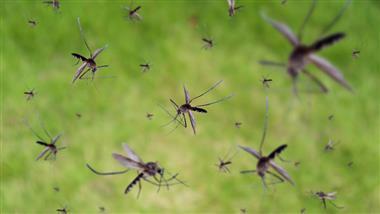
genetically engineered mosquitoes

STORY AT-A-GLANCE

  • The largest release of Oxitec’s GE mosquitoes, dubbed OX513A, occurred in the city of Jacobina in Bahia, Brazil
  • About 450,000 male mosquitoes were released weekly for 27 months in the region in an attempt to reduce numbers of disease-carrying mosquitoes
  • The male Aedes aegypti mosquitoes have been genetically engineered to carry a "genetic kill switch," such that when they mate with wild female mosquitoes, their offspring inherits the lethal gene and supposedly cannot survive or reproduce in the wild
  • When analyzed six, 12 and 27 to 30 months after release, the researchers found “clear evidence” that the GE mosquitoes passed genes to local mosquitoes
  • Depending on the sample tested, anywhere from 10% to 60% of the mosquitoes in the area were found to contain some OX513A genome
  • After an initial decline, the mosquito population rebounded about 18 months after the GE mosquitoes were released


The male Aedes aegypti mosquitoes have been genetically engineered to carry a "genetic kill switch," such that when they mate with wild female mosquitoes, their offspring inherit the lethal gene and cannot survive or reproduce in the wild.
Except, the GE mosquitoes have already been released in Brazil, and researchers monitoring the project have found the GE genes have crossed with wild mosquitoes — despite the company’s assurances that this wouldn’t happen.
In a press release from Yale, senior study author Jeffrey Powell, professor of ecology and evolutionary biology, noted, “The claim was that genes from the release strain would not get into the general population because offspring would die … That obviously was not what happened.”1

GE Mosquitoes Passed Genes to Native Mosquitoes

The largest release of Oxitec’s GE mosquitoes, dubbed OX513A, occurred in the city of Jacobina in Bahia, Brazil. About 450,000 male mosquitoes were released weekly for 27 months in the region in an attempt to reduce numbers of disease-carrying mosquitoes.2 “If lethality is complete, releasing this strain should only reduce population size and not affect the genetics of the target populations,” researchers wrote in Scientific Reports.3
However, this wasn’t the case. The researchers monitored the population of Ae. Aegypti mosquitoes in Jacobina to determine if the release of GE mosquitoes was affecting the genetics of the wild population by transferring genes. The GE mosquitoes contain a fluorescent protein gene, which allows the GE offspring to be detected.
When analyzed six, 12 and 27 to 30 months after release, the researchers found “clear evidence that portions of the transgenic strain genome have been incorporated into the target population.”4 The study explained:5
“Evidently, rare viable hybrid offspring between the release strain and the Jacobina population are sufficiently robust to be able to reproduce in nature. The release strain was developed using a strain originally from Cuba, then outcrossed to a Mexican population.
Thus, Jacobina Ae. aegypti are now a mix of three populations. It is unclear how this may affect disease transmission or affect other efforts to control these dangerous vectors.”
This shouldn’t come entirely as a surprise, since in lab tests up to 4% of OX513A offspring, which were the result of matings between OX513A and wild type mosquitoes, did survive into adulthood.6 However, on their website, Oxitec used to state, “After an Oxitec mosquito has successfully mated with a wild female, any offspring that result will not survive to adulthood … ”7
That page has since been taken down, but the company is still touting the “self-limiting gene” that’s supposed to “disappear from the environment”:8
“Our insects contain a self-limiting gene, and when this gene is passed on to their offspring, offspring do not survive to adulthood, resulting in a reduction in the pest insect population. We call this method “self-limiting” because the released insects and the self-limiting gene that they pass on are designed to die and disappear from the environment.
We release males, because it is the female insects that are directly responsible for spreading disease or producing larvae that damage crops. Our males have one job: to find wild females where they live and mate with them … The self-limiting gene prevents offspring of our released male insect from surviving to adulthood … ”

Mosquito Population Rebounds After Initial Decline

Oxitec has stated that releasing their OX513A mosquitoes may reduce local mosquito populations by 90+%.9,10 It sounds impressive, but the featured study revealed that, after an initial decline, the mosquito population rebounded about 18 months after the GE mosquitoes were released.
Powell suggested the rebound may have occurred because female mosquitoes started to avoid mating with the GE males, a phenomenon that’s also occurred in tests when sterile male mosquitoes were released. What’s more, the “tri-hybrid population” that’s now been created from the Cuba, Mexican and Brazilian lines are “genetically distinct” and may be even heartier than previous mosquitoes:11
“The three populations forming the tri-hybrid population now in Jacobina (Cuba/Mexico/Brazil) are genetically quite distinct, very likely resulting in a more robust population than the pre-release population due to hybrid vigor.”
Depending on the sample tested, anywhere from 10% to 60% of the mosquitoes in the area were found to contain some OX513A genome.12 As for what this may mean for the future, no one knows. Powell stated:13
“ … [I]t is the unanticipated outcome that is concerning … Based largely on laboratory studies, one can predict what the likely outcome of the release of transgenic mosquitoes will be, but genetic studies of the sort we did should be done during and after such releases to determine if something different from the predicted occurred.”

Oxitec Wants to Release GE Mosquitoes in Key West

Oxitec has been trying for years to get approval to release its controversial GE mosquitoes in the U.S., specifically in Key West, Florida. They’re no longer pursuing a plan to release OX513A mosquitoes, but instead have turned their efforts to second generation “Friendly” mosquitoes. These GE mosquitoes carry a self-limiting gene that prevents female offspring from surviving, allowing only males to be produced. Oxitec explained:14
“After releases of Friendly™ males into the field, which find and mate with wild female mosquitoes, reduction of the target population is achieved as the female offspring of these encounters cannot survive.
Male progeny survive, carrying a copy of the self-limiting gene; in turn, these males are able to pass on the self-limiting gene to half of their offspring, of which female carriers of the gene cannot survive.
The self-limiting gene can thereby persist but declines over time, offering potentially multiple but still self-limiting generations of suppression for every Oxitec Friendly™ Aedes aegypti male released.”
The second-generation GE mosquitoes have already been tested in Brazil, with additional field trials planned there in 2019 and 2020. In the U.S., the EPA has accepted Oxitec’s application to bring the GE mosquitoes to Key West, and a 30-day public comment period, which ends October 11, 2019, is underway.
The finding that Oxitec’s OX513A mosquitoes have spread their GE genes to local mosquitoes has opponents concerned. Barry Wray, executive director of the Florida Keys Environmental Coalition, said the coalition intends to try to extend the public comment period and told WUSF News:15
"It's another verification of the unquantified risk associated with these genetically modified mosquitoes … A new version based on the same lethal gene technology represents the same problems, with just a new marketing discussion wrapped around it."
Tinkering with genes often results in unexpected consequences, and the researchers of the featured study suggested that the transfer of genetic information may even introduce other genes, such as insecticide resistance.16
Already, research published in the journal Oecologia has shown that mosquitoes are developing resistance to commonly used agricultural insecticides, but their predators are not, creating the perfect environment for mosquitoes to flourish.17 More caution is warranted in the case of GE mosquitoes, which have now become largely out of control in the environment, notes Christoph Then for Testbiotech:18
“The Oxitec trials have led to a situation that is largely out of control. The company has released its patented insects although it was known before that some insects could survive in the environment. The expectations of their investors was more important than the protection of health and the environment.
There is no insurance and no fast-track mechanism to prevent severe damage in a worst-case scenario. This incident must have consequences for further applications of genetic engineering. Preventing the spread of genetically engineered organisms within natural populations has to become a priority.”

Wolbachia Mosquitoes Released in Miami

In January 2018, lab-bred Aedes aegypti mosquitoes carrying wolbachia bacteria were released in South Miami, Florida. It was the first phase of the Miami-Dade County Mosquito Reduction Test Program, which targeted a one-half square-mile treatment area that received the altered mosquitoes and a corresponding control area within the city.
The project was conducted by the Miami-Dade County Mosquito Control & Habitat Management Division in collaboration with MosquitoMate, Inc., which created the technology. MosquitoMate’s lab-bred male mosquitoes are infected with wolbachia bacteria, which is naturally occurring in up to 60% of insect species, but not in Aedes aegypti mosquitoes.
When the male wolbachia mosquitoes mate with female mosquitoes in the wild (which do not carry the bacteria), the resulting eggs do not hatch, which means the number of Aedes aegypti mosquitoes in the area should ultimately decrease.19
In Miami-Dade County, the MosquitoMate trial was said to result in a 75% reduction in mosquitoes due to egg hatch failure.20 Tests using the so-called “biological mosquito technology” are also underway or completed in the Florida Keys; Clovis, California; St. Augustine, Florida; and Harris County, Texas.21
One of the problems with wolbachia mosquitoes is that the bacteria can spread to local mosquitoes, with unknown consequences, and once the insects are released, there’s no going back.
Further, it’s not a permanent solution but one that must be reapplied, as the mosquito population will rebound, necessitating the release of more MosquitoMate mosquitoes.22 There’s also the potential ramifications to the ecosystem, which can occur whenever any species is removed or drastically reduced.
While mosquitoes are primarily viewed as a nuisance and vector for deadly diseases like malaria, there may be downsides to eradicating them entirely, such as removing a food source for other creatures.

Natural Options for Mosquito Control

More than half the people on Earth live in an area where disease-carrying mosquitoes are present and, every year, mosquitoes cause millions of deaths from diseases like malaria, dengue and yellow fever.23 So, there’s no question that mosquito control is important.
Mosquitoes breed in standing water, including that found in pet bowls, gutters, garbage and recycling bins, spare tires, bird baths and children’s toys. Draining these water sources can help eliminate mosquitoes from your yard.
To avoid getting bitten, wear long sleeves and pants in mosquito-prone areas and use natural insect repellants (not synthetic chemical versions), like cinnamon leaf oil, citronella essential oil or catnip oil, as necessary.

Sunday, 6 January 2019

Top 5 Reasons to Eat Organic

STORY AT-A-GLANCE

  • Choosing organic products for yourself and your family is one of the most proactive measures you can implement to take control of your health
  • Choosing organic foods lowers your exposure to pesticides. Research shows negative health effects may occur in children at current levels of exposure to pesticides
  • Organically grown foods contain higher levels of antioxidants and healthy fats than conventionally grown varieties
  • Soil depletion is a direct result of modern agricultural practices and has led to crops containing fewer nutrients. To receive the same amount of iron you used to get from one apple in 1950, by 1998 you had to eat 26 apples
  • By buying organic, you also support the mitigation of climate change, protect the environment, promote animal welfare and farmer profitability, and ensure your food is not genetically engineered


  • January 05, 2019
  •  
    Written by Dr. Joseph Mercola


Many want to lead a healthier lifestyle but cannot figure out where or how to start. In the realm of diet, more than half believe it's easier to calculate their income taxes than figure out what to eat.1 While nutritional science is indeed a complex affair, there's a way to make it really, really simple: Just eat organic.
"Let thy medicine be thy medicine, and thy medicine be thy food."
That famous quote by Hippocrates, who is often referred to as "the father of medicine," is somewhere around 2,500 years old, and for a long time this sentiment was treated as fact.
Today, many scoff at this notion, thinking nutrition and medicine have very little in common, using food to quench hunger and little else, while turning to pharmaceutical drugs to treat illness. Turning our backs on the fundamental truth that "food is medicine" is no doubt at the very heart of our current disease epidemics.
Another quote by Hippocrates, which is part of the Hippocratic Oath still recited by modern doctors today, is "First, do no harm." Unfortunately, the preoccupation with the idea that there must be "a pill for every ill" now greatly compromises this oath, because the practice of medicine is primarily focused on drugs that oftentimes to far more harm than good.
Meanwhile, modern doctors receive virtually no training in nutrition. The 2018 documentary, "Organic Food — Hype or Hope?" analyzes the benefits of organically grown foods.
How are they different from conventional and do they really live up to the promise of being healthier? Indeed, there's compelling evidence that organic food is a vital aspect of vibrant health, and is a truly practical solution to many of our current health and environmental crises.2

Organic Food Significantly Lowers Your Toxic Burden

Pesticides, in particular, pose risks to human health, and not just from contaminated food but also from contaminated groundwater — an issue covered in the featured documentary.
While U.S. regulators insist that set limits on pesticide residues in conventional produce are enough to protect public health, a 2016 report3 commissioned by the European Parliament found negative health effects may occur in children even at current levels of exposure. A key message of the report was that public health could be protected by promoting organic agriculture.
In 2017, Hilal Elver, the United Nations' special rapporteur on the right to food, and Baskut Tuncak, special rapporteur on toxics, took it a step further, calling for a global treaty to regulate pesticides, saying these chemicals have become a very troubling and pervasive food contaminant that threatens the health of children.4,5
"It is time to overturn the myth that pesticides are necessary to feed the world and create a global process to transition toward safer and healthier food and agricultural production," they noted in their report. Organic farming has other benefits beyond lowering your toxic burden, such as:
  1. Mitigating climate change
  2. Promoting animal welfare
  3. Being more profitable for farmers6,7
  4. Ensuring the food isn't genetically engineered (GE) or contains genetically modified organisms (GMOs). This is true for animal products as well, as animals raised on organic farms are not permitted to be fed GE alfalfa or GE corn

Modern Agricultural Practices Have Led to Decline in Food Quality

Soil depletion is a direct result of modern agricultural practices and has led to crops containing fewer nutrients. Reductions in biodiversity and a narrowing of available foodstuffs has also resulted in a narrower range of nutrients in our diets.
Even the healthy foods you choose, such as an apple or lettuce, are likely not as nutritious as they once were, and wild plants widely foraged in the past provided an astounding level of phytonutrients that are largely absent from our modern cultivated fruits and veggies.
For instance, according to Jo Robinson, author of "Eating on the Wild Side," purple potatoes native to Peru contain 28 times more anthocyanins than commonly consumed russet potatoes.8
Work by Dr. August Dunning, chief science officer and co-owner of Eco Organics, reveals that in order to receive the same amount of iron you used to get from one apple in 1950, by 1998 you had to eat 26 apples. Flavor has also fallen by the wayside, and this too is related to the deterioration of mineral content. The minerals actually form the compounds that give the fruit or vegetable its flavor.

Organic Foods Have Fewer Pesticides and Higher Antioxidant Content

Eating organic is one of the easiest ways to optimize your nutrition without supplementation (although certain supplements may still be necessary or advisable, depending on your condition and overall diet). Studies have repeatedly shown that organic foods: a) have much lower pesticide residues; and b) contain higher amounts of health-promoting nutrients.
Among them is a meta-analysis9 by Stanford University, published in 2012, which looked at 240 studies comparing organically and conventionally grown food. Organics were 23 to 37 percent less likely to contain detectable pesticide residues.
Considering the health dangers associated with pesticides, this is clear evidence that organics confer greater health benefits than conventional produce. Organically raised chicken was also up to 45 percent less likely to contain antibiotic-resistant bacteria, which will also help protect your health.
Following in Stanford University's footsteps, a group of scientists at Newcastle University in the U.K. evaluated an even greater number of studies, 343 in all, published over several decades. Just like the Stanford study, this follow-up analysis,10 published in 2014, found that while conventional and organic vegetables oftentimes contain similar levels of many nutrients, the frequency of occurrence of pesticide residues was four times higher in conventional foods.
Conventional produce also had on average 48 percent higher levels of cadmium,11 a toxic metal and a known carcinogen. Moreover, while many nutrient levels were comparable, a key nutritional difference between conventional and organics was their antioxidant content.
In the Newcastle analysis, organic fruits and vegetables were found to contain anywhere from 18 to 69 percent more antioxidants than conventionally grown varieties.
Antioxidants are a very important part of optimal health, as they influence how fast you age by fighting free radicals. So, the fact that organic foods contain far higher levels of them vouches for the stance that organic foods are healthier in terms of nutrition, in addition to being lower in pesticides.

Organic Grass Fed Milk and Meat Are Healthier Than Factory Farmed

Two 2016 studies12 — one on the compositional differences of organic and conventional meat,13 and one on milk14 — also found clear differences between the two. Said to be the largest studies of their kind, the researchers analyzed 196 and 67 studies on milk and meat respectively.
The largest difference in nutritional content of meat was its fatty acid composition, certain essential minerals and antioxidants. Coauthor Chris Seal, professor of food and human nutrition at Newcastle University, commented on the findings:15
"Omega-3s are linked to reductions in cardiovascular disease, improved neurological development and function, and better immune function. Western European diets are recognized as being too low in these fatty acids and the European Food Safety Authority recommends we should double our intake.
But getting enough in our diet is difficult. Our study suggests that switching to organic would go some way toward improving intakes of these important nutrients."
According to the review on milk, half a liter of organic full fat milk will provide you with an estimated 39 milligrams (mg) or 16 percent of the reference daily intake (RDI) of very long-chain (VLC) omega-3 (EPA, DPA and DHA), whereas conventional milk will provide only 25 mg or 11 percent of the RDI of these important fats.
As noted in the milk study,16 VLC omega-3s have been linked to a number of health benefits, including "improved fetal brain development and function, delayed decline in cognitive function in elderly men and reduced risk of dementia (especially Alzheimer's disease)."
Organic milk also contains lower levels of omega-6, providing a healthier ratio between these two fatty acids. Compared to conventional milk, organic milk was also found to contain:
  • Higher levels of vitamin E
  • Higher concentrations of iron
  • Higher levels of antioxidant carotenoids
  • 40 percent more conjugated linoleic acid (CLA), which has a wide array of important health benefits, from fighting cancer to decreasing insulin resistance and improving body composition
Other studies looking at grass fed beef,17 organic grass fed milk18 and organic free-range eggs19 have come to similar conclusions. A 2016 report20 by the European Parliament, "Human Health Implications of Organic Food and Organic Agriculture," also reviewed the nutritional content of organics (among many other things), concluding that the clearest benefits of organics on human health were found to be related to lowered pesticide, antibiotic and cadmium exposure.
According to the authors, "As a consequence of reduced pesticide exposure, organic food consequently contributes to the avoidance of health effects and associated costs to society."

Healthy Food Resources

Ultimately, choosing organic products for yourself and your family is one of the most proactive measures you can implement to take control of your health. If you must choose between which products to purchase organic, I recommend prioritizing organic animal foods and then using the Environmental Working Group's (EWG) "Dirty Dozen" list21 for produce.
The dirty dozen list shows which fruits and vegetables are most prone to heavy pesticide contamination and therefore the most important to buy organic.
Keep in mind that while many grocery stores now carry organic items, these are typically imported from other countries, which may or may not have stringent organic standards in place. Ideally, try to buy as much as you can directly from local farmers, whom you can ask directly about their agricultural practices. If you live in the U.S., the following organizations can help you locate farm-fresh foods:
Demeter USA — Demeter-USA.org provides a directory of certified Biodynamic farms and brands. This directory can also be found on BiodynamicFood.org.
American Grassfed Association (AGA) — The goal of the American Grassfed Association is to promote the grass fed industry through government relations, research, concept marketing and public education.
Their website also allows you to search for AGA approved producers certified according to strict standards that include being raised on a diet of 100 percent forage; raised on pasture and never confined to a feedlot; never treated with antibiotics or hormones; and born and raised on American family farms.
EatWild.com — EatWild.com provides lists of farmers known to produce raw dairy products as well as grass fed beef and other farm-fresh produce (although not all are certified organic). Here you can also find information about local farmers markets, as well as local stores and restaurants that sell grass fed products.
Weston A. Price Foundation — Weston A. Price has local chapters in most states, and many of them are connected with buying clubs in which you can easily purchase organic foods, including grass fed raw dairy products like milk and butter.
Grassfed Exchange — The Grassfed Exchange has a listing of producers selling organic and grass fed meats across the U.S.
Local Harvest — This website will help you find farmers markets, family farms and other sources of sustainably grown food in your area where you can buy produce, grass fed meats and many other goodies.
Farmers Markets — A national listing of farmers markets.
Eat Well Guide: Wholesome Food from Healthy Animals — The Eat Well Guide is a free online directory of sustainably raised meat, poultry, dairy and eggs from farms, stores, restaurants, inns, hotels and online outlets in the United States and Canada.
Community Involved in Sustaining Agriculture (CISA) — CISA is dedicated to sustaining agriculture and promoting the products of small farms.
The Cornucopia Institute — The Cornucopia Institute maintains web-based tools rating all certified organic brands of eggs, dairy products and other commodities, based on their ethical sourcing and authentic farming practices separating CAFO "organic" production from authentic organic practices.
RealMilk.com — If you're still unsure of where to find raw milk, check out Raw-Milk-Facts.com and RealMilk.com. They can tell you what the status is for legality in your state, and provide a listing of raw dairy farms in your area. The Farm to Consumer Legal Defense Fund22 also provides a state-by-state review of raw milk laws.23 California residents can also find raw milk retailers using the store locator available at www.OrganicPastures.com.
https://articles.mercola.com/sites/articles/archive/2019/01/05/importance-of-eating-organic.aspx

Friday, 20 October 2017

US scientists engineer corn to boost protein

US scientists have found a way to genetically engineer corn to produce an amino acid contained in meat, boosting the nutritional value of one of the world's most important crops.

Posted on 10 October 2017 - 03:20pm

Corn, a staple crop for much of the world, could become even more beneficial
with the addition of more nutrients. — AFP
The process involved inserting a bacterial gene that causes corn to make methionine, a crucial nutrient for the health of skin, nail and hair.
Researchers said the discovery could benefit millions of people in the developing world who depend on corn as a staple, and could reduce animal feed costs, according to the report in the Proceedings of the National Academy of Sciences, a peer-reviewed US journal.
"We improved the nutritional value of corn, the largest commodity crop grown on Earth," said co-author Thomas Leustek, professor in the Department of Plant Biology at Rutgers University.
"Most corn is used for animal feed, but it lacks methionine — a key amino acid — and we found an effective way to add it."
The sulfur in methionine "protects cells from pollutants, slows cell aging and is essential for absorbing selenium and zinc," the PNAS report said.
Already, industries spend billions adding synthetic methionine to field corn seed, which does not naturally contain this amino acid, in order to help livestock grow.
Co-author Joachim Messing, a professor who directs the Waksman Institute of Microbiology, said this is a "costly, energy-consuming process."
The new method involved inserting an E. coli bacterial gene into the corn plant's genome.
The E. coli enzyme caused methionine production in the plant's leaves, and methionine in corn kernels increased by 57, the study said.
The process did not affect plant growth.
Scientists fed the genetically engineered corn to chickens at Rutgers University and found it was nutritious for them, Messing said.
Leustek told AFP that "in principle, the technology could be quickly deployed, within a couple of years."
"The transgene that we developed can easily be inserted into commercial corn varieties," he said in an email.
"The major obstacle would be regulatory hurdles because it is a transgenic technology."
Food and animal feeds containing genetically modified organisms are highly controversial in the European Union, amid public suspicions that they carry a health risk.
A sweeping review in 2016 of the available scientific literature by the US National Academies of Science found no evidence that genetically modified crops are unsafe to eat.
Leustek said researchers also found that it might be possible to grow corn that contains this amino acid without using genetic engineering.
"For example, by feeding plants with different sources of sulfur nutrients as fertilizer," he said.
"Of course, this will require additional work and the outcome is not guaranteed. But our results strongly suggest that changes in use of fertilizers could also achieve the desired result." — AFP Relaxnews

Wednesday, 18 October 2017

Genetically modified food safe?

FARMERS have been modifying crops for millennia. They introduce new and desirable qualities to improve the food's taste, colour or smell; and eliminate unfavourable traits. All this has been done through conventional breeding – using selective breeding or artificial cross breeding of plants within a species.
Posted on 13 June 2017 - 08:07am
Last updated on 17 June 2017 - 01:17pm
Now there is modern biotechnology. It inserts new traits into plants and animals by "cutting" a specific gene from an organism (say a plant or animal) and "pasting" it onto another organism. Things that never happen in nature. For example, a particular fish gene can be introduced into a tomato to preserve its shelf life.
Loads of food crops have been thus modified. A common soil bacteria that produces toxins has been introduced into plants to make them resistant to insects or herbicide tolerant.
A large part of some crops produced in the US (and shipped overseas) are thus modified – soy, sugar beet, canola and corn (88%). Other crops include papaya, tomato and sweet potato. This makes it much easier to spray them with Monsanto's weed killer, glyphosate. There is a raging controversy over a probable causal link between exposure to glyphosate and cancer.
Consumers are concerned about adverse health impacts of eating these genetically modified (GM) foods, despite the producers' assurance that they are as safe to eat as non-GM food. Some big food retailers in the UK – like Sainsbury and Safeway – have pledged that none of their house brand products contain GM ingredients.
Last month, the European Parliament passed a resolution opposing plans to authorise imports of products made from GM herbicide-resistant maize and cotton. And it called for an overhaul of the EU's authorisation procedure for these genetically modified organisms (GMOs).
The position in Malaysia
Malaysia has approved GM soybeans and corn for human consumption. Lecithin (from soya) is used in a very large number of products that we consume – such as ice cream.
Malaysia imports GMOs, mainly from the US. Almost all of the feed for animals in Malaysia is genetically modified.
We are also experimenting to create GM crops – such as rice, papaya, bananas, pineapples and chillies; to resist virus infection, prolong shelf life, and delay ripening. We are also developing genetically-engineered oil palm to increase its beneficial oil content and create nutraceuticals (vitamin A and E); not quite into commercialising it for export yet, as European consumers oppose GM products.
Protection
We have enacted the Biosafety Act 2009 – to protect the environment and consumers from the health risks of GMOs and their products. Now any GMO intended for cultivation, contained use, field trials or consumption must be approved by the National Biosafety Board – assisted by an advisory committee. A large number of products have been approved.
In 2010, GM mosquitoes were released for field trials by the Institute of Medical Research to control dengue. The expectation was that the offspring of the GM mosquito would die before reaching adulthood. The plan was shelved shortly after – because, reportedly, its implementation was not cost effective.
Improvements
There remain several areas for biosafety improvement as highlighted in a recent Ministry of Natural Resources and Environment seminar.
First, GM products should be labelled – as mandated by the Act. So that consumers have the right to choose what they eat.
Second, the advisory committee – though doing a commendable best-effort work – must be beefed up with full-time professionals. Presently, they work part-time, in addition to their present heavy work-load. Besides the committee mainly assesses materials submitted by the industry. There is no independent verification or evaluation – as done by countries such as India.
Third, the committee should include civil society representatives to provide consumer perspectives.
Fourth, our laws on feed for animals must require disclosure of the possible GMO content of any imported GM feed – as required under the UN Cartagena Protocol.
Finally, we should explore non-GMO options before embarking on, what turned out in the case of the GM mosquitoes, to be a costly and wasteful project.
Industry measures
Commendably, the Federation of Malaysian Manufacturers has formulated best-practices to prevent non-GMO food crops from GMO contamination; from the selection of the seed for planting until the final crop reaches the consumer.
The measures include: ensuring that pure seeds are used for planting; the sowing machinery is free from any contamination and not co-mingled with GM seeds; maintaining an adequate distance and buffer zone from fields planted with GM crops – to avoid wind and insect-borne cross pollination contamination; cleaning thoroughly harvesting equipment; sealing harvested crops to reduce the risk of contamination as the products are transported through a number of operators in the supply chain; inspecting and cleaning the elevators (used to load the grains for storage); making sure the mills used are cleaned; and avoiding contamination at the processing stage of food and feed through careful monitoring by trained staff buttressed by an efficient raw material analysis.
These, however, are voluntary non-binding, industry guidelines. There is no official regulatory oversight for their enforcement.
Unfortunately, as a National Biosafety Board study showed, most Malaysians (88%) are not aware of GMOs, their potential impact and our biosafety regulations.
It is time then to address all these shortcomings. To ensure that our food chain is not contaminated; and our environment not adversely affected.

Wednesday, 19 July 2017

How to count on food – Part 5

Some biochemists might joke that it is a crying shame that most people are not aware of E1105 (lysozyme) – for this enzyme additive is found in human tears and other body fluids, such as saliva, amniotic fluid, etc.

How to count on food – Part 5
E1203 (polyvinyl alcohol) is a compound used to glaze the outside of dried fruits in muesli, to prevent dehydration. Photo: VisualHunt.com

Some biochemists might joke that it is a crying shame that most people are not aware of E1105 (lysozyme) – for this enzyme additive is found in human tears and other body fluids, such as saliva, amniotic fluid, etc.
Lysozyme has an interesting history, being originally identified by Alexander Fleming in 1922 as the reason why egg whites are generally antibacterial. It is also the first enzyme to be detected which contains all 20 of the common amino acids; the study of lysozyme led to the eventual understanding of how enzymes work in the body. In food, E1105’s primary function is to act as an antimicrobial preservative, particularly against early bacterial biofilms in cheeses. If you are interested in how and why biofilms develop, refer to tinyurl.com/star2-biofilm.
If you like gooey confections, oozing with liquid caramel or syrups, then you have to thank E1103 (invertase). This is an enzyme which inverts sugar (or sucrose) into a syrupy blend of glucose and fructose, which oddly actually tastes significantly sweeter than sugar itself – and with a pleasantly dense, moist texture. The inverted sugar is then mixed with flavourings and used for your mucilaginous candy bars.
And if foods have too many calories, there are additives to moderate that too, such as E1200 (polydextrose), a synthetic low-calorie polymer of glucose used to replace sugar, starch and fats in cakes, confections, desserts, cereals, beverages, salad dressings, etc. It is classed as a soluble fibre and used mostly in diet foods or meals for diabetics. E1200 is derived from the interaction of glucose with two other natural additives, E330 (citric acid) and E420 (sorbitol) – and adding E1200 to food automatically “converts” low fibre content food into high fibre food. However, one commonly-observed and problematic side effect is excessive bowel laxation, so much so that the FDA requires a warning on the food label if any portion of food contains more than 15g of polydextrose. Possibly, actor Jack Nicholson had consumed too much E1200 when he was famously quoted as saying that one can never trust a fart.
Both E1201 (polyvinylpyrrolidone) and E1202 (polyvinylpolypyrrolidone) sound more like rocket fuels than food additives, but these synthetic compounds are used quite commonly in food processing. E1201 is used as a stabiliser and water-soluble dispersant for other additives, such as flavourings. E1202 is a cross-linked version of E1201, and is not water soluble but is capable of absorbing water and swelling very rapidly – this makes it a good disintegrant (dispersal agent) for medication pills. E1202 is also used for fining (filtering) beers and wines, as it binds well with polyphenols and tannins, precipitating these impurities and thus clarifying the alcoholic liquids.
Despite its chemical name, E1203 (polyvinyl alcohol) is more likely to be encountered in your breakfast bowl than at your local rave club. It is one of the compounds used to glaze the outside of dried fruits in muesli and other breakfast cereals to prevent dehydration. Other films and glazing agents reside in the range between E1204 (pullulan) and E1209 (polyvinyl alcohol-polyethylene glycol-graft-co-polymer).
The next range between E1404 (oxidised starch) and E1452 (starch aluminium octenyl succinate) are all wheat or corn starch-based additives – they are mainly used as bulking agents, thickeners, stabilisers and anti-caking agents. The last mentioned additive, E1452, is also subject to European Union regulations for contamination by heavy metals.
The final pair of additives to be discussed are E1520 (propan-1,2-diol or propylene glycol) and E1521 (polyethylene glycol). Although both are used in anti-freeze solutions, the similarities end there. E1520 is a major component of the liquids used in e-cigarettes, used to promote the smoothness of ice creams and various dairy foods, and is also a solvent for medications which are insoluble in water.
On the other hand, E1521 is more used as a surfactant (anti-foaming agent) in foods – it is also used as a laxative and in suppositories. Another common use of E1521 is in cosmetics, where it is a flexible thickener, humectant, solvent and moisturiser – it is often labelled as “PEG” followed by a number, which indicates the molecular weight. One cautionary note is that E1521 should not be left to oxidise, as it can react with air to form radicals like peroxides and other unstable compounds. Also there is some tangible risk of contamination by highly carcinogenic impurities such as dioxane or ethylene oxide during the production of E1521 – hence if you really do need to use beauty creams, please get them from responsible cosmetic companies, and keep them well-sealed after use.
Once again, please note that over-ingestion of many additives may lead to possible health hazards and side-effects – and it is simply not possible to cover all potential reactions due to the numbers and combinations of additives. Most food additives are regulated in their use, and therefore should not cause problems when processed foods are consumed in reasonable amounts by healthy humans.
So we have come to the end of the reviews about a few interesting E-number additives – the ones mentioned are just those that caught my eye and there are many more probably just as noteworthy but we just do not have the space to review them all. One thing to note is that although additives are required in the EU to be shown as part of the ingredients list, some additives are still never listed. This is usually because the quantities fall below the thresholds which require listing or they are listed under some generic group name such as “liquid smoke”, even though liquid smoke can contain hundreds of different polycyclic aromatic hydrocarbons. And as mentioned, not all additives have E-numbers – often these are then presented as just their common names or chemical names.
Sometimes there is also some duplicity in the listing of ingredients – quite often sugars are reported separately as various different compounds such as sucrose, glucose, fructose, dextrose, corn syrup, HFCS, et cetera. This is possibly a somewhat vain attempt to hide the unhealthy over-sugary nature of the food item.
What could be in your daily loaf
It is quite interesting what a closer examination of something as mundane as a sandwich loaf can reveal – especially about a range of additives which legally need not be mentioned.
additives
Industrially-made enzymes are often used in commercial breads, to promote fermentation or extend shelf life, etc. Photo: VisualHunt.com/McCun934
Almost all commercial white bread is made from artificially bleached white flour – in the past, bleaching agents used were chlorine gas and chlorine dioxide, but the use of these chemicals is no longer permitted in the EU – although they are still commonly used in other countries, including in the United States. As the residual chlorine is so small, it would not normally be listed as an ingredient – even though the EU still considers it a potential carcinogenic risk.
What is also not listed are the industrially-produced enzymes used in baking commercial breads. A selection of enzymes used include amylase, maltogenic alpha-amylases, glucose oxidase, lipase, lipoxygenase, xylanase, protease and asparginase – the range of enzymes used can vary considerably between different baking factories and is usually a closely-guarded secret. Amylase is used to promote fermentation, maltogenic alpha-amylases help to extend the shelf life of bread, asparginase limits the browning of bread – and most of the other enzymes are used to strengthen the gluten in flours, so that bread loaves rise better and more consistently in the oven.
The hidden ingredients
The reason enzymes are not listed as ingredients is because they are considered “processing aids” which are broken down during food processing, and therefore should not be present in the final food product. As such, additives which need to be listed are only those items which are still detectable in the final processed food products – and as enzymes are destroyed by heat, there is no requirement to list them as part of the ingredients.
However, there are concerns that not all enzymes are always destroyed during food processing and there have been calls for enzymes to be included on the ingredients list – because residual unprocessed enzymes can set off allergic reactions. Another reason for concern is that the food industry is creating increasingly complex enzymes and not all of them are tested for potential toxicity issues – and as they do not need to be listed, food regulators may not know what consumers are potentially ingesting. It appears that the only guideline is that enzymes need to be “safe” for human consumption (as they should be destroyed during food processing).
Many industrial enzymes are produced using secretive, specialised, genetically modified (GM) micro-organisms – and they are widely used in many types of foods. For example, cheese is often curdled using enzymes derived from GM organisms – though this is not permitted with organic cheeses, as no artificial enzymes are allowed with produce labelled as organic.
The production of gelatin is often helped by enzymes dissolving proteins on the bones and fruit juices are pressed from softened fruits, their structure weakened by enzymes – then other enzymes are used to clarify the juices before heat treatment is applied to destroy the enzymes.
An interesting use of enzymes is as a food adhesive – for example, transglutaminase is used to cross-link proteins between different types of source proteins, creating smooth homogeneous blends of different animal and plant proteins. This is how those seemingly perfect meat rolls, chicken rolls, low-fat meat proteins, etc can be produced – if you check the ingredients, you will find that many of the low-cost “meat products” have soy and other animal proteins included, and they would not bind together without enzymes like transglutaminase.
additives
A shopper peruses the labels in a supermarket – many processed foods contain additives, which the average shopper may or may not be able to decipher. Photo: Reuters
GM enzymes are also used to produce the infamous High Fructose Corn Syrup (HFCS), a very cheap sugary substance derived from corn (or maize) and alleged to be one of the root causes of the current worldwide obesity epidemic – this is due to the use of HFCS in so many processed foods and drinks. Cadbury-Schweppes was advertising HFCS as an “all natural” ingredient until legal action in 2006 established that HFCS is an artificial ingredient which does not exist in the natural world. There will be more on this a little later – meanwhile, just as an aside, most of the industrially-produced HFCS is derived from GM corn from the US.
A rather weird use of enzymes is in the peeling of fruits, such as those found in the plastic snack cartons of ready-to-eat fruits you see in supermarkets or on airline food trays. As an example of what happens, the thick skin of oranges are scored and the fruits immersed in a pressurised bath of an enzyme called pectinase – after a couple of hours, the enzyme softens the orange skins so much that they can be peeled off easily and the segments can be separated without damage.
As additives, there appears to be only two enzymes which need to be disclosed, presumably because they are not wholly destroyed during food processing: E1103 (invertase) and E1105 (lysozyme) – both have been discussed earlier.
HFCS Revisited (Again)
Some of you may have heard that the immoderate consumption of HFCS can lead to obesity in humans – a common explanation is that a diet high in fructose has been seemingly linked to leptin resistance, and the end effect is that this causes people to eat more, as the hormone leptin is used as a primary signal to the brain to terminate eating.
The available research findings are actually rather more ambiguous, and somewhat complicated. For one, leptin resistance due to fructose was originally observed in laboratory rodents fed with high doses of HFCS and these rodents ate more, and gained more weight compared to control animals – and developed leptin resistance.
Further studies in humans consuming more reasonable amounts of HFCS produced rather less startling results – and the oft-mentioned notorious link between HFCS and obesity appears to be mainly derived from epidemiological studies which found a strong correlation between the widespread use of HFCS and obesity trends, particularly in the US. But as I often caution, correlation is not always proof of causation – and it may well be that the trend of including huge amounts of all types of sugars and modified starches in modern foods is just as plausible as an explanation.
Regarding leptin resistance, studies have shown that glucose is the sugar that induces the production of leptin – fructose does not induce leptin secretion. Additionally, the hormone ghrelin acts as an appetite stimulant and fructose also appears not to suppress ghrelin as much as glucose either. This can mean that a diet high in fructose can possibly mess around with the normal food signaling mechanisms and induce people to eat more – simply because the hunger hormone (ghrelin) is not turned off and the satiety hormone (leptin) is not turned on.
It may sound odd but HFCS is seldom labelled correctly on the ingredients list – for there are several grades of HFCS. In fact, the term High-Fructose Corn Syrup itself can be sometimes a misnomer as some grades of HFCS actually have less fructose than sugar – normal sugar is called sucrose, which is made up of 50% glucose and 50% fructose. HFCS is normally 24% water and the grades of HFCS are expressed as the percentage of fructose observed after the removal of water – the remainder sugar in HFCS is glucose. So HFCS 42 is 42% fructose and HFCS 90 is 90% fructose after the removal of the water content – the most common grades used are HFCS 42 (food, cereals, baked goods, et cetera) HFCS 55 (soft drinks) and HFCS 65 (other soft drinks). As fructose is about 1.73 times sweeter than sugar (and very much cheaper), food producers tend to load processed foods and drinks with HFCS, both to improve taste, and to mask the taste of other additives.
The next – and final – part discusses some “free” additives that you very probably do not want, an interesting flexible ingredient found in many foods – plus finally, a simple guide to reading the nutrition labels on packaged foods.


Read : Part 1  Part 2  Part 3   Part 4   Part 5   Part 6

http://www.star2.com/food/food-news/2017/07/09/how-count-food-part-5/