Showing posts with label GERD. Show all posts
Showing posts with label GERD. Show all posts
Monday, 9 March 2020
Thursday, 4 July 2019
Hidden Factor Behind Kidney Disease Epidemic
In a new report authored by researchers at Johns Hopkins University, people who use proton pump inhibiting drugs to treat heartburn (acid reflux) are at a 20% to 50%increased risk for developing chronic kidney disease.1





LIFE EXTENSION MAGAZINE
February 2017
By William Faloon
William Faloon
The prevalence of kidney disease is increasing in persons 60 years and older. This has led researchers to investigate what new factor is behind this mounting kidney failure problem.
To put this in perspective, a study period ending in 1994 found chronic kidney diseasepresent in 18.8% of older individuals. A study period ending in 2008 found chronic kidney disease in this same age group (60+ years) had surged to 26%. That’s a 38%increase over a time-frame of only 14 years.2
More than 1 in 10 American adults now have some stage of chronic kidney disease.1 Many are unaware of their kidneys failing and the increased risk for heart disease that this carries.3
Those afflicted with chronic kidney disease have higher homocysteine4,5 and C-reactive protein6,7 levels, along with reduced production of nitric oxide.8,9 So it is not surprising that kidney impairment elevates vascular disease risk.10
So why is kidney disease skyrocketing in persons over age 60?
Hypertension has long been a prime factor, but greater steps to control blood pressure have been taken in more recent years.
Diabetes is a culprit and poor glycemic control has been on the rise, as are increases in average body (fat) mass.
Overlooked is the impact that drugs have on the kidneys. Common pain relievers such as ibuprofen are notoriously damaging to kidneys, yet few warnings about their nephrotoxic effects are provided to consumers.11,12
The new report found risk of kidney damage is dose dependent. People who took two daily doses of drugs like Prilosec® or Prevacid® had a higher risk compared to one daily-dose users.
One aspect of the study analysis suggests twice-daily proton pump inhibitor dosing was associated with a 46%higher risk of chronic kidney disease than once-daily dosing, which was associated with a 15% higher risk.1
Fundamental changes to reverse this upward trend of kidney disease are urgently needed.
This article will make some suggestions about protecting renal function as we age, and what those who suffer gastroesophageal reflux (GERD) should change in light of the disturbing findings about proton pump inhibitors.
Heartburn (acid reflux) has plagued mankind throughout recorded history. Some of our founding fathers suffered horrific bouts of heartburn for which there was no effective treatment.13
In 1992, I woke up to a sharp stabbing pain in my chest. A quick visit to a gastroenterologist resulted in a diagnosis of esophagitis (caused by reflux). A proton pump inhibitor drug (Prilosec®) was prescribed and my pain disappeared in a few days.
What did people do before proton pump inhibitors were discovered I wondered? Unlike older medications (such as Tagamet®) that only reduce stomach acid, proton pump inhibitors block it altogether (if used every 12 hours).
Considering that up to 30% of Americans have symptomatic heartburn that occurs at least once weekly, and more than 40% of Americans have it to one degree or another,14 the advent of proton pump inhibitors would have been a miraculous solution—if it were not for the side effects that occur when stomach acid is chronically blocked.
Increased Fracture Risk in Users of Proton Pump Inhibitors
Proton pump inhibiting drugs block stomach acid production, which often provides rapid relief from heartburn symptoms. Yet hydrochloric acid secreted by our stomach is needed to break down foods to facilitate absorption of essential nutrients.
As people age, the gradual decline in stomach acid production makes it difficult to absorb minerals. Chronic use of proton pump inhibitor drugs can severely impair absorption of calcium, magnesium, iron and certain vitamins.15-19
Proton pump inhibitors are now considered to be culprits behind higher rates of osteoporosis.20,21 Studies show that regular users of proton pump inhibitors have a 10% to 40% increased risk of bone fractures.15,22-27
In addition, users of these heartburn-relieving drugs suffer higher incidences of pneumonia and bacterial infection (Clostridium difficile).28,29
Vitamin B12 Deficits
Stomach acid is part of the digestive juices needed to absorb vitamin B12. You need acid to separate vitamin B12 from food.
When stomach acid is blocked for an extended period, vitamin B12 deficiencies occur30-32 and can manifest as neurological impairment (sometimes leading to dementia),33 anemia,34 elevated homocysteine,35 and other disorders.
One study found that vitamin B12 deficiency was 65% more common in long-term users of proton pump inhibitors.32 The degree of the B12 deficit correlated with the dose of the proton pump inhibiting drug, i.e. the higher the daily dose, the greater the B12 deficit.
Discontinuation of the proton pump inhibitor resulted in a reversal of the vitamin B12 deficit.32
Those who need to take daily proton pump inhibitors can obtain sufficient B12 levels by taking 1,000 mcg injections of B12 three times a week, or by taking daily sublingual B12 lozenges.
Heart Attacks in Proton Pump Inhibitor Users
Stomach acid is required for optimal absorption of nutrients like selenium and magnesium. Aging individuals who don’t supplement with essential nutrients are often deficient. If they take a proton pump inhibitor and don’t supplement, they are at risk for severe nutrient deficiencies.
When the body is deprived of calcium, it robs it from the bones, which results in release of bony constituents that contribute to coronary artery calcification.36,37
The mineral deficit most frequently associated with proton pump inhibitor use is magnesium. Several studies show frank magnesium deficits in response to suppressing stomach acid with proton pump inhibitors.17,18,38
So it should come as no surprise that people who regularly use proton pump inhibitors suffer heart attack rates higher than nonusers.39-41 A recent study found a 1.58-fold greater risk of heart attack amongst proton pump inhibitor users.39
Users of acid-blocking drugs not only suffer magnesium deficiency, but a lack of vitamin B12 causes their homocysteine levels to surge. These twin vascular risk factors help explain the higher risk of heart attack and stroke in long-term proton pump inhibitor users.
Kidney Damage
Scientists grew suspicious of proton pump inhibitors because they can cause acute interstitial nephritis,42-44 a condition in which spaces between the kidney tubules become swollen and interfere with filtration of toxins out of one’s blood.45
A large case-control study published in 2013 revealed that patients presenting with acute kidney failure were more than twice as likely to be using a proton pump inhibitor drug.46 Typically, acute kidney-failure patients recover rapidly after they withdraw from proton pump inhibiting drugs, but it may take up to three months and in some cases require additional therapy.47
Based on data showing proton pump inhibitors create acute kidney problems, researchers at Johns Hopkins University sought to evaluate the impact on a large group of people over a 6-year period.
A total of 10,482 subjects with a mean age of 63 years were selected from a study titled Atherosclerosis Risk in Communities. The study used several forms of analysis to rule out confounding factors that might have caused chronic kidney disease. The findings from this study published in 2016 revealed that regular proton pump inhibitor use was associated with:1
- 35% increased incidence of chronic kidney disease (time-varying analysis)
- 45% increased incidence of chronic kidney disease (unadjusted analysis)
- 50% increased incidence of chronic kidney disease (adjusted analysis that took into account demographic, socioeconomic and clinical variables)
Proton pump inhibitor users were more likely obese and taking antihypertensive medications, which might have increased chronic kidney disease incidences beyond that associated with acid-blocker drugs like Nexium®, Prilosec®, and Prevacid®.
Interestingly, GERD patients who used older drugs like Tagamet® did not show an increase in chronic kidney disease incidence.
A large study published in 2016 confirmed these findings. The study’s authors compared users of proton pump inhibitors (Nexium®, Prevacid®, et al.) to older line drugs like Tagamet® (cimetidine). Patients who took the proton pump inhibitors had a 96% increased risk of developing kidney failure and a 28% increased risk of chronic kidney disease.48
Although we know that hypertension, heart disease, diabetes, and family history are risk factors for kidney disease,49 these findings suggest that proton pump inhibitors are also associated with chronic kidney disease and kidney failure afflicting older individuals.
What GERD Sufferers Should Do
GERD can be a frustrating, vexing problem. It is not caused by excess stomach acid.
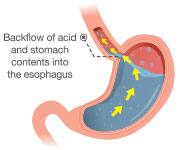
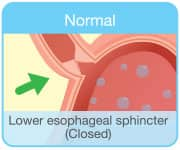
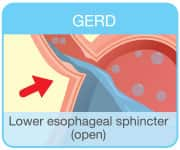
The underlying reason for GERD is failure of the sphincter valve between the stomach and esophagus to properly close. This enables stomach contents that include enzymes, food, drink, bile, and acids to reflux back up into the delicate esophageal lining. The outward symptomatic effect is heartburn. The long term impact can be an increased risk for Barrett’s esophagus, a type of change in the epithelium (lining) of the esophagus which may increase the risk for a type of esophageal cancer.50-52 Though the increase in risk of Barrett’s esophagus is not known with certainty, most medical experts suggest the long-term risk is around 15%-20%, which necessitates an upper endoscopy to assess the esophagus lining every three to five years in chronic GERD sufferers.53-55
Lifestyle modifications that can mitigate or eliminate GERD include weight loss, reducing or eliminating caffeine/alcohol/nicotine, reducing meal size, not eating late in the evening, and elevating the head end of one’s bed so that gravity holds down stomach contents that otherwise enter the esophagus while one sleeps.56-61
While these GERD-mitigating steps work reasonably well, few people implement them consistently.
The convenience of taking a proton pump inhibitor to prevent heartburn has resulted in large swaths of the aging population taking this drug every day, but doing nothing to correct the underlying problem causing GERD.
QUOTE FROM STUDY PUBLISHED BY AMERICAN MEDICAL ASSOCIATION
“Chronic kidney disease (CKD) affects approximately 13.6% of adults in the United States, is associated with a substantially increased risk of death and cardiovascular events, and accounts for a disproportionately large burden on the financial resources of Medicare. The increasing prevalence of CKD among communities cannot be fully explained by trends in known risk factors, such as diabetes mellitus and hypertension, suggesting that other variables may contribute to the disease process. Medication use may be a potential factor, particularly given tendencies toward polypharmacy. Identifying iatrogenic risk factors for CKD may help to promote the rational use of medications and reduce the burden of CKD worldwide.”1
“Proton Pump Inhibitor Use and the Risk of Chronic Kidney Disease,” JAMA Internal Medicine,February, 2016.
Raft-Forming Alginates
Several years ago, Life Extension® introduced a chewable tablet that, when taken during a meal, forms a temporary protective barrier between the stomach and esophagus to prevent stomach contents from refluxing.
Most users found the chewing of these tablets at mealtime to be inconvenient and did not continue with them. This is somewhat understandable considering how easy it is to pop a 20 mg tablet of Prilosec® (omeprazole) once or twice a day to stop heartburn symptoms from manifesting.
With data mounting about the side effects of long-term use of proton pump inhibitors, those with mild to moderate GERD should consider lifestyle changes and a new approach described in this issue of Life Extension.
Severe GERD sufferers should strike a balance between a less frequent dose of the proton pump inhibitor, once symptoms are resolved, and “on demand” therapy if appropriate.
Lifestyle modifications and occasional use of raft-forming alginates should be considered to give the body a break from chronic proton pump inhibitor use.
Sublingual and/or vitamin B12 injections are recommended for those who continue daily use of proton pump inhibitors (hopefully no more than once a day).
New Chewable Antacid Tablets
The article on page 40 of this issue describes a novel antacid utilizing magnesium, calcium, and licorice extract. This unique formula is designed to neutralize acid in the esophagus and promote movement of stomach contents away from the delicate esophageal lining.
This antacid lozenge can help GERD sufferers reduce or eliminate reliance on proton pump inhibitor drugs.
OUR FRAGILE KIDNEYS
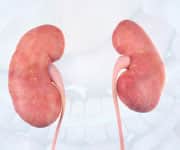 |
Most people don’t understand the delicate nature of the tiny structures that comprise their kidneys. Even fewer realize that kidney function involves more than merely removing toxic waste from the blood.
The kidneys support water/fluid balance, secrete hormones to make red blood cells, maintain electrolyte levels and regulate blood pressure. They are also involved in maintaining healthier levels of precursors to endothelial nitric oxide.
Every day, our two kidneys filter about 120 to 150 quarts of blood to produce about 1 to 2 quarts of urine.62
Those with chronic kidney disease often have sharply higher homocysteine and C-reactive protein levels that predispose them to a myriad of cardiovascular disorders.
Maintaining youthful kidney function is of utmost importance if one’s goal is to live a long and healthy life. Yet far too little attention is paid to these critical organs. Documented chronic kidney disease risk factors are:
- Diabetes63-65 and metabolic syndrome66
- High blood pressure64,67
- Obesity64,68
- Toxic medications69,70
Overlooked is the adverse impact that poor dietary patterns and normal aging inflict on the fragile structures (glomeruli) that comprise the filtering units of our kidneys.
Supplemental nutrients that have been shown to protect and support healthy kidney function include coenzyme Q10,71,72 omega-3s oils,73,74 and N-acetylcysteine.75,76
Importance of Blood Tests to Evaluate Kidney Health
No one should wait for kidney disease to manifest where it may progress toward end-stage renal failure. This is especially important for users of proton pump inhibitors (and pain relieving drugs).
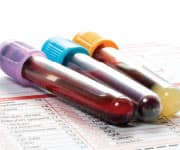
A comprehensive CBC/chemistry blood test evaluates markers of kidney function such as creatinine and blood urea nitrogen.
The safe upper limit for serum creatinine is 1.00 (mg/dL). Any fractional number over this (such as 1.1) raises concern that can signal the need for the most accurate blood test to evaluate kidney function, called cystatin-C.
Cystatin-C is an underutilized blood marker, which is regrettable because it provides a far more accurate indicator of kidney function than the standard kidney tests.77 Optimal levels of cystatin-C are less than 0.91 mg/L. Any result that comes back higher indicates the presence of kidney disease.
If caught in time, cystatin-C levels can be brought back to normal by discontinuing suspected drugs, such as ibuprofen and/or a proton pump inhibitor.
The only factor that impedes routine use of the cystatin-C blood test is its high cost. Commercial labs charge around $200 for it. Life Extension offers the cystatin-C blood test to consumers for $99.
A comprehensive CBC/chemistry blood test that includes dozens of important markers such as glucose, lipids, and blood counts, along with markers of liver and kidney function, can be obtained directly from Life Extension for only $35.
Cystatin-C provides an earlier indicator of kidney impairment than tests like creatinine that are included in the CBC/chemistry panel.
In light of the new findings, long-term users of proton pump inhibitors should consider ordering the cystatin-Cblood test as this provides the earliest warning to cut back or discontinue use of proton pump inhibitor drugs. The CBC/chemistry and/or cystatin-C blood tests can be ordered by calling 1-800-208-3444 or at LifeExtension.com/CBCPlus
Try Reducing Frequency and Dose – “On Demand” Therapy
A number of published papers conclude that Americans are overusing proton pump inhibitor drugs.78-80
The medical literature reveals a dose-response relationship regarding the side effects these drugs induce.1
As reported in the introduction to this article, a recent study has observed increased risks of chronic kidney disease in users of proton pump inhibitors, and the risk may be higher in those who take two doses a day instead of one. Most proton pump inhibitors start to wear off after 12 hours, so by taking only one of these drugs a day, there is at least some restoration of stomach acid production to help better absorb vital nutrients.
Studies dating back 25 years, however, demonstrate that proton pump inhibitors themselves can induce acute interstitial nephritis, which is a condition in which spaces between the kidney tubules become swollen and interfere with filtration of toxins out of one’s blood.81-83
These data should prompt you to consider reducing the dose frequency of your proton pump inhibitor medication to three times per week. Studies that have examined the possibility of intermittent therapy in patients with GERD, however, have been inconsistent as it relates to heartburn relief.
All things considered, an attempt to restrict intake of proton pump inhibitors to “on-demand” dosing, along with the regular use of a novel antacid lozenge described in this issue, may be an effective alternative solution to chronic use of acid-suppressing drugs.
Don’t Be a Victim of Medical Ignorance
Proton pump inhibitor drugs provide almost immediate relief from heartburn symptoms and can facilitate a cure for esophagitis.
In 2013, more than 15 million Americans were prescribed proton pump inhibitors and many more bought this class of drug over the counter.1,84 Study findings suggest that chronic prescribing of these drugs is not medically indicated in many cases.85 One study found that 27% of long term proton pump inhibitor users could discontinue therapy without encountering symptoms.86
Published studies show consistent associations between use of these acid-blocking drugs and higher risk of chronic kidney disease.42,43,46,48 This disorder has increased in prevalence during a time period that corresponds with widespread use of proton pump inhibitors.1,48
Many GERD sufferers have come to rely on proton pump inhibitors to offset the heartburn-inducing effects of eating large meals, excessive ethanol consumption and carrying too much weight.
Common-sense lifestyle changes can enable those with GERD to reduce or eliminate reliance on proton pump inhibitors.
A preponderance of clinical data indicates that this will beneficially result in a reduction in risks of bone fracture, heart attack, stroke, infections, dementia, and kidney failure.
Blood tests can readily reveal if kidney damage is occurring and provide an early warning to discontinue certain drugs before permanent kidney damage manifests.
Please turn this page to see how easy it is to obtain low-cost blood tests that can help you maintain optimalhealth throughout the New Year.
For longer life,
William Faloon

Sunday, 12 February 2017
Stop Heartburn Fast!
When someone suffers frequent or painful heartburn bouts, they are often diagnosed with gastroesophageal reflux disease or GERD.
There remain widespread misconceptions about the underlying cause of heartburn.
Neutralize Esophageal Acidity
February 2017
By Michael Downey
Heartburn afflicts more than 40% of adult Americans.
When someone suffers frequent or painful heartburn bouts, they are often diagnosed with gastroesophageal reflux disease or GERD.
There remain widespread misconceptions about the underlying cause of heartburn.
Mass-advertising of drugs such as Nexium®, Prilosec®, and Prevacid® has convinced GERD sufferers that to relieve symptoms, they need to block production of acid in the stomach.
But the human stomach must operate in acidic conditions to digest food properly. And long-term use of GERD drugs (proton pump inhibitors) involves serious health risks—ranging from kidney1,2 and cardiovascular disease3,4 to increased mortality.5,6
A common cause of GERD is a weakened sphincter muscle at the end of the esophagus that functions to keep food and acid in the stomach. When the sphincter fails to close properly, stomach contents back up into the esophagus, causing heartburn and increasing esophageal cancer risk.7,8
A new weapon has been identified that targets GERD symptoms by helping to neutralize acid in the esophagus, while leaving stomach pH balance intact.9,10
Human studies have demonstrated that this formulation’s compounds safely neutralize esophageal acidity—without disrupting gastric acid production. There were also clinically-measured improvements in esophageal peristalsis, which helps further prevent reflux.9-11
How Acid Reflux Occurs

The human stomach is an extremely acidic environment, roiling with hydrochloric acid and protein-destroying enzymes—a necessary environment for the proper breakdown of large food molecules in preparation for further digestion and absorption in the small intestine. A thick lining of mucus separates the acidic stomach contents from the delicate walls of the stomach itself.
The long flexible tube known as the esophagus that connects the mouth to the stomach is not designed to withstand such harsh conditions. To keep the acidic stomach contents away from its delicate tissue, the esophagus relies only on gravity and a sphincter muscle at the lower end.
A heavy or fat-rich meal can slow stomach emptying and allow stomach pressure to overwhelm the lower esophageal sphincter, permitting highly corrosive contents to wash up, or reflux, into the esophagus. Many people suffer from transient relaxation of the sphincter muscle, triggering this problem unpredictably.
The result—whether called heartburn, acid reflux, or gastroesophageal reflux disease (GERD)—is a burning, painful, proinflammatory, and potentially dangerous condition that afflicts more than 40% of American adults during any given 12-month period.12
Why “potentially dangerous”? Because the prolonged exposure of acids and protein-digesting enzymes to the delicate cells of the lower esophagus can produce precancerous changes. One result, a condition called Barrett’s esophagus, which refers to abnormal changes in cells, is a precursor to esophageal cancer.7,13Esophageal cancer is increasing at an alarming rate.14
Flaws in Conventional Treatment
Mainstream medicine has long targeted the wrong body organ to prevent and treat GERD, focusing on the stomach and the high level of acid it produces. As a result, pharmaceutical companies have taken advantage of the huge market stemming from this perceived “need” to reduce stomach-acid production. They have flooded consumers with advertising for a wide array of drugs designed to alter the pH balance of the stomach, which can have long-term adverse impacts on one’s health.
In 2013, more than 15 million Americans were prescribed GERD-relieving medication and many more bought this class of drug over-the-counter.1,15 These drugs include omeprazole, lansoprazole, pantoprazole, esomeprazole, and rabeprazole, sold under a variety of trade names such as Nexium®, Prilosec®, and Prevacid®.
Targeting stomach-acid production with these drugs does indirectly reduce reflux symptoms in the esophagus. The hidden side effects, however, constitute massive overkill and cause serious—and potentially fatal—health consequences.
Reducing the stomach’s acidity weakens its ability to serve as a barrier to infection. It can also contribute to nutrient malabsorption. More critically, the drugs used to reduce stomach acidity—known as proton pump inhibitors or PPIs—have serious risks.
Long-term use of proton pump inhibitors increases the risk of kidney disease,1,2 blood vessel calcification,16nutritional deficiencies,17-19 cardiovascular disease,3,4 infection (including pneumonia),20-24 diarrhea,25-27microbial disruption (dysbiosis),28-30 and bone fracture.19,31-33 And taking these drugs in high doses is associated with a 2.6-fold higher risk of death.5
So the challenge has been to neutralize acid and other stomach contents specifically in the esophagus without reducing stomach pH balance. This would enable GERD sufferers to reduce their dose of PPI drugs or steer clear of them altogether.
Neutralizing Acid in the Esophagus
Scientists zeroed in on three natural compounds that, working together, are perfectly suited for a safe, esophageal-protecting effect.
First, calcium carbonate has long been shown to act as an acid buffer and to promote neutralization of acid. Compared to swallowed minerals that work on the stomach, calcium carbonate in a chewable tablet form has been shown to reduce acidity in the esophagus.9,10
Studies have found that calcium carbonate in a chewable tablet form promotes esophageal motility. That is, it enhances the sequential, esophageal muscle contractions that help foods and liquids travel the distance from the mouth to the stomach. This helps block the backwards flow of stomach juices from the stomach into the esophagus and more effectively clears any acid already in the esophagus.9,10
Second, magnesium carbonate adds protection by neutralizing acid.34 It also provides supplementary magnesium—a nutrient that is frequently eliminated from the body through the use of proton pump inhibitor drugs.35
Third, a flavonoid-rich extract of licorice (Glycyrrhiza glabra) has been found to inhibit GERD symptoms. Licorice has been long used in the treatment of ulcers,36,37 and modern biochemical studies have now recognized its potent anti-inflammatory properties.38,39
The data on calcium, magnesium, and licorice suggest they may provide safe, protective benefits for GERD patients when taken in chewable tablet form. The real challenge, however, has been to determine whether these natural compounds could be proven effective in clinical trials of humans currently afflicted with acid reflux.
WHAT YOU NEED TO KNOW
 |
Relieving Heartburn Without the Risks of PPI Drugs
- Due to the mistaken belief that excess stomach acid causes heartburn or GERD, a broad range of potentially deadly drugs are taken daily that reduce stomach acidity. However, the human stomach requires extreme acidity to work properly.
- Calcium carbonate, magnesium carbonate, and deglycyrrhizinated licorice extract target esophageal acid without disrupting gastric acid production.
- Human studies have shown that calcium carbonate, magnesium carbonate, and deglycyrrhizinated licorice extract safely neutralize esophageal acid, improve esophageal motility to prevent acid reflux, and improve protection of esophageal tissue.
Human Trials with Calcium Carbonate
In one study, a group of 20 otherwise healthy individuals with a history of episodic heartburn were given food designed to induce that affliction—chili, cheese, raw onions, and cola.9
An hour after the meal, they were randomized into groups and given varying doses of calcium carbonate in chewable or swallowable tablets, an effervescent solution of bicarbonate of soda (baking soda), or a placebo. For 5.5 hours following the meal, the study team used esophageal and stomach probes to measure acid levels for all volunteers.
Within a half-hour of treatment, acid levels began dropping more effectively in those who had taken the chewable calcium carbonate tablets—compared to any of the swallowable tablet formulations. The chewable group’s pH levels rose significantly in the esophagus, indicating much less acidity, compared to baseline and compared to the placebo group.9 The researchers were especially impressed that the chewable calcium carbonate—unlike proton pump inhibitor drugs—did not significantly decrease acid production in the stomach.9
These findings were supported by a second study that evaluated chewable calcium carbonate’s effect on esophageal motility, meaning how well the esophagus can utilize peristalsis (wave-like motion induced by muscle activity) to move its contents from the mouth to the stomach.10 None of the other common anti-GERD medications can improve esophageal motility, and impairment of this function increases the risk of heartburn.
For this study, 18 heartburn sufferers were given a tablespoon of acid to swallow. Using esophageal pressure testing equipment, researchers then assessed the exact number of swallows and amount of time it took for each subject’s esophageal pH to naturally rise to 5.0—a much reduced acidity level.10
The same subjects were then given 1,500 mg of calcium carbonate in a chewable tablet, and the test was repeated. Results showed significantly improved esophageal pressure and contractions in the correct, downward direction. Acid clearance in the esophagus was markedly increased 30 minutes after chewing the tablet.
This study found that it took 20 swallows and 12 minutes to eliminate the acid without the calcium carbonate tablets. When the same group of people were given the calcium carbonate chewable tablets, it took only 12 swallows and six minutes to eliminate esophageal acid.10
Calcium is needed for muscle contraction; prompting the researchers to suggest that one factor in these positive results may have been the fact that the chewable calcium carbonate tablets delivered concentrated calcium directly to the esophagus, potentially triggering stronger contractions.10
UNIQUE PROPERTIES OF LICORICE EXTRACT
 |
Scientists determined that licorice extract without glycyrrhizin (a constituent in licorice known to have some adverse health effects) was the most effective and powerful form to suppress damaging inflammatory reactions.38
Deglycyrrhizinated licorice extract (DGL) has been demonstrated to block inflammation by inhibiting enzymes involved in production of prostaglandins and leukotrienes, which are proinflammatory signaling molecules.39 This form of licorice extract also reduces production of other inflammatory cytokines such as interleukin IL-1 beta and IL-6.38
Clinical Validation of Deglycyrrhizinated Licorice Extract

As mentioned earlier, deglycyrrhizinated licorice extract (DGL) was demonstrated to block inflammation by inhibiting certain enzymes and proinflammatory signaling molecules.38,39
Scientists conducted a randomized, placebo-controlled study, specifically designed to test this licorice extract’s anti-inflammatory effects on those suffering from functional dyspepsia—a chronic disorder of the upper digestive tract.11,40 The multiple symptoms can include heartburn, bloating, nausea, belching, and burning and pain in the epigastric area (the esophagus just above the stomach). Functional dyspepsia affects one in every ten people.40
The team enlisted 50 adult patients with functional dyspepsia. Subjects were randomly assigned either to a control arm that received a placebo or to an active arm that received 75 mg of deglycyrrhizinated licorice extract. Both placebos and extract were taken with a glass of water daily after food, in the morning and again at night.11 All volunteers were asked to complete a series of symptom and quality-of-life scales at baseline and after 30 days of treatment.
Patients supplemented with the licorice extract reported a significant 51% reduction in their overall symptom scores, while the placebo patients experienced only a 29% symptom decrease.11
Licorice-supplemented patients were also asked to rate themselves on a dyspepsia-specific scale that considered 10 gastrointestinal symptoms—upper abdominal fullness, upper abdominal pain, belching, bloating, early satiety, nausea, vomiting, regurgitation, heartburn, and loss of appetite.
Results showed a 55% decrease in these dyspepsia symptoms in the licorice extract group, while placebo patients showed only a 19% reduction.11 A substantial 56% of the supplemented subjects demonstrated improvements in what is known as a global efficacy score—a special index for the overall response to 30 days of intervention—while placebo subjects showed a 0% improvement.11
The overall findings clearly demonstrate that these natural compounds provide fast heartburn relief, effective GERD prevention through improved esophageal motility, and symptom improvement in those with functional dyspepsia. No adverse events or side effects were reported in any of the studies.
Summary

Gastric acid in the stomach
The public misconception about the underlying causes of heartburn, or GERD, has resulted in widespread use of drugs that dangerously—and excessively—reduce stomach acid. But the human stomach requires acidity for proper functioning.
Proton pump inhibitor drugs have been found in observational research to seriously boost risk of illnesses ranging from kidney and cardiovascular disease to earlier mortality.
Human studies demonstrate that proper use of low-cost nutrients can safely neutralize esophageal acidity—without disrupting gastric acid production. They also improve esophageal motility, which helps prevent acid reflux and improves protection of delicate esophageal tissue.
Calcium carbonate, magnesium carbonate, and deglycyrrhizinated licorice extract have been shown to confer symptomatic relief from heartburn and dyspepsia.9-11,34
Those who seek to reduce or eliminate their reliance on proton pump inhibiting drugs should consider taking 1-2 chewable tablets containing these three nutrients after meals and at bedtime.
If you have any questions on the scientific content of this article, please call a Life Extension® Wellness Specialist at 1-866-864-3027.
http://www.lifeextension.com/Magazine/2017/2/Heartburn-Relief-Without-Drugs/Page-01
Subscribe to:
Posts (Atom)