Did you know there are foods that can help promote liver regeneration? Did you also know the liver is the only organ in the body which can regenerate? It’s true. You may have heard that a starfish can grow back a missing limb, and lizards can grow back their tails; similarly, if a part of the liver is damaged it can partake in liver regeneration.
Written by
Published on September 14, 2015
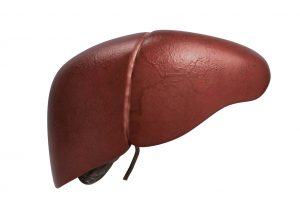
In a study published in The Journal of Biological Chemistry researchers uncovered that liver regeneration functions much simpler than once believed. In the past it was shown that cells which are part of regeneration act as they would if they were in an embryo. In the fairly recent study scientists uncovered specific proteins that induce regeneration. They felt that by being able to stimulate such proteins they would be able to better help those with severe liver damage or those who have had portions of their liver removed.
After extensive testing, the scientists uncovered that previous theories of cells acting as they would in embryos was actually not true, but rather liver regeneration occurs due to an increase in cells which multiply through regular cell division. Therefore, researchers believe stimulating liver regeneration is possible by activating identified proteins.
Foods useful for liver regeneration process
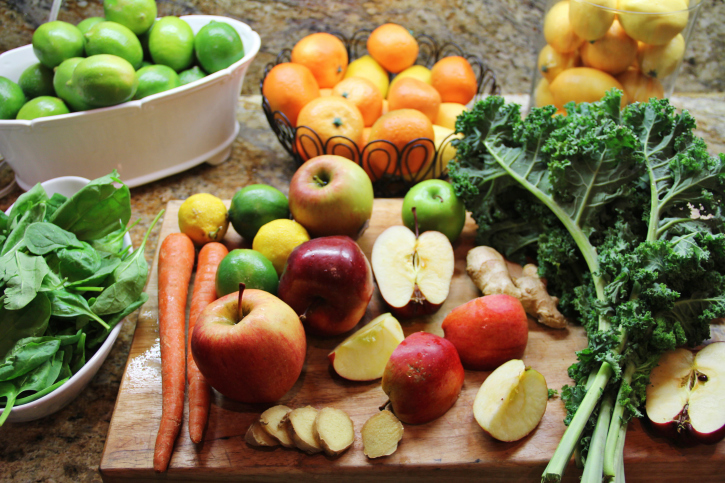 Although the liver is able to regenerate itself, it’s important you keep it healthy and eat foods which can further help promote liver regeneration. The following foods can help boost liver health as well as function.
Garlic: Garlic has been shown to help reduce bad cholesterol which is associated with poor liver health; eating garlic regularly can help promote good liver health. Enzymes in garlic also help the liver remove toxins, contributing to a healthier body overall.
Grapefruit: Grapefruit is packed with powerful antioxidants and fiber. Grapefruit can contribute to good cholesterol and boost the liver-cleansing process. One word of caution is that grapefruit can negatively interact with medications, so speak to a doctor before incorporating grapefruit into your diet.
Leafy green vegetables: Spinach, broccoli and kale are just some examples of leafy green vegetables. Leafy green vegetables all work to assist your liver in the cleansing process and help improve its function. Furthermore, they provide the body with chlorophyll which protects the body from toxins.
Avocados: Avocados pack nearly 20 essential nutrients and vitamins; not only are they good for your body, but they feed your liver all the right stuff. Avocados can help neutralize free radicals as well as promote the production of glutathione which helps with toxin removal.
Apples: We know apples are good for overall health; you should continue with your apple-a-day trend as they can help promote liver cleansing and remove toxins in the digestive tract.
Brussels sprouts: Brussels sprouts are similar to garlic because they also contain sulfur, so that alone is enough to promote a healthier liver. Furthermore, Brussels sprouts contain antioxidants which fight free radical damage. For maximum benefits cook Brussels sprouts with garlic for an optimal liver-cleaning meal.
Other foods for liver regeneration
Aside from the above mentioned foods, there are others which can keep the liver healthy, promote liver cleansing and ensure you stay the healthiest you can be. The next time you opt for a meal or a snack make sure you also add these foods into your diet for a healthy liver.
- Bitter gourd
- Probiotic yogurt
- Onions
- Lemon
- Berries
- Arugula
- Artichokes
- Leeks
How proteins may help in liver regeneration
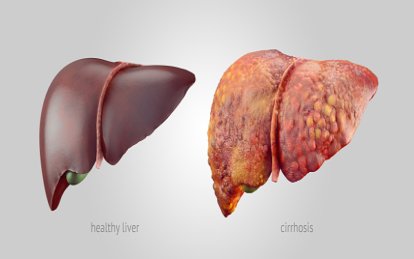 Similar to the previous research mentioned, scientist at UC Davis further explored the use of proteins in liver regeneration. The identified protein is called PPARα and in mice models they found it to work quite quickly in liver regenerations.
What the researchers did uncover, though, is to boost PPARα in humans for quicker liver regeneration we require protein fibroblast factor 21 (FGF21). Author of the paper Yu-Jui Yvonne Wan said, “We found that FGF21 is a good rescuing molecule that facilitates liver regeneration and perhaps tissue repair. Our data suggests that FGF21 could help with liver regeneration, either after removal or after damage caused by alcohol or a virus.”
Through testing the researchers found that PPARα was more effective in liver regeneration in mice livers than in human ones. What they did find was that by adding FGF21, liver regeneration was boosted by making PPARα more effective. FGF21 is also beneficial in reducing insulin resistance, accelerating fat metabolism and reducing fatty liver disease in some animals.
Wan added, “We found that FGF21 is a good rescuing molecule that facilitates liver regeneration and perhaps tissue repair. Our data suggests that FGF21 could help with liver regeneration, either after removal or after damage caused by alcohol or a virus.”
Cell fundamental for liver regeneration found
Although it has been established that proteins work to promote liver regeneration, as of late more findings suggest a cell, too, is fundamental for liver regeneration.
Published in the journal Cell researchers uncovered cells called hybrid hepatocytes which are able to generate new tissues. By exposing mice to toxins researchers observed the role of hybrid hepatocytes. What they found was cancer did not develop in the new cells which were created by the hybrid hepatocytes. This prompted the researchers to further explore opportunities of hybrid hepatocytes.
Until science is capable of fully regenerating livers it’s important to maintain the health of yours as best as you can. Waiting lists for liver transplants are extremely long, so in order to keep your name off the list, enjoy the foods listed above which can promote a healthy liver and a healthy you.
