Pages

Showing posts with label Barley. Show all posts

Sunday, 6 October 2019

Barley - an underused source of phytochemicals, fiber, and minerals. Life Extension

Providing blood glucose stabilization, cardiovascular protection, and cancer prevention, this ancient grain satisfies more than just the palate.

December 2008
Barley
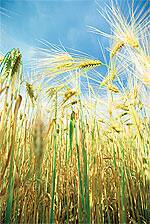
Barley may be one of the oldest grains on earth, having first been used by the Egyptians 10,000 years ago and later brought to America by Christopher Columbus in 1494. Despite its long history, barley has not gained the same popularity as a dietary staple in the US as wheat or oats.1 Now, as the medical community unearths more and more exciting health benefits of consuming barley, this fact may soon change.
Rich in phytochemicals, fiber, and minerals that ward off a plethora of diseases, substituting your usual grain of choice with barley may confer an array of health benefits, ranging from balanced blood sugar levels to protection against cardiovascular disease and cancer.

Keeping Blood Sugar Levels Balanced

In barley's arsenal of components that make it a healthful superfood, the blockbuster stand-out is a particular kind of soluble fiber called beta-glucan. Similar to another fiber called pectin in consistency, beta-glucan is a viscous fiber that our bodies can't digest. By binding with water, beta-glucan slows the rate that food moves through the digestive system, tempering the body's glucose and insulin responses after a meal.2
While beta-glucan is present in the cell walls of barley, oats, yeast, bacteria, algae, and mushrooms, barley and oats are the richest sources of beta-glucan among the grains.3 Yet emerging evidence suggests that barley might be even more beneficial than oats when it comes to modulating blood sugar.
In fact, in one study comparing the insulin and glucose response in overweight women to barley and oats, researchers actually found "peak glucose and insulin levels after barley were significantly lower than those after glucose or oats." The researchers tested a variety of forms of the grains (from oat flour and oatmeal to barley flour and barley flakes) and discovered that while the particle size had little effect on the glycemic responses, "the high soluble fiber content of this barley appeared to be a factor in the greater reduction observed."4 This is exciting news not just for those who suffer from diabetes. It also shows barley's promising effects on anyone who's at risk for metabolic syndrome.
WHOLE-GRAIN GOODNESS
Whole-Grain Goodness
While current dietary recommend that all individuals consume three servings of whole grains each day, Americans consume an average of only one serving per day.25 According to the United States Department of Agriculture,eating grains—particularly fiber-rich whole grains—helps reduce the risk of numerous chronic diseases. Among the health benefits of consuming fiber-rich grains like barley are:
  • Reduced risk of coronary heart disease26
  • Reduced risk of constipation26
  • Weight management benefits26
  • Decreased risk of high blood pressure27
  • Reduced risk of diabetes28,29

Thwarting Heart Disease

Studies suggest that barley can lessen your risk of cardiovascular diseases by hindering the amount of cholesterol absorbed by the intestines. Cardiovascular disease prevention is an established benefit of whole-grain fiber intake. Again, the soluble fiber called beta-glucan in barley appears to be the secret weapon.
Beta-glucan likely acts via numerous mechanisms to promote healthy blood lipid levels. By increasing the volume and viscosity of the intestinal contents, beta-glucan may help reduce the amount of dietary cholesterol absorbed through the intestinal epithelium. Beta-glucan also increases the excretion of bile acids into the intestines. Since oxidized cholesterol comprises bile acids, this has the net effect of lowering serum cholesterol levels.5
Thwarting Heart Disease
Increasing dietary intake of beta-glucan helps to lower low-density lipoprotein (LDL) as well as total cholesterol in men and women.6,7 Barley appears to be more effective in lowering blood cholesterol than other whole grains like wheat and rice because of its high beta-glucan content.7-11
One study found that moderately hypercholesterolemic subjects who consumed 3 or 6 grams of beta-glucan from barley demonstrated decreased levels of total cholesterol. Men and postmenopausal women derived the greatest benefits from beta-glucan.12
Barley has also been shown to lower blood pressure, an important risk factor for cardiovascular disease and stroke. One five-week study found that men who replaced 20% of their energy intake with whole grains like barley experienced reductions in systolic, diastolic, and mean arterial pressure.13
The FDA has determined that foods containing barley may now carry a qualified health claim that they reduce the risk of coronary heart disease when combined with a diet low in cholesterol and saturated fat. Whole-grain barley and dry milled barley products must contain at least 0.75 grams of soluble fiber per serving in order to make this health claim.14
A research meta-analysis determined that each 10 gram increase in total dietary fiber intake produced a 14% reduction in all coronary events and a 27% decrease in the risk of coronary death.15

Cancer Protection

Barley is also rich in phytonutrients known as lignans, compounds that appear to help ward some cancers.16 Specifically, the dominant lignan that occurs naturally in barley is called 7-hydroxymatairesinol.16 Lignans appear to have a protective effect against some cancers because they are metabolized by beneficial bacteria in the colon into enterolactone and enterodiol, two substances that have mild estrogen-like effects.17 Increasing dietary intake of whole grains represents an important strategy to boost serum levels of enterolactones.18,19
An important German study found that women with the highest plasma levels of enterolactone had a remarkable 62% lower risk of premenopausal breast cancer, compared with women with the lowest plasma levels.20
Men may similarly benefit from increasing their dietary intake of lignans. A study analyzing blood enterolactone levels in men with prostate cancer versus healthy controls found that men with the highest enterolactone levels were 82% less likely to have prostate cancer.21
Keeping high blood levels of enterolactones by upping your intake of barley and other whole grains could thus help thwart cancers, particularly hormone-dependent cancers.
COMPARING THE NUTRITIONAL CONTENT OF BARLEY AND OATS
Compared to whole-grain oats, barley packs a nutritional wallop by being lower in fat and calories, but higher in dietary fiber! One cup of hulled barley has about three times less fat and two-thirds more fiber than the more popular grain, oats. Barley also provides an excellent dietary source of essential minerals including magnesium, iron, manganese, and selenium.
 
Barley, hulled Oats (per 100 g)
(per 100 g)
Calories
354
389
Protein
12.48 g
16.89 g
Fat
2.30 g
6.90 g
Total Carbohydrates
73.48 g
66.27 g
Total Dietary Fiber
17.30 g
10.60 g
Source: USDA National Nutrient Database for Standard Reference30

Gastrointestinal Health Benefits

Barley is a rich source of both soluble and insoluble fiber, both of which may benefit gastrointestinal health.
The insoluble fiber found in barley binds with water to add bulk to stools, thus promoting more regular bowel movements.22
Some of the soluble fiber found in barley is digested by colonic bacteria to produce short-chain fatty acids, which may help promote bowel health.22 In fact, germinated barley products are undergoing investigation for their ability to help soothe colonic mucosa in the painful inflammatory bowel disease known as ulcerative colitis.23

Enjoying Barley

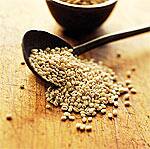
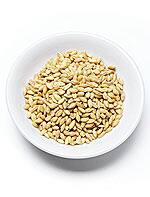
Barley is available in numerous forms, including hulled barley kernels, flakes, grits, pearls, and ground flour. Whole-grain barley kernels contain more fiber and nutrients than the more common pearled barley. Pearled barley is smoother because it's been scrubbed clean of the healthful outer husk and bran layer in the refining process. Hulled barley not only has retained all the nutrients in the outer husk and bran layer, but it also has a nuttier flavor. Hulled barley requires a longer cooking time than pearled barley, however. Pearled barley is still an excellent dietary choice, providing 3 grams of fiber per ½ cup serving, compared with only 1.75 grams of fiber in ½ cup of long-grain brown rice.24 Nutrient powders rich in beta-glucans are also available.
Comparing the Nutritional Content of Barley and Oats
Store uncooked barley in an airtight container in a cool place.
Add cooked barley kernels to soups, stews, salads, and casseroles. Substitute cooked barley kernels or pearls for rice in your favorite recipe. Cooked barley flakes or grits make a delicious hot cereal similar to oatmeal. Substitute some of the white or wheat flour in baked breads and desserts with barley flour to add flavor and fiber.

Conclusion

Barley's amazing properties make it no surprise that this grain would have endured for millennia. But what is striking is the fact that Americans have been slow to embrace barley as they have wheat, corn, rice, and oats. Fortunately, as new research unveils more and more ways that barley can be a healthful addition to your diet, it will become a more pervasive staple to our diets. And check out the recipe on this page from the National Barley Foods Council. At just under 300 calories per serving, this salad is worth making tonight!
If you have any questions on the scientific content of this article, please call a Life Extension Health Advisor at 1-800-226-2370.
EASY GREEK BARLEY SALAD TASTE OF THE MEDITERRANEAN
Ingredients:
1 cup pearl barley
3 cups water
Salt
1/3 cup olive oil
2 tablespoons fresh lemon juice
2 tablespoons red wine vinegar
1/2 teaspoon dried oregano
1/4 cup finely chopped onion
1/4 cup finely chopped fresh parsley
2 medium tomatoes, diced
1 green or red bell pepper, diced
1/2 cup crumbled feta cheese
In medium saucepan with lid, bring water and 1 teaspoon salt to a boil. Add barley and return to boil. Cover, reduce heat to low and cook 45 minutes or until barley is tender and liquid is absorbed. Combine olive oil, lemon juice, vinegar, oregano and 1/4 teaspoon salt; pour over hot cooked barley. Cool to room temperature. Gently stir in onions, parsley, tomatoes, bell pepper and feta cheese. Makes 6 servings.
Per serving: calories 209, protein 4g, fat 1g, carbohydrates 49g, cholesterol 0mg, fiber 7g, sodium 95mg.
TO COOK PEARL BARLEY
In medium saucepan with lid, bring 3 cups water to a boil. Add 1 cup pearl barley and return to boil. Reduce heat to low, cover and cook 45 minutes or until barley is tender and liquid is absorbed. Makes about 3 to 3-1/2 cups.
Recipe courtesy of National Barley Foods Council (www.barleyfoods.org).

References
1. Available at: http://www.aaccnet.org/cerealfoodsworld/samplepdfs/CFW-51-0004.pdf. Accessed August 11, 2008.
2. Granfeldt Y, Liljeberg H, Drews A, Newman R, Bjorck I. Glucose and insulin responses to barley products: influence of food structure and amylose-amylopectin ratio. Am J Clin Nutr. 1994 May;59(5):1075-82.
3. Behall KM, Scholfield DJ, Hallfrisch JG, Liljeberg-Elmstahl HG. Consumption of both resistant starch and beta-glucan improves postprandial plasma glucose and insulin in women. Diabetes Care. 2006 May;29(5):976-81.
4. Behall KM, Scholfield DJ, Hallfrisch J. Comparison of hormone and glucose responses of overweight women to barley and oats. J Am Coll Nutr. 2005 Jun;24(3):182-8.
5. Leinonen KS, Poutanen KS, Mykkanen HM. Rye bread decreases serum total and LDL cholesterol in men with moderately elevated serum cholesterol. J Nutr. 2000 Feb;130(2):164-70.
6. Behall KM, Scholfield DJ, Hallfrisch J. Effect of beta-glucan level in oat fiber extracts on blood lipids in men and women. J Am Coll Nutr. 1997 Feb;16(1):46-51.
7. Keenan JM, Goulson M, Shamliyan T, et al. The effects of concentrated barley beta-glucan on blood lipids in a population of hypercholesterolaemic men and women. Br J Nutr. 2007 Jun;97(6):1162-8.
8. Lupton JR, Robinson MC, Morin JL. Cholesterol-lowering effect of barley bran flour and oil. J Am Diet Assoc. 1994 Jan;94(1):65-70.
9. Behall KM, Scholfield DJ, Hallfrisch J. Diets containing barley significantly reduce lipids in mildly hypercholesterolemic men and women. Am J Clin Nutr. 2004 Nov;80(5):1185-93.
10. Behall KM, Scholfield DJ, Hallfrisch J. Lipids significantly reduced by diets containing barley in moderately hypercholesterolemic men. J Am Coll Nutr. 2004 Feb;23(1):55-62.
11. Adam A, Lopez HW, Tressol JC, et al. Impact of whole wheat flour and its milling fractions on the cecal fermentations and the plasma and liver lipids in rats. J Agric Food Chem. 2002 Oct 23;50(22):6557-62.
12. Available at: http://www.ars.usda.gov/research/publications/publications.htm?seq_no_115=185932. Accessed August 8, 2008.
13. Available at: http://www.ars.usda.gov/research/publications/publications.htm?SEQ_NO_115=139663. Accessed August 8, 2008.
14. Available at: http://www.fda.gov/bbs/topics/NEWS/2006/NEW01375.html. Accessed August 11, 2008.
15. Pereira MA, O'Reilly E, Augustsson K, et al. Dietary fiber and risk of coronary heart disease: a pooled analysis of cohort studies. Arch Intern Med. 2004 Feb 23;164(4):370-6.
16. Smeds AI, Eklund PC, Sjoholm RE, et al. Quantification of a broad spectrum of lignans in cereals, oilseeds, and nuts. J Agric Food Chem. 2007 Feb 21;55(4):1337-46.
17. Thompson LU. Experimental studies on lignans and cancer. Baillieres Clin Endocrinol Metab. 1998 Dec;12(4):691-705.
18. Jacobs DR Jr, Pereira MA, Stumpf K, Pins JJ, Adlercreutz H. Whole grain food intake elevates serum enterolactone. Br J Nutr. 2002 Aug;88(2):111-6.
19. Johnsen NF, Hausner H, Olsen A, et al. Intake of whole grains and vegetables determines the plasma enterolactone concentration of Danish women. J Nutr. 2004 Oct;134(10):2691-7.
20. Piller R, Chang-Claude J, Linseisen J. Plasma enterolactone and genistein and the risk of premenopausal breast cancer. Eur J Cancer Prev. 2006 Jun;15(3):225-32.
21. Hedelin M, Klint A, Chang ET, et al. Dietary phytoestrogen, serum enterolactone and risk of prostate cancer: the cancer prostate Sweden study (Sweden). Cancer Causes Control. 2006 Mar;17(2):169-80.
22. Trepel F. Dietary fibre: more than a matter of dietetics. I. Compounds, properties, physiological effects. Wien Klin Wochenschr. 2004 Jul 31;116(14):465-76.
23. Bamba T, Kanauchi O, Andoh A, Fujiyama Y. A new prebiotic from germinated barley for nutraceutical treatment of ulcerative colitis. J Gastroenterol Hepatol. 2002 Aug;17(8):818-24.
24. Available at: http://www.barleyfoods.org/nutrition.html. Accessed August 8, 2008.
25. Hallfrisch J, Facn, Behall KM. Mechanisms of the effects of grains on insulin and glucose responses. J Am Coll Nutr. 2000 Jun;19(3 Suppl):320S-5S.
26. Available at: http://www.mypyramid.gov/pyramid/grains_why_print.html. Accessed August 8, 2008.
27. Available at: http://www.sciencedaily.com/releases/2007/05/070509161030.htm. Accessed August 8, 2008.
28. Liu S, Manson JE, Stampfer MJ, et al. A prospective study of whole-grain intake and risk of type 2 diabetes mellitus in US women. Am J Public Health. 2000 Sep;90(9):1409-15.
29. Fung TT, Hu FB, Pereira MA, et al. Whole-grain intake and the risk of type 2 diabetes: a prospective study in men. Am J Clin Nutr. 2002 Sep;76(3):535-40.
30. Available at: www.nal.usda.gov/fnic/foodcomp/cgi-bin/list_nut_edit.pl. Accessed August 8, 2008.
https://www.lifeextension.com/magazine/2008/12/barley/page-01

Thursday, 16 November 2017

What’s up with gluten?

Many people believe that a gluten-free diet helps ease abdominal symptoms that have baffled doctors and researchers.

November 12, 2017

What’s up with gluten?
Food containing gluten include wheat, barley and rye.

There are no available statistics on the number of patients suffering from non-coeliac gluten sensitivity (NCGS) in Malaysia because there’s no such test currently to find out if someone is sensitive to gluten, said consultant gastroenterologist and physician Dr P. Shanthi.
“But it is real and there are papers published by the scientific community,” she said in an interview.
Food containing gluten include wheat, barley and rye.
Dr Shanthi said that currently, the only way of knowing if someone is sensitive to gluten is by putting them on a gluten-free diet and seeing if gastrointestinal symptoms resolve and then re-challenging them with gluten-containing food and looking for symptom recurrence.
She said that coeliac disease (CD), which is proven to be linked to gluten sensitivity, is rare in Malaysia, and it is believed that more people suffer from NCGS.
While there are no statistics on NCGS in Malaysia, Dr Shanthi said the prevalence of irritable bowel syndrome (IBS) varies from 10.9% to 15% (more than three million) of the population. An international journal quoted a global prevalence of 11.2%.
While not all IBS patients are sensitive to gluten, research has shown that certain patients with diarrhoea-predominant IBS may have gluten sensitivity, she said.
Consultant gastroenterologist and physician Dr P. Shanthi.
“Currently, patients with problematic IBS are prescribed the Fermentable Oligo- Di- Mono-saccharides and Polyols (Fodmaps) free diet because Fodmaps are found to cause bloating, diarrhoea and abdominal cramps in certain individuals,” she said.
Asked why food containing gluten are also listed in Fodmaps, Dr Shanthi said it was because of the starch found in wheat, which forms the biggest component in wheat flour (70-75%).
“The fructants in starch can cause IBS,” she said.
She said that for those with IBS and functional dyspepsia (a chronic disorder of sensation and movement [peristalsis] in the upper digestive tract), fruits with excess fructose and milk could pose an issue.
For instance, apples and pears are categorised as having “high fructose” but not bananas, she said.
Asked if those suffering from inflammatory bowel disease (IBD) – which include Crohn’s disease and ulcerative colitis – need to adhere to a gluten-free diet, she said they do not need to.
“But those with IBD and IBS can try the diet if it helps with their symptoms,” she said, adding that IBD patients still have to take a lot of medicines such as steroids and immosuppresants.
The other group of people who suffer from gluten-related disorders are those with wheat allergy, which could be detected by a blood test for IgE or skin prick test, according to Dr Shanthi.
When exposed to wheat products, they could suffer allergic reactions such as breathing difficulties, swelling or breaking out in rashes, she said.
None of the evidence thus far has convinced Dr Nazrul Neezam Nordin.
Paediatric gastroenterologist Dr Nazrul Neezam Nordin said there was insufficient evidence to suggest NCGS exists because the symptoms that NCGS patients say they suffer from such as headache, abdominal bloating and pains and diarrhoea are non-specific, which could be caused by anything and not necessarily gluten.
Patients could be getting bloating from being fructose intolerant or lactose intolerant, for instance, he said.
“So far, none of the evidence has convinced me. There isn’t enough strong evidence to back these claims,” he said, adding that it is also difficult to design a study to assess non-specific symptoms alleged to be caused by gluten sensitivity, contributing to scarcity of evidence.
To make things worse, there is also an absence of a reliable biological marker to confirm or exclude gluten sensitivity, he said.
Dr Nazrul said that the only gluten related disorder that has been clearly defined are CD and wheat allergy.
While he saw only one or two cases of CD as a paediatrician of 11 years in Malaysia, he saw many wheat allergy cases such as lip swelling, rashes and sometimes diarrhoea, which occur quickly after exposure to the allergen, he said.
But CD remains an important and common condition in other parts of the world, he said.
However, he pointed out that for children with recurrent abdominal pain, inflammatory bowel disease (IBD) is an important diagnosis to be excluded as the incidence is increasing at an alarming rate in Malaysia.
Irritable bowel syndrome is another important diagnosis and specific dietary intervention such as low Fodmaps diet and stress control are recommended as part of the management, he said, adding that IBS is a diagnosis of exclusion.
Dr Nazrul said it is not uncommon to see many people suffering from chronic pain such as headaches, body aches, back pains although scans do not show any problems. Hence IBS should not come as a surprise.
Dietitian Celeste Lau said CD patients have to be on gluten-free (GF) diet completely as even tiny amounts could trigger a severe reaction, while those with IBS and IBD do not need to avoid it unless they are sensitive to gluten.
For those without CD but have gluten sensitivity, they should also avoid gluten, she said.
Besides noodles, bread and cakes, food that people may not realise contain gluten are sausages (the wrap may have gluten), burgers (if added with in fillers), licorice, candies, marshmallows, milk pudding, custard (gelatin which may contain gluten), she said.
She also said that some rice and corn cereals may have been added with gluten too while fruit pie fillings and soy sauce too may contain gluten.
“While some experts say those sensitive to gluten can eat oats, others advise otherwise as oats could be exposed to cross-contamination unless certified otherwise,” she said.
Lau said that the GF diet may also help those with severe dermatitis herpetiformis, a skin manifestation of the body’s abnormal response to gluten. It often occurs with CD, but can occur alone without bowel damage.
GF food is not easily available in Malaysia, and those with a gluten issue should read food labels to avoid gluten, she said.
NCGS and coeliac patients also need to avoid food with “may contain gluten” labels because cross-contamination could occur in the manufacturing processes, she said.
She said that many patients had gone to her to see if a GF diet helps, and they include patients with eczema, IBS, IBD, food sensitivities, as well as parents with autistic children, and it worked for some, but not all.
Lau said some IBS and IBD patients could eat food with gluten while others could not, but most could tolerate a small amount.
Since the cause of IBS is unknown, gluten food could be omitted or reduced to see if there is any relief, she said, adding that those suffering from IBS need a low Fodmaps diet and should try and keep their stress levels down.
She said that probiotics may work for IBS patients, but not for IBD patients.
For confirmed IBD patients, they do not need to be on a GF diet unless they have discomfort with gluten, she said.
Lau said IBD patients have malabsorption and digestion problems and they have to go on a low residue diet or low fibre diet as too much fibre may trigger inflammation in their bodies.
“Depending on their tolerance level, they can still eat fruits, but with the skin removed. For vegetables, they can eat the leafy parts and less of the stalks,” she said.
For those with IBD or coeliac, they also suffer from malabsorption and weight gain problems and need a high protein and high-calorie diet such as meat, fish and chicken because they suffer from inflammation, said Lau.
“They also need supplementation with multivitamins. Their vitamins A, B, E may be low and they are prone to anaemia,” she said.
http://www.star2.com/health/nutrition/2017/11/12/whats-up-with-gluten/

Wednesday, 6 July 2016

How Gluten and Modern Food Processing Contribute to Poor Health

Today's wheat contains a potent chemical that's been shown to severely damage your gut flora and cause chronic disease. The presence of this chemical in wheat has risen in tandem with the rise in celiac disease. Why is it there and what can you do?

July 2, 2016 

Story at-a-glance

  • Gluten is a protein made up of glutenin and gliadin molecules, which in the presence of water form an elastic bond. Gluten is found primarily in wheat, rye and barley, but other grains may contain it as well
  • For those with celiac disease, a severe gastrointestinal reaction to gluten, a gluten-free diet is vital. But many have some level of gluten intolerance or sensitivity, and fare better on a gluten-free diet as well
  • Besides gluten, other factors contributing to the rise in gluten intolerance and similar symptoms include wheat hybridization for higher gluten content, other wheat components, the milling or baking process and glyphosate contamination


By Dr. Mercola
“Gluten: A Gut Feeling” investigates the health effects of gluten. In recent years, the benefits of a gluten-free diet have become widely recognized, its popularity fueled by celebrity endorsements and an increasing number of books.
This includes The New York Times Best Seller, “Grain Brain,” written by Dr. David Perlmutter, a neurologist, in which he reveals how processed grains can trigger neurological dysfunction and worsen dementia.
My own book on this subject, “The No-Grain Diet,” was published 13 years ago in 2003. My clinical recommendation included eliminating gluten as a first line intervention before I would further fine-tune a patient’s diet.
For those with celiac disease, a severe gastrointestinal (GI) reaction to gluten, a gluten-free diet is vital. But physicians are also starting to recognize that many have some level of gluten intolerance or sensitivity, and fare better on a gluten-free diet even if they don’t have celiac disease.

What Is Gluten?

Gluten is a protein made up of glutenin and gliadin molecules, which in the presence of water form an elastic bond. Gluten is most commonly found in wheat, rye and barley.
However, other grains such as oats and spelt also contain gluten, and gluten can be found in countless processed foods without being labeled as such. For example, gluten can hide under a variety of labels, including the following. (Celiac.com has a long list of label ingredients that typically contain hidden gluten.1)
  • Malts
  • Starches
  • Hydrolyzed vegetable protein (HVP)
  • Texturized vegetable protein (TVP)
  • Natural flavoring

How Gluten May Damage Your Health

The word "gluten" comes from the Latin word for glue, and its adhesive properties hold bread and cake together. As noted in the video, bread makers may also add extra gluten in order to create a more spongy texture.
But those same “binding” properties also interfere with the breakdown and absorption of nutrients, including the nutrients from other foods in the same meal. The result can be likened to a glued-together constipating lump in your gut, which can impede proper digestion.
The undigested gluten then triggers your immune system to attack the lining of your small intestine, which can cause symptoms like diarrhea or constipation, nausea and abdominal pain.
Over time, your small intestine becomes increasingly damaged and inflamed. This in turn can lead to malabsorption of nutrients and nutrient deficiencies, anemia, osteoporosis and other health problems.
The condition can also cause a wide array of other symptoms that are not gastrointestinal in nature, including neurological or psychological problems, and problems related to the skin, liver, joints, nervous system and more.
Celiac disease is also connected to autoimmunity. If you’re diagnosed with celiac’s after the age of 20, your chances of developing an autoimmune condition skyrocket from the average 3.5 percent to 34 percent. Undiagnosed celiac disease is also associated with a nearly four-fold increased risk of premature death.2

Wheat Has Changed Dramatically

Wheat is one of the most widely grown crops in the Western world. But the wheat of today is vastly different from the wheat our ancestors grew and ate. This is likely part of the explanation as to why celiac disease and gluten intolerance have risen four-fold since the 1950s.
Some believe the sharp increase is merely a sign of improved diagnosis, but research suggests the rise in prevalence is real, and that dramatic changes in the diet play a distinct role.3
The proportion of gluten protein in wheat has increased enormously as a result of hybridization. Until the 19th century, wheat was also usually mixed with other grains, beans and nuts; pure wheat flour has been milled into refined white flour only during the last 200 years.
The resulting high-gluten, refined grain diet most of you have eaten since infancy was simply not part of the diet of previous generations.

How Gluten Triggers Leaky Gut

According to some experts interviewed in the featured video, including Dr. Alessio Fasano, director of the Center for Celiac Research in Massachusetts, mankind did not evolve to eat gluten and therefore cannot digest it properly.
Research suggests the human gut views gluten as a foreign invader against which it must mount an immune response, and Fasano believes this is true for everyone.
However, that doesn’t mean everyone must avoid gluten. Most people, he says, can handle gluten without clinical consequence. Others are not so lucky. People with autoimmune disorders are particularly at risk for complications.
Sixteen years ago, Fasano and his team found that gluten can stimulate a molecule in your gut called zonulin — a protein that triggers the opening of junctures between the cells in your gut lining.
In essence, it makes your gut more permeable, allowing food particles to escape into your bloodstream, causing inflammation, immune reactions and raising your risk of various autoimmune disorders. This is known as leaky gut syndrome, and you don’t have to have celiac disease to suffer the consequences of leaky gut.

Glyphosate-Treated Wheat Promotes Celiac Disease, Immune Reactions and More

While the question of whether gluten should be avoided by everyone is a controversial one, it’s quite clear that today’s wheat is far riskier than the wheat of bygone days, and that it causes problems for many.
Stephanie Seneff, Ph.D., a senior research scientist at the Massachusetts Institute of Technology (MIT), believes the recent rise in celiac disease is related to the use of glyphosate. Together with Anthony Samsel, Ph.D., Seneff has published some fascinating research on this connection.4,5
Glyphosate — one of the most widely used herbicides in the world and an active ingredient in Monsanto’s Roundup — has been shown to severely damage your gut flora and cause chronic diseases rooted in gut dysfunction. It’s actually patented as an antibiotic.
In March 2015, the International Agency for Research on Cancer (IARC), which is the research arm of the World Health Organization (WHO), determined glyphosate is also a “probable carcinogen” (Class 2A). Their determination was based on “limited evidence” showing it can cause non-Hodgkin’s lymphoma and lung cancer in humans, along with “convincing evidence” it can cause cancer in animals.
The use of glyphosate on wheat crops specifically has risen in tandem with the rise in celiac disease. In fact, according to Samsel and Seneff, it correlates to a greater degree than glyphosate usage on corn and soy.
You may not have realized this, but desiccating6 non-organic wheat with glyphosate just before harvest became popular about 15 years ago. When the mature wheat is exposed to a toxic chemical like glyphosate, it releases more seeds. This results in slightly larger yield, which is why most wheat farmers do it.
But it also means that most non-organic wheat — and all the processed foods that contain it — is contaminated with glyphosate. And we now know this may have serious health ramifications.
Not only does the glyphosate seriously impair the villi in your gut, it also inhibits a process that normally helps your body digest wheat proteins. The gliadin in gluten is difficult to break down and digest. Normally a reaction takes place that builds connections between different proteins in the wheat.
Glyphosate appears to attach to the gliadin as a consequence of a chemical reaction, and by interfering with the protein connections, glyphosate makes the wheat highly indigestible — more so than it already is — and more likely to cause an immune reaction and gut dysbiosis.

Other Intolerances Can Mimic Gluten Sensitivity

Researchers are also looking into other ingredients in wheat and have discovered there are a number of other proteins and compounds that can cause sensitivity. So if you find yourself feeling better on a gluten-free diet, even if you’ve been cleared of celiac disease, you could be sensitive to some of the other ingredients in wheat.
These include proteins like albumins, globulins and amylase trypsin inhibitors, and the carbohydrate fructan, a type of fermentable oligo-di-monosaccharides and polyols (FODMAP).7
FODMAPs (which also include fructose, lactose, galactans and polyols) are sugars that are either poorly absorbed in your small intestine or completely indigestible. They can cause symptoms very similar to those of gluten sensitivity, and FODMAPs are often found in things that contain gluten.
While FODMAPs are typically beneficial for your gut microbes, in those who are sensitive to them, such as those with irritable bowel syndrome (IBS), FODMAPs can cause severe GI distress. The Paleo diet is low in FODMAPs, which is likely one of the many reasons for why people tend to feel better when switching to this kind of diet.

Panification and Wheat Milling — 2 Additional Culprits

Aside from glyphosate contamination, which is not discussed in this video at all, two other explanations for the rise in celiac disease and gluten intolerance have to do with how wheat is milled and bread is baked these days. The way we mill wheat changed significantly with the advent of modern food processing.
The endosperm and the starch are roller milled, but all the other ingredients are first extracted and then added back in at varying proportions, depending on the requirements of the end product. What you end up with is highly refined wheat flour that is more likely to cause GI problems.
Whole grain flour is made by grinding the whole grain using a stone mill. Nothing is taken out and nothing is added in. The end product contains the entire grain, hence the term “whole grain.” The process is much simpler and less destructive to the nutritional content of the grain.
While whole grain bread still contains gluten, it might not cause as severe a problem if you don’t have celiac disease. Some believe the problems attributed to gluten may in fact be related more so to the chemicals used during the processing of refined wheat flour, than to gluten itself.
“Panification,” referring to the process of baking bread, has also undergone dramatic changes. In the past, flour was mixed with water and yeast, and the dough was then left to rise overnight. This process allowed enzymes in the yeast to break down the gluten. Your body lacks these enzymes, and cannot replicate this breakdown process.
Today, bread makers no longer let dough rise for up to 18 hours. The addition of various chemicals has cut down the process to about two hours, which is not long enough for the gluten to be broken down. Hence, most bread today contains far more indigestible gluten than breads in the past.

How to Treat Gluten Intolerance and Celiac Disease

The treatment for celiac disease and gluten intolerance is a gluten-free diet, which means abstaining from any food that contains gluten. In August 2013, the U.S. Food and Drug Administration (FDA) issued a standard for gluten-free labeling. According to the rule, in order for a food to bear the label “gluten-free” it must be:
  • Naturally gluten-free. Naturally gluten-free grains include rice, corn, quinoa, sorghum, flax and amaranth seed.
  • Any gluten-containing grains must have been refined in such a way to remove the gluten. The final product may not contain more than 20 parts per million (ppm) of gluten.
A blood test can verify whether or not you actually have celiac disease. If you do, you’ll need to be extremely vigilant, as exposure to gluten could make you severely ill and threaten your long-term health and longevity. If you’re gluten intolerant, you do not need to be as strict with your diet, and you may eventually discover your own tolerance level to gluten.
For example, one piece of bread may not result in any discomfort, but two pieces, or bread two days in a row, might. Typically, avoiding gluten for a week or two is enough to see significant improvement. Considering the many potential culprits at play, be it wheat hybridization, gluten, other wheat proteins, fructans, the milling or baking process, or glyphosate contamination, it’s not surprising that wheat (and other grains) cause such problems for so many.
In my experience, nearly everyone benefits from avoiding grains, even whole sprouted grains, whether you have a gluten intolerance or not, and that’s because grains have high net carbs and avoiding them will help improve your mitochondrial function. Impairing mitochondrial function can exacerbate health problems related to insulin resistance, such as overweight, high blood pressure, type 2 diabetes, and more serious problems like heart disease and cancer.
http://articles.mercola.com/sites/articles/archive/2016/07/02/gluten-food-processing.aspx