Your cataract surgery recovery should be short and uneventful, as long as you follow the post-op instructions you receive from your surgeon and attend all recommended follow-up visits with your eye doctor. Page updated July 2019 By Marilyn Haddrill; contributions and review by Charles Slonim, MD
HAVE A FOLLOW-UP VISIT? Use your FSA funds to cover the cost of your recommended follow-up visits or medications.
Uncomplicated cataract surgery usually takes no longer than about 10 minutes to perform. Immediately after the surgery, you will rest in a recovery area until you are less groggy from sedation or anesthesia. Typically this takes about 30 minutes to an hour.
You must have someone available to drive you home after the procedure. You'll be given a pair of sunglasses to wear on the trip home to protect your eye from bright light and glare.
If you are sleepy or tired when you get home, you might want to rest in bed for a few hours. Depending on the advice you receive from your cataract surgeon, you may be able to remove the protective shield placed over your eye within several hours after the procedure.
Just remember that you will need to tape the shield back over your eye at night or during naps, for protection while you recover from cataract surgery, at least for several days.
What is a typical cataract surgery recovery time?
Don't be alarmed if your vision seems cloudy, blurry or distorted when you first remove the eye shield. It can take some time for your visual system to adjust to the removal of the cataract and adapt to the intraocular lens used to replace your eye's natural lens.
During this adaptation period, some patients even report seeing "wavy" vision or distortions. This phenomenon, if present, should last only an hour or so.
You may also develop red and bloodshot eyes because of temporary damage to blood vessels on the "white" of your eye (sclera) during cataract surgery. As your eye heals, the redness should dissipate within several days.
If you received an injection of anesthesia through the skin into the lower portion of your eye, you may notice some bruising similar to a black eye. This, too, should fade within a few days.
Many patients report clear vision within several hours after cataract surgery. But each person heals differently, and you may need as long as a week or two before you see images in their sharpest focus.
Typically, you will have a follow-up appointment with your cataract surgeon the day after the procedure to make sure there are no complications. If you don't notice any improvement in blurry vision or you feel eye pain or significant discomfort in the days following this visit, you should report this to your surgeon.
Sometimes people report some dry eye or "scratchiness" after cataract surgery. These sensations should subside as your eye heals, unless you already had problems with dry eyes prior to having the procedure.
Your full cataract surgery recovery should occur within about a month, when your eye is completely healed.
How to get the best cataract surgery recovery?
You might be surprised at how good you feel and how easy it is to resume normal activities even the day after cataract surgery.
However, you should observe a few precautions during the first week or so, to make sure you avoid any complications during your cataract surgery recovery.
Your eye doctor typically will prescribe antibiotic eye drops to prevent infection and anti-inflammatory eye drops to help reduce any internal inflammation. You'll need to apply the eye drops several times daily for about the first week following surgery.
Depending on the amount of postoperative inflammation you have, you may need the drops for a few weeks to a month. Make sure you use these eye drops exactly as prescribed.
Oral pain relievers such as acetaminophen may be prescribed, if needed. Typically, however, you should feel only slight discomfort after cataract surgery.
Watch this video about how cataract surgery works.
For a safe and speedy cataract surgery recovery, follow these tips:
Don't drive on the first day following surgery.
Don't do any heavy lifting or strenuous activity for a few weeks.
Immediately after the procedure, avoid bending over to prevent putting extra pressure on your eye.
If at all possible, don't sneeze or vomit right after surgery.
Be careful walking around after surgery, and don't bump into doors or other objects.
To reduce risk of infection, avoid swimming or using a hot tub during the first week of your cataract surgery recovery.
Don't expose your eye to irritants such as dust, dirt, wind and pollen during the first few weeks after surgery.
Don't rub your eye after surgery.
Generally speaking, you should be able to perform these activities within a few hours of your surgery:
Computer work
Light TV watching
Showering or bathing
For the best cataract surgery recovery possible, follow your doctor's detailed instructions about how to protect your eye following your procedure. Usually these instructions will be given to you as a handout that you can take home with you on surgery day.
If you need cataract surgery in both eyes, your surgeon usually will wait at least a few days to two weeks for your first eye to recover before performing a procedure on the second eye.
Cataract surgery recovery and typical outcomes
Cataract surgery is one of the safest and most commonly performed surgical procedures in the United States. More than 3 million cataract surgeries are performed in the U.S. each year, and most people have excellent outcomes with no cataract surgery complications.
Past studies show:
Almost 96% of eyes that had no other problems such as other eye diseases prior to a cataract procedure achieved at least 20/40 uncorrected distance visual acuity, which legally is good enough to drive without eyeglasses or contact lenses.
In all eyes, including those with pre-existing eye conditions other than cataracts, almost 90% of all patients had good outcomes.
Fewer than 2% of eyes that undergo cataract surgery have sight-threatening complications after the procedure.
In rare cases, sight-threatening cataract surgery complications such as
(PCO), which can cause your vision to become cloudy months or years after cataract removal. A simple laser procedure called a posterior capsulotomy usually can clear up the cloudiness and restore sharp vision.
Here’s the new thinking on the best time to have this simple procedure done… David F. Chang, MD, clinical professor of ophthalmology at University of California, San Francisco
Published Date: April 1, 2018
No one wants to have surgery—any surgery. But once you have had cataract surgery, you’ll probably wonder why you waited so long.
Recent developments: Cataract surgery now takes about 20 minutes for most people. You’ll go home soon after the procedure…serious, vision-threatening complications, such as infection, are extremely rare…and it’s successful in about 99% of cases, making it one of the most effective of all surgeries.
The benefits are undeniable. Within days, you’ll see better—with sharper vision, better nighttime eyesight and fewer bright-light “halos.” But that’s not all.
The procedure, which usually is done on one eye at a time, is performed while you’re awake and while your eye is numbed with eye-drop anesthesia, so it’s not even painful. Most health insurance plans pick up the tab.
To learn more about the latest advances in cataract surgery, Bottom Line Health spoke with David F. Chang, MD, a noted authority on cataract techniques.
IS IT YOUR TIME?
Most people are familiar with the telltale signs of cataracts—the normally clear lens within your eye becomes cloudy and/or discolored. Because the lens focuses incoming visual images and transmits them to the retina, these changes, though generally gradual (occurring over a period of years), can cause significant vision loss if untreated.
Important: The lens sits behind the iris and pupil, so you can’t self-diagnose cataracts by looking in a mirror. Only an eye doctor using a special microscope can actually see cataracts.
That’s why it’s important to see an eye doctor (in addition to having routine eye exams) if you’re experiencing vision problems, including blurred vision, difficulty seeing details (such as small print or road signs) and glare or poor night-driving vision.
Age is the main risk factor for cataracts. When you’re young, the proteins that form the lenses of your eyes are arranged in a way that makes the structures crystal-clear. Over time, these proteins eventually start to clump together and reduce the amount of light that passes through.
By your 60s and 70s, these changes will have gradually begun to occur. Most people, if they live long enough, will develop cataracts that are advanced enough for them to consider surgery.
Earlier-onset of cataracts has been associated with such risk factors as smoking, diabetes, prior retinal surgery, severe nearsightedness, excessive sun exposure and prolonged use of certain medications such as steroids.
WHAT ARE YOU WAITING FOR?
Cataracts can affect one or both eyes, either simultaneously or at different times. In the past, doctors advised patients to delay surgery until a cataract was “ripe”—meaning that it was so advanced that the benefits justified the lengthy recovery and the potential for complications due to the large incision that was used at that time. Unfortunately, many people are still operating under this misconception.
Newer thinking: You don’t need to wait so long. If the cataract is impairing your daily activities, such as reading and/or driving, it makes sense to have cataract surgery sooner rather than later because of the procedure’s exceptionally high success rate.
Now the lens is broken up into many small pieces using ultrasonic vibrations within the eye, then suctioned out. The incisions are so small that stitches aren’t required—and cataracts can be safely removed at an earlier stage. The replacement artificial lens lasts a lifetime and is folded so that it can pass through the tiny (about one-eighth inch) incision.
The timing is important because cataracts can get so bad that they increase a person’s risk for falls and auto/pedestrian accidents, as well as contribute to depression.
These factors may have something to do with the recent research regarding cataract surgery that was published online in the journal JAMA Ophthalmology.
Key findings: This study of more than 74,000 women ages 65 and older found that those who had undergone cataract surgery had a 60% lower risk of dying over the 20-year study period than those who did not get treated.
BETTER VISION WITHOUT GLASSES
You’ll obviously see better once a cataract is removed. What some people don’t realize is that they might see better than they ever did.
The surgeon will remove the cloudy lens and replace it with a clear, artificial lens that comes in more than 50 different powers.
Suppose that you have always worn glasses to see well in the distance. When you have cataract surgery, a replacement lens can be chosen to correct your particular type/degree of optical error. For example, some lenses correct for astigmatism (blurred vision that is caused by incorrect corneal curvature). Certain artificial lenses function like bifocals and reduce how frequently people must rely on reading glasses.
In most cases, cataract surgery won’t completely eliminate the need for glasses. Most people will have excellent distance vision without glasses following cataract surgery. However, most will need reading glasses—but can perhaps use them less often and/or get by with a lower-power prescription.
WHAT ELSE CAN YOU DO?
Surgery is the only treatment for cataracts, and it is a permanent solution—the new lens will remain transparent forever. Unfortunately, there is no medication that can halt or reverse cataract formation. What can one do to prevent cataracts?
• Wear sunglasses outdoors. The UV radiation in sunlight damages eye proteins and can lead to cloudiness. A large study that reviewed data from more than a half million people found a strong association between cataracts and skin cancer—more evidence that UV exposure is a major risk factor.
What to do: Wear sunglasses with UV protection whenever you plan to spend prolonged periods of time outdoors. Virtually all sunglasses today are UV-protected.
• Wear a broad-brimmed hat to block UV radiation. It will reduce your risk for eyelid skin cancer as well as cataracts.
• Eat a nutritious diet. Many studies have found an association between a healthy diet and fewer cataracts—but that’s not the same as proof.
For example, several studies have suggested that particular nutrients—alone or in combination—can help prevent cataracts. The large Age-Related Eye Disease Study (AREDS) reported that people with cataracts who got the most lutein and zeaxanthin (antioxidants that are found in leafy greens and other fruits/vegetables) were 32% less likely to need cataract surgery.
Other research has looked at the effects of fish oil supplements (or regular meals including fatty fish)…vitamin C…vitamin E…and other nutrients.
It’s common sense to eat a nutritious diet. If you want to take one of the AREDS formulations, check with your doctor first if you are a current or former smoker. Certain versions of these supplements (with lutein and zeaxanthin) also contain beta-carotene, which has been linked to increased risk for lung cancer in current and former smokers.
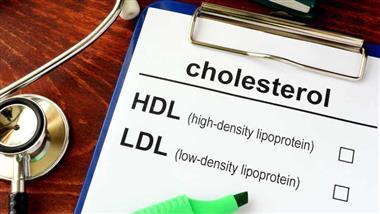
There are two types of cholesterol: High-density and low-density lipoprotein, aka HDL and LDL, but how they affect your heart and your longevity is the subject of ongoing controversy. For years, you've been told that high cholesterol levels were 'ba...
Cholesterol, the soft, waxy substance found in every cell in your body, is used to produce several of your body’s vital functions, including hormones and vitamin D. High cholesterol is now recognized for its link to longer life
Faulty science says your total cholesterol is not a gauge of your heart disease risk, because when your levels are measured, elevated levels called triglycerides are also taken into account
Found in every cell of your body, cholesterol is used to produce several of your body’s vital functions, including those that involve hormones and vitamin D
Studies show a contrary or inverse link between all-cause mortality and total cholesterol levels; in other words, mortality is highest when your cholesterol is low, without exception
Considering the false information on cholesterol, continued prescriptions for statins, and the potentially devastating side effects they cause, it’s clear why researchers are calling for a paradigm shift in the way cholesterol is treated
For those who aren’t sure the conventional health community is wholly in support of individual health when it comes to cholesterol levels — which in some cases still adheres to the story line that too much cholesterol increases the risk of heart disease — you’re right to be concerned.
Taking a global view of what cholesterol is and how it affects your body is a smarter way to approach it than the simple “cholesterol kills” narrative that’s been the drum beat for so many years.
Cholesterol, the soft, waxy substance found in every cell in your body, is used to produce several of your body’s vital functions, including those that involve hormones and vitamin D. About 75% of it is made by your liver and the remainder is derived from the foods you eat; 25% is in your brain.
There are two types: High-density is the first. It is also known as HDL, or the “good” kind that keeps cholesterol away from your arteries and removes it from your arteries. The second type is low density lipoprotein, or LDL. LDL is the “bad” kind that can build up in your arteries, form plaque that narrows your arteries and form a clot. This can then make its way to your heart or brain and cause either a heart attack or stroke.
The American Heart Association (AHA)1 now recommends that you balance your levels at about 150 (milligrams per deciliter) (mg/dL). According to old, unfounded science, your total cholesterol — the sum of all the cholesterol in your body — is not a gauge of your heart disease risk. When your levels are measured, elevated levels of triglycerides are also taken into account. According to Børge Nordestgaard, from the University of Copenhagen and Copenhagen University Hospital:
“So far, both cardiologists and [physicians] have focused mostly on reducing LDL cholesterol, but in the future, the focus will also be on reducing triglycerides and remnant cholesterol.”2
Does it matter what kills you?
In a commentary posted on Mission.org, a rhetorical question is presented: With all the ways you can die, does it really matter what kills you? On one hand, “If you’re dead, you’re dead, no matter from what,” so it seems silly to “focus on changing something that lowers the risk of death from one cause only to raise that risk from another.”3
It’s an astute observation when you read studies showing conclusively that cholesterol has very little to do with heart disease. Even more importantly, cholesterol is crucial for your health. If it’s too low, then eventually, your hormones, disease risk, cell signaling pathways, and yes, your heart, will suffer. In fact, new research shows that a too-low LDL level could put you at higher risk for a stroke.4
The Dietary Guidelines Advisory Committee (DGAC), which reviews the Dietary Guidelines for Americans every five years, investigated the issue. The 2015-2020 guidelines noted:5
“While adequate evidence is not available for a quantitative limit for dietary cholesterol in the 2015-2020 Dietary Guidelines, cholesterol is still important to consider when building a healthy eating style. In fact, the Dietary Guidelines states that people should eat as little dietary cholesterol as possible.”
Yet, even though that’s what it says on the government’s ChooseMyPlate public website, it’s obvious the committee at some point “flipped” its narrative entirely by acknowledging at a Dietary Guidelines Advisory Committee meeting that “cholesterol is not considered a nutrient of concern for overconsumption.”6
It’s no wonder people are confused about where cholesterol fits in your diet, when they send one message to the public and a completely different one to their own group at an advisory committee meeting.
Interestingly, that statement was made nearly five years ago, but information on the importance of cholesterol is nearly two decades old.7 As the Honolulu Heart Program study published in The Lancet in 2001 states:
"Our data accord with previous findings of increased mortality in elderly people with low serum cholesterol, and show that long-term persistence of low cholesterol concentration actually increases risk of death."
The narrative challenges those who insist that eating foods that contain fat of any kind — saturated fats and trans fats alike — are harmful. Many who make this claim also maintain that “Saturated fat is a bad fat because it raises your LDL level more than anything else in your diet.”8 However, as explained in the Mission.org article:
“While total cholesterol is a poor if not utterly worthless risk marker for heart disease, doctors have focused on it to the exclusion of how it might affect other causes of death. It does you little good to save yourself from heart disease if it means that you increase your risk of death from cancer. All-cause mortality — death from anything — is the most appropriate measure to use when looking at risk factors.”9
“Death from anything” may be a clearer term for the one so often used in clinical settings: All-cause mortality. Either way, as quoted by the following study, that’s what the latest research says is the best measure for the factors that increase the risk of what eventually and most likely will take someone’s life.
When it comes to your risk of death from heart disease, there’s much more evidence that inflammation is at the bottom of heart disease rather than high cholesterol, just as it is for a number of other serious diseases. If you want to find what might help you live longer, that’s the premise of a lengthy Japanese study published in the Annals of Nutrition & Metabolism. As the featured study, it notes that regardless of someone’s age, people with higher cholesterol live longer:
“Overall, an inverse trend is found between all-cause mortality and total (or low density lipoprotein [LDL]) cholesterol levels: mortality is highest in the lowest cholesterol group without exception. If limited to elderly people, this trend is universal. As discussed in Section 2, elderly people with the highest cholesterol levels have the highest survival rates irrespective of where they live in the world …
Based on data from Japan, we propose a new direction in the use of cholesterol medications for global health promotion; namely, recognizing that cholesterol is a negative risk factor for all-cause mortality and re-examining our use of cholesterol medications accordingly.”10
After showing that people of all ages with higher cholesterol levels live longer in Japan, in support of these conclusions, similar conclusions were made by a study based in the Netherlands and published in BMJ in 2016.11
The study adjusted for several heart risk factors like smoking, high blood pressure and a history of diabetes melllitus. Participants were placed in groups depending on whether their cholesterol levels were low, medium or high, and those with the highest cholesterol levels were found to have the lowest death rates.
The title of the BMJ review reveals the outcome — there was a “lack of an association or an inverse association between low-density-lipoprotein cholesterol and mortality in the elderly.”12
In short, older people with high LDL cholesterol generally live just as long as — and may even outlive — people with low LDL, which begs the question of how the current cholesterol theory was arrived at in the first place. At the very least, the study authors imply the cholesterol question should at least be re-evaluated. It concluded:
“Our review provides the basis for more research about the cause of atherosclerosis and (cardiovascular disease) and also for a re-evaluation of the guidelines for cardiovascular prevention, in particular because the benefits from statin treatment have been exaggerated.”13
One of the first studies published with information suggesting that high cholesterol is not as heart-damaging as once thought was the Honolulu Heart Program,14 offering further evidence that higher cholesterol levels may be heart protective. The authors concluded by questioning whether there is “scientific justification for attempts to lower cholesterol to concentrations below 4-65 mmol/L in elderly people,” adding that “prudence dictates a more conservative approach in this age group.”15
Can high cholesterol really be heart protective?
Perhaps the question that would get to the point quicker is to ask why the Japanese study infers that people with low versus high cholesterol die sooner? The Mission offers referenced studies that show a few factors that could be weighing in:
•Cholesterol may protect against infections and atherosclerosis, as “the many observations that conflict with the LDL receptor hypothesis, may be explained by the idea that high serum cholesterol and/or high LDL is protective against infection and atherosclerosis.”16
•Cholesterol may protect against cancer, although in previous cases where low cholesterol was linked to cancer, exclusions were made to tip the scales, such as excluding possible prior drug treatment, namely clofibrate, a popular cholesterol-lowering drug before statins, by subjects — leaving the question open as to whether it was the low cholesterol that caused the cancer, or the drug treatments that contributed to it.17
•Low cholesterol (180 mg/dL and lower) and violence in psychiatric patients have been linked. When patients in a long-term psychiatric hospital with a history of seclusion or restraints were compared with other patients, there was a “highly significant and strong association between lower cholesterol levels and violent behavior.” The authors did caution, however, that cholesterol levels should not be used to predict violence.18
•There’s also an association between low cholesterol and suicide dating back more than a decade, as researchers found that people in the lowest quartile of cholesterol concentration had more than six times the suicide rates than those in the highest quartile.19
It should be noted that at least one study in Japan20 determined that high cholesterol and suicide were connected.
But, in fact, numerous recent studies have corroborated the earlier ones connecting low cholesterol to suicide,21 with various findings: For example, one found that low triglycerides, reduced BMI and waist circumference, specifically, but not total cholesterol, were connected to a higher risk of suicide;22 while a 2019 study23 found that “low cholesterol is associated with aggression in suicide attempters.”
So what about statins?
Significantly, the authors of an Annals of Nutrition & Metabolism study didn’t hold back when drawing conclusions regarding why the cholesterol conundrum has gone on so long when the evidence is so clear: “For the side defending this so-called cholesterol theory, the amount of money at stake is too much to lose the fight.”24
The Annals of Nutrition & Metabolism study’s introduction mentions a medical practitioner who advocated statins to his patients to drive down cholesterol until he read the Scandinavian Simvastatin Survival Study,25 in which 4,444 patients with different types of heart disease were given simvastatin — which is touted to be a safe, long-term treatment to improve survival in cardiovascular heart disease patients.
As it turns out, the claim that high cholesterol causes heart disease and death is incorrect; it is, in fact, the opposite. Three reviews26,27,28 supporting the cholesterol hypothesis were found to contain altered data to support their conclusions, according to Expert Review of Clinical Pharmacology, in which it is noted that:
“Our search for falsifications of the cholesterol hypothesis confirms that … the conclusions of the authors of the three reviews are based on misleading statistics, exclusion of unsuccessful trials and by ignoring numerous contradictory observations.”29
Drugs.com30 contributors state that the 35 million people on statins often experience myriad side effects. Liver damage, for instance, is said to be “rare,” implying that ongoing liver tests while taking statins likely aren’t necessary. Some doctors, however, say you’ll need a baseline liver function test beforehand. The most common side effects of statins are:
And, just in case you needed another source to implicate statins’ role in psychiatric problems, an April 2018 study found that lowering cholesterol levels in men could bring about changes in nerve cell membranes and behavior in men:
“Men seem to be more sensitive to low cholesterol levels as the association between low cholesterol levels and aggression is found mostly in men,” the authors said.” … “Lowering cholesterol levels with statins brings about several changes in the serotonergic system, nerve cell membrane microviscosity and behaviour, and needs to be done with precaution in susceptible individuals.
Cholesterol levels could serve as a biological risk marker for violence and suicidal tendencies in psychiatric patients with depression and schizophrenia.”
More studies and reviews on statin use
Rather than pointing patients in the direction of finding dietary solutions, including eating both the whites and the yolks when having eggs, and ditching processed vegetable oils in favor of healthy cooking oils like coconut oil, olive oil and avocado oil, Harvard Health Medical School recently updated an article on how to “manage” muscle pain from taking statins, perpetuating the cholesterol myth. They stated:
“If you’re not taking a statin now, you may well be soon. These medications are commonly prescribed to lower ‘bad’ LDL cholesterol and have been shown to reduce the risk of heart attack, stroke, and death.
They are routinely recommended for people who have cardiovascular disease and for many people ages 40 to 75 who don't have cardiovascular disease but have at least one risk factor (high blood pressure, high cholesterol, diabetes, or smoking) and a 7.5% or greater risk of a stroke or heart attack in the next decade.
Moreover, recent research indicates that they may benefit high risk individuals over age 75 as well … Taking a statin may give you some assurance that you're doing all you can to avoid heart attack and stroke …”31
Exercising, losing weight, adopting healthy eating habits and including vitamin D and coenzyme Q10 (CoQ10) supplements in your diet are all good strategies for maintaining your cholesterol levels. Unfortunately, the common suggestion for alleviating muscle pain due to statin use is more of the same — just try taking a lower dose or switching to another statin prescription.32
As if that weren’t enough, experts say statins may impair your memory and cause amnesia, a possibility real enough to call for a warning on the labels of prescriptions.33Statin use may precipitate a higher risk of developing cataracts34 and it “significantly” increases the likelihood of raising the fasting glucose levels of non-diabetics, as well as inducing high blood sugar.35
In another review of the adverse effects of statins, it was noted that “an array of additional risk factors for statin AEs [adverse events] are those that amplify (or reflect) mitochondrial or metabolic vulnerability, such as metabolic syndrome factors, thyroid disease, and genetic mutations linked to mitochondrial dysfunction.”36
Given the false information saying cholesterol is at fault for causing heart-related disease, the continued prescriptions being handed out to patients for statins, and the side effects they cause, it’s clear why, in their introduction, the authors of the Annals of Nutrition & Metabolism study stressed:37
“This, we believe, marks the starting point of a paradigm shift in not only how we understand the role cholesterol plays in health, but also how we provide cholesterol treatment … Our purpose in writing this supplementary issue is to help everyone understand the issue of cholesterol better than before, and we hope that we lay out the case for why a paradigm shift in cholesterol treatment is needed, and sooner rather than later.”
Having good eye sight is important and we should never neglect our eye health.
Here are some expert tips on how we can all take steps each day to protect our sight and look after our eyes.
OCTOBER 20, 2017
i
Easy tips to keep your vision sharp and your eyes protected.
Eat eye-healthy foods
A nutritious diet has benefits for all types of health conditions, but some foods are particularly beneficial for eyes.
Fatty fish such as tuna, herring or sardines are rich in omega-3 which nourish the cell membranes of nerve cells, including the retina, and help prevent the onset of eye diseases linked to ageing.
Including fruits and vegetables in your diet, especially clementines, oranges and mandarins, blueberries, carrots, and spinach, and broccoli, can also boost eye health thanks to being rich in antioxidants and vitamins A and C, which help protect the cornea and lens of the eye, prevent cataracts, and prevent eye fatigue.
Head outside
Associate Professor Scott Read from Queensland University of Technology, Australia, says spending more time in natural light is one of his top five everyday tips for keeping your eyes healthy.
Heading outdoors will give eyes a chance to focus on things further away and have a rest from close-up work, and it also exposes our eyes to brighter outdoor light which appears to reduce our risks of developing short-sightedness (myopia.)
He also adds that ideally, children should spend at least two hours a day outside to help prevent the condition from developing and progressing.
Spending time outside may reduce the risk of shortsightedness.
Don’t smoke
Kicking the habit can have a positive effect on all areas of health, but Professor Read explains that quitting smoking is also important for eye health.
Smoking increases the risk of cataracts, macular degeneration and damage to your optic nerve.
It also helps maintain a healthy weight which reduces the risk of diabetes, which can also cause eye problems.
Get you eyes tested regularly.
Get regular checkups
Professor Read also says that getting to know your own and your family’s eye health history is important so make sure you go for regular checkups, especially if there are hereditary eye conditions.
Marcela Frazier from the University of Alabama at Birmingham, in the US, also recommends watching out for any eye problems in kids, which can become more noticeable once they start school.
She advises looking out for any complaints of headaches, being tired after reading, squinting, holding books close to the eyes, and even poor school and sports performance, which can all be a result of changes in vision.
Reduce screen time
Managing how long you look at your screens (phone or computer) may be something you should start doing.
Spending two hours or more a day staring at your digital devices, whether it is for work or play, may result in something called digital eye strain.
Spending too much time on your digital devices may be very bad for your eyes.
Digital eye strain is a condition that causes temporary physical discomfort according to a report by The Vision Council.
To avoid the condition, which can result in redness, irritation, dry eyes, blurred vision, eye fatigue, back and neck pain and headaches, experts recommend taking regular screen breaks, and also adjusting things like text size, posture, and computer setup. – AFP Relaxnews
I fear we may be looking at an epidemic of blindness in the next two decades because of this factor that will increase what's now the leading cause of blindness in the US. This type of light contributes to free radical production and can halt your eyes' self-repair processes.
Story at-a-glance
Nourishing your eyes with appropriate nutrients throughout the years can go a long way toward maintaining good eyesight well into your senior years
Some of the most important nutrients for eye health are: lutein, zeaxanthin, meso-zeaxanthin, astaxanthin, anthocyanins, animal-based omega-3 fats and vitamin C
Avoiding blue light, especially from cool white LED lights, at all times but especially at night, will help prevent vision deterioration
By Dr. Mercola
Aging is inevitable, but are age-related problems such as poor vision absolute givens? Contrary to popular belief, your vision is largely dependent on your lifestyle. Nourishing your eyes with appropriate nutrients throughout the years can go a long way toward maintaining good eyesight well into your senior years.
Moreover, even if your eyesight has started to deteriorate, evidence suggests you can stop the deterioration. You may even be able to turn back the clock, as it were, and improve your vision.
Foods Can Protect and Improve Your Eyesight
In a recent BBC article,1 Dr. Michael Mosley discusses his own vision problems and his experiences with nutritional intervention, featured in an episode of the BBC program "Trust Me, I'm a Doctor," aired on September 8, 2016.
The shape and length of your eyeballs, and the thickness of your eye lens affect your ability to see things close-up and at a distance. Your retina, located at the back of your eye, also contains light-sensitive cells that are critical for good vision.
Your macula — the part of your retina responsible for central vision — is protected by a yellow pigment, made up of lutein, zeaxanthin and meso-zeaxanthin. These compounds absorb light and protect your macula from blue light and ultraviolet (UV) light from the sun and other light sources.2
Lutein, zeaxanthin and meso-zeaxanthin are plant compounds with potent antioxidant capacities. Your body cannot make them, so you must get them from your diet. As noted by the BBC:3
"Lutein and zeaxanthin are found commonly in dark green leafy veg such as kale and spinach, and also bell peppers, corn and saffron. Meso-zeaxanthin is generally not found in plants — it is thought to be made in our bodies from lutein (although it is also present in some fish … )
These pigments, once we eat them, appear to be important in our vision and in helping keep the macula healthy."
Lutein and Zeaxanthin Supplements Can Make a Big Difference
Mosley describes undergoing a number of extensive vision tests designed to evaluate the health of his retina, his ability to see colors, night vision and the level of protection his macula had against UV and blue light.
"The results of my tests were both fascinating and depressing. My detection of yellow and blue colors was extremely poor — something that [Professor John] Barbur said was likely the result of my brush with diabetes many years ago,"Mosley writes.
My night vision and perception of details were also poor compared with younger people — but consistent with my age. The Trust Me team then handed me a 90-day supply of supplement pills that were supposed to help."
The supplements in question contained lutein and zeaxanthin. Three months later, follow-up tests revealed remarkable improvement. Not only was his night vision and protective macular pigments improved, but his blue and yellow color perception was now within the normal range.
Some studies suggest these nutrients may also slow down or prevent age-related macular degeneration (ARMD), which is the leading cause of blindness among the elderly, followed by cataracts.
How Much Lutein and Zeaxanthin Do You Need?
While there's no recommended daily intake for lutein and zeaxanthin, studies have found health benefits for lutein at a dose of 10 milligrams (mg) per day, and at 2 mg per day for zeaxanthin. Meanwhile, studies suggest American adults get, on average, only 1 to 2 mg of lutein from their diet each day.4
Research evaluating the effect of lutein, zeaxanthin and meso-zeaxanthin in combination, using a dose of 10 mg of lutein, 10 mg of meso-zeaxanthin and 2 mg of zeaxanthin per day for one year, found it helped improve vision in those who had normal vision at the outset.5,6
"Should we all, then, be taking supplements to protect and even improve our eyesight? Well, the research certainly shows that supplements work," Mosley writes.
"Even for someone like me, who has a relatively healthy diet with plenty of fruit and vegetables, and whose blood levels of the compounds that weren't particularly low, the supplements helped. However, some researchers believe that diet can simply be enough, if we eat the right things."
What Should You Eat to Protect or Improve Your Vision?
Lutein and zeaxanthin are primarily found in green leafy vegetables, with kale andspinach topping the list of lutein-rich foods. You'll also find these nutrients in orange- and yellow-colored fruits and vegetables.
According to one 1998 study,7 orange pepper had the highest amount of zeaxanthin of the 33 fruits and vegetables tested. According to the authors:
"Most of the dark green leafy vegetables, previously recommended for a higher intake of lutein and zeaxanthin, have 15 [to] 47 percent of lutein, but a very low content (0 to 3 percent) of zeaxanthin.
Our study shows that fruits and vegetables of various colors can be consumed to increase dietary intake of lutein and zeaxanthin."
Egg yolk is another good source of both lutein and zeaxanthin, along with healthy fat and protein, and while the total amount of carotenoids is lower than many vegetables, they're in a highly absorbable, nearly ideal form.
According to a study published last year,8 adding a couple of eggs to your salad can also increase the carotenoid absorption from the whole meal as much as nine-fold!
Eggs from free-range, pastured hens have bright orange yolks, which is an indication of their elevated lutein and zeaxanthin content. Dull, pale yellow yolks are a sure sign you're getting eggs form caged hens fed an unnatural grain diet, and hence will have low amounts of these valuable nutrients.
How Much Lutein Can You Get From Your Foods?
Following is a list of lutein-rich foods. Most of these also contain zeaxanthin, albeit in lesser quantities than lutein. Ideally, you'll want to consume these foods as close to raw as possible.
Once you heat spinach or egg yolks, for example, the lutein and zeaxanthin become damaged and will not perform as well in preventing degeneration of your macula. Accessory micronutrients in the foods that enhance their action also tend to get easily damaged.
U.S Department of Agriculture, Agricultural Research Service, USDA Nutrient Data Laboratory. 2005. USDA National Nutrient Database for Standard Reference, Release 20 (2007), Nutrient Data Laboratory Home Page
Vitamin C Combats Cataracts
In related news, higher intakes of vitamin C have been shown to prevent cataracts, the second leading cause of vision loss.9According to the National Eye Institute, more than half of all Americans end up getting cataracts by the time they're 80.
The study,10 which compared vitamin C intake and the progression of cataracts in more than 320 pairs of female twins over the course of a decade, found that those who ate more vitamin C-rich foods lowered their risk of cataracts by one-third. Interestingly, vitamin C supplements were not associated with a reduction in risk.
Citrus fruits such as oranges, lemons, limes and grapefruits are well-known for being high in vitamin C, but the fruit with the highest concentration of all is actually acerola cherries (also known as Barbados cherries.) They are not as sweet as a regular cherry but about the same size.
Each cherry only has 1 calorie but 80 mg of vitamin C and the associated micronutrients. I have two of these trees in my front yard and for months I am able to gather 50 to 70 cherries a day. It is by far my favorite and healthiest fruit.
Animal-Based Omega-3 Lowers Risk of Blindness in Diabetics
Another recent study11 found that diabetics who routinely ate 500 mg of omega-3-rich fish (two servings per week) reduced their risk of diabetic retinopathy by an impressive 48 percent.12 Diabetic retinopathy is a serious complication or side effect of type 2 diabetes that occurs when blood flow to your retina is reduced. It's the most common cause of blindness in diabetics.
This significant risk reduction was primarily attributed to lower inflammation levels. Animal-based omega-3 fats also provide structural support to cell membranes that boost eye health and protect retinal function. Earlier research13 has shown that those with the highest intake of animal-based omega-3 fats have a 60 percent lower risk of advanced macular degeneration compared to those who consume the least.
A 2009 study also found that those with the highest consumption of omega-3 fats were 30 percent less likely to progress to the advanced form of the disease over a 12-year period,14 and a second study published in 2009 found that those with diets high in omega-3 fats along with vitamin C, vitamin E, zinc, lutein and zeaxanthin, had a lower risk of macular degeneration.15
Foods rich in animal-based omega-3 are most naturally raised sea food, which means you need to be mindful of mercury contamination levels. Not all fish are high in omega-3 fats, and most fish are severely contaminated to boot, so it's important to be selective. Marine sources that are high in omega-3 and low in environmental pollutants include:
Wild Alaskan salmon (which also contains astaxanthin — one of the most potent promoters of eye health; see below)
Small fatty, cold-water fish such as herring, sardines and anchovies
Astaxanthin — The Most Powerful Promoter of Eye Health
Astaxanthin is produced by the microalgae Haematococcus pluvialis when its water supply dries up, forcing it to protect itself from UV radiation. Besides the microalgae that produce it, the only other source are the sea creatures that consume the algae (such as salmon, shellfish and krill).
Astaxanthin is far more powerful an antioxidant than both lutein and zeaxanthin, and many researchers believe it to be the most powerful antioxidant ever discovered for eye health.16,17,18,19 It's been found to have protective benefits against a number of eye-related problems, including the two leading causes of blindness in seniors: ARMD and cataracts, as well as:
Cystoid macular edema
Diabetic retinopathy
Retinal arterial occlusion and venous occlusion
Glaucoma
Inflammatory eye diseases (i.e., retinitis, iritis, keratitis and scleritis)
Research shows it easily crosses into the tissues of your eye and exerts its effects safely and with more potency than any of the other carotenoids, without adverse reactions. Specifically, astaxanthin has been shown to ameliorate or prevent light-induced damage, photoreceptor cell damage, ganglion cell damage and damage to the neurons of the inner retinal layers.
Astaxanthin also helps maintain appropriate eye pressure levels that are already within the normal range, and supports your eyes' energy levels and visual acuity.
Depending on your individual situation, you may want to take an astaxanthin supplement. I recommend starting with 4 mg per day. Krill oil also contains high quality animal-based omega-3 fat in combination with naturally-occurring astaxanthin, albeit at lower levels than what you'll get from an astaxanthin supplement.
How Anthocyanins in Berries Benefit Your Eyes
Dark blue or purplish, almost black-colored berries like black currants and bilberries contain high amounts of the antioxidant anthocyanins. Black currants contain some of the highest levels. They're also rich in essential fatty acids, lending added support to its anti-inflammatory properties. For medicinal purposes, many opt for using black currant seed oil, but eating the whole food is always an option, especially when they're in season.
Bilberry,20,21 a close relative of the blueberry, also contain high amounts of anthocyanins, just like the black currant. Research suggests the bilberry may be particularly useful for inhibiting or reversing macular degeneration. A 2005 study22 found that rats with early senile cataract and macular degeneration who received 20 mg of bilberry extract per kilo of body weight suffered no impairment of their lens and retina, while 70 percent of the control group suffered degeneration over the three-month-long study.
According to the authors: "The results suggest that... long-term supplementation with bilberry extract is effective in prevention of macular degeneration and cataract."As for dosage, Total Health Magazine23 has noted that "positive results in trials required the ingestion of 50 mg or more per day of anthocyanins. A prudent level of intake would be on the order of 90 or 100 mg of the anthocyanins per day." Similar dosage suggestions are given by the editors of PureHealthMD,24 who note that:
"When looking for a bilberry supplement for the eye, choose one that also includes 10 to 20 mg lutein and 1 to 2 mg zeaxanthin. Patients should target 80 to 160 mg daily. Those seeking prevention of eye disease, or just protection of the cells, can target 40 to 80 mg daily in combination with other antioxidant vitamins or in fruit combinations, such as blueberry/bilberry/raspberry."
Even More Important: Avoid Artificial Blue Light
The full extent of the health benefits associated with blue light avoidance are only beginning to be understood. Sunglasses that block blue light have the benefit of making objects appear sharper, but mounting research suggests blocking blue light also serves an important biological purpose by regulating your internal body clock, which controls your sleep patterns and other body functions. Indeed, exposure to artificial light is likely one of the most often-overlooked health risks of living in the 21st century.
One of the simplest and least expensive ways to protect your body's internal rhythm, and thereby support healthy sleep and a lowered risk of many chronic diseases, is to wear amber-colored glasses that block blue light — not just at night but anytime you are exposed to fluorescent or LED lights.
This is because LEDs and fluorescents, although far more energy efficient, are not analog thermal light sources but digital ones. They have unbalanced wavelengths that are very different from the sun. They have a predominance of blue frequencies that contributes to free radical production, and lack the red, infrared and near infrared healing frequencies that stimulate repair and regeneration that are present in thermal light sources like clear incandescent bulbs.
The now-banned-in-the-U.S. incandescent lights, although highly inefficient, as they actually use only 5 percent of the energy for light and emit the rest as heat or infrared light, are actually an analog thermal light source not very dissimilar to a fire or candle, especially if the bulb is clear and non-coated.
These bulbs have a similar wavelength pattern as the sun, but lack the blue and violet frequencies that can be so damaging to your circadian rhythm and melatonin at night. So a clear incandescent bulb is the best bulb to use at night for any light you may need. Even though you will use more energy, the health benefits far exceed paying for the extra energy.
Additionally, one of the best strategies to establish your circadian rhythm is to spend some time outdoors shortly after sunrise. The red and infrared frequencies will help prepare your retina for the blue light emitted a bit after sunrise, which will produce a reactive oxygen signal to produce melatonin later that night — assuming you sleep in complete darkness.
Establishing a healthy circadian rhythm is essential for good health, so please consider the healthy habit of getting outside every day shortly after sunrise without glasses to expose your retina to the full spectrum of sunlight.
It is likely that chronic exposure to unopposed digital blue light from LED and fluorescents will likely contribute to an epidemic of blindness in the next two decades, as it will increase the incident of ARMD, which is already the leading cause of blindness in the U.S.
As for the blue-blocking glasses, I found an effective Uvex model (S1933X) on Amazon that costs less than $10. There is also one from Nature Bound at $12 that may be better at blocking the blue wavelength. I call them reverse sunglasses and wear them indoors in most commercial buildings that have their lights on and then I remove them the moment I go outdoors.
As soon as the sun sets, I wear them, because the last thing I want to do is expose my retina to unopposed blue light, especially during the absence of balancing sunlight. The benefits of blue-blocking glasses include but are not limited to:
•Preventing damage to the docosahexaenoic acid (DHA — an essential animal-based omega-3 fat) in your retinal pigmented epithelium (RPE), which is responsible for converting the photons from sunlight into electrons via the photoelectric effect that Einstein received a Nobel prize for in 1921. These electrons provide a vital DC electric current that your body needs for optimal functioning
•Increasing mitochondrial health and efficiency, as blue light has the side effect of increasing the distance of the proteins in the respiratory electron transport chain in your mitochondria, making them far less efficient in producing ATP. Blocking blue light prevents this decline in efficiency from occurring
•Significantly improving symptoms of bipolar disorder.25,26 Those who wore blue-blocking orange-tinted glasses from 6 p.m. to 8 a.m. for seven days had significant improvements in symptoms of mania compared to those who wore clear glasses. What's more, the improvements began after just three nights of use.
The dramatic results make sense in light of the relatively recent discovery of intrinsically photo-responsive retinal ganglion cells, which are receptors in your eyes that detect only blue light. These receptors communicate with areas of your brain linked to control of your biological clock (hypothalamus) as well as mood and emotions (the limbic system).27 Earlier research also found dramatic improvements in insomnia and mood in about half of bipolar patients who wore blue-blocking glasses.28
Optimize Your Eyesight by Eating Right and Living Healthy
Besides eating plenty of carotenoids-rich vegetables, organic pastured egg yolks and omega-3 and astaxanthin-rich wild Alaskan salmon, another really important dietary aspect is to normalize your blood sugar, as excessive sugar in your blood can pull fluid from the lens of your eye, affecting your ability to focus. It can also damage the blood vessels in your retina, thereby obstructing blood flow.
To keep your blood sugar in a healthy range, follow my comprehensive nutrition guidelines and avoid processed foods. Besides being chockful of hidden sugars, processed foods are also a source of trans fats, which have an adverse effect on your eye health. Trans fats may contribute to macular degeneration by interfering with omega-3 fats in your body. Food companies have until June 2018 to remove partially hydrogenated oils — the primary source of trans fats — from their processed foods.29
Until then, trans fats may still lurk in many processed foods and baked goods, including margarine, shortening, fried foods like French fries, fried chicken and doughnuts, and cookies, pastries and crackers.
Beware that heated vegetable oils may be just as, if not more, harmful than trans fats, as very harmful oxidation products are created. This is yet another reason for avoiding processed foods and food from fast food restaurants. Also avoid artificial sweeteners, as vision problems are actually one of the many potential acute symptoms of aspartame poisoning.
Besides addressing your diet, you'll also want to exercise regularly, and be sure to optimize your vitamin D level. Vitamin D is particularly important for those with genetic risk factors for ARMD. In one study, middle-aged women who have a high-risk genotype and are vitamin D deficient were found to be 6.7 times more likely to develop ARMD than those without this genetic risk factor who also have sufficient vitamin D.30,31,32